What You Are Seeing
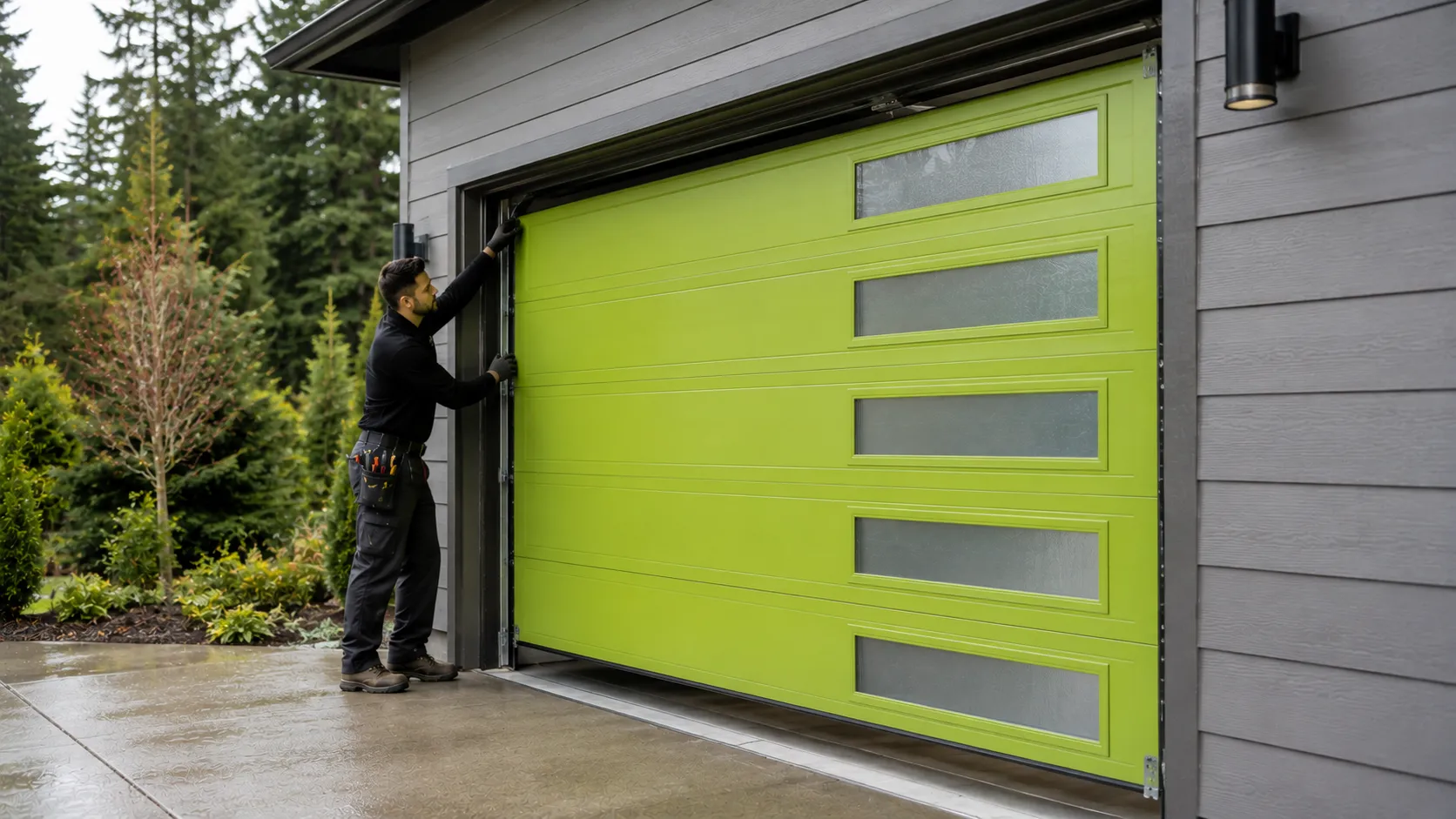
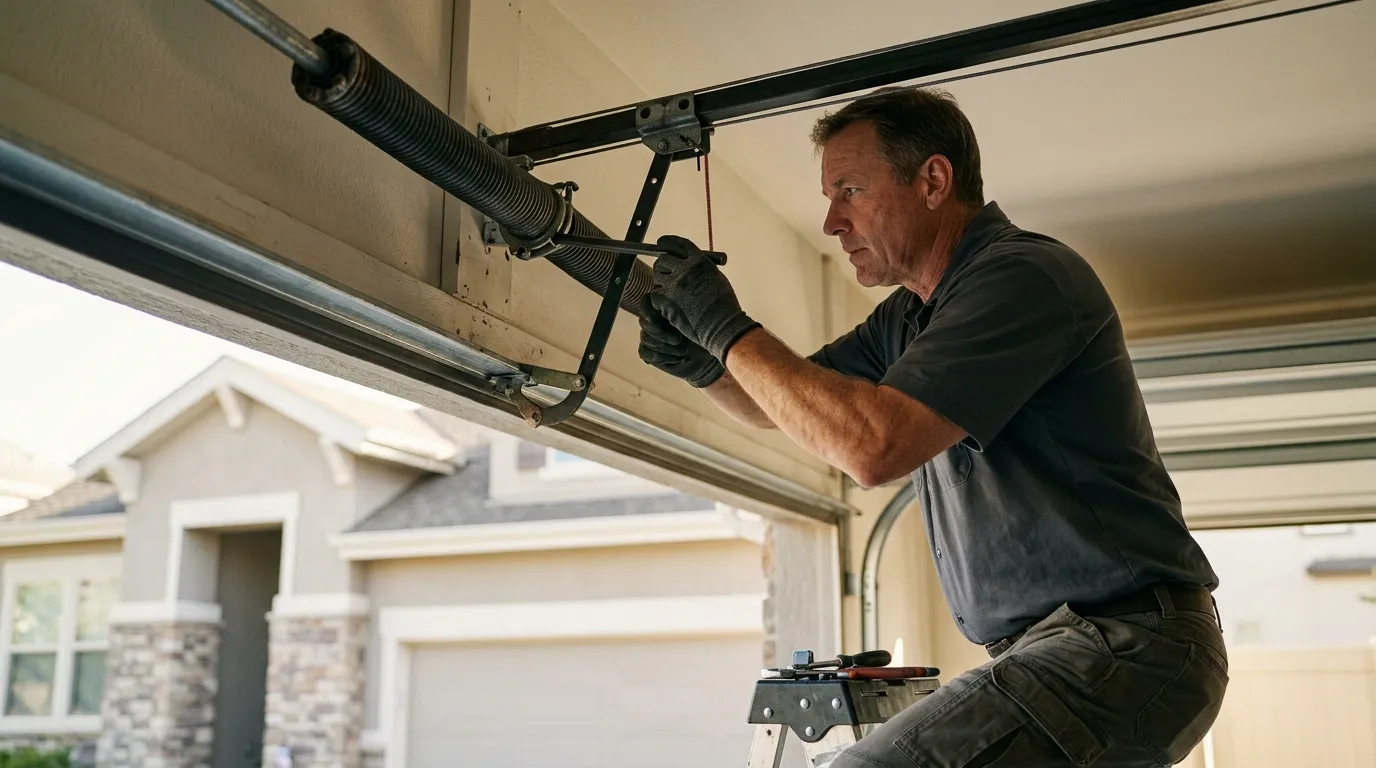
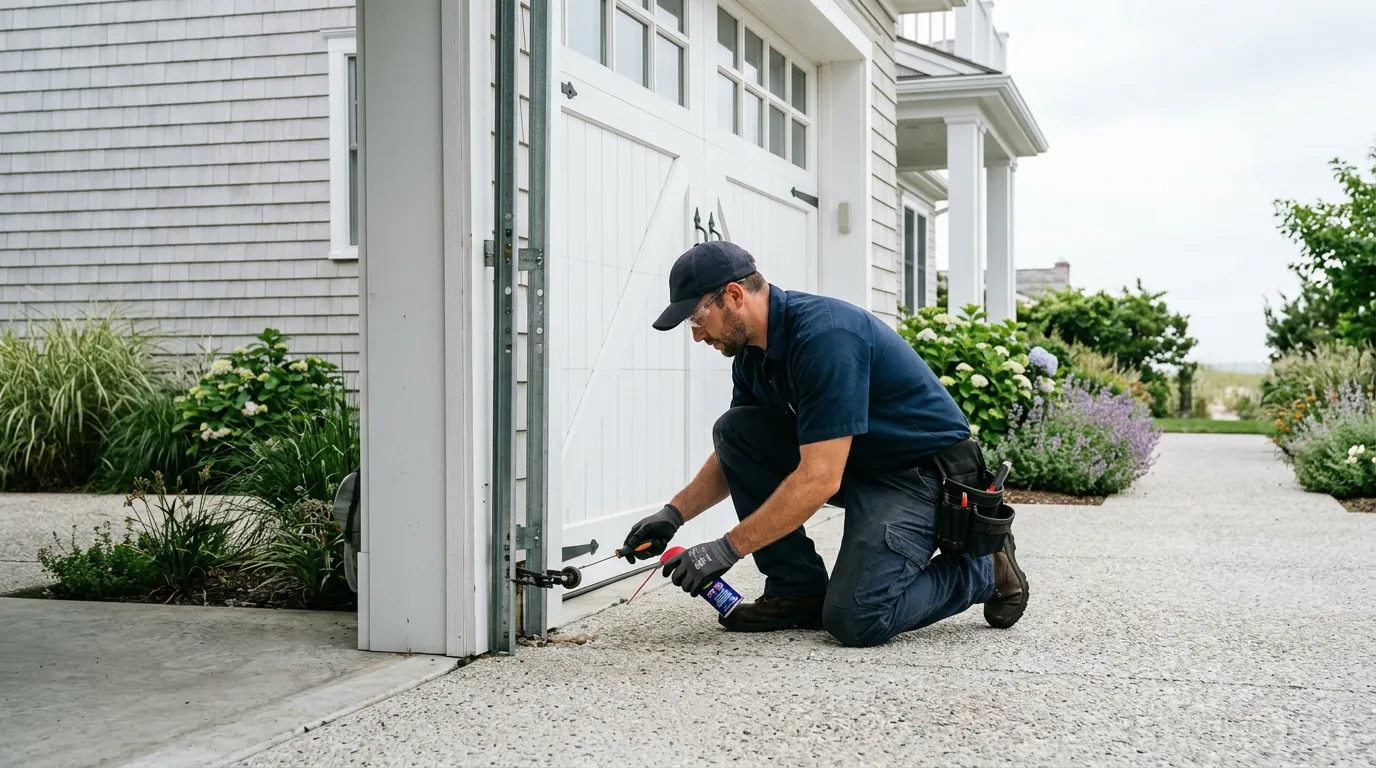
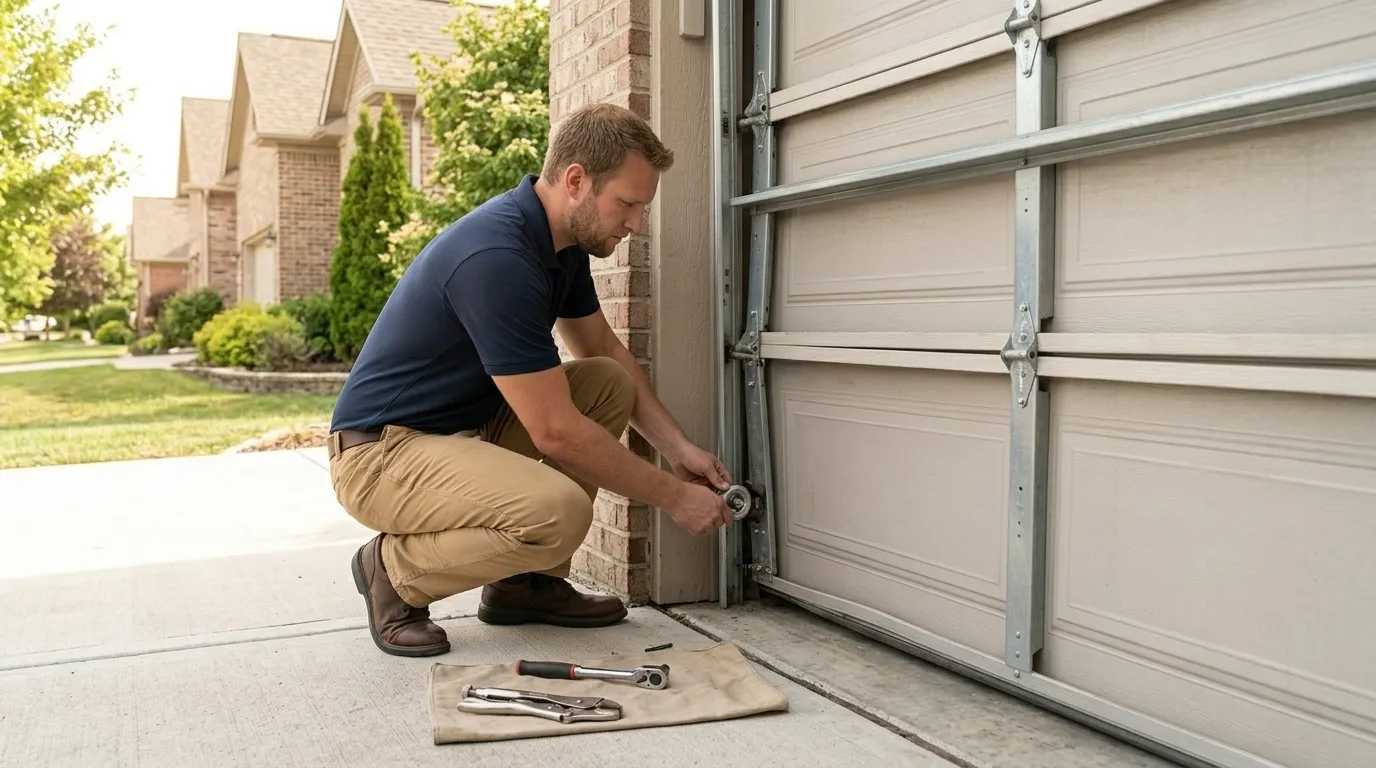
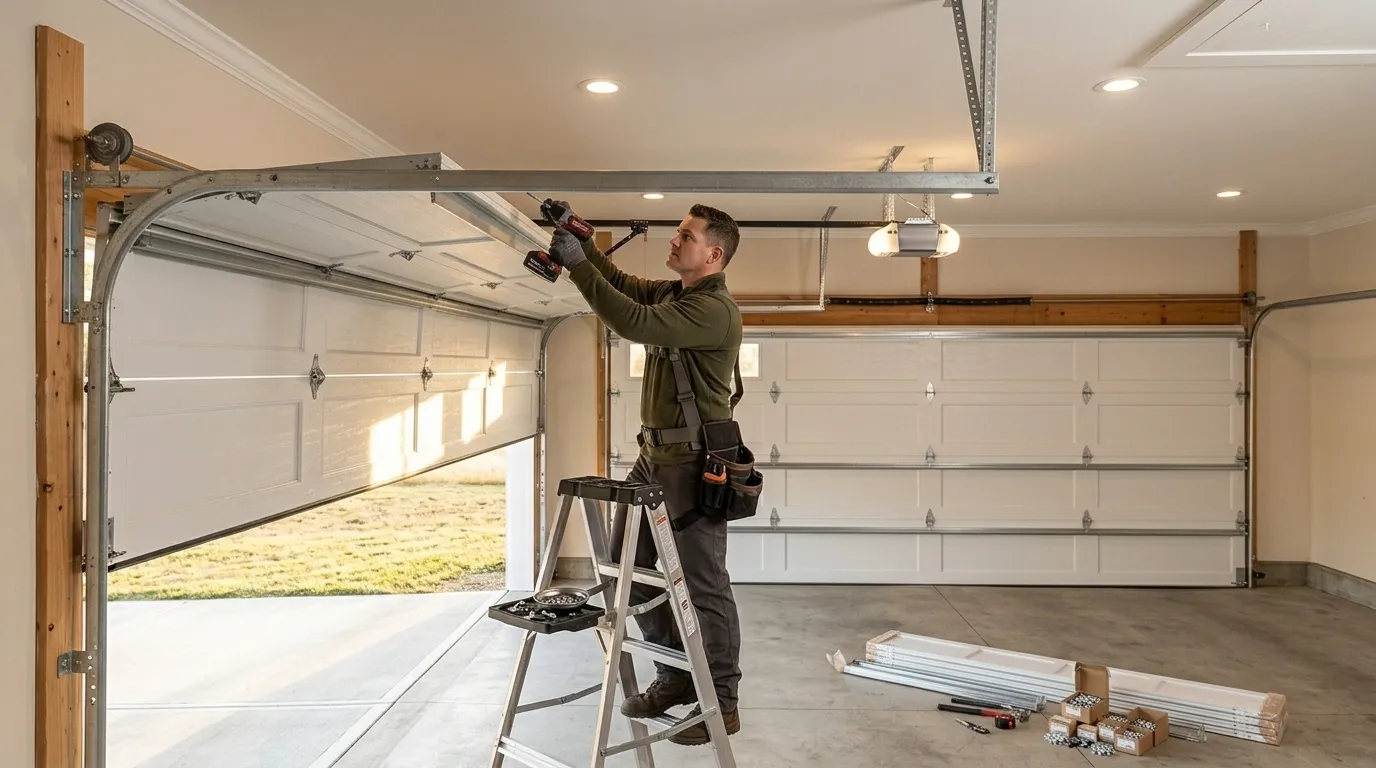
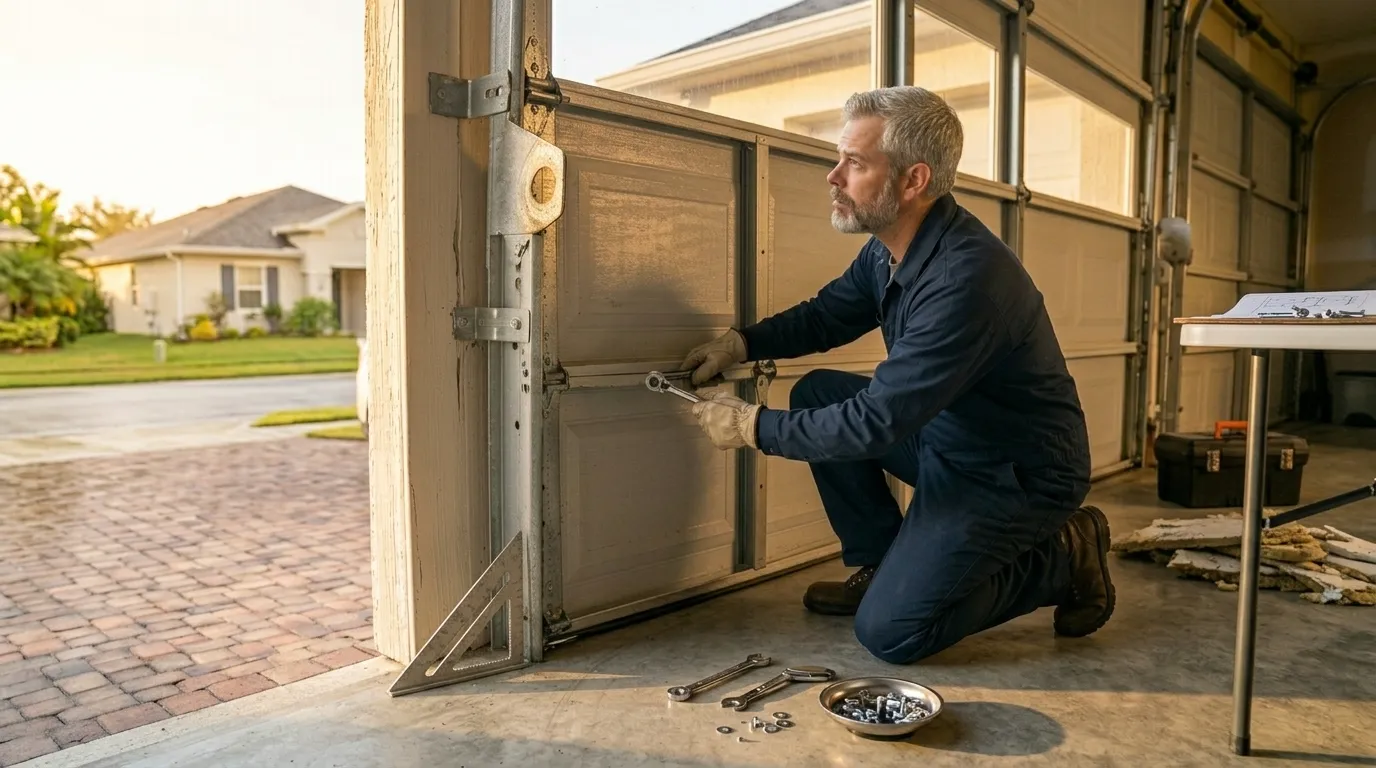
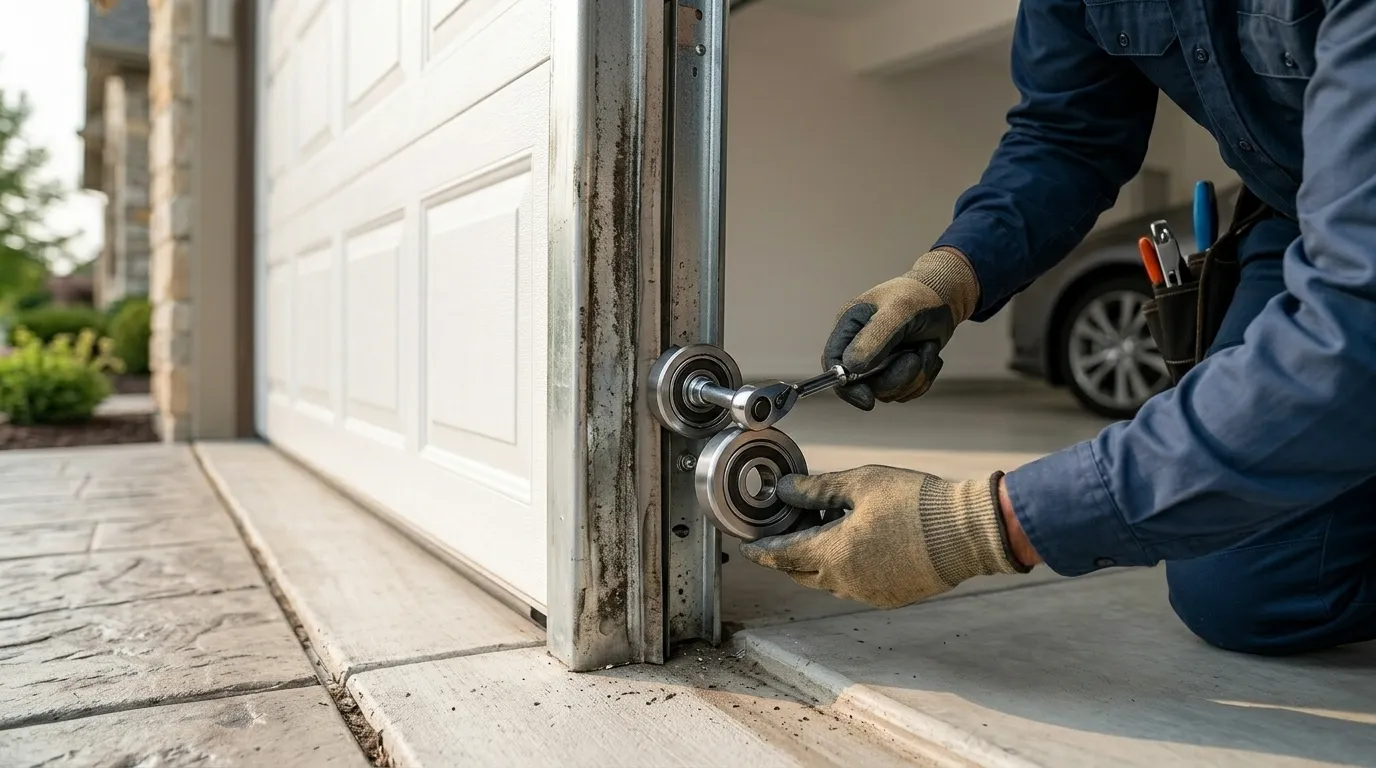
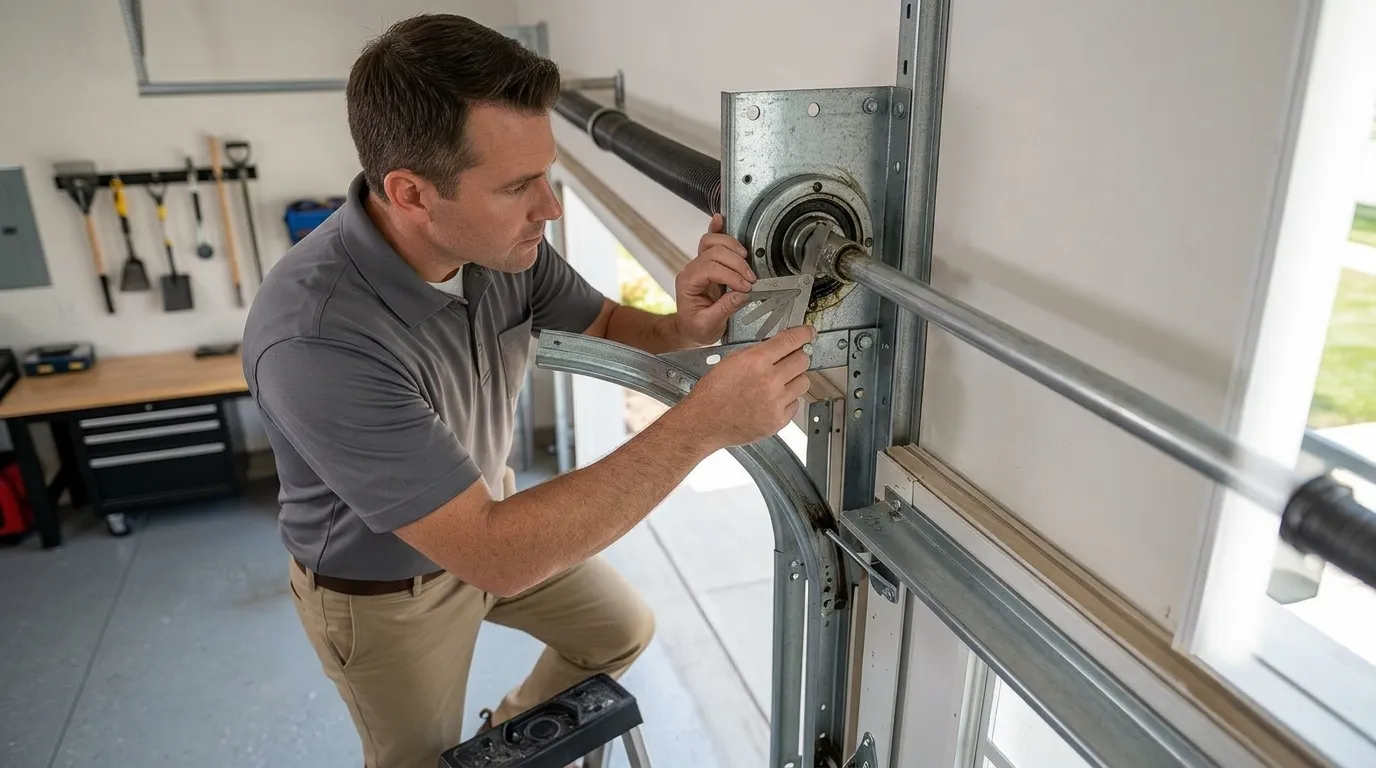
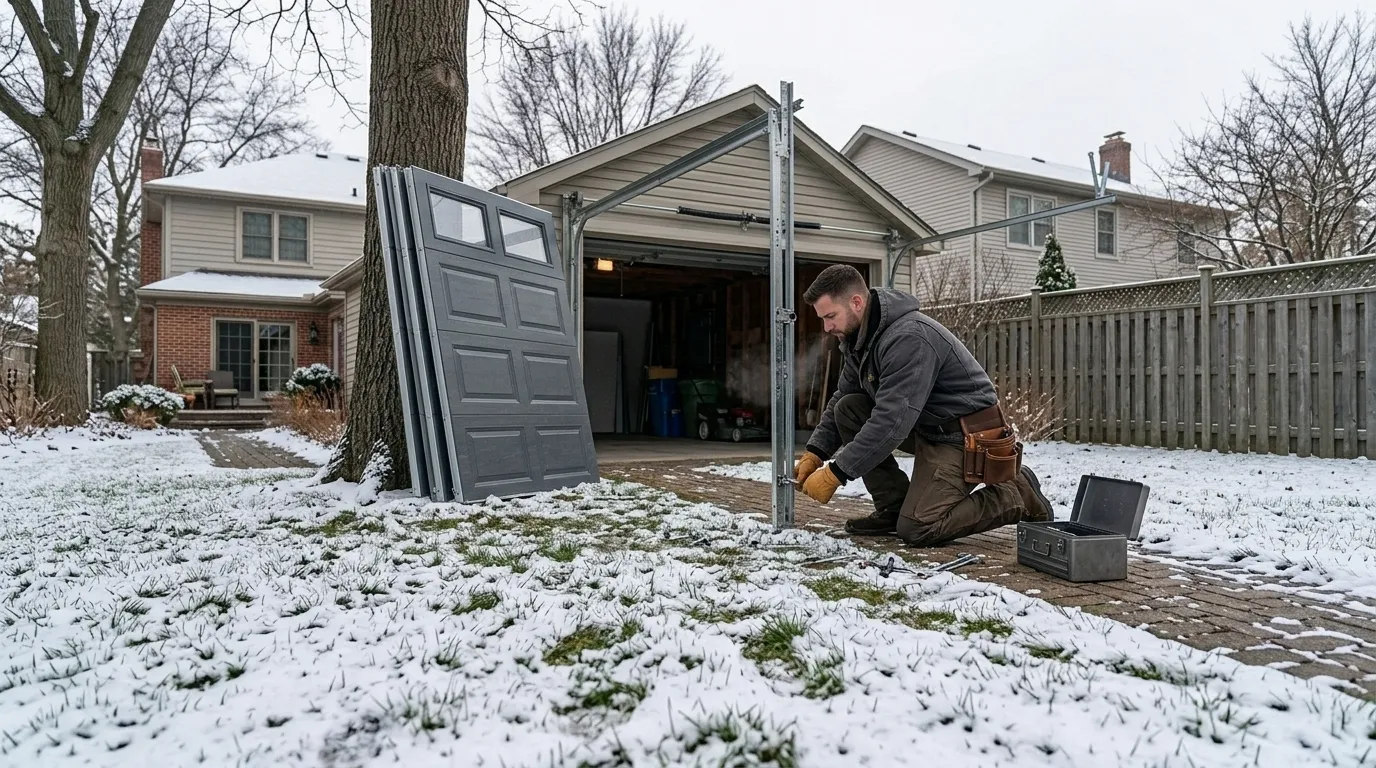
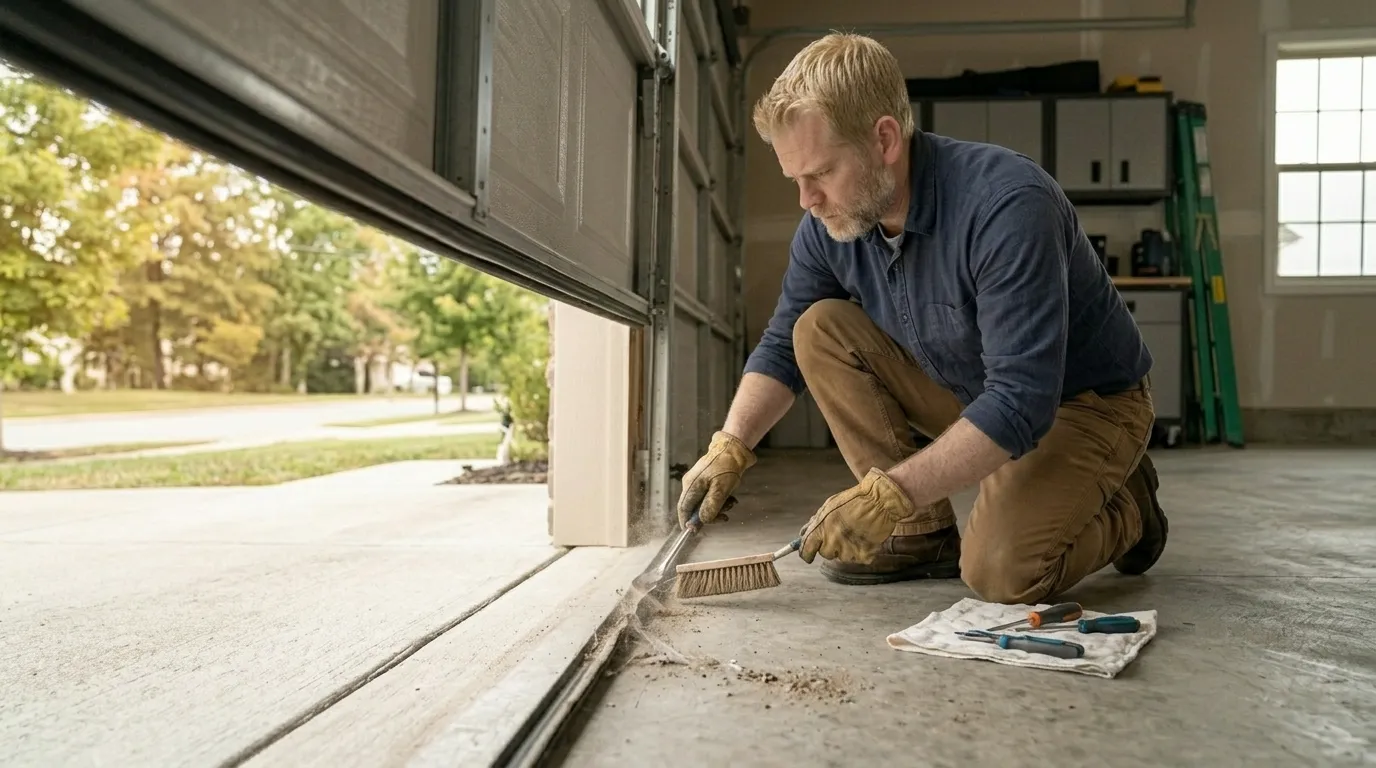
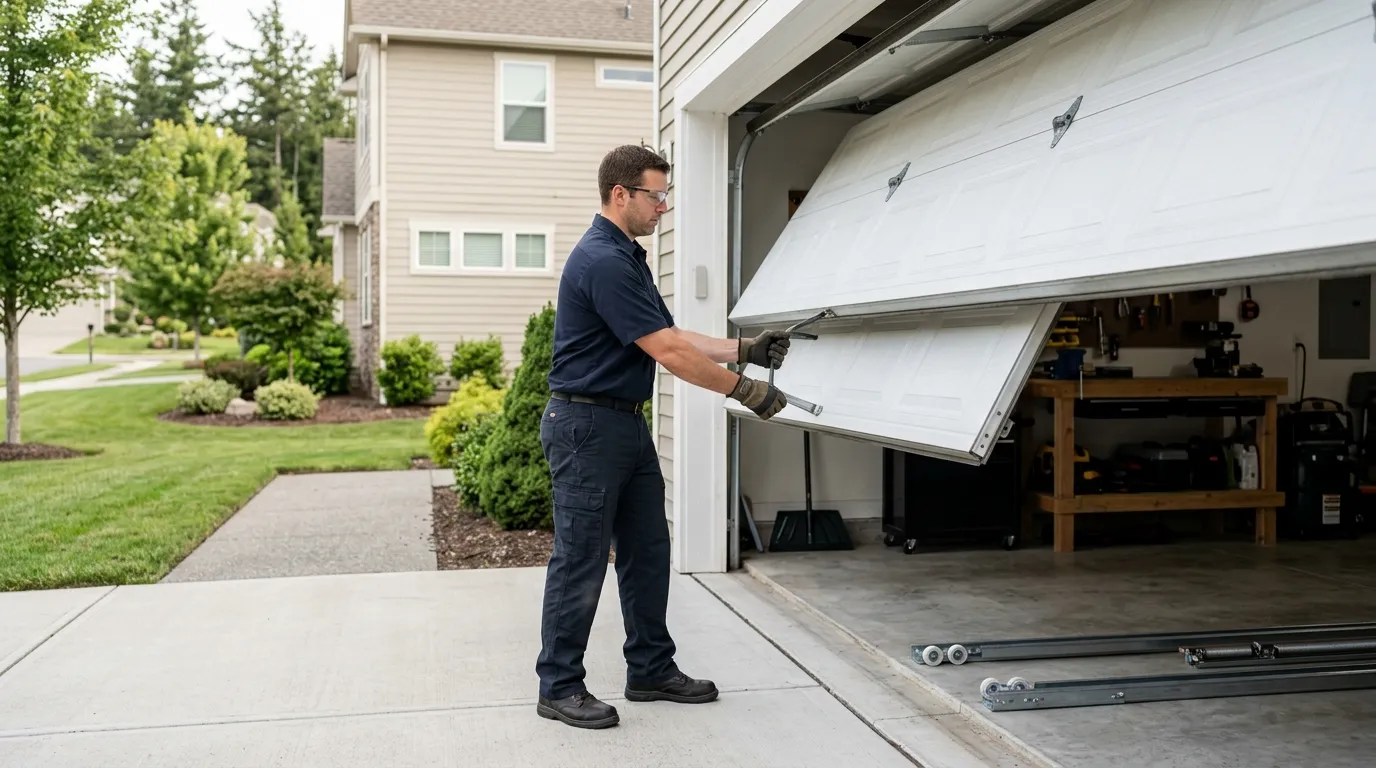
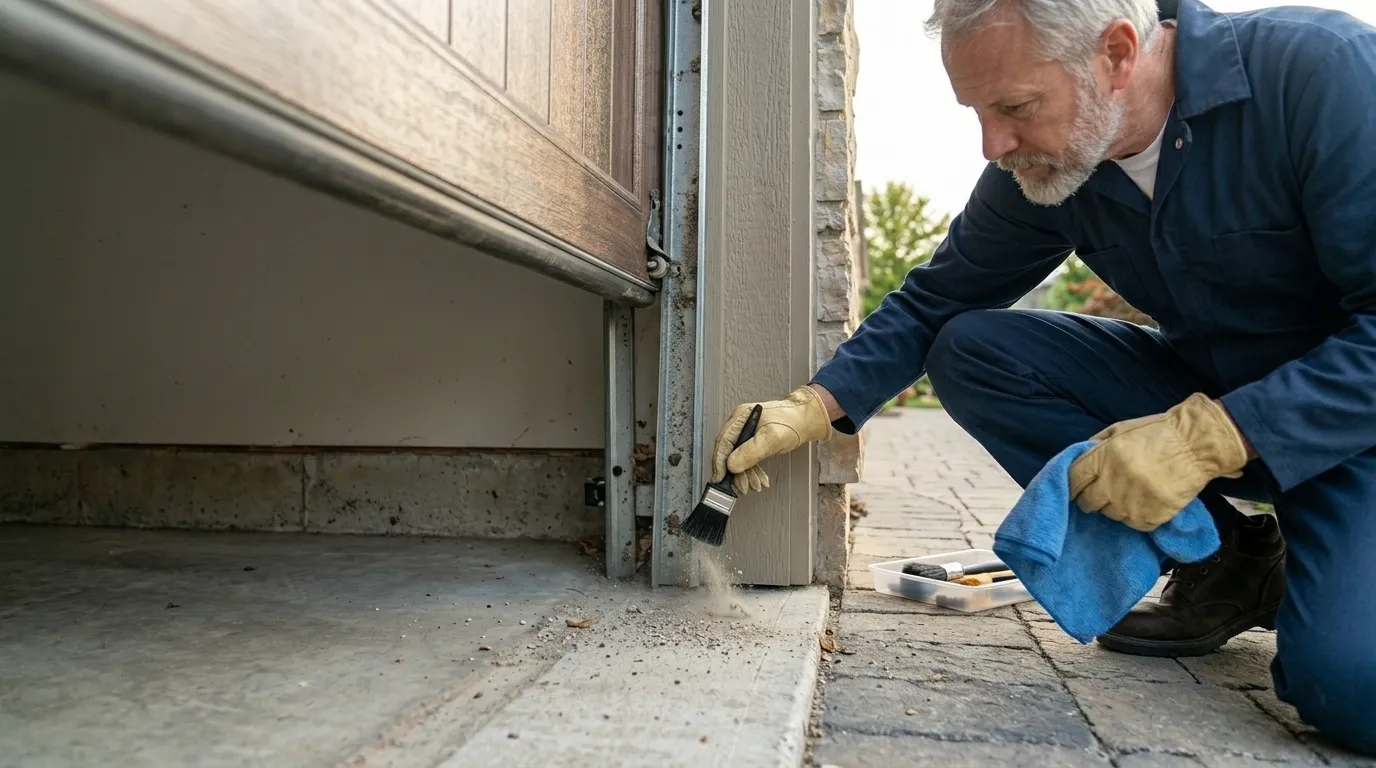
If you run a shop, warehouse, or service bay in this area, the failure usually looks the same: the door starts slow, then jerky, then it won't close all the way or it reverses halfway up. Sometimes it's a bent track from a forklift tap. Sometimes the opener runs but the door barely moves, which usually means a spring has lost tension or snapped outright. Most of the commercial stock in this service area went up during the same growth wave that built the housing around it - construction here spans 1971 to 2013, with the bulk of it dating to roughly 2002. That means a lot of standard-duty sectional steel doors on torsion hardware sized for a slower era of use than what's actually running through them now. A door rated for a handful of cycles a day starts showing wear fast once a business puts it through twenty or thirty. You'll also see rollers grinding in the track, cables fraying near the bottom bracket, and photo-eye sensors knocked out of alignment by pallet jacks or delivery carts. None of this is exotic. It's what happens when doors built for a lighter duty cycle get put to real commercial work, year after year.
Why It Happens Here
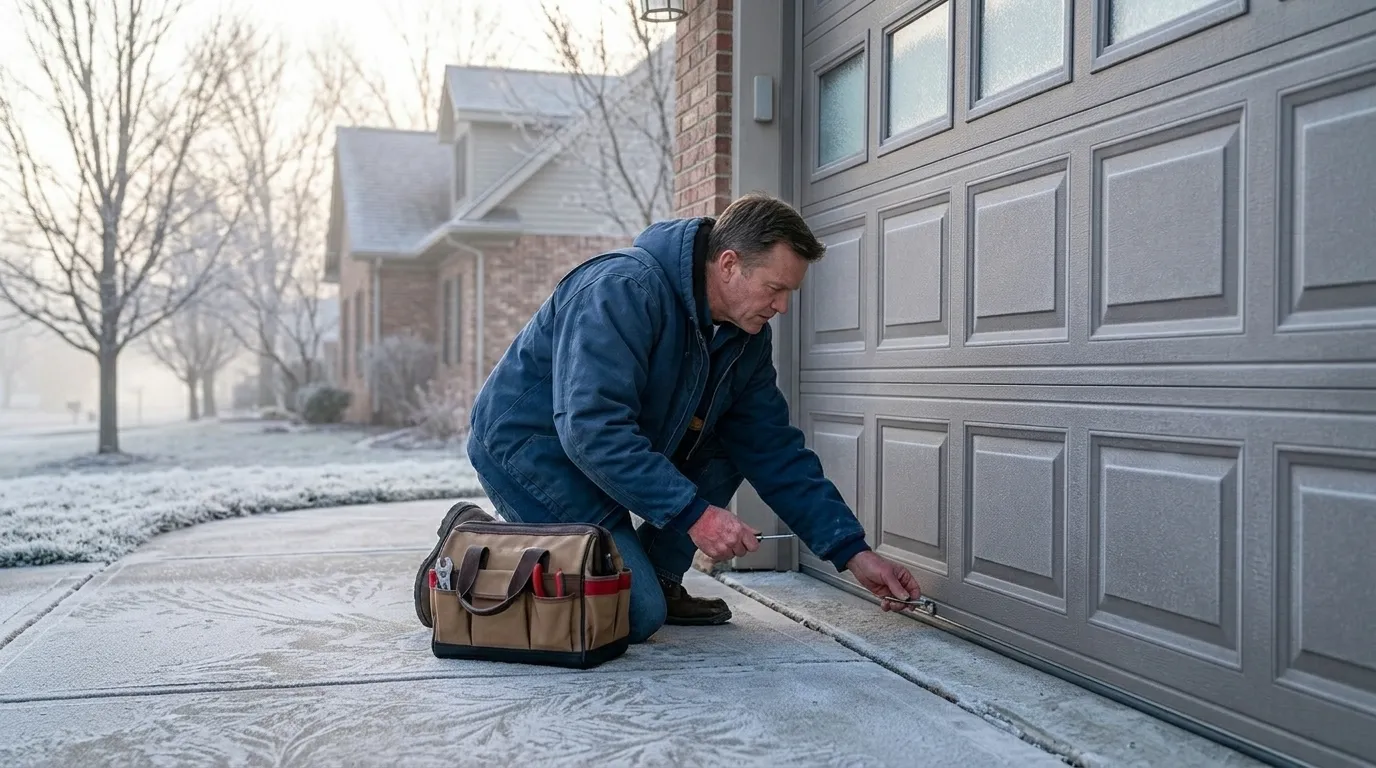
The climate in this part of Texas runs mild most of the year with occasional freeze events, and that swing matters more than people think for commercial doors that get opened and closed dozens of times a day. Steel expands and contracts, lubricant thickens when temperatures drop overnight and then gets worked hard again the next morning, and torsion springs that are already carrying a heavier-than-designed cycle load lose tension faster under that stress. Combine that with a building stock that mostly dates to the same growth period as the housing around it - 1971 through 2013, median 2002 - and you get a lot of commercial doors approaching or past their expected spring life at roughly the same time. Add a service area with a median household income of $124,500 and 39,024 owner-occupied houses among 51,055 households, and what you get is a lot of small, owner-run operations that keep pushing a door until it actually fails rather than replacing it early. That's understandable, but it means more emergency calls than scheduled ones.
How We Fix It
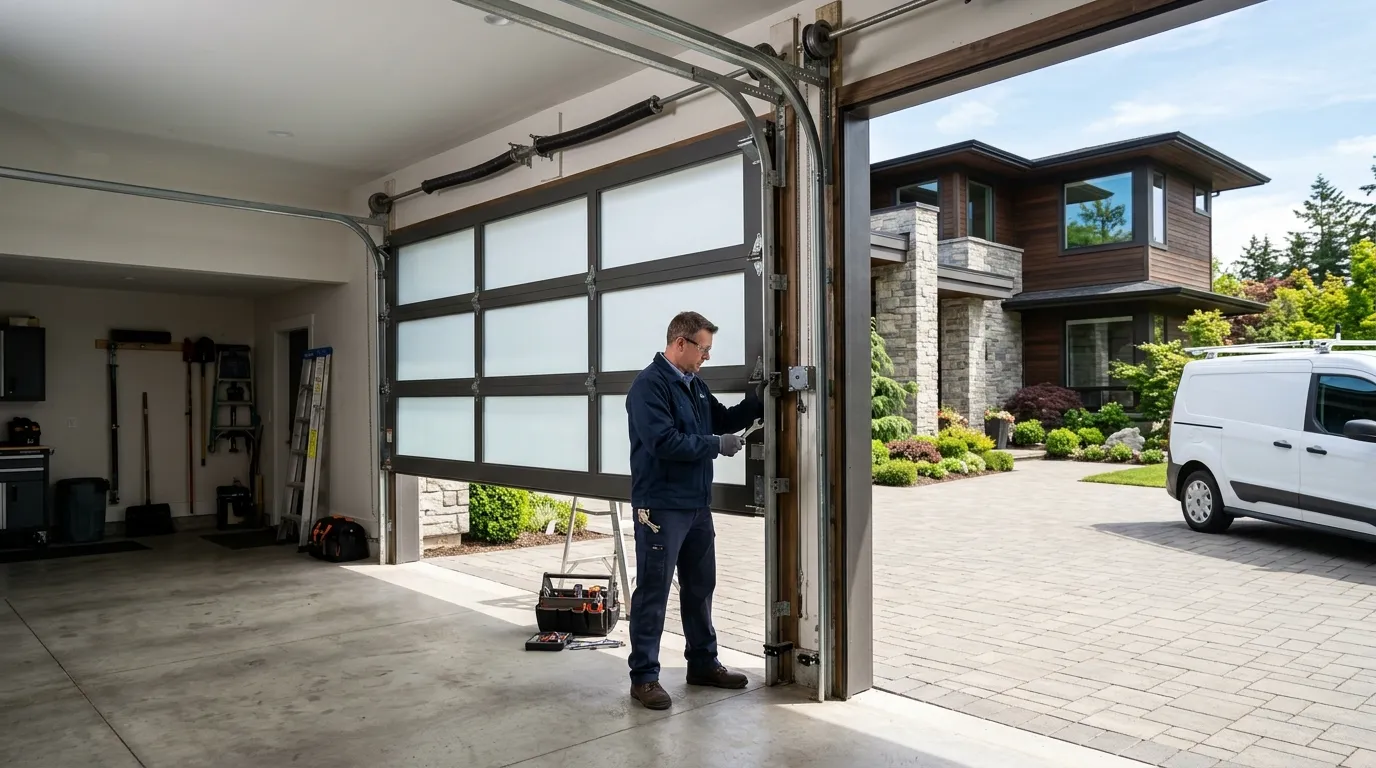
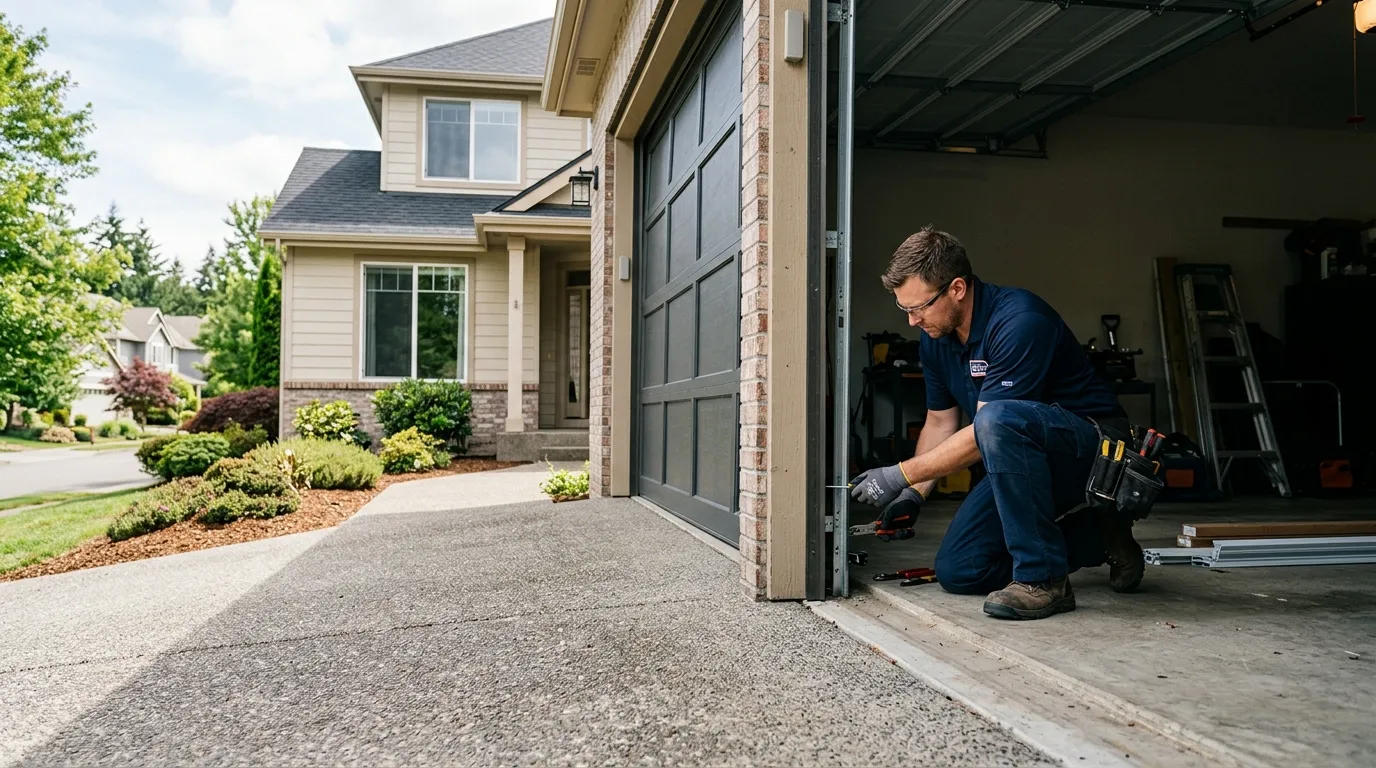
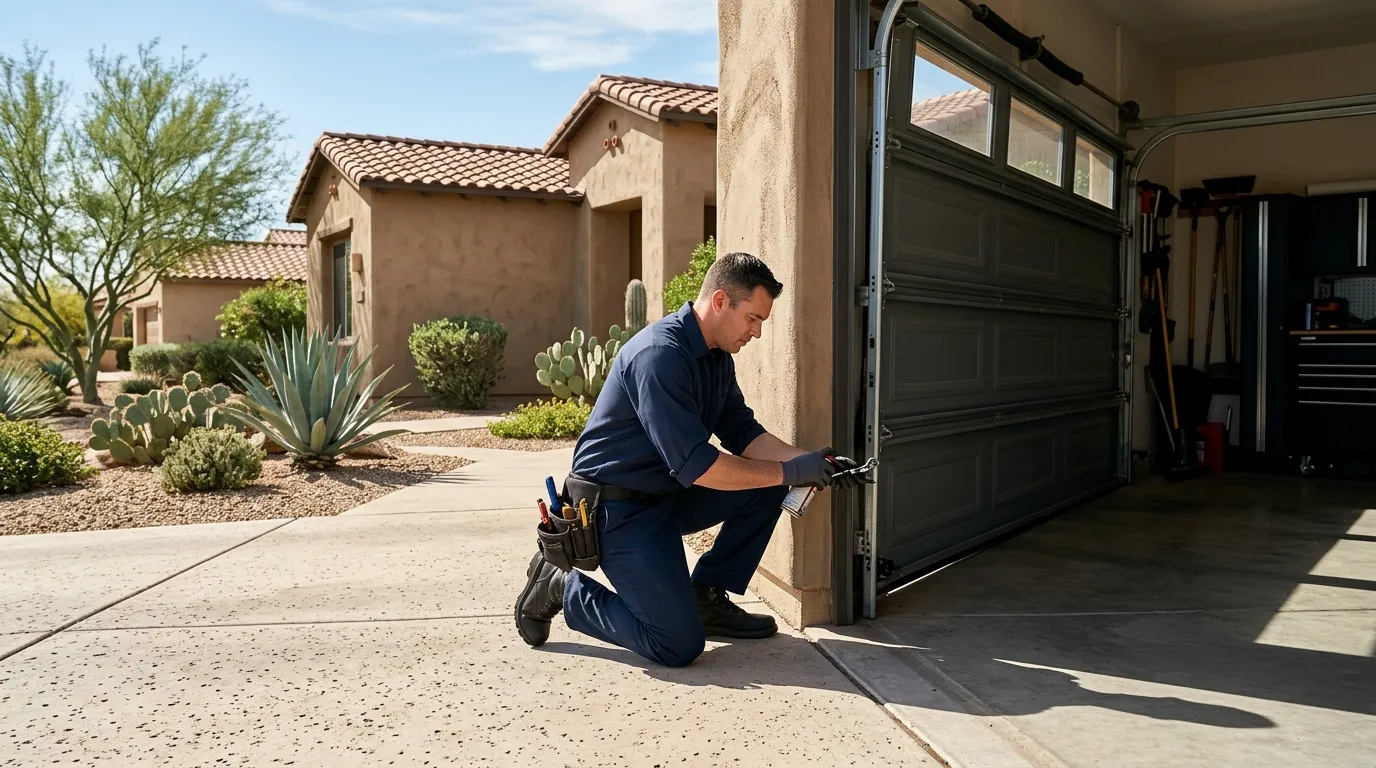
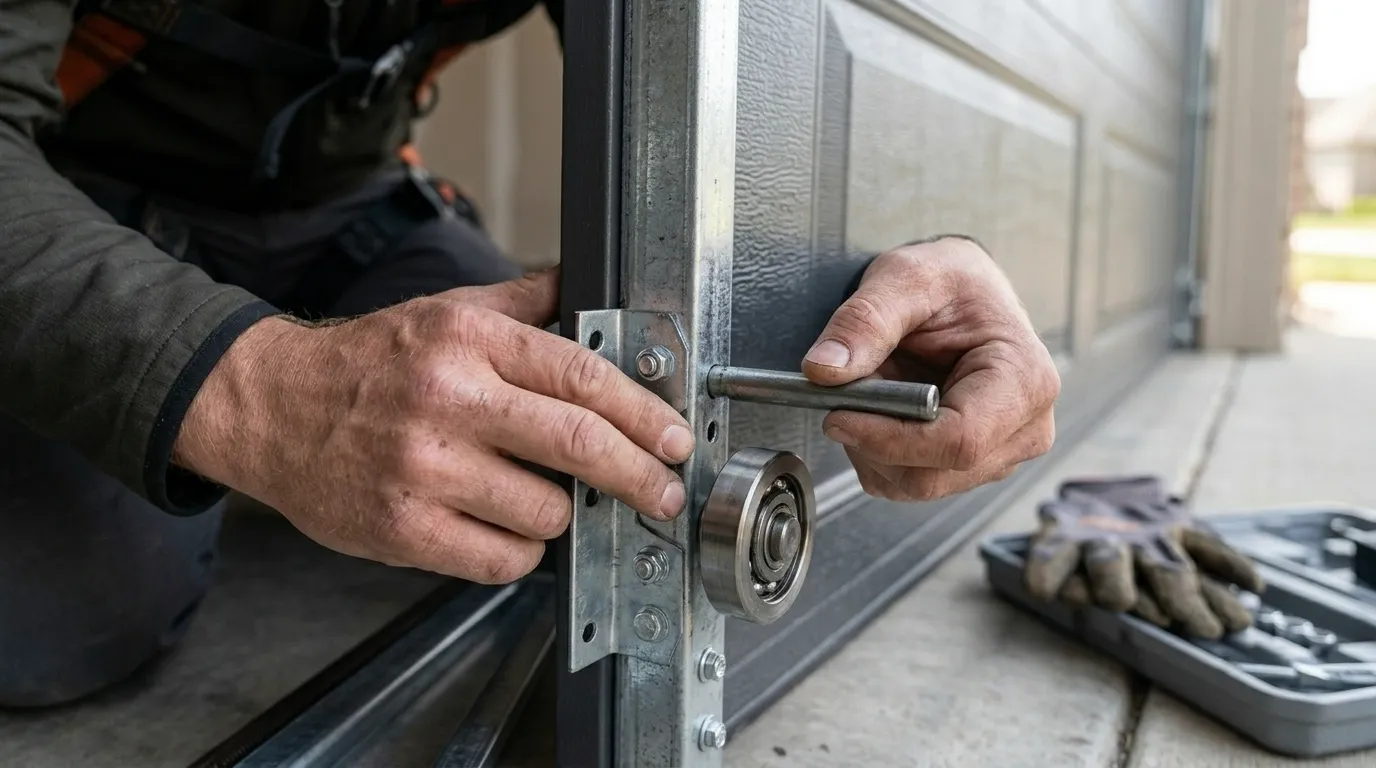
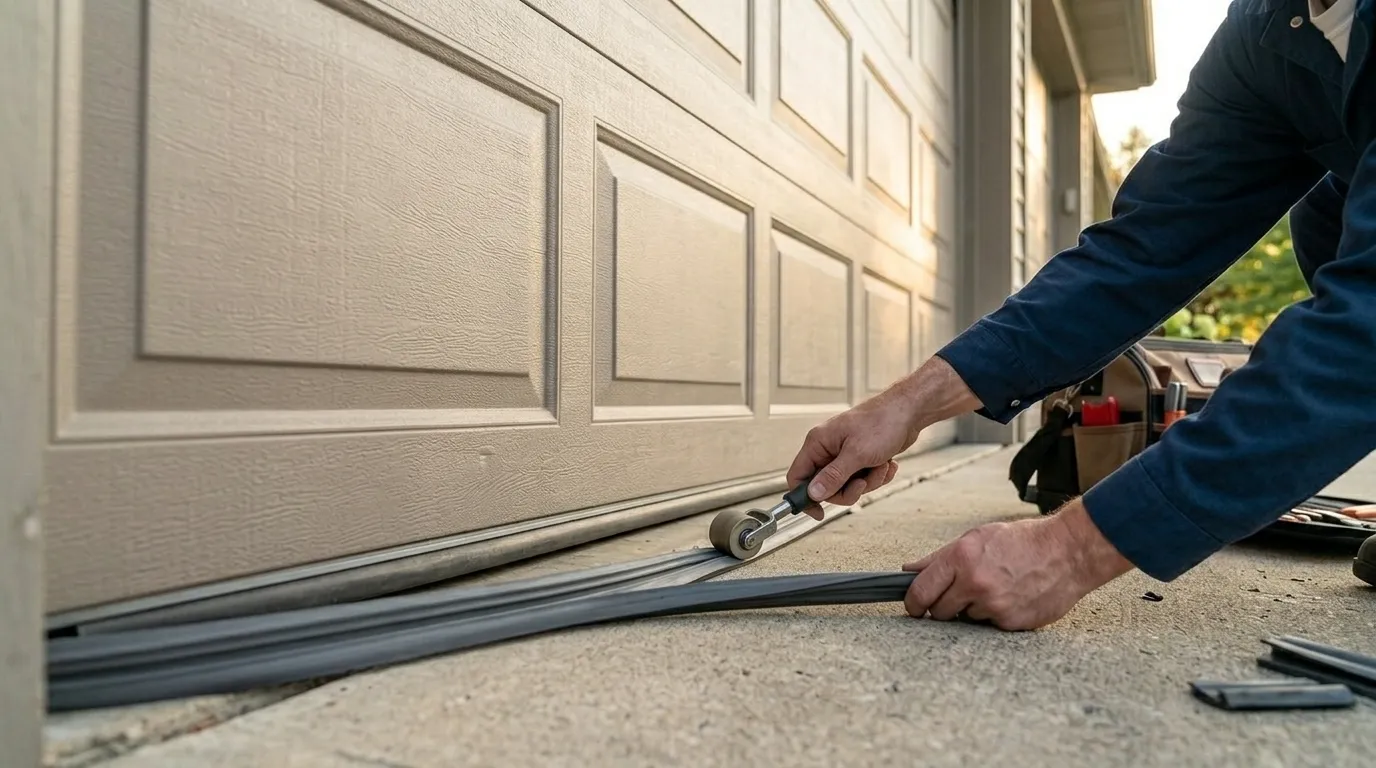
We start by running the door manually to isolate whether it's a spring, cable, track, or opener problem - most commercial calls turn out to be one of those four, not all of them at once. If it's a torsion spring, we replace it with hardware sized to the door's actual cycle count, not just whatever was originally installed, since a lot of the original 2000s-era hardware in this area was undersized for how these buildings get used today. Bent track gets straightened or replaced section by section rather than swapping the whole run, which keeps the job affordable. If the opener itself is the issue, we diagnose whether it's a logic board, a limit switch, or just a worn drive component before recommending a replacement - a lot of opener calls don't actually need a new opener. One honest limit: if a door has taken repeated impact damage to multiple panels, patch repair usually isn't worth it, and we'll say so instead of billing you for a fix that won't hold.