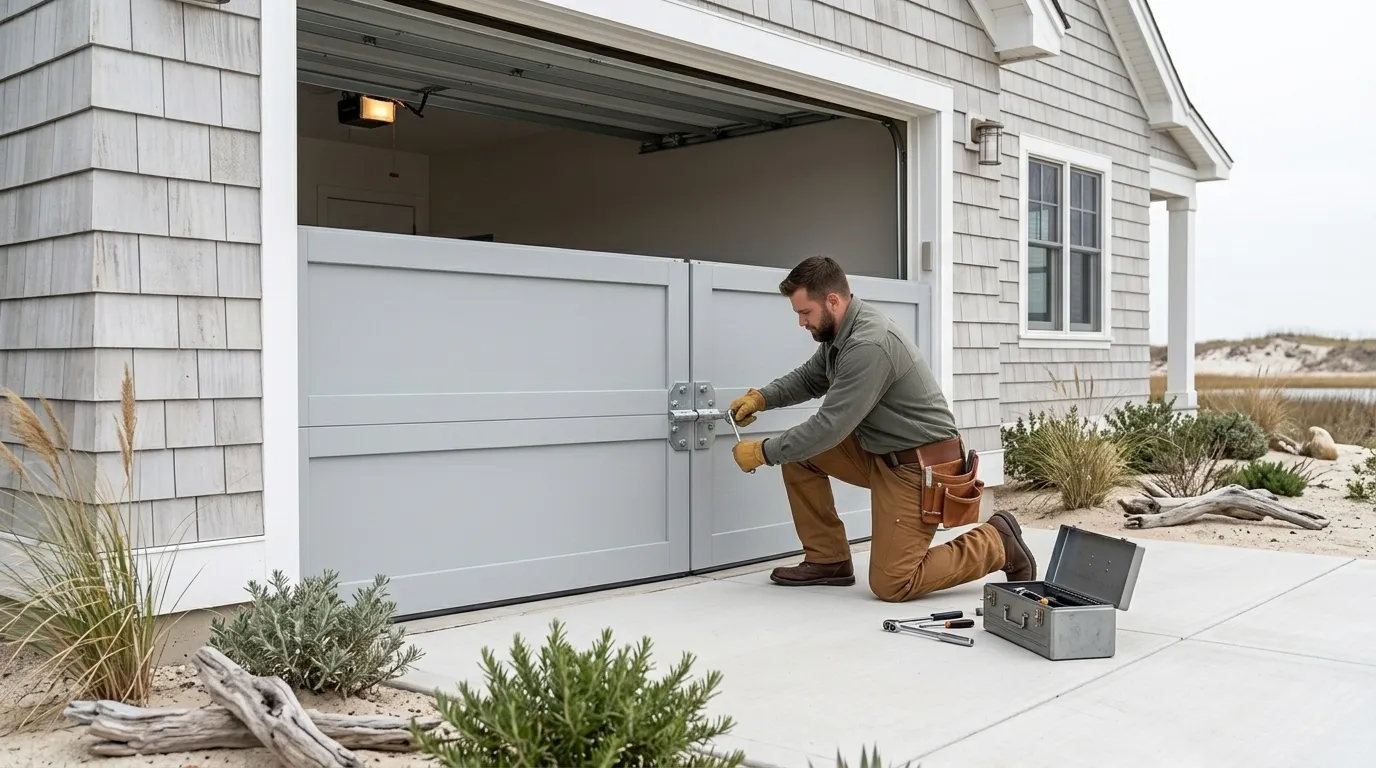
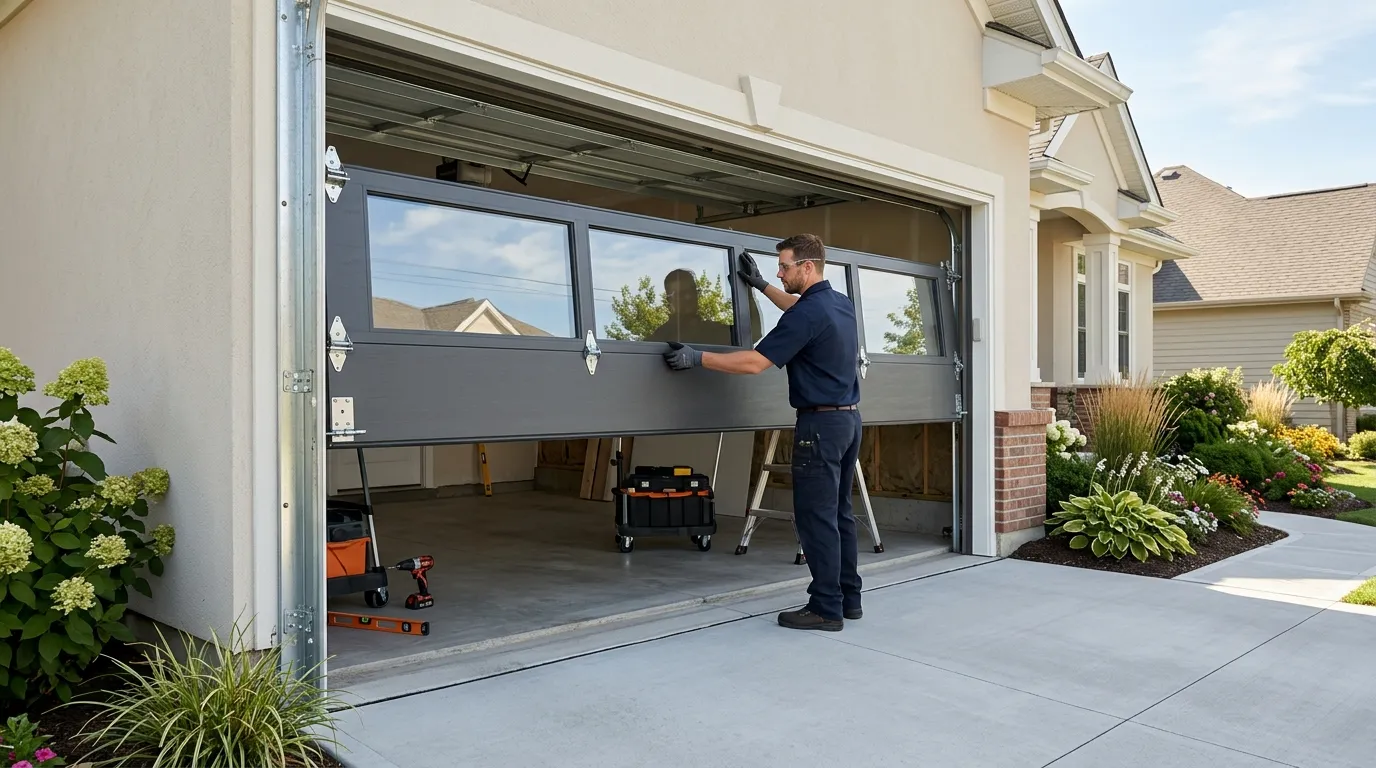
What You Are Seeing
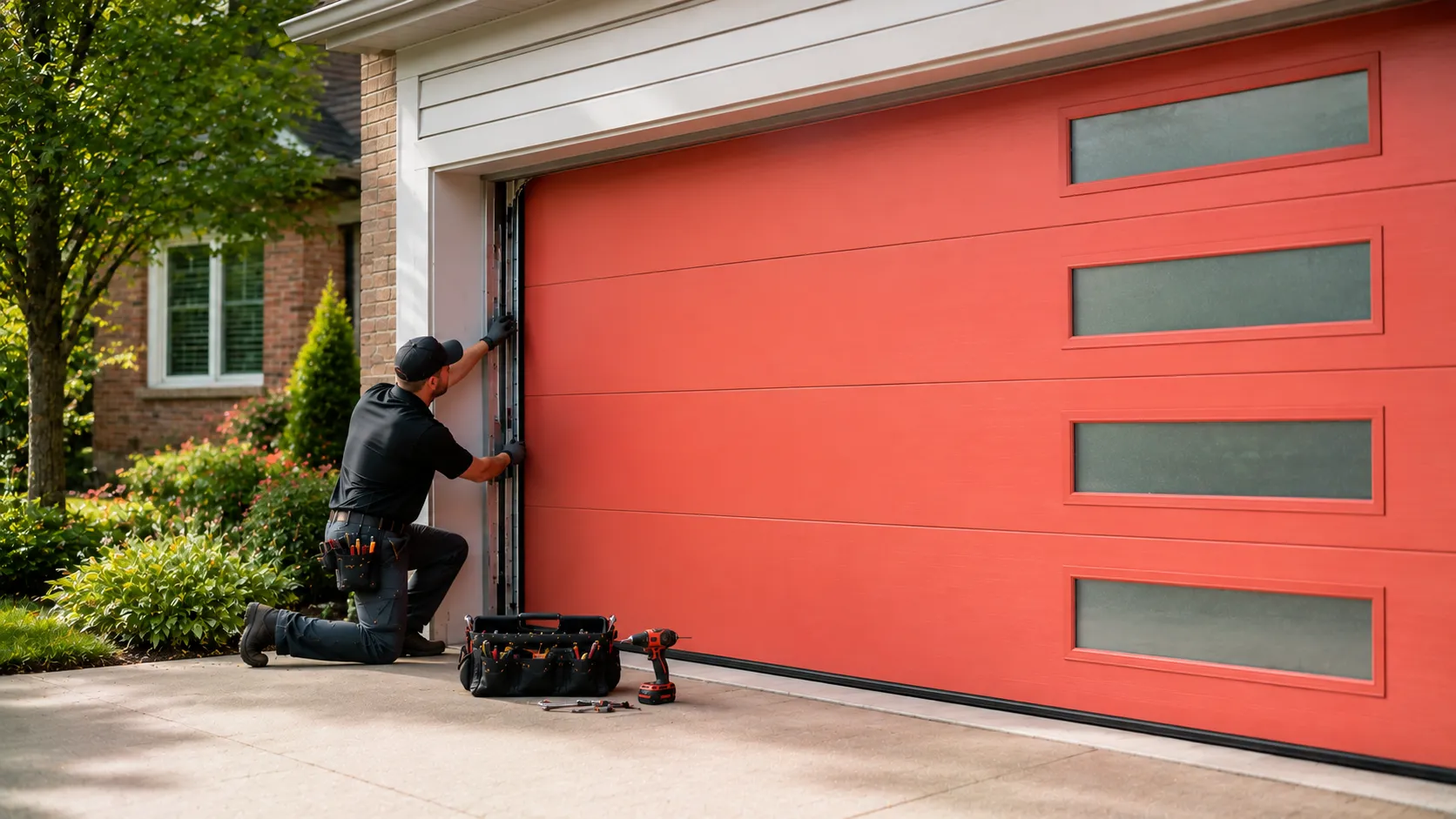
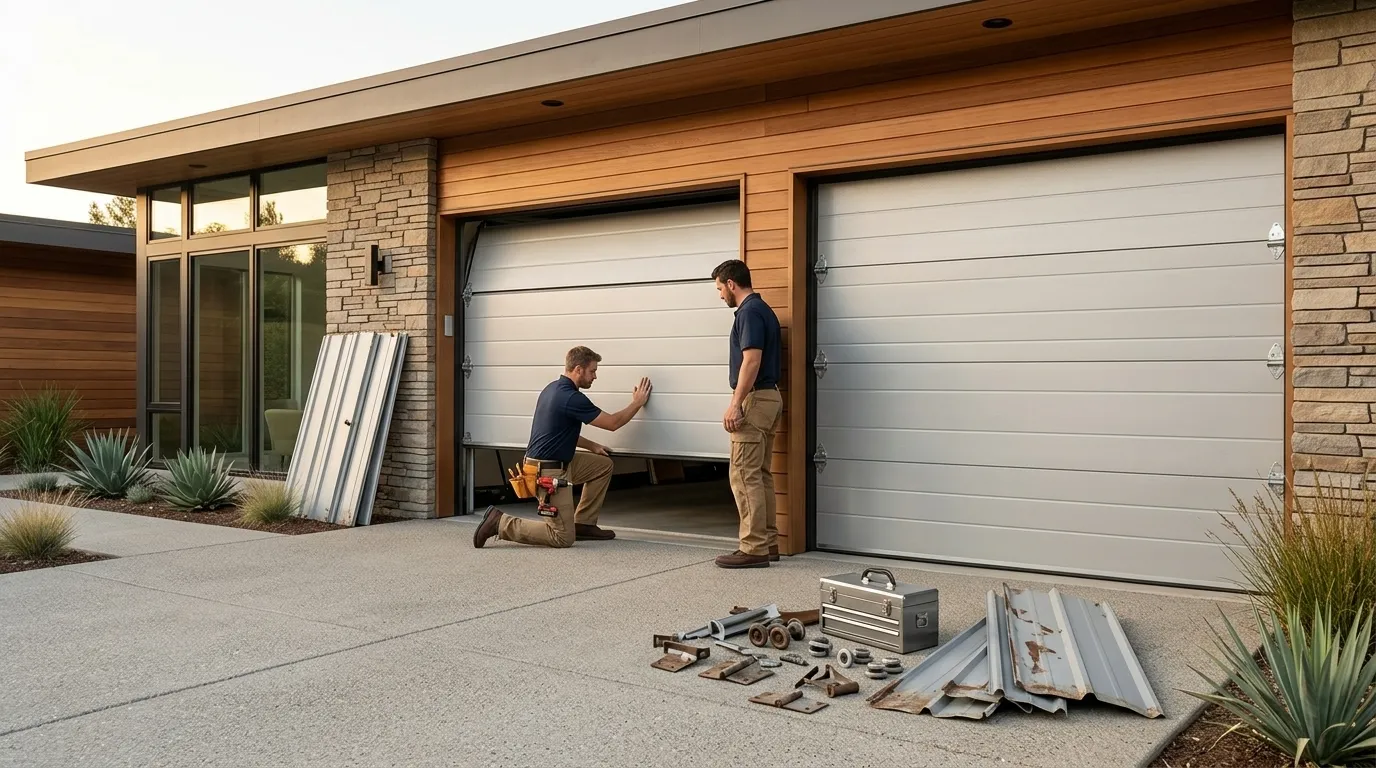
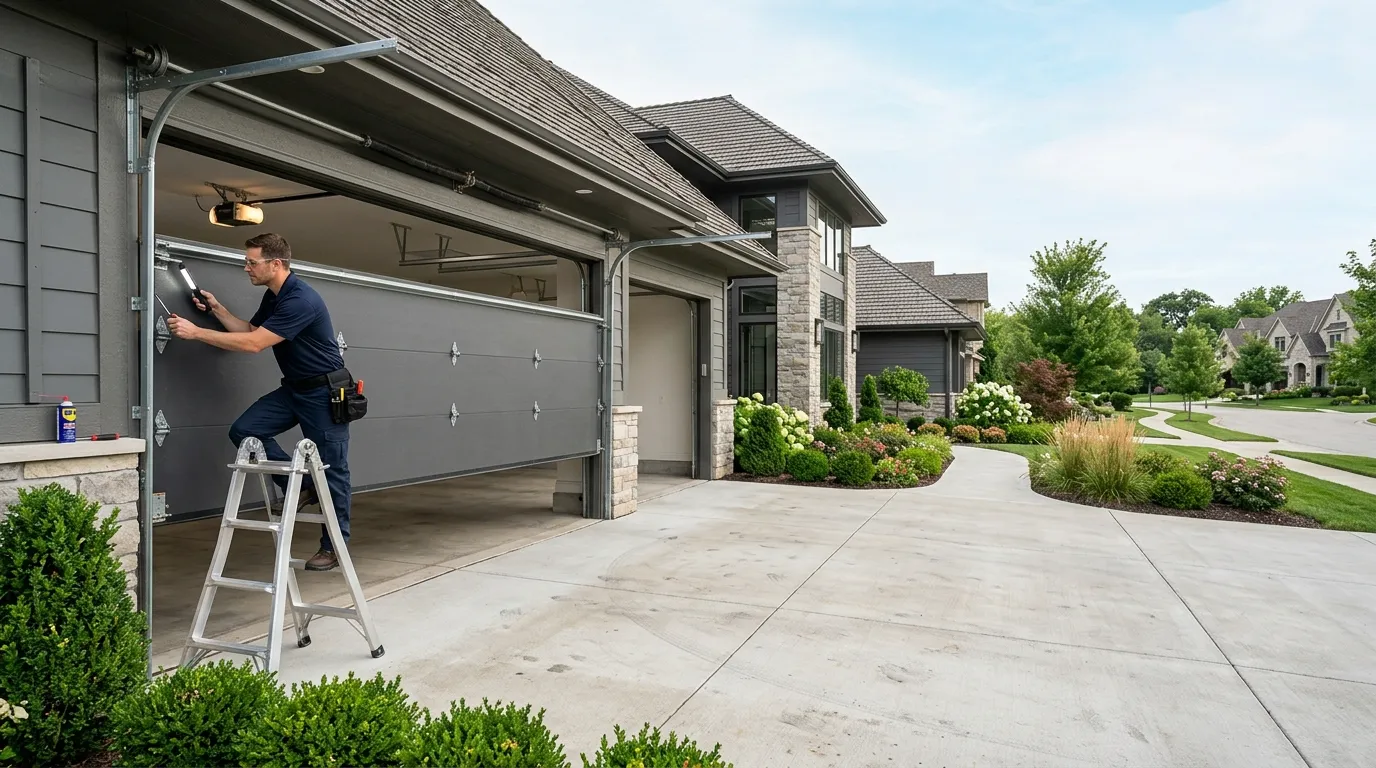
An off-track door usually shows up one of two ways. Either the door stops halfway and won't budge, or it runs but you can see one side of the panel riding outside the track while the other side stays put. Sometimes there's a gap between the roller and the rail you can see with the door open. Sometimes it's just a grinding or popping sound right before the door binds.
Most of the housing stock in the Rockwall service area went up between 1971 and 2013, with the bulk of it built after 2000, which means the roller and track hardware on these doors is old enough for the nylon rollers to have hardened and the track brackets to have loosened. A door that's run fine for fifteen or twenty years on the original hardware doesn't fail all at once. It walks a little further off true every month until one day it catches.
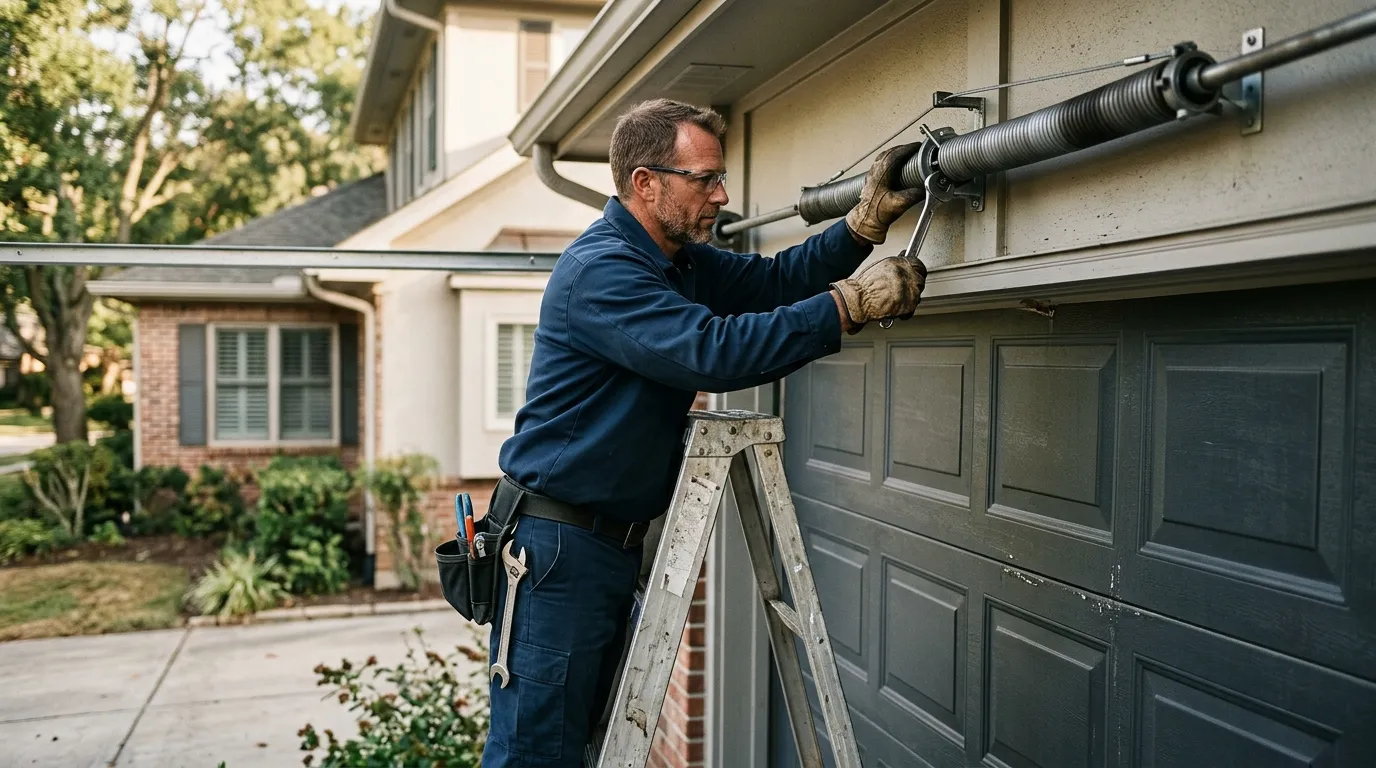
Don't try to force it back on the track yourself. A door hanging half off its rail is under spring tension, and pushing on the panel can pull the whole assembly down, cables and all. Call it in before you touch it.
Why It Happens Here
Rockwall's climate sits in a mild band with occasional freezes rather than long hard winters. That sounds easy on a garage door, and mostly it is. But the swing between warm afternoons and cold nights is enough to shrink and expand the steel track just enough, cycle after cycle, to walk the roller brackets a fraction of an inch out of alignment. It's not one big cold snap doing the damage. It's hundreds of small ones over a decade.
Combine that with the age of the housing stock across the area, mostly built in the 2000s, and you get the same weak point showing up on street after street: original rollers and track brackets that were fine when the door was ten years old and are marginal at twenty. A door on a slab foundation that's shifted even slightly compounds it, since the track has to be shimmed level to the frame, not just to the floor.
Humidity swings play a smaller role, mostly by loosening the lag screws that hold the track brackets to the framing. Once one bracket walks, the whole rail bows and the rollers start climbing out.
How We Fix It
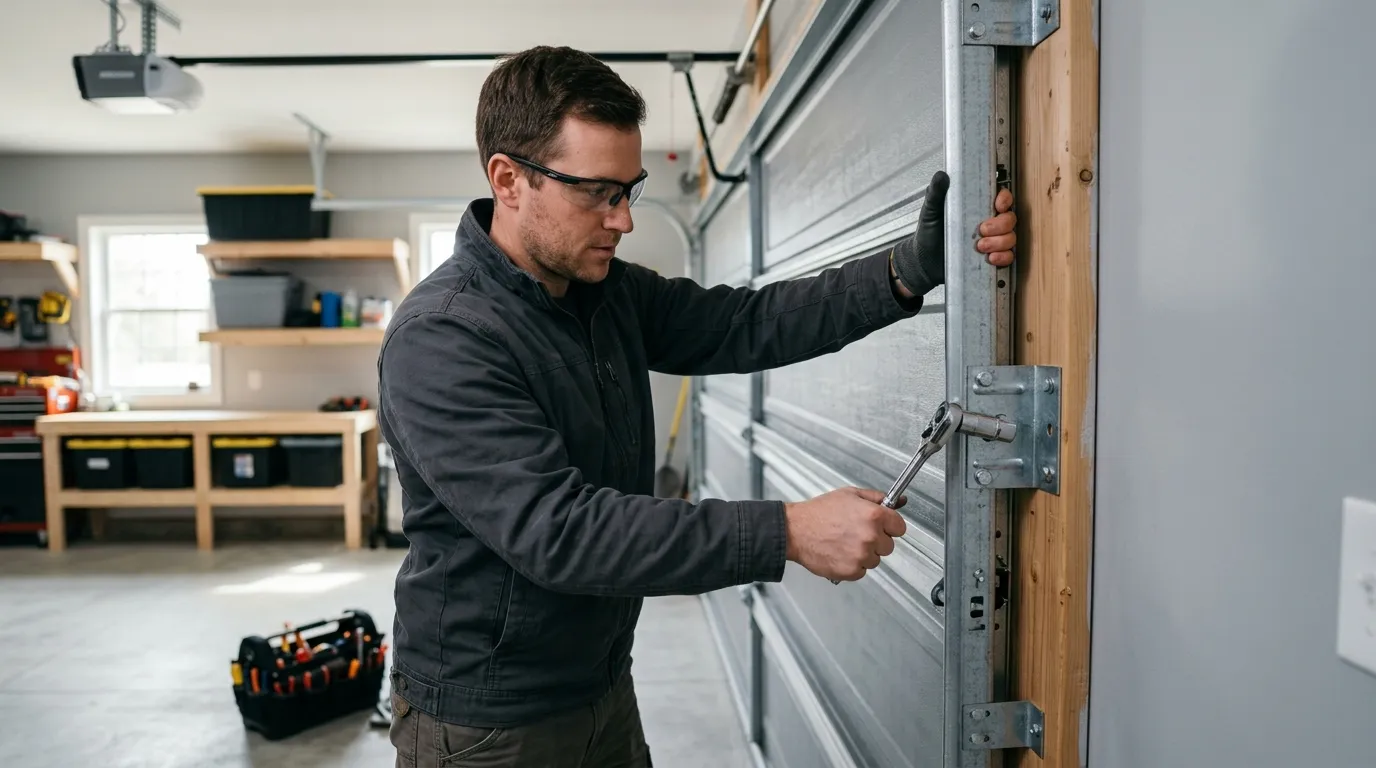
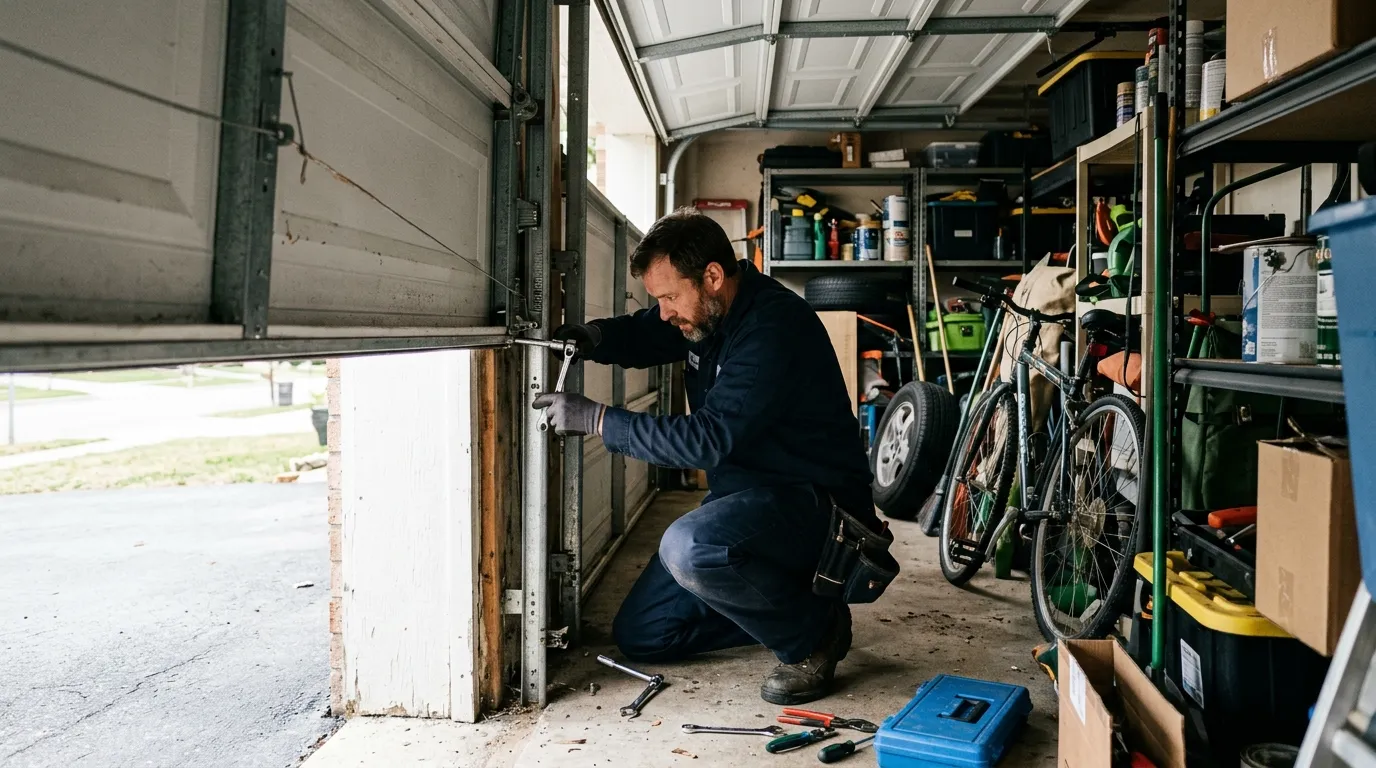
First we run the door manually with the opener disconnected, watching where the roller separates from the rail and whether the track itself is bent or just misaligned. Bent track gets replaced, not hammered back straight - a straightened rail will walk again within a year. Misaligned but straight track gets re-shimmed and re-leveled against the frame.
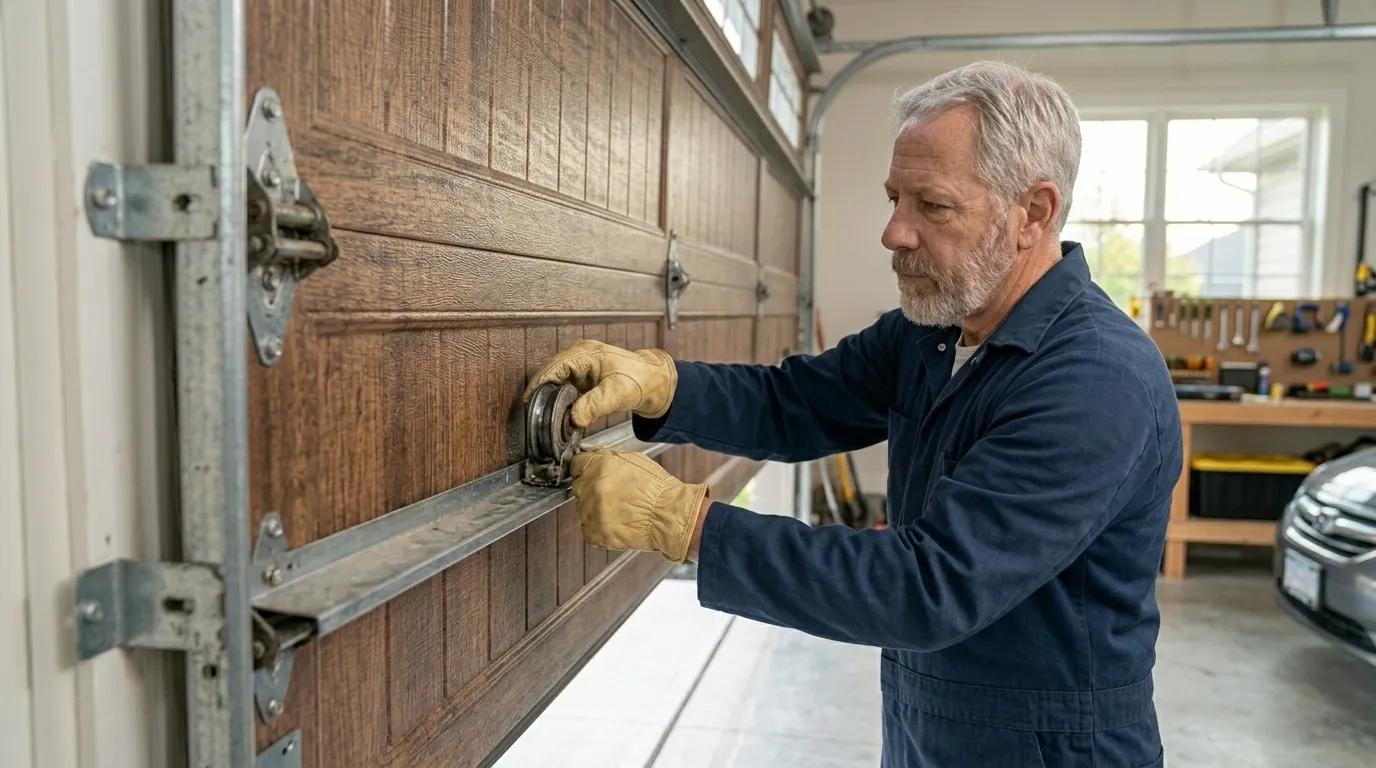
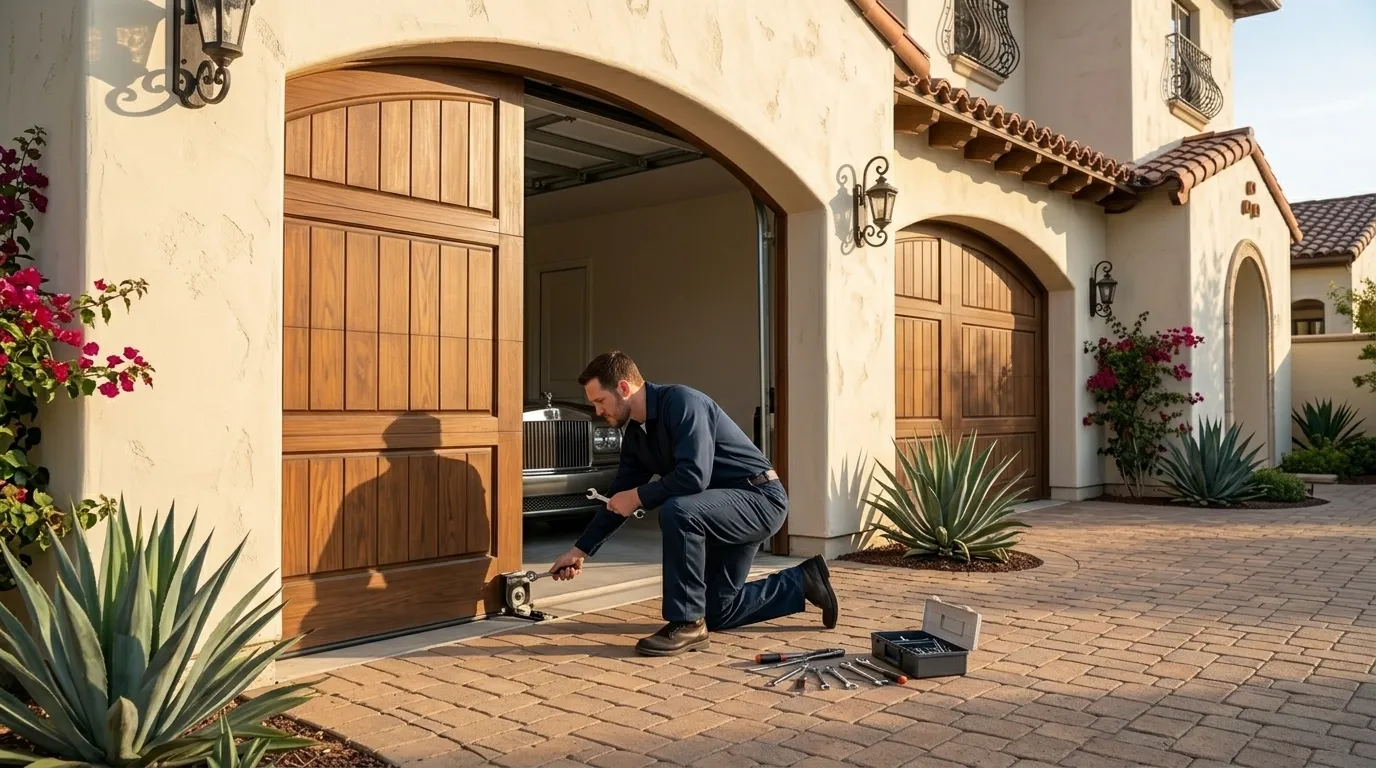
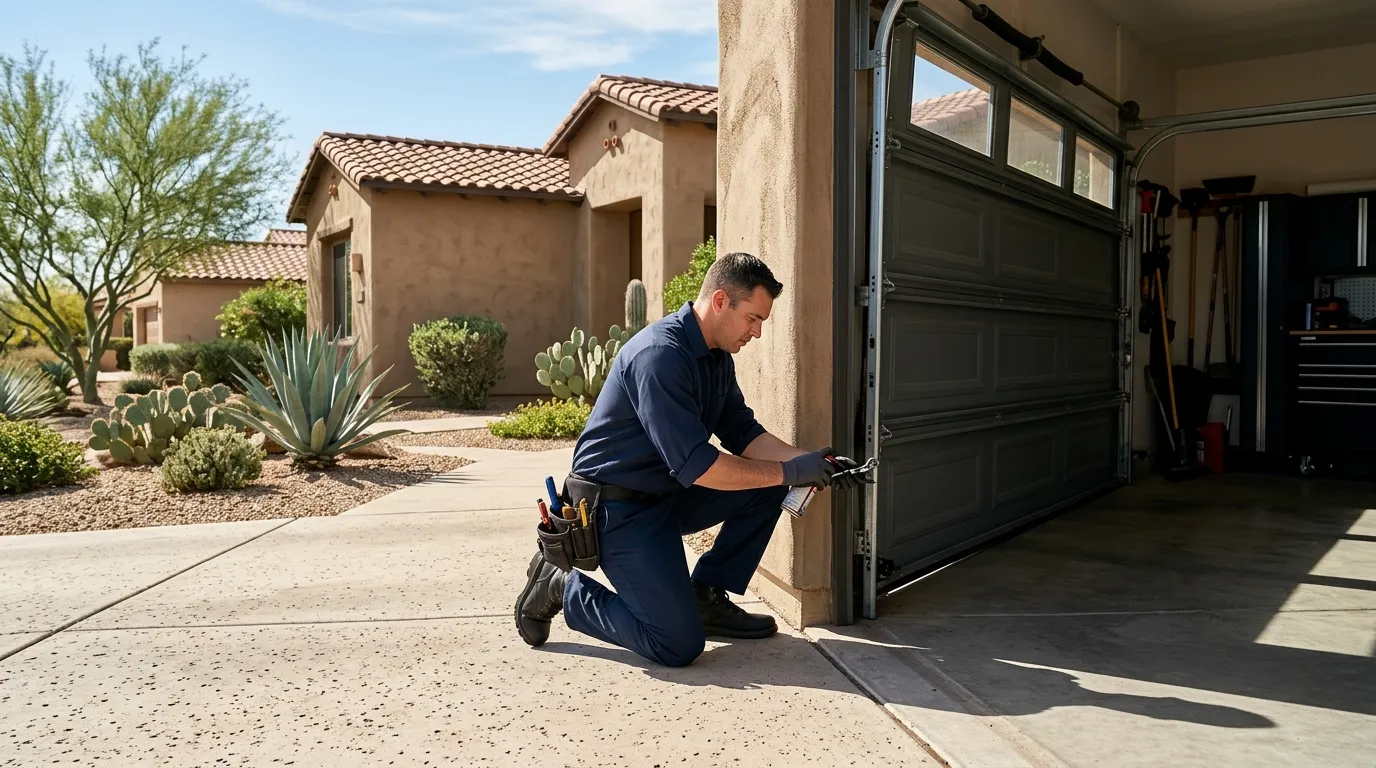
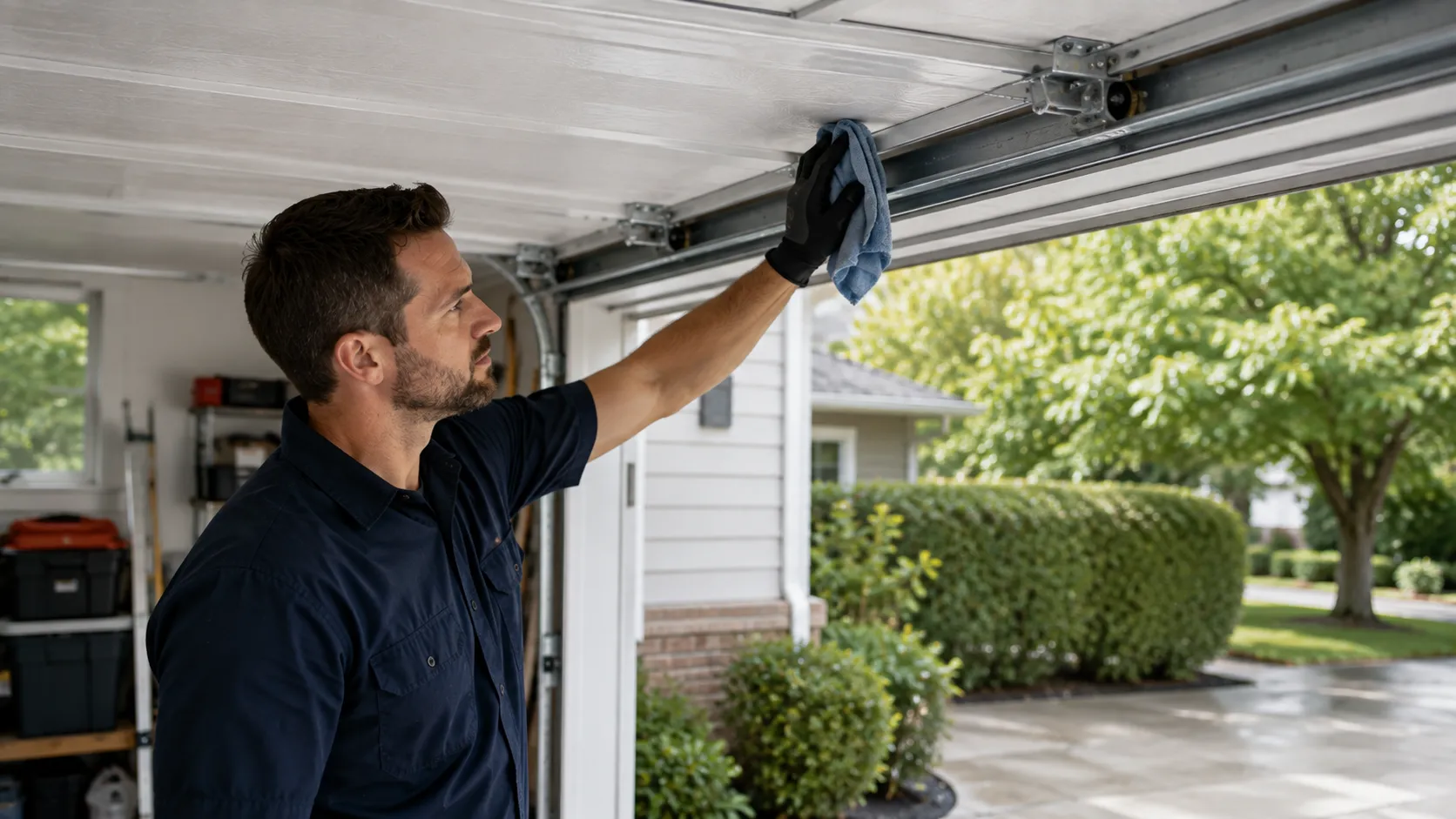
Next we check every roller and hinge on the door, not just the one that failed, because if one roller has hardened from age the others on that door are close behind. We replace what's worn while we're already in there rather than sending you a second call in six months for the roller next to it.
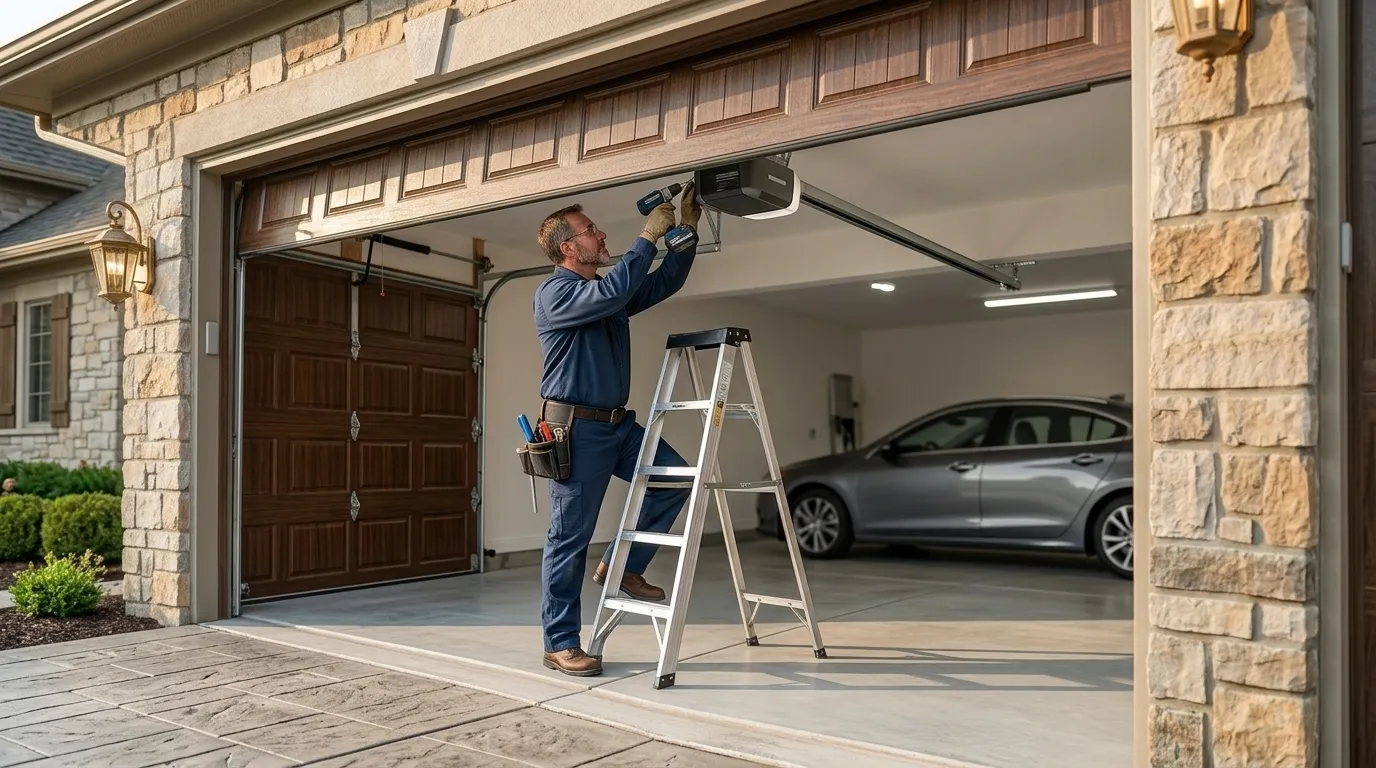
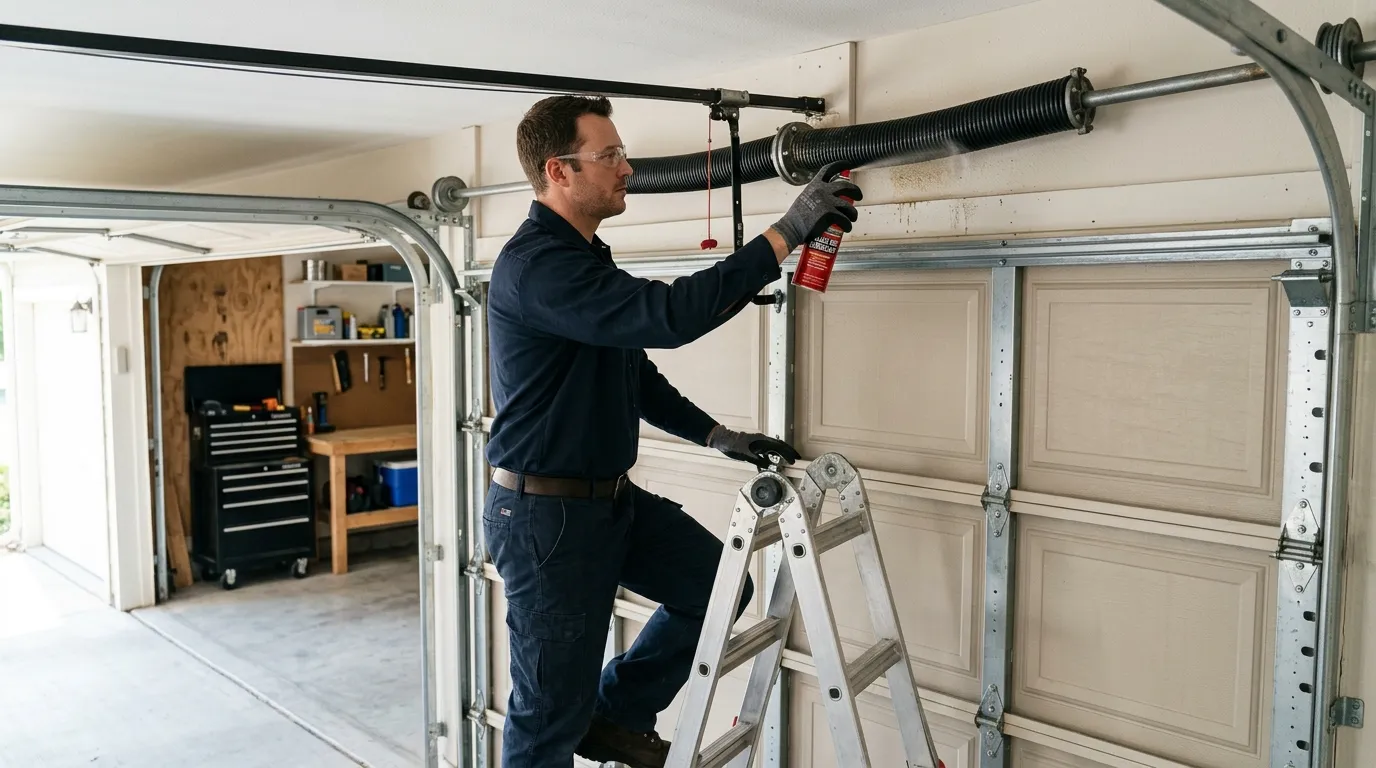
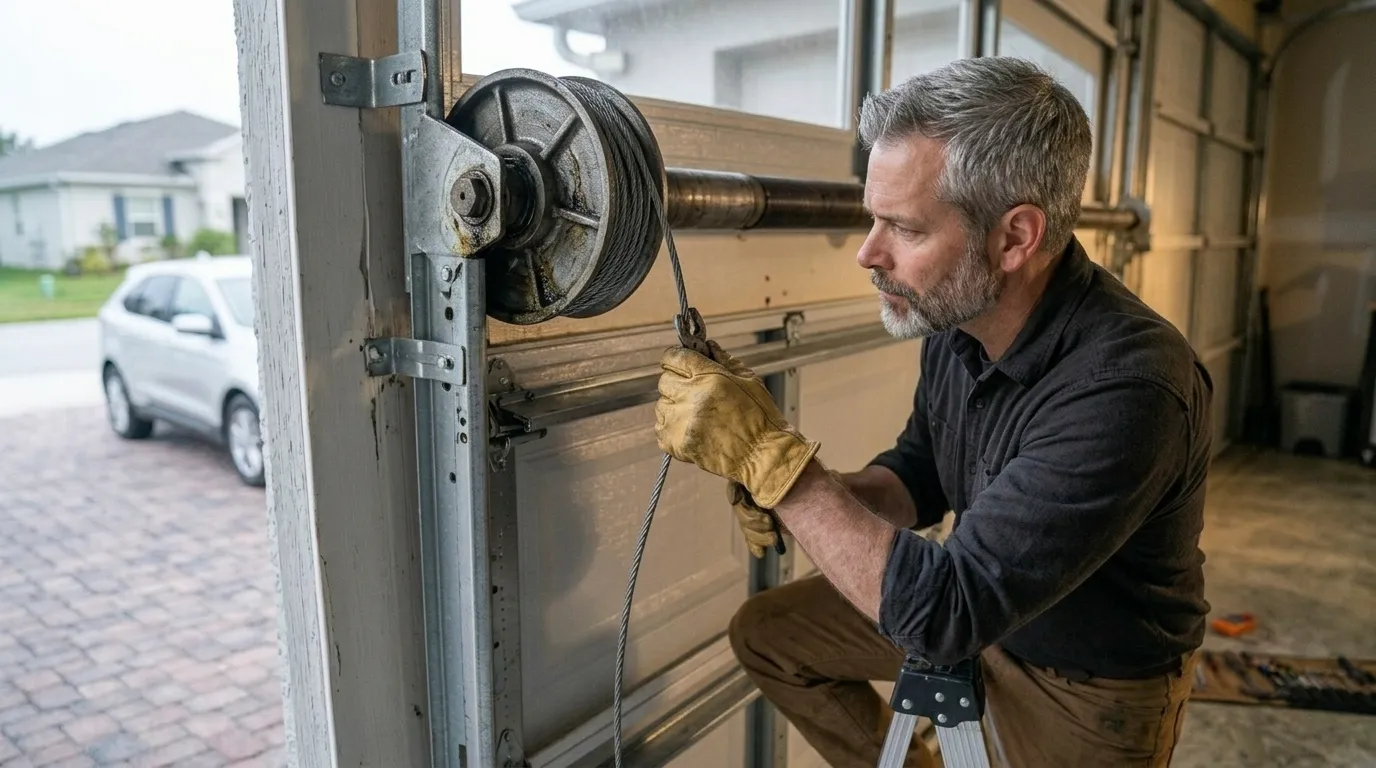
Last we check spring tension and cable condition, since a door running slightly off-balance puts extra load on the track that caused the problem in the first place. With median household income near $124,500 across the service area, most owners here choose to replace bent track outright rather than patch it, and once you've seen a patched rail fail twice it's easy to understand why.
From our shop we cover Fate three miles out, Heath at five, and towns as far as Seagoville nineteen miles away.