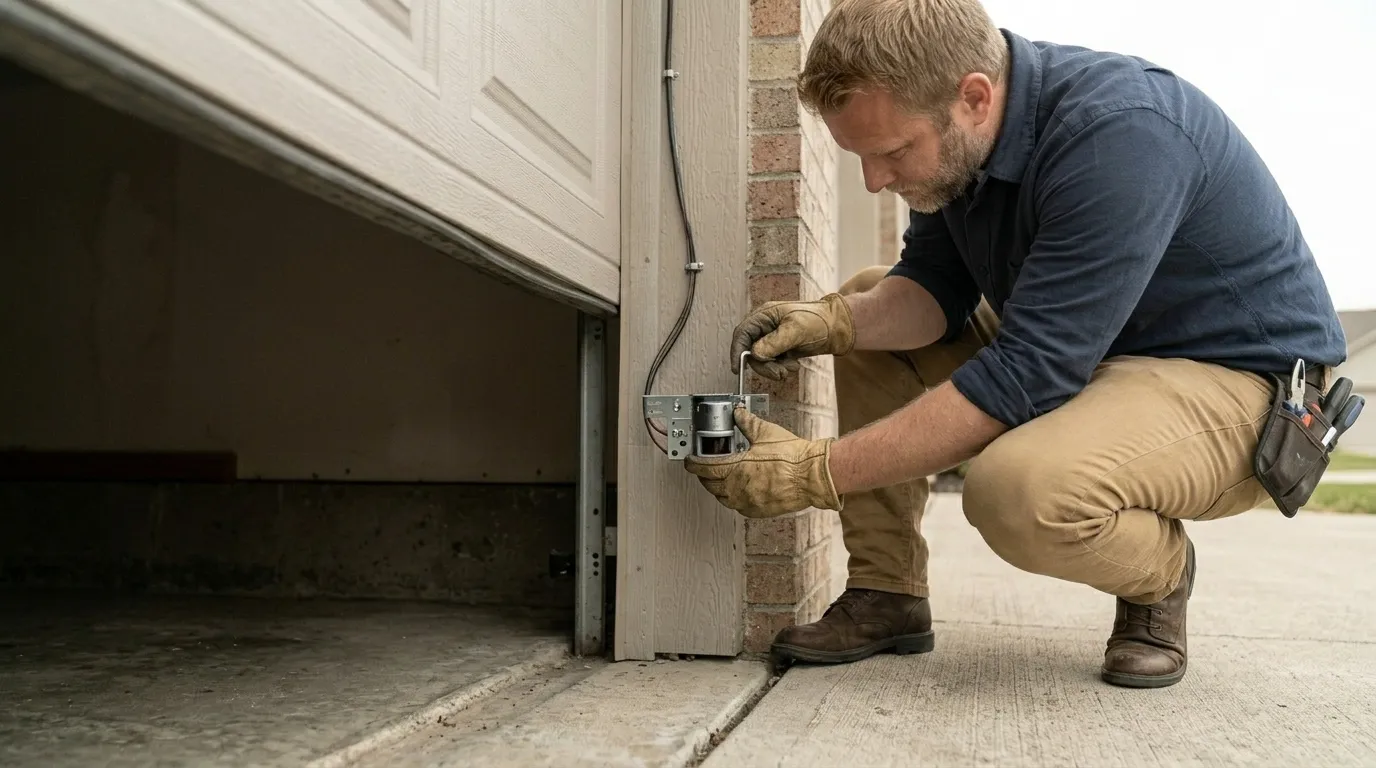
What You Are Seeing
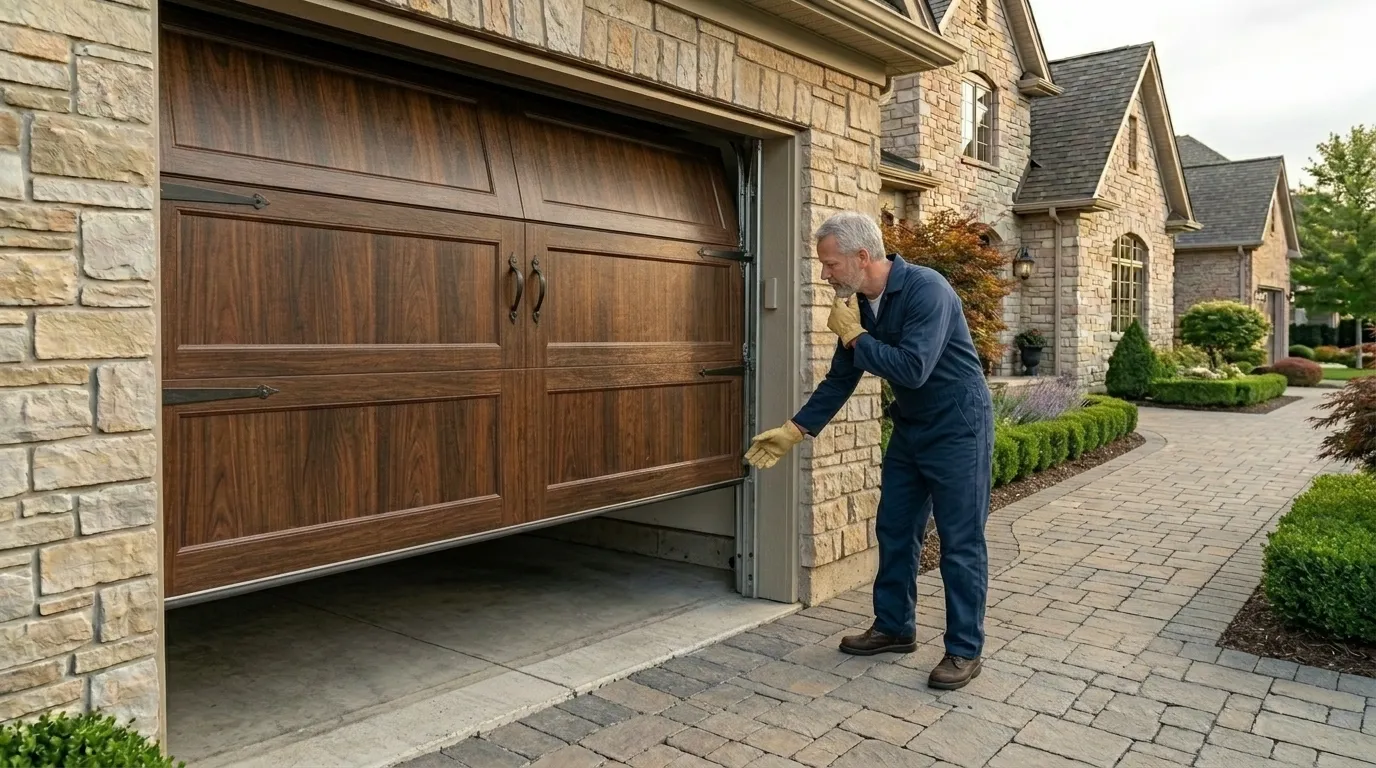
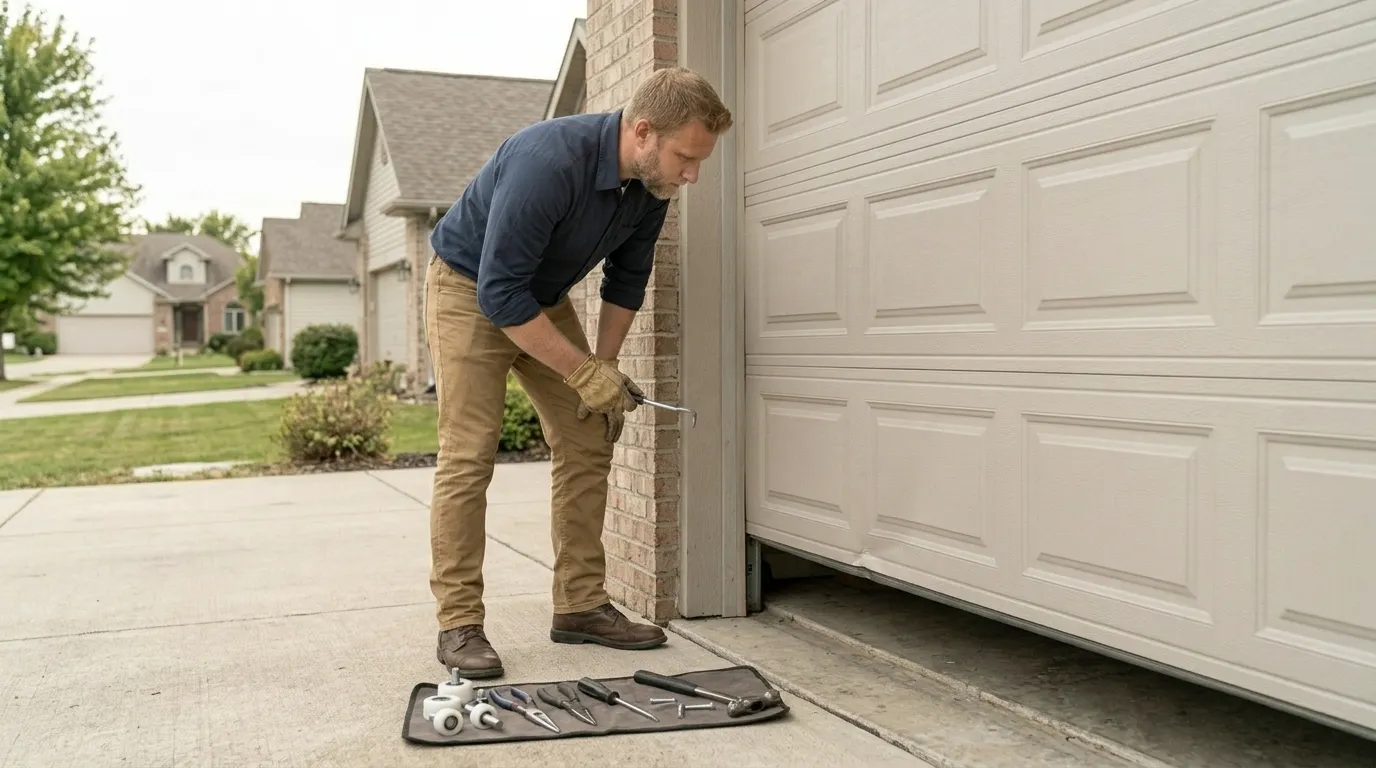
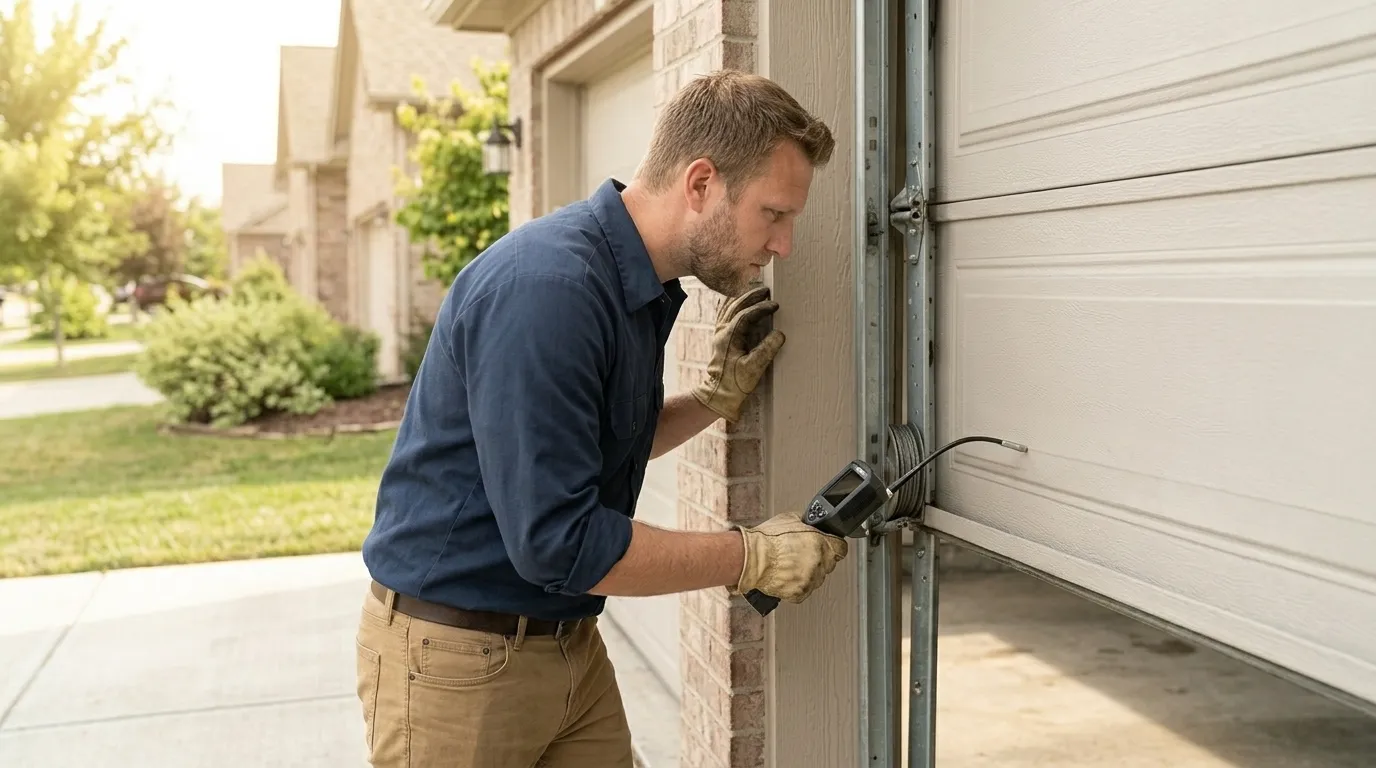
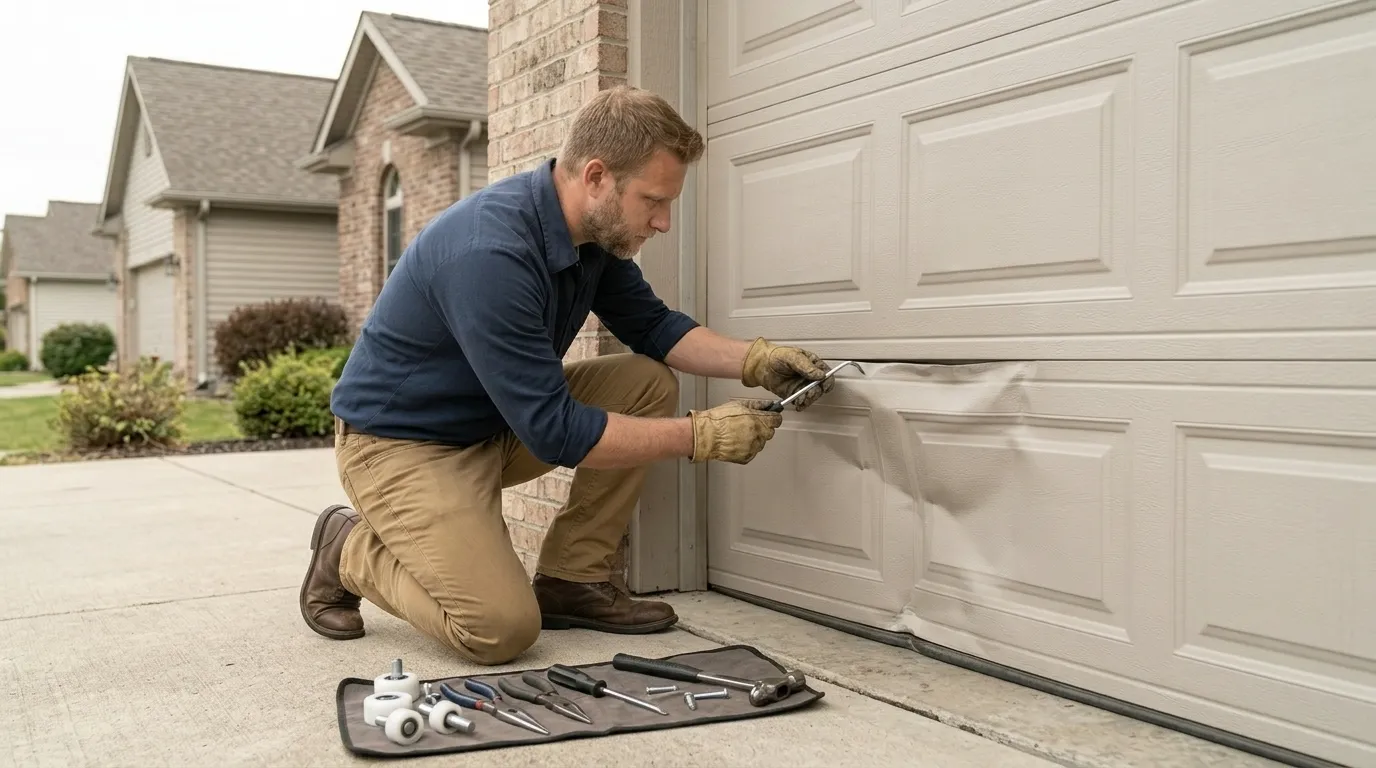
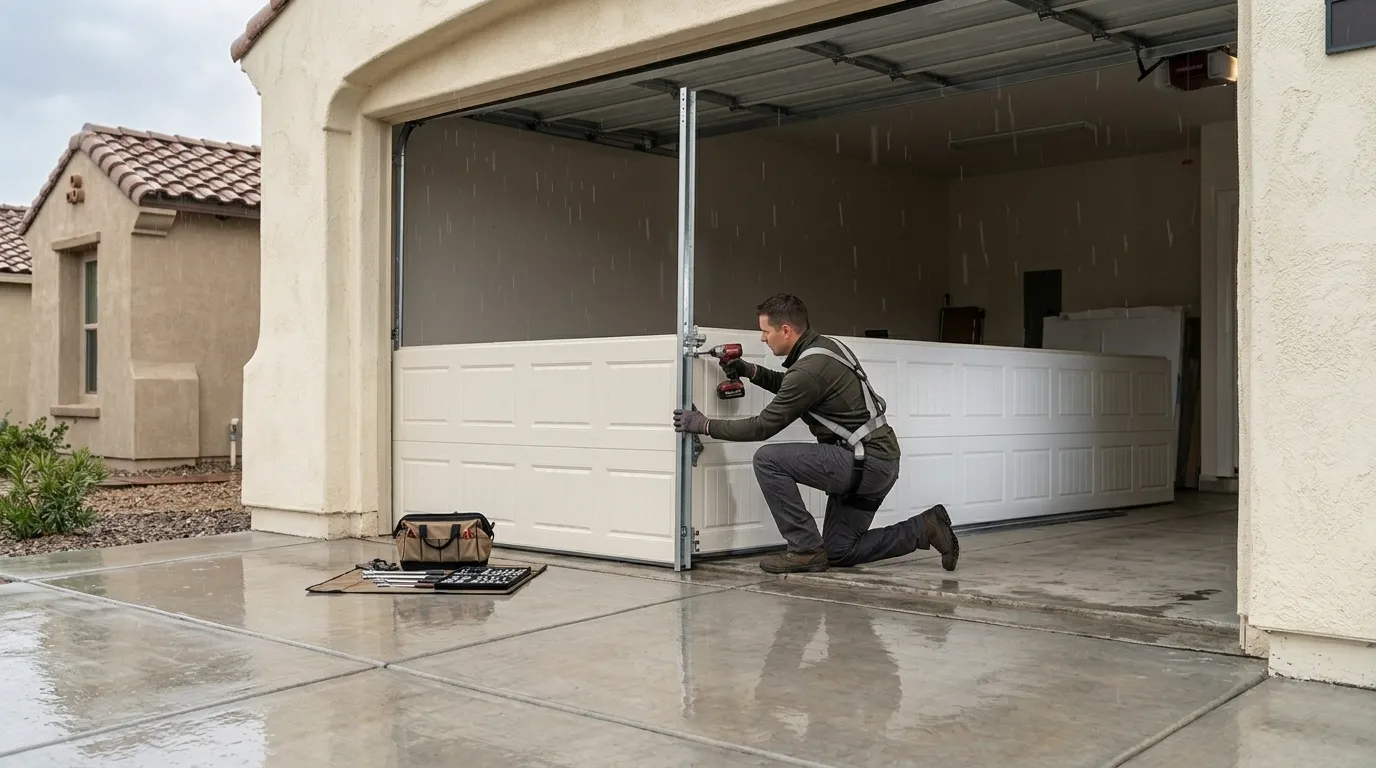
If your door is dragging on the track, the opener strains before it lifts, or you hear a metallic pop mid-cycle, you're not imagining it getting worse. Most of the housing stock across this service area went up between 1971 and 2013, with a median build year of 2002 - so the majority of doors we look at are original 2000s-era units now pushing past the twenty-year mark on their hardware. Rollers wear flat, hinges stretch their bolt holes, and the factory lubricant on cables and springs has long since dried out. None of that is unusual for a door this age. What is worth flagging is when the symptoms show up together: a noisy track plus a heavier-than-normal opener strain usually means the springs are losing tension while the rollers are binding, and one problem is masking the other. A yearly look at the door catches this before a spring lets go under load or the opener burns out trying to compensate.
Why It Happens Here
The climate here sits in a mild band with occasional freeze, which sounds easy on hardware compared to true winter regions, but it's actually a specific kind of hard on garage doors. Metal parts expand and contract through freeze-thaw swings often enough that lubricant breaks down faster than owners expect, while the mild stretches in between let surface rust start on any spring or hinge that isn't sealed well. Add in that most doors in this service area are roughly two decades old - built in that same 1971-2013 window, median 2002 - and you get springs that were sized for a lighter door than some owners have since added insulation or a heavier opener to. A door that's never been serviced in that stretch is carrying twenty years of small freeze-thaw fatigue that never gets addressed until something breaks.
How We Fix It
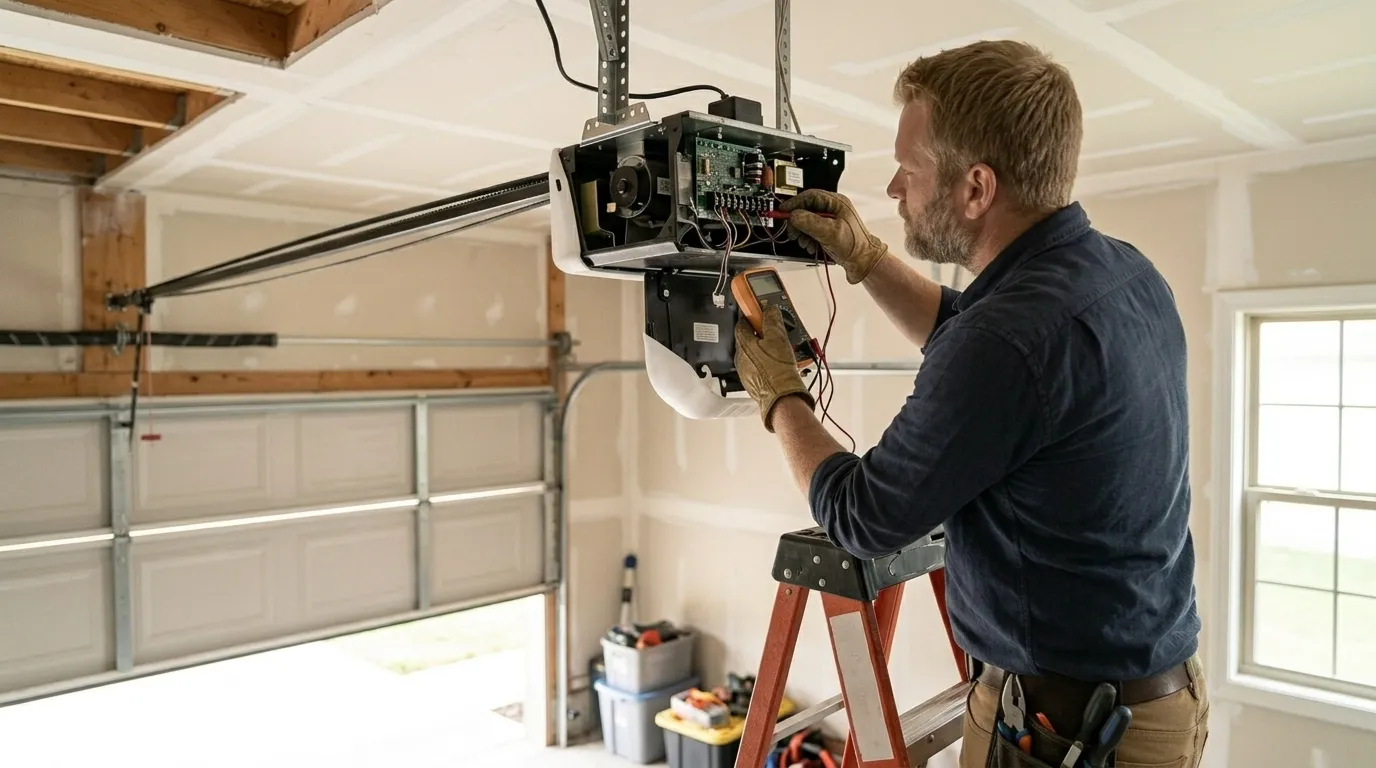
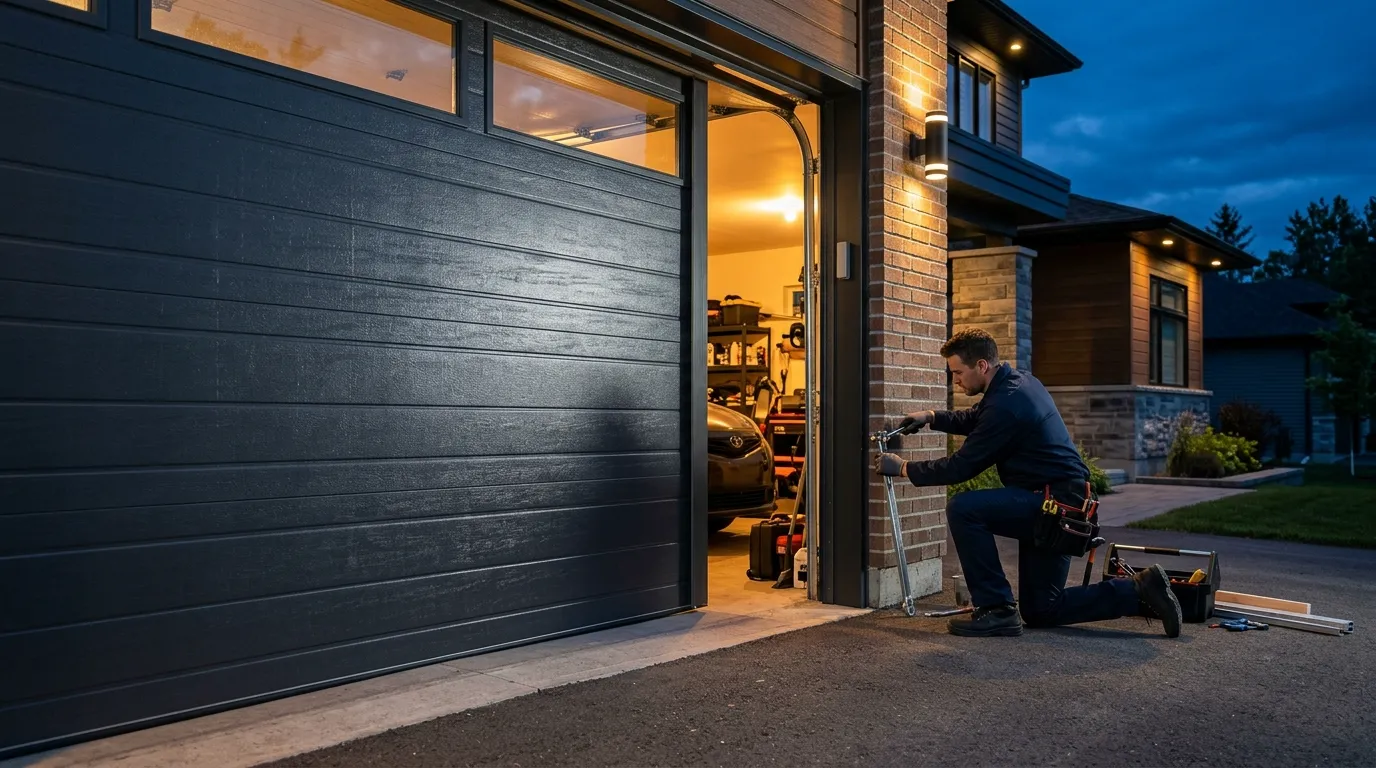
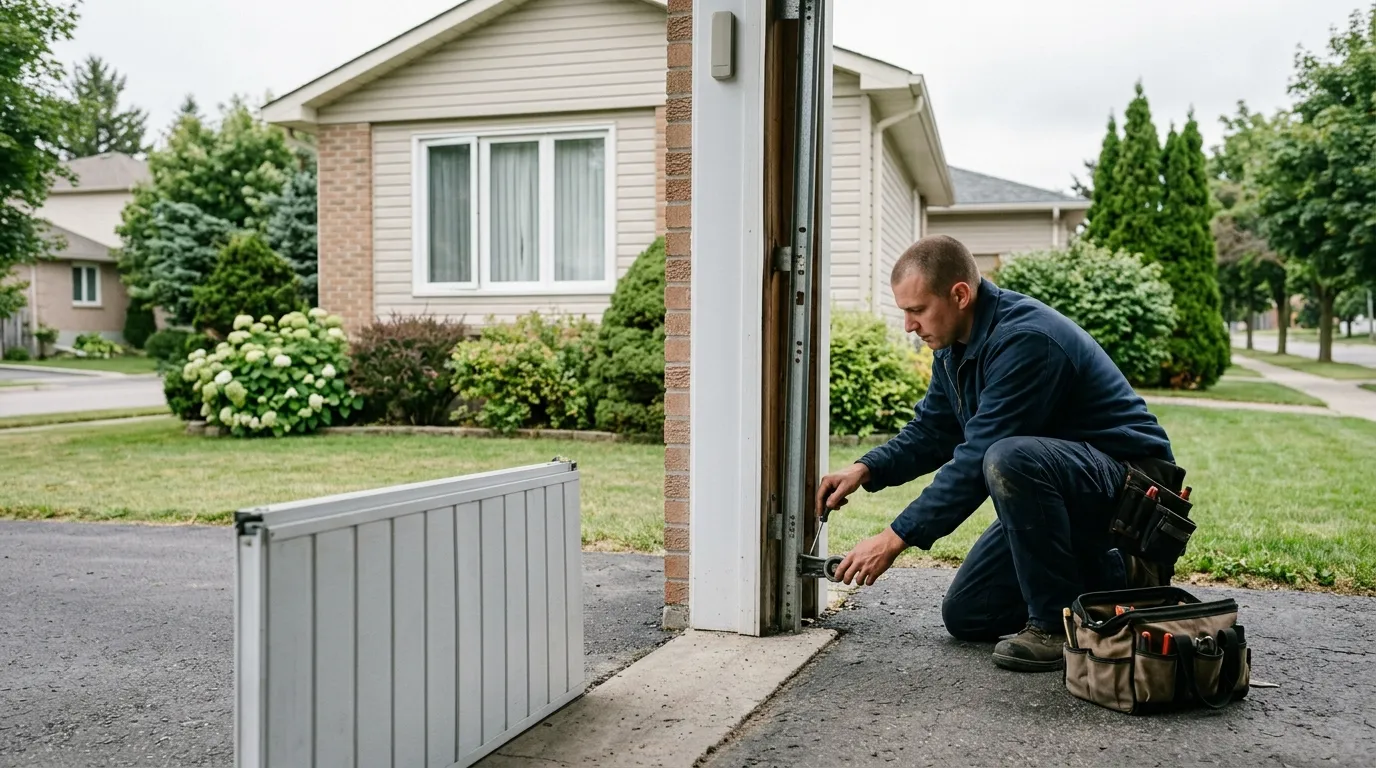
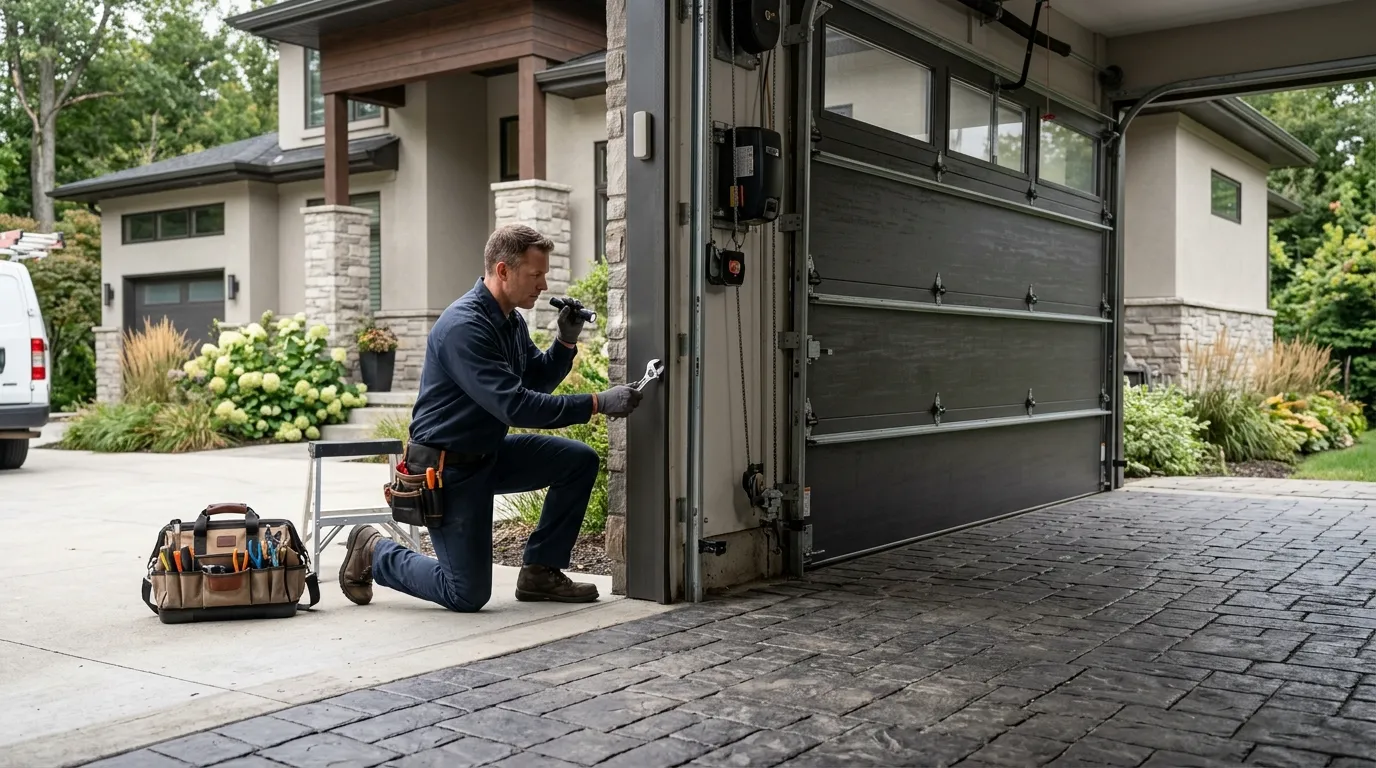
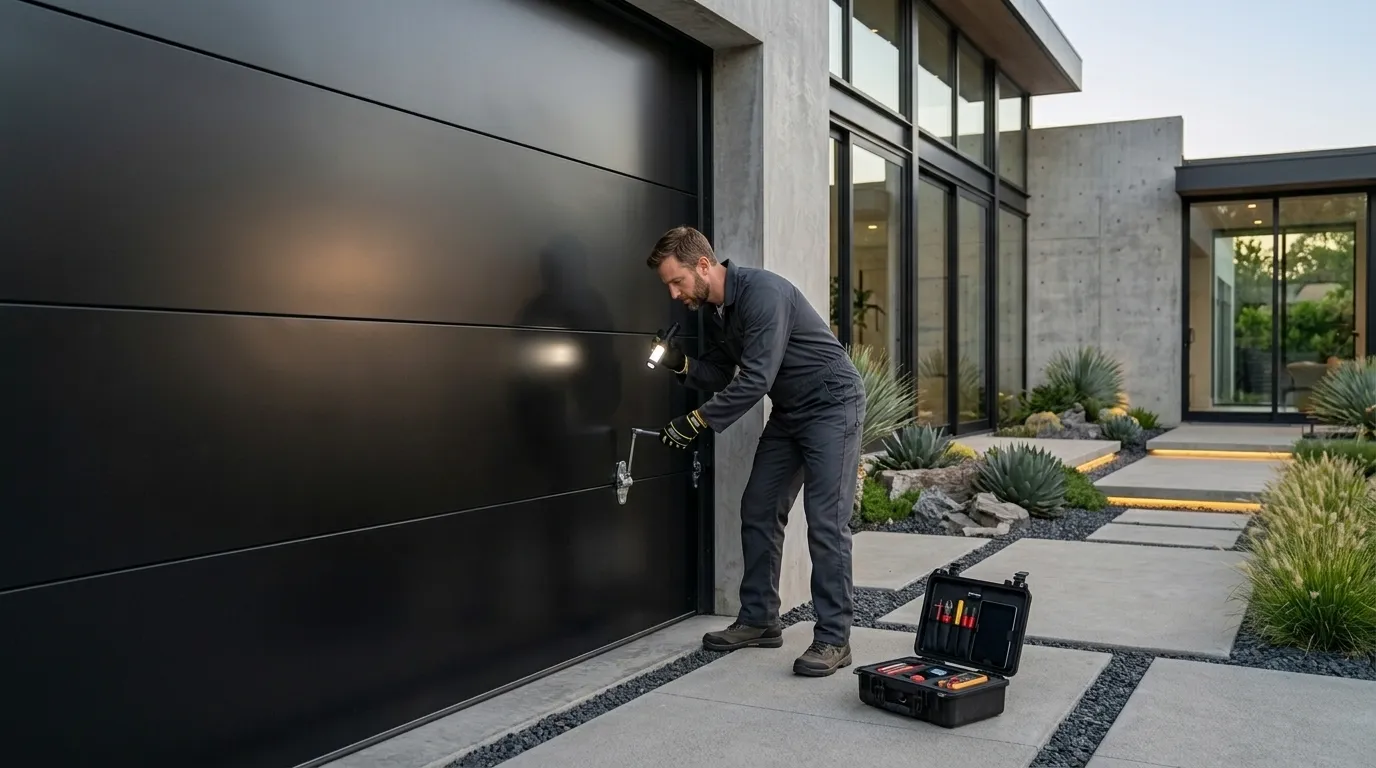
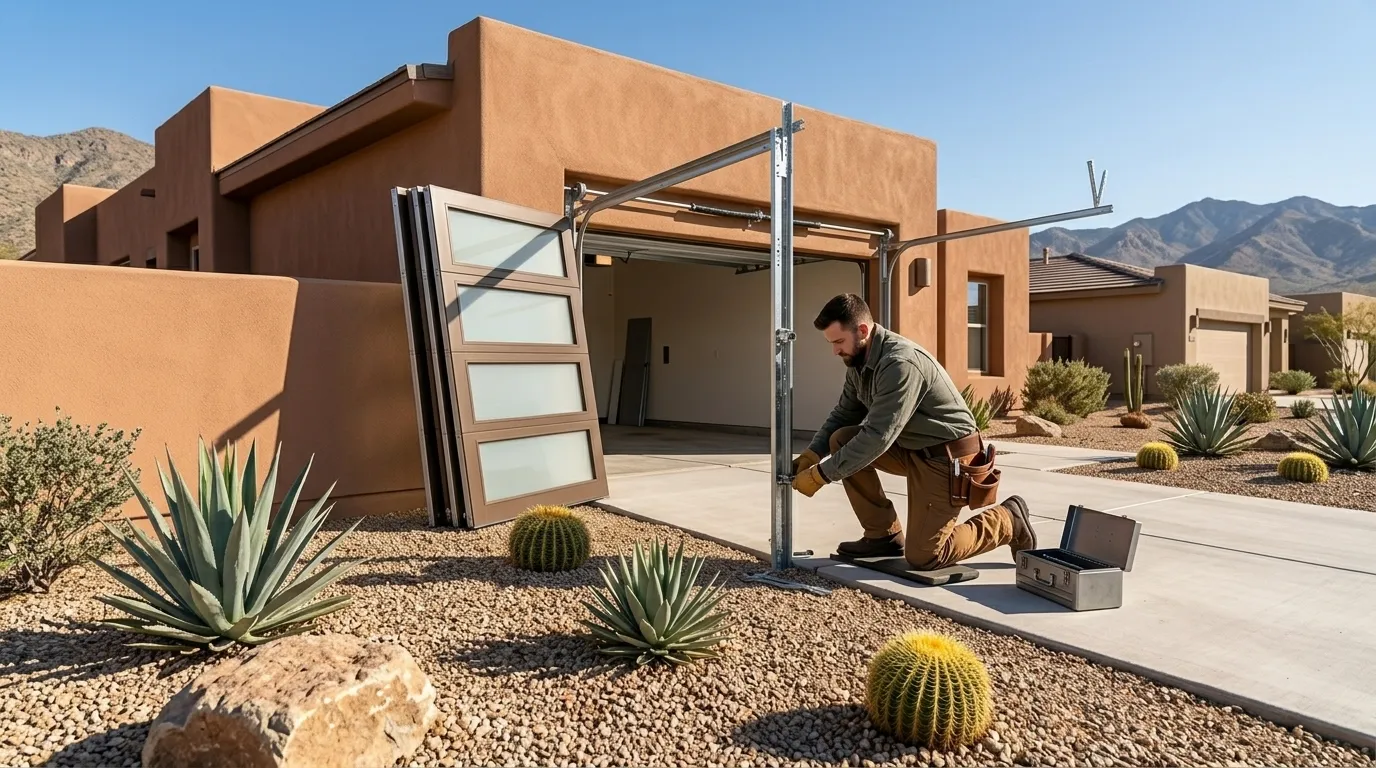
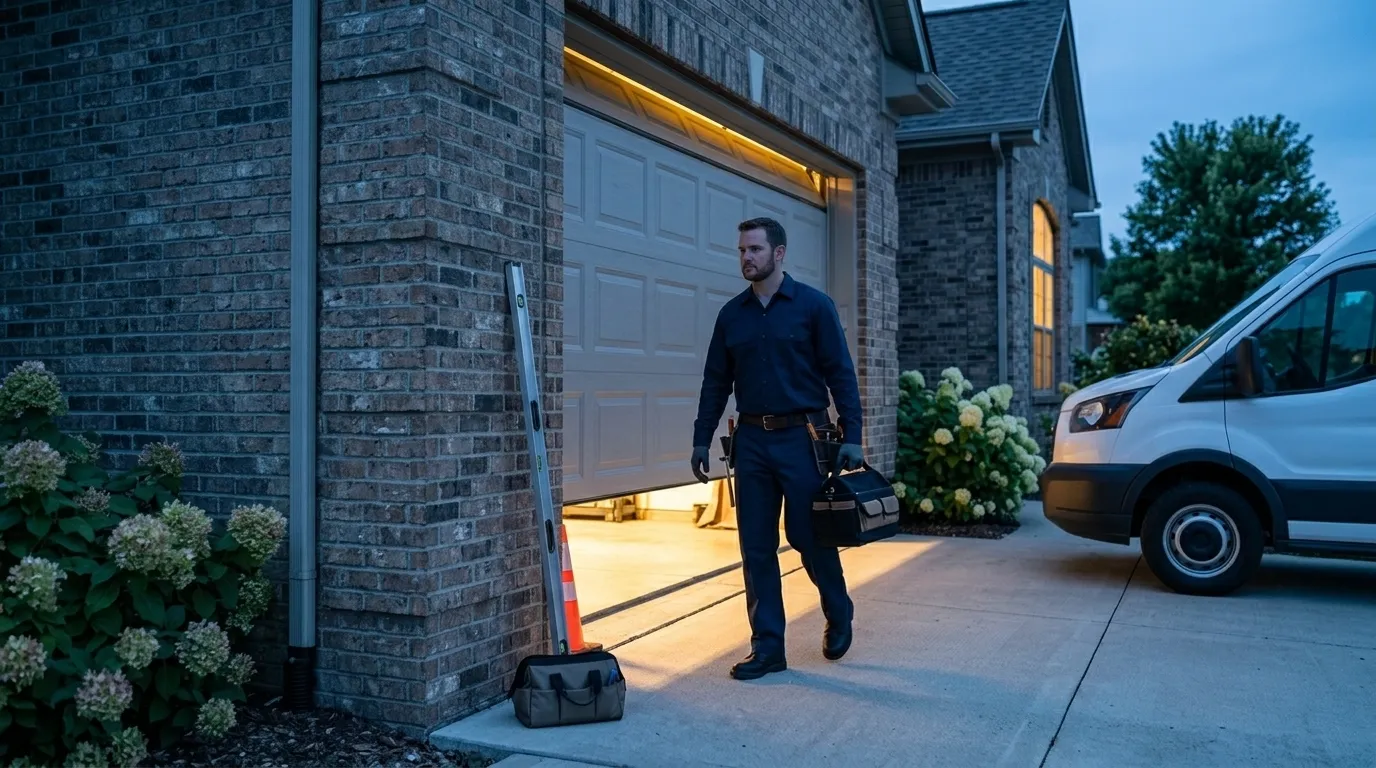
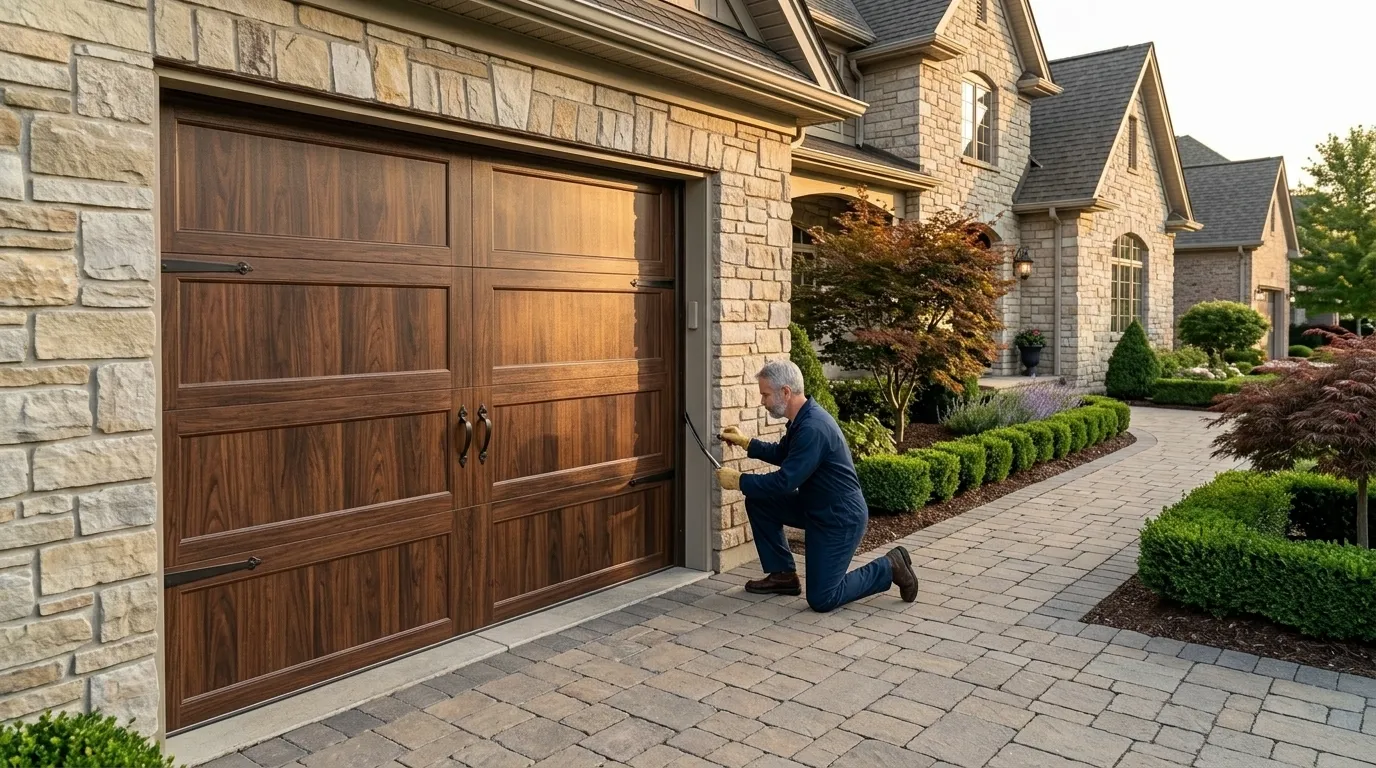
A maintenance visit starts with the track and rollers, then moves to spring tension, cable wear, and the opener's force settings - in that order, because a misaligned track will chew through rollers faster than normal wear, and an opener straining against tight springs will burn itself out early. We lubricate what should move freely and tighten what's worked loose, and we'll tell you plainly if a part is close enough to failure that it makes more sense to replace now than to patch and revisit in six months. We serve homeowners across Rockwall and out to Fate, Heath, McLendon-Chisholm, Murphy, Parker, Lucas, Balch Springs, and the visit runs the same regardless of which of those towns you're in - the parts and the wear patterns are consistent because the housing stock is.