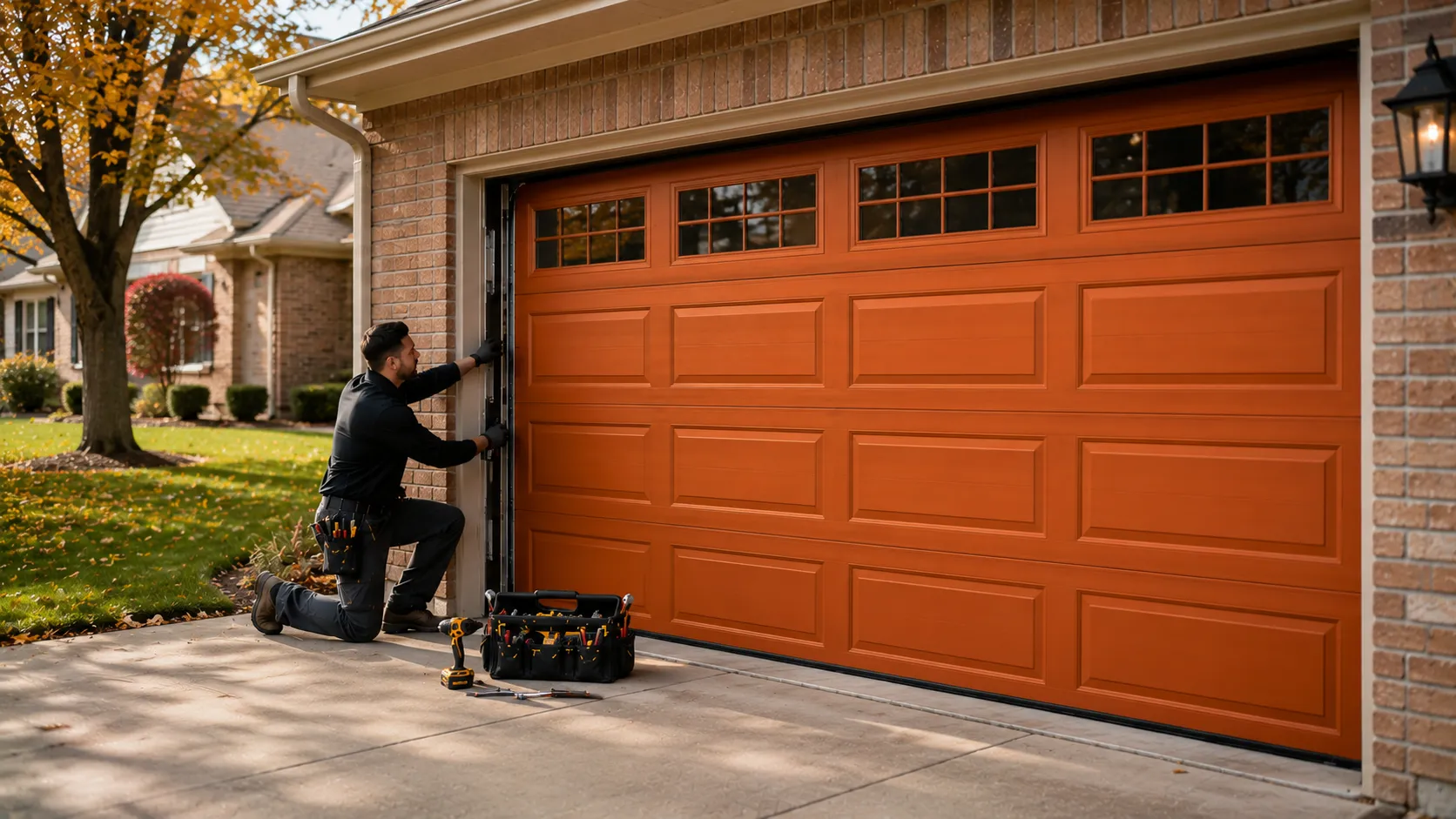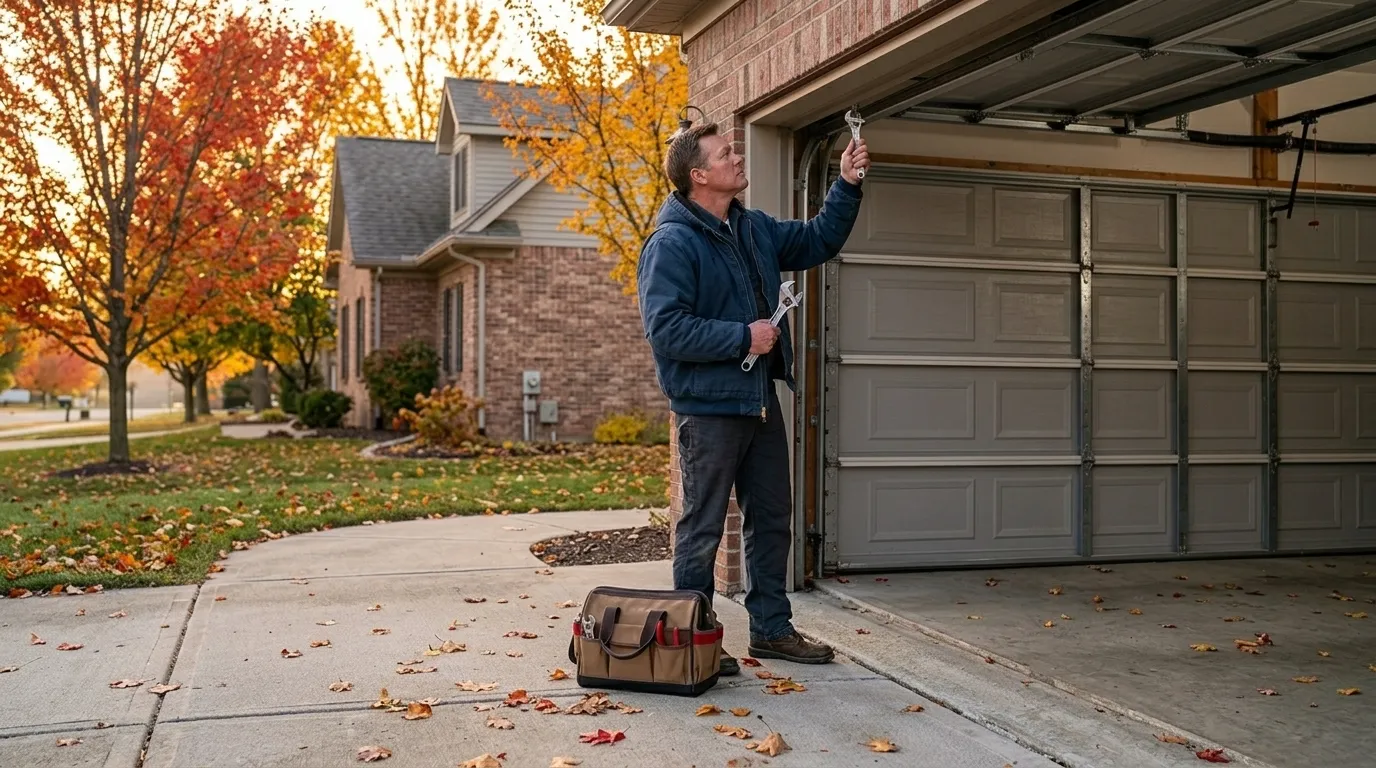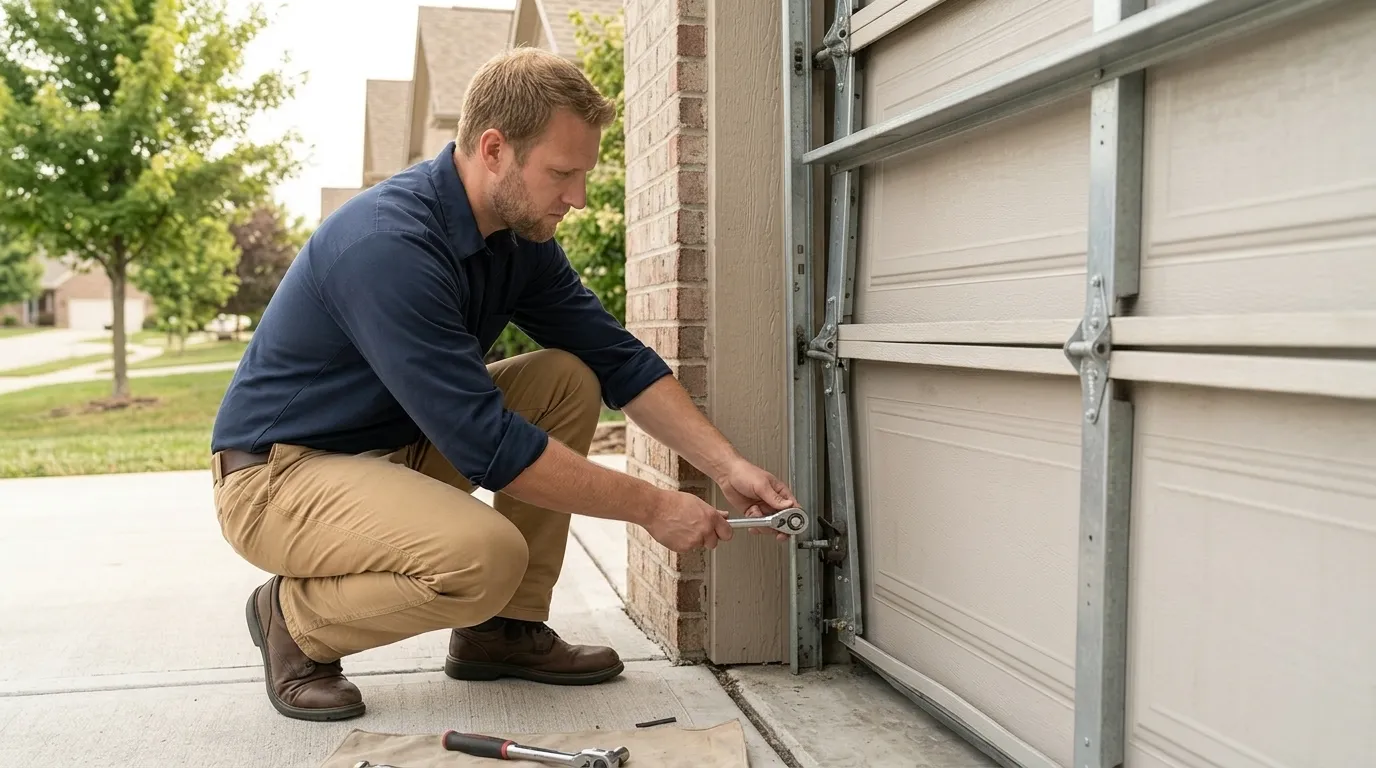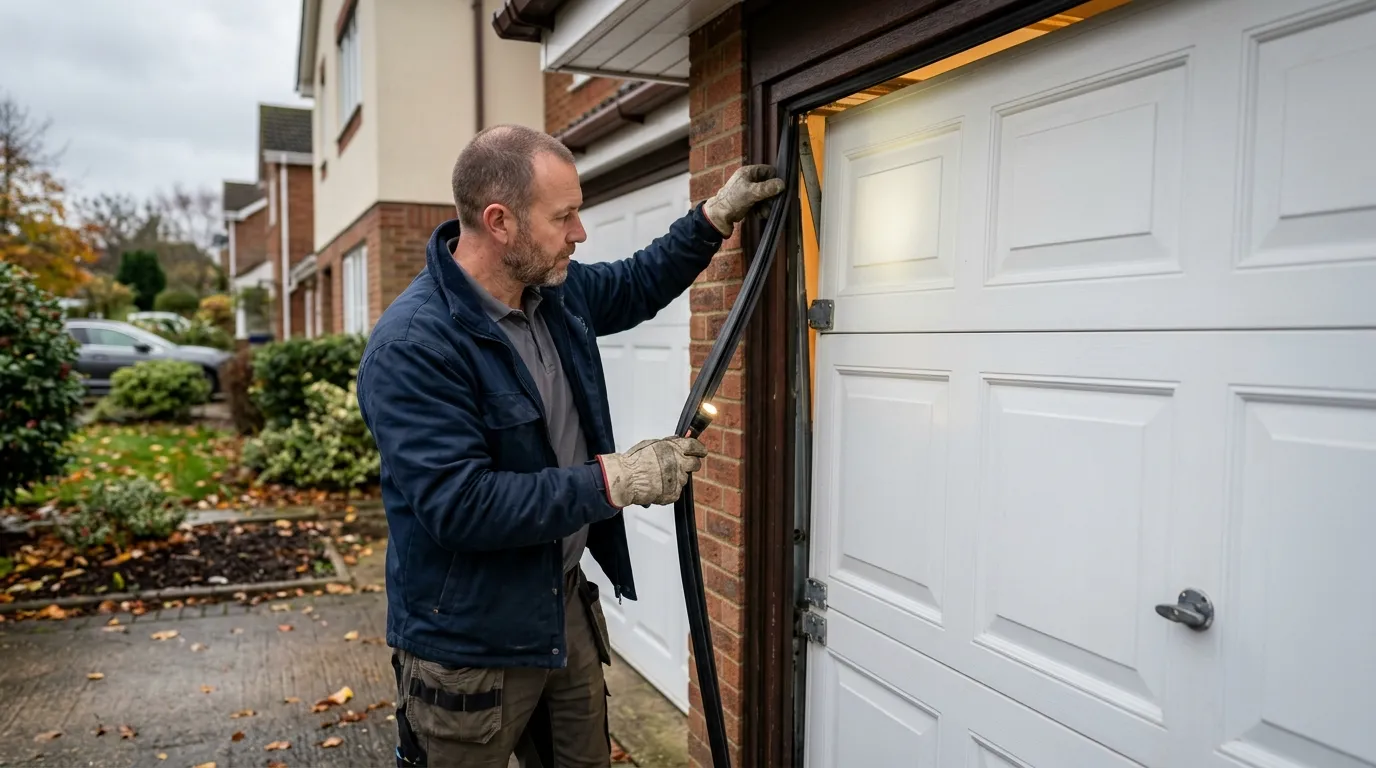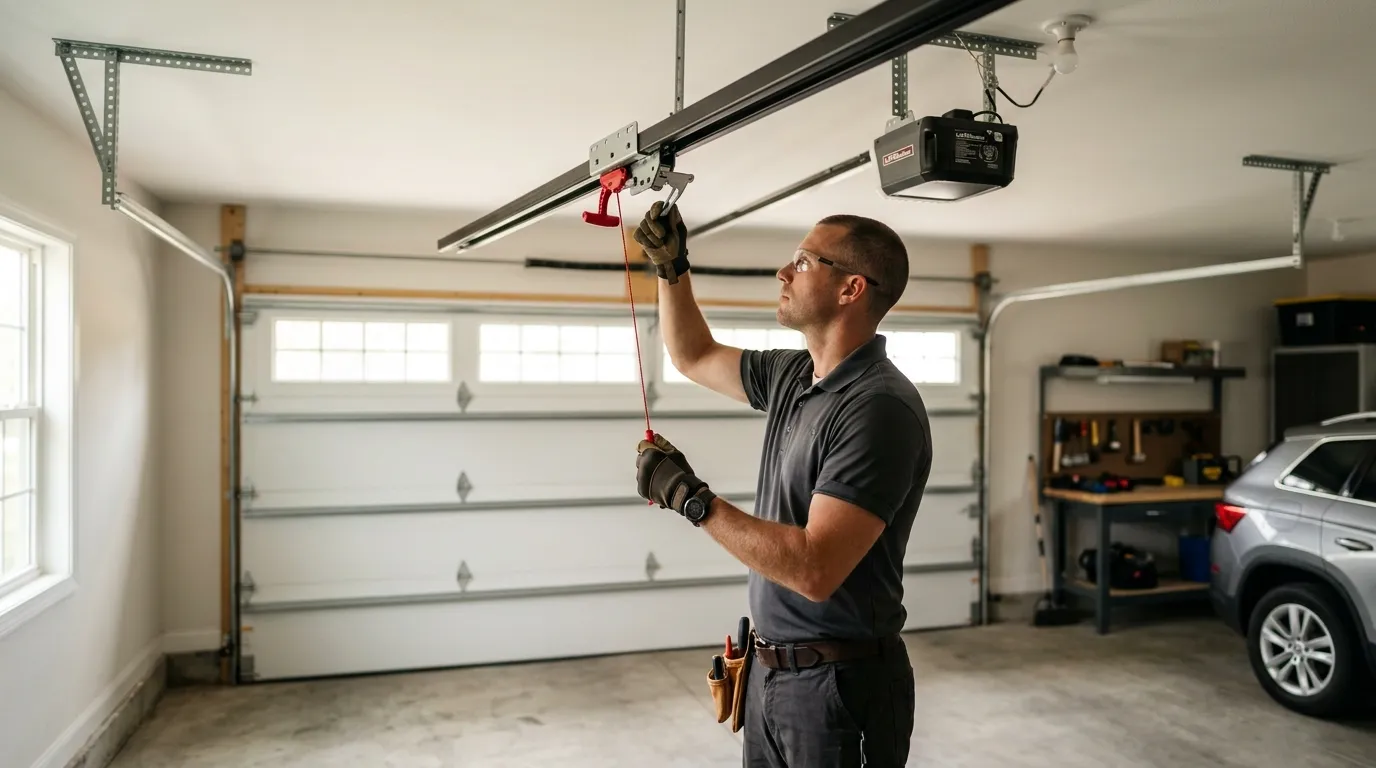
What You Are Seeing
The door won't open, or it opens partway and reverses, or the opener runs but the door doesn't move. Sometimes it's a clicking motor with no travel at all. Sometimes the remote works from the driveway but the wall button doesn't, or vice versa. Homeowners around Rockwall usually describe one of a handful of patterns: a chain that's gone slack and skips on the sprocket, a logic board that resets itself mid-cycle, or safety sensors that blink but won't clear even after you wipe the lenses.
Most of the housing stock in this service area was built between 1971 and 2013, with the bulk going up in the 2000s. That means a large share of the openers we see are original builder-grade units nearing 20 years of duty cycles, or first-generation replacements installed when those houses were resold. The failure mode tracks with the unit's age more than with brand: gears wear out, capacitors dry up, and circuit boards that were fine for fifteen years start throwing intermittent faults with no clear pattern. If your opener is acting up only sometimes, that's usually the board, not the motor.
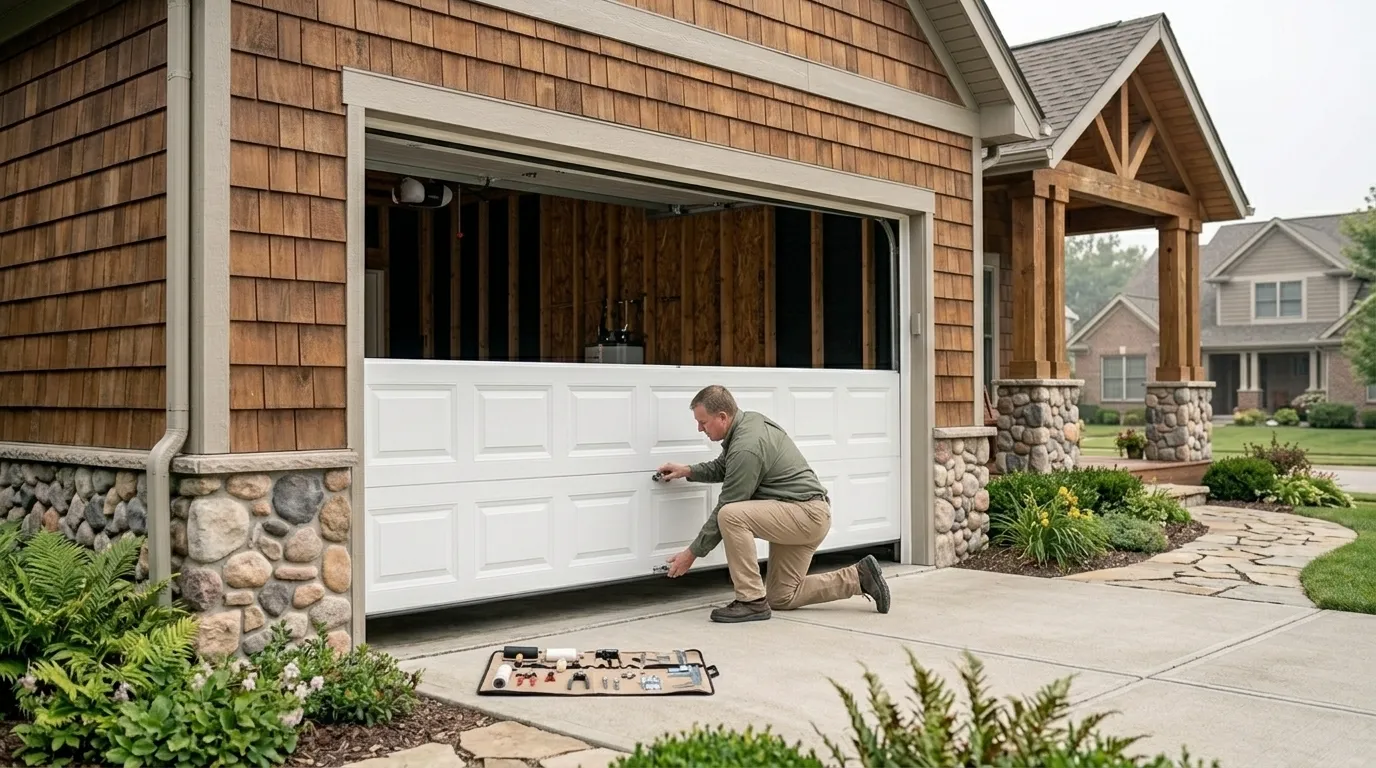
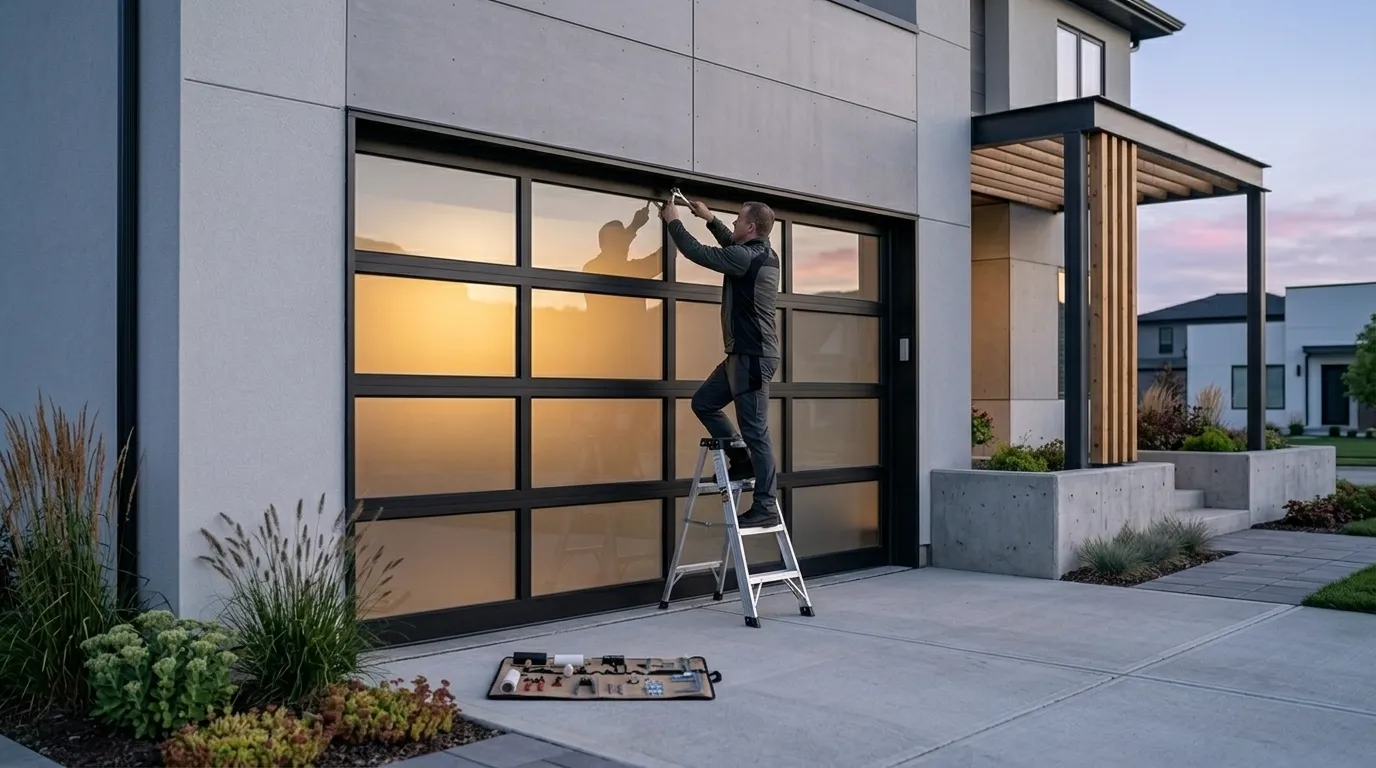
We don't guess from a description over the phone. We come out, run the door through a full cycle, and watch where it actually fails.
Why It Happens Here
Two things push opener failures faster here than the national average for a house this age. First is the housing stock itself: with most homes across the area dating from 1971 to 2013 and a heavy concentration in the 2000s, a big share of openers are hitting the age where gears, boards, and capacitors wear out together rather than one at a time. Second is the climate. This area sits in a mild band that still sees occasional freezes, and that swing matters more than steady cold ever would. A garage that sits at 70 degrees for weeks and then drops near freezing overnight puts thermal stress on solder joints and plastic housings that a consistently cold climate wouldn't produce the same way - parts expand and contract instead of just staying cold.
That combination - an aging 2000s-era opener fleet plus a freeze-thaw swing rather than a hard winter - is why we see more board resets and sensor drift here than pure motor burnout. The motor is usually the last thing to go. The board and the sensors go first, and homeowners often replace the whole unit before anyone checks whether a $40 sensor realignment would have fixed it.
How We Fix It
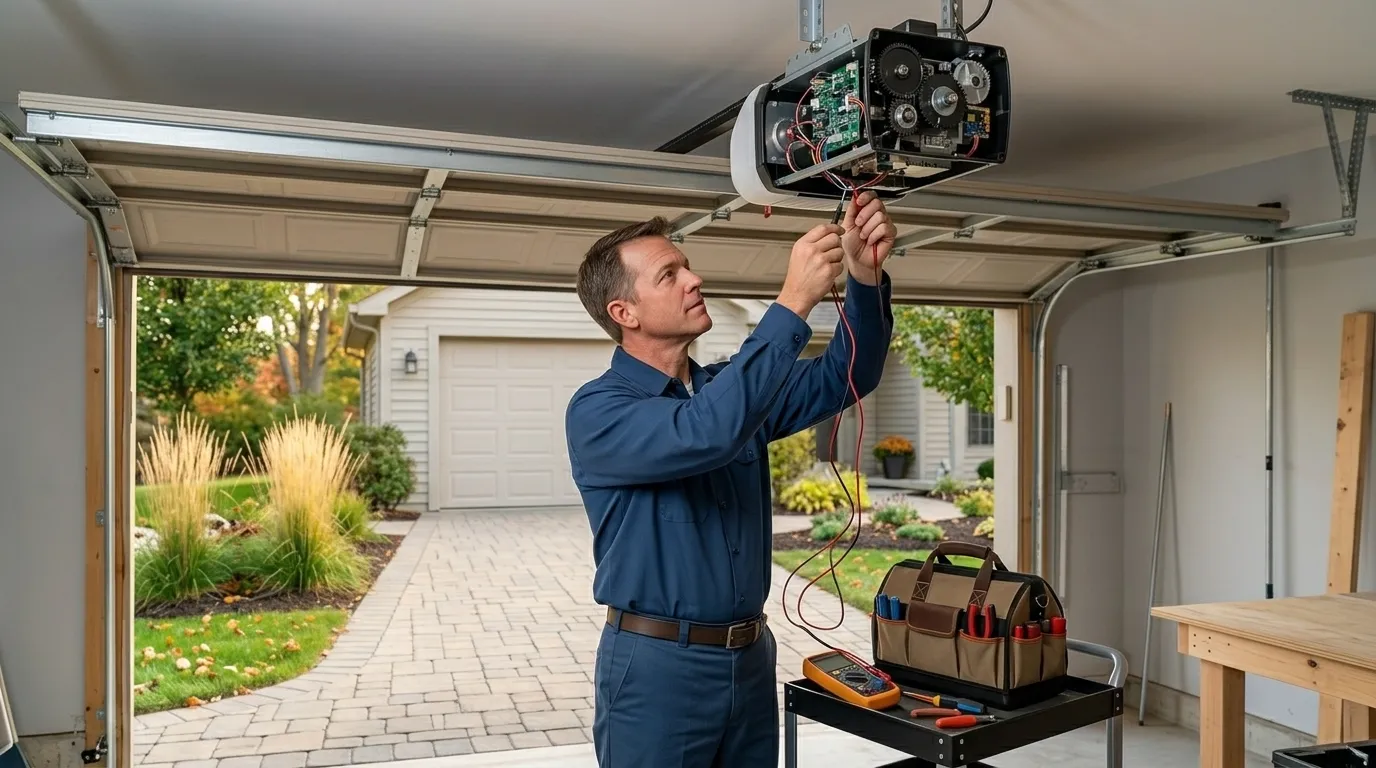
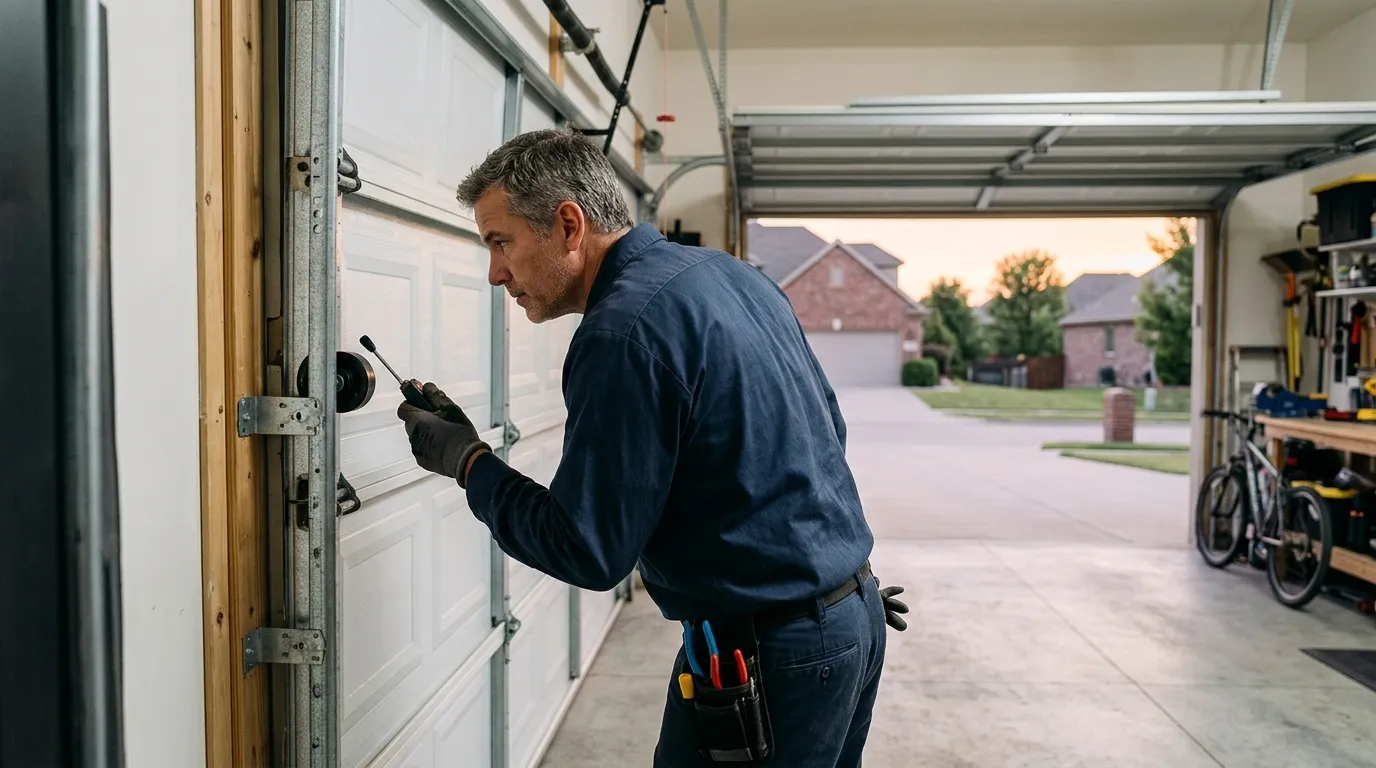
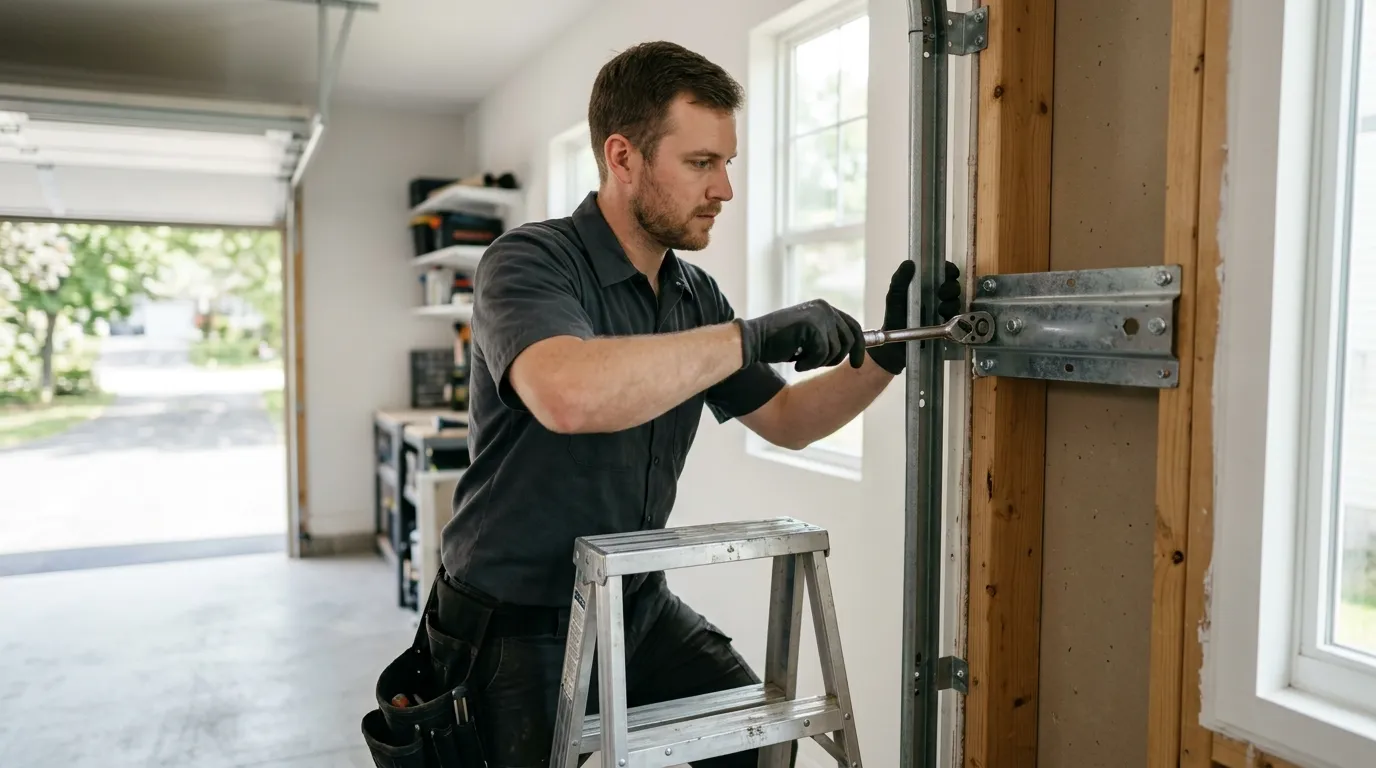
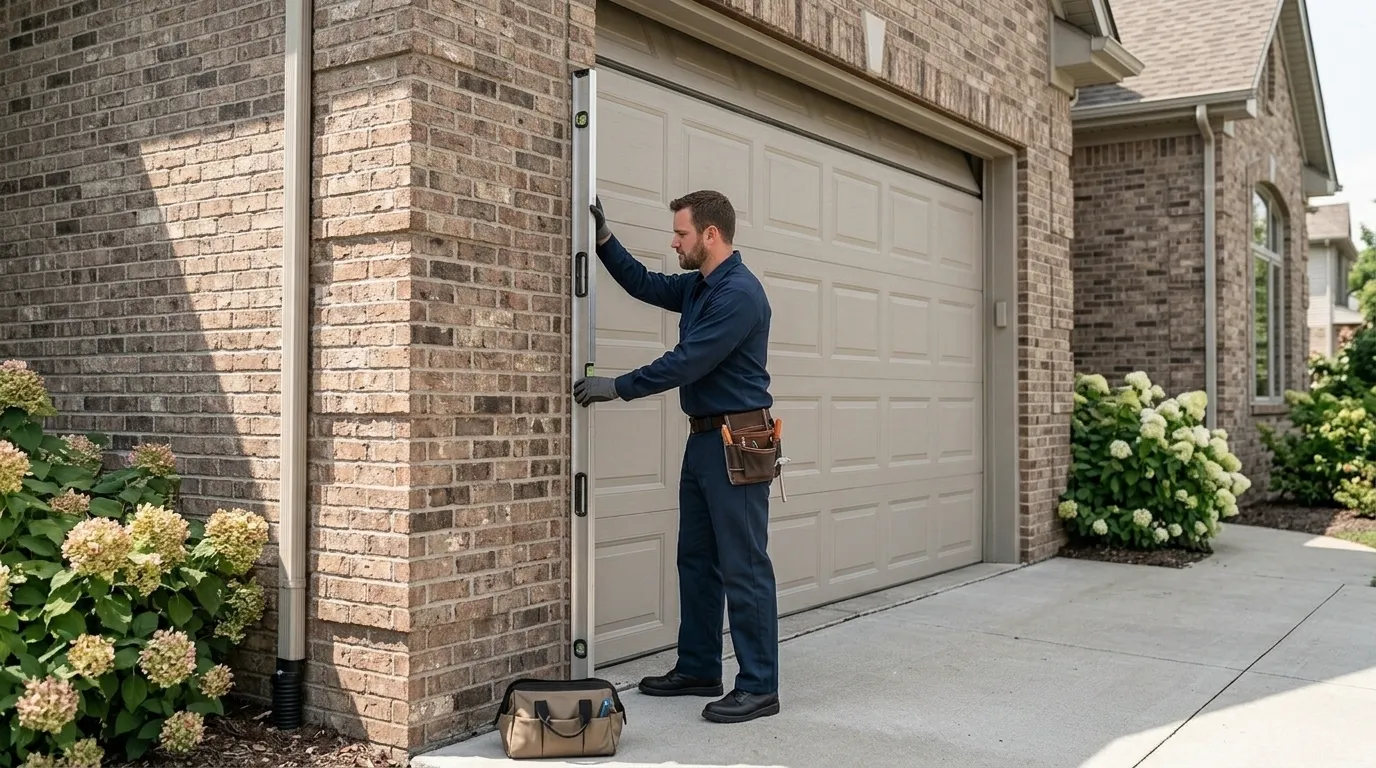
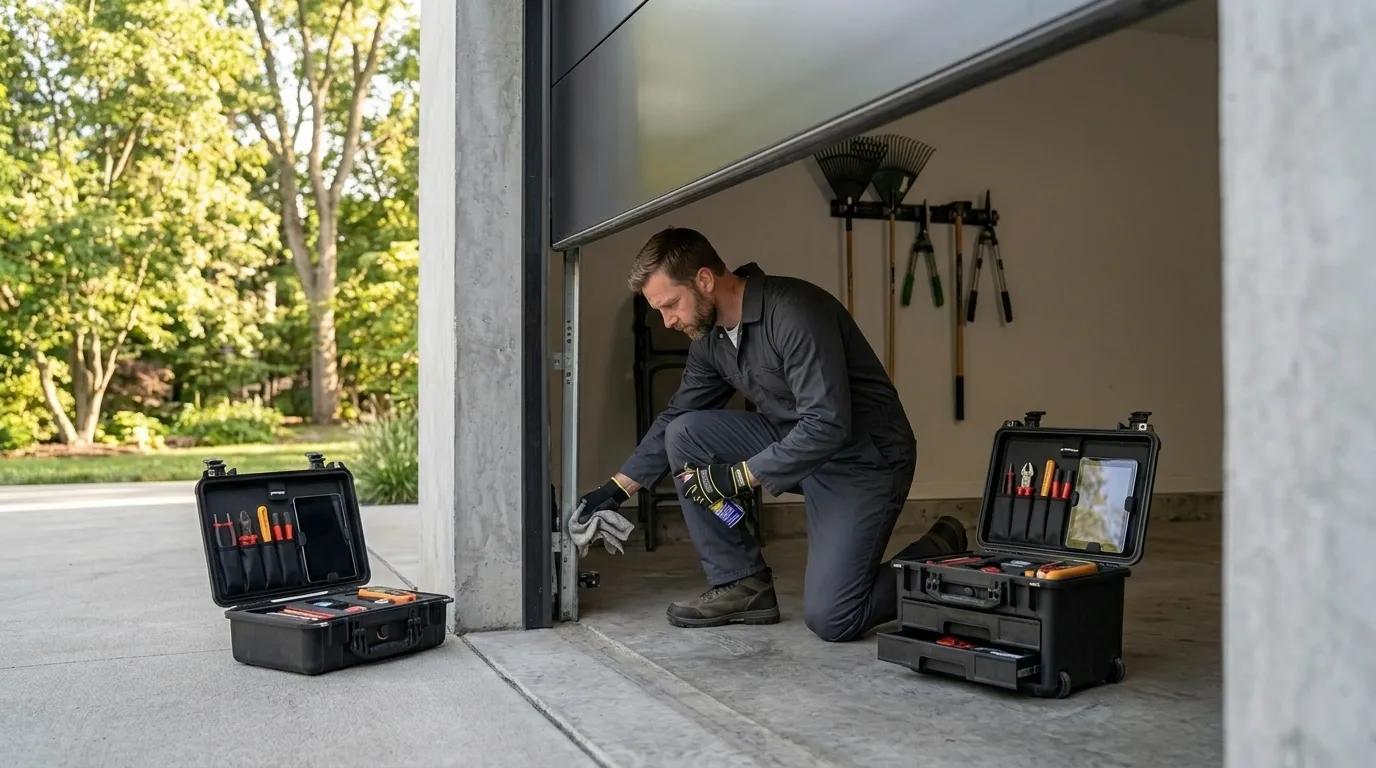
We start with the board, not the motor, because that's where most of the intermittent failures in this area's opener fleet actually live. We check safety sensor alignment and wiring first since a knocked sensor mimics half a dozen other symptoms. Then we test the drive - chain, belt, or screw - under load to see if it's slipping, skipping, or just worn past adjustment.
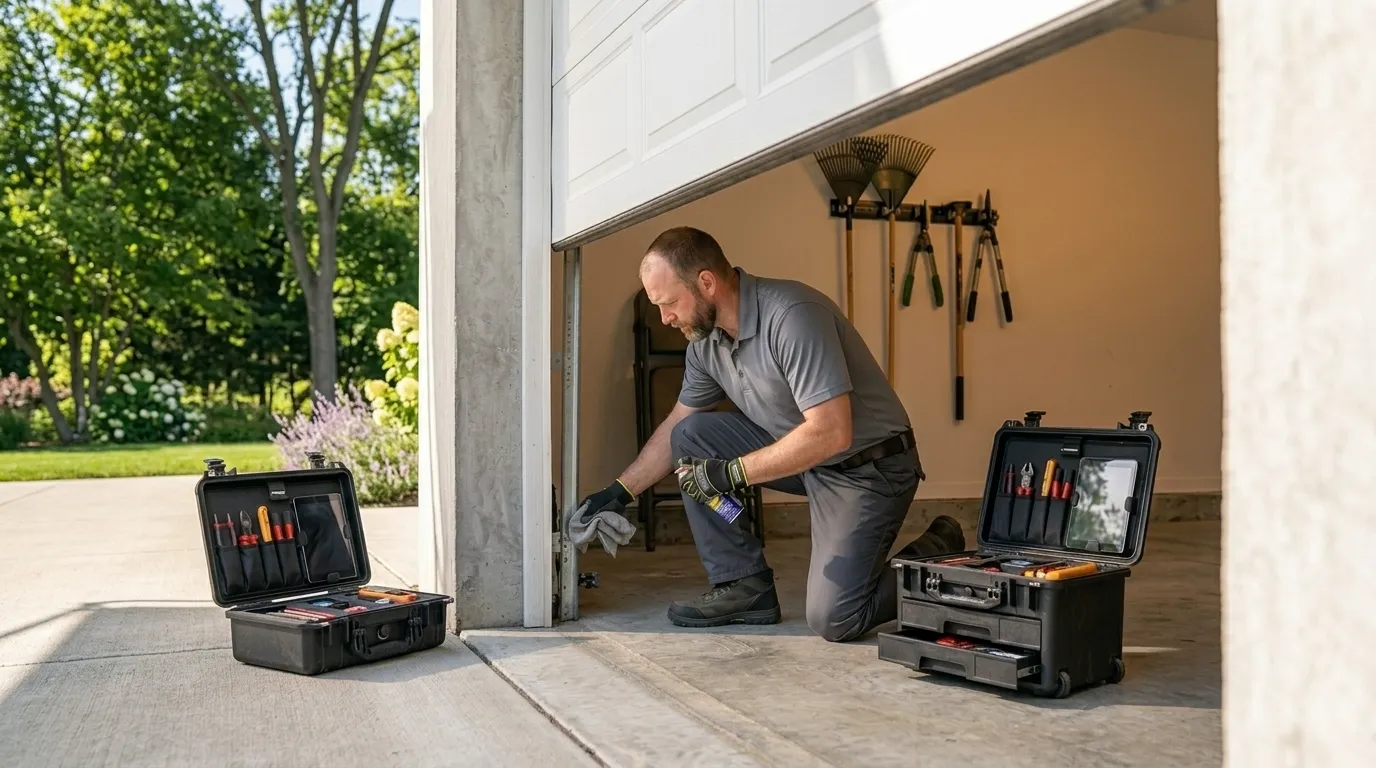
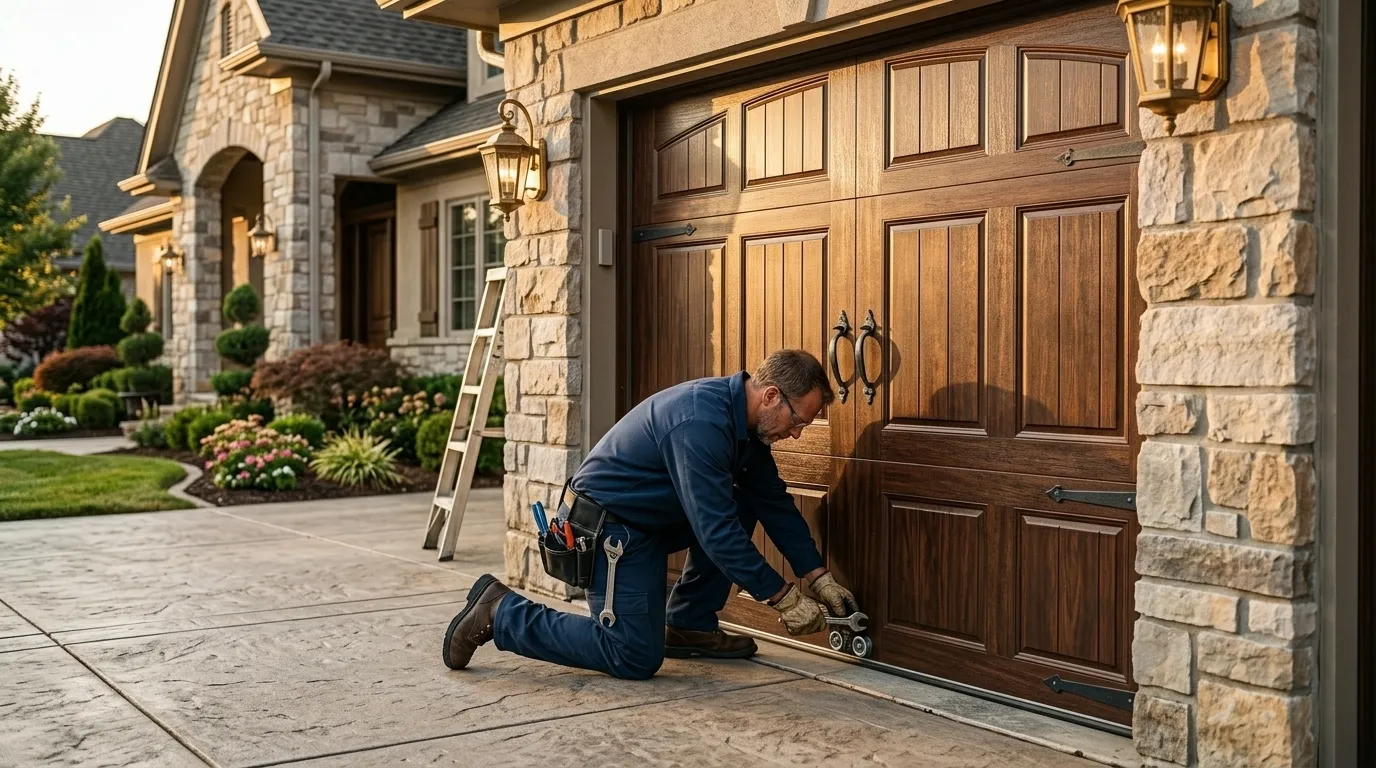
If the fix is a part we carry, we replace it on the spot and run the door through several full cycles before we leave, watching for the fault to repeat. If the opener is old enough that the board, drive, and capacitor are all near end of life at once, we'll say so plainly: patching one part on a unit that's failing everywhere at once usually means you're back to square one in a few months, and full opener replacement is the better use of your money at that point.
We don't upsell a new opener when a $60 part will get another five years out of the one you have, and we don't keep patching a unit that's telling you it's done.