Getting It Booked In
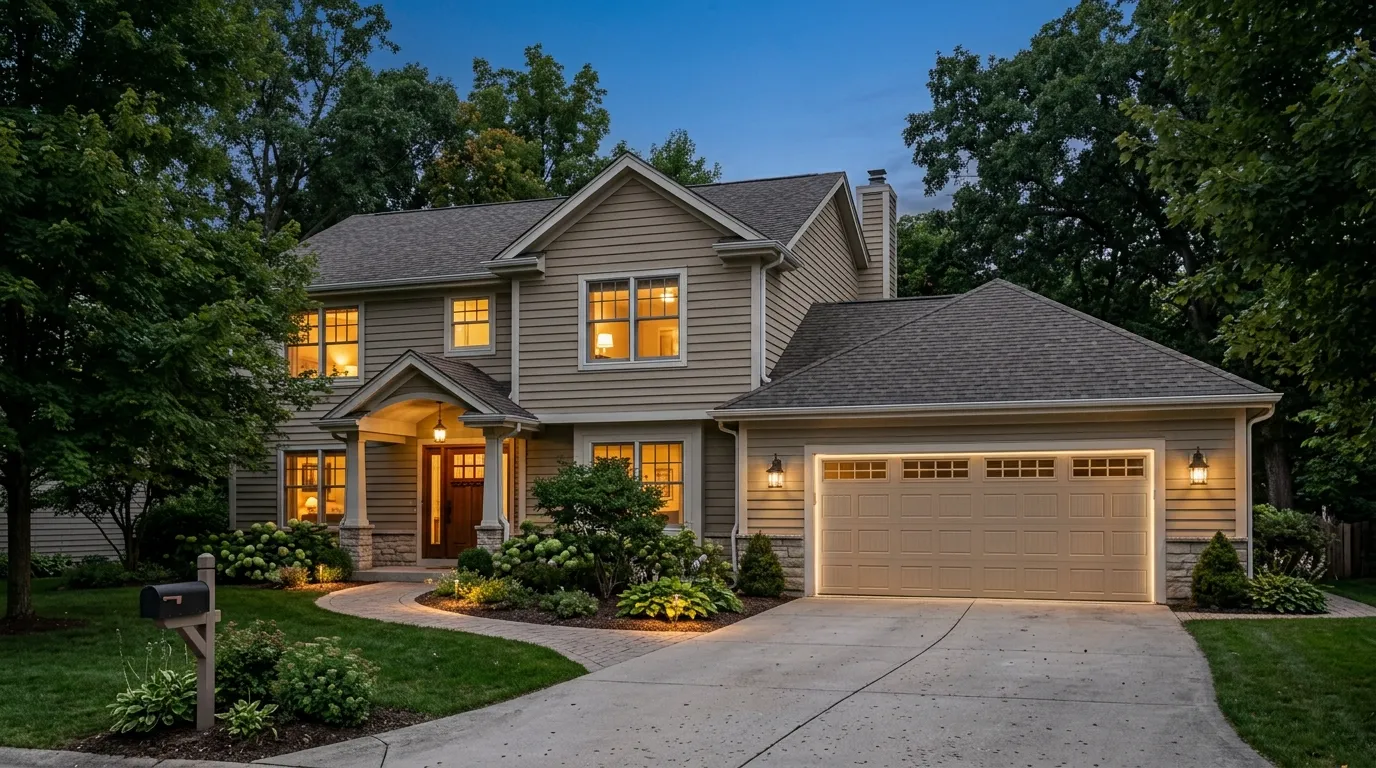
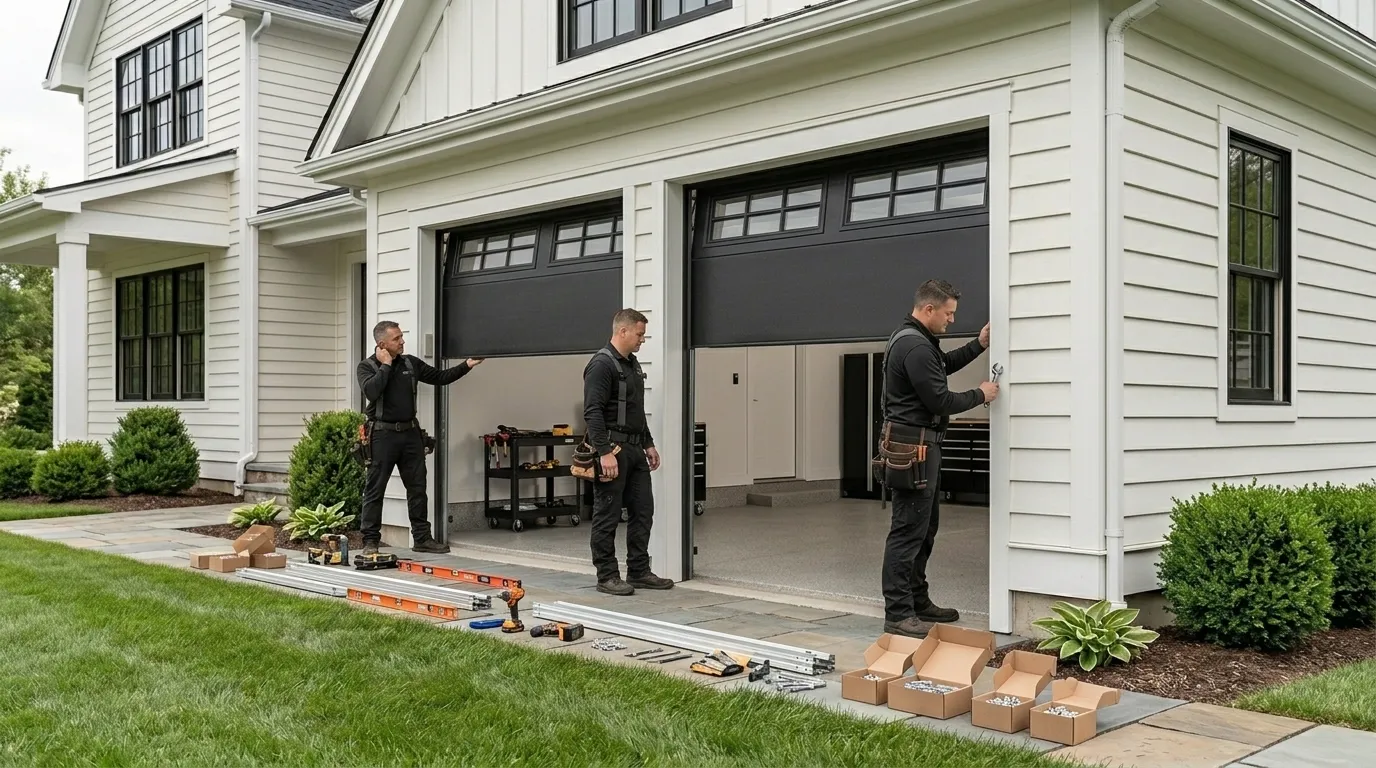
McLendon-Chisholm sits about 6 miles from our Rockwall shop, close enough that a maintenance visit doesn't turn into a half-day trip. We don't run a branch out here, so every job is scheduled from Rockwall and routed out to you - that means we plan the day around driving, not around a local depot.
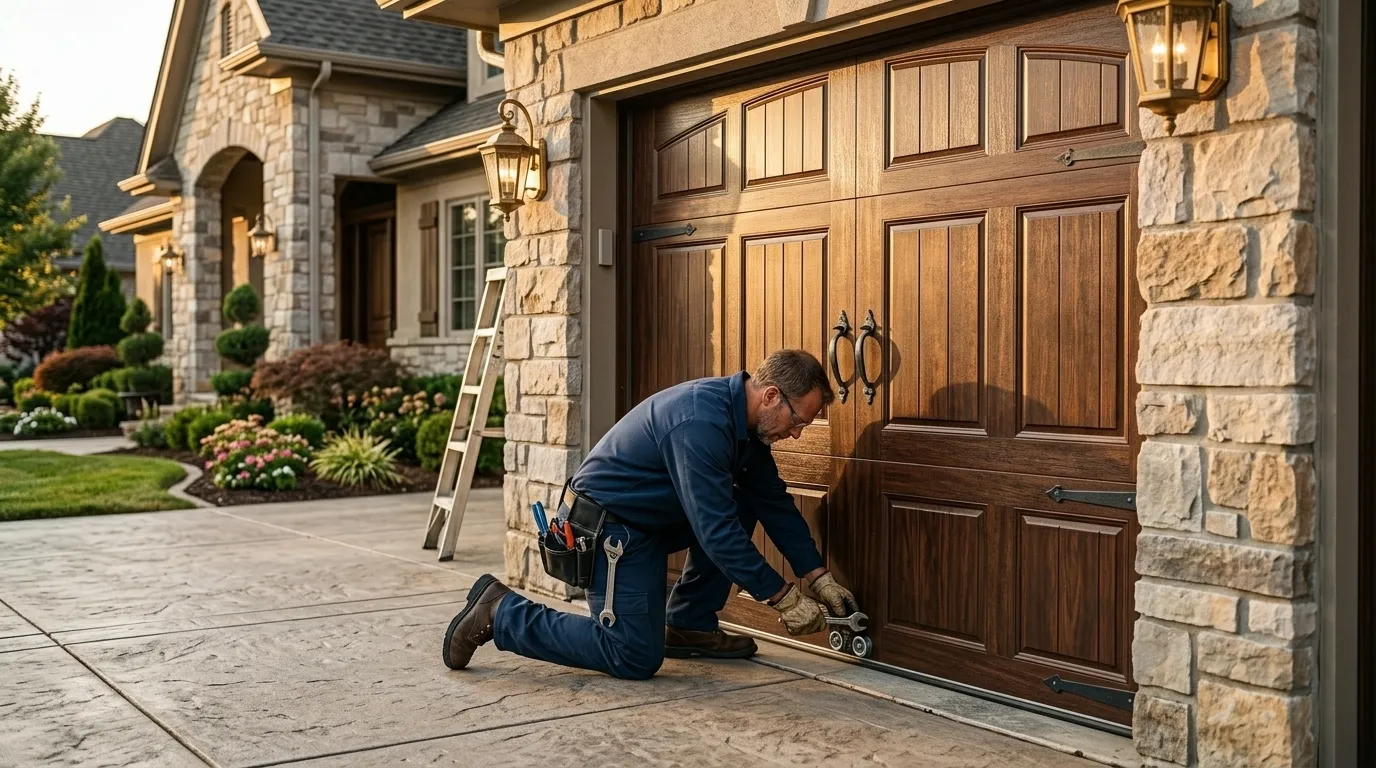
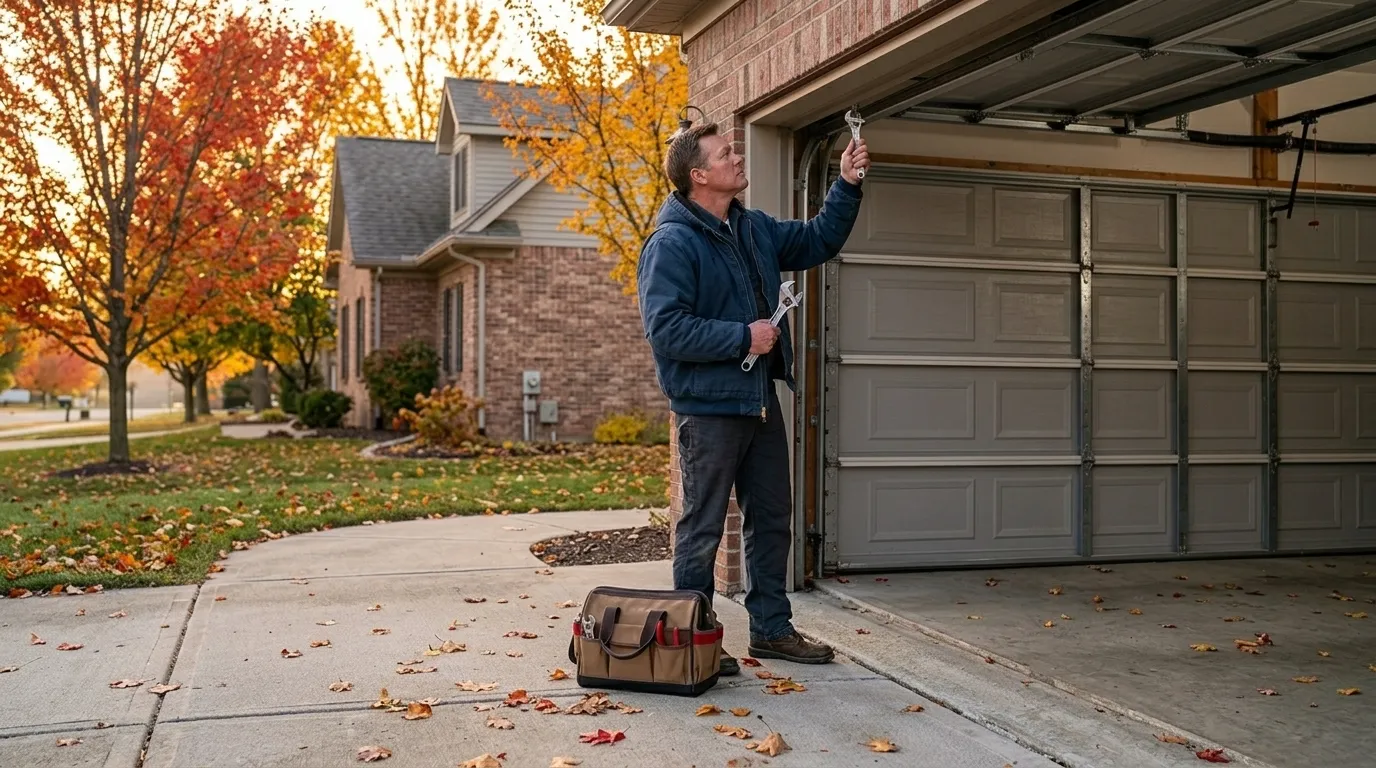
At a median household income of $196,458 in McLendon-Chisholm, a lot of the calls we get aren't emergencies. They're homeowners who want a technician to look at a door that's starting to sound off before it becomes a Saturday night breakdown. That's the right instinct. A 20-minute check on rollers, cables, and spring tension costs a fraction of what an after-hours spring replacement runs, and it catches the kind of wear that's cheap to fix early and expensive to fix late.
With only 1,298 households in the immediate area, we're not juggling hundreds of maintenance accounts on this side of the service area. That keeps scheduling straightforward - we book the visit, we show up, we tell you what we saw.
The DIY Question
A lot of what a maintenance visit covers, you can do yourself: wiping down tracks, checking the bottom seal, listening for new noises, testing the auto-reverse safety feature by setting a piece of wood under the door and running it down. On a 2009-era door, that's often enough to catch problems early.
What you shouldn't touch is the torsion spring. It's wound under enough tension to cause a serious injury, and on a door this age it's rarely the part that's failing - but if it is, that's not a DIY repair, full stop. Same goes for opener circuit boards; if a newer opener is throwing error codes, swapping parts without knowing the specific fault usually costs more than calling it in the first time.
Honest limitation: we don't do warranty work on openers we didn't install, and if your door is still under a builder's warranty from 2009, some issues may need to go back through that channel rather than us.
Time on the Job
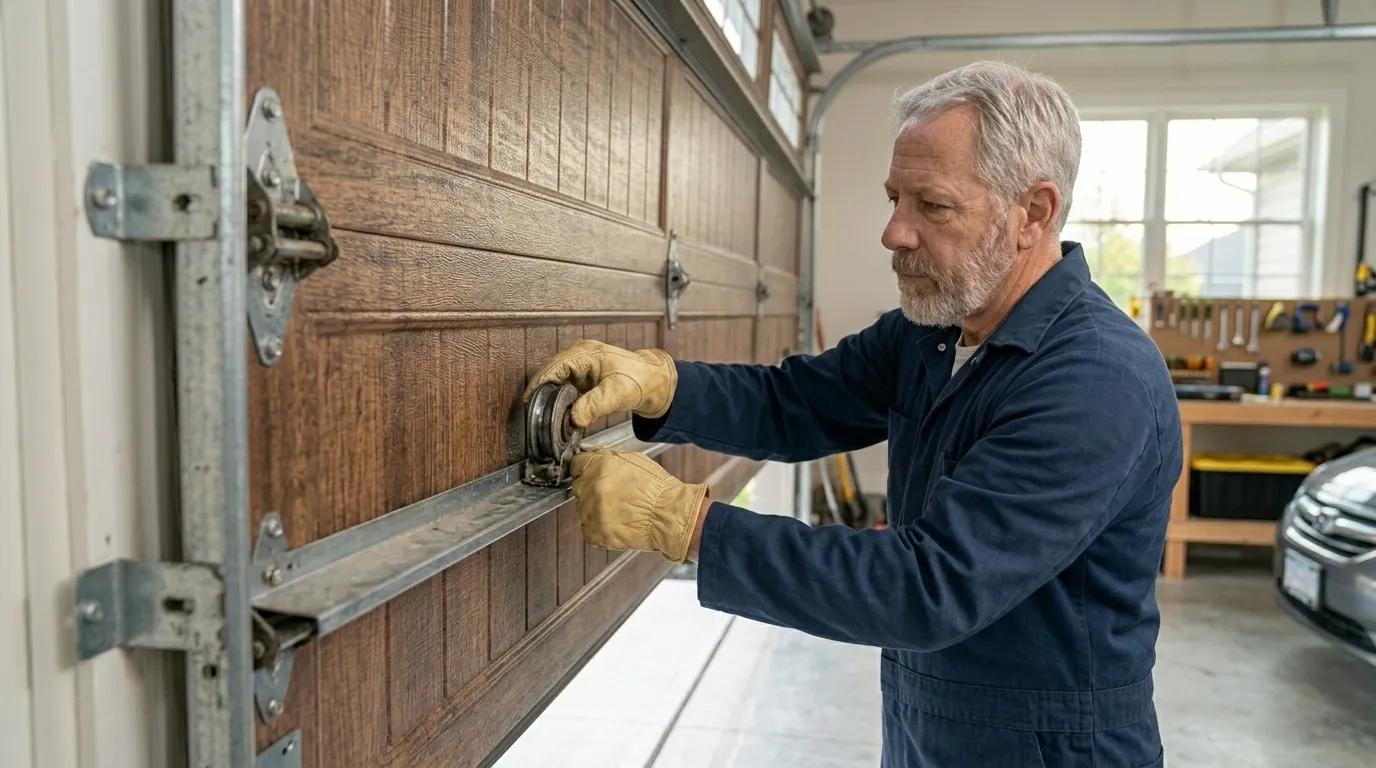
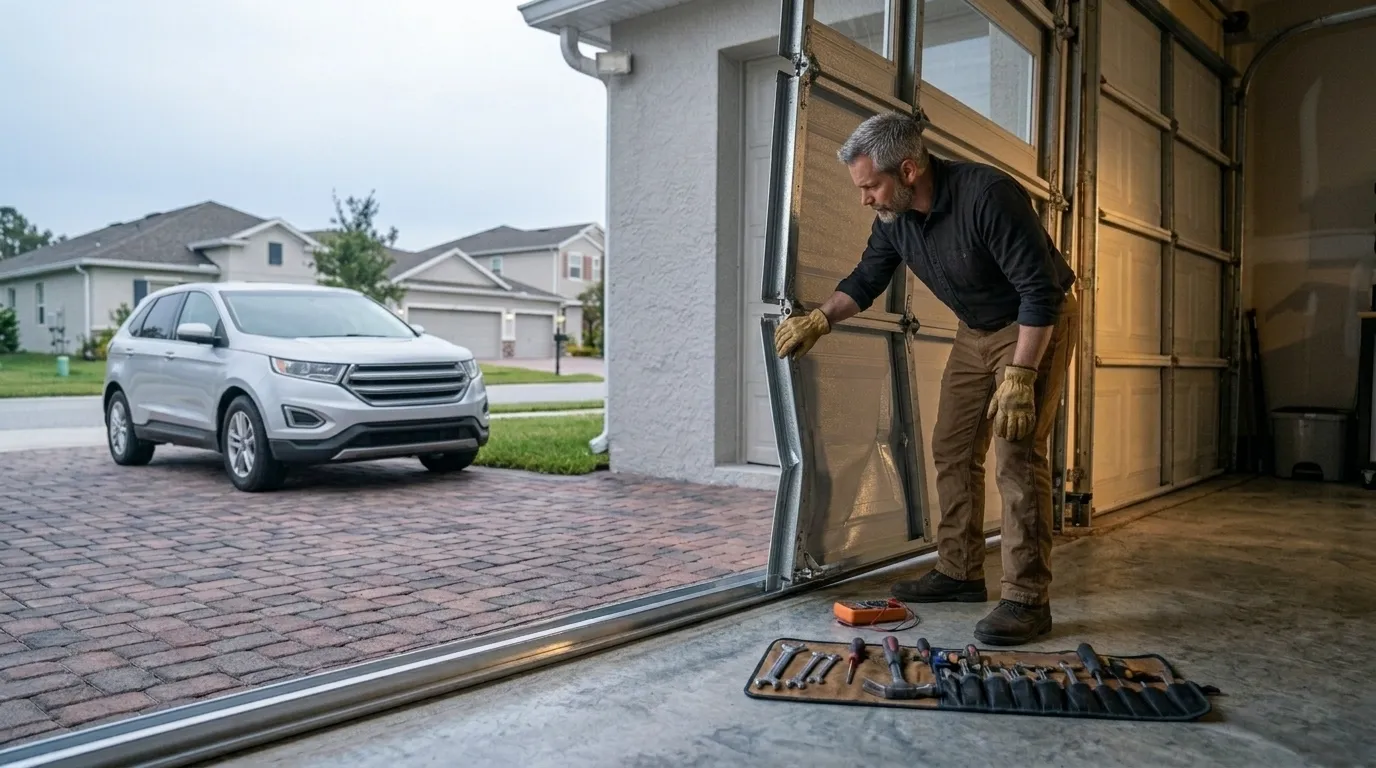
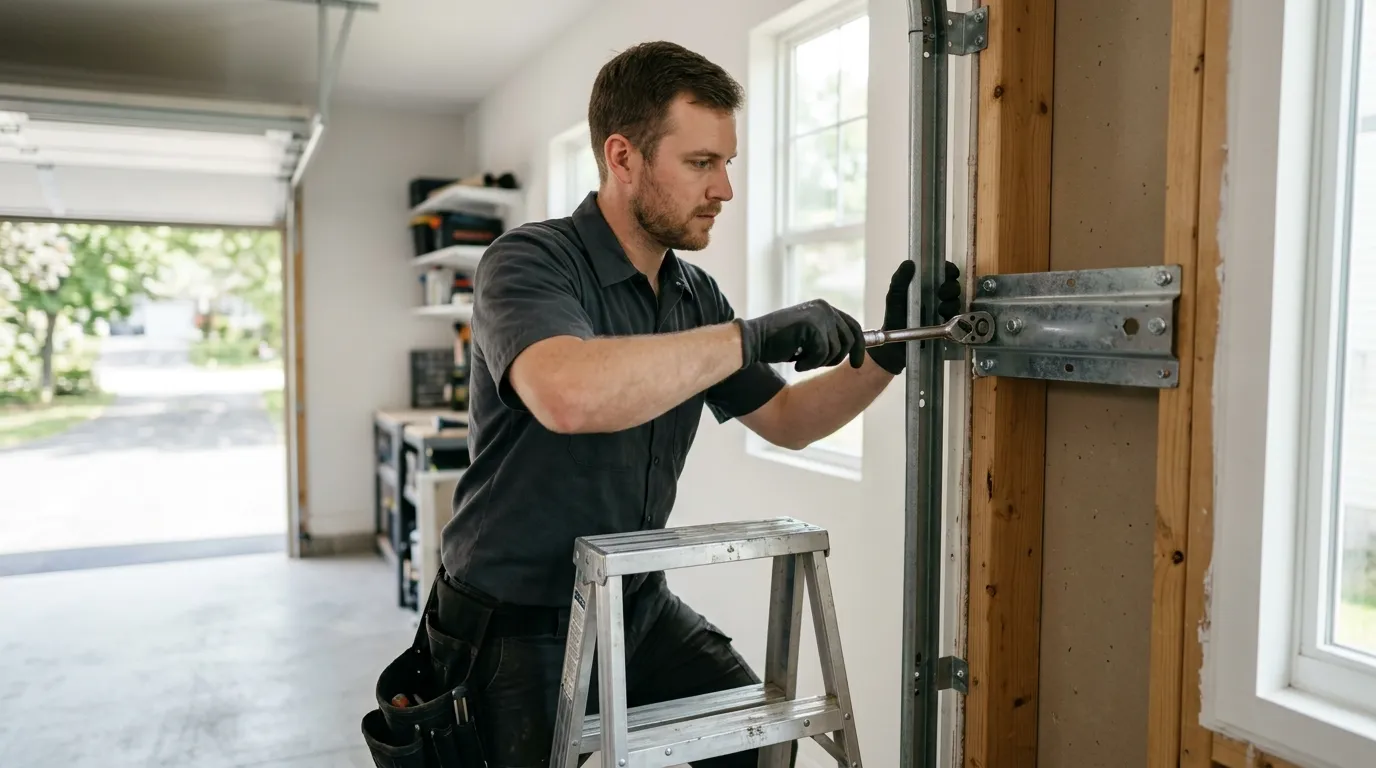
A standard maintenance visit on a door this age doesn't take long, because there's less to fix. Lubrication, hardware inspection, balance check, opener safety test - on a well-kept 2000s-era door, that's most of the visit. Where we spend extra time is diagnosing anything electrical, since newer openers have more sensors and more ways for a small fault to look like a big one.
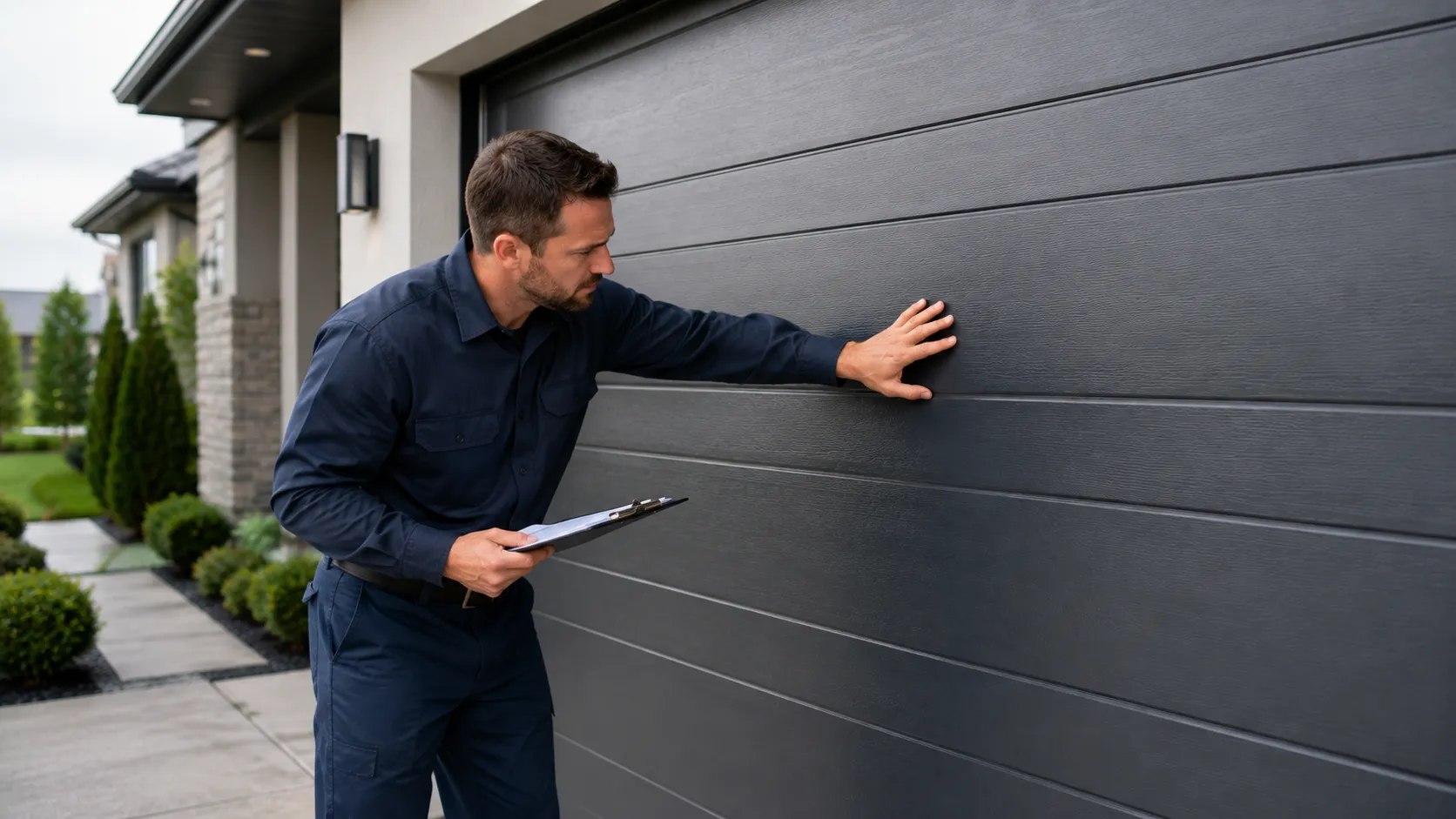
We won't stretch a 30-minute job into a 90-minute one. If the door checks out clean, we tell you that and we leave. If something's starting to wear - a roller going flat, a cable fraying - we'll point it out and give you a straight answer on whether it needs doing now or can wait for the next visit.