Stocked Parts
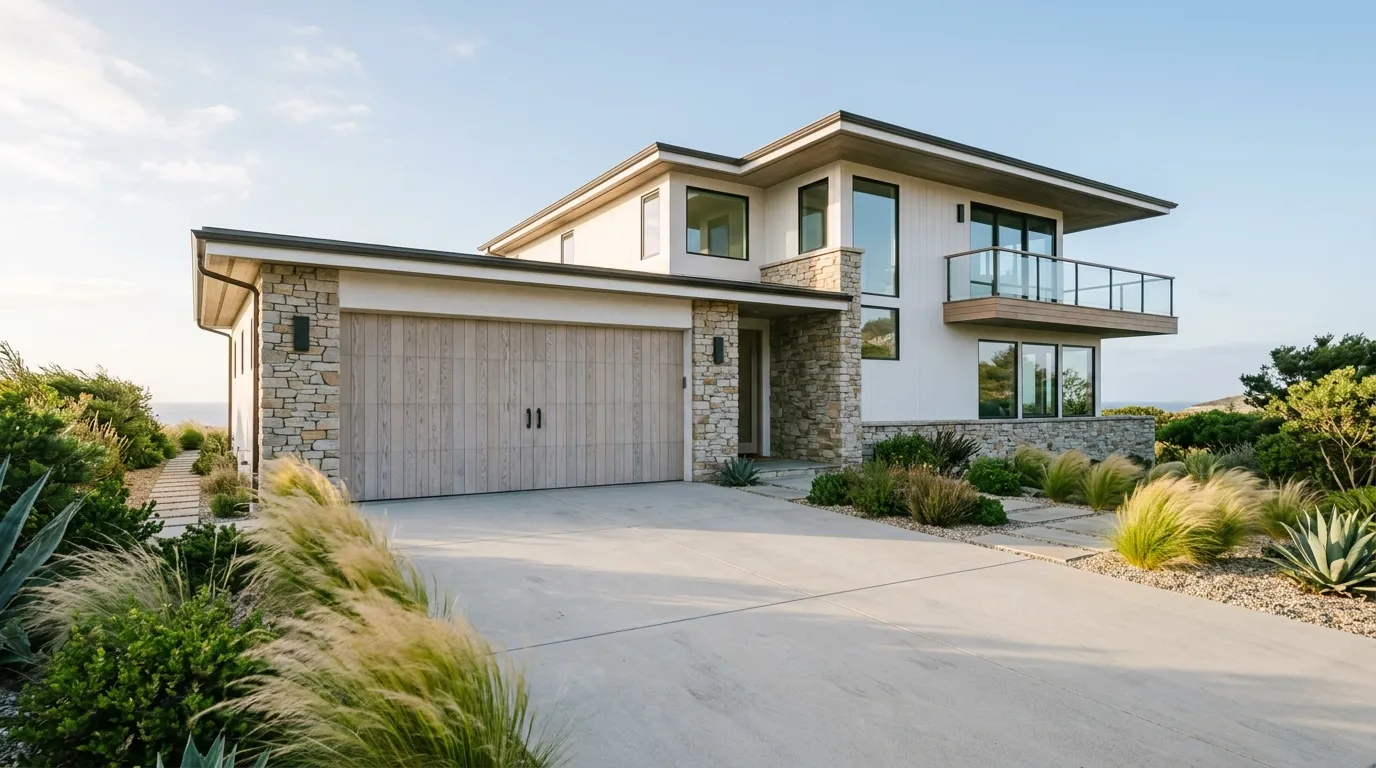
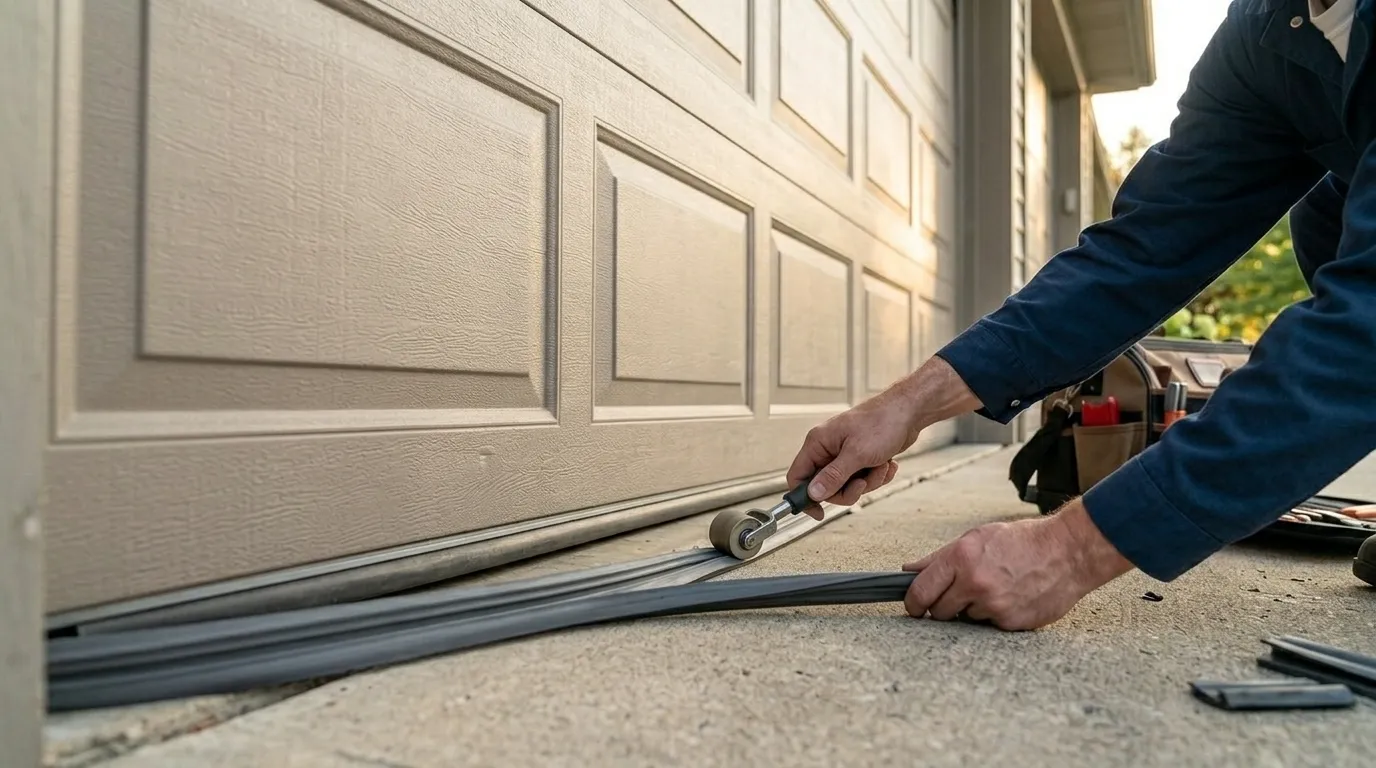
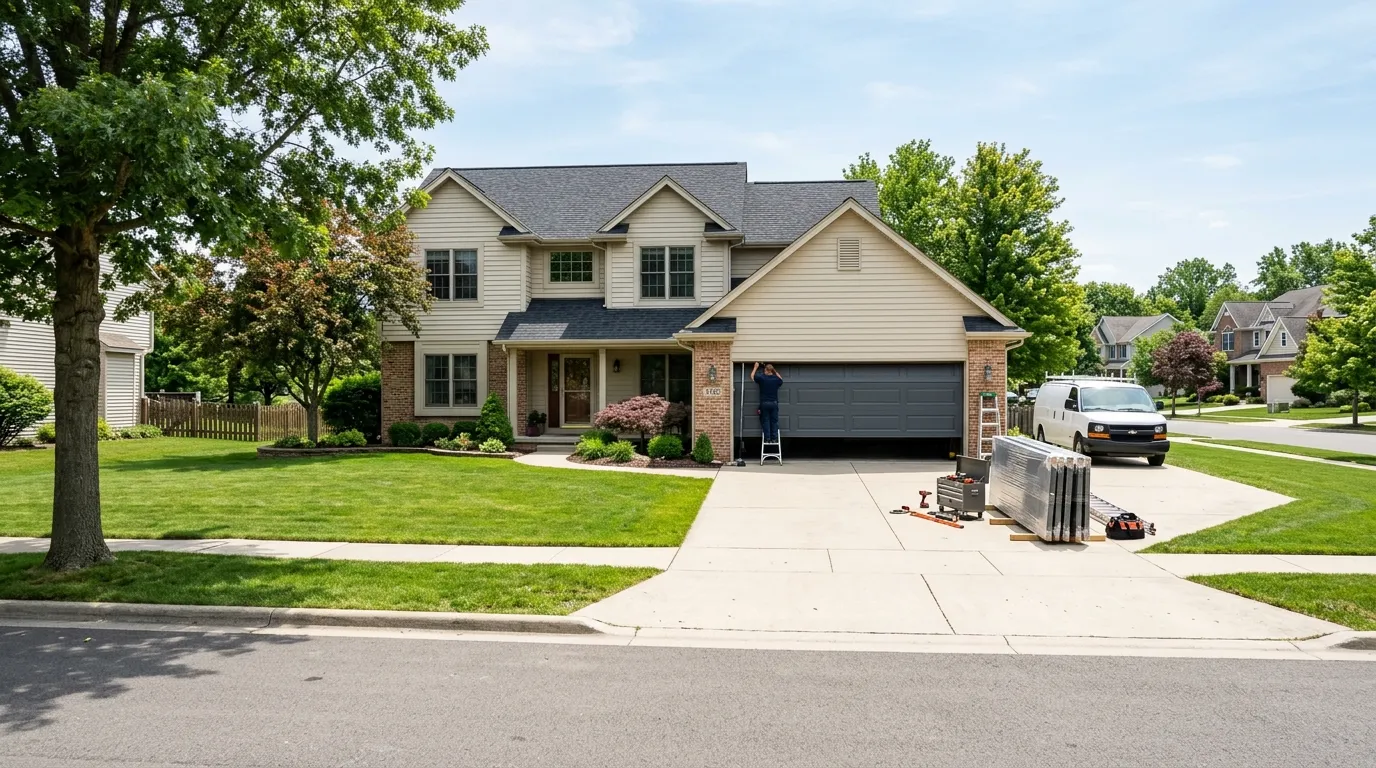
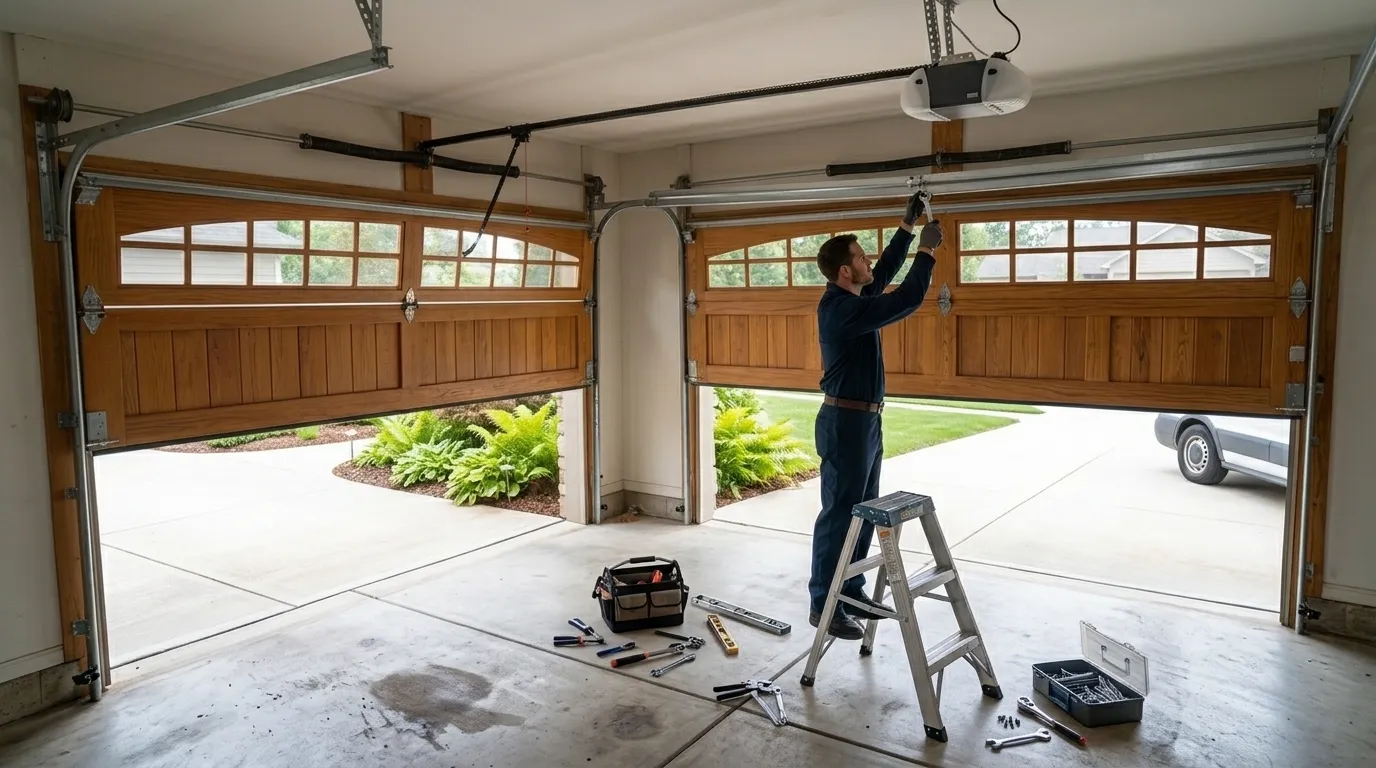
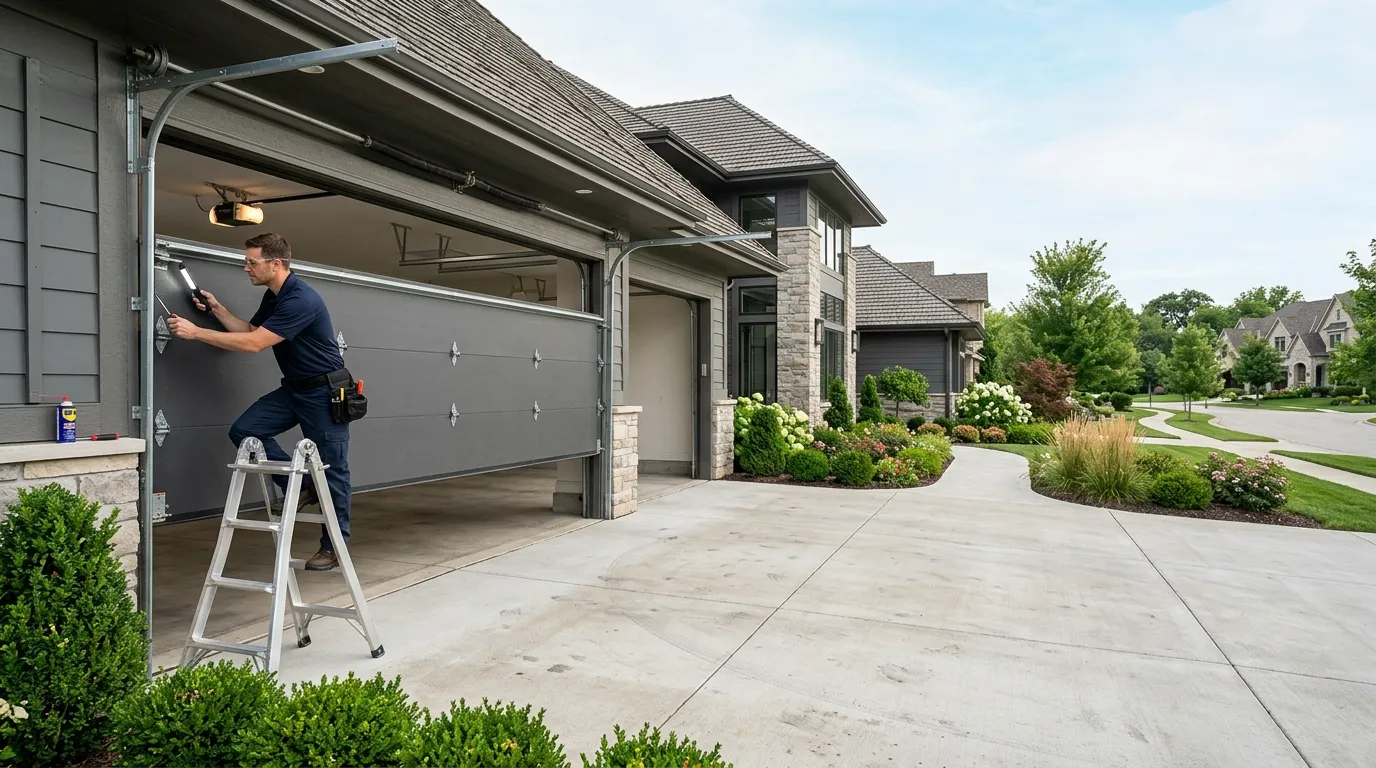
Seagoville's houses were mostly built around 2001, which puts the neighborhood right in step with the 2000s-era stock that makes up most of the wider service area (median build year 2002 across the region). That matters more than it sounds like it should. A door from that era is almost always a steel sectional panel on a torsion spring system, sized for a standard 7-foot or 8-foot opening, with an opener from the same build wave. We keep torsion springs, standard-drum rollers, and the hinge and cable hardware that fits that generation of door on the truck, because it's what we pull for most of the calls out this way. What we don't carry as a matter of course is anything for a door built before 1990 or after a recent high-end remodel - those need a special order, and we'll tell you that up front rather than have you wait on a truck that doesn't have the part.
If your door is older or newer than the neighborhood norm, say so when you call. It changes what we load before we leave Rockwall.
Time on the Job
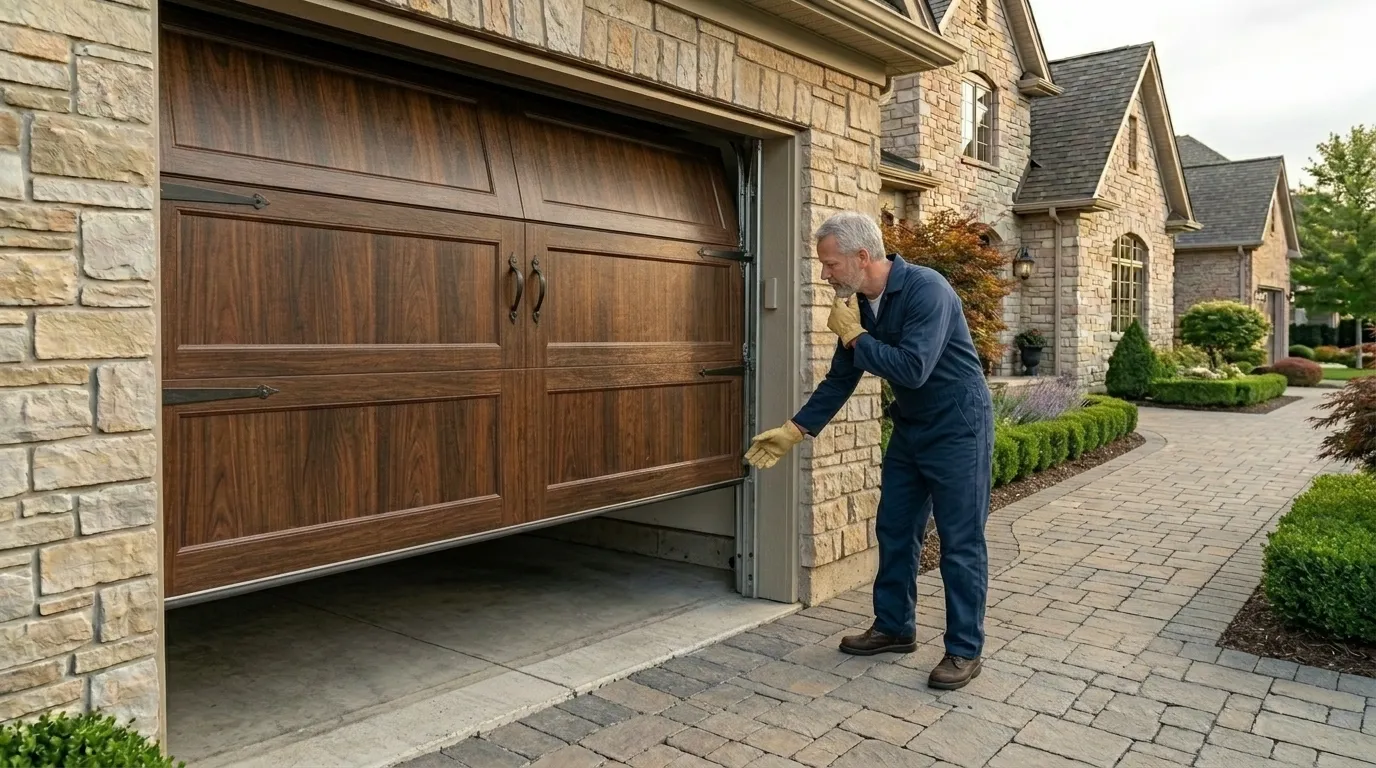
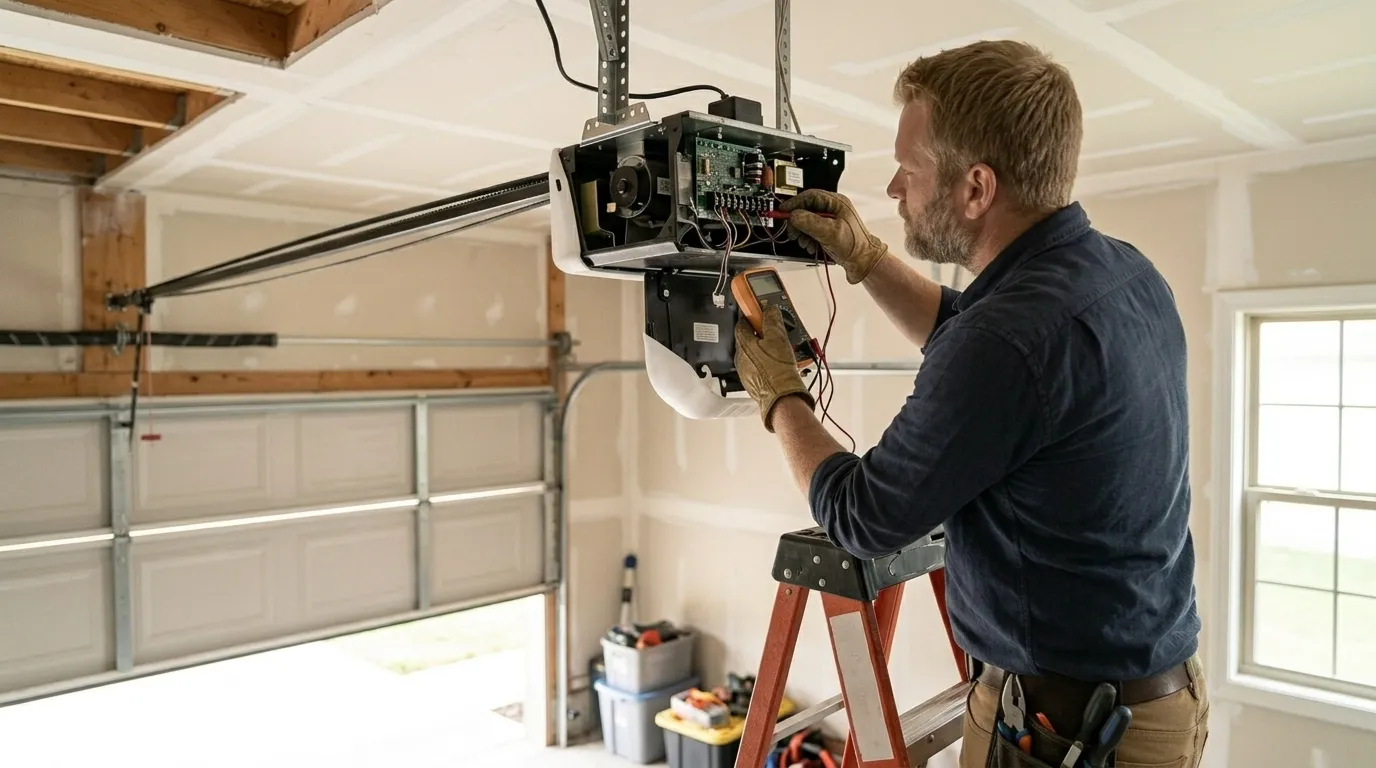
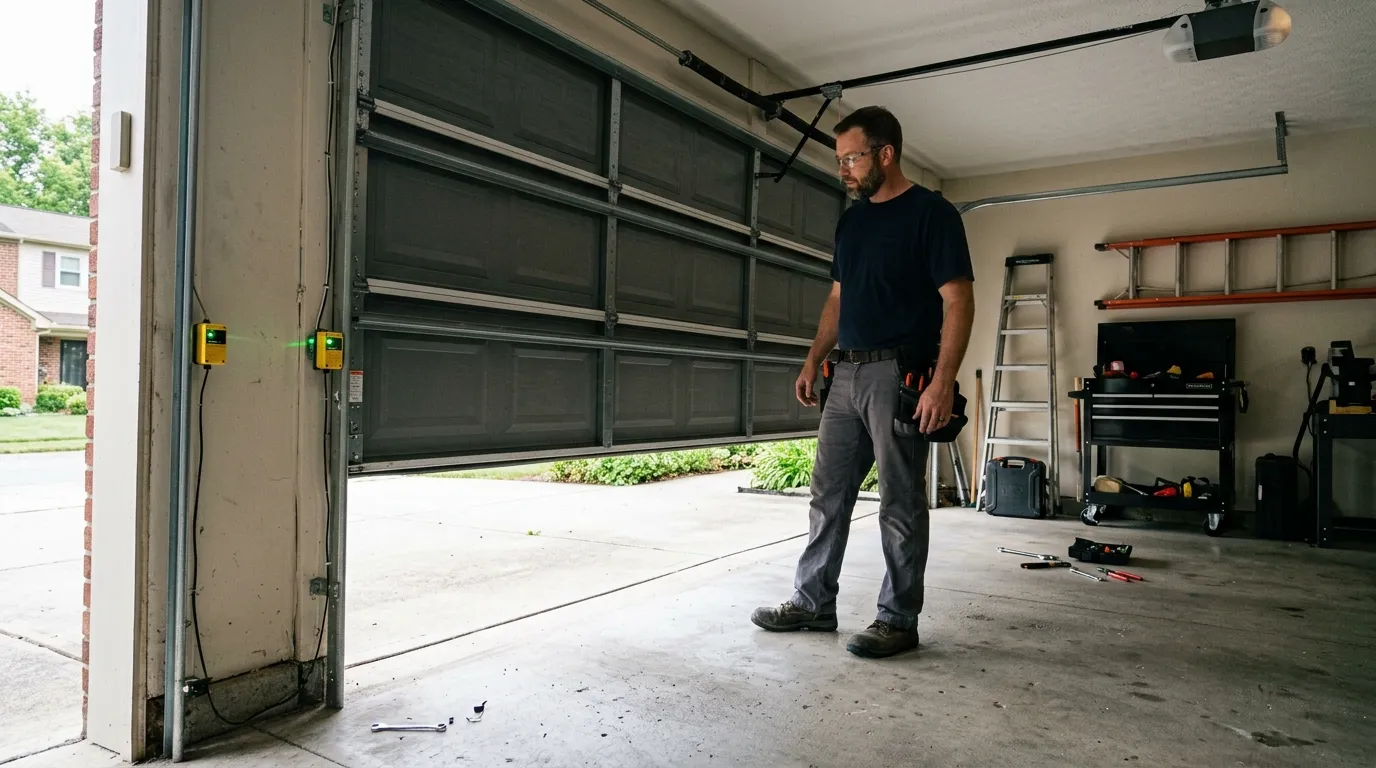
We run out to Seagoville from Rockwall, about 19 miles each way. There's no branch or drop point here - every job starts with a truck loaded in Rockwall and driving out, so the travel time is real and we don't pretend otherwise. On the job itself, a straightforward torsion spring swap or roller replacement on a standard door from the neighborhood's 2001-era stock usually runs shorter than a diagnosis-heavy call, where we're tracing an intermittent opener fault or a track that's been walked out of alignment for months before anyone noticed.
What we can't do is promise a specific arrival window here, since we're not staged locally the way we might be closer to Rockwall itself. What we can do is carry the right parts for the housing stock this area actually has, so once the truck's in the driveway the job doesn't stall waiting on something we should have brought.
What You Pay
Seagoville's median household income, at roughly $68,020, runs well under the $124,500 median for the wider service area. We don't set prices by zip code and we're not going to quote a number here we don't have - no flat rate for a spring job or a panel swap belongs in a page like this without a real figure behind it. What we will say is that we're straight about the difference between a repair and a replacement before we start: a torsion spring or a roller assembly on a 2001-built door is almost always worth fixing, but a door that's been patched twice already, or an opener that's outlived its own parts supply, sometimes isn't. That's the one honest limitation worth stating plainly - we won't talk you into repairing something twice when a new door costs less over the next ten years than a third repair bill does.