Time on the Job
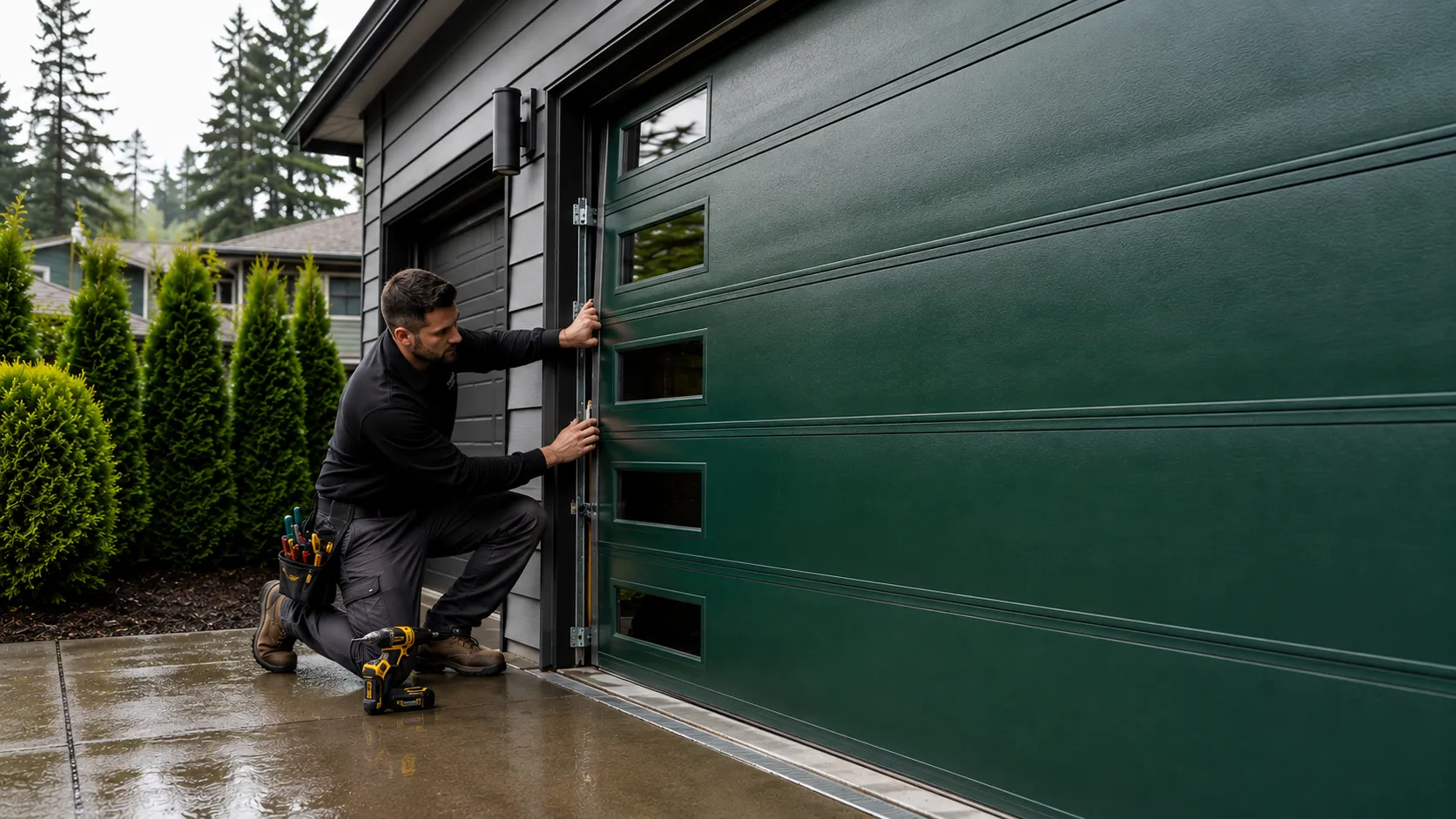
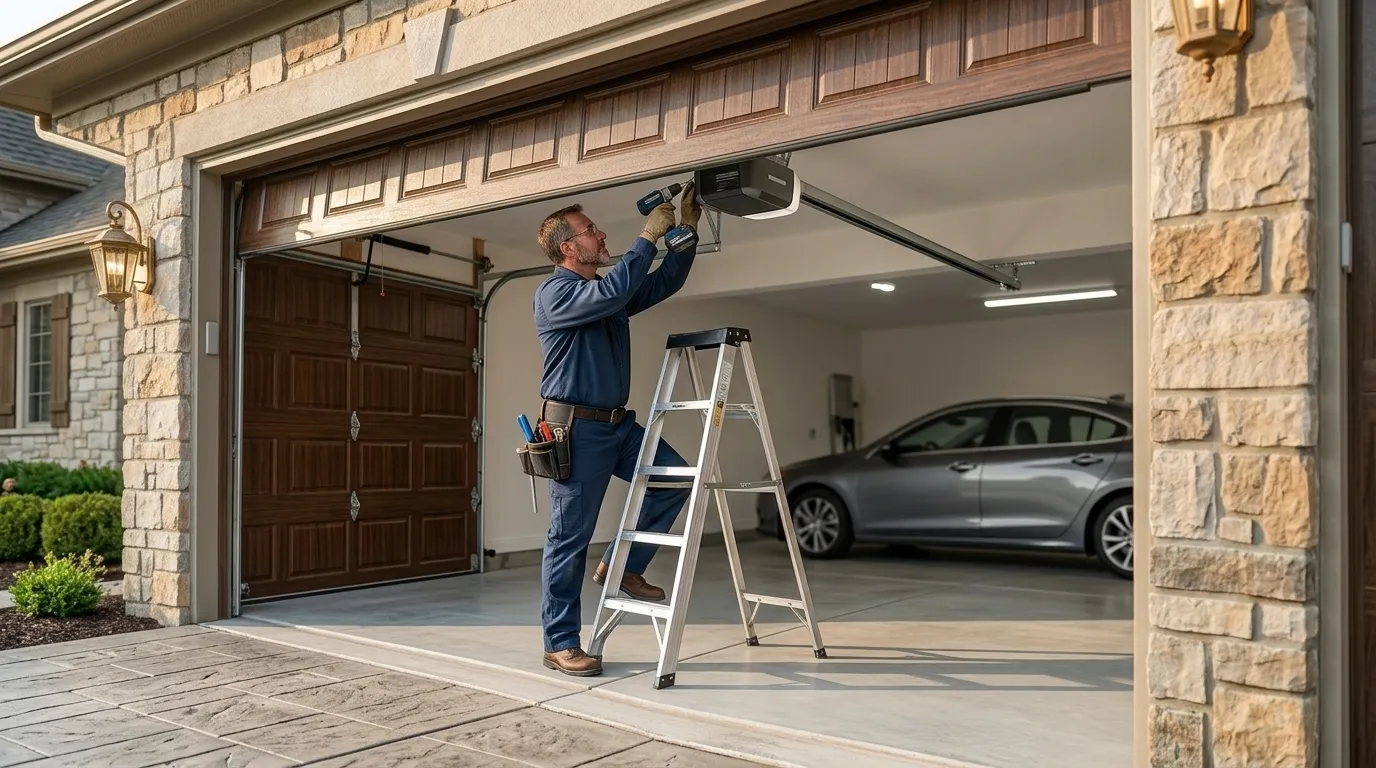
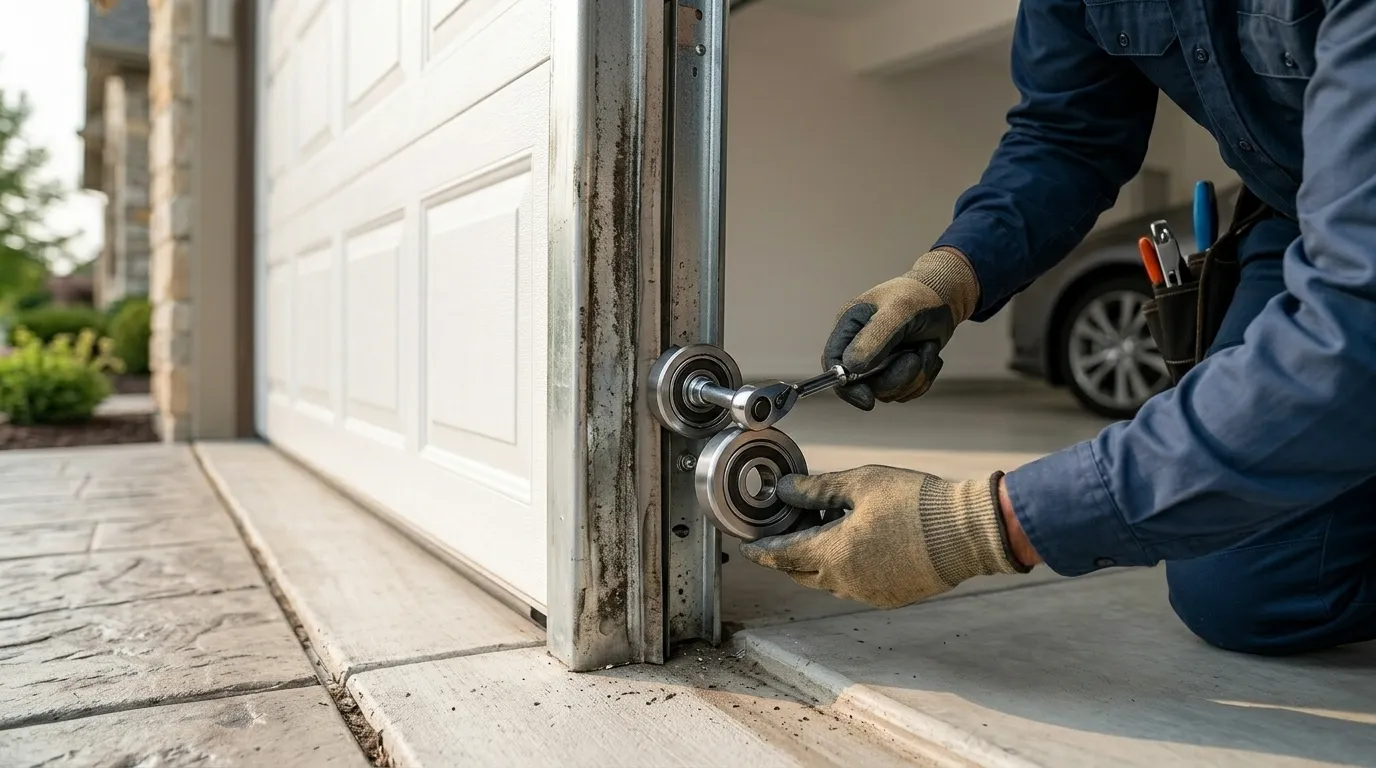
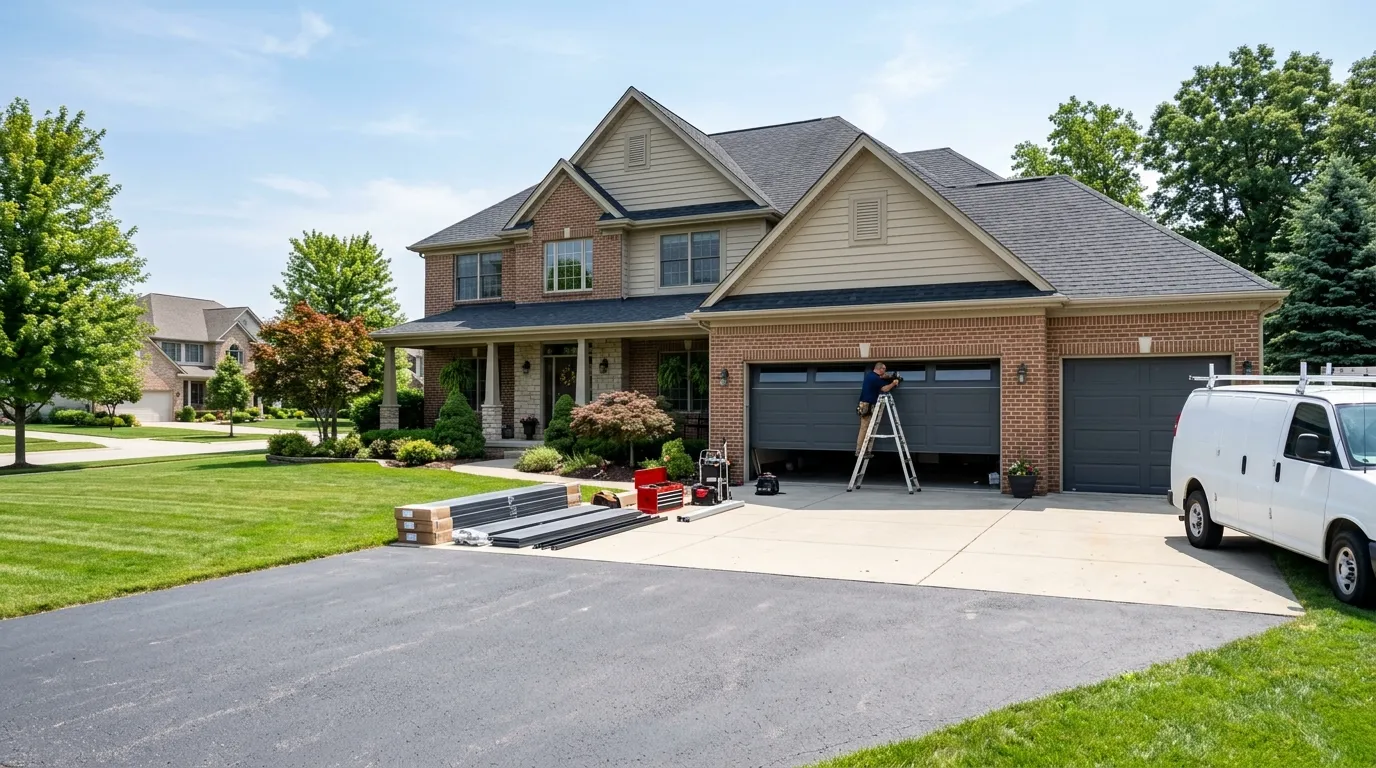
Lucas didn't really exist as a built-out place until the 2000s took off, and the commercial buildings that went in here follow the same clock as the houses around them - median year built sits at 2002. That matters more than it sounds like it should. A commercial door installed in 2002 or later almost always means a sectional steel panel door on a standard torsion spring system, not the older extension-spring setups you find on buildings from the 60s and 70s. Openers from that era were built to the safety-sensor codes already in place, so we're not usually dealing with retrofit photo-eyes bolted on as an afterthought - they're original to the install, just tired now. What we find failing on a 20-year-old commercial door here is what you'd expect from steady use, not from a mismatched or ancient system: worn rollers, fatigued torsion springs, cable stretch, and openers whose logic boards have simply outlived their gears. It's a more predictable job than an older building gives you, and that predictability is worth something when you're trying to keep a business open.
The DIY Question
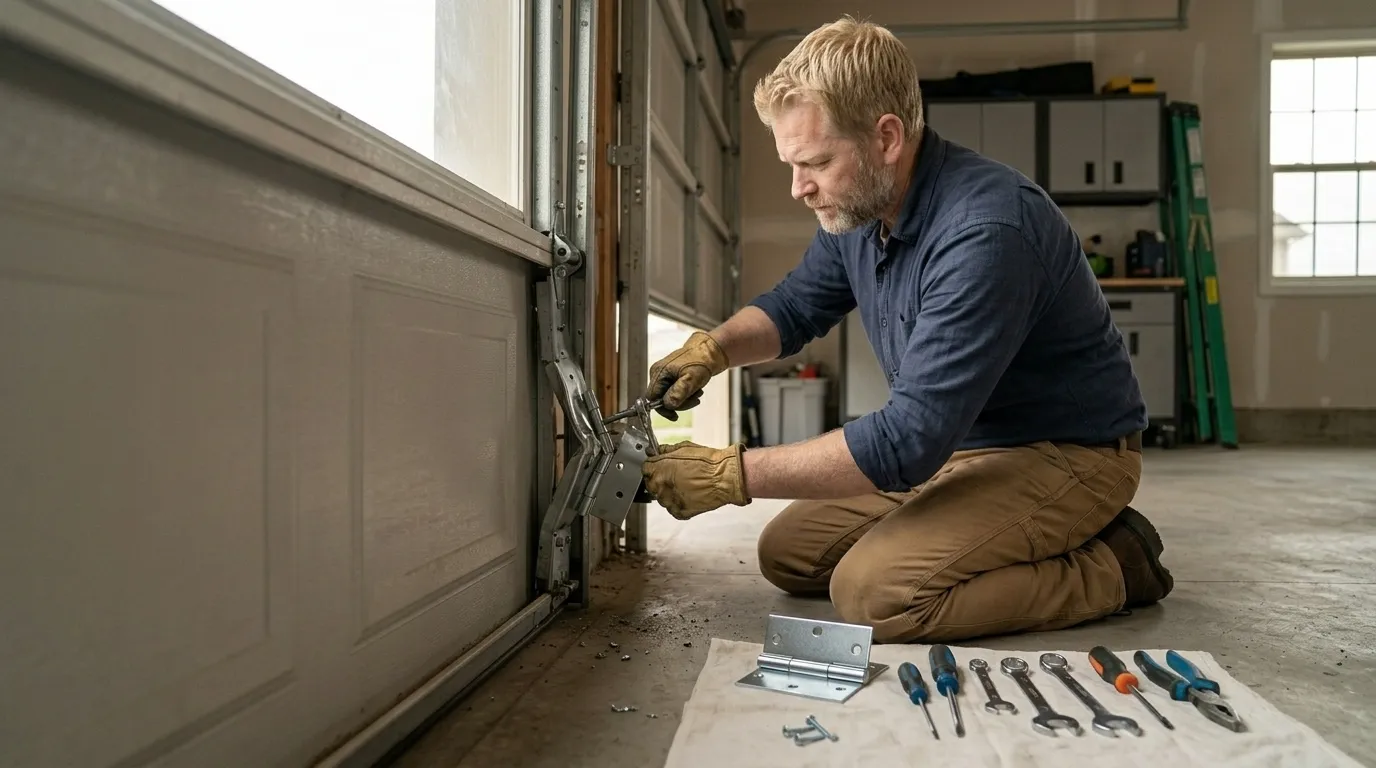
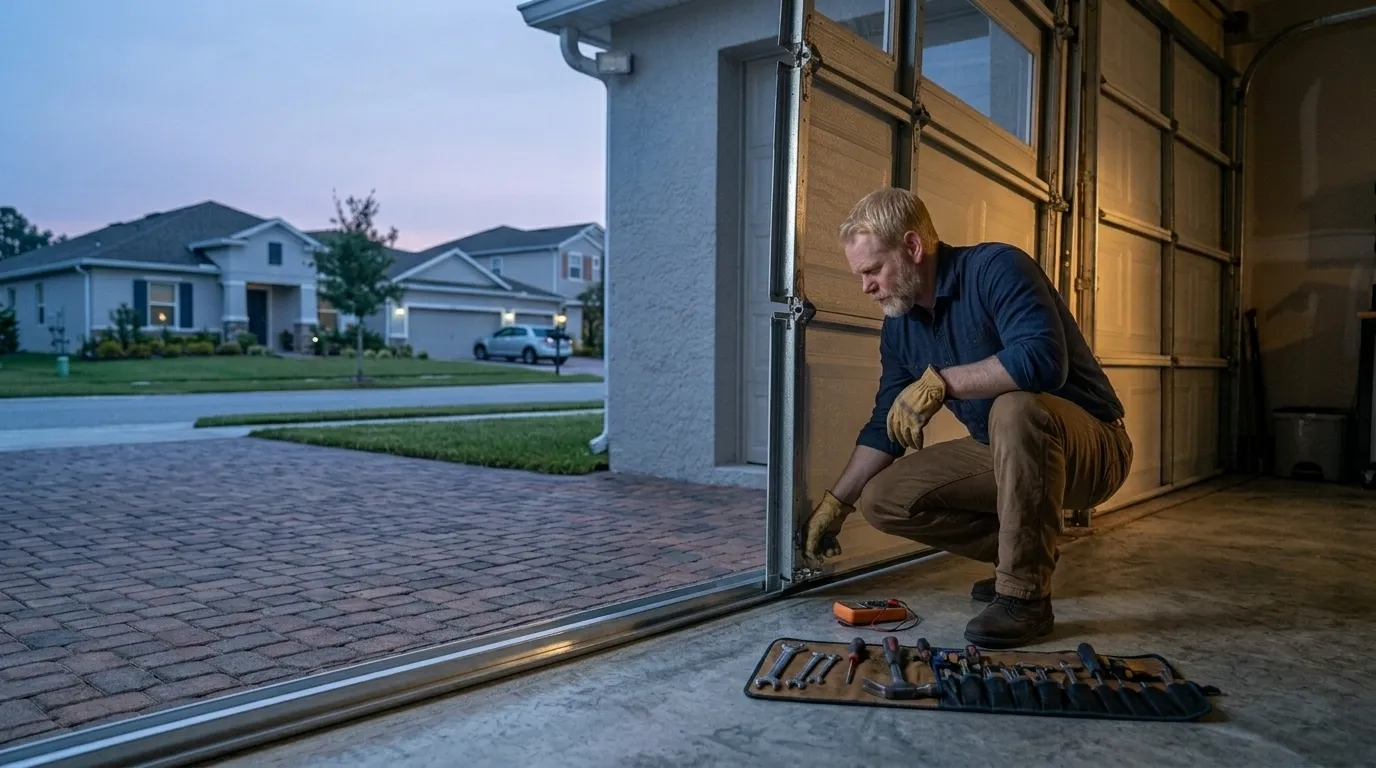
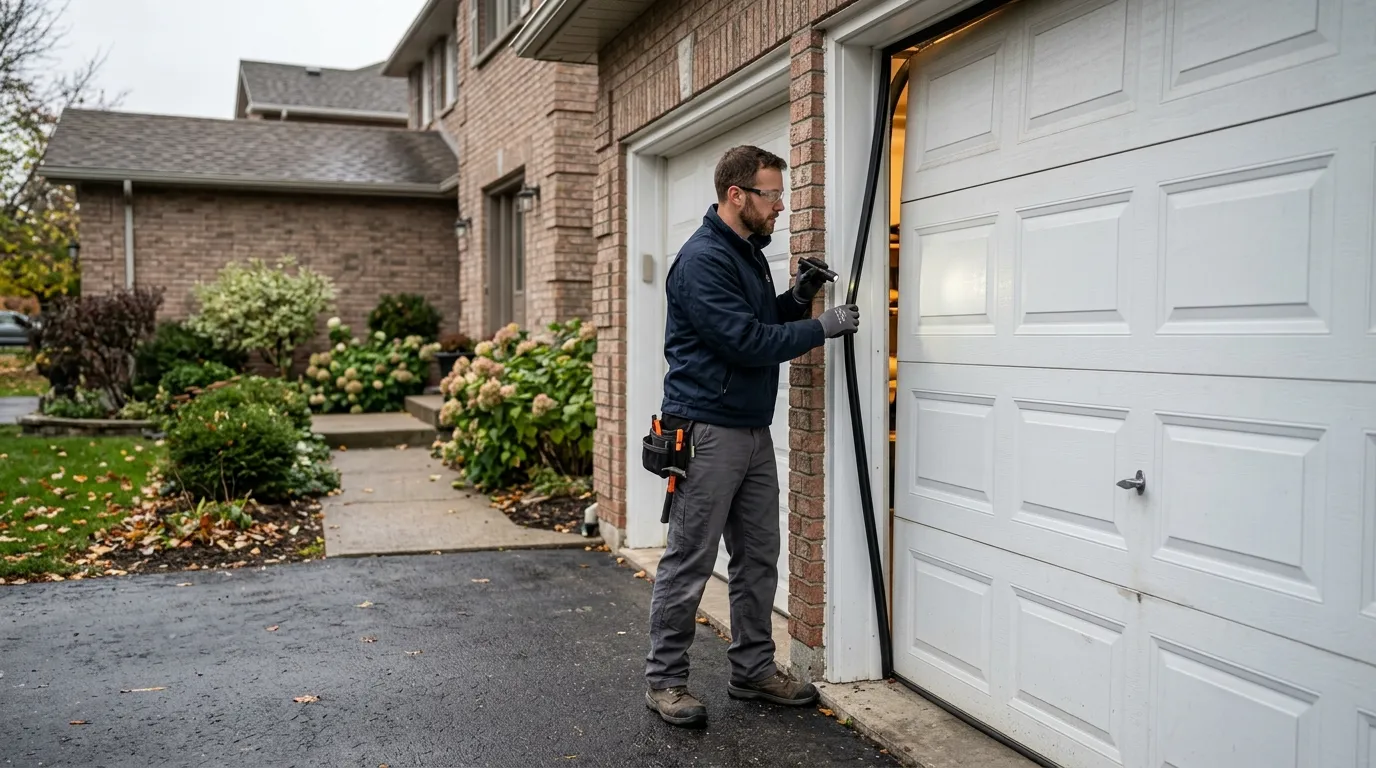
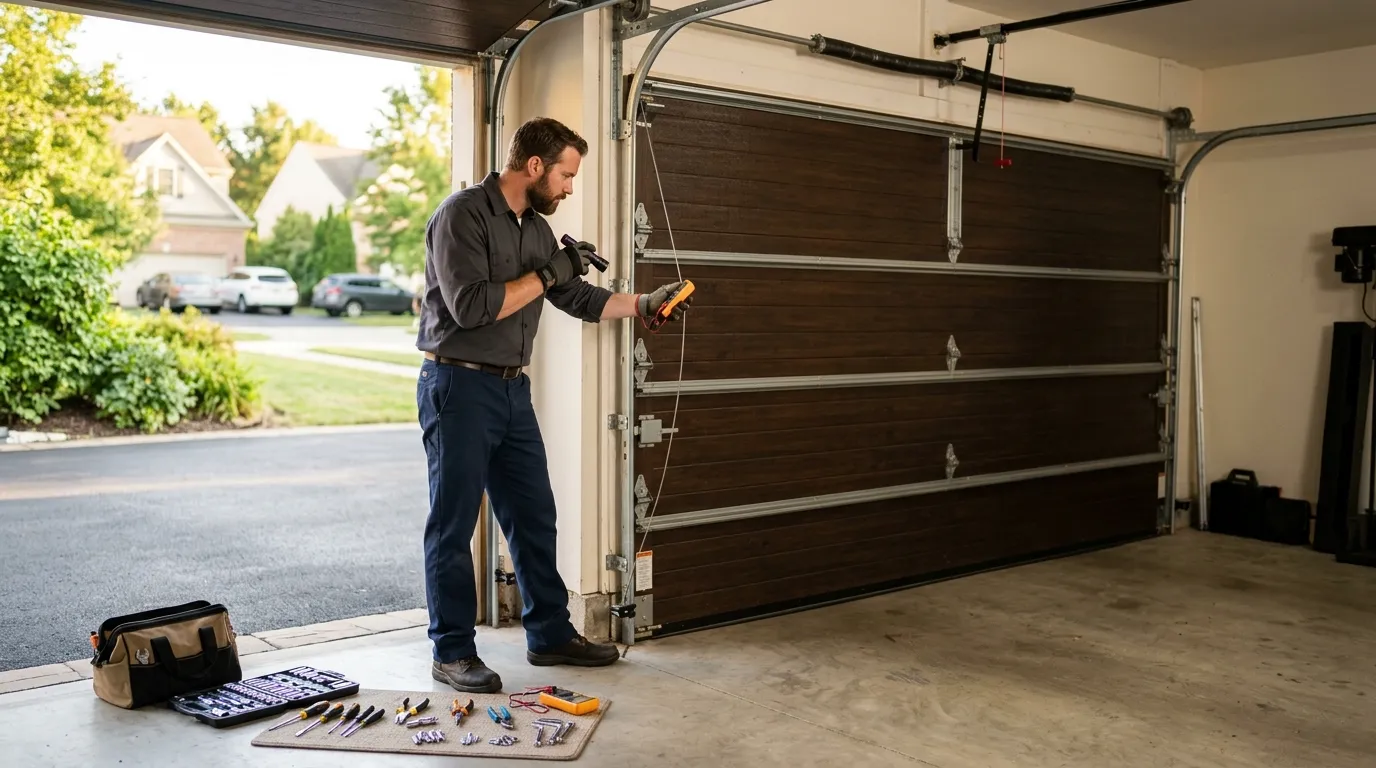
A commercial door's torsion spring is under a lot more tension than anything on a residential garage, and that's the honest limitation here - we won't walk you through fixing that one over the phone, and you shouldn't try it yourself. The spring is wound to hold the weight of a much heavier door, and if it lets go while you're working on it, it can break bones. What you can reasonably check yourself: whether the photo-eye sensors near the floor are aligned and clean, whether the track has visible dents or debris in it, and whether the door reverses properly when something blocks it. Those are five-minute checks. Spring tension, cable replacement, and anything involving the torsion shaft - leave that to a call. It's not about selling a service call for something small; it's that commercial door springs genuinely aren't a homeowner-tool job.
Stocked Parts
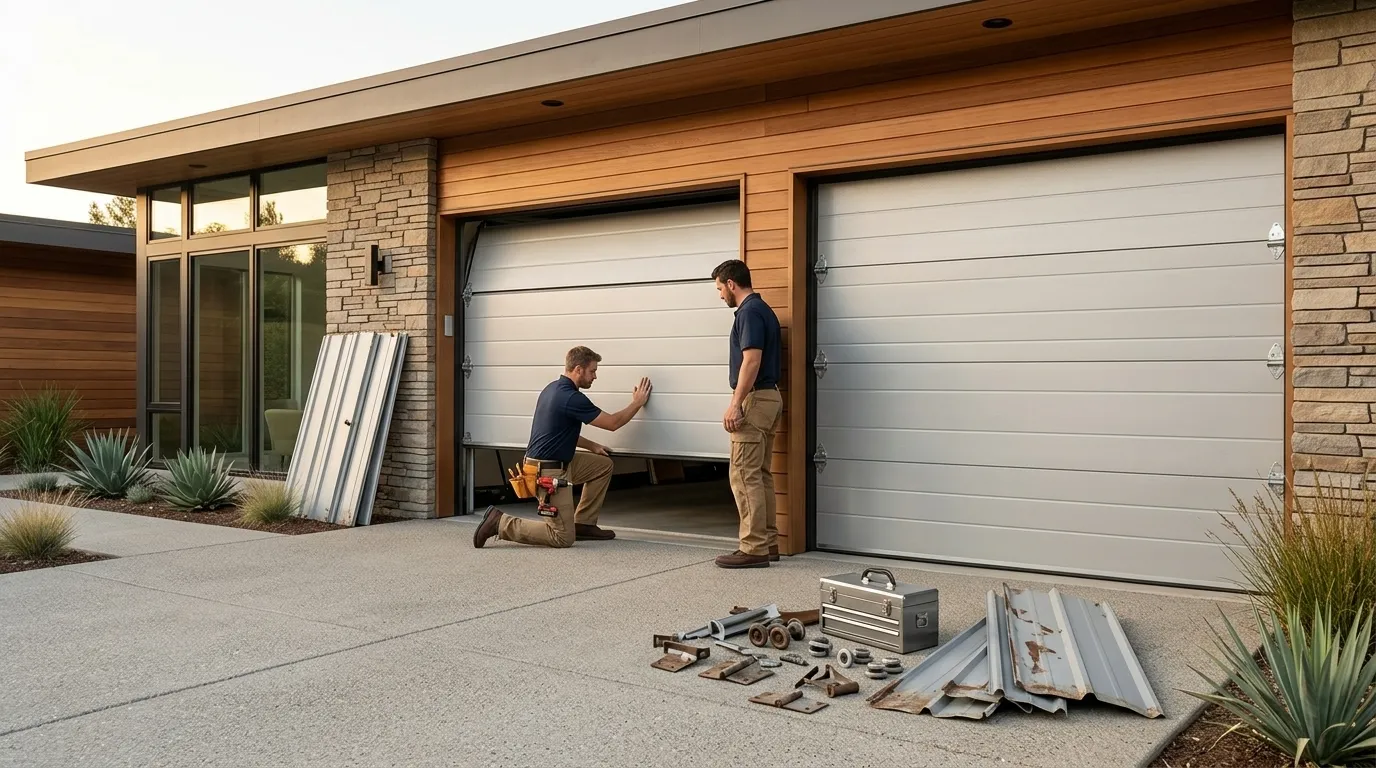
Because most of the commercial stock in and around Lucas dates from the same 2000s building wave, our truck carries the parts that match that era: standard-size torsion springs for sectional steel doors, galvanized cable, nylon and steel rollers, and opener logic boards for the models that were common through the 2000s and early 2010s. That's not a guess - it's what F1's build window tells us to expect before we even pull up. What we don't carry on the truck is anything for a door style outside that range, like an older wood-panel commercial door with extension springs on a jamb bracket. Those exist in older parts of North Texas, just not in the numbers that make it worth stocking here. If a door turns out to be one of those, we'll order the part and tell you the lead time up front rather than guess.