Time on the Job
Lucas is a small town by household count - around 2,724 of them - which means the maintenance calls we get here don't spread across decades of different door generations the way they do in older parts of the service area. Most of the garages in Lucas went up around 2002, in that same wave of construction that built out a lot of this side of the county. That matters for maintenance because a door built in 2002 is old enough now that the factory lubrication is long gone, the rollers are worn to their limit, and the opener is likely on its original circuit board, but it's not so old that the door itself needs replacing. We come out from Rockwall, about 15 miles away, and the work we find in Lucas tends to be consistent house to house rather than a grab bag of eras like you'd see somewhere with a mix of 1970s and 2010s construction.
The DIY Question
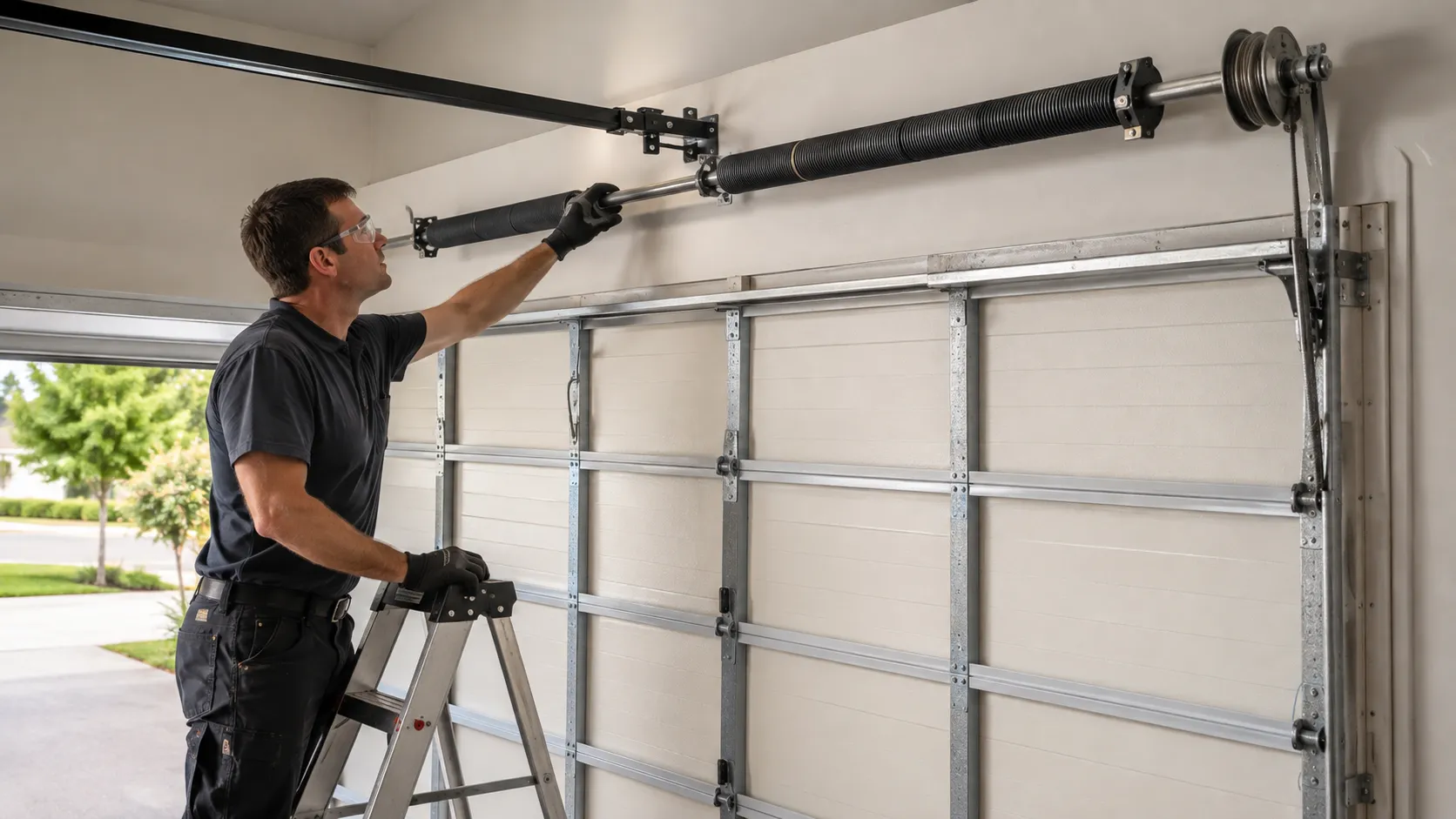
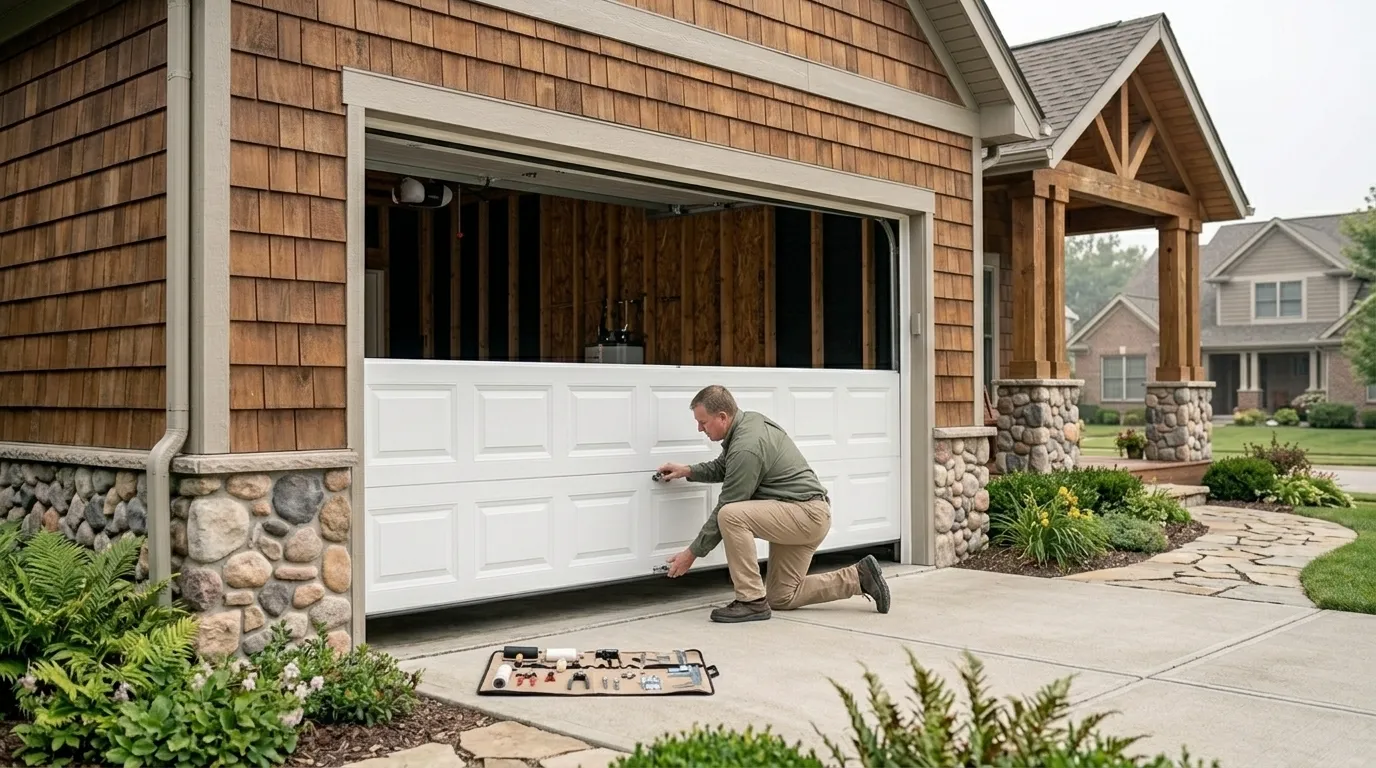
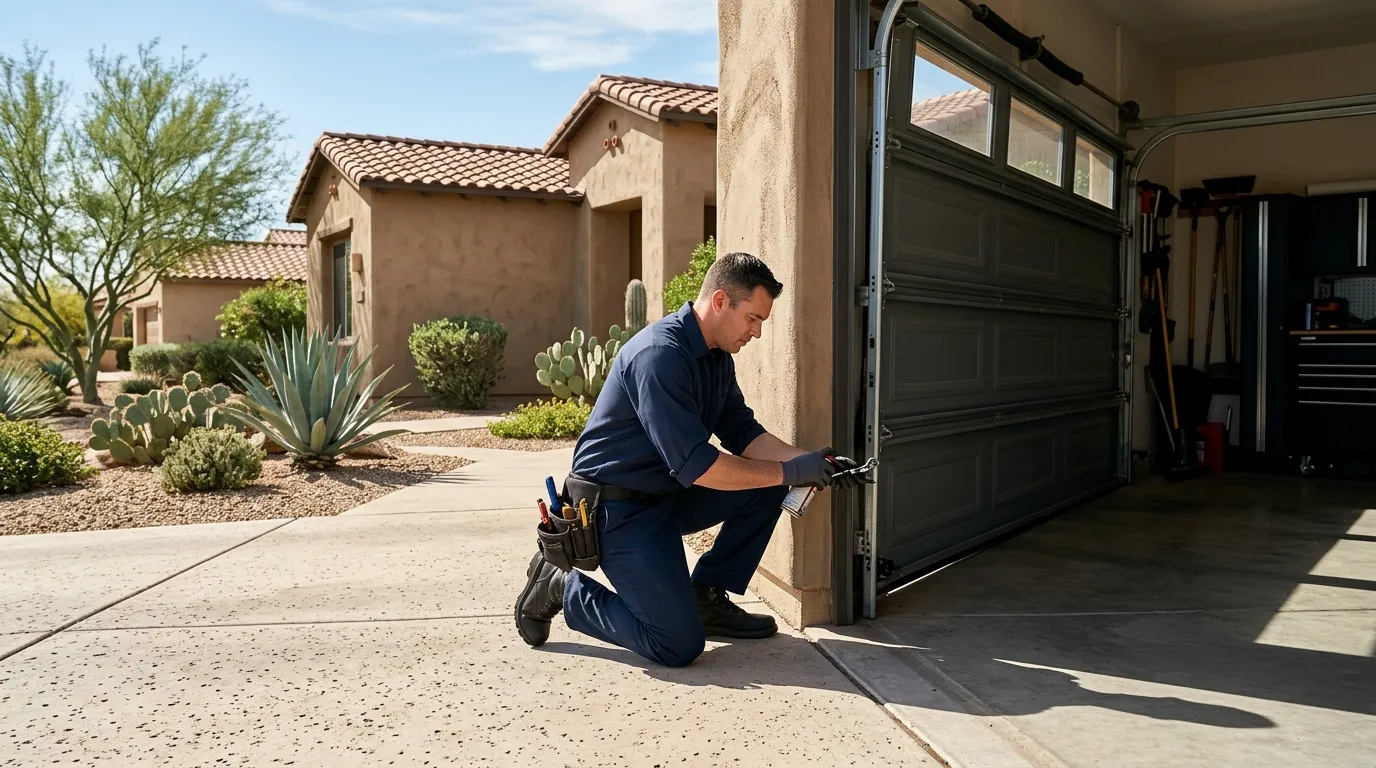
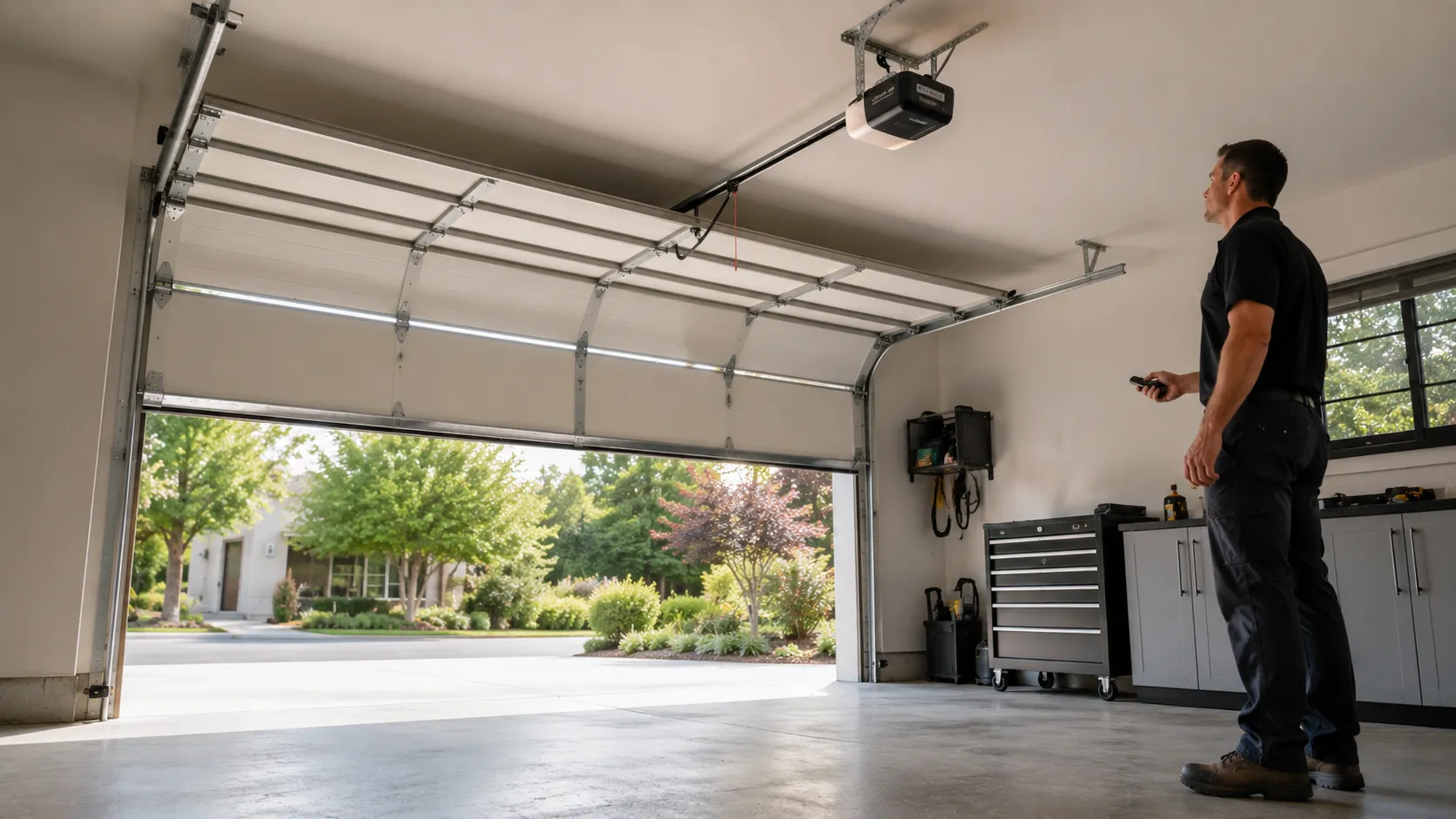
Lubricating hinges and rollers with a garage-door-specific lubricant is fine to do yourself, and so is a visual check of the cables for fraying. What we don't recommend homeowners touch is the torsion spring itself - the tension on a spring that's been holding up a door since 2002 is not something to guess at, and it's the single most common source of serious injury in this kind of work. If your door is slamming shut faster than it used to, or the opener strains and reverses partway up, that's a sign the spring or the opener's force settings need a professional look, not a home fix.
Stocked Parts
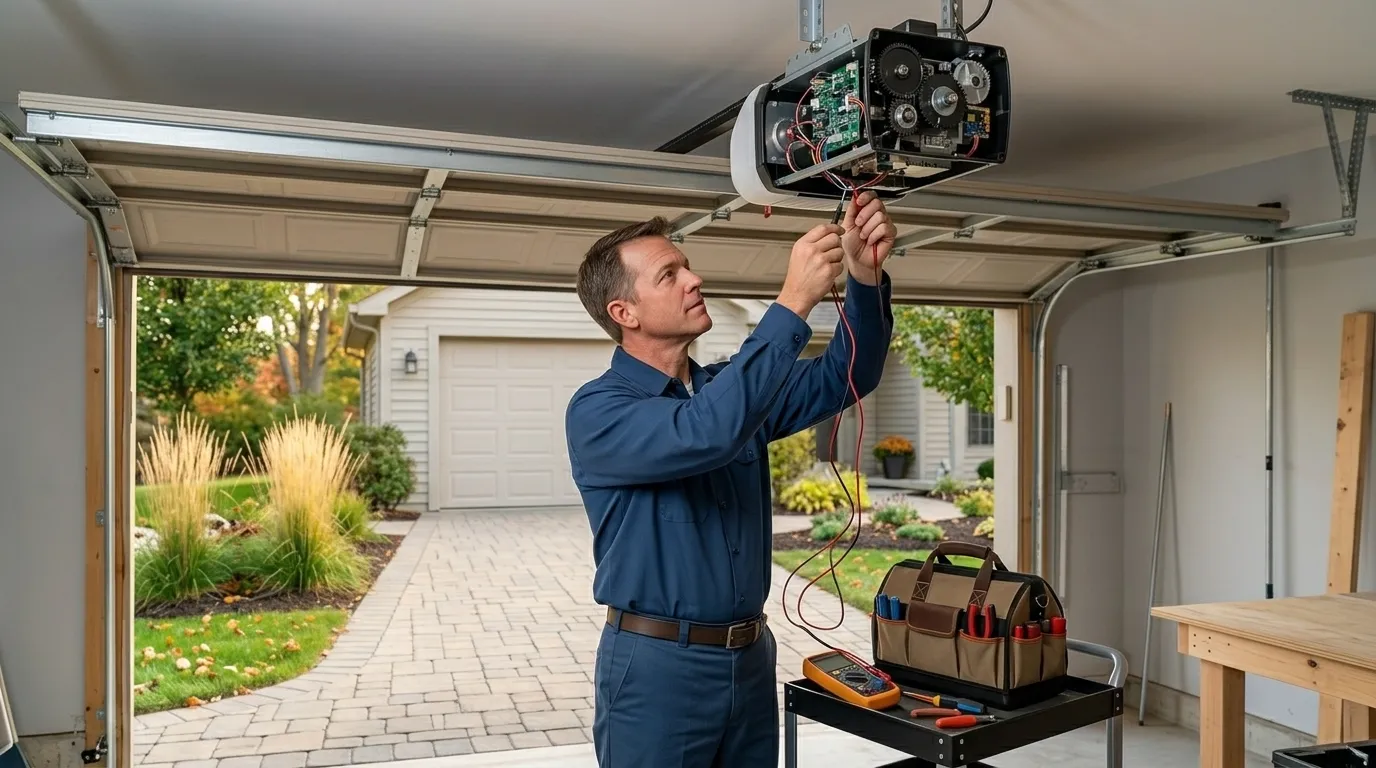
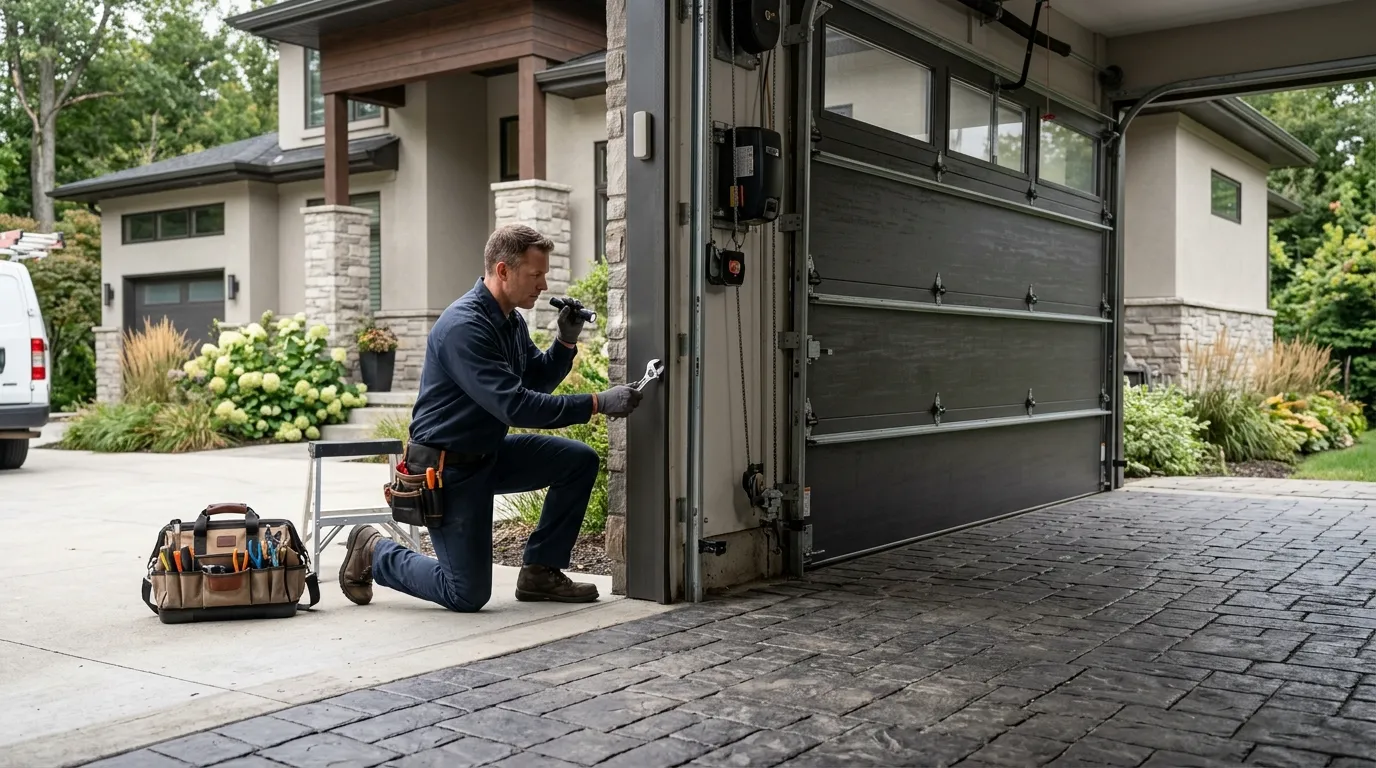
Because most of what we see in Lucas dates to the same construction era, we carry the rollers, cables, and standard torsion springs that fit that generation of hardware on the truck. What we don't always have on hand is a match for an opener's original circuit board if it's failed outright - those parts can have longer lead times depending on the brand, and replacing the whole opener sometimes makes more sense than waiting on a board. We'll tell you straight if that's the case rather than stringing out a repair that isn't worth it.