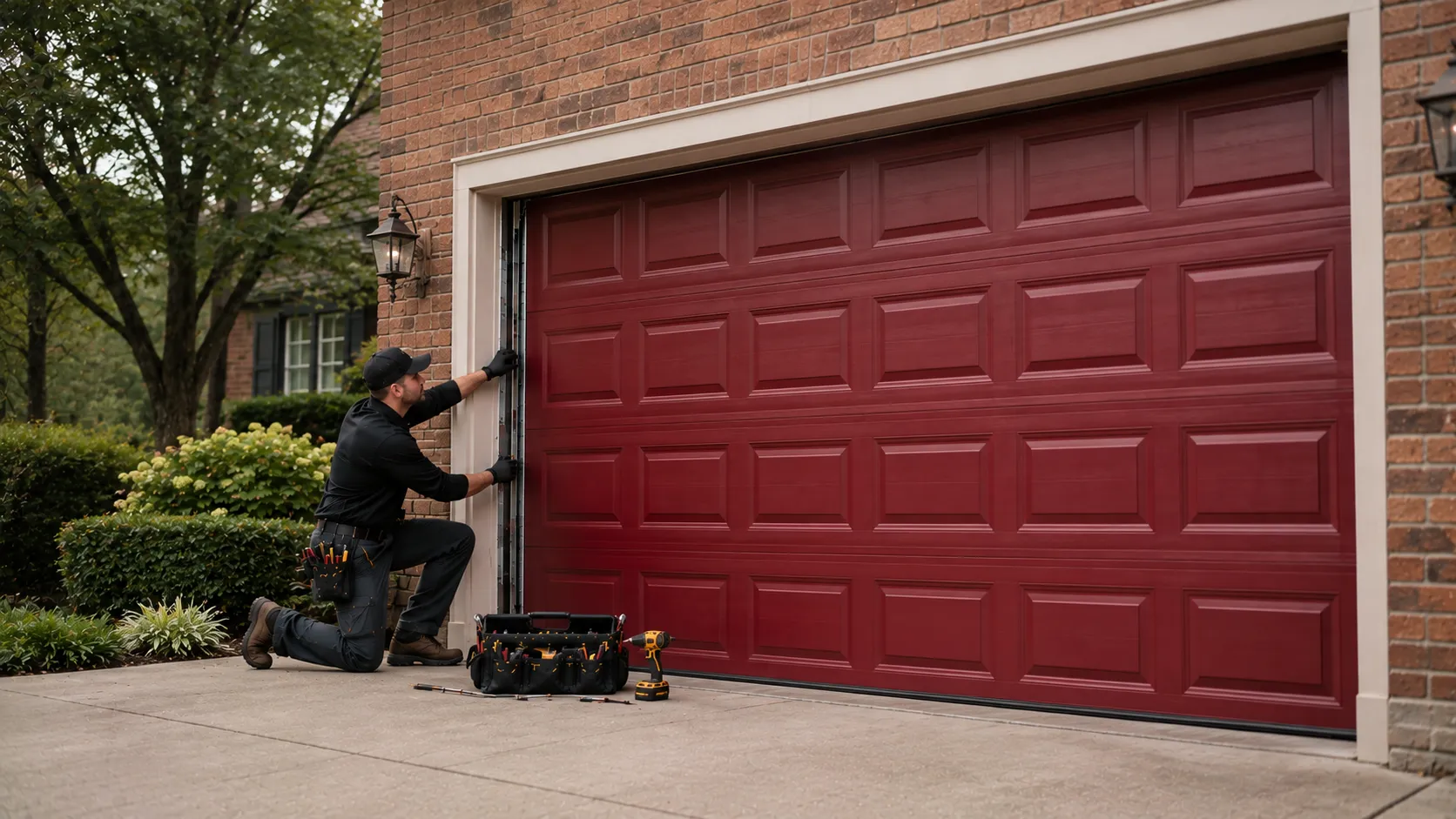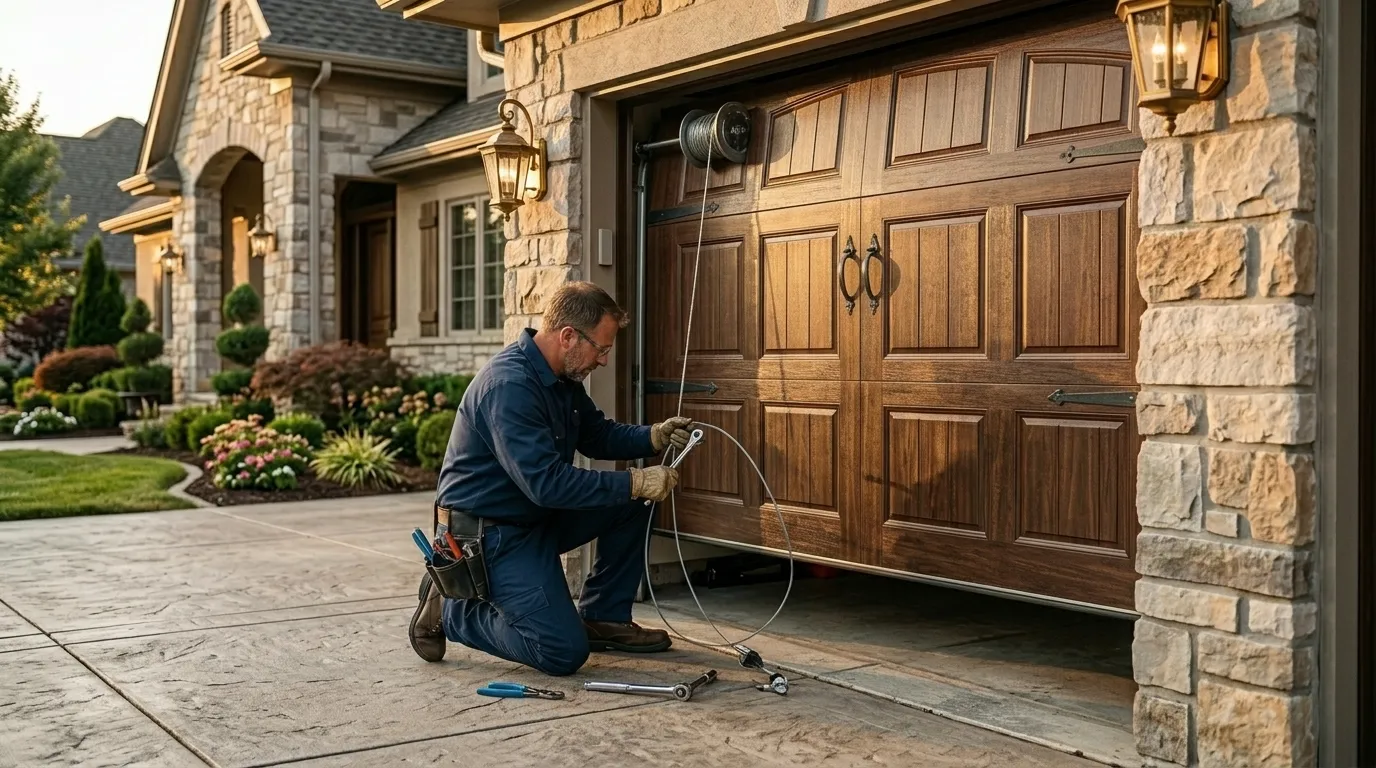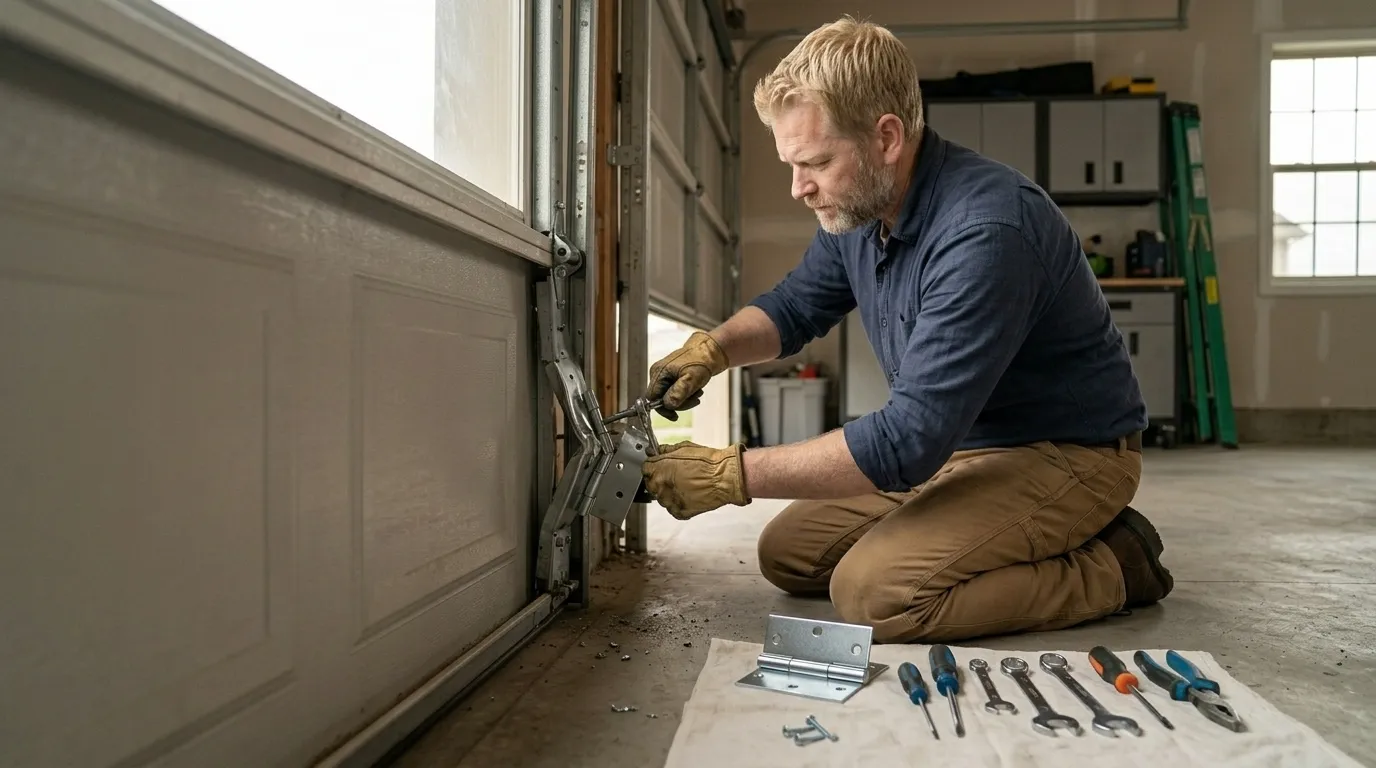

The Complications
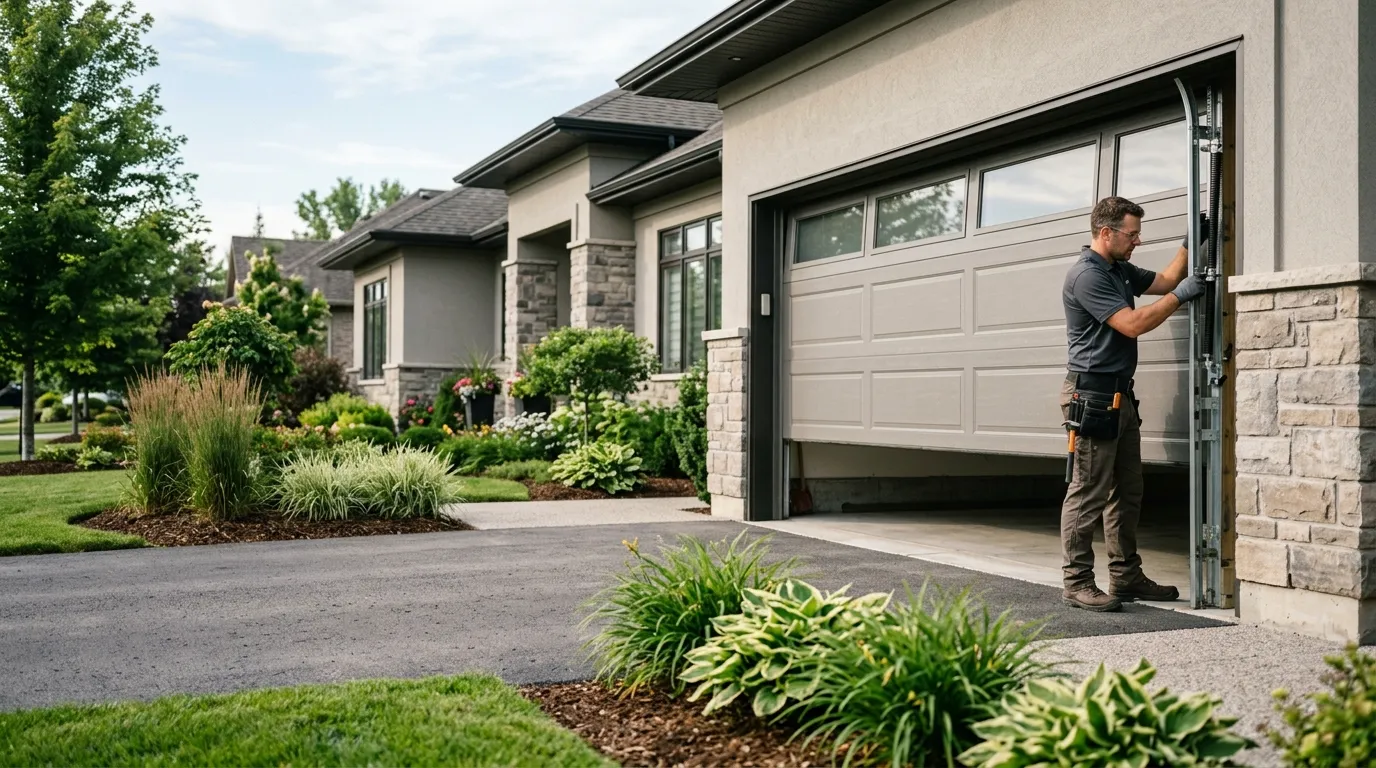
Fate has roughly 6,044 households, which tells you something before you even look at a door: this is not a town with a deep stock of old warehouses and strip centers. Most of the building here went up recently, with a median construction year around 2013, well past the broader service area's median of 2002. That matters for commercial doors because newer bays tend to run higher-cycle openers, insulated steel sectional panels, and factory-set torsion springs sized to code loads rather than whatever a contractor had on the shelf twenty years ago.
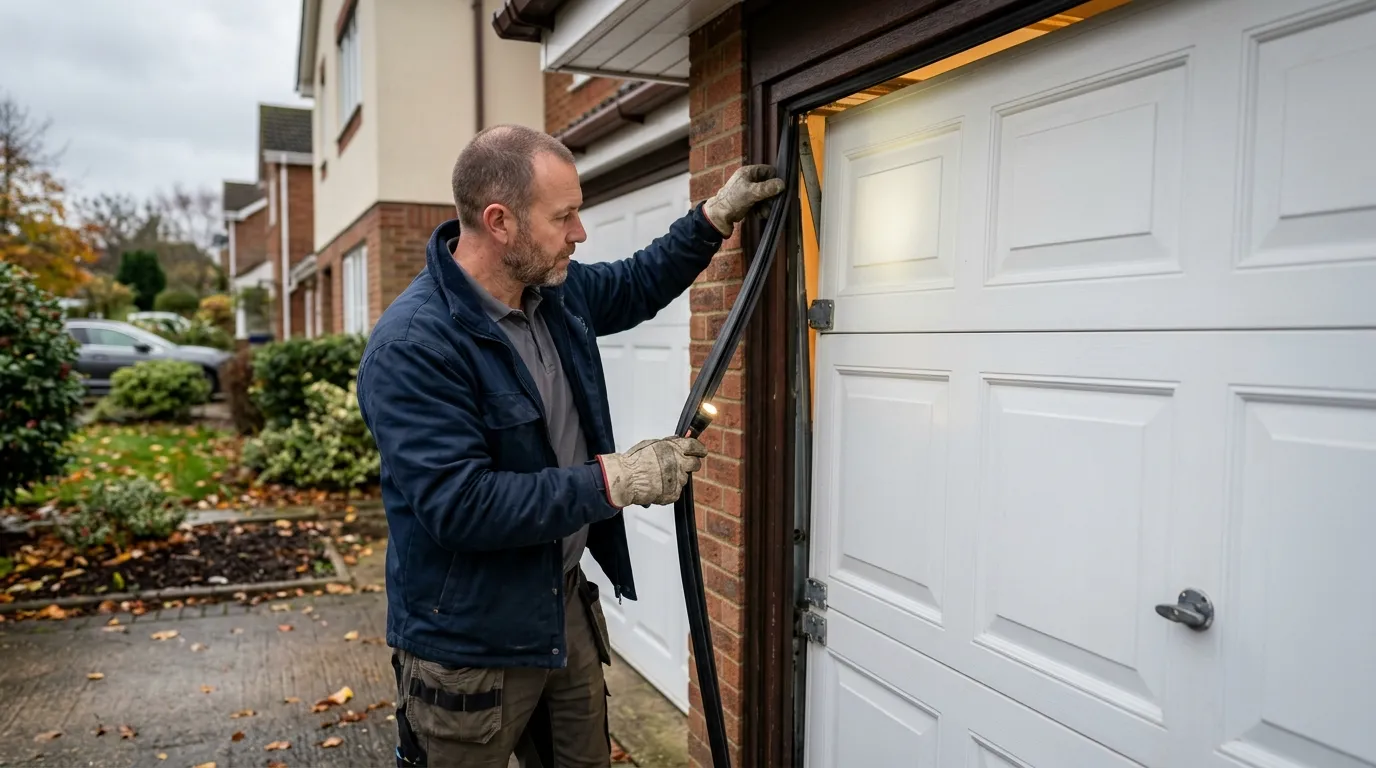
The complication isn't rust and worn-out hardware the way it might be in an older commercial strip. It's usage. Newer light-industrial and retail buildings in a growing town like this one see doors cycling more often - deliveries, service bays, drive-through pickup - and that wears rollers, cables, and photo-eye sensors faster than age wears them. We also see openers that were installed to a builder's minimum spec, not to the traffic the business actually generates once it's running.
Climate plays a smaller role here than in older stock, since the area sits in a mild band with only occasional freeze risk, but a stuck door on a cold morning still shuts down a loading bay just the same.
The DIY Question
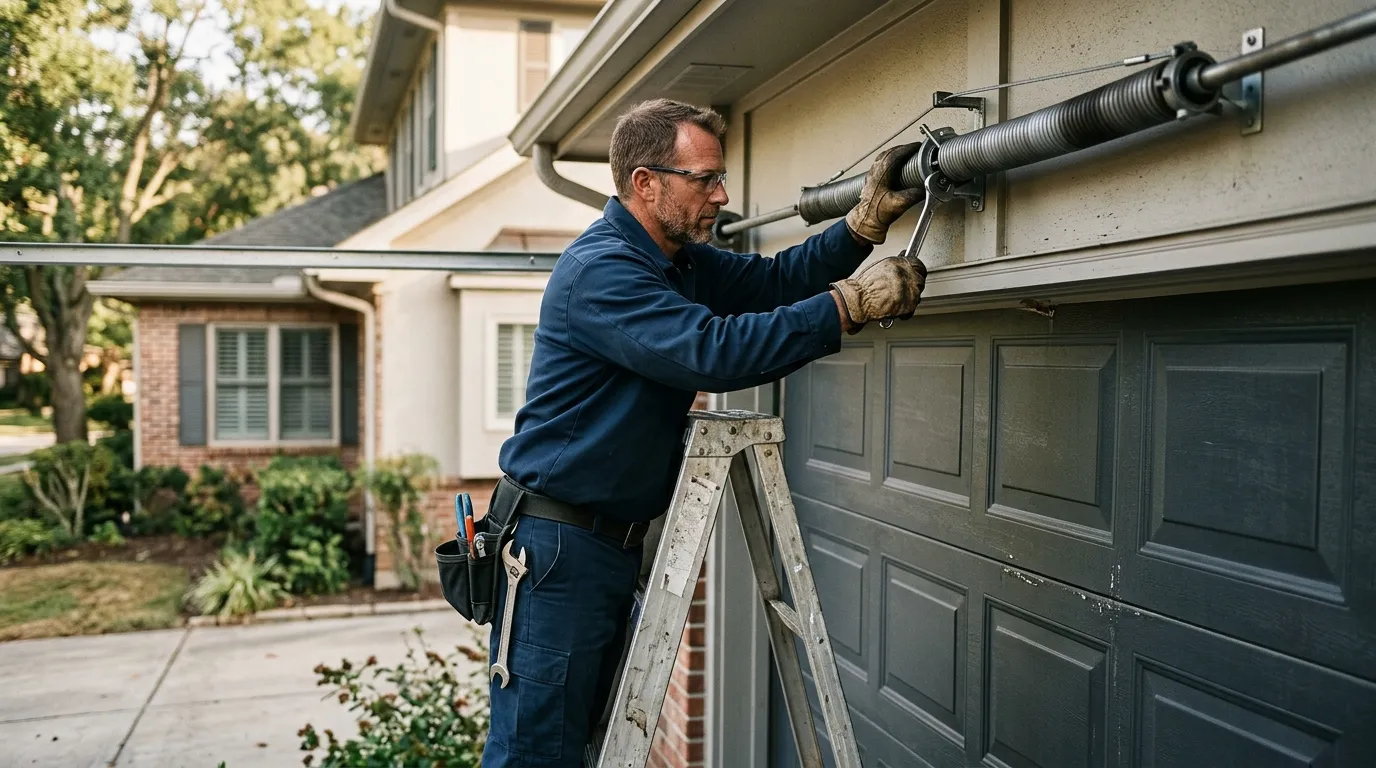
A commercial door isn't a homeowner's Saturday project, and that's truer in a town built out mostly after 2000, where the doors and openers in question are still under warranty terms, still tied to commercial-grade lifting hardware, and still heavy enough - a single steel sectional commercial door with its torsion spring under load can seriously hurt someone who doesn't know the wind-up sequence.
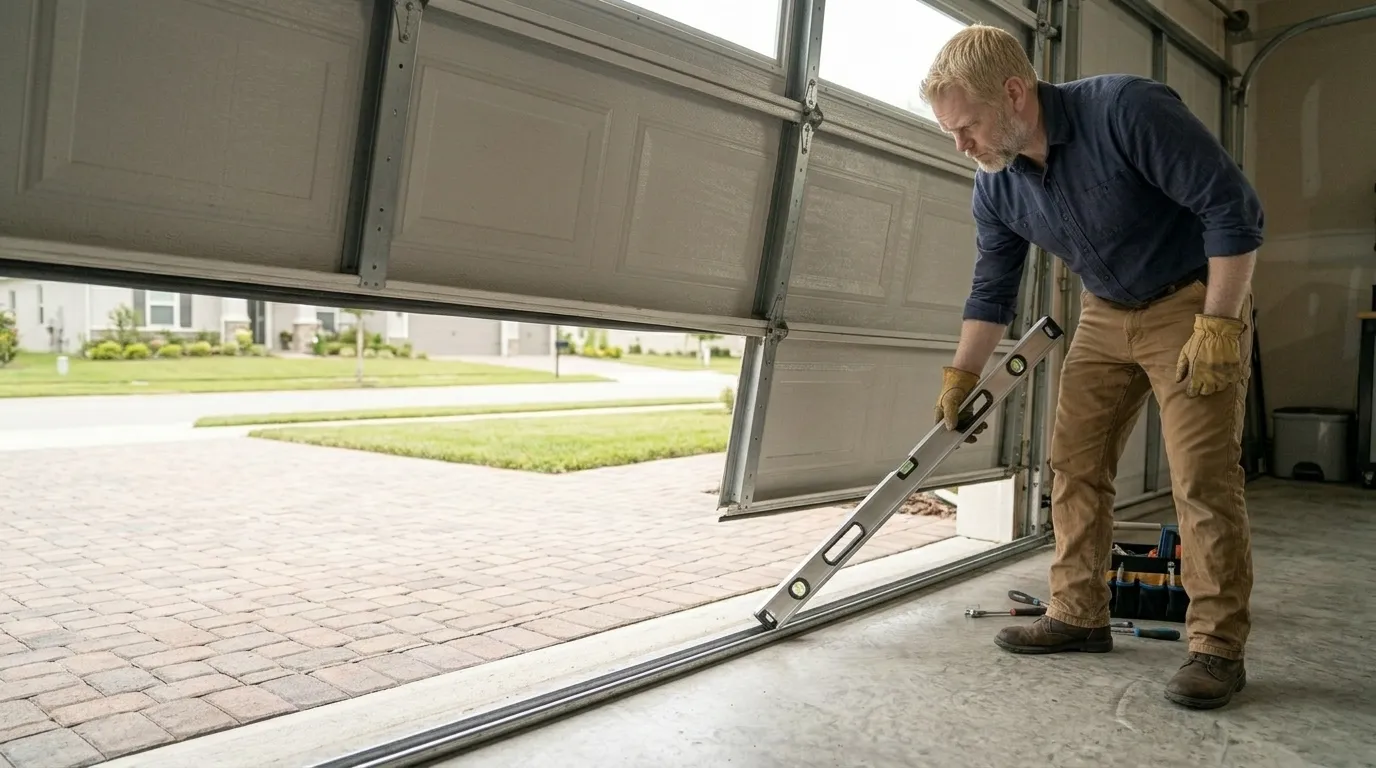
Where a business owner can help: keep the photo-eye sensors clean, note when the opener starts cycling slower or louder than it used to, and don't let staff force a door that's binding on the track. That's diagnostic information, not a fix, and it saves a truck visit from turning into a guessing game.
What we won't do is tell you to replace a spring or realign a track yourself over the phone. Commercial springs carry more tension than residential ones, and a bay door's opener is usually tied into a business's security or access system in a way that makes an amateur adjustment expensive to undo.
Stocked Parts
Because most commercial buildings in Fate are recent, the openers and torsion springs in service here tend to be current commercial-grade models rather than the discontinued parts we sometimes chase down for older stock elsewhere in the service area. That's a real advantage on a repair call: fewer trips back to source an obsolete part, more jobs closed on the first visit.
One honest limitation: we don't carry every commercial opener board or specialty panel size on the truck. Some heavier-duty industrial door components, especially on non-standard bay widths, still require an order and a wait. If your building has a wider-than-standard commercial opening, ask us to confirm the part is in stock before you count on a same-day close.