The Complications
Fate's median household income runs about $129,500, higher than the wider service area's $124,500, and that number matters more than people think when a spring snaps at 6pm. At that income level, most homeowners here are replacing a broken torsion spring or a bent track rather than living with it, and they're doing it on a door and opener that's still well within its expected life. That's the good news.
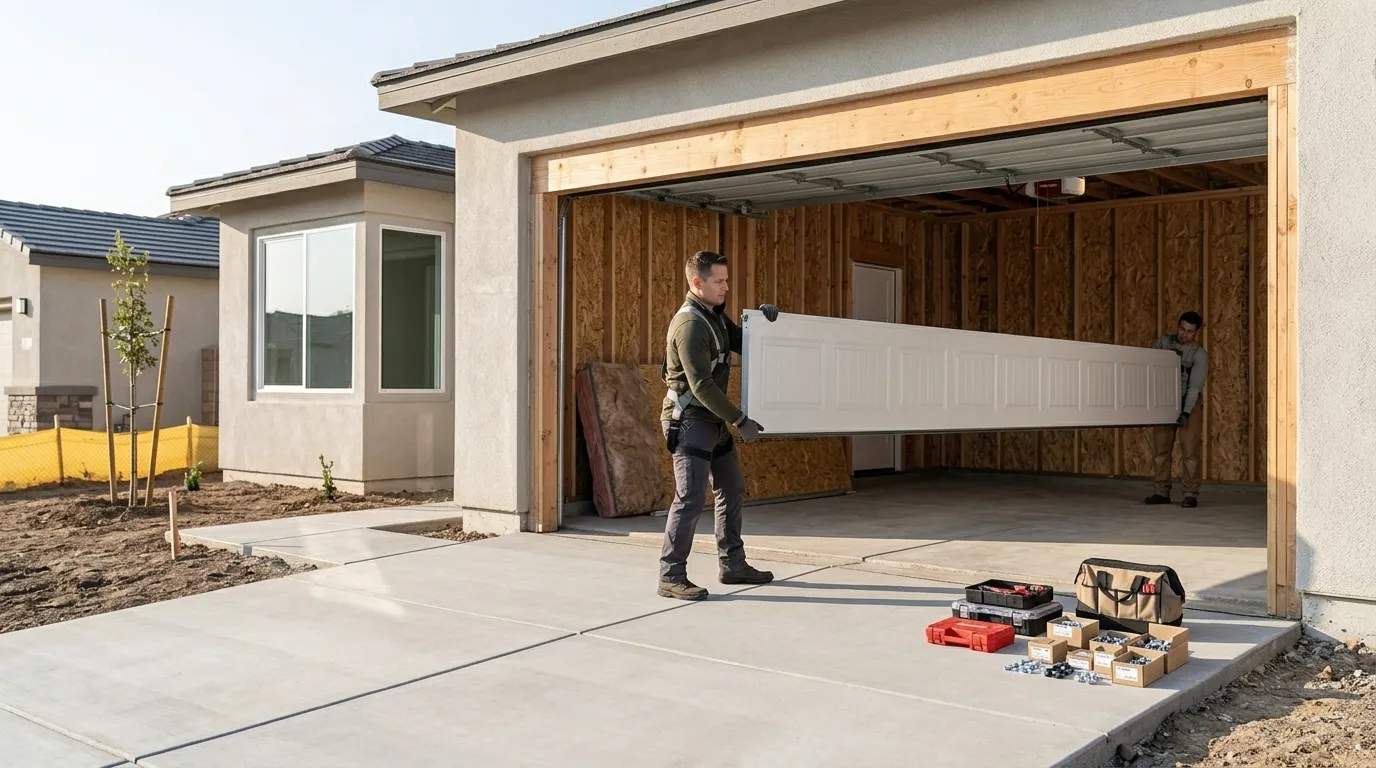
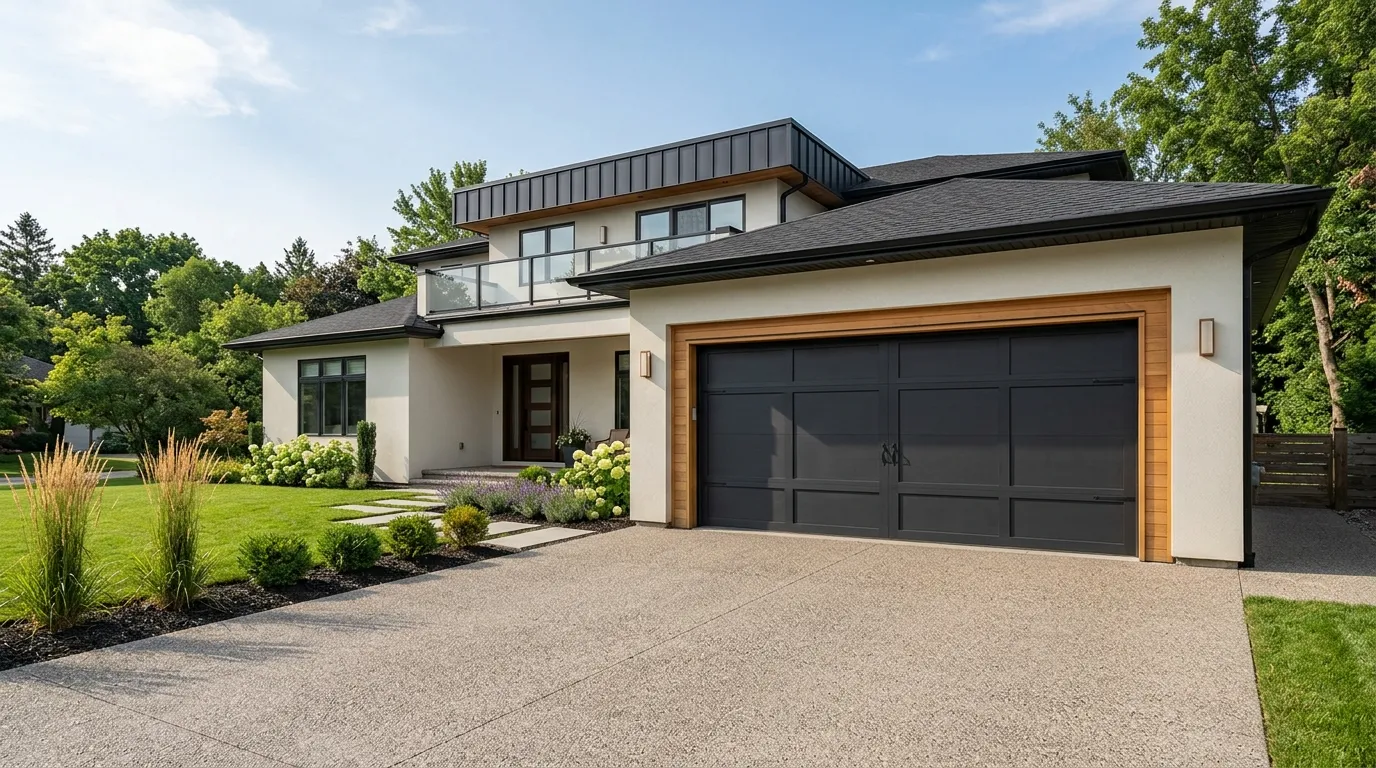
The complication is the housing stock itself. Across the wider area, homes went up anywhere from 1971 to 2013, but Fate leans hard toward the newer end of that range. A door installed in 2010 or later usually has a steel torsion spring rated for a specific cycle count, a sensor-equipped opener, and rollers that were nylon from day one rather than retrofitted. When something fails on a door this age, it's rarely wear - it's a part that shipped slightly wrong, a sensor knocked out of alignment, or a spring that was undersized for the door's weight from the start. We see fewer worn-out gearboxes out here and more misaligned brackets and bad capacitors in openers than we do on older stock closer to town.
The DIY Question
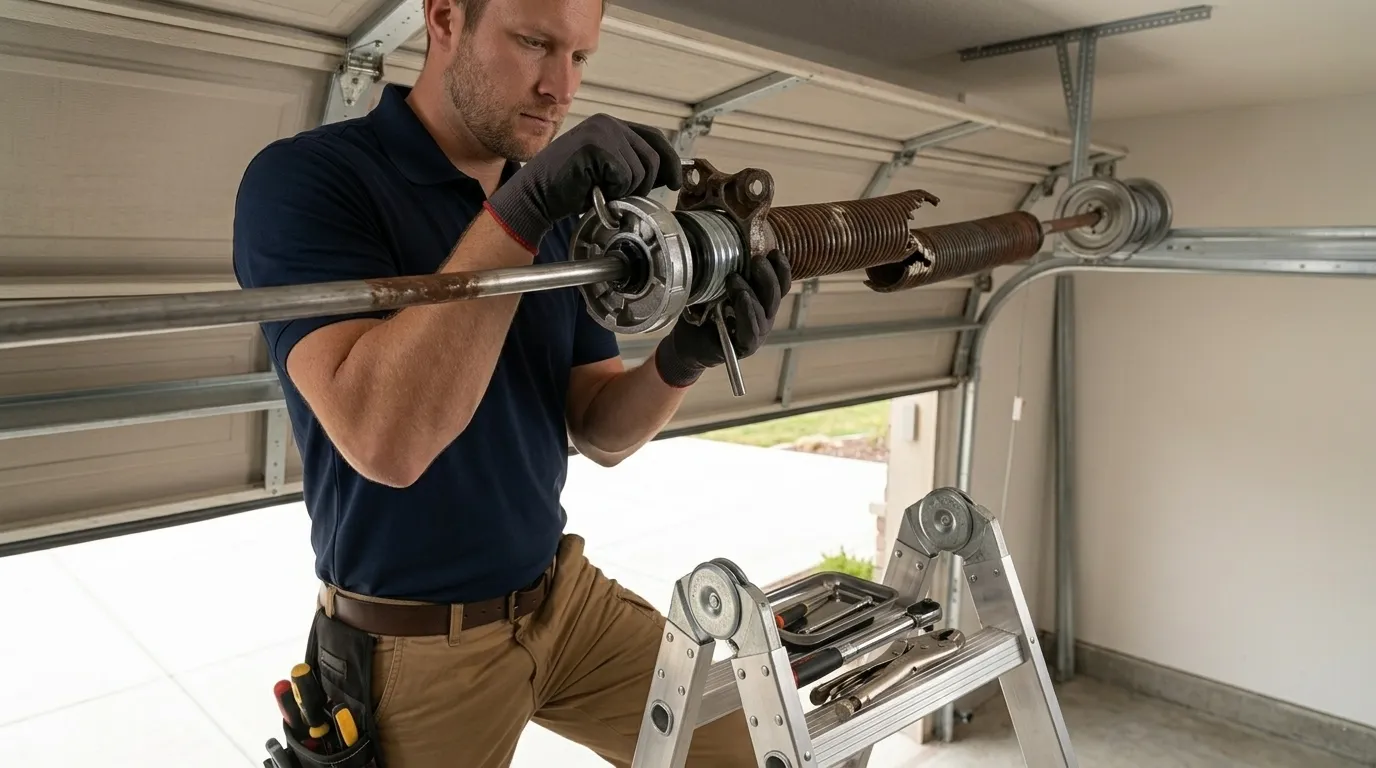
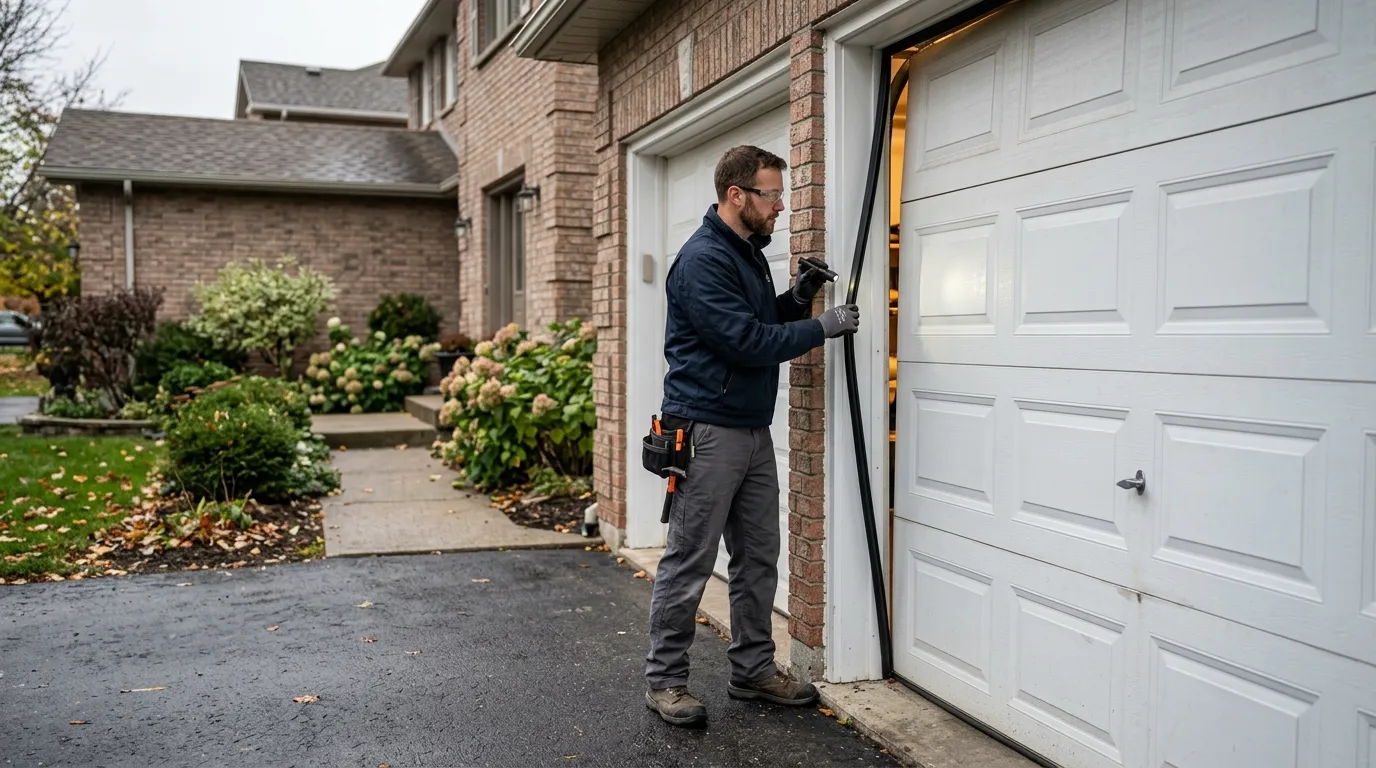
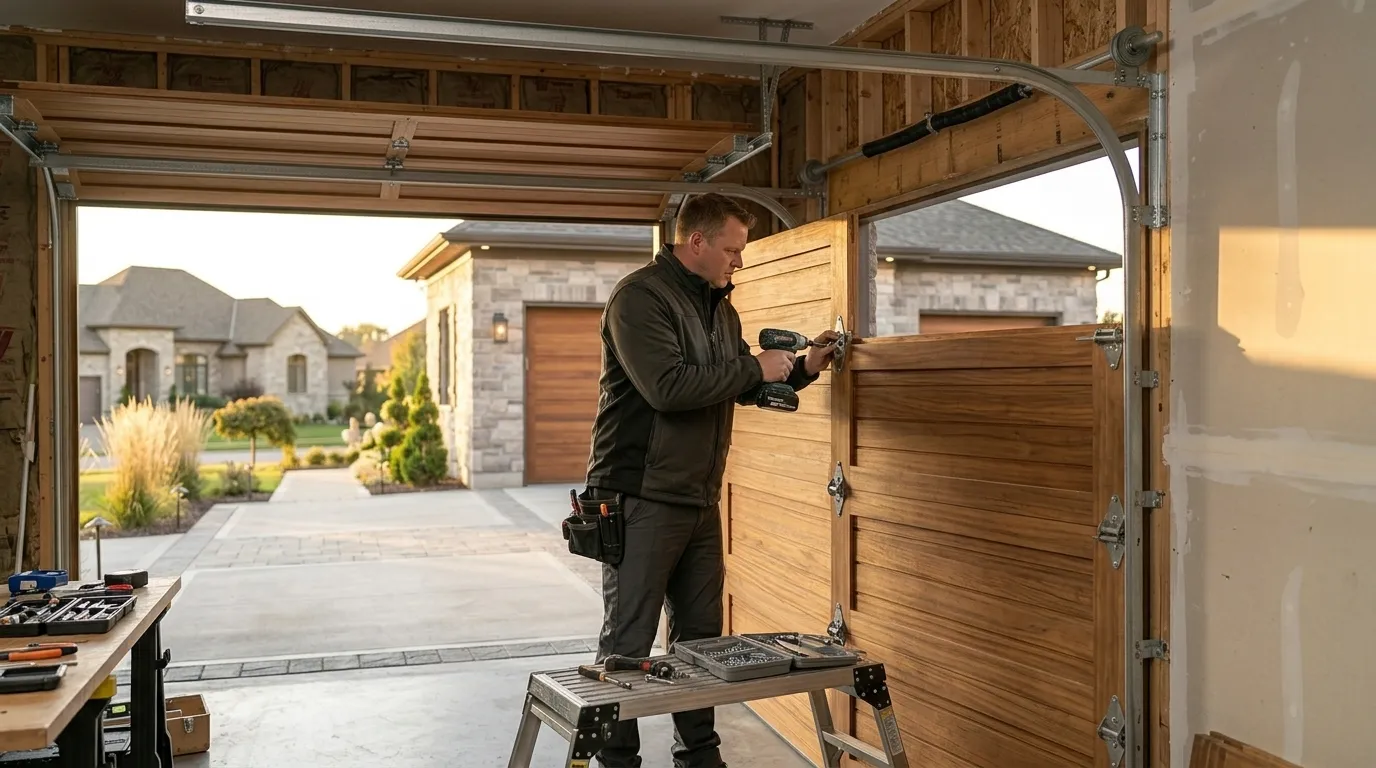
A stuck garage door on a newer build usually isn't a DIY spring job, and we'll say that plainly: torsion springs under tension are the one thing in this business that puts people in the ER, full stop. That's not specific to Fate, it's true everywhere, but it's worth saying since it's the single biggest mistake we get called out to undo.
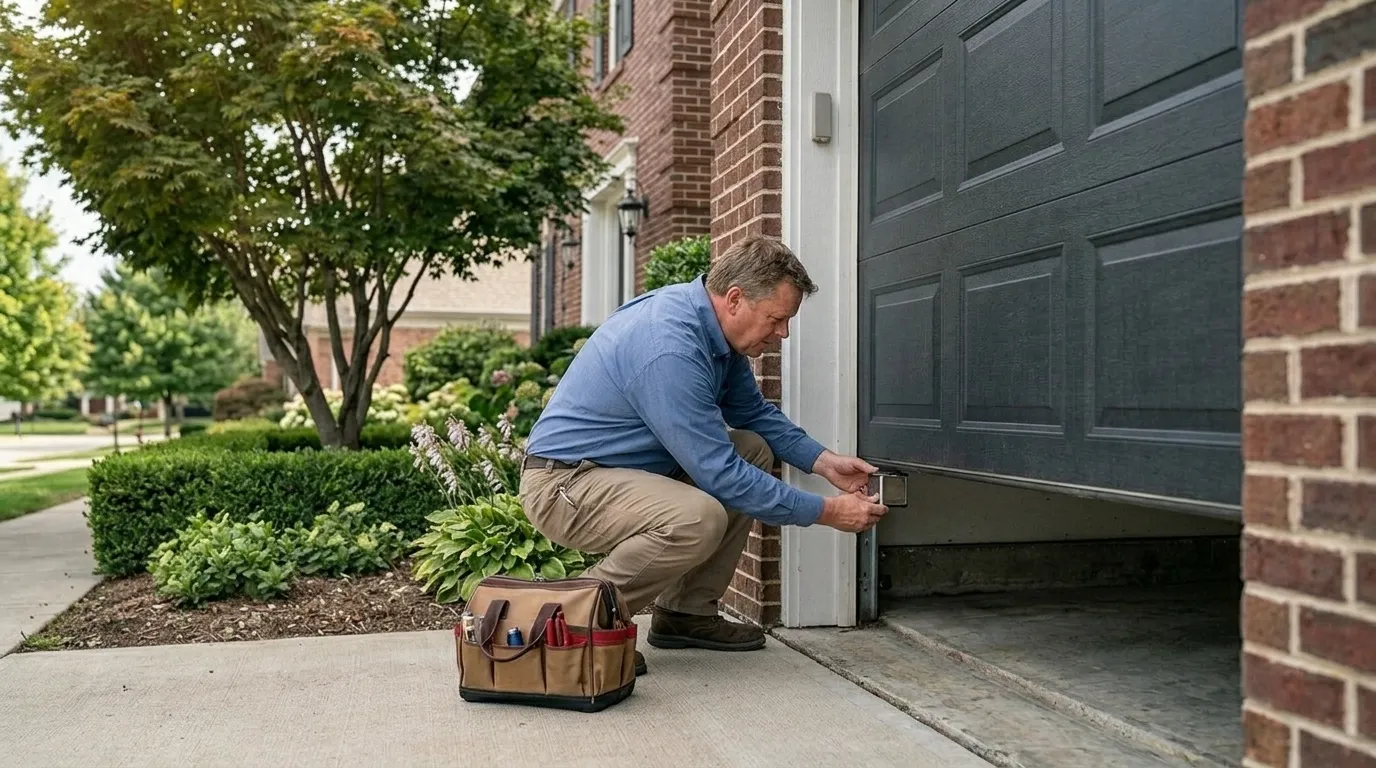
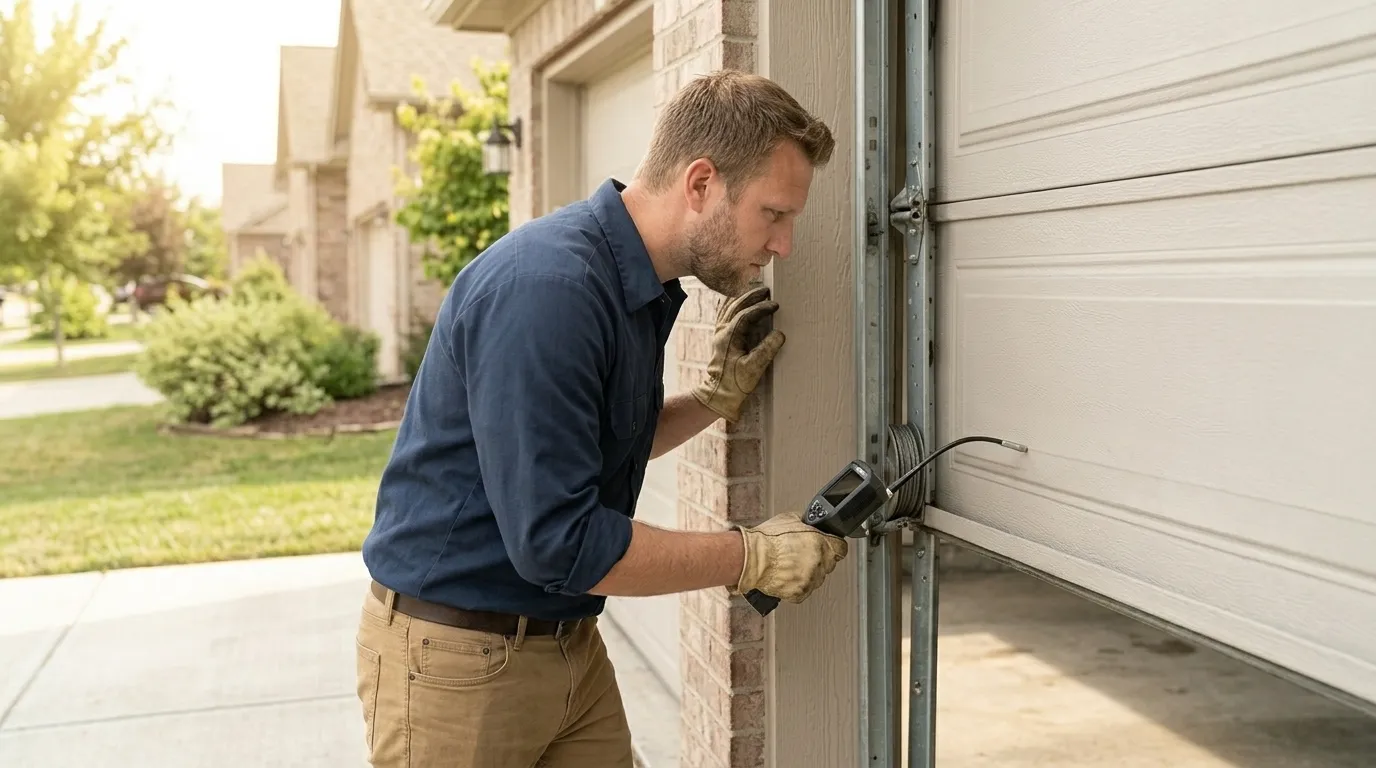
What you can check yourself first: the sensor eyes at the bottom of the track, since a knocked-loose sensor is the most common reason a 2010s-era opener refuses to close and just blinks at you. Clean the lenses, check that neither one is bumped out of line, and see if that clears it before you call anyone. If the door won't budge by hand with the opener disconnected, that's spring or cable, and that's ours to handle, not yours.
Stocked Parts
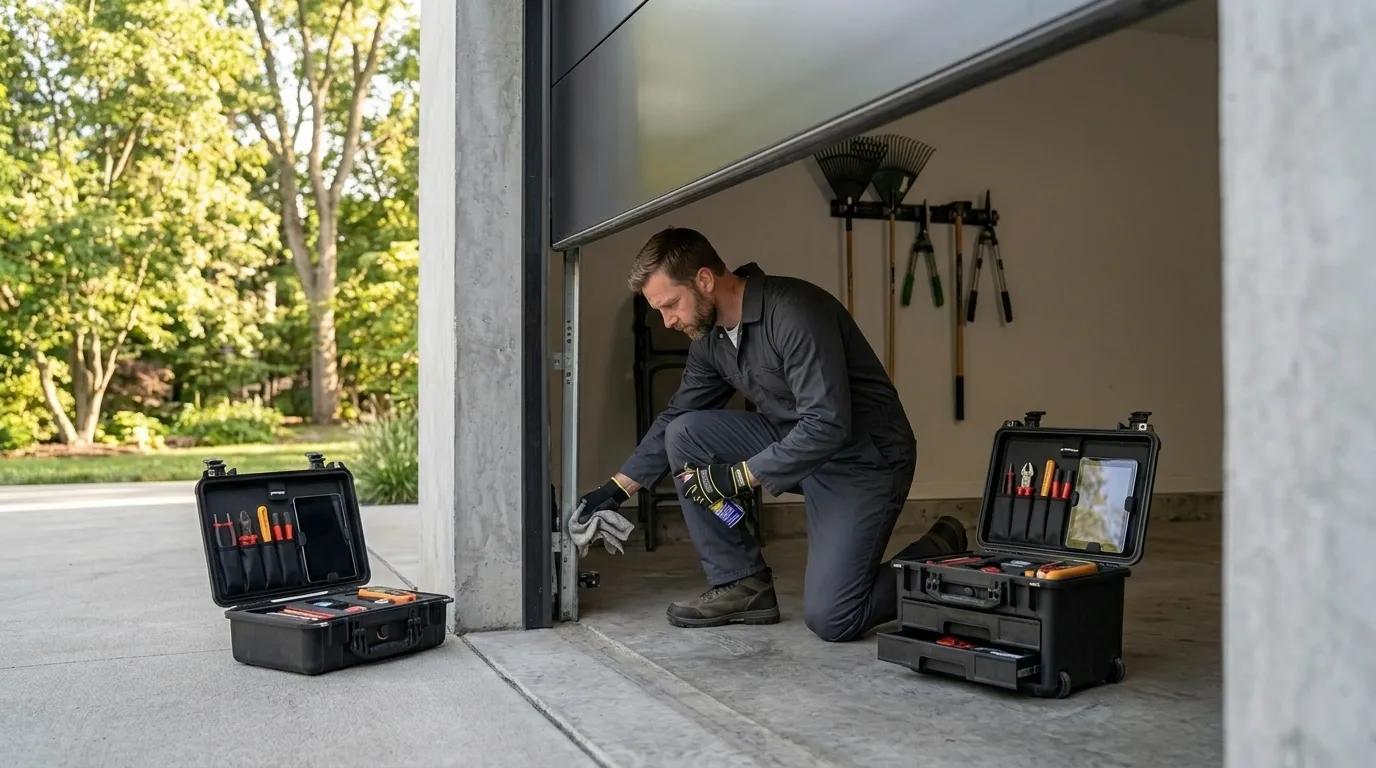
We carry the parts that fail most often on doors built in the 2000s and 2010s: torsion springs in the common residential sizes, standard photo-eye sensors, nylon rollers, and the cables and drums that match steel sectional doors from that era. What we don't keep on the truck is anything specialty - a proprietary opener logic board from a manufacturer that's since discontinued the line, or a panel in a discontinued color match. On a door built after 2000, that's rare, but it happens, and if it does, we'll tell you upfront rather than have you wait on a truck that never shows with the part.
Because the housing stock out here is younger, we're stocking more opener electronics and fewer of the heavy-gauge parts that older torsion setups need. That's a direct result of what's actually failing on doors of this age, not a guess.