The Complications
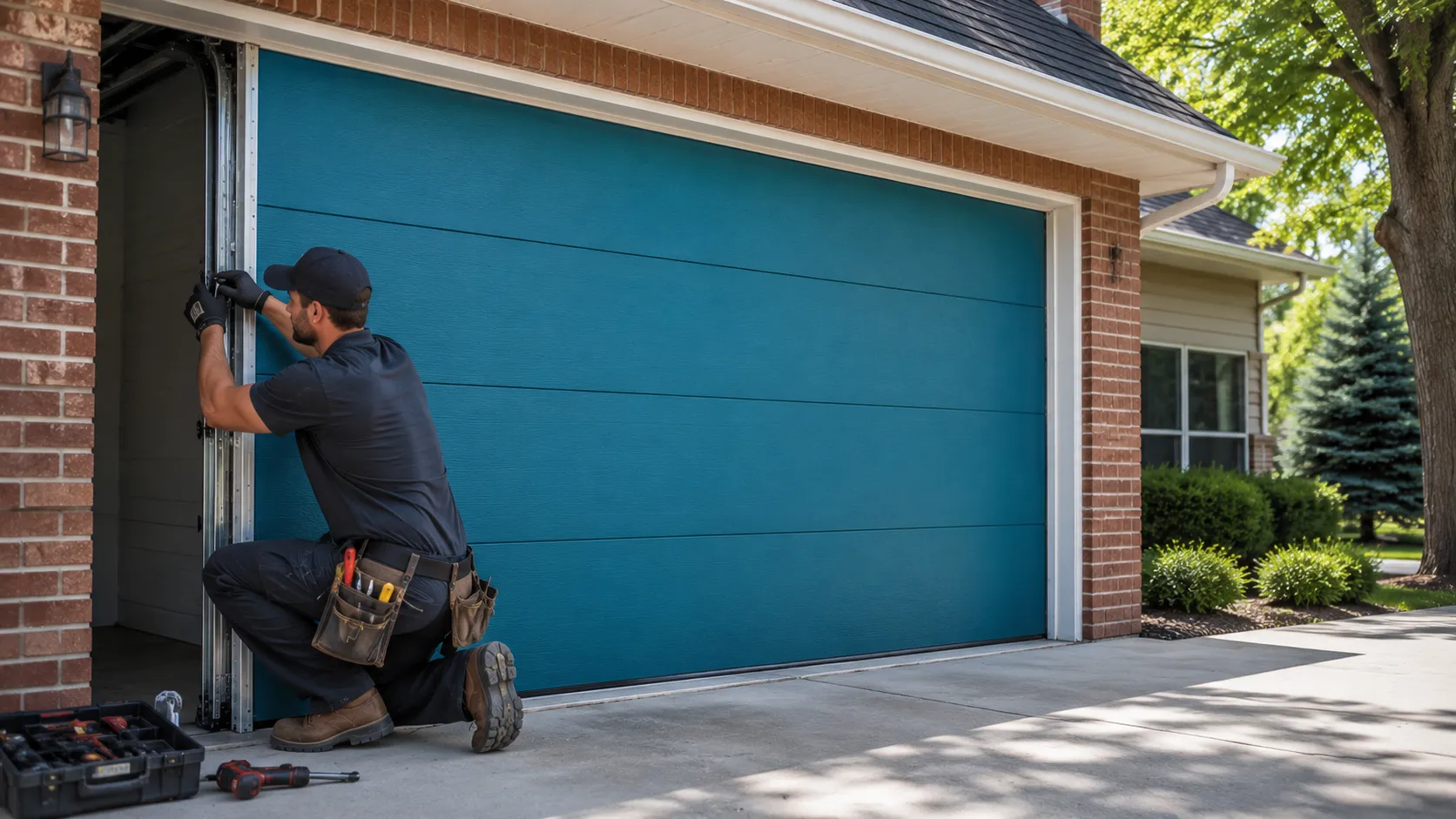
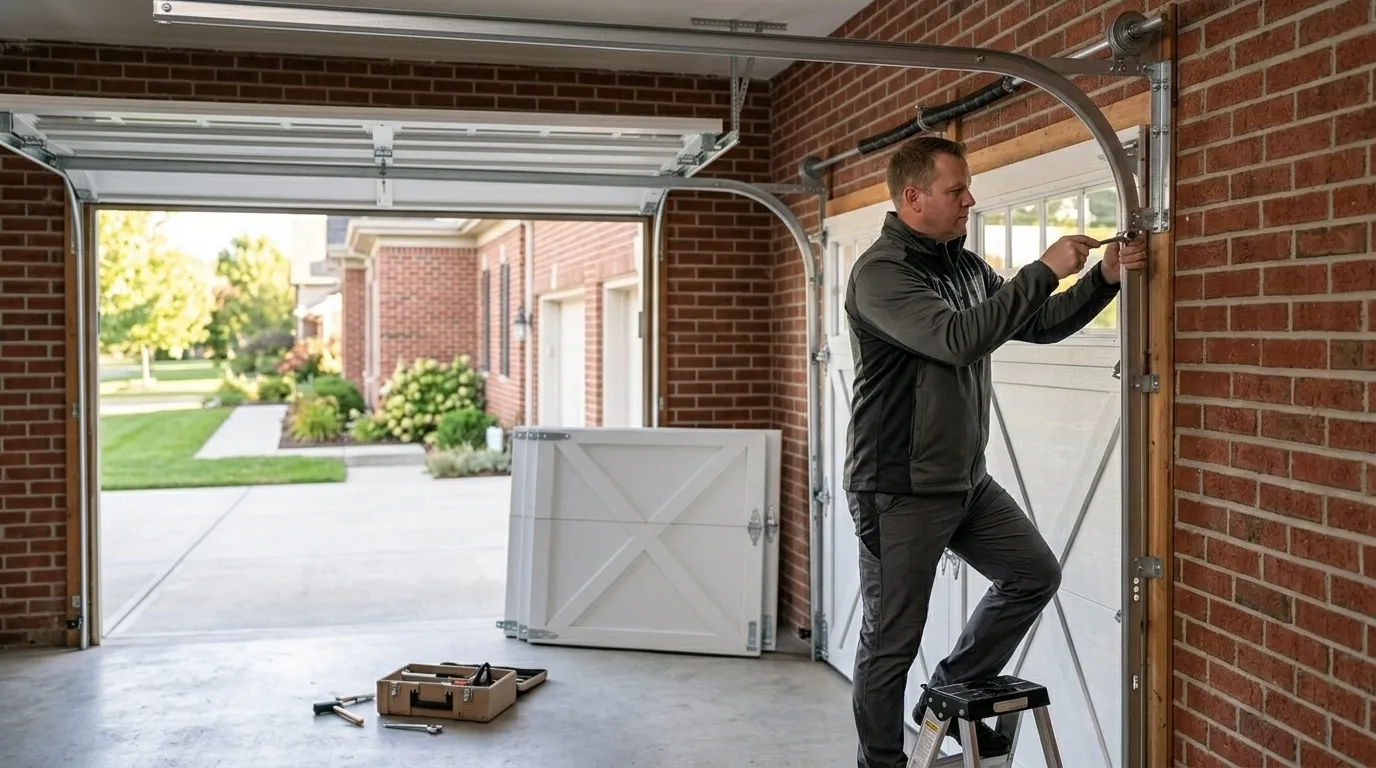
Fate sits three miles from our Rockwall shop, close enough that a new-door install here doesn't turn into a half-day drive, which matters when we're hauling a full door, new track, and an opener in the truck instead of just a service bag.
What actually shapes the job is the age of the house. Fate's housing stock centers on 2013, noticeably newer than the 1971-2013 spread with a 2002 median across the wider area we cover. That means most garage doors going in here are original builder-grade doors, roughly a decade old, not the mix of 1970s and 1980s doors we're pulling out elsewhere. Builder-grade doors are usually thinner steel with lighter-duty rollers and a standard torsion spring sized to the door's minimum weight, not to whatever insulation or windows the owner added later.
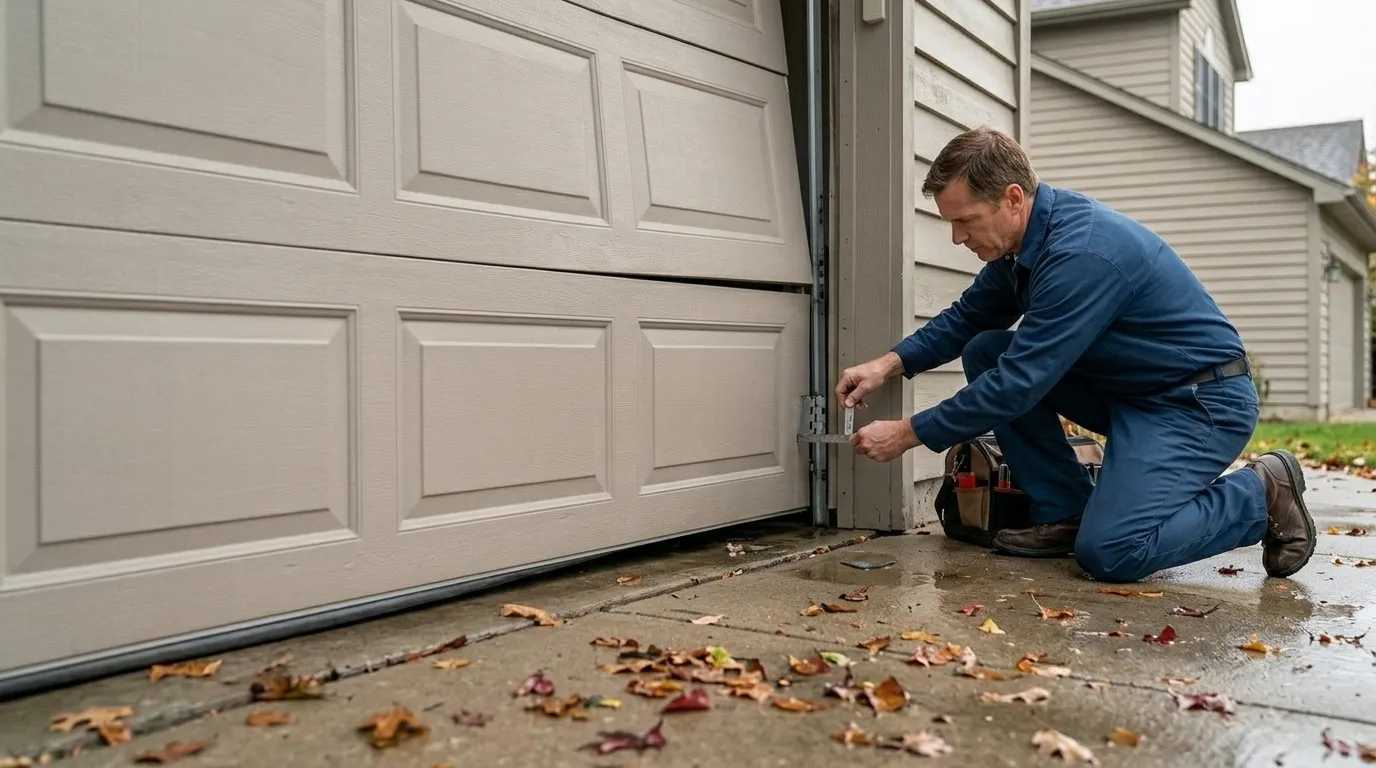
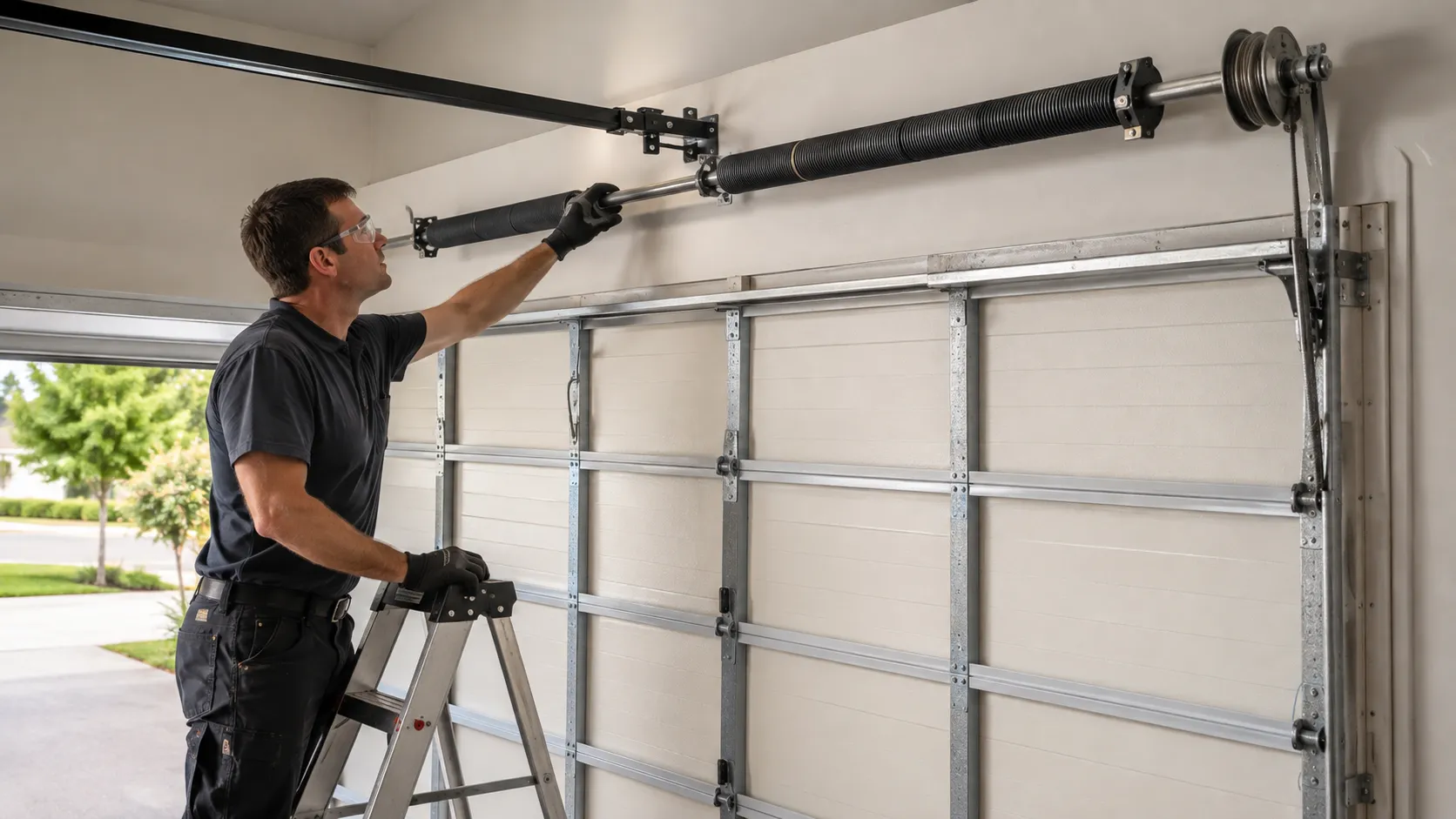
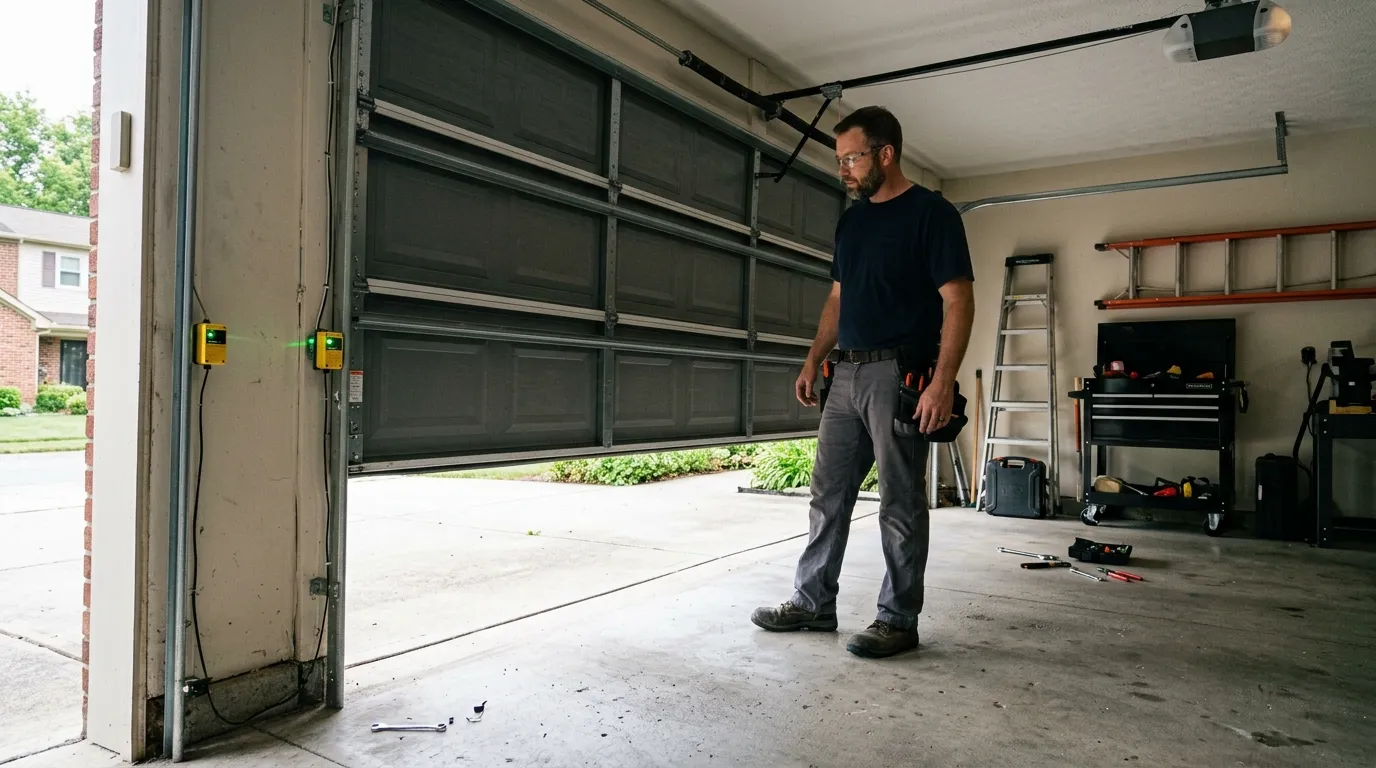
So the complication in Fate isn't corroded 40-year-old track or long-obsolete hardware. It's swapping out a door that's still structurally fine but was never built for the upgrade the homeowner wants now - a heavier insulated door, a quieter belt-drive opener, or windows that change the door's balance and mean the original spring is now undersized. We size new hardware to the new door, not the old one, every time.
We also see this: because Fate's stock is newer, fewer calls here are about total structural failure and more are about it being time to move to a nicer, better-insulated door before anything actually breaks.
The DIY Question
A garage door is one of the few home projects where doing it yourself can put you in the ER, not just cost you a wasted Saturday. Torsion springs store enough force to break bones or worse if they let go while you're working on them, and that's true whether the door is brand new out of the box or twenty years old.
For a full new-door install, the honest answer is: don't. Setting new track plumb, balancing a door to a spring rated for its actual finished weight, and squaring an opener bracket to a frame that may not be perfectly level all take tools and a second set of hands most homeowners don't have lying around. We'll say plainly where DIY does make sense - swapping weatherstripping, replacing a keypad, tightening loose hinges - but hanging a new door and setting its spring tension isn't one of them.
Stocked Parts
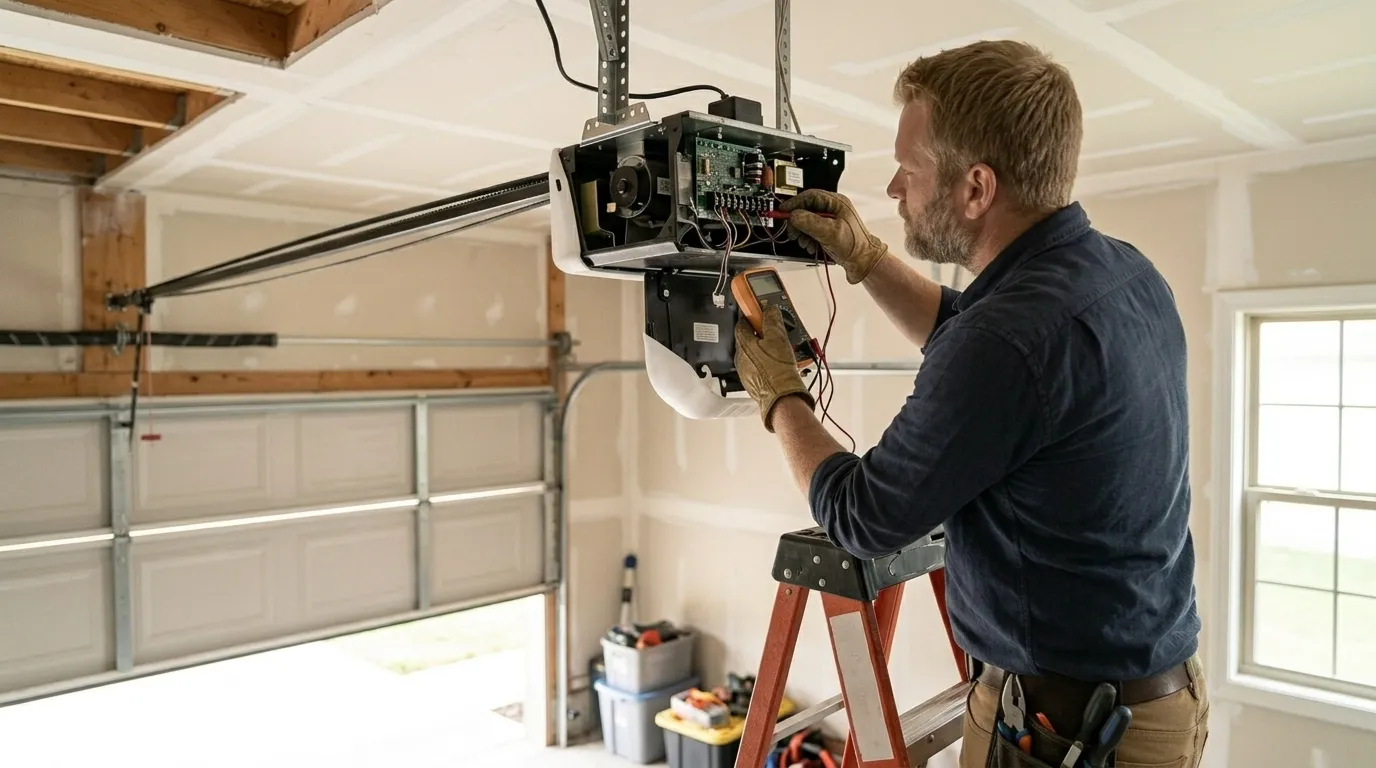
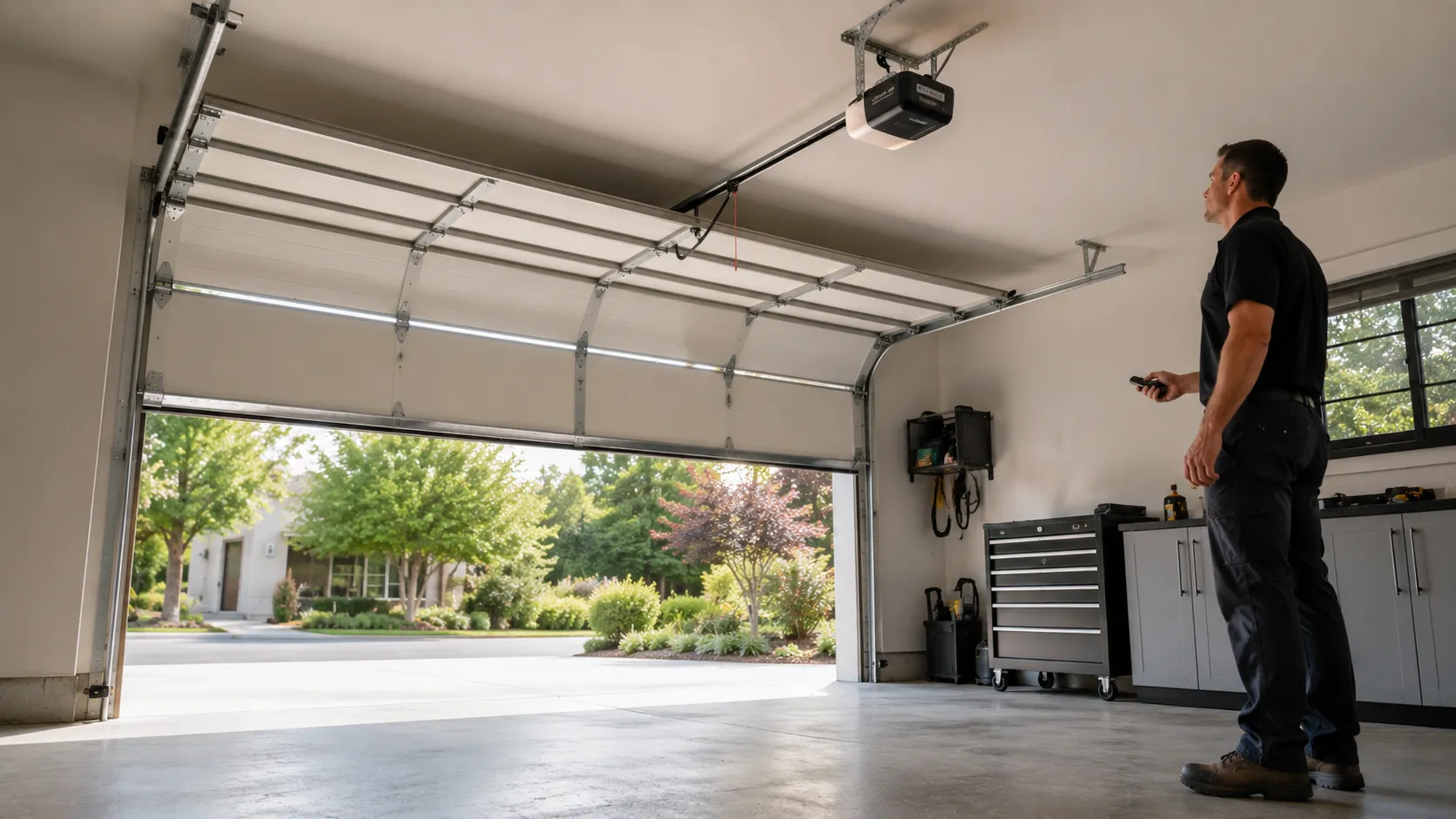
Because Fate's homes mostly date to the newer end of the range we cover, the openers and track hardware we're replacing here tend to be standard current sizes, not the discontinued parts we sometimes hunt down for older homes further out. That's a small advantage on install day: less chance of a part being backordered, more chance we've got what your job needs already on the truck.
Our climate here is mild with occasional freeze, not the deep-freeze conditions that crack cheap plastic idler wheels or seize steel rollers solid, so we don't need to over-spec hardware for cold the way installers in harder-winter regions do. That said, we still run nylon rollers and galvanized track as standard rather than bare steel, because