How We Fix It
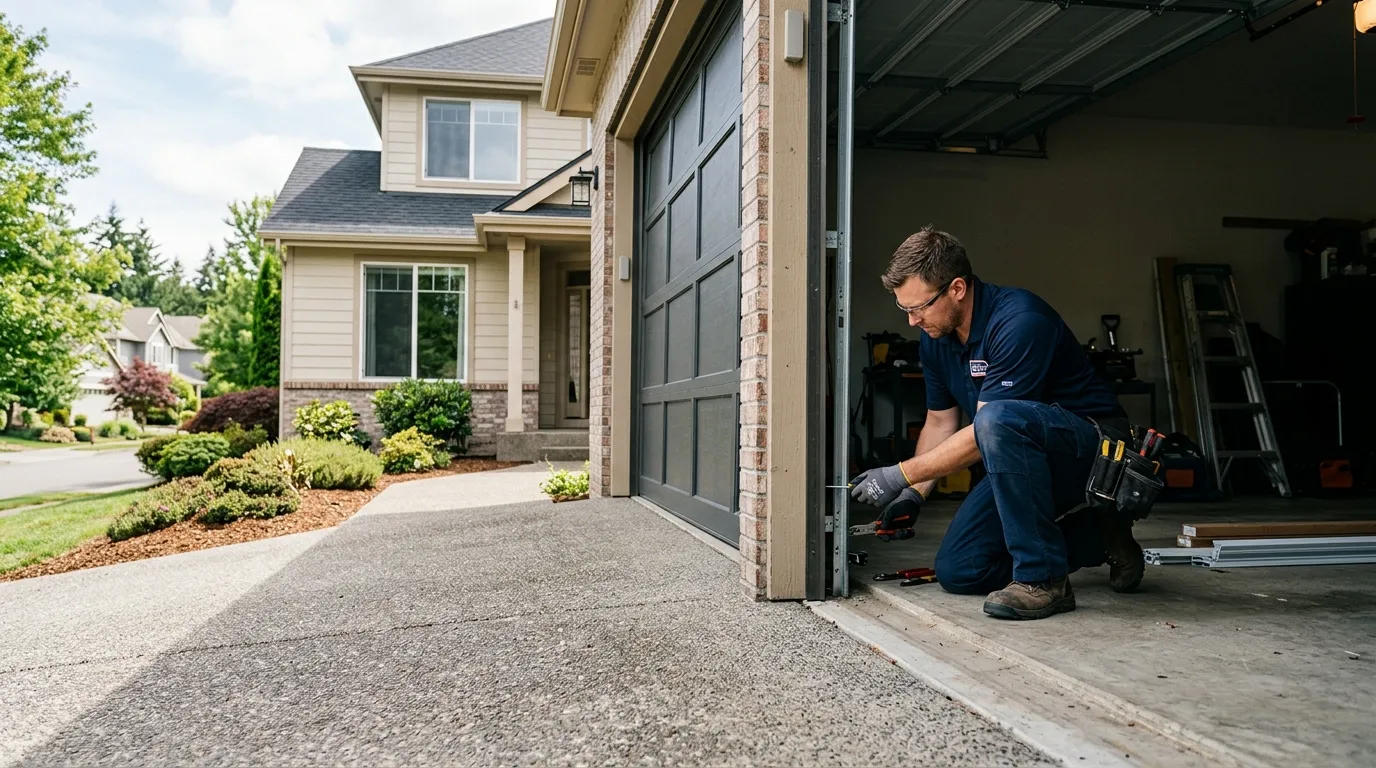
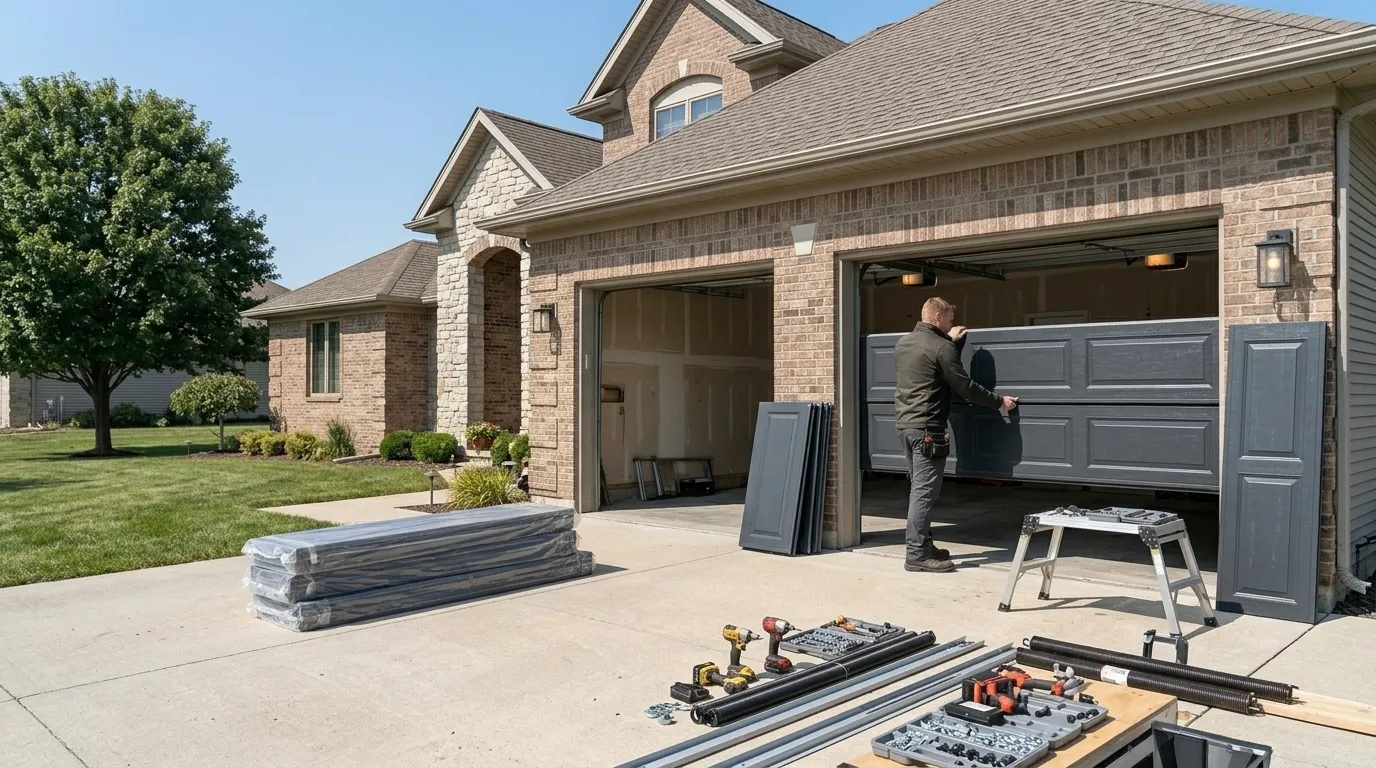
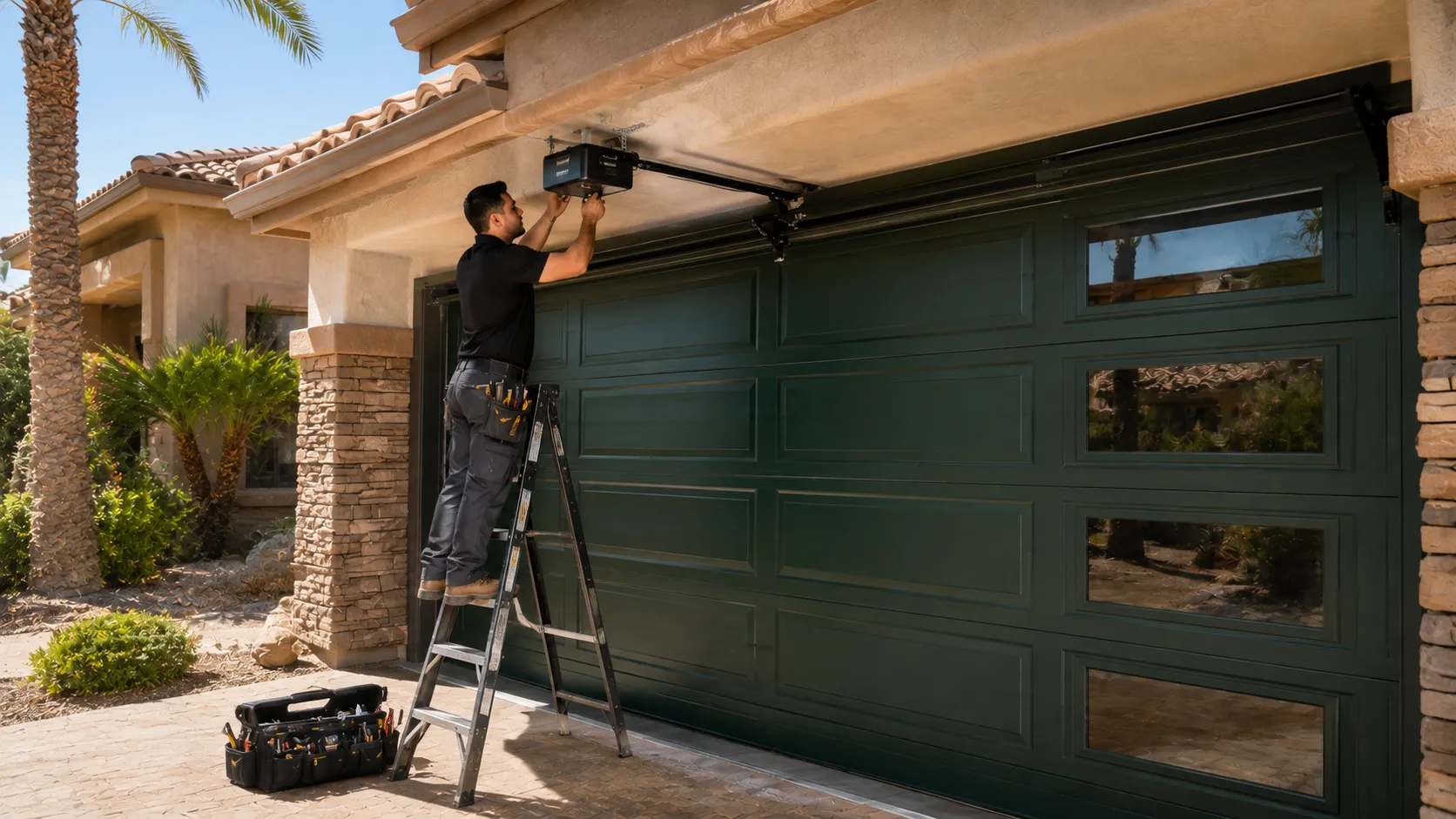
We drive out from Rockwall to handle commercial doors in Parker - sectional steel doors on strip-mall units, rolling steel on flex-space bays, the high-cycle openers that go with them. There's no Parker branch; the truck comes the 15 miles from Rockwall for every call, so we're not going to promise a same-day fix we can't back up.
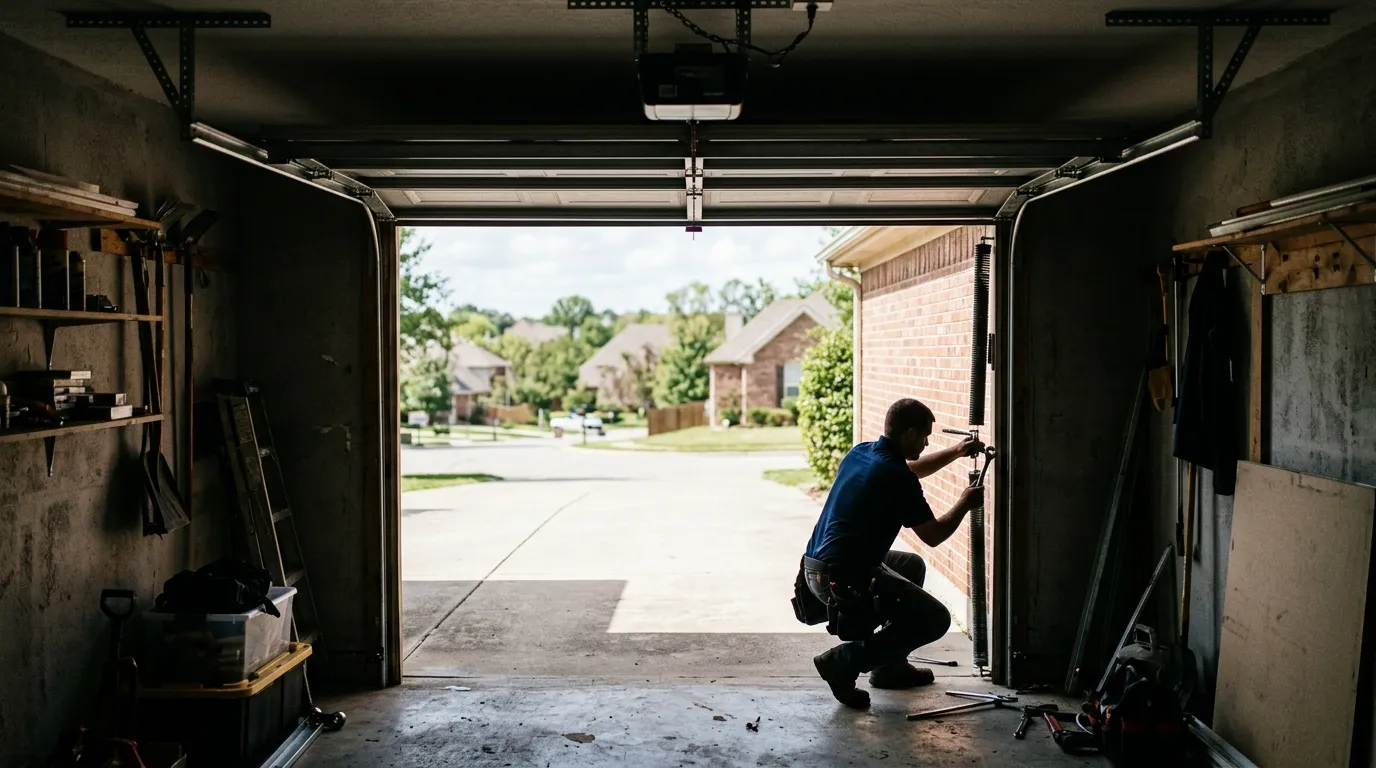
Most of what we see are torsion springs rated for higher cycle counts than a home garage, because a commercial door might open forty times a day instead of four. When one of those springs lets go, it's usually sudden and it's usually mid-shift, which is a different kind of problem than a homeowner's door sitting stuck overnight.
One honest limit: if a panel or track is a discontinued profile from an older commercial run, we may need to order the part rather than carry it on the truck. We'll tell you that up front instead of guessing at an install date. Given that Parker's roughly 1,553 households sit inside a service area where the building stock runs from 1971 through 2013, we're often matching hardware to a door that's older than the business currently operating behind it.
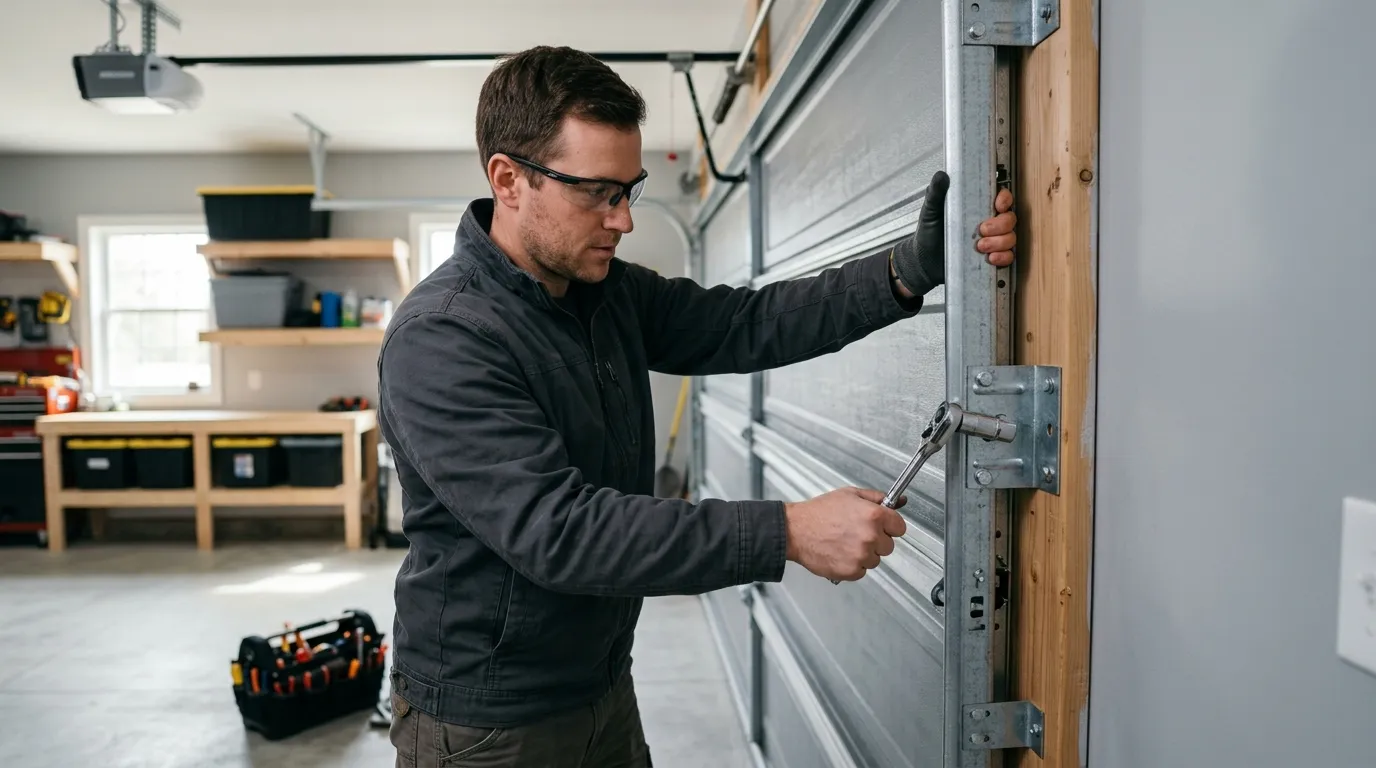
We also check the track alignment and the photo-eye sensors on commercial units more closely than on a residential job, since a misaligned eye on a heavy door is a liability problem, not just an inconvenience.
The DIY Question
At a median household income of $216,179 in this part of the service area, most business owners here aren't trying to save two hundred dollars by wrestling with a torsion spring themselves - and that's the right call. A commercial torsion spring under tension is genuinely dangerous, and it's a different animal from the lighter springs on a two-car residential door.
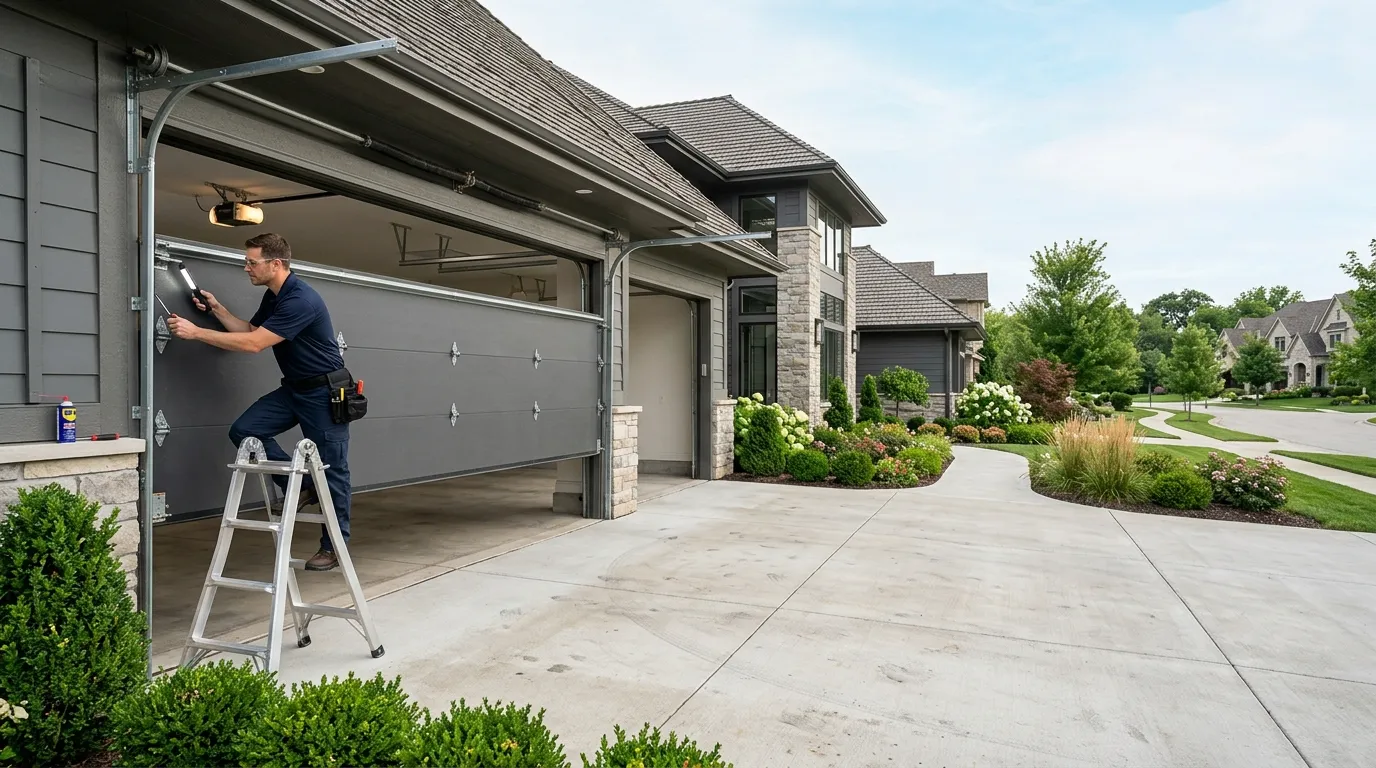
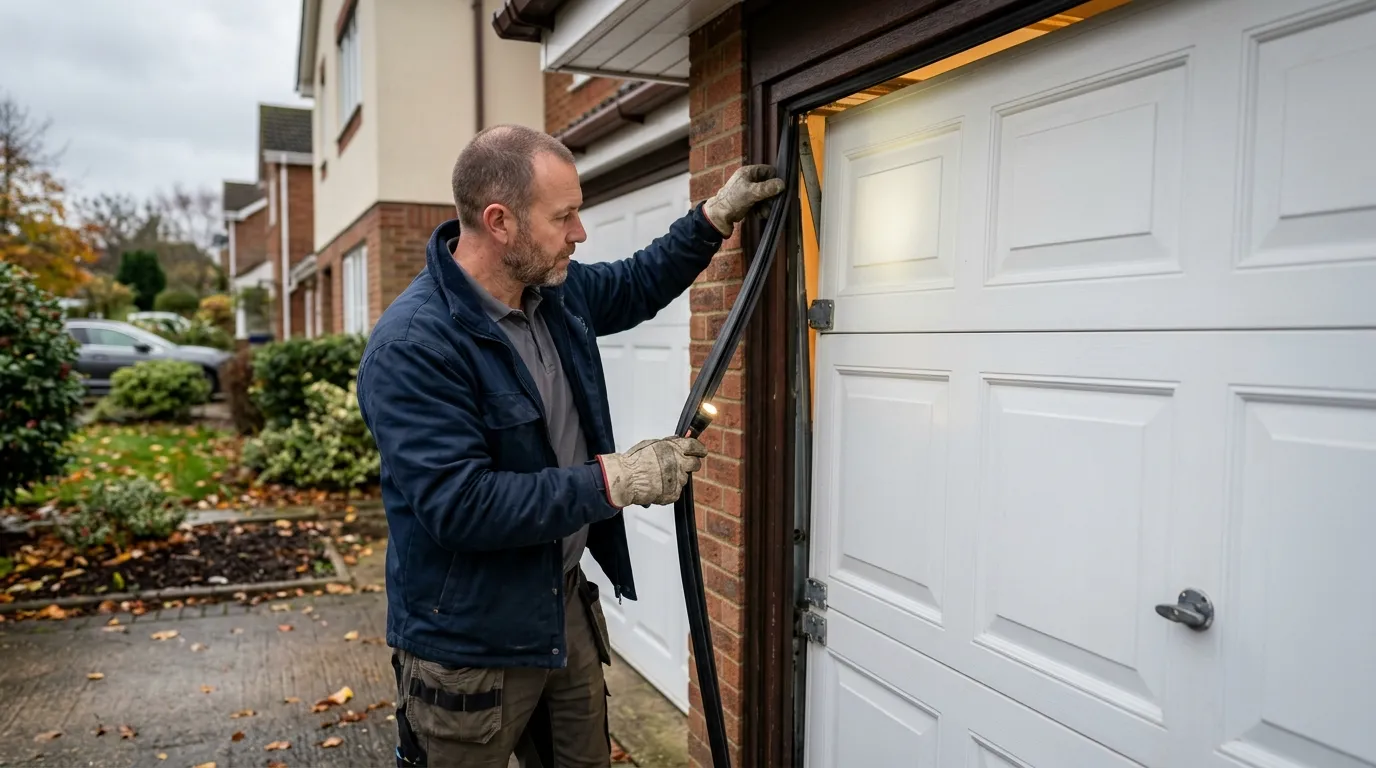
Where DIY does make sense: swapping a worn weatherstrip, tightening loose hinge bolts, cleaning and lubricating tracks and rollers on a schedule. None of that involves the spring system or the cable drums, and all of it extends the life of hardware that, on a lot of Parker's commercial buildings, is now nearing or past the fifteen-year mark.
The repair-or-replace decision is where the income context actually matters. On an aging high-cycle opener paired with an original spring system, the math often favors replacing the whole unit rather than patching one failed part on hardware that's going to need the next part replaced within a year or two anyway. We'll tell you when we think that's the case instead of running up a repair bill on a door that's on its way out.
Why It Happens Here
The service area sits in a mild climate with occasional freeze, not the heavy freeze-thaw cycling that wrecks hardware further north - but