How We Fix It
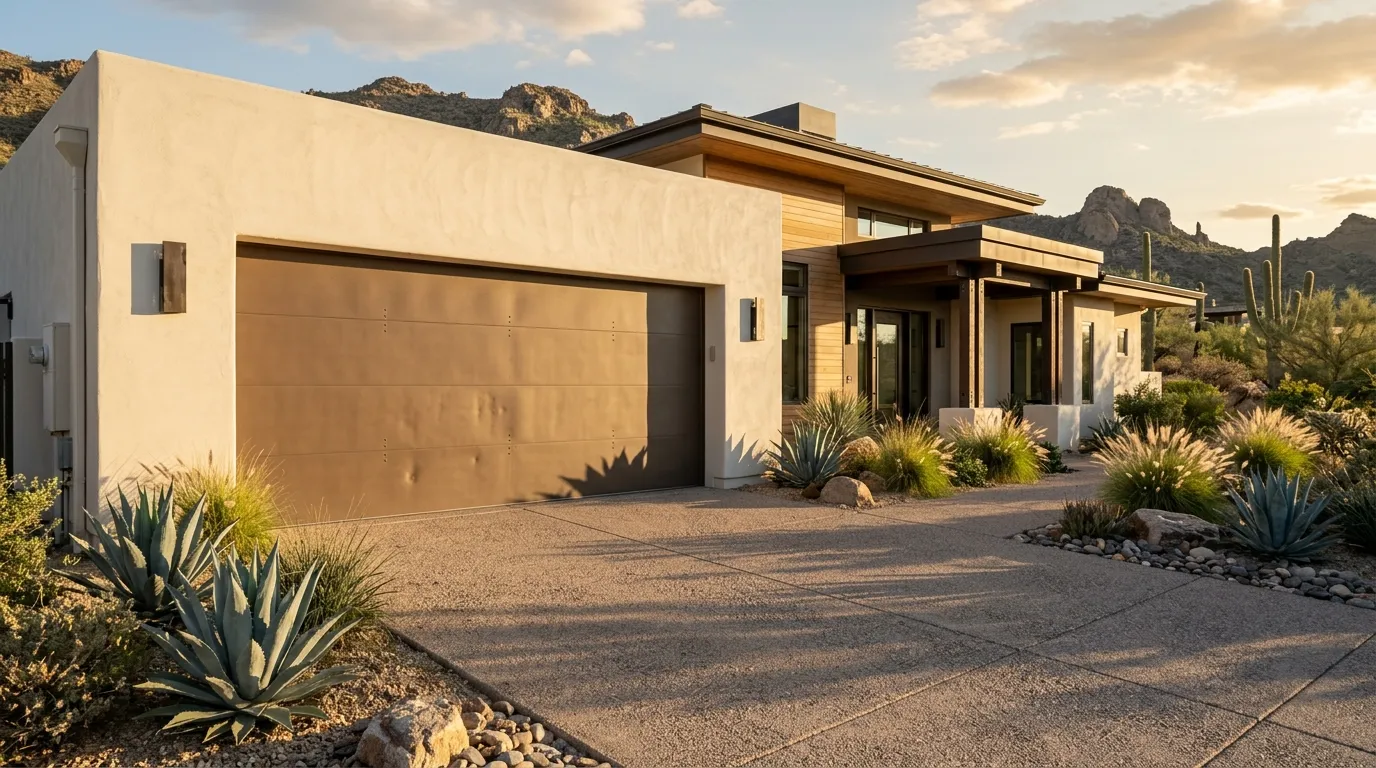
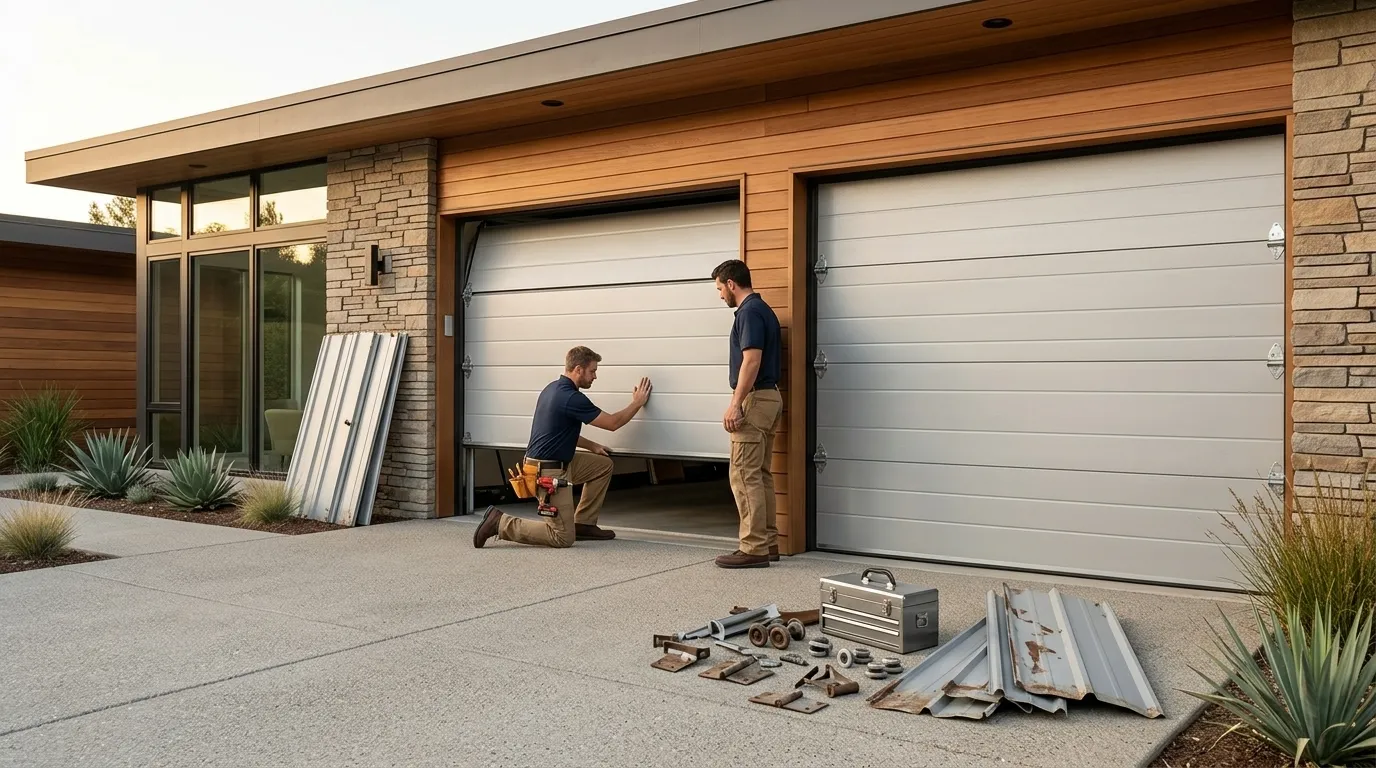
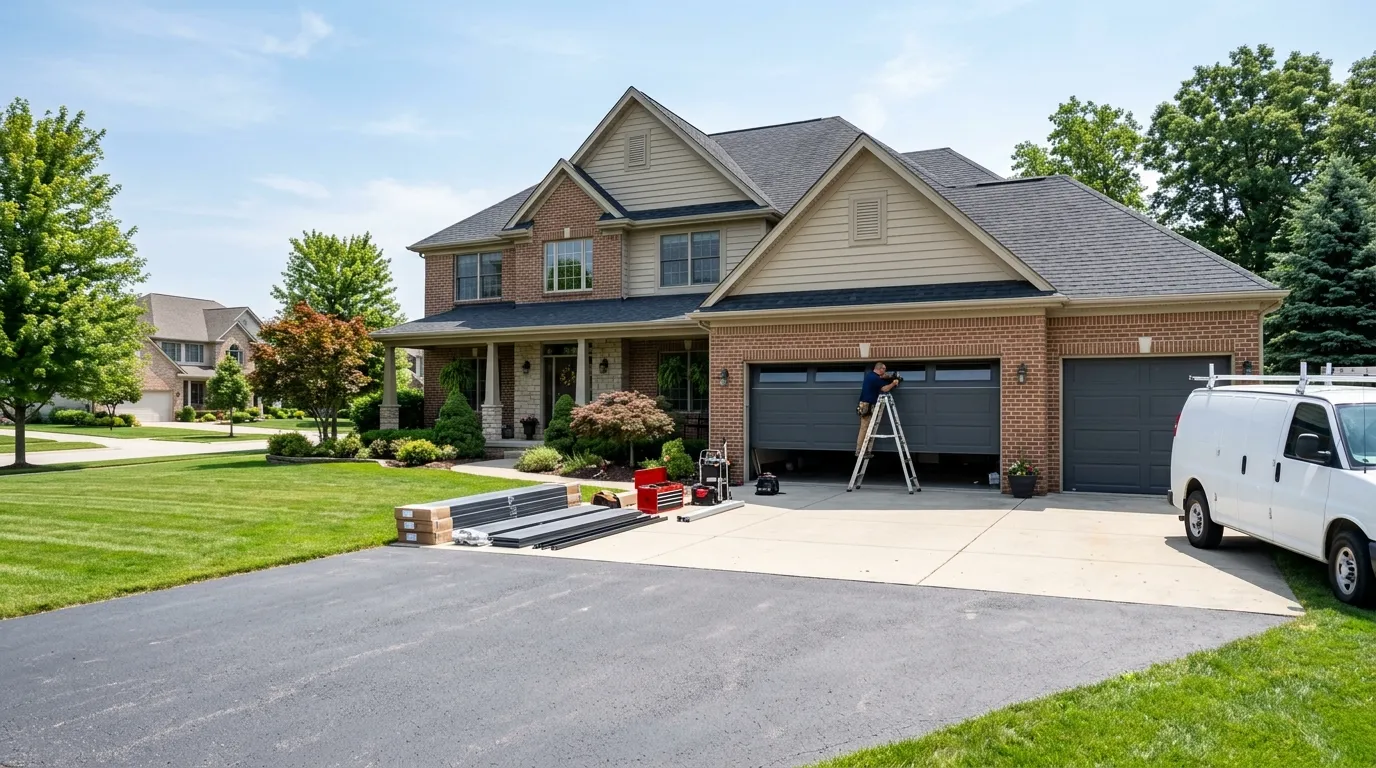
Parker is a small town, about 1,553 households, and that shapes what shows up when we're called out for a new door. This isn't a place with a mix of 1960s ranch houses and 1990s additions bolted onto old framing. Most of what we see here went up after 2000, median year built 2005, which means 2x6 jambs, standard 7-foot openings, and factory rough openings that were framed for a garage door, not retrofitted for one.
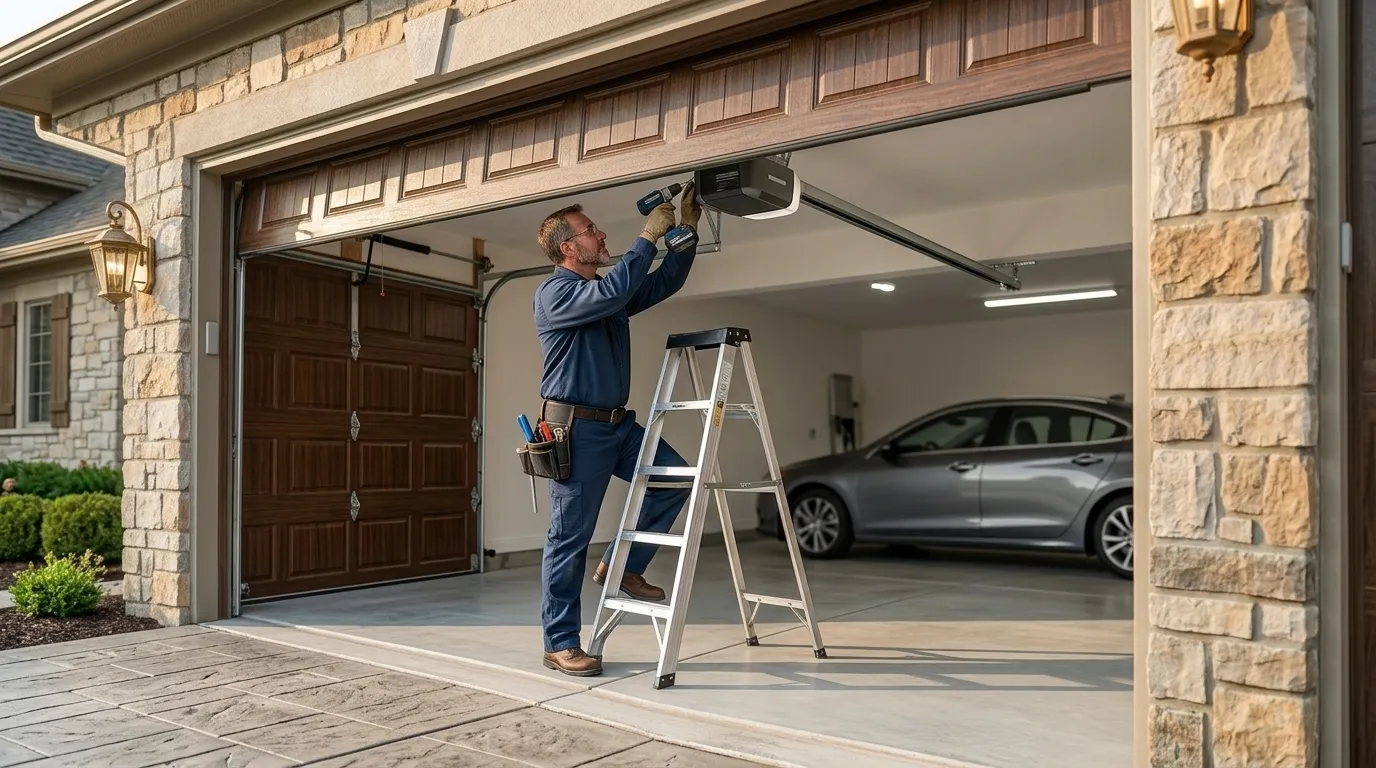
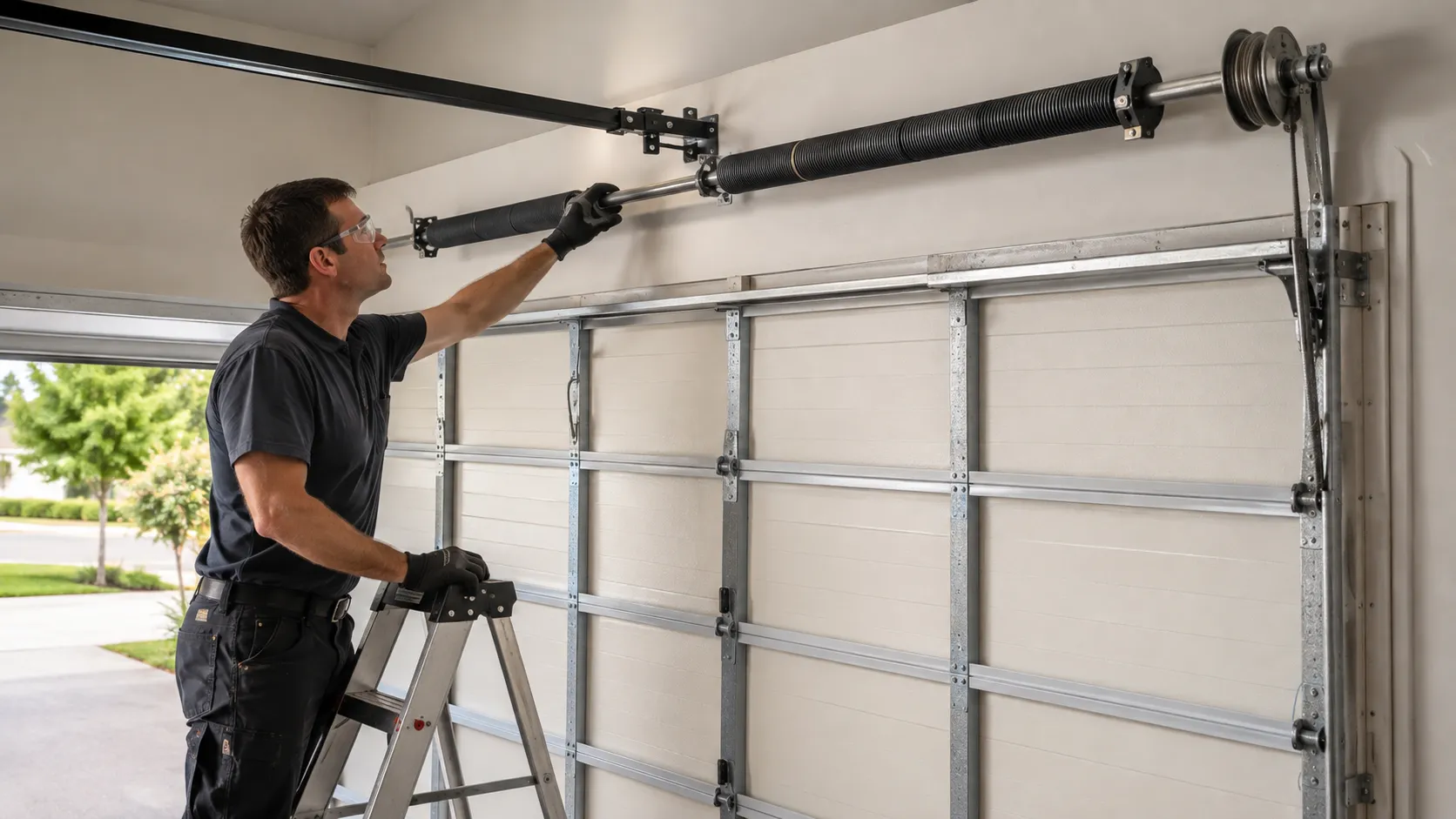
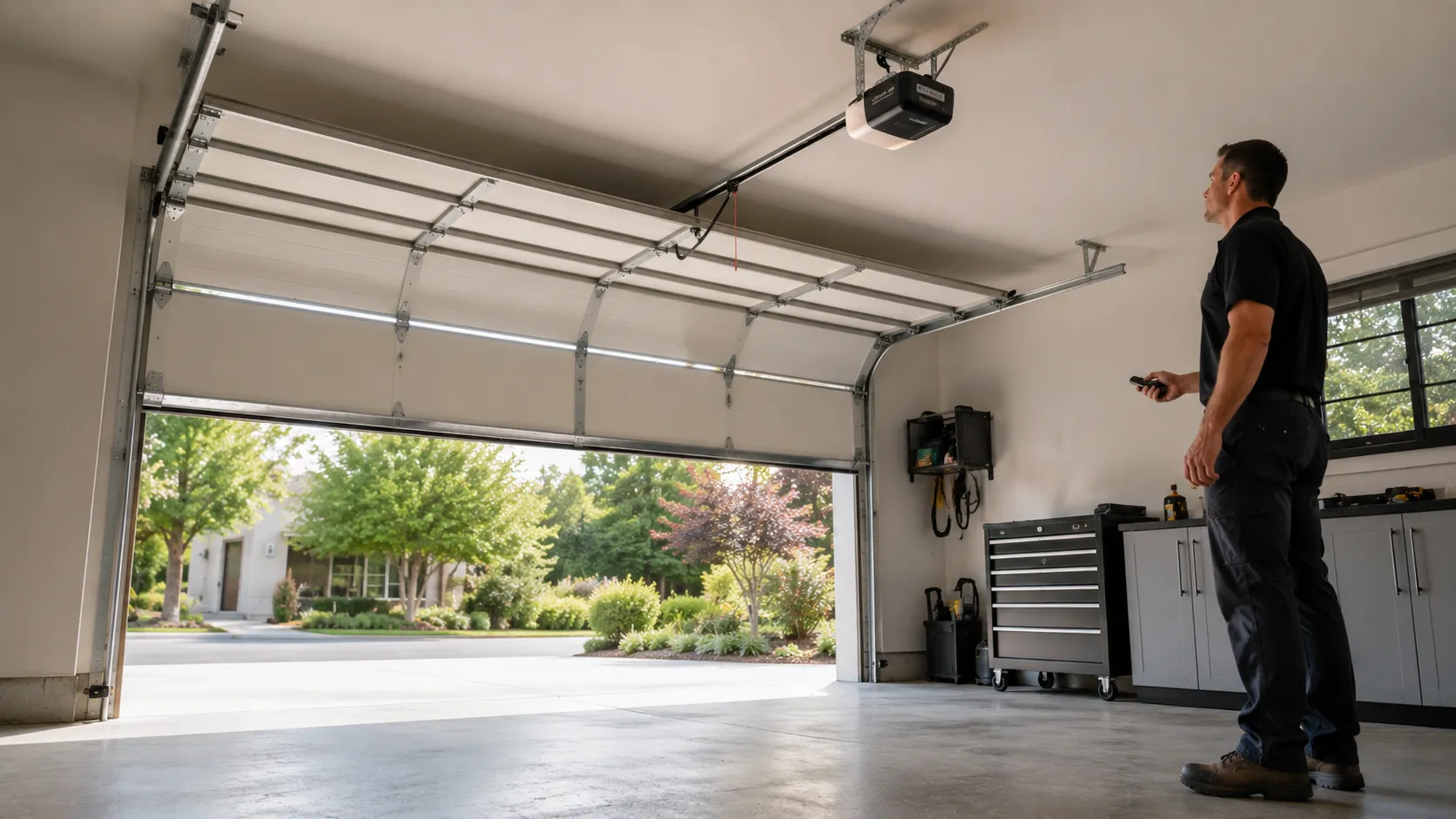
That consistency actually simplifies the job. We're not hunting for an odd-size header or shimming a door to fit a house that settled crooked over sixty years. We measure the opening, confirm the track type the builder used, and match a door and opener that were designed to work together instead of patched from whatever was in stock. For a double door on newer 2x6 construction, that usually means a standard torsion spring system rated for the door weight, a belt or screw-drive opener if the homeowner wants quiet, and enough headroom clearance that we don't have to modify the track path.
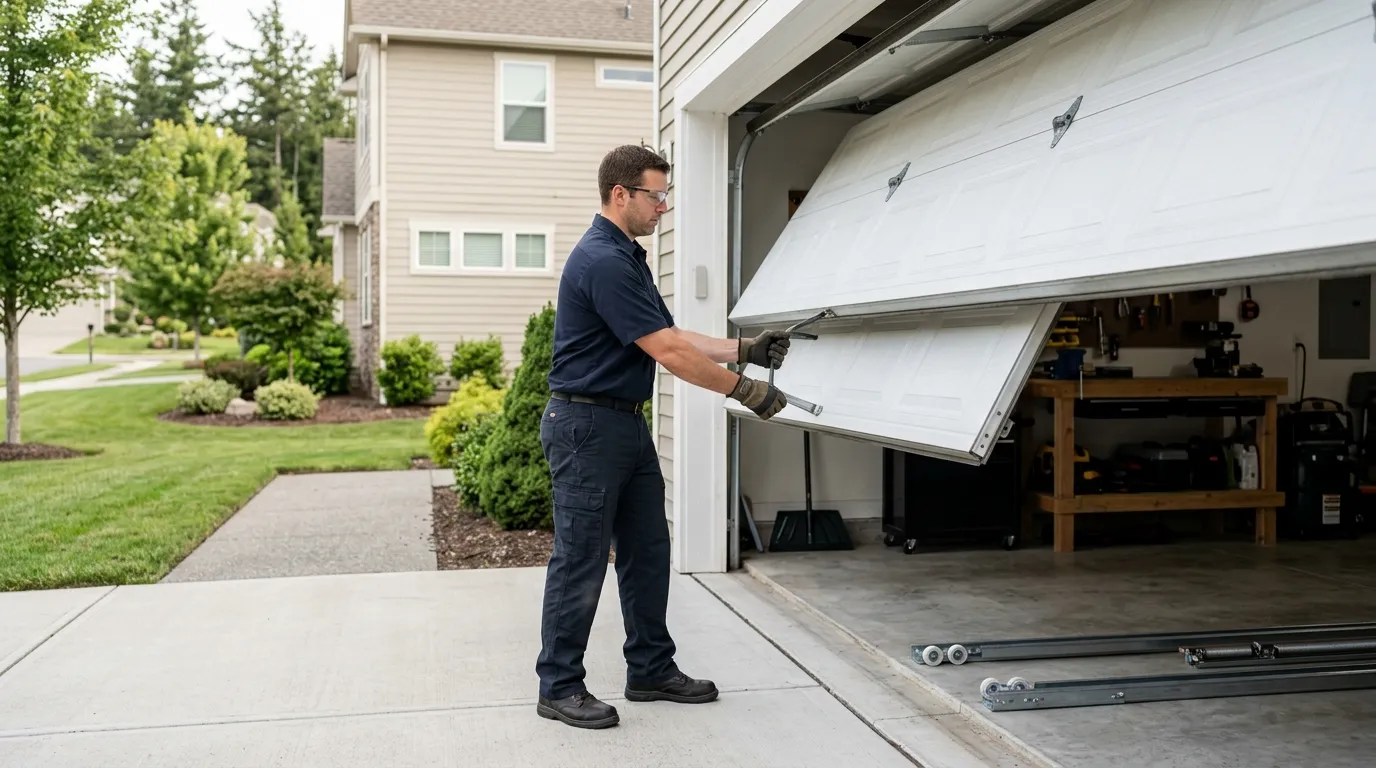
We do the same thing on every new install: pull the old door and hardware, check the framing is square before anything goes back up, and set spring tension to the actual door weight rather than a stock chart number. On a house this age, that's rarely more than an hour's worth of adjustment.
The DIY Question
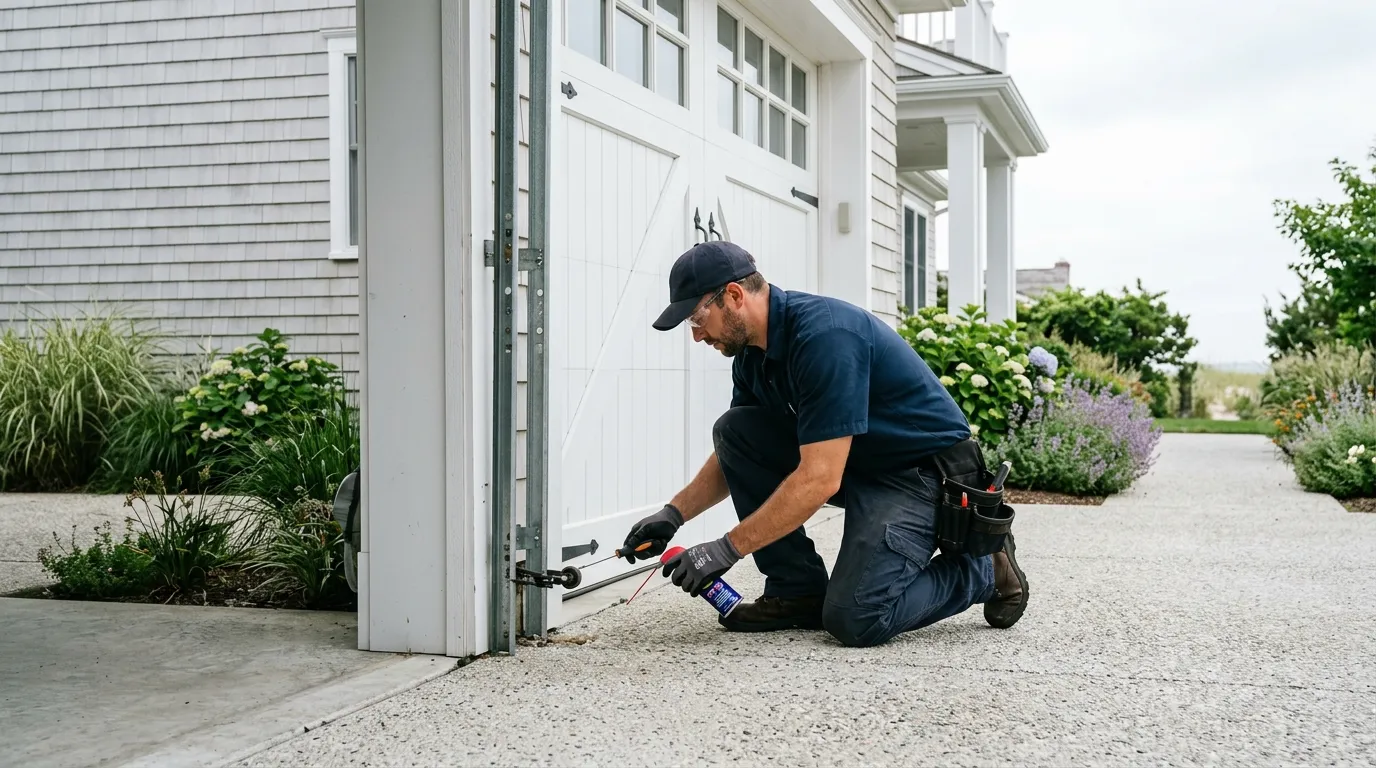
A homeowner in a house built in 2005 has different hardware to deal with than someone in an older 1970s house, and that matters for anyone thinking about doing this themselves. Newer torsion spring systems are wound tighter for wider, heavier insulated doors, and the winding cones and shafts are not something to guess at with a socket wrench and a ladder.
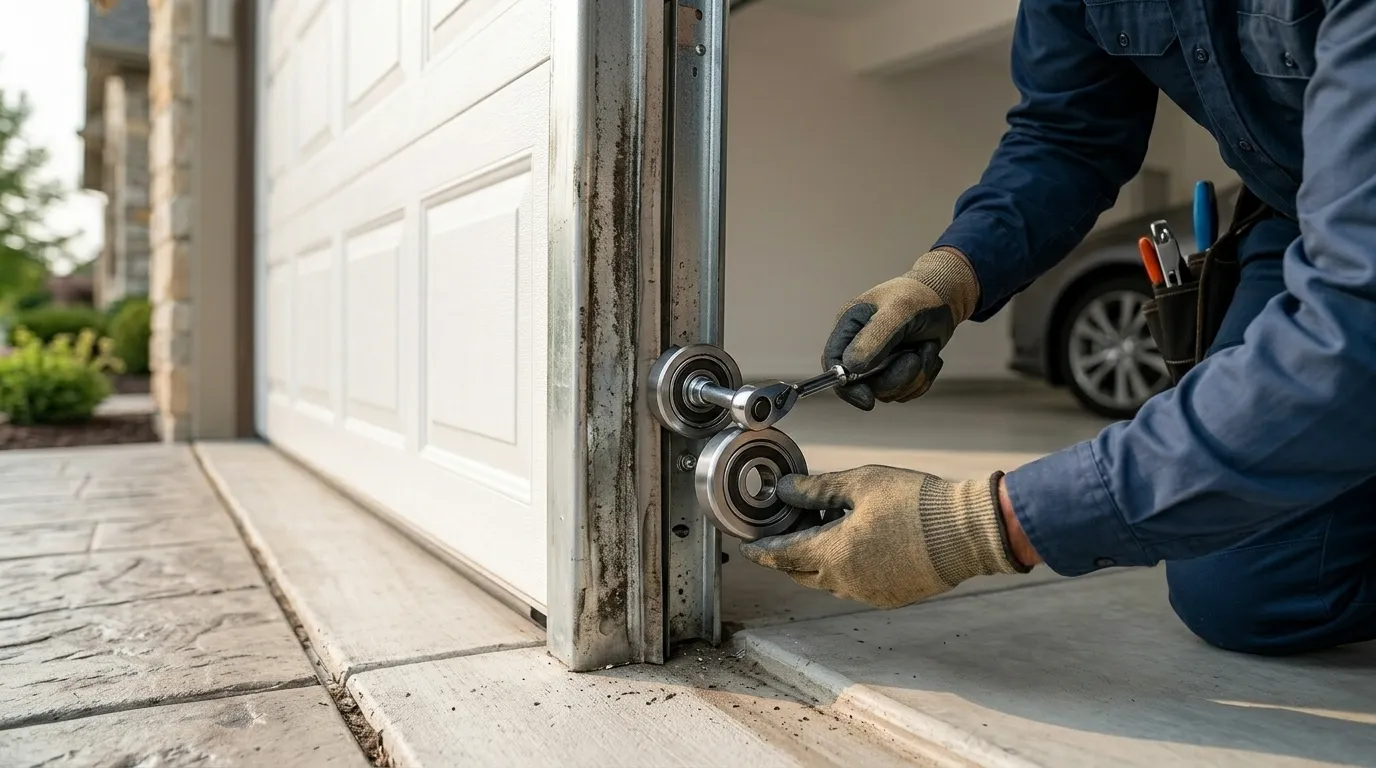
Swapping a panel or a single roller is a reasonable DIY job on most doors. Replacing the whole door - spring, track, opener bracket, and balance - is a different job entirely, because the failure mode isn't a scratch or a dent, it's a spring under enough stored tension to break a wrist or worse if it lets go while you're working on it.
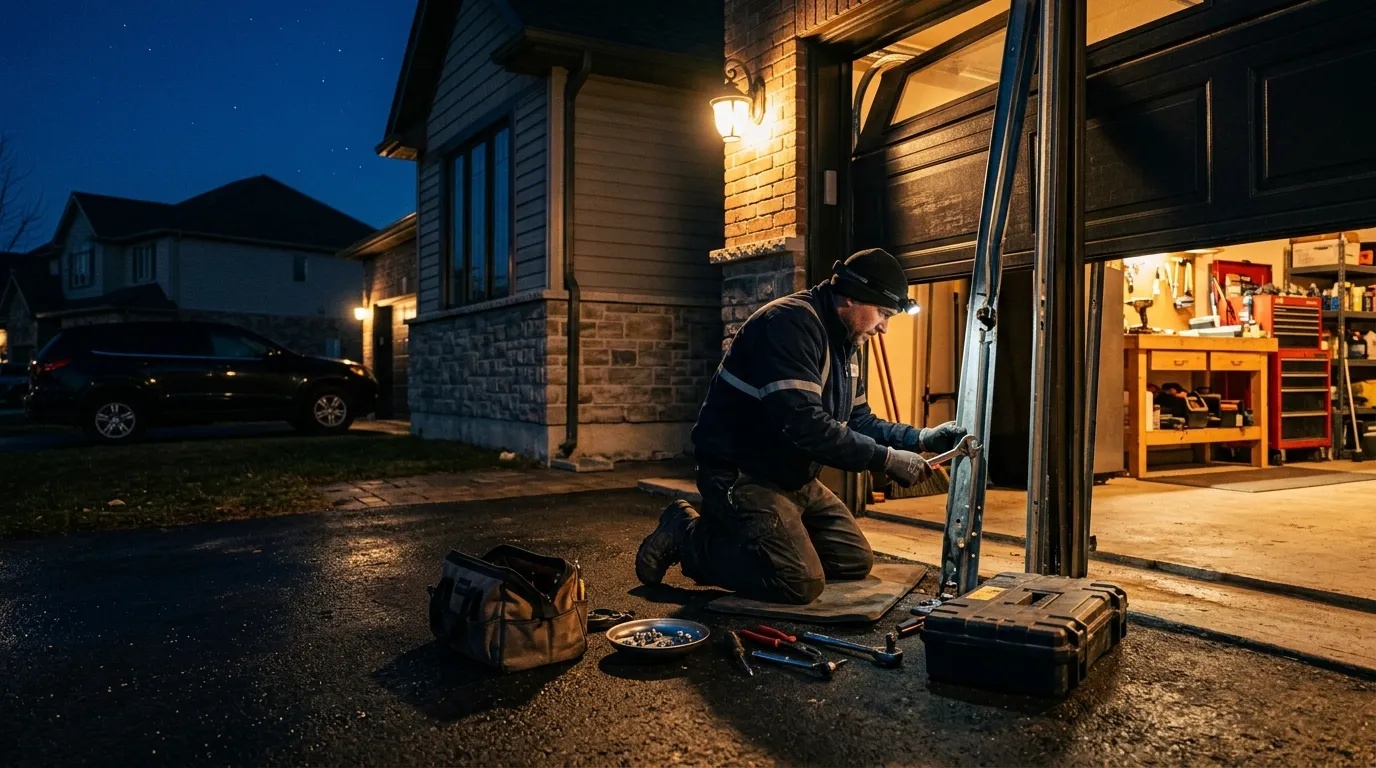
We'll also say plainly: not every door needs full replacement. If the track is straight, the opener still runs quiet, and the only issue is a dented panel or a worn weatherstrip, patching that is cheaper and faster than a new install, and we'll tell you that instead of selling a door you don't need. The honest limitation here is that we can't give you a same-visit answer over the phone - we need to see the door and the opening before we know which of those two jobs you actually have.
Why It Happens Here
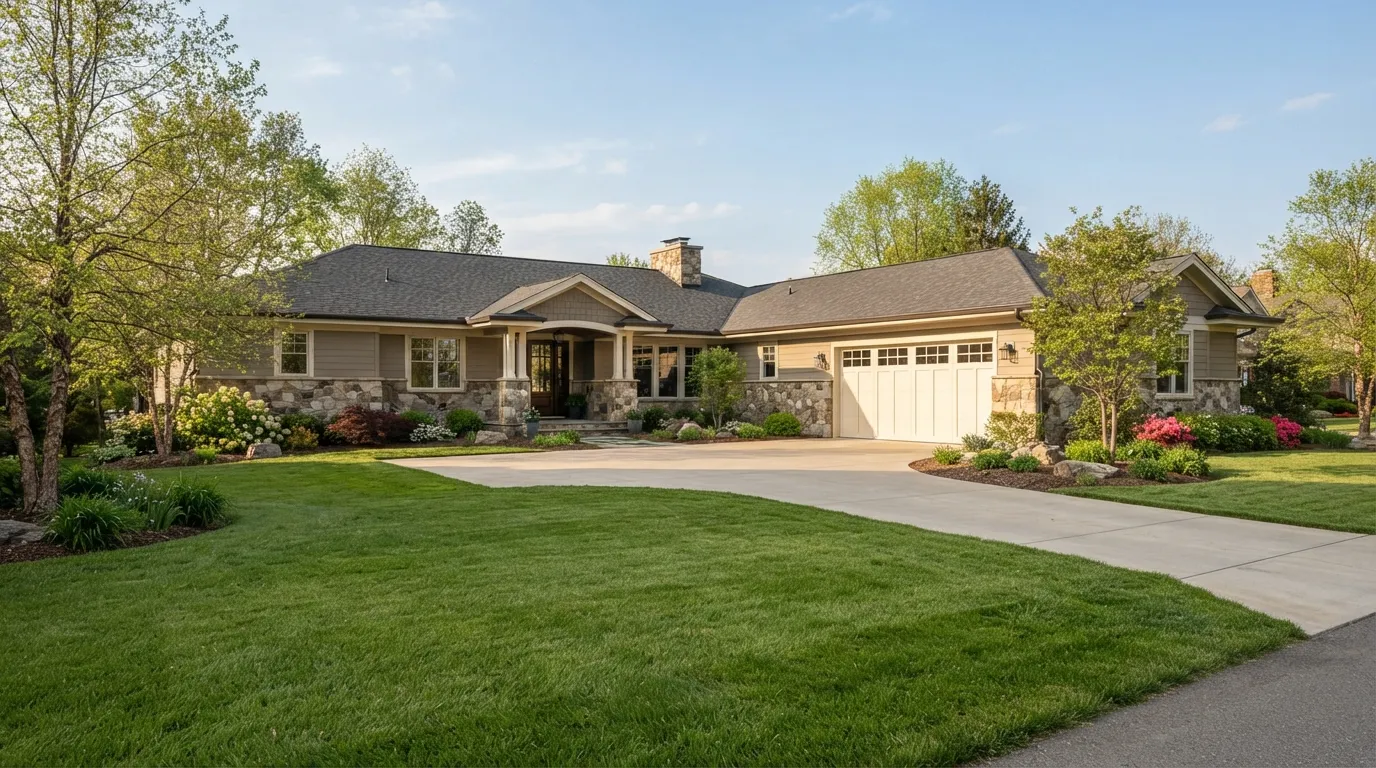
The reason new-door calls in Parker look different from calls in an older part of the county comes down to when the houses were built. With a median build year of 2005, most garage doors here are original builder-grade units now fifteen to twenty years old - old enough for the opener motor to be wearing out, the steel to have picked up dents, or the insulation to have degraded, but not old enough that the house itself needs structural work to accept a new door.
Parker's median household income, $216,179, also shapes what people ask for. We see more requests here for insulated steel doors and quieter belt-drive openers than for the cheapest single-layer option, which tracks with what homeowners in this income range typically choose when they're replacing rather than patching.
Climate plays a smaller but real role too - this part of North Texas sits in a mild band with occasional freeze, so we're not designing around heavy snow load, but we do make sure weatherstripping and bottom seals are rated for the swing between a warm afternoon and a cold front overnight. None of that requires exotic hardware. It just means the door and opener we install need to match a house that was framed correctly the first time, not one we're working around.