How We Fix It
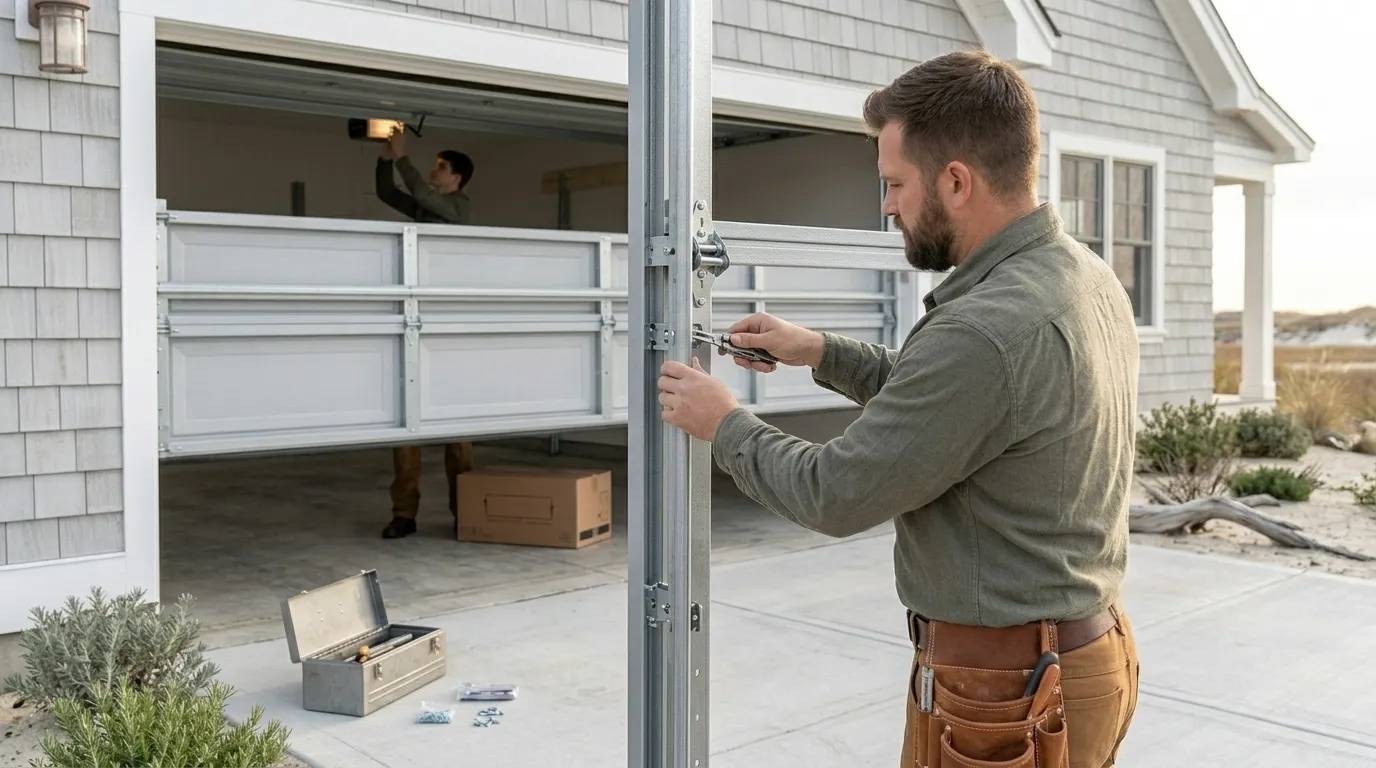
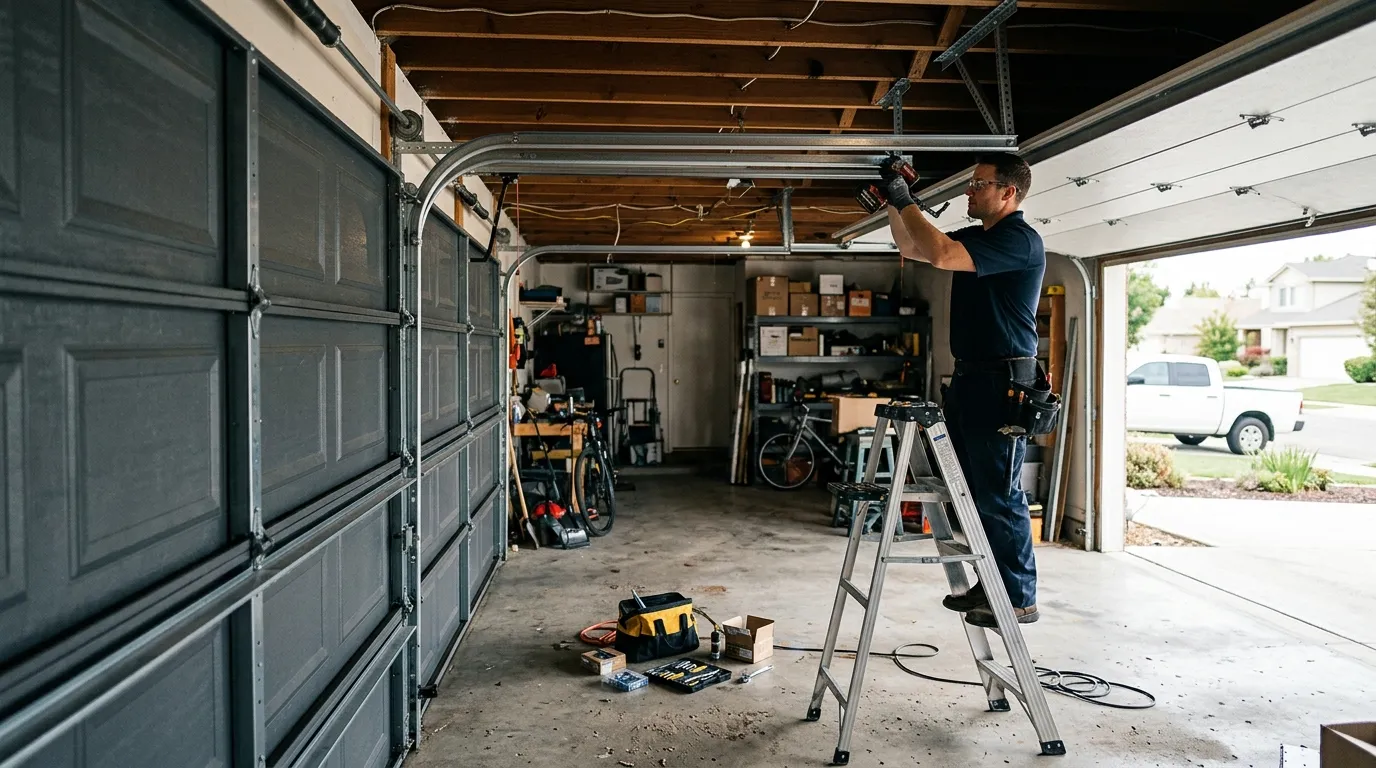
Parker sits about 15 miles from our shop in Rockwall, and the drive matters less than what we find once we're in the driveway. Across the wider service area, houses run from 1971 clear through 2013, with 2002 as the midpoint - but Parker itself centers later, around 2005. That later build year means most of what we open up here is a builder-grade steel door on a standard extension or torsion spring setup, paired with a chain or belt-drive opener from the same era, not the older side-mounted torsion hardware you'd find on a 1970s house elsewhere in the service area.
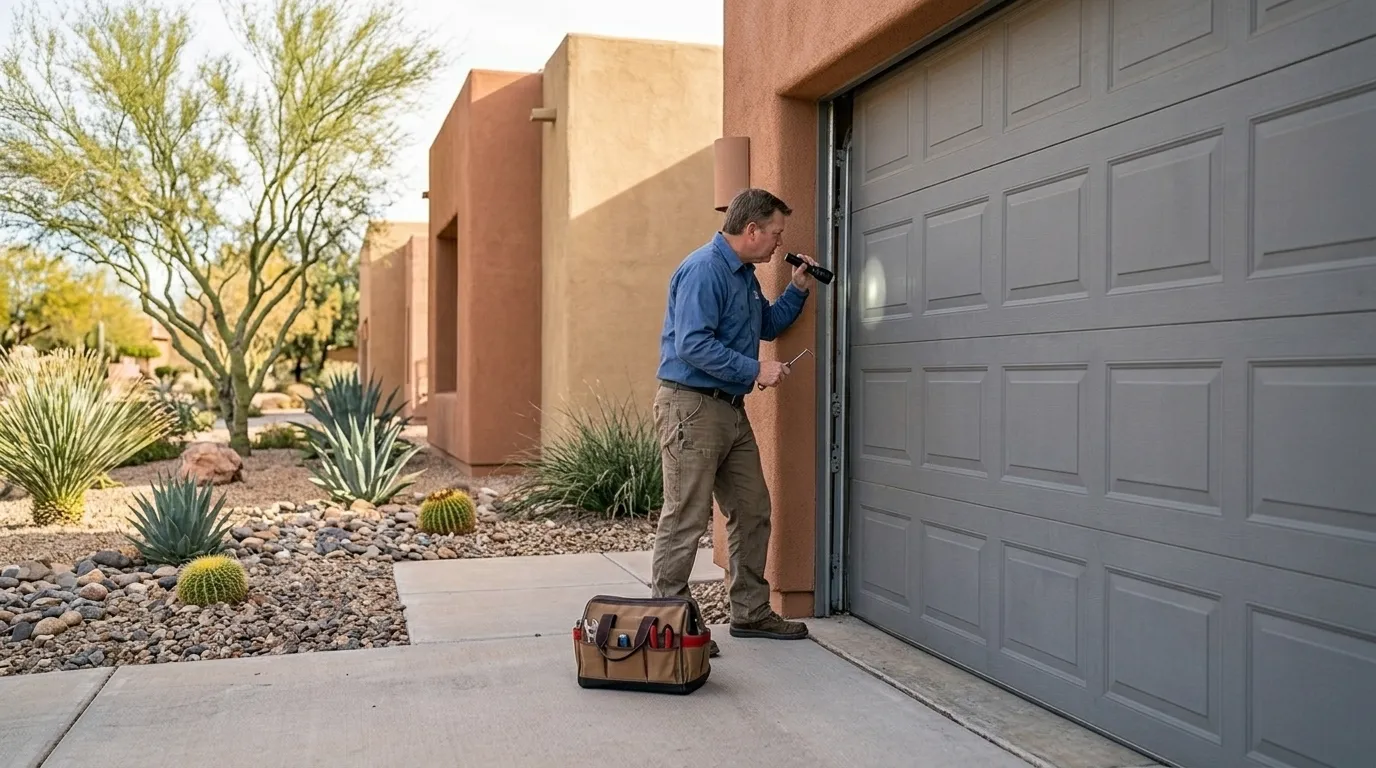
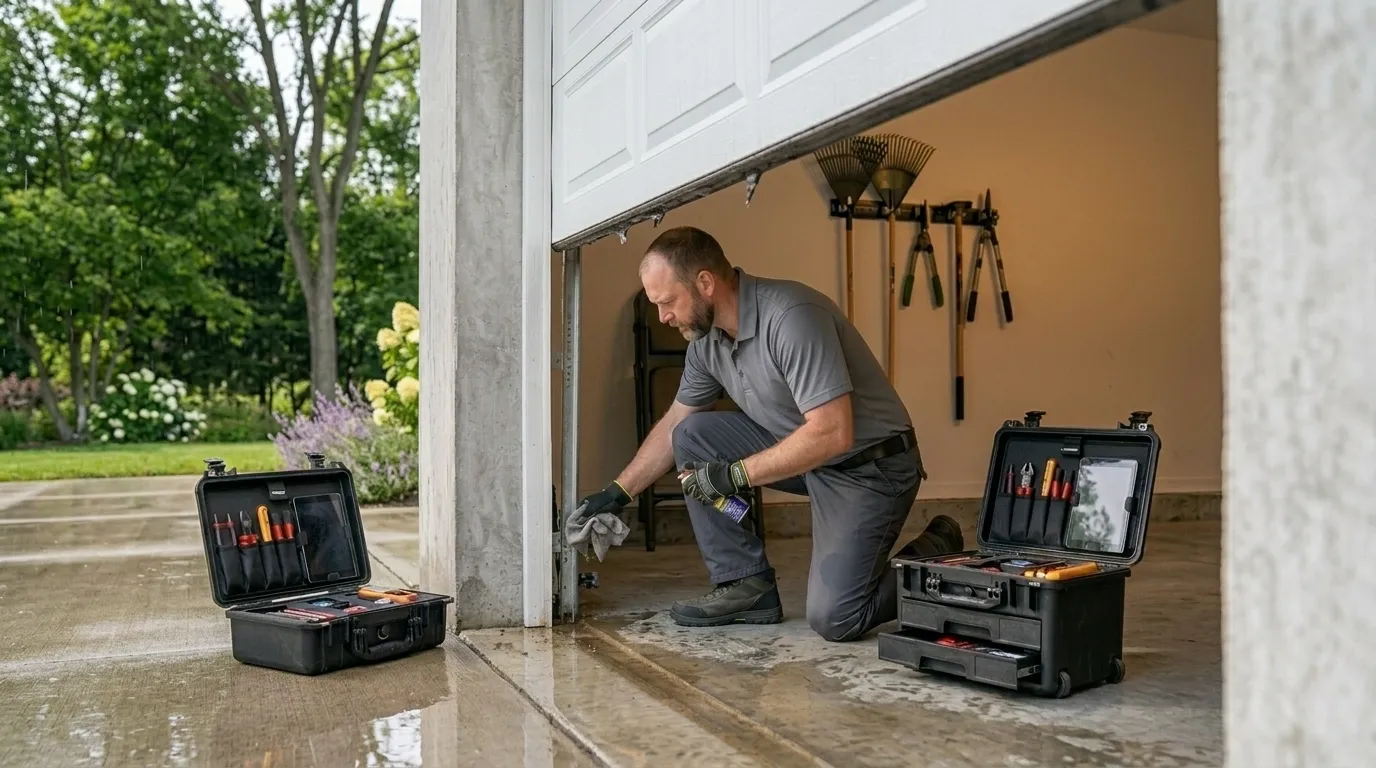
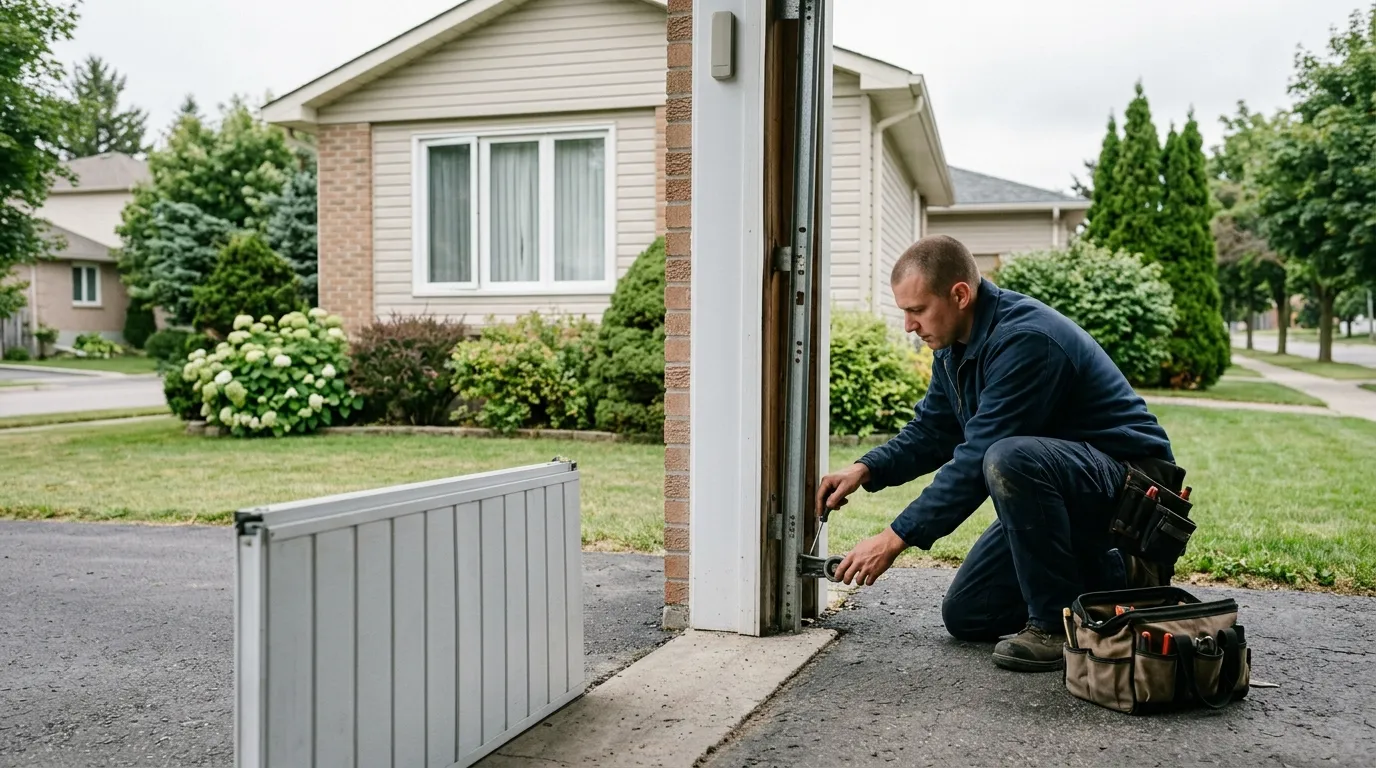
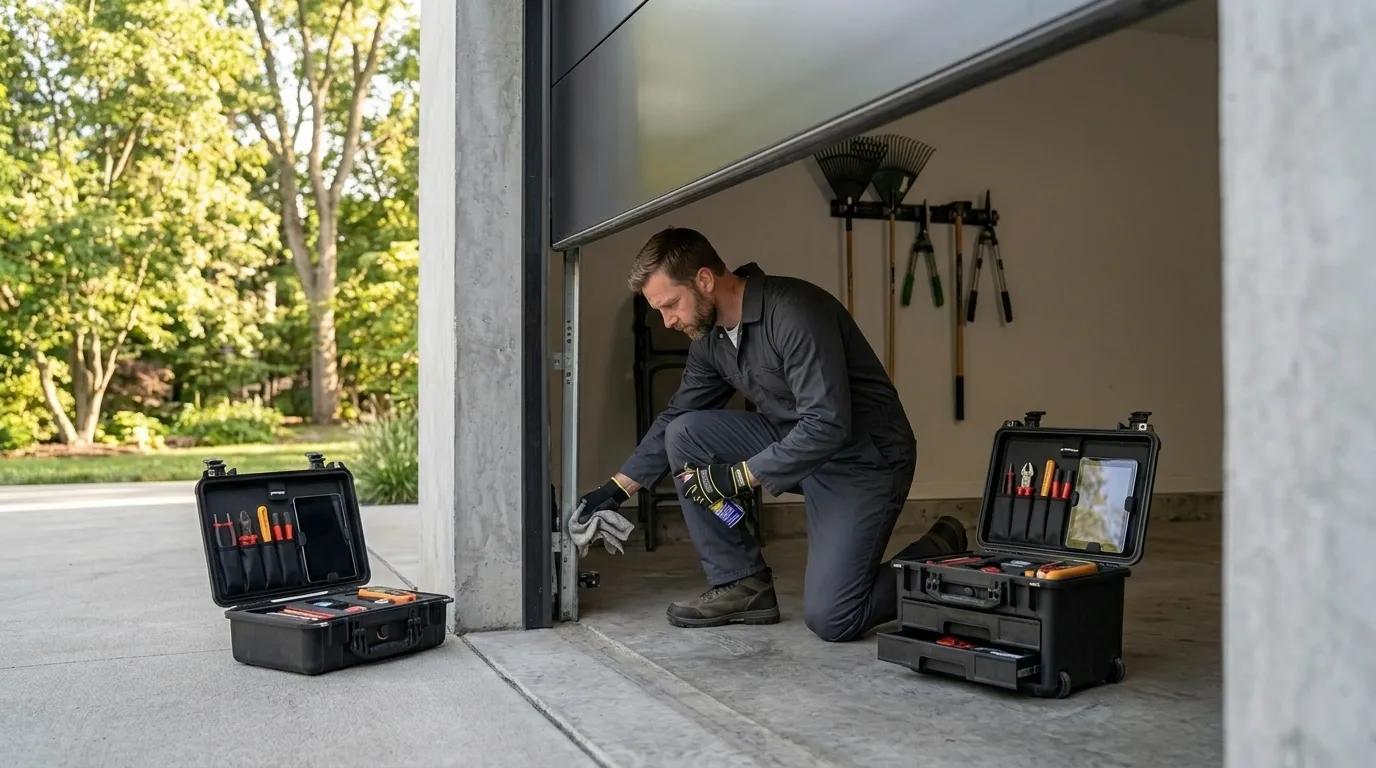
On an emergency call that usually means a broken spring, a cable off the drum, or an opener that's stripped its gear - the predictable failure points on a door that's now closing in on twenty years of daily cycles. We carry spring sets and cable in the sizes that fit this generation of door, along with rollers and standard safety sensors. What we don't stock on the truck is anything custom - a door with a non-standard track width or a discontinued opener board means a return trip once the part's ordered. We'll tell you on-site if that's the case rather than guess at a fix that won't hold.
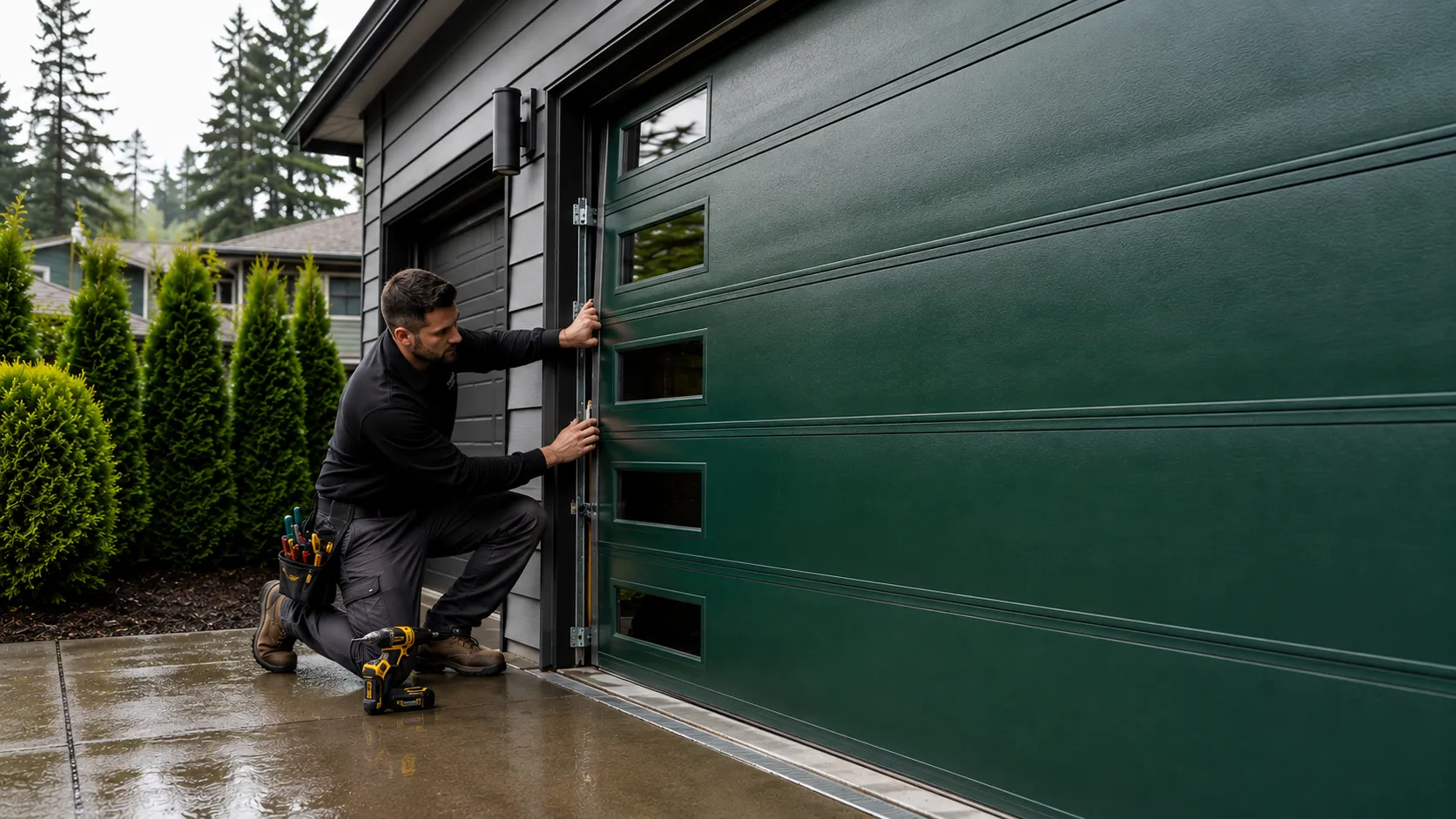
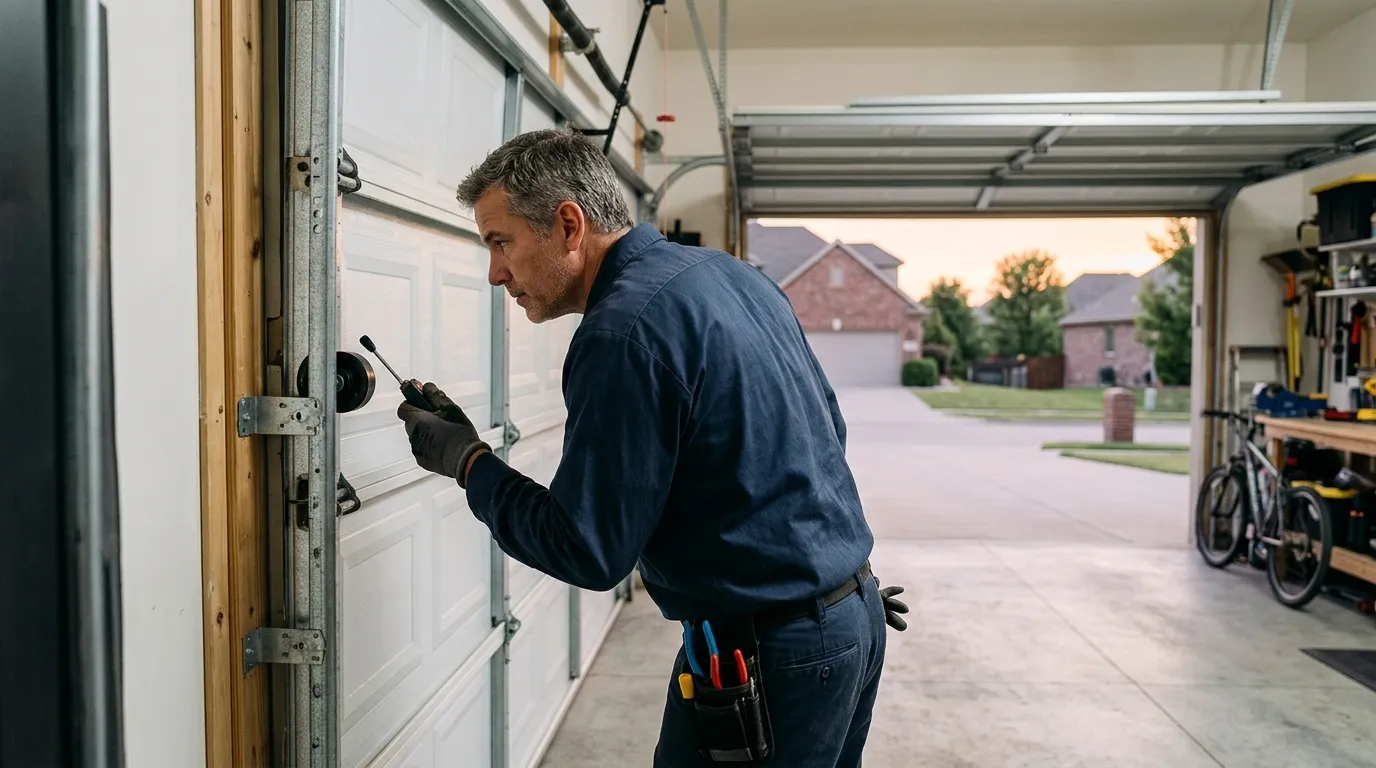
We work the door itself first: disconnect the opener, get the spring or cable safe, confirm the track and drums aren't bent. Then we deal with the opener if it's part of the problem. One system, one visit where the parts allow it.
The DIY Question
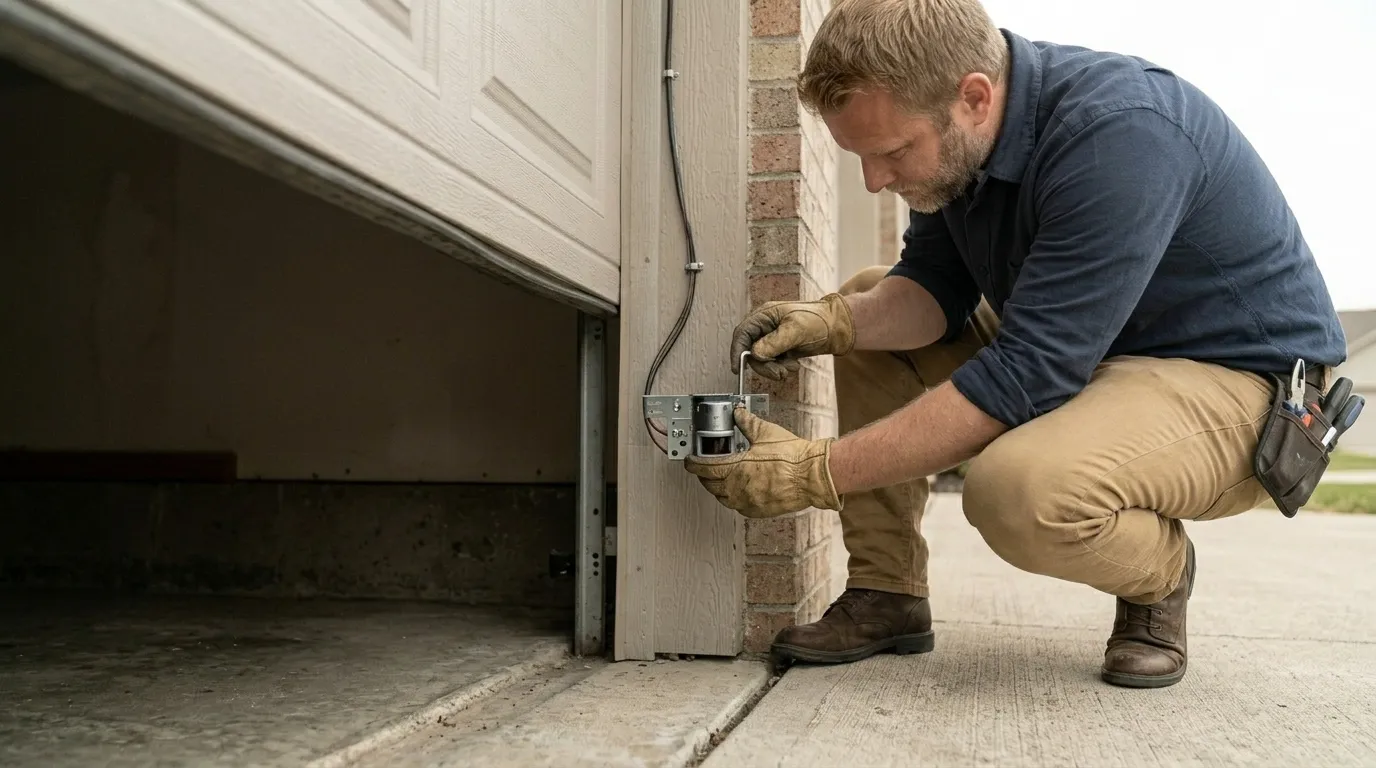
A torsion spring under load can break a hand or worse - that's not local color, it's physics, and it's true whether the door is in Parker or anywhere else. We're not going to talk anyone out of tightening a loose bolt or clearing a track of debris. Where we draw the line is spring tension, cable replacement, and anything involving the torsion bar itself. If your Parker door was installed new around the mid-2000s build wave common to this area, the spring is likely original or one replacement in, and either way it's carrying the full weight of a builder-grade steel door with no slack in the system.
The honest limitation: if you call us for something that turns out to be a five-minute fix - a sensor knocked out of alignment, a remote battery - we'll tell you that on the phone if we can, rather than run the meter on a truck roll for it. We'd rather lose that call than pad it.
Why It Happens Here
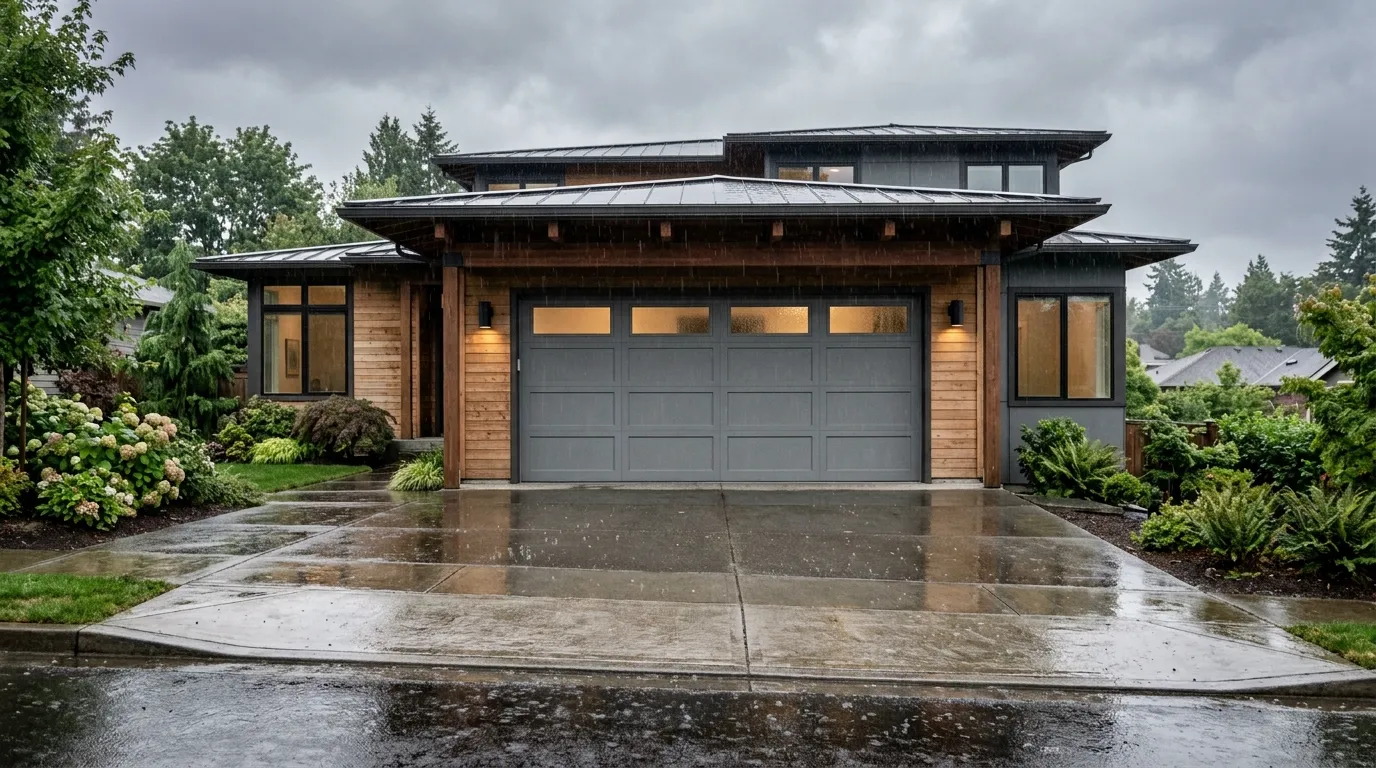
The service area sits in a mild climate with occasional freeze, and Parker doesn't get a different weather pattern than its neighbors - what's different is the housing age doing the work under that weather. A door and spring set installed new in 2005 has now logged close to two decades of temperature swings between summer heat and the occasional hard freeze night, and steel fatigues on a cycle count, not a calendar. That's the mechanism behind most of the emergency calls we get from this side of the service area: springs reaching the end of their rated cycles right around the same years, because so many doors here went in within a few years of each other.
Parker's median household income, at $216,179, runs well above the $124,500 median across the wider service area - which shows up less in what breaks and more in what people choose to do about it. We see more full opener upgrades here alongside a spring fix, rather than a bare-minimum repair, because the budget for it is there. The failure itself, though, is mechanical and doesn't care about the number on the pay stub.