How We Fix It
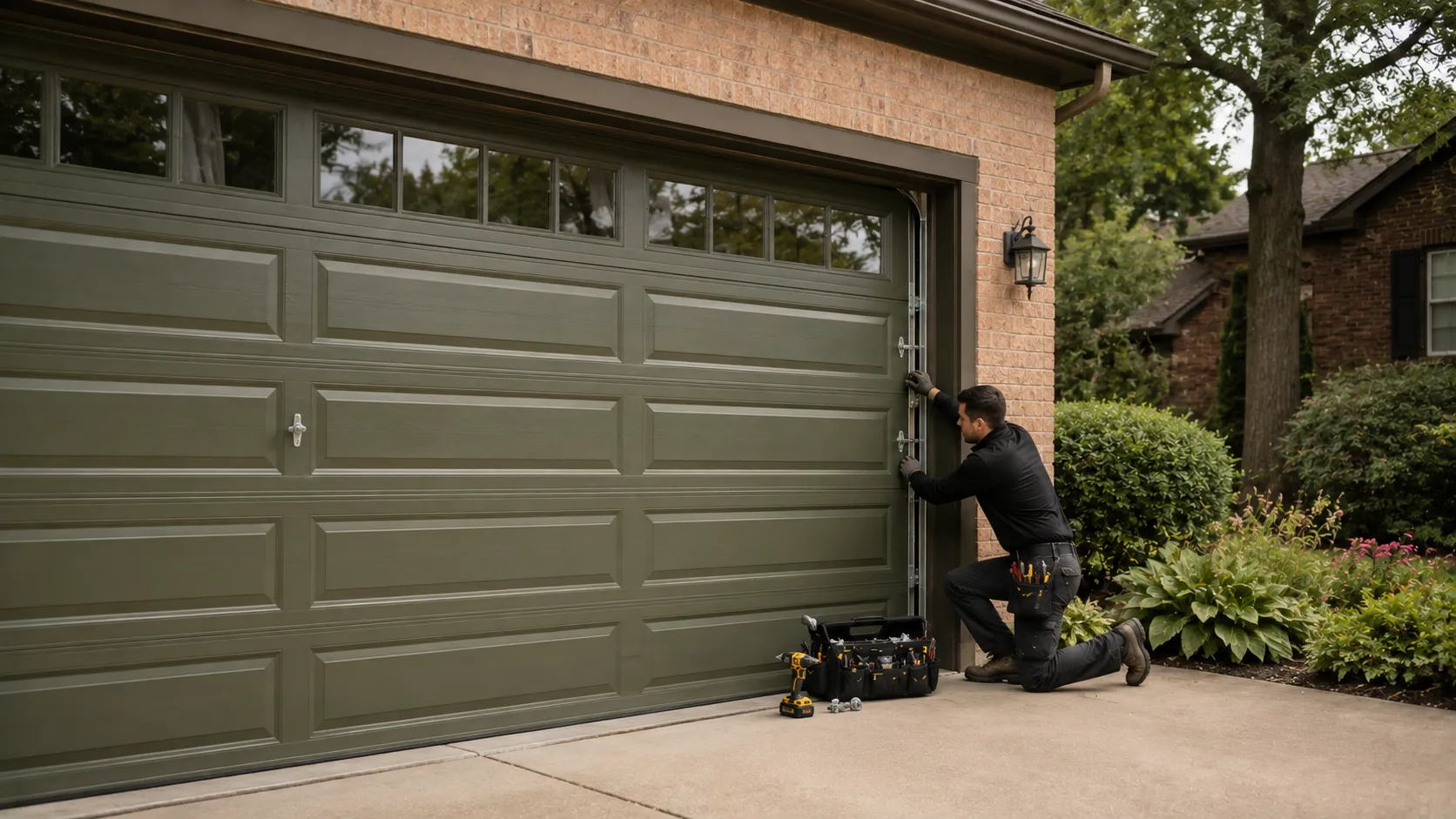
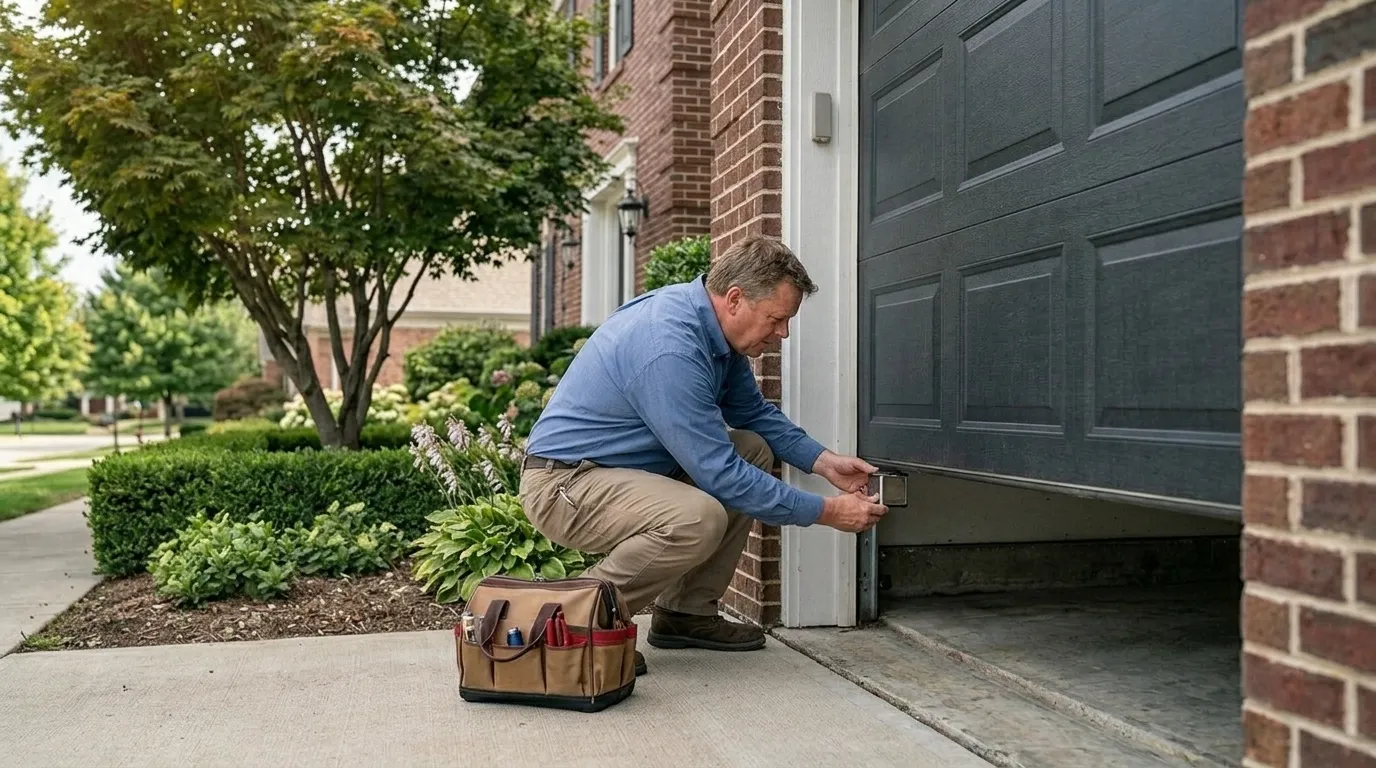
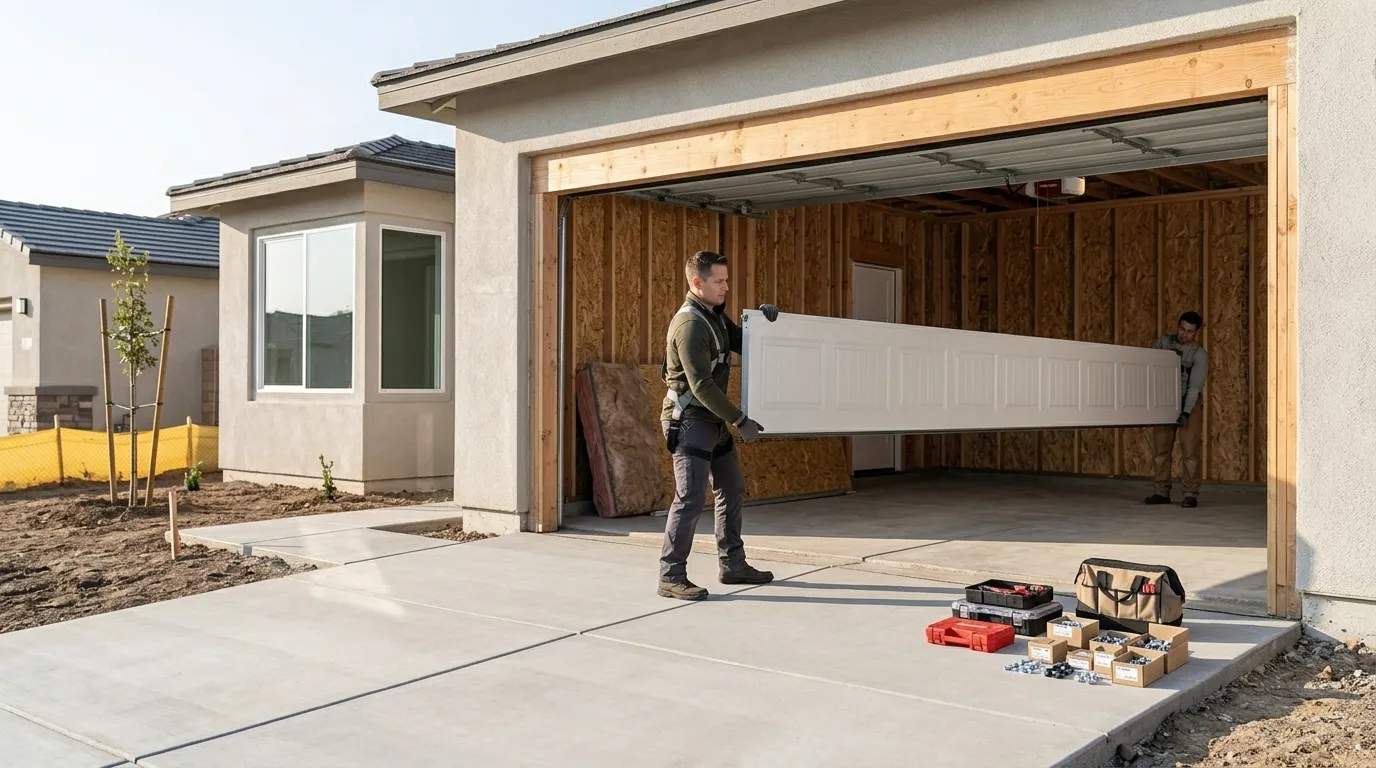
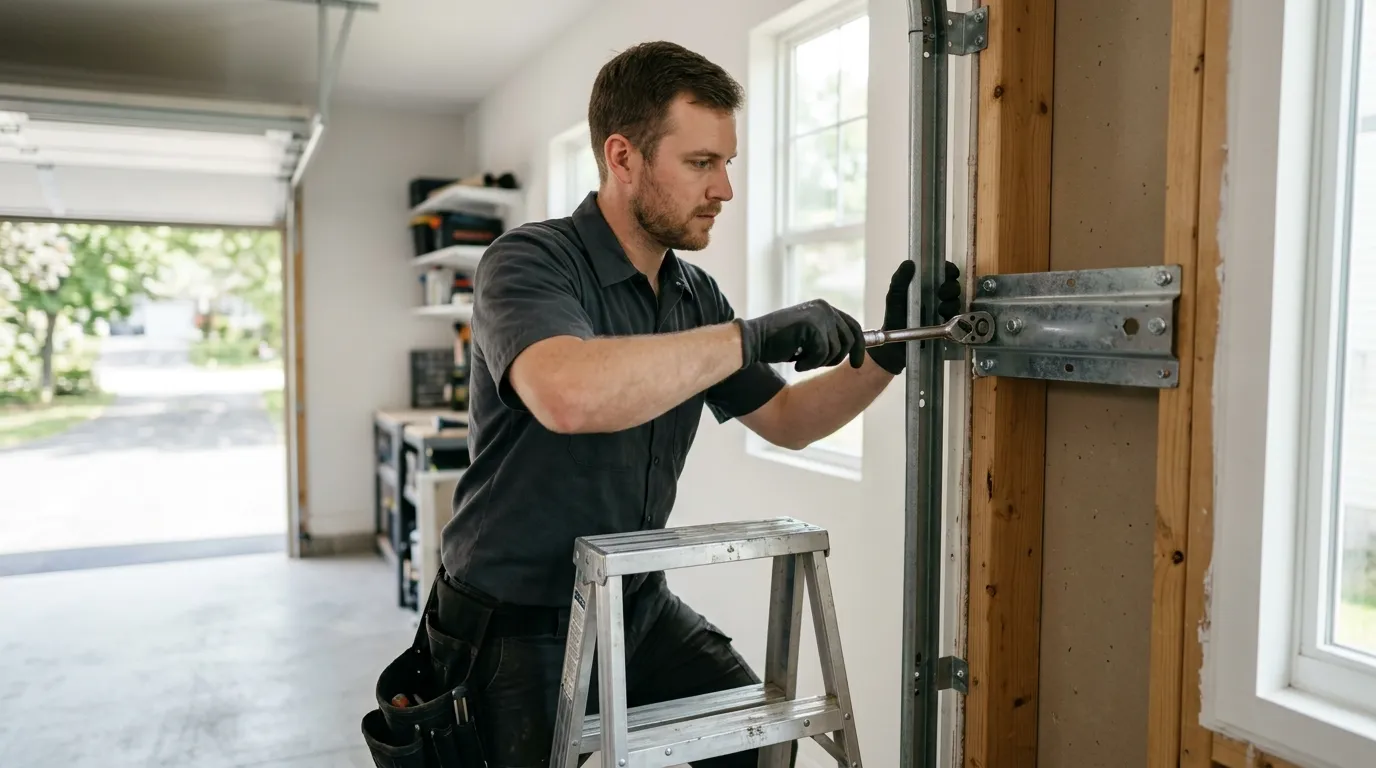
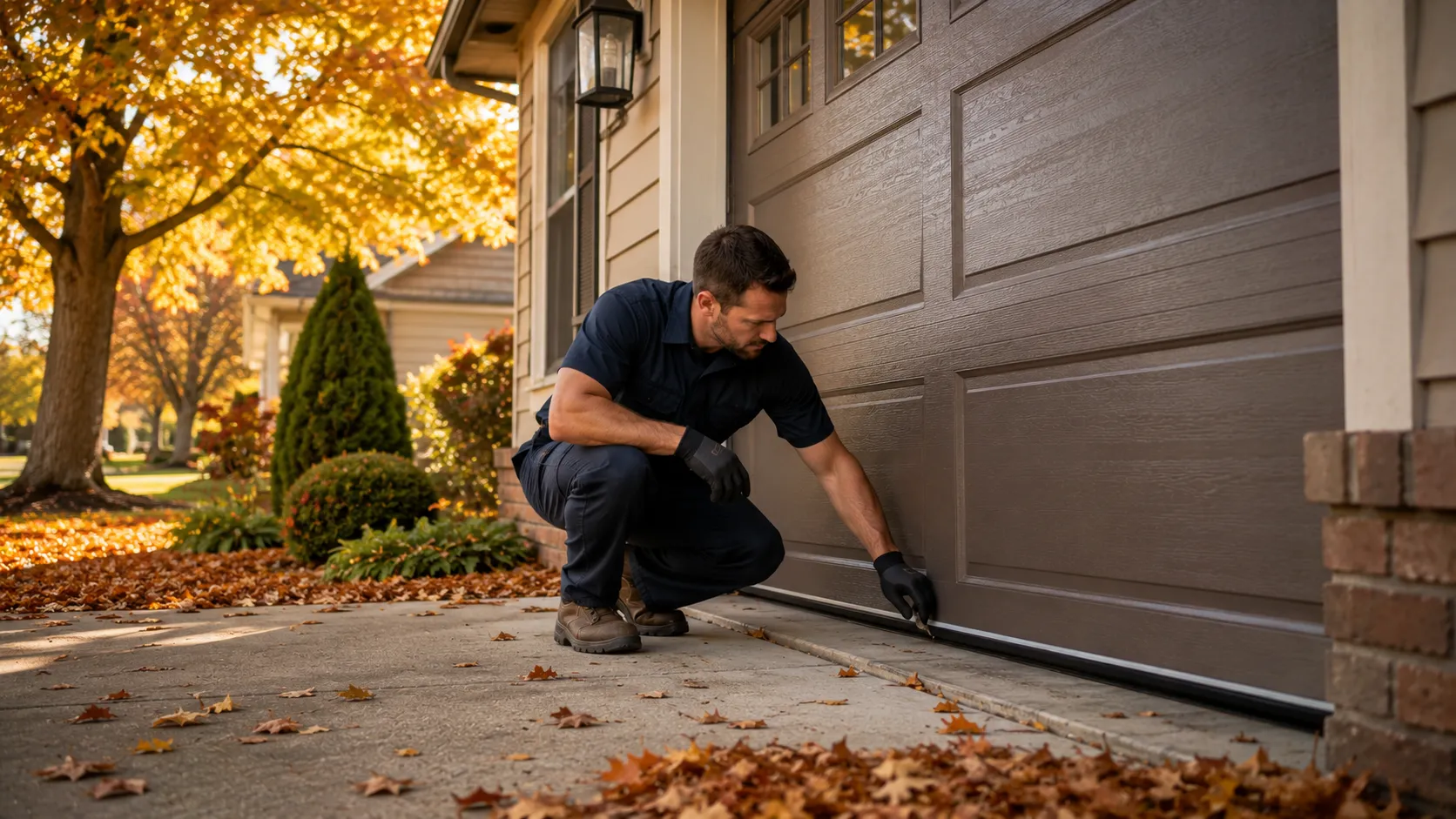
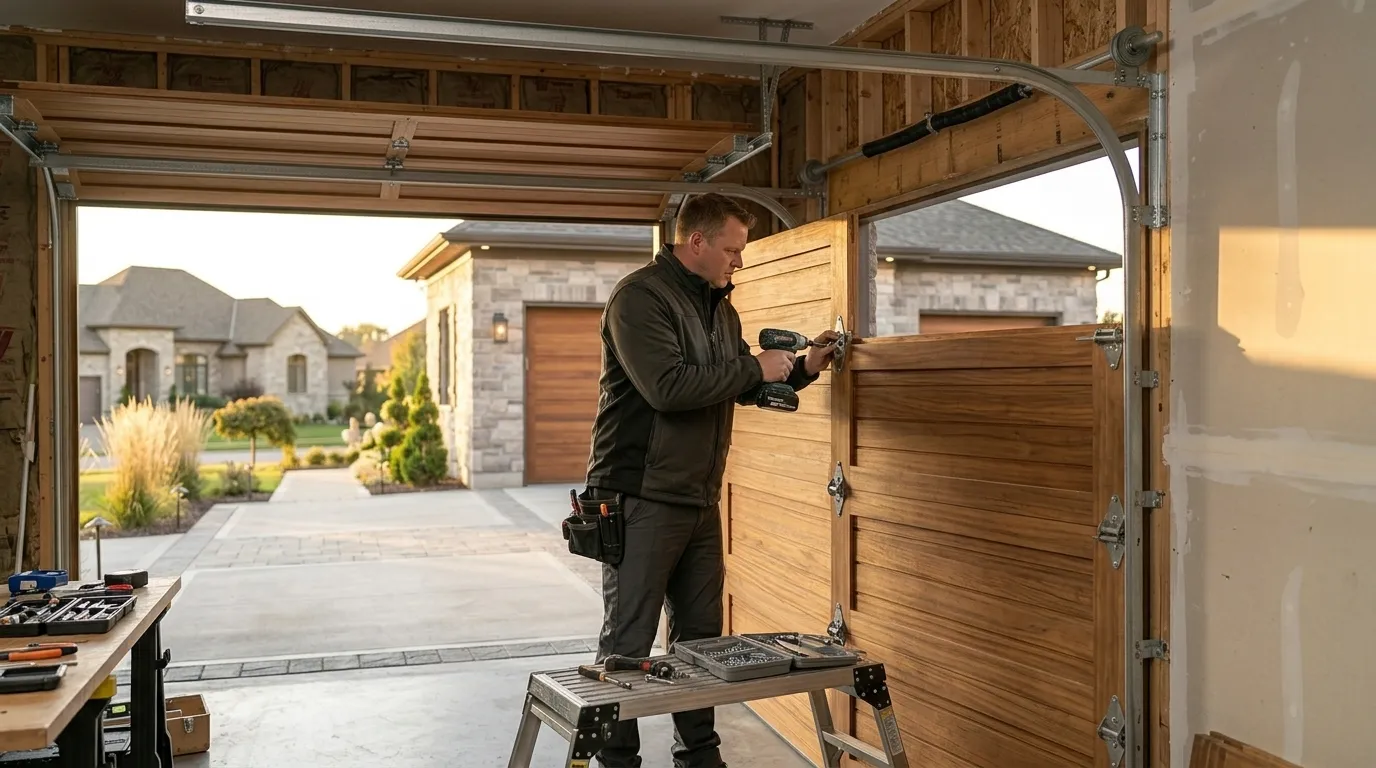
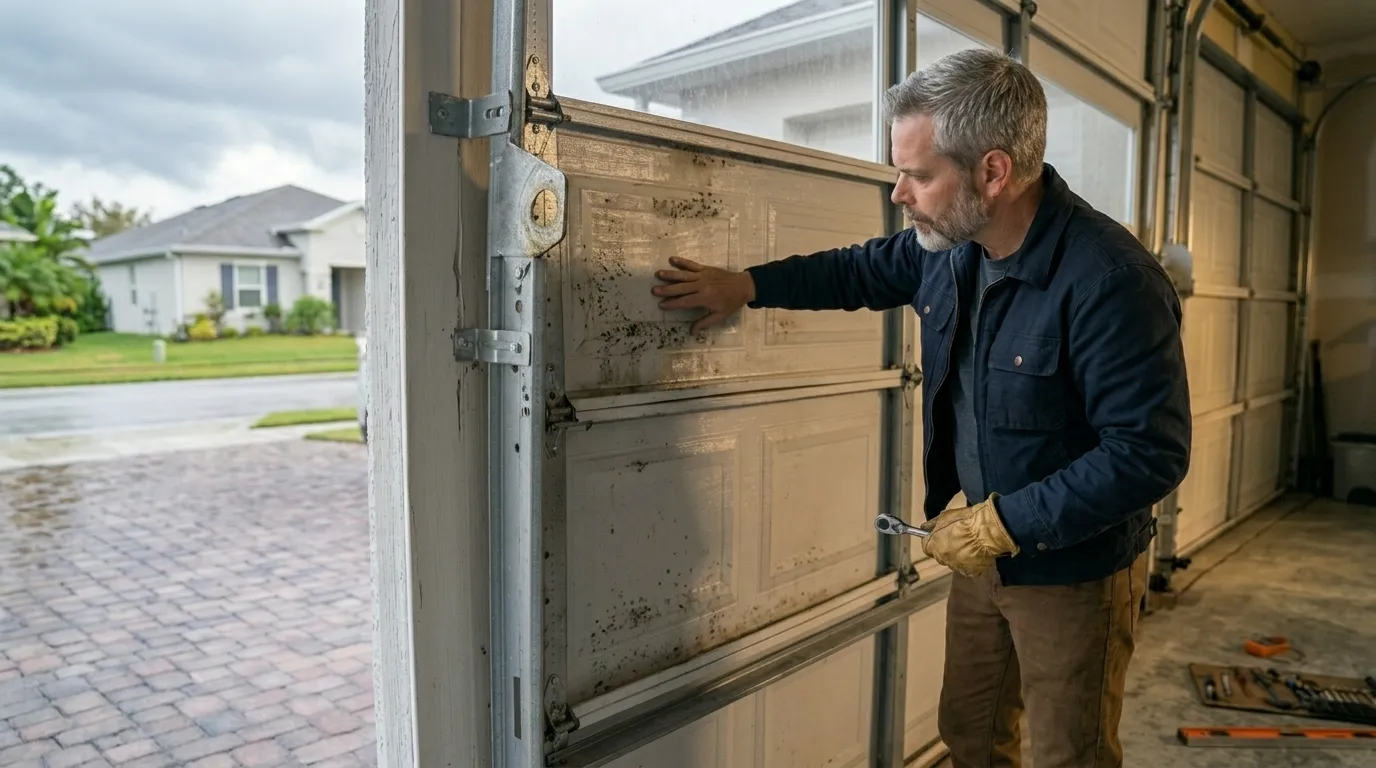
The doors we see most in Parker went in around 2005, when the neighborhood was built out. That means the original opener and the original torsion spring on a lot of these doors are closing in on twenty years of cycles, and that's exactly the age where things start to fail without warning instead of with warning. A tune-up call covers the same ground every time: we check spring tension and look for the flat spots or gap-widening that tell us a spring is near the end of its life, we check the cables for fraying, we lube the rollers and hinges, and we check the opener's force settings, since a motor that's been quietly straining for a year will burn out the gears before it trips a breaker. On a door with the original hardware, we're also checking that the drums and bearing plate haven't worn oval, which is common once a torsion spring nears its cycle limit. We tighten what's loose and tell you straight if something's close to done rather than waiting for it to fail on you.
The DIY Question
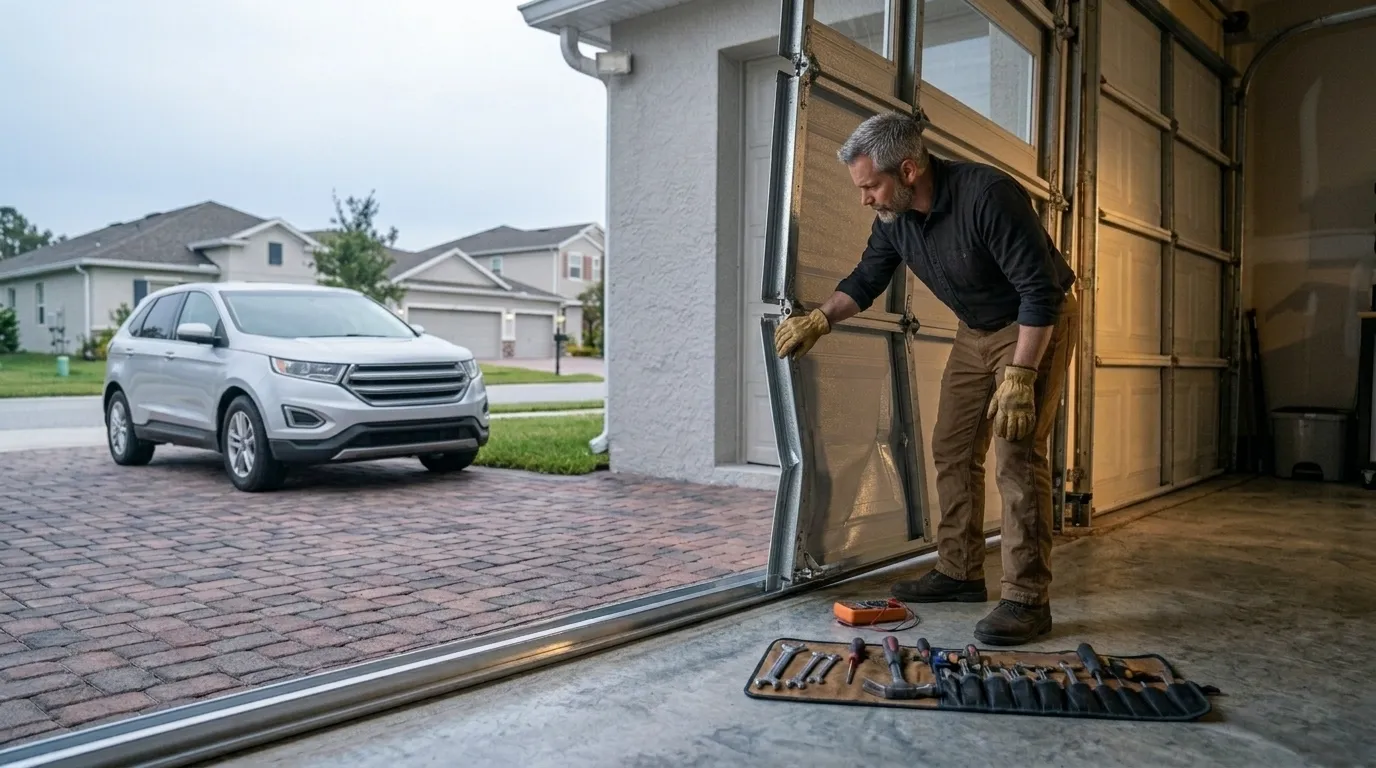
There's real DIY territory here: wiping down tracks, checking that the photo-eye sensors are aligned and clean, tightening visible bolts, and testing the auto-reverse by setting a piece of wood in the door's path. Do that much and you'll catch a lot of small problems early. What we don't recommend homeowners touch is the torsion spring itself. On a door original to a 2005 build, that spring is under enough stored tension to cause a serious injury if it lets go while you're working on it, and it's the single most common cause of an ER trip tied to garage doors. If your spring looks original and your door is pushing twenty years old, that's a call, not a project.
Why It Happens Here
Parker sits about 15 miles out from Rockwall, and the housing here largely dates to the same mid-2000s wave that built out a lot of this part of the county. That gives the town a fairly uniform age of garage door hardware, which is useful for us to know before we even get to the house: we're usually looking at original torsion springs, original openers, and original rollers, all aging on the same clock. The climate here doesn't put extreme stress on a door the way a harsher region would, but the area does see occasional freezes, and cold snaps are when a spring that's already fatigued is most likely to snap, since cold steel is less forgiving under load. Combine a uniform 2005 build year with that occasional freeze exposure, and the maintenance call that matters most in Parker is the one that catches a tired spring before a 30-degree morning does.