How We Fix It
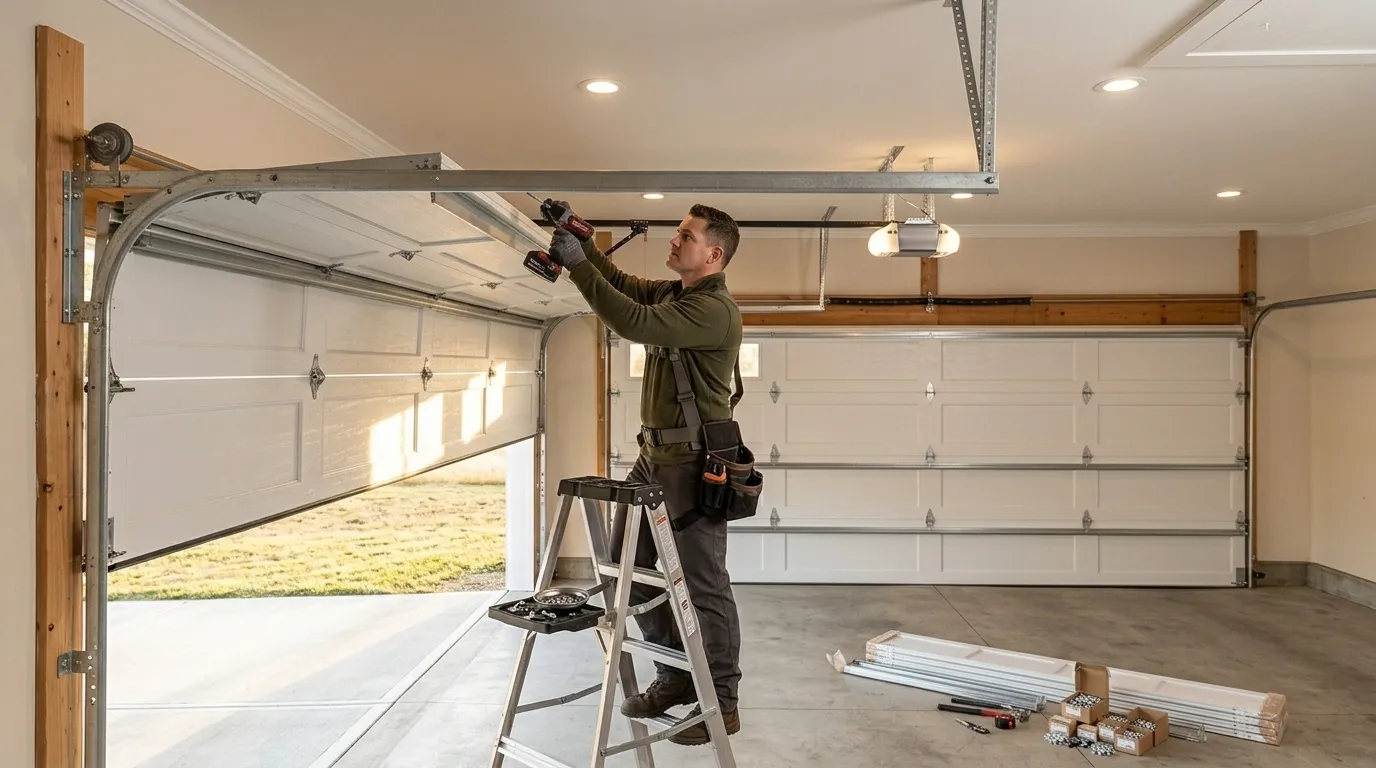
Most garage doors in Parker are steel sectional units installed when the house was built, and with a median build year around 2005, that means a lot of standard 16x7 double doors and 9x7 singles hung on openers that are now closing in on two decades of use. Those openers were commonly chain-drive or belt-drive units with a plastic drive gear inside the housing, and that gear is usually the first thing to go. When it strips, the motor still runs but the door doesn't move, or it moves in fits.
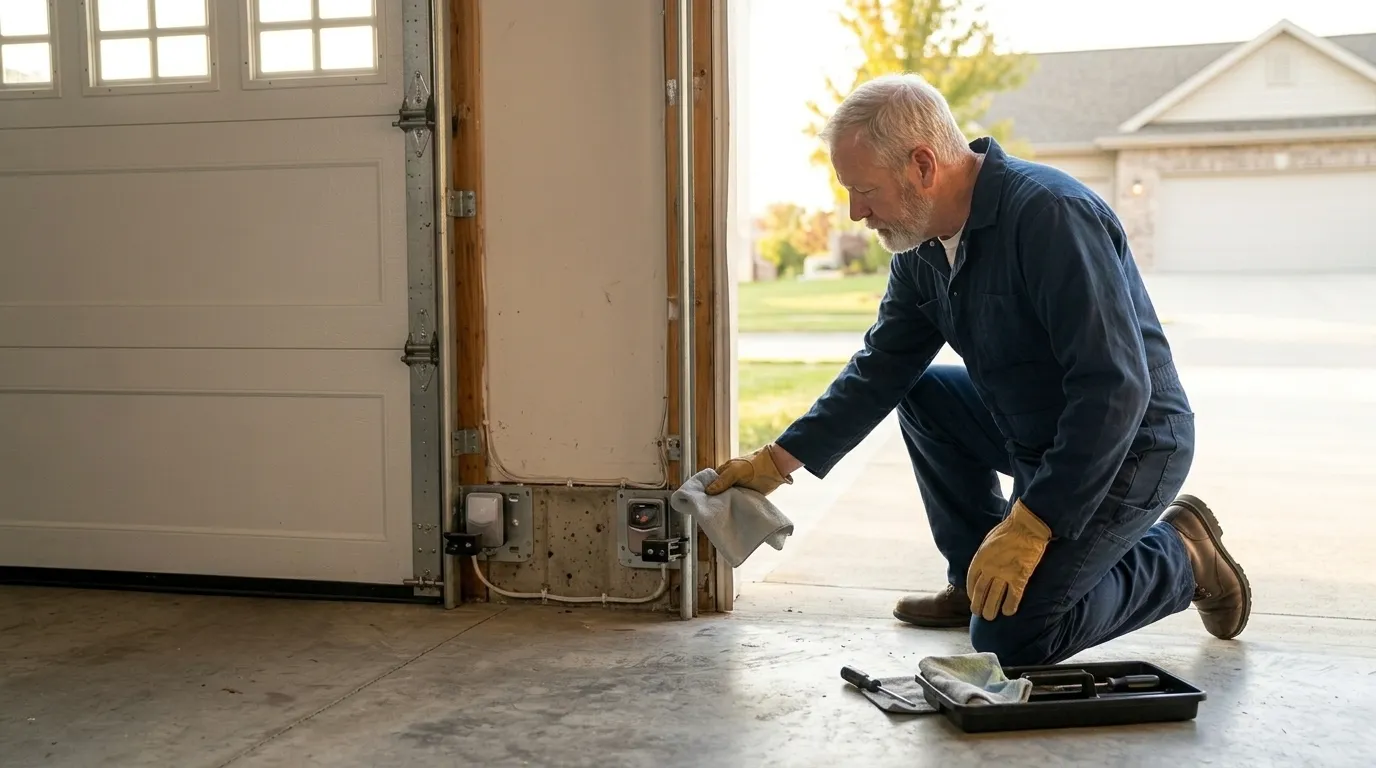
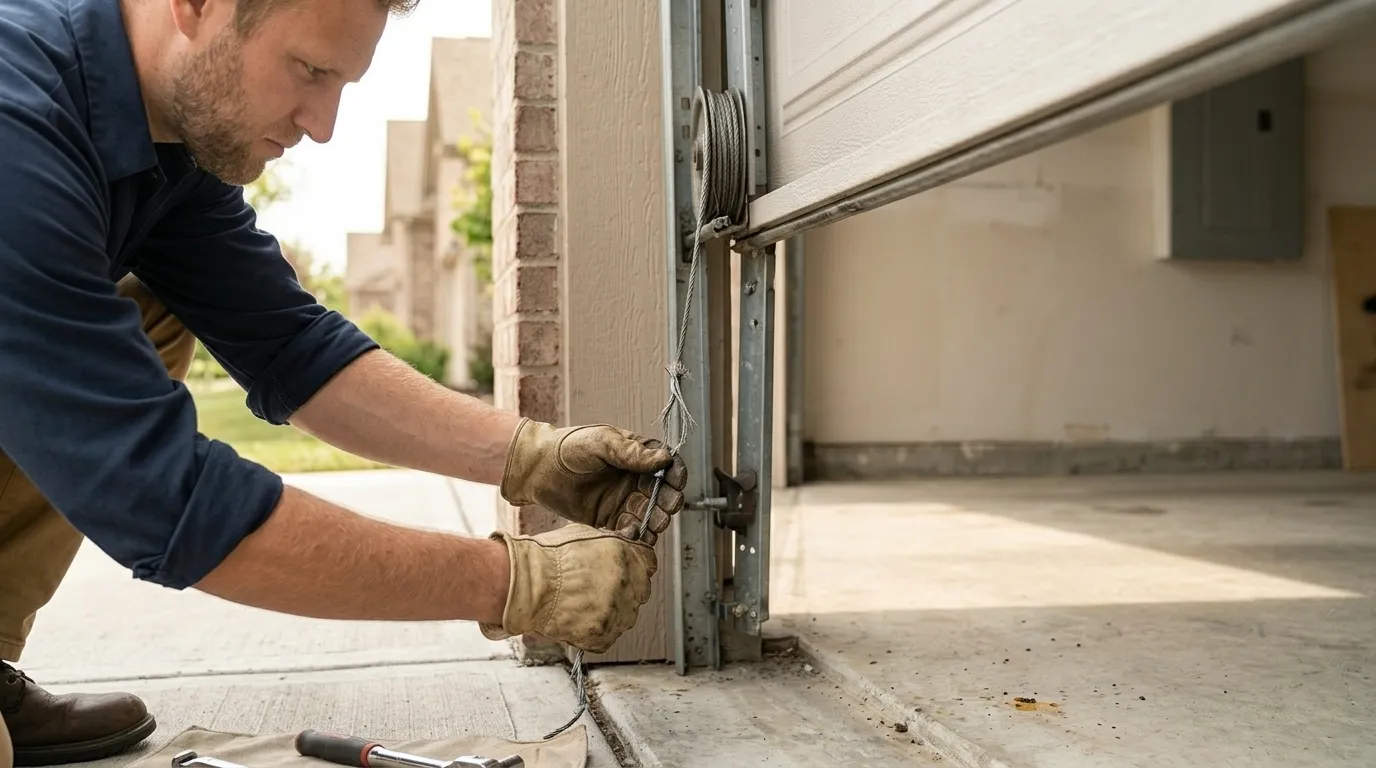
We check the drive gear first on any call like this, then move to the logic board and the safety sensors mounted near the floor on each track. Circuit boards from that era use capacitors that dry out with age, and a board that's failing intermittently is different from one that's dead - it usually shows up as a door that works fine some days and not others. We also test the sensors themselves, since a knocked-out-of-alignment sensor eye reads as a bad opener to most homeowners but costs a fraction of a new unit to fix.
We carry common gear kits and sensor pairs on the truck. Logic boards for less common opener brands sometimes have to be ordered, and we'll tell you that up front rather than promise a same-visit fix we can't back.
The DIY Question
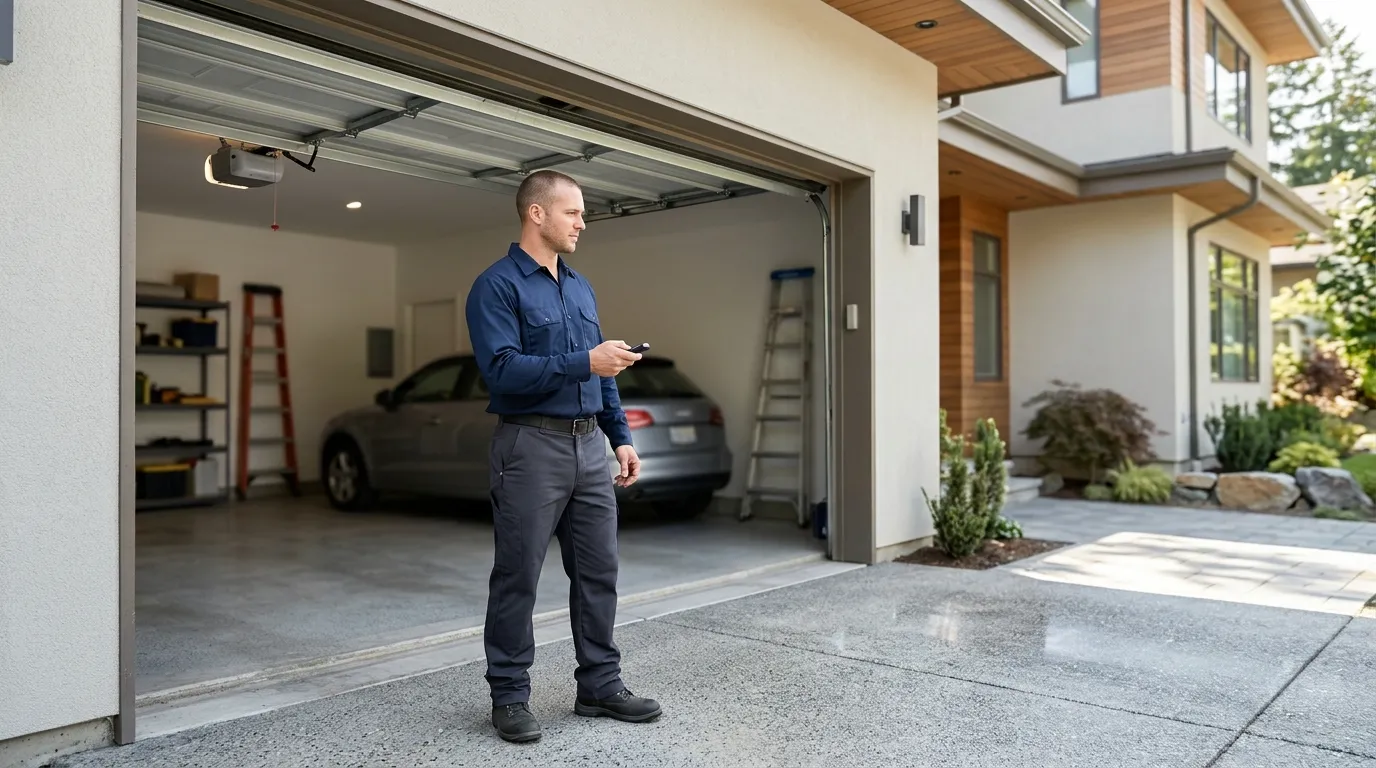
If your opener clicks but the door doesn't move, check the drive gear before you call anyone - it's a known failure point on units this age and sometimes visible without opening the housing fully. If the door moves partway and reverses, that's almost always the safety sensors, and realigning them is something a lot of homeowners can do themselves with a level and a few minutes.
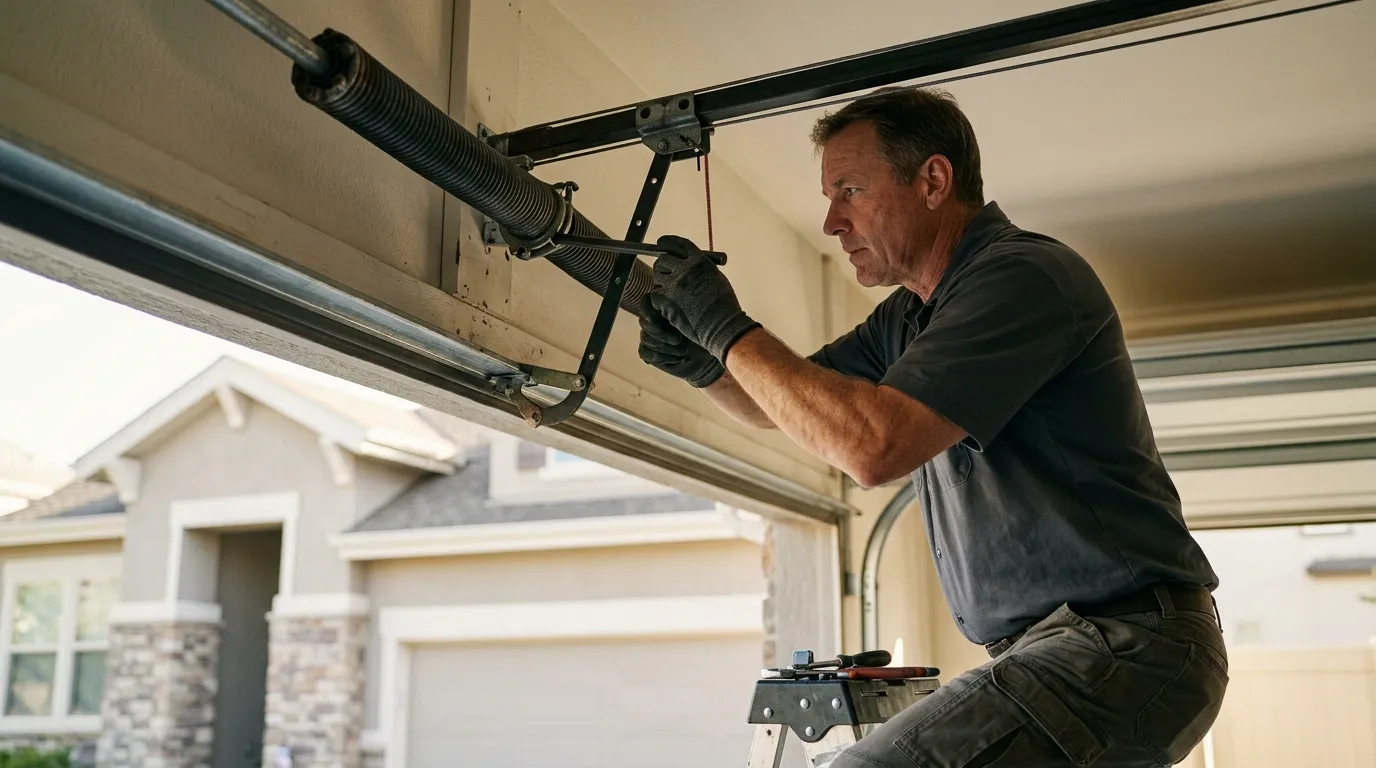
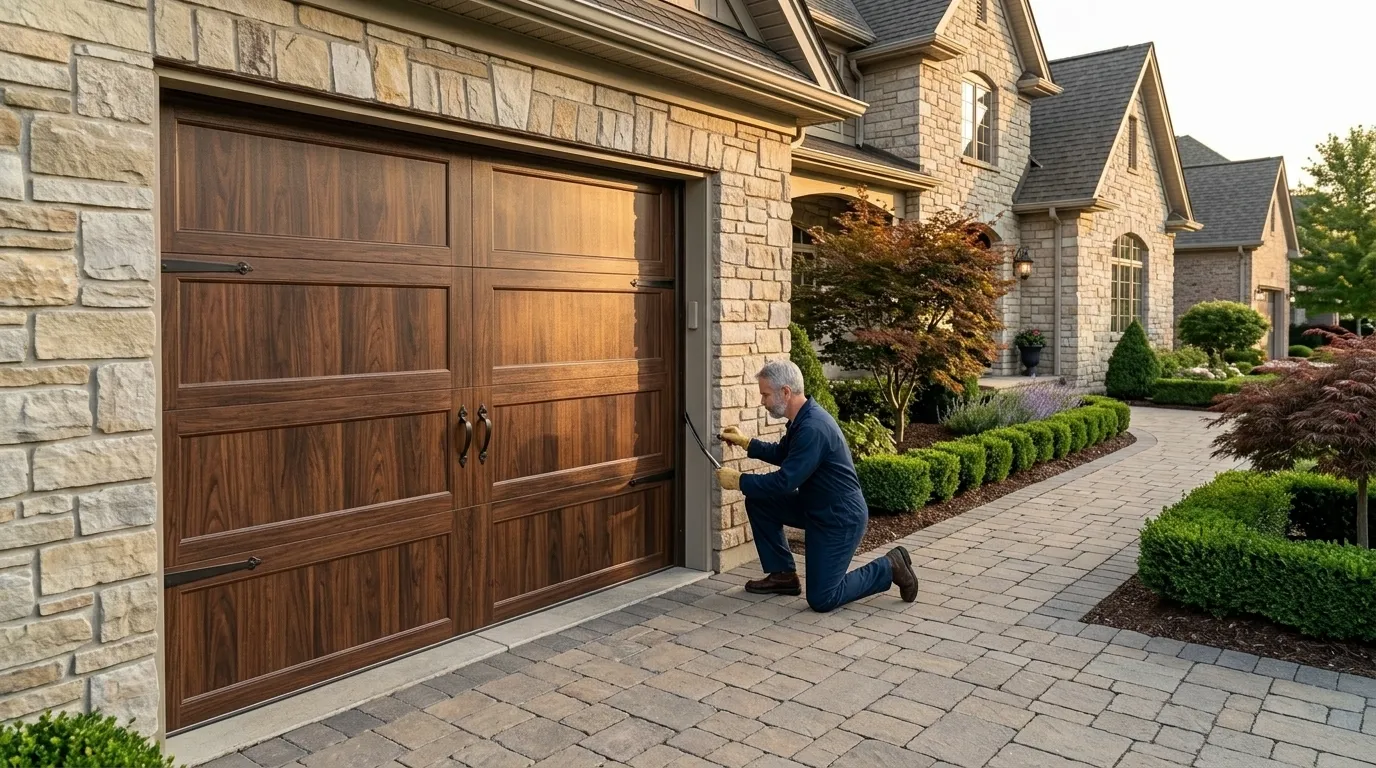
What we don't recommend doing yourself: opening the opener housing to replace a logic board, or working near the torsion spring while troubleshooting an opener issue that's actually a spring issue. The two get confused often, because a door that won't lift can be either one, and pulling the wrong part apart on a door under spring tension is how people get hurt. If you're not sure which it is, that's a fair reason to call rather than guess.
We'll also say plainly: if your opener is original to a 2005-era house and the motor itself has failed, replacement is usually cheaper over time than chasing repeated repairs on a twenty-year-old unit. We'll tell you that instead of billing you for a patch that won't hold.
Why It Happens Here
Parker's housing is younger than a lot of the surrounding towns in this service area, and it's smaller - about 1,553 households, with a median income of $216,179, which tracks with the size and build quality of the doors and openers we see out here. Builders in the early-to-mid 2000s installed openers as a standard feature rather than an upgrade, which means most of Parker got its opener and its house at the same time, and that opener's clock has been running the same length as the mortgage.
Twenty years is close to the working life of a residential chain-drive opener under normal use. That's not a defect, it's just the math - gears wear, boards age, and sensors get knocked out of true by a bumped ladder or a stored bike. We see this pattern across the newer-built pockets of this service area, and Parker's stock puts it squarely in that group rather than in the older housing further out.