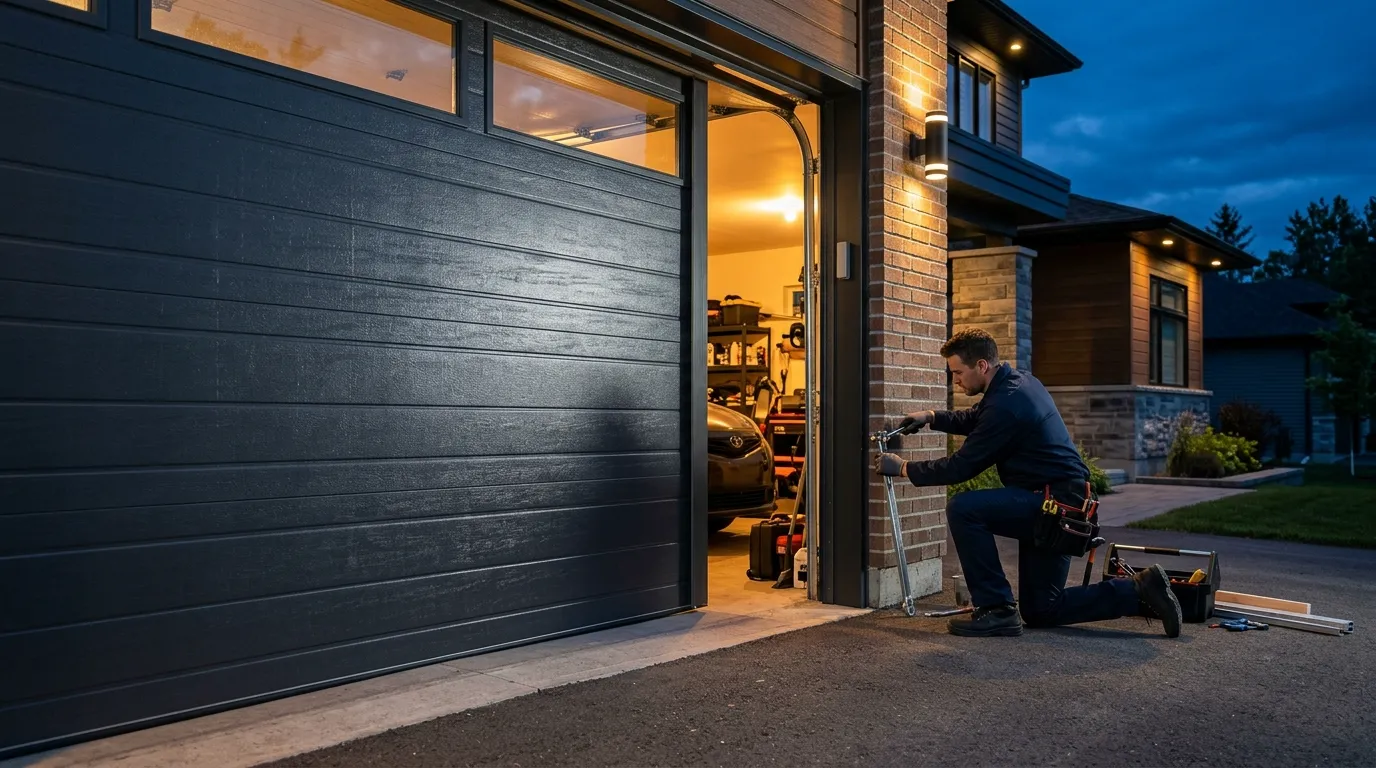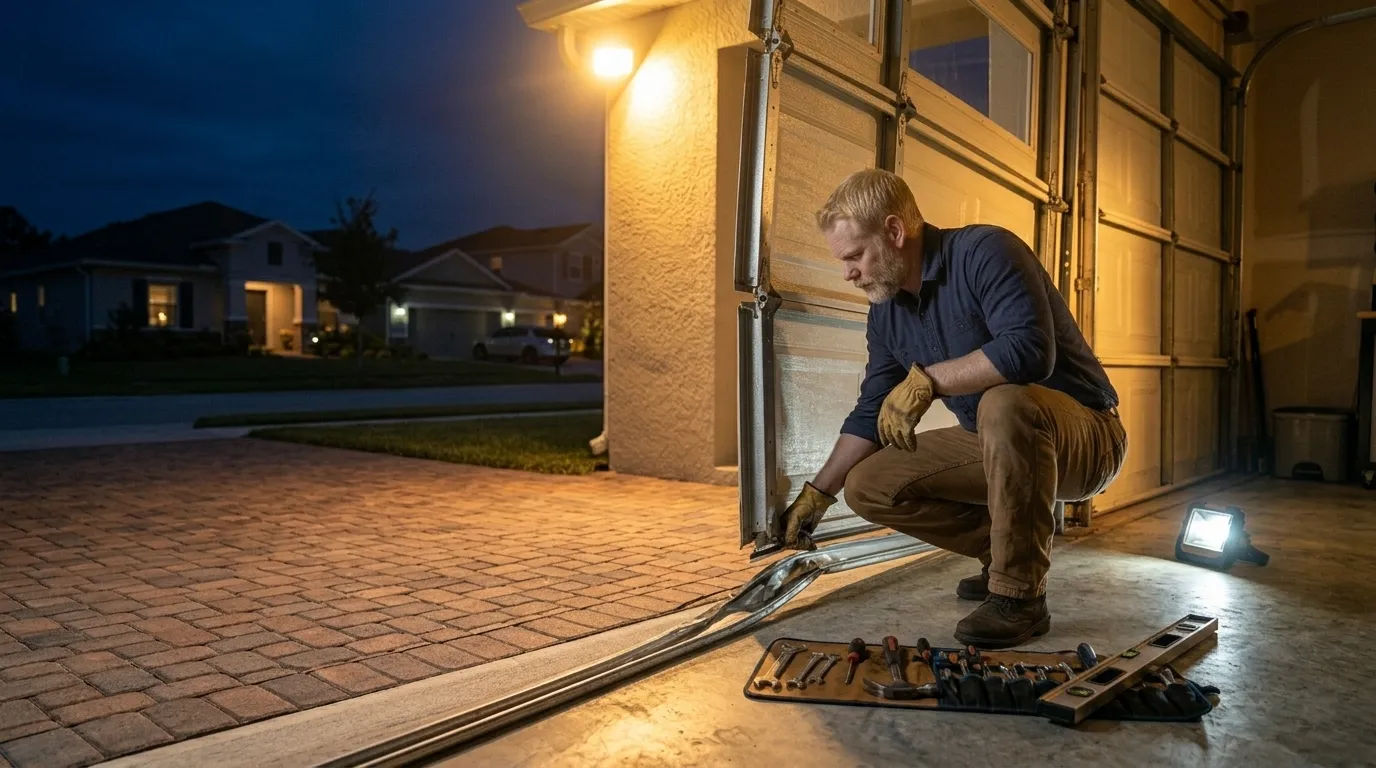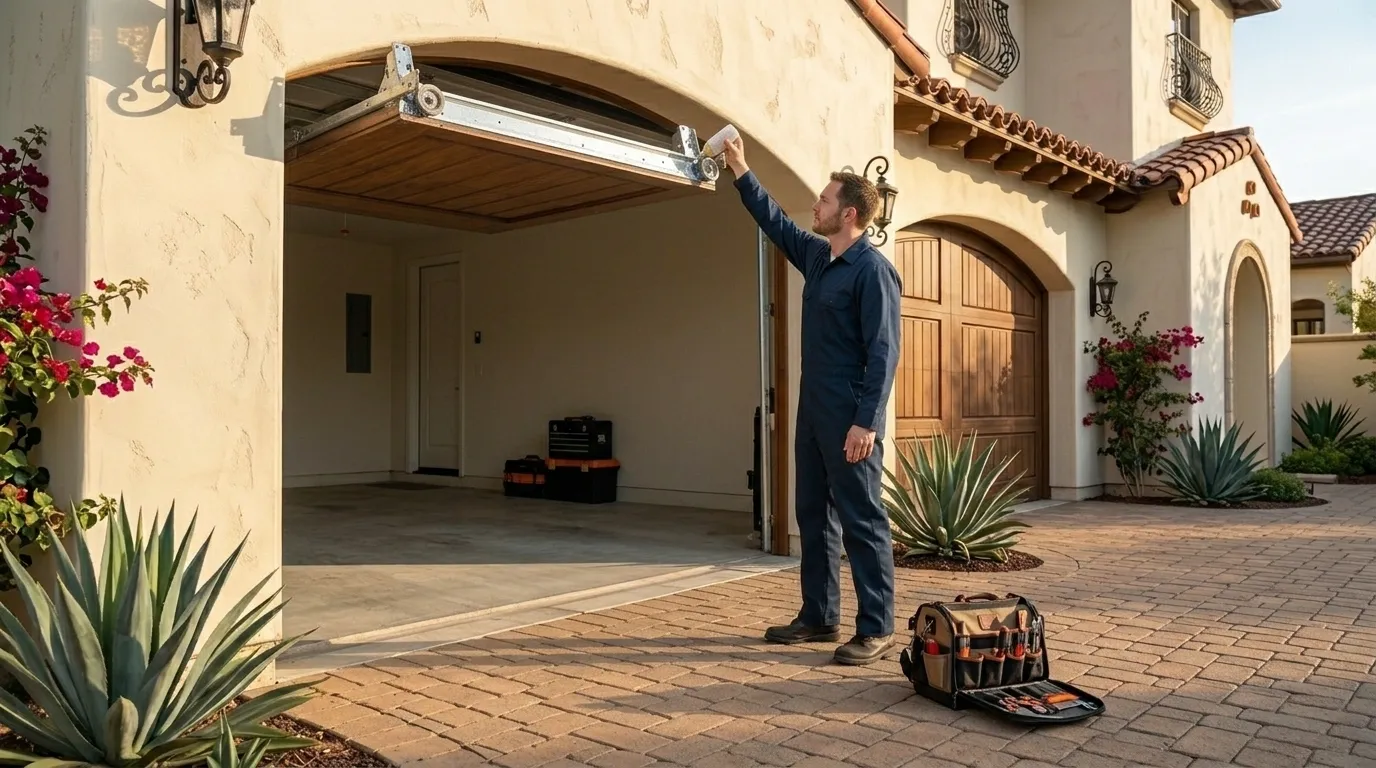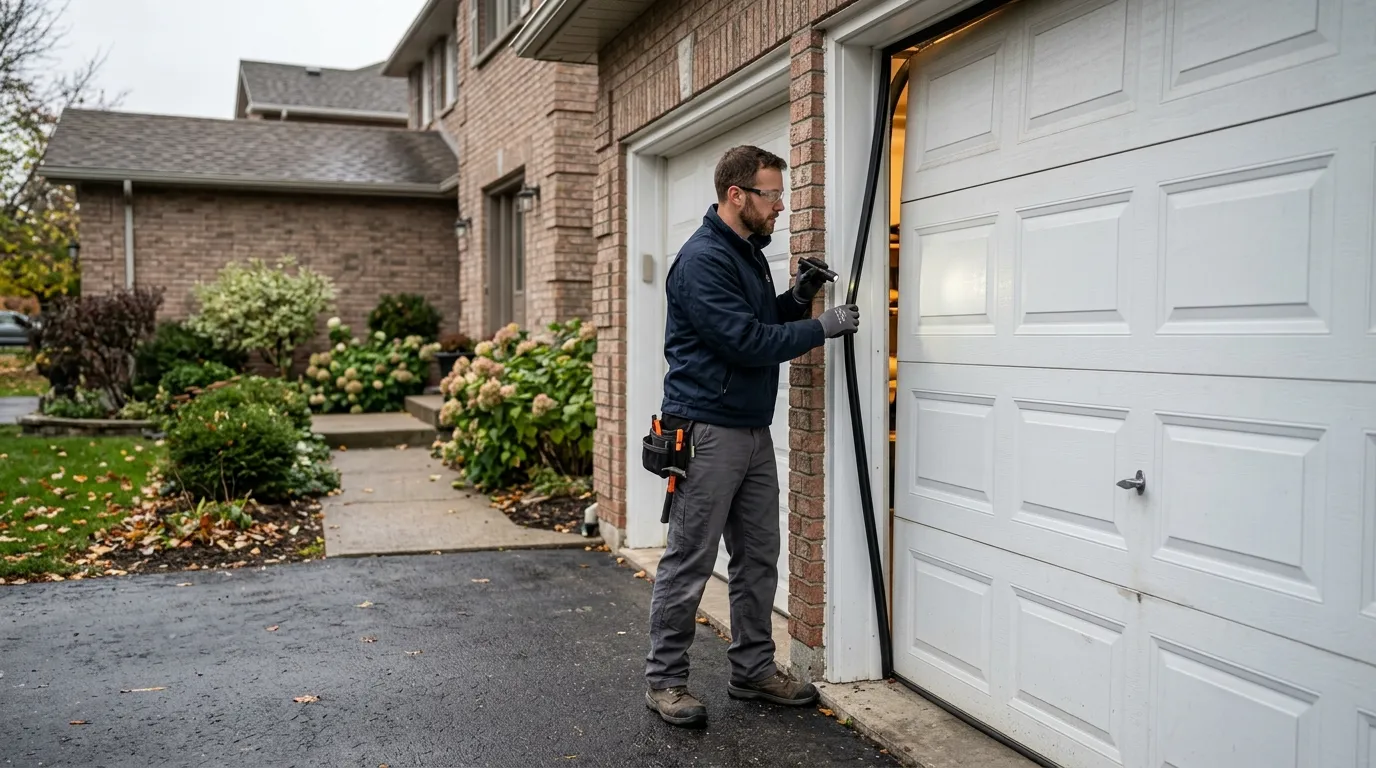
How We Fix It
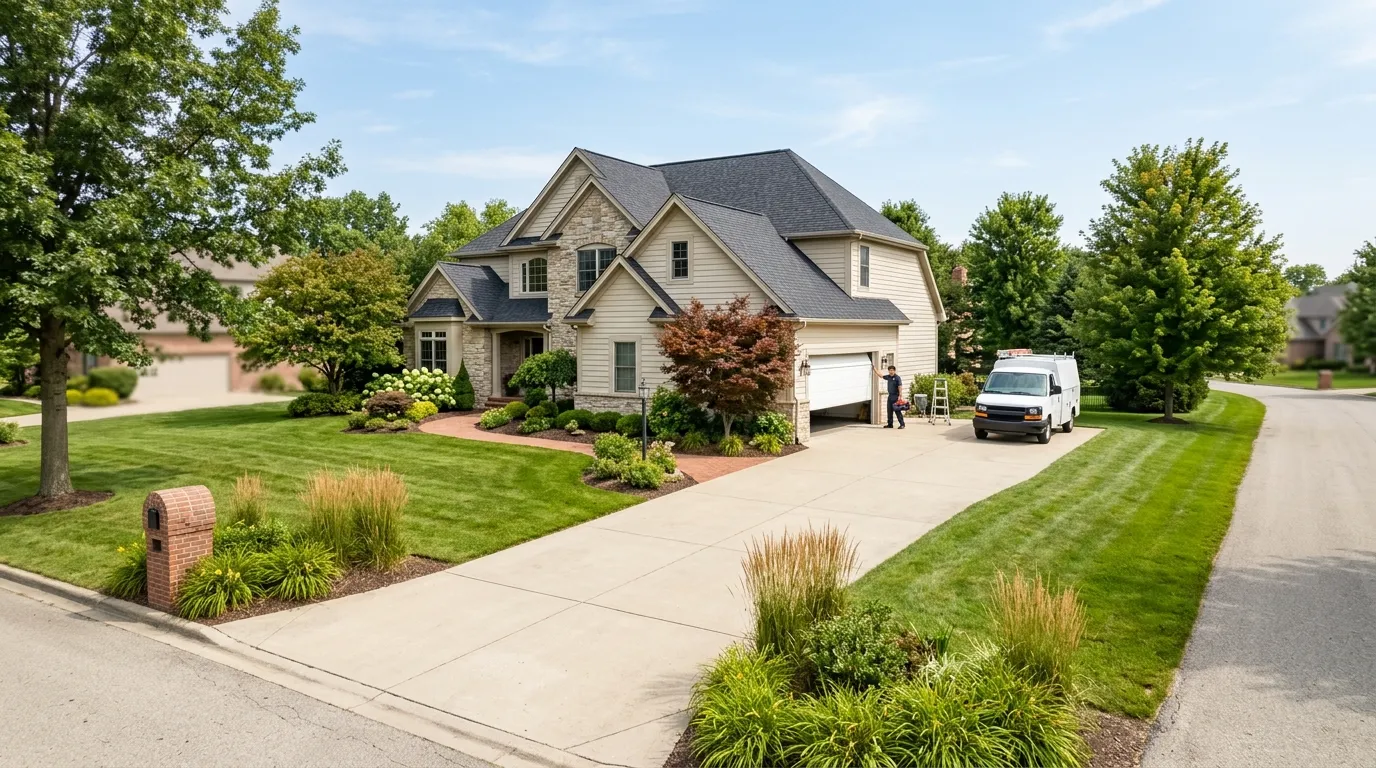
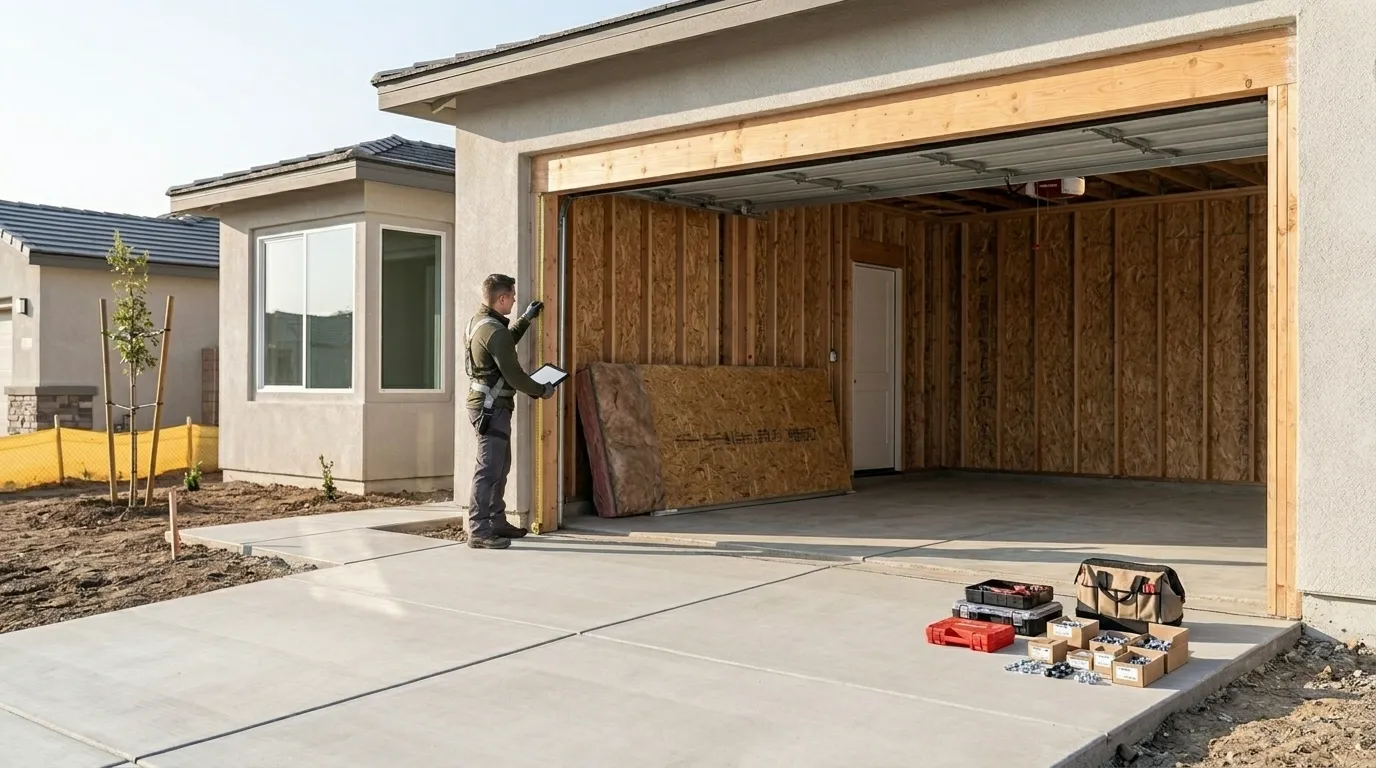
Parker sits 15 miles from our shop in Rockwall, which shapes how a service call here actually runs. We're not showing up with guesswork about your door - we bring the right spring size and the right opener boards for the age of house Parker has, because that drive only pays off if we bring the correct parts the first time. A second trip for a part we should have had on the truck wastes your afternoon and ours.
Most Parker houses were built around 2005, which puts them solidly in the era of steel torsion springs, chain or belt-drive openers with basic safety sensors, and roller systems that were factory-standard rather than custom. That means when something fails, it's usually a known failure: a spring that's worn out its cycle count, a sensor that's drifted out of alignment, or an opener logic board that's finally given up after fifteen-plus years of daily use.
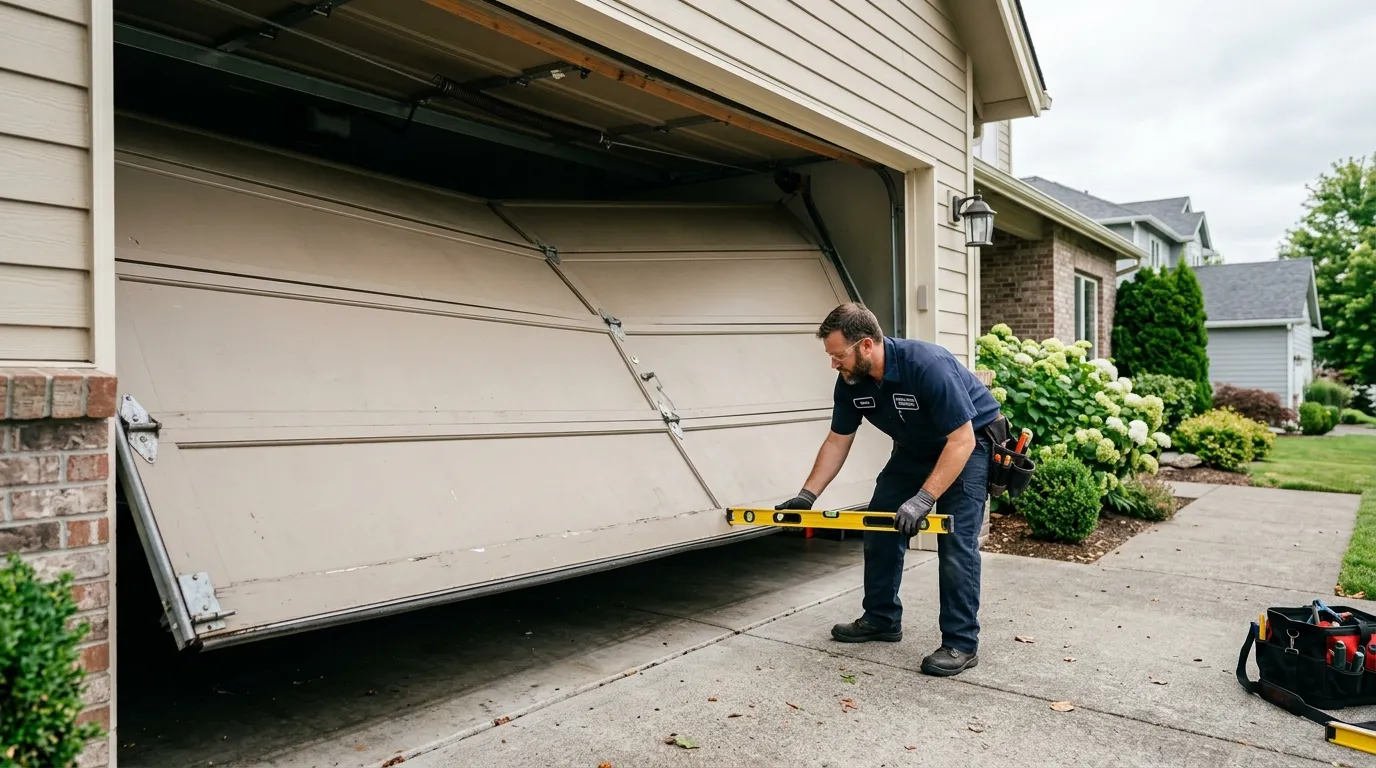
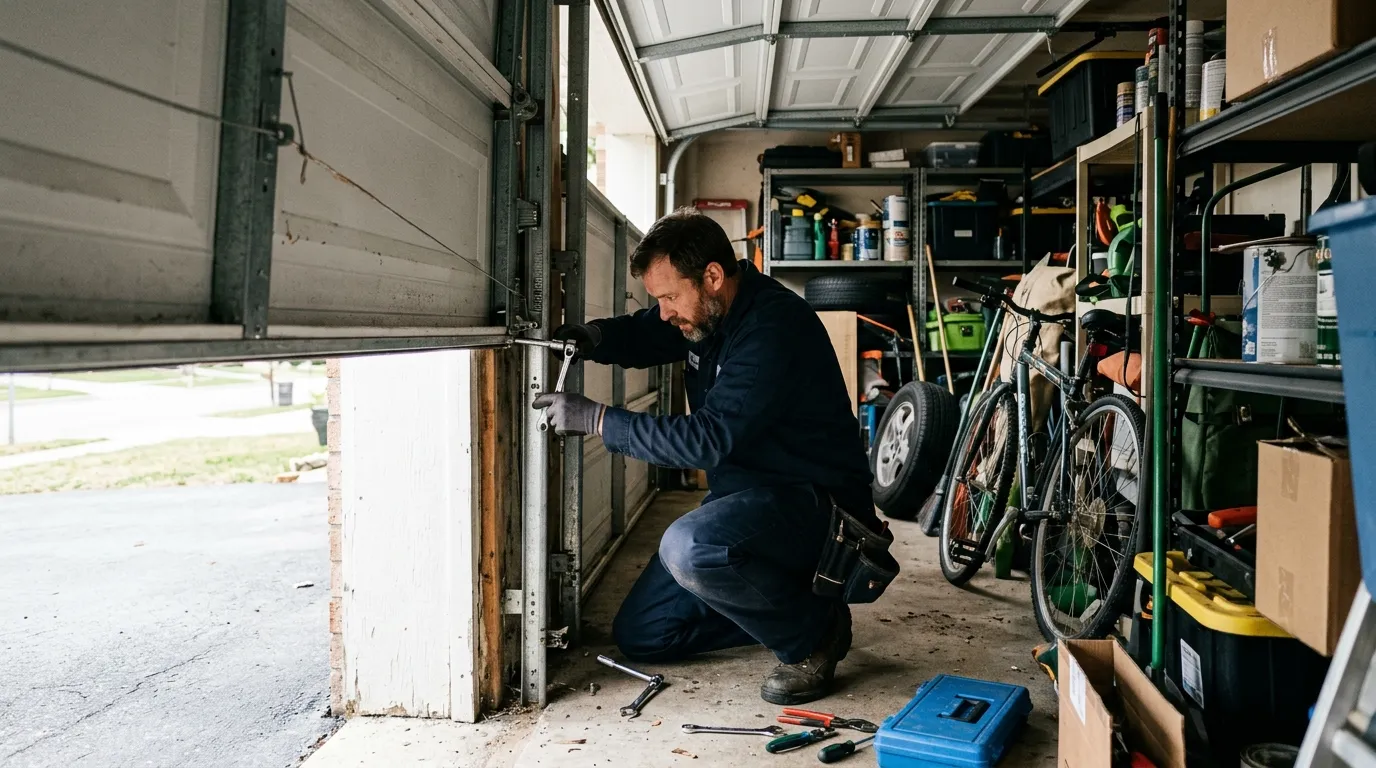
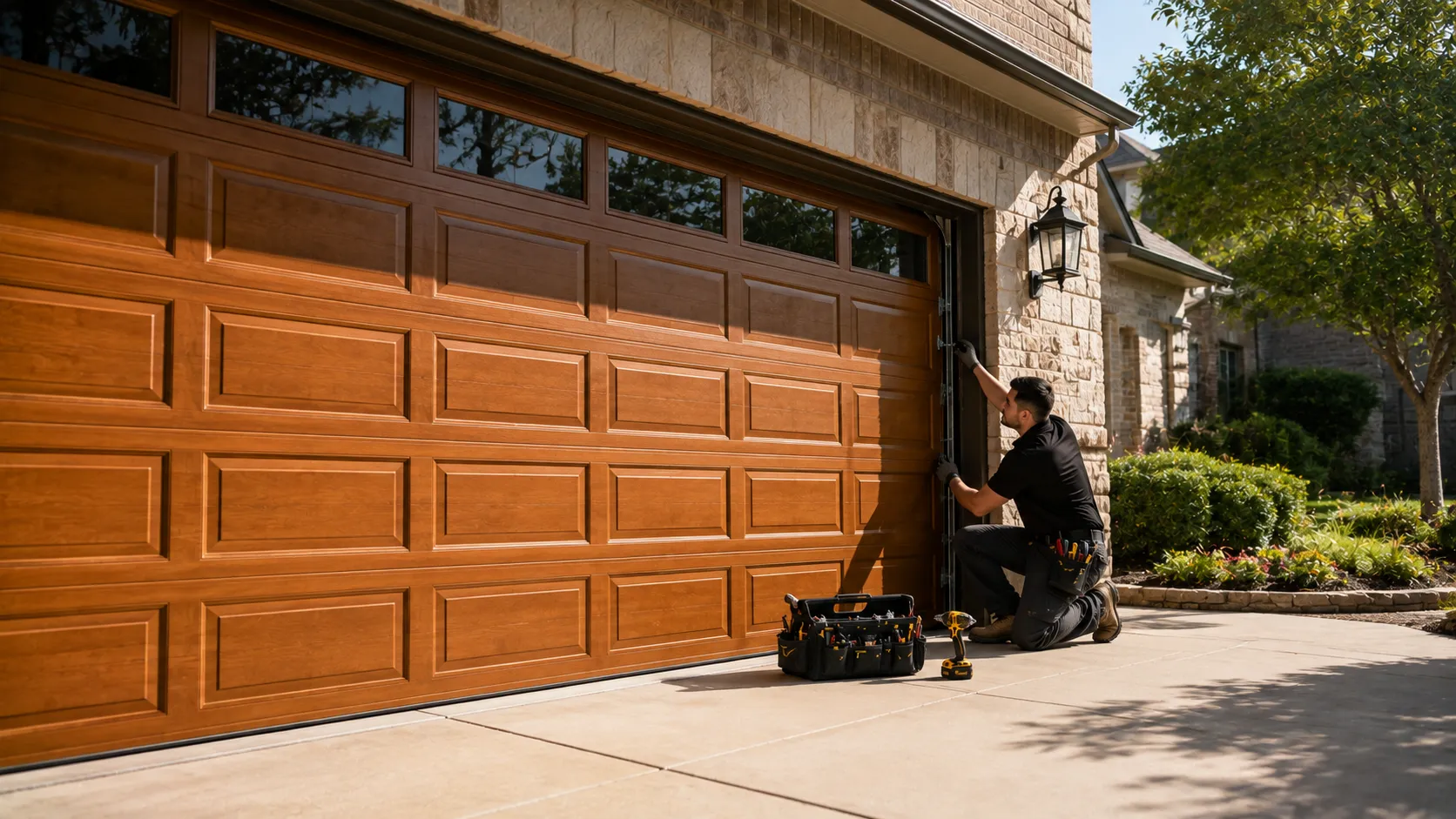
We diagnose on site, quote the repair before we touch anything, and carry the common spring sizes and opener parts for houses of this vintage. If a part isn't something we stock on the truck - certain proprietary opener boards, for instance - we say so up front rather than pretending we can fix it same-visit.
The DIY Question
With household income in Parker running well above the wider service area average - median household income here is $216,179 against $124,500 across the broader coverage area - we get more calls asking whether it's worth paying for a repair versus a homeowner tackling it themselves. Our honest answer: torsion spring work is not a DIY job, full stop, regardless of what a house is worth. A wound torsion spring under tension has put people in the hospital, and every year we get a fixable job that turned into a bigger repair because someone tried it without the right bars.
What is reasonable to do yourself: lubricating rollers and hinges, tightening visible hardware, replacing weatherstripping, and testing the auto-reverse safety feature on the opener. None of that requires us.
Where it gets genuinely close is opener replacement on a 2005-era house - sometimes the existing rail and bracket can be reused with a new motor unit, which saves real money over a full teardown. We'll tell you honestly when that's the case and when it isn't, because guessing wrong on that call costs you twice.
Why It Happens Here
Parker's housing stock, built mostly in the 2000s, sits in a mild climate with occasional freeze days - not the extreme heat or hard freeze cycles that chew through rubber seals and steel coils fast. That means most of what we see failing in Parker isn't weather damage; it's straightforward mechanical fatigue. A torsion spring rated for a certain number of open-close cycles simply runs out of cycles, especially in a household using the garage door as a primary entrance multiple times a day.
With around 1,553 households in Parker, the town is smaller than some of the areas we cover, and newer construction means less of the patchwork hardware we see in older parts of the region - fewer mismatched panel replacements, fewer openers bolted onto brackets they were never designed for. What we do see is opener electronics aging out around the 15-year mark, which lines up with houses built in the mid-2000s starting to need that first real opener swap now.
We don't guess at a cause before we're on site - a spring that looks dead can sometimes be a misadjusted opener force setting instead - but the age profile of Parker's homes tells us what to check first.