How We Fix It
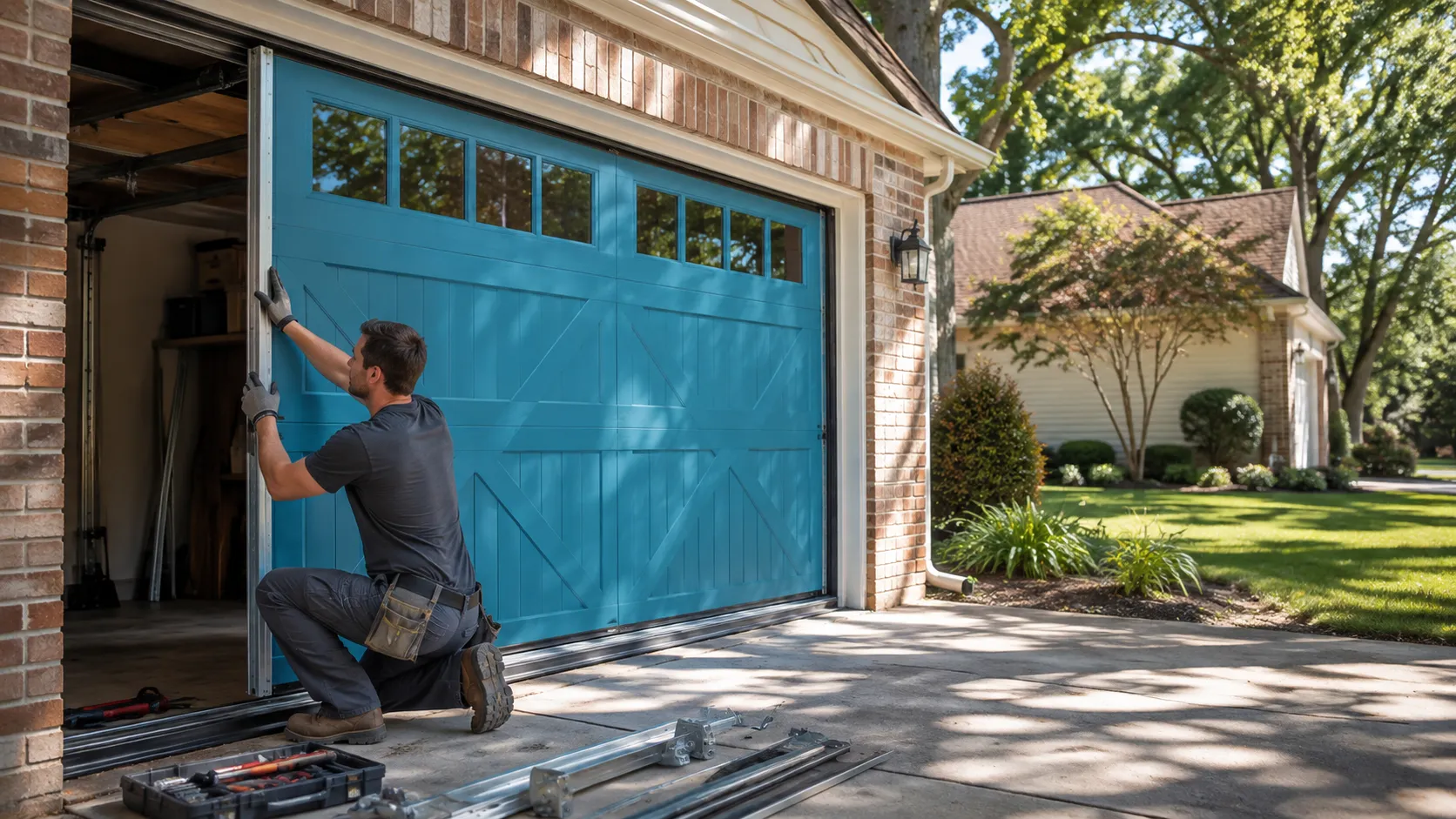
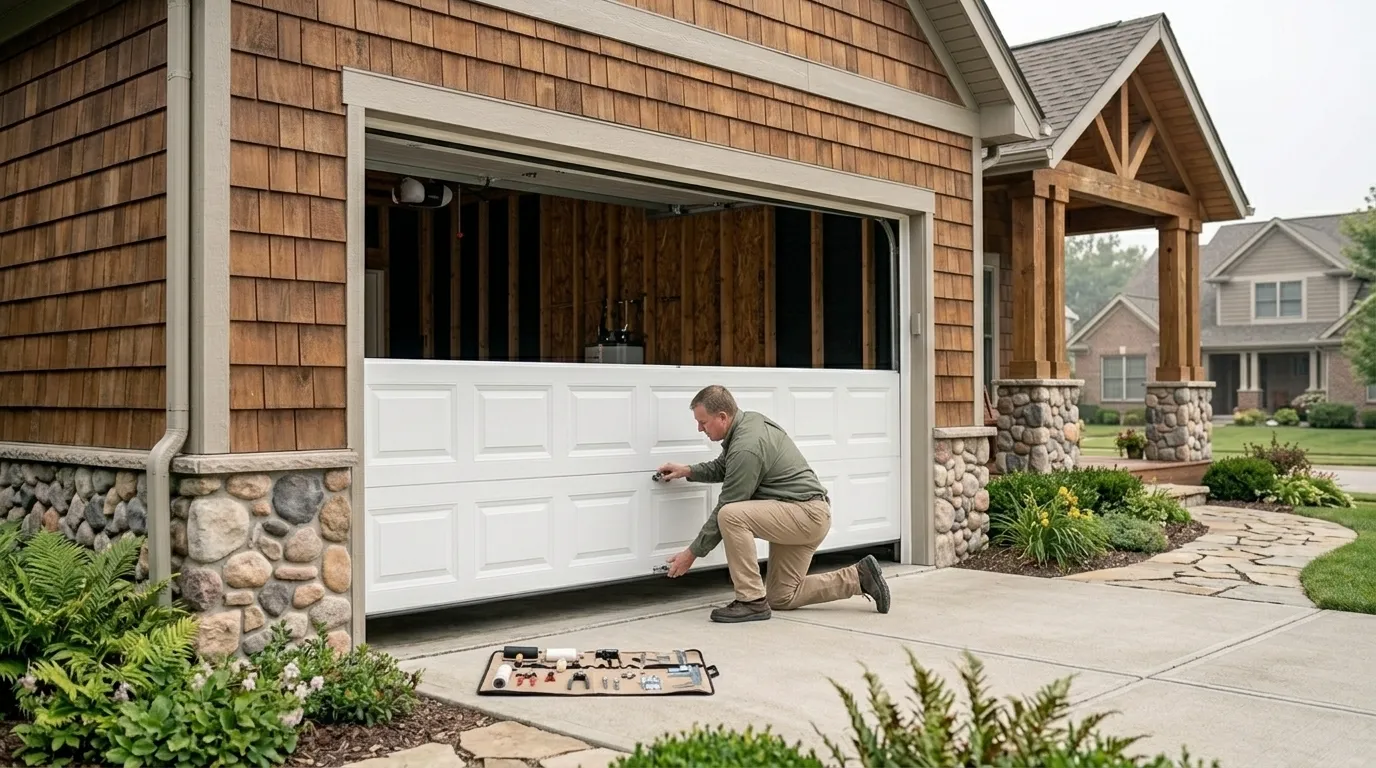
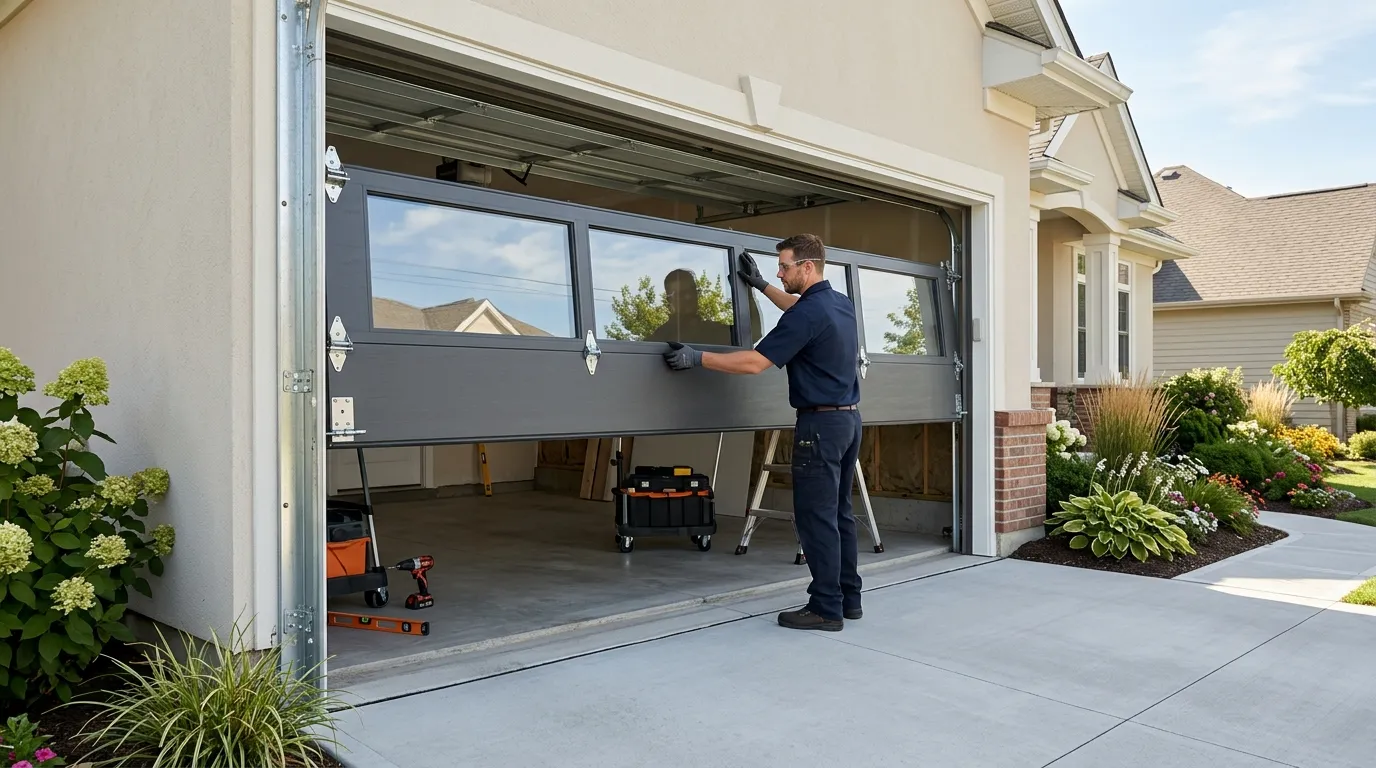
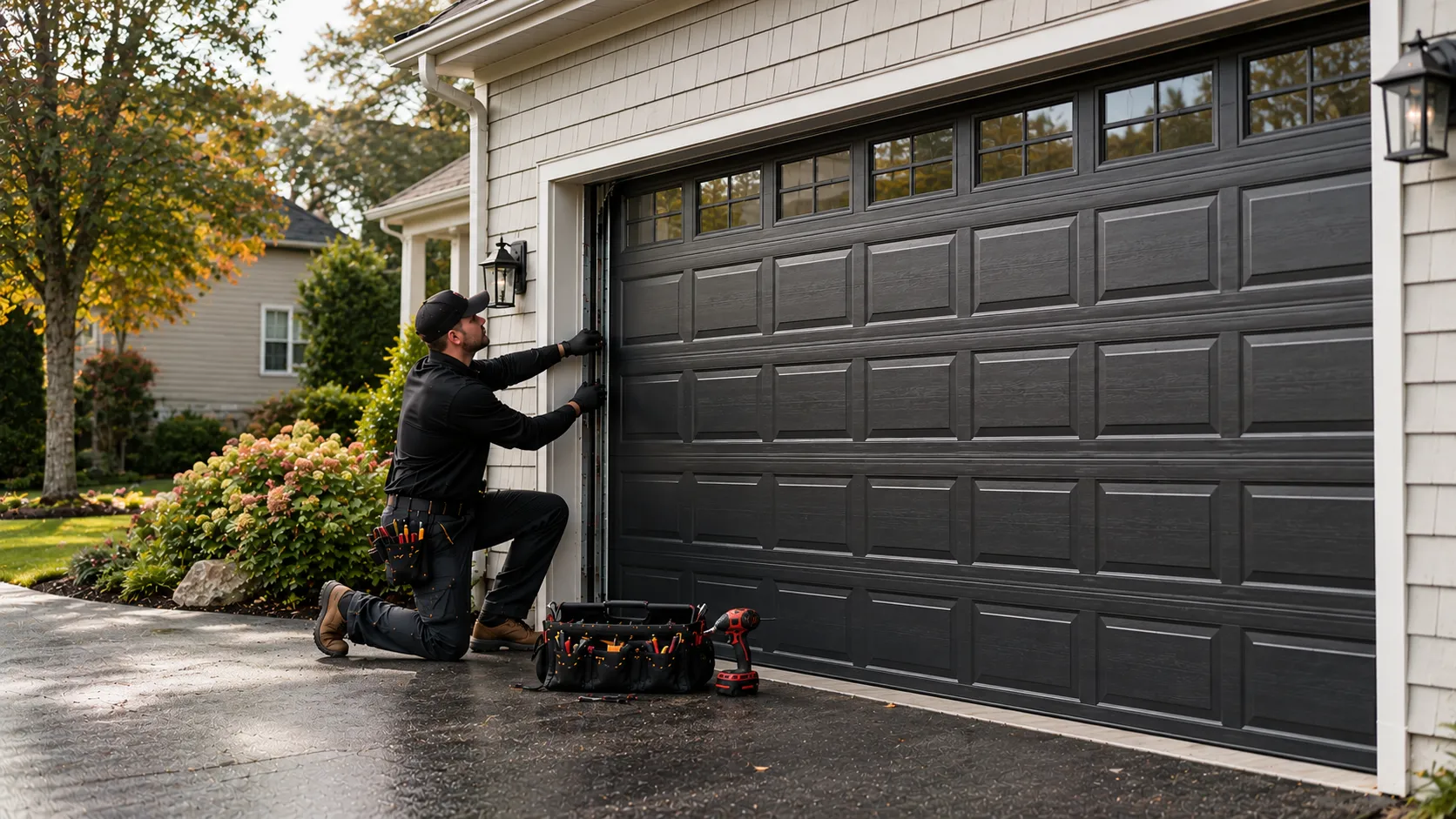
Parker's houses mostly went up around 2005, which puts this neighborhood squarely in the early-2000s wave that built out most of the wider Rockwall area between 1971 and 2013. That build year matters more than people think. A door hung in 2005 almost certainly came with a torsion spring system rather than the older side-mounted extension springs you'd find on a house from the 1970s, and it likely shipped with a steel sectional door and plastic-encapsulated ball bearing rollers instead of steel wheels. Those rollers are the first thing to go - they crack and flat-spot after fifteen-plus years, and they're the reason a door starts sounding like a shopping cart on the way up.
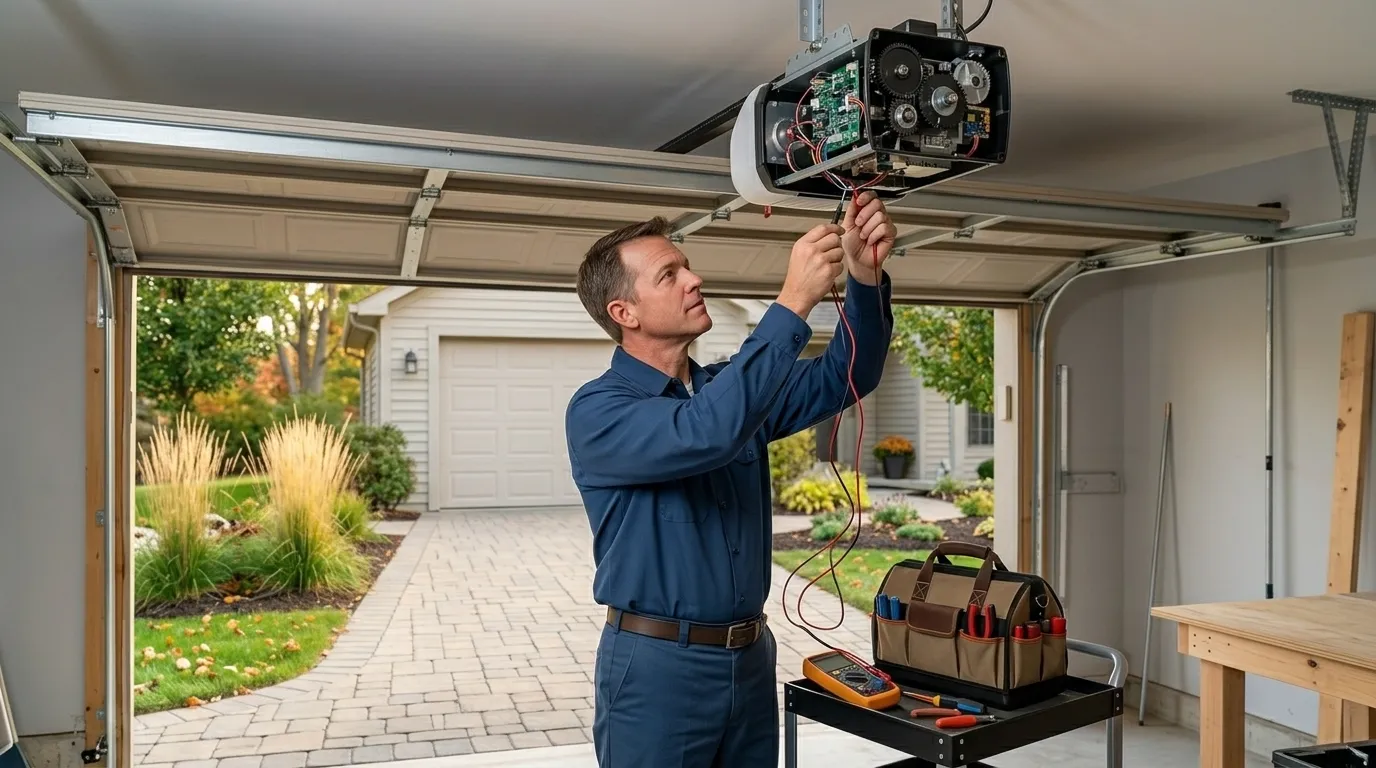
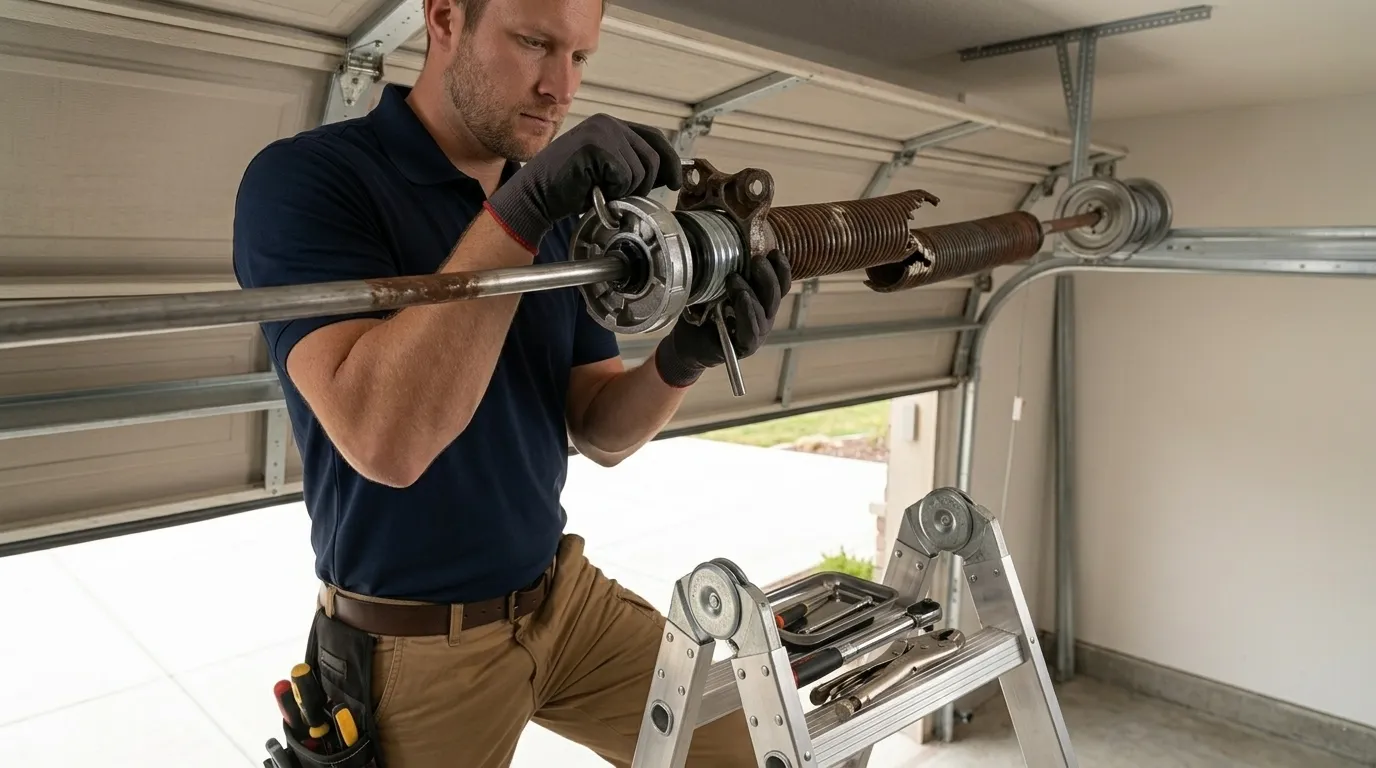
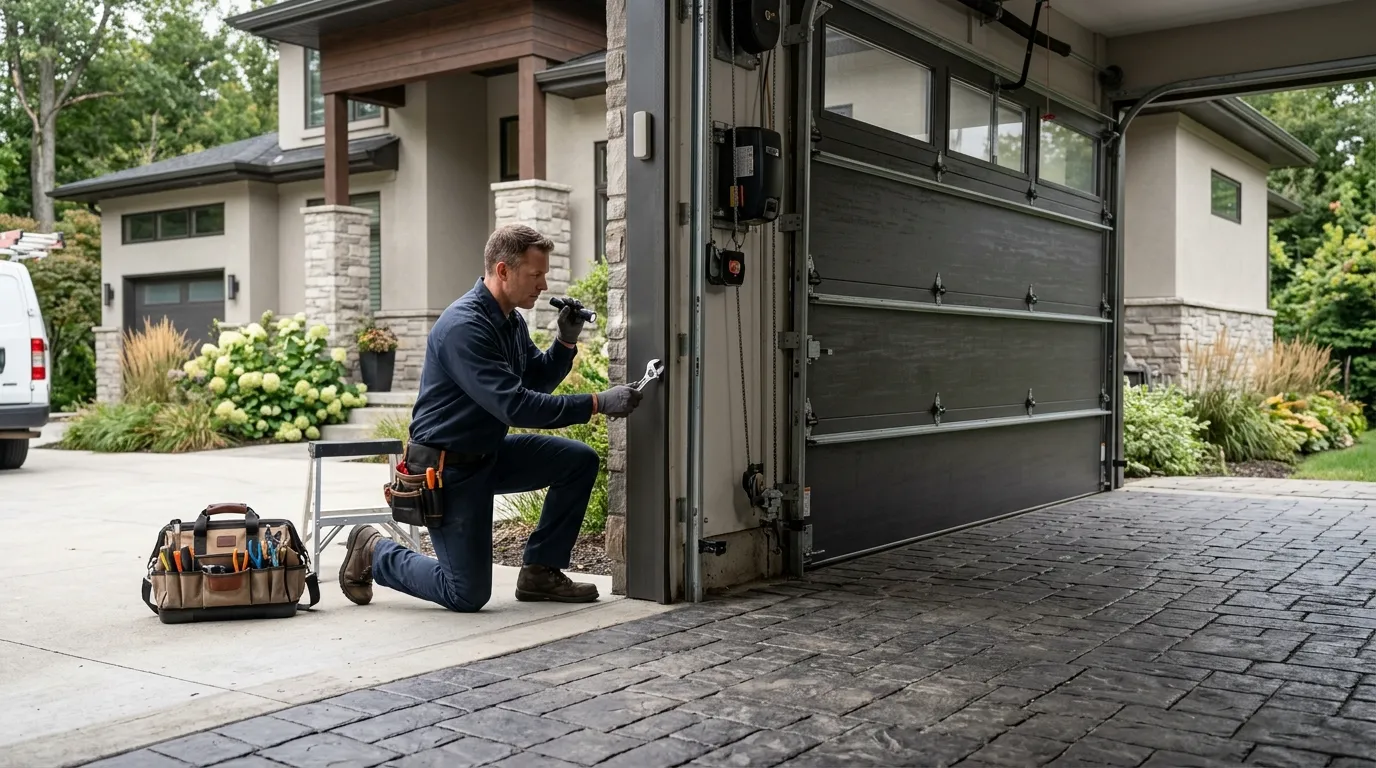
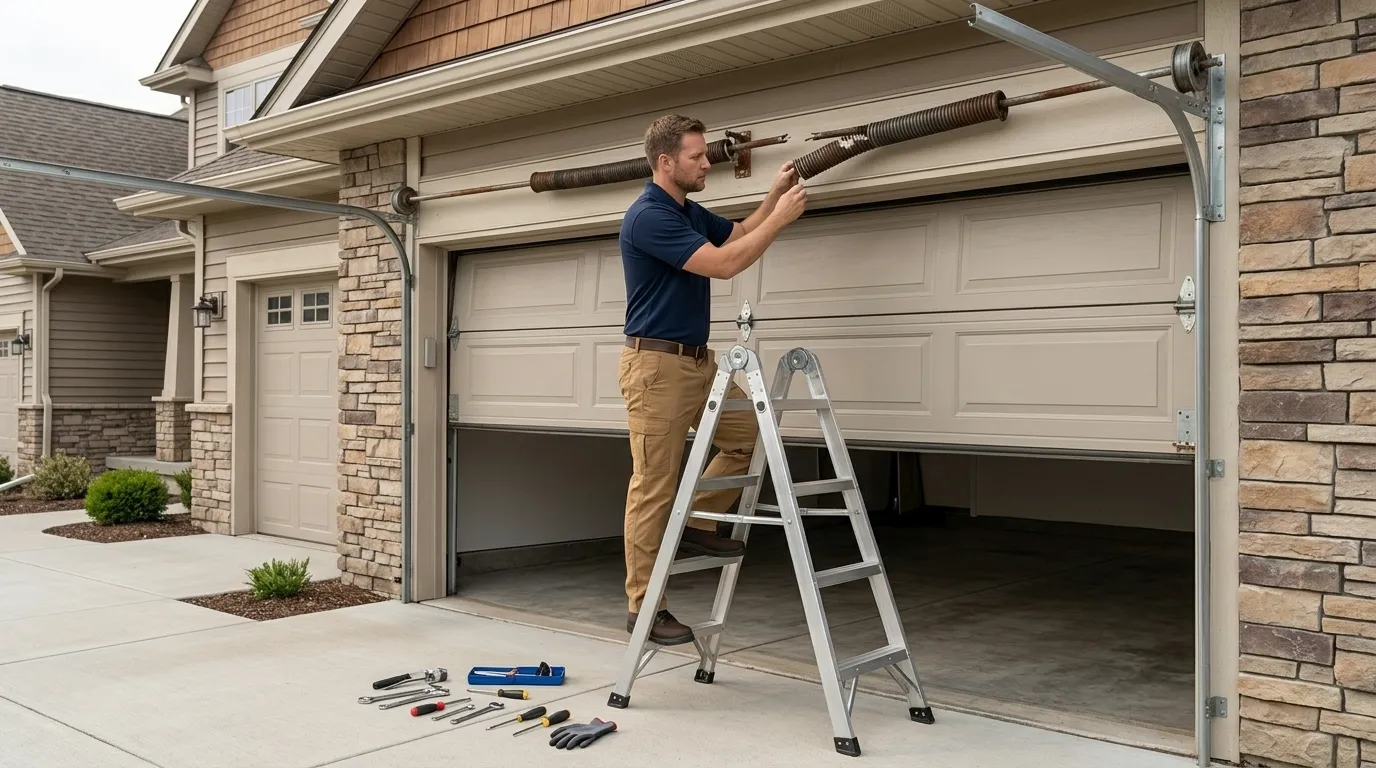
We check the torsion spring wind first, since that's the part doing the heavy lifting and the part most likely to have degraded quietly for years before it snaps. Openers from that build era are usually chain or belt drive units in the half-horsepower range, and their circuit boards are old enough now that a logic board swap is often cheaper and more reliable than chasing an intermittent fault. We bring the parts that fit 2000s-era steel doors and torsion hardware, because that's what's actually on the wall in this part of town.
The DIY Question
A torsion spring holds enough stored tension to break a wrist or worse, and that's true no matter how new the door is. If your Parker garage door has a torsion spring - and if the house went up around 2005, it almost certainly does - leave the spring adjustment and replacement to someone who does it daily. Rollers, on the other hand, are a reasonable weekend job for someone comfortable with a ladder and a Phillips screwdriver, provided the door is disconnected from the opener first.
Where we tell people to stop and call is anything involving the torsion bar, the cables, or the bottom brackets. We also won't talk you into replacing a door that just needs a spring. If the panels are straight, the track is true, and the opener runs fine, a spring job is a fraction of the cost of a new door, and we'll say so even though the bigger job pays more. The honest limitation here: if your opener's logic board is the specific failure, we may need to order it, and that's not always a same-visit part.
Why It Happens Here
This area sits in a mild climate band with occasional freeze, which is easier on garage door hardware than the swings you'd get farther north, but it's not nothing. A cold snap stiffens old grease in a chain-drive opener and can make a marginal spring finally let go on the coldest morning of the year - we see a cluster of spring calls whenever the temperature drops hard for a few days.
The bigger driver, though, is simply age catching up with a neighborhood that was mostly built at once. A door and opener installed in 2005 are now old enough that the rollers have worn through their nylon coating, the spring has cycled tens of thousands of times, and the opener's safety sensors or circuit board are reaching the end of their normal service life. Parker doesn't have a strange local hazard causing these calls - it has a housing stock that all crossed the same age threshold around the same time, so the same three or four failures show up again and again on the same streets.