How Local Conditions Play In
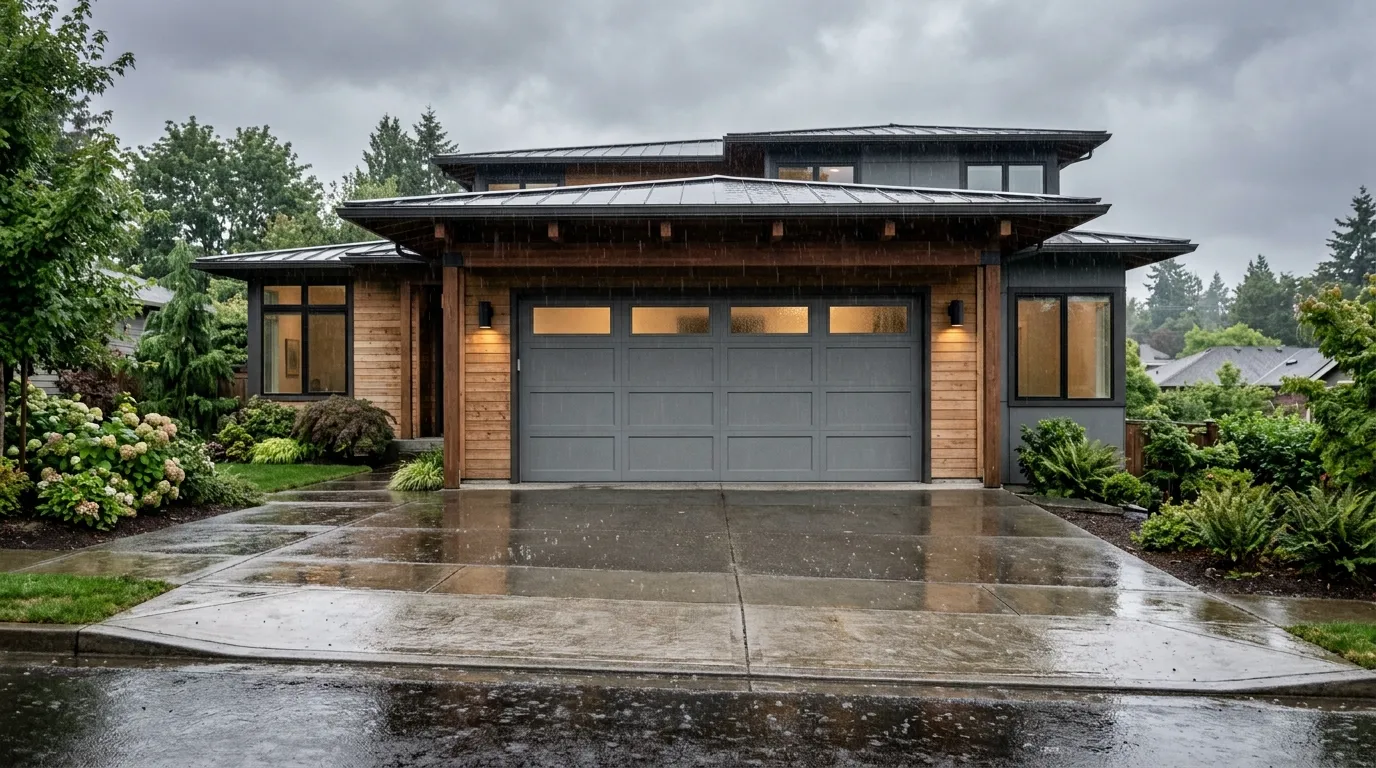
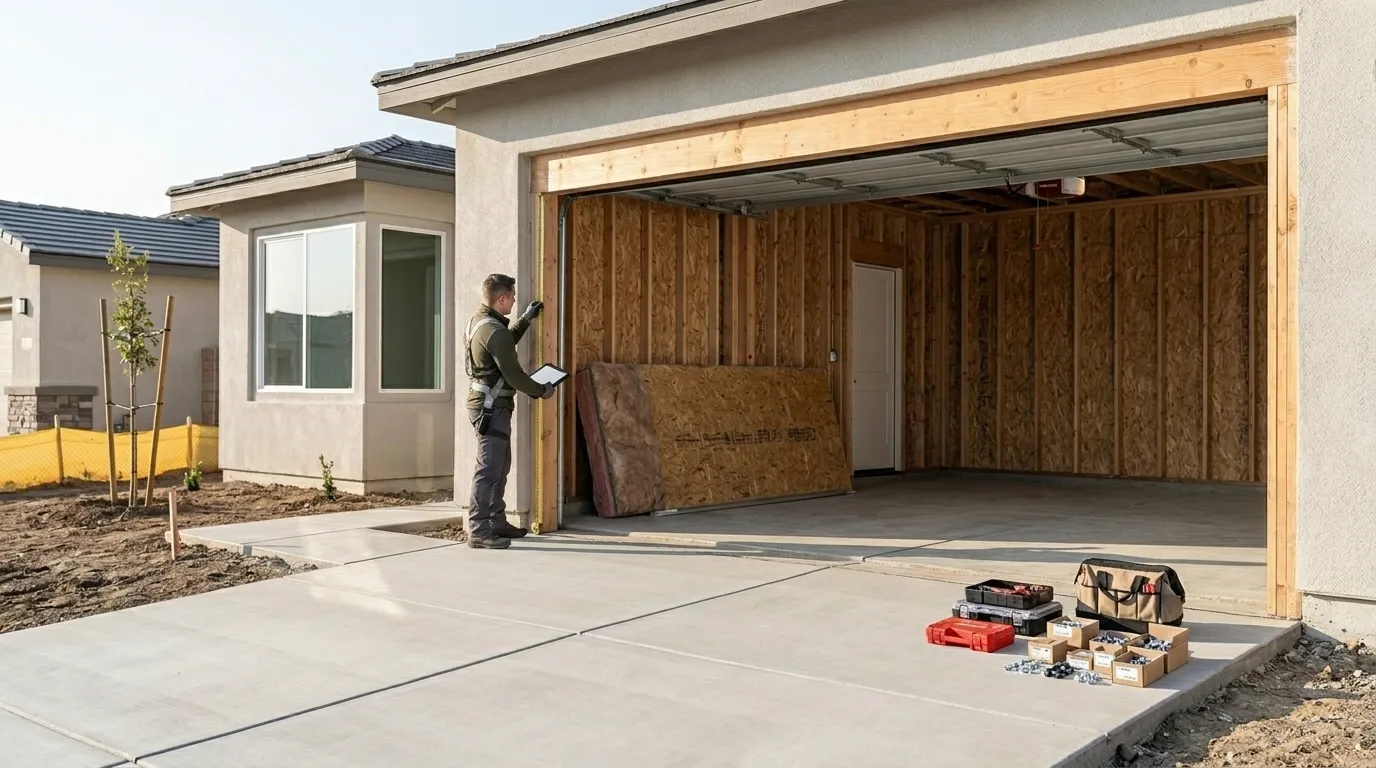
Most of the housing stock we work on around Rockwall went up between 1971 and 2013, with the bulk of it dating to the 2000s. That matters for a service call because it tells us what hardware is on the door before we even open the truck. A door installed in 2002 or 2004 is going to have a different spring wind, different track gauge, and different opener mounting than something from the 1970s pocket of the area. We don't guess - we check the install date range against what we're seeing on the panel and torsion bar.
The climate here is mild with occasional freeze, not the deep-freeze conditions that crack steel or the desert heat that dries out lubricant fast. That means the failures we see aren't usually weather-driven the way they'd be somewhere with hard winters. It's wear, not weather, that we're chasing first. A tech who walks in assuming freeze-cracked rollers or heat-warped panels is looking for the wrong thing in this area. The call starts with the door's age bracket and works outward from there, not the other way around.
The Problem
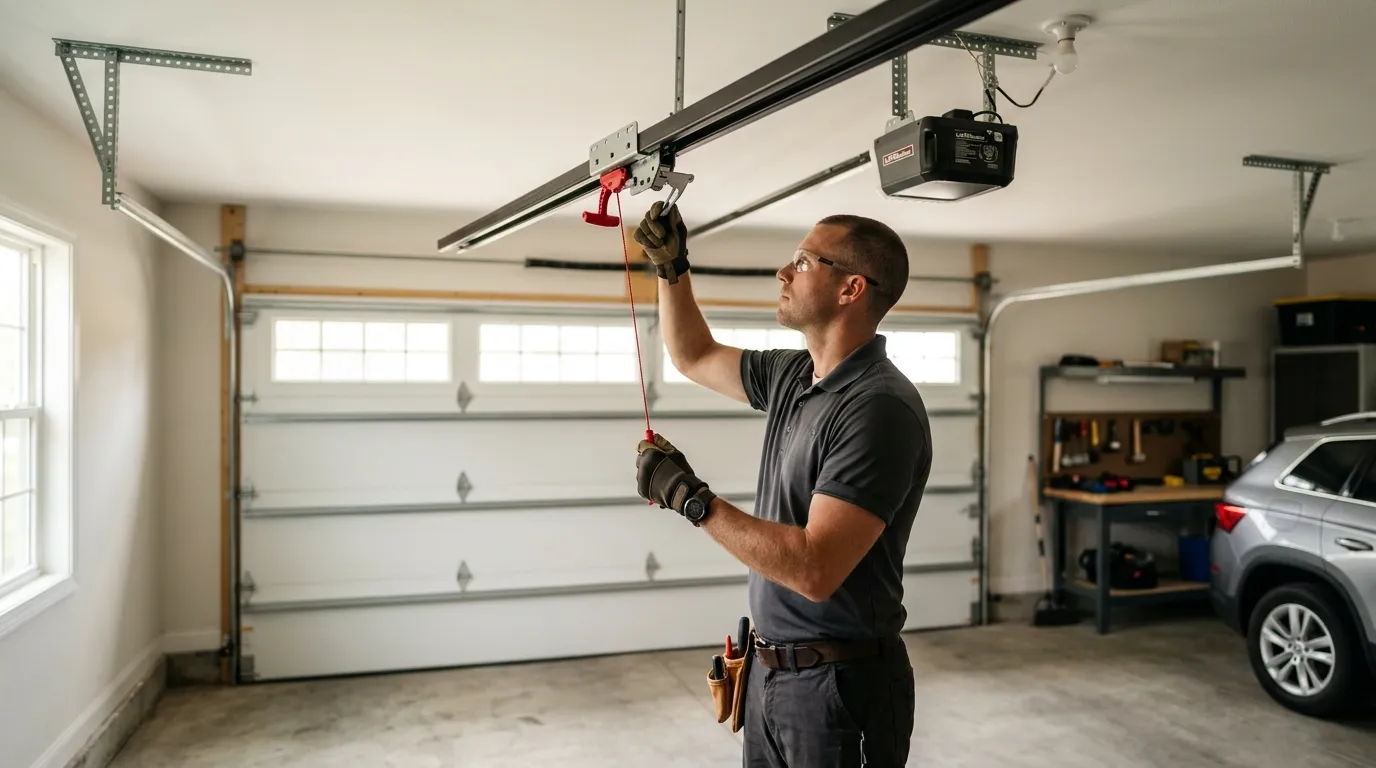
On a house from this era, the actual point of failure is rarely the opener motor people call about first. It's the torsion spring reaching the end of its cycle count, or a roller that's worn oval instead of round, both of which show up as a noisy or jerky door long before they show up as a dead one. Given the mild climate band here, corrosion and freeze-cracking aren't driving these failures - cycle wear is, which is a slower and more predictable problem if it gets caught.
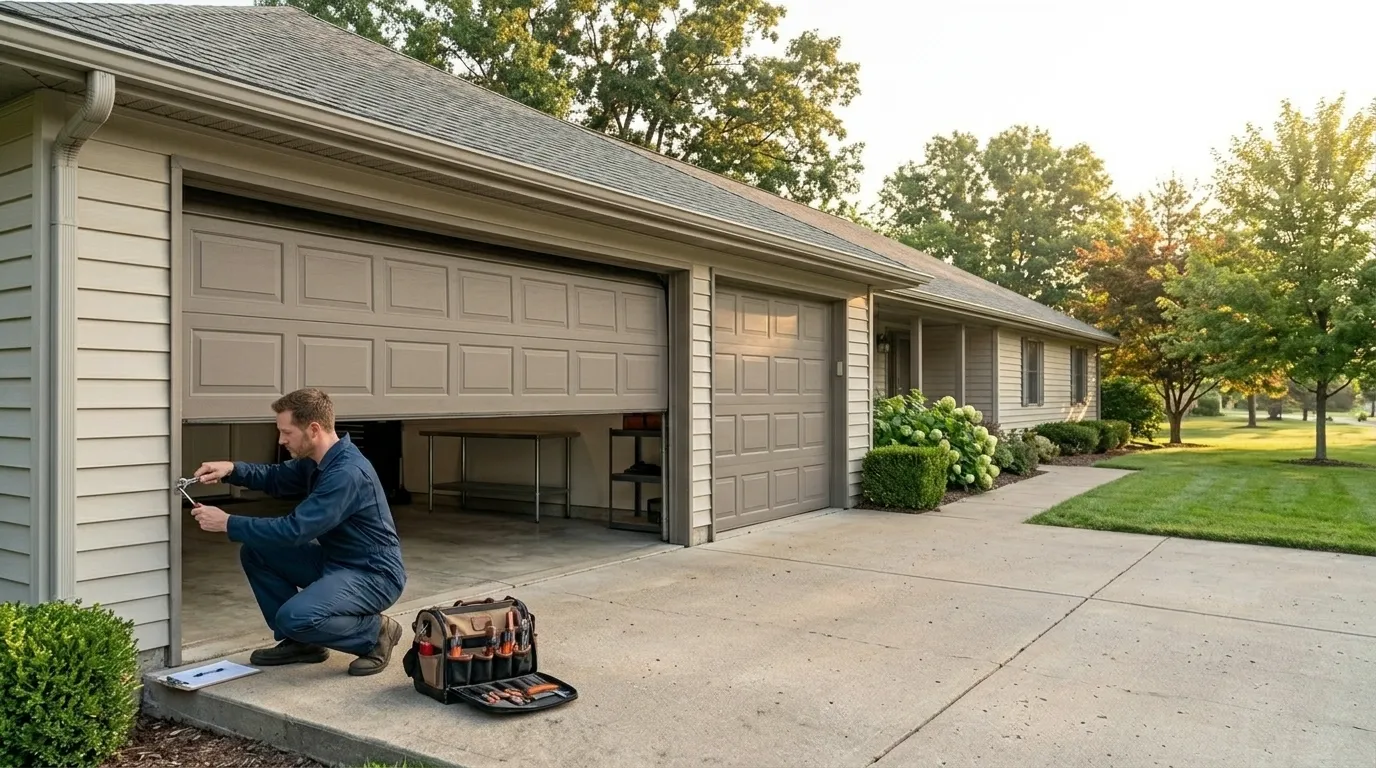
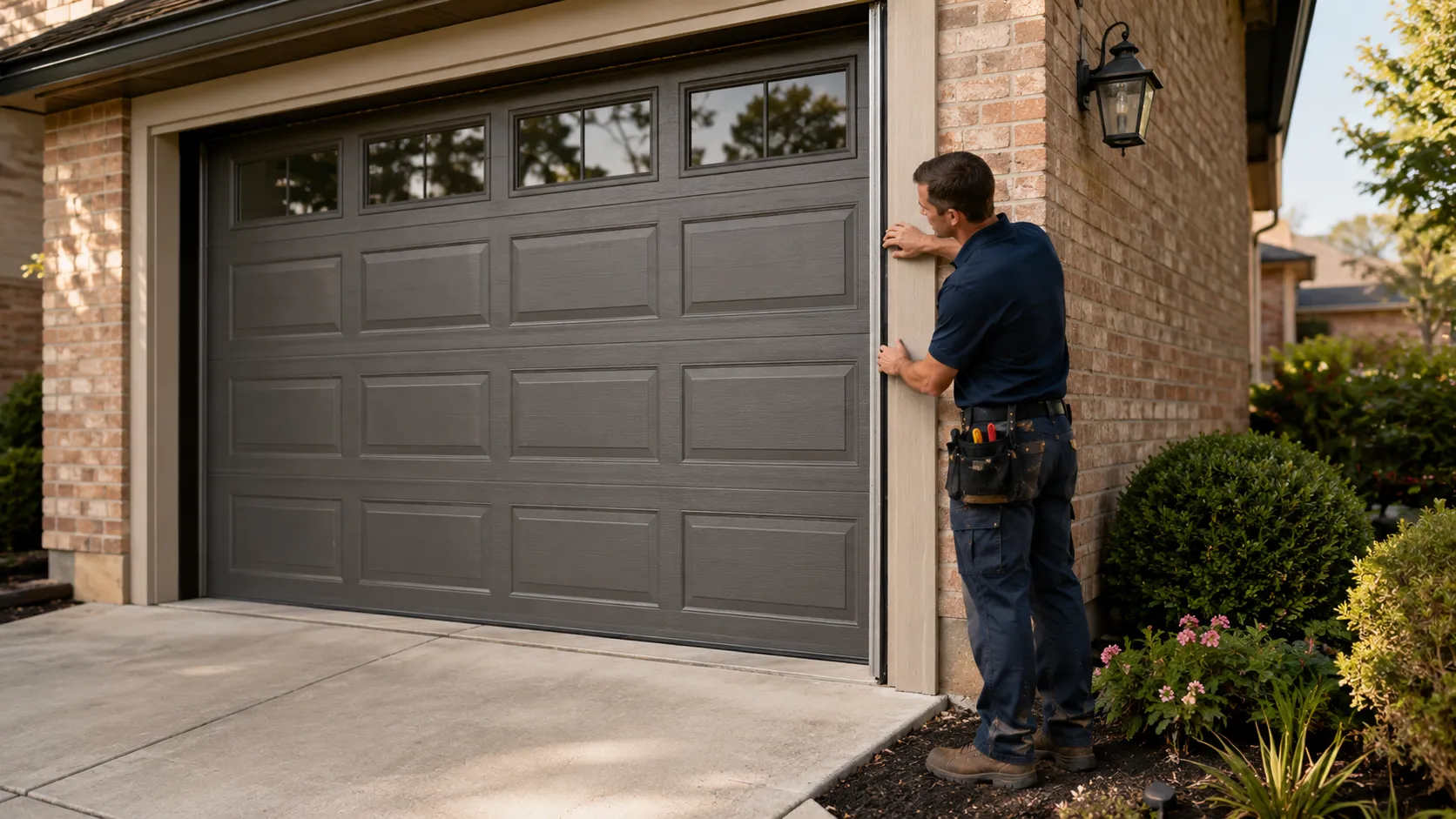
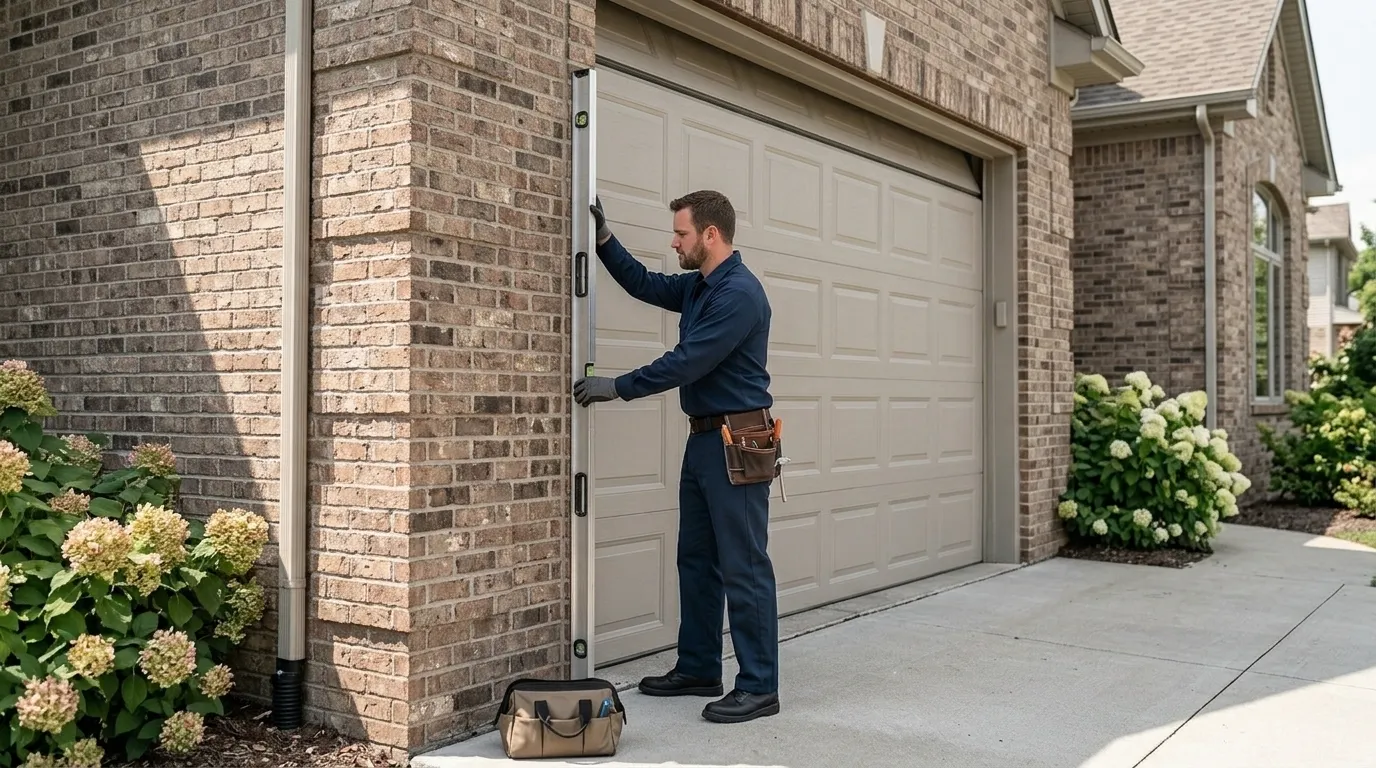
We won't pretend every noisy door needs a spring. Sometimes it's a loose bracket or a track that's shifted a quarter inch, and tightening two bolts fixes it. Part of the service call is telling the difference, and part of being straight with a homeowner is saying when the fix is small. We also won't quote a full opener replacement over the phone - on a door built in the 2000s, we want eyes on the unit first, because the actual part causing the trouble is often a fraction of that cost.
When to Get Help
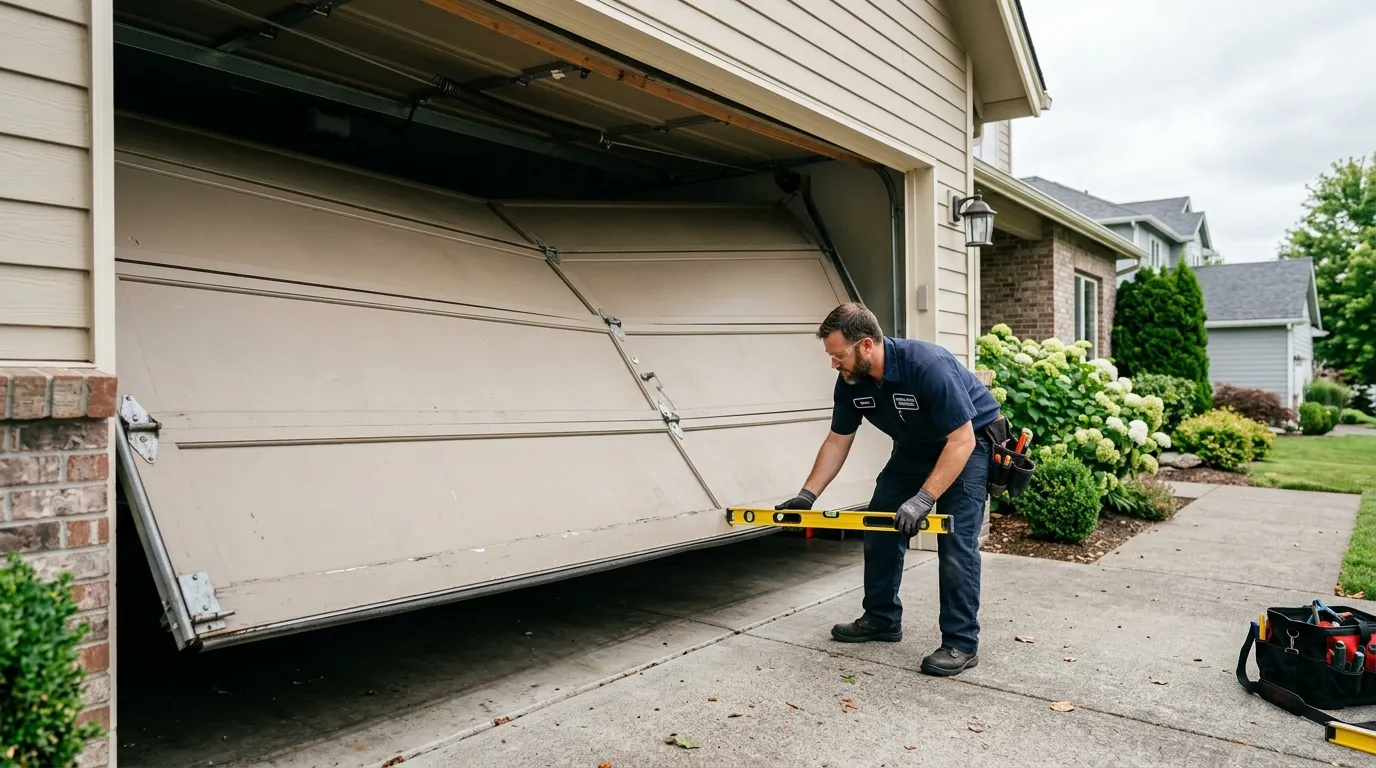
Call before the door stops working, not after. On a door in the 1971 to 2013 age range, the warning signs are a spring that sounds like it's grinding, a door that drifts down instead of holding its position, or cables that look frayed at the drum. Any of those on a house in this bracket means the spring or cable is near the end, and waiting means a dead door on a morning you need to leave.
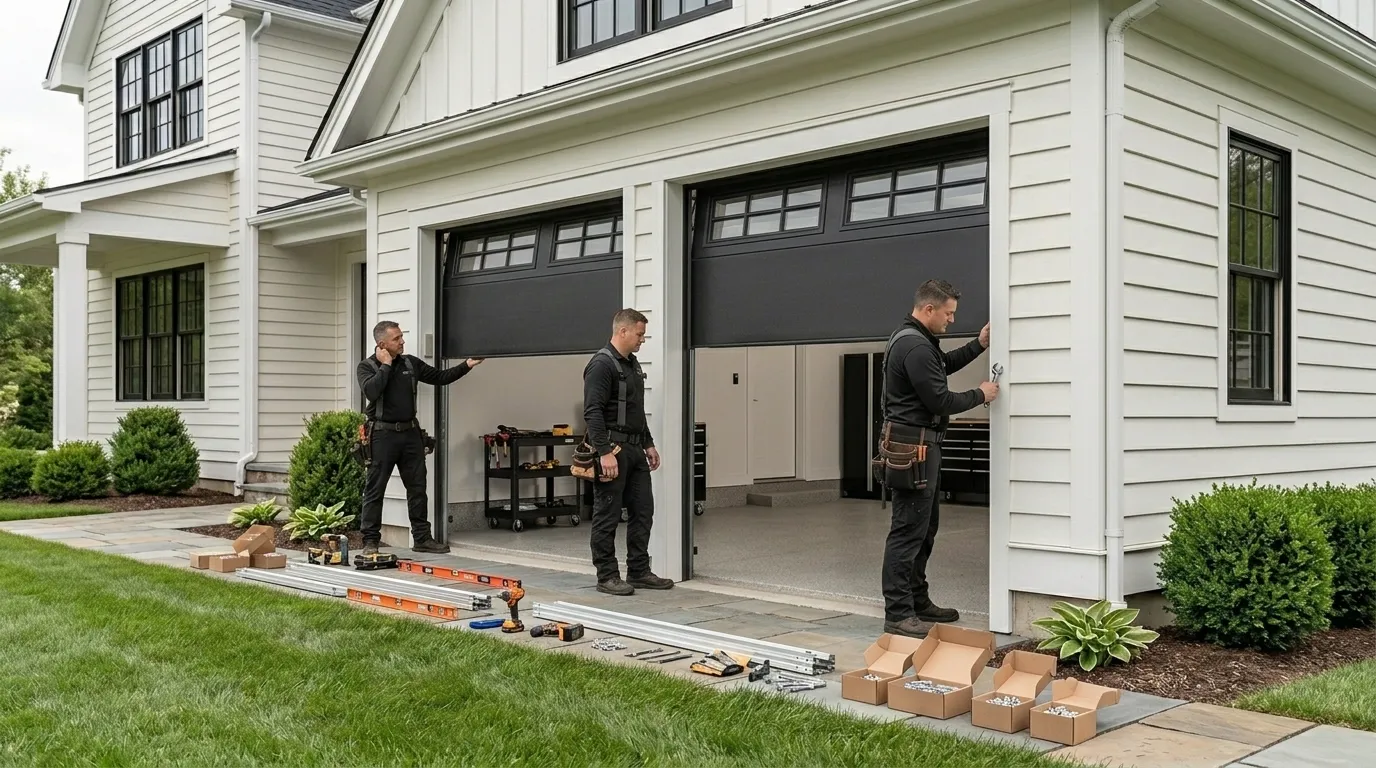
With median household income in this service area at $124,500 and most owner-occupied houses concentrated in that same build window, we see a lot of households opting for a scheduled tune-up rather than an emergency call - it's usually cheaper and it catches the spring before it snaps under load. If your door is original to a 2000s build and hasn't been serviced, that's worth a look regardless of how it sounds today. We service Rockwall directly and the surrounding towns out to about 20 miles.