What the Housing Means for Your Door
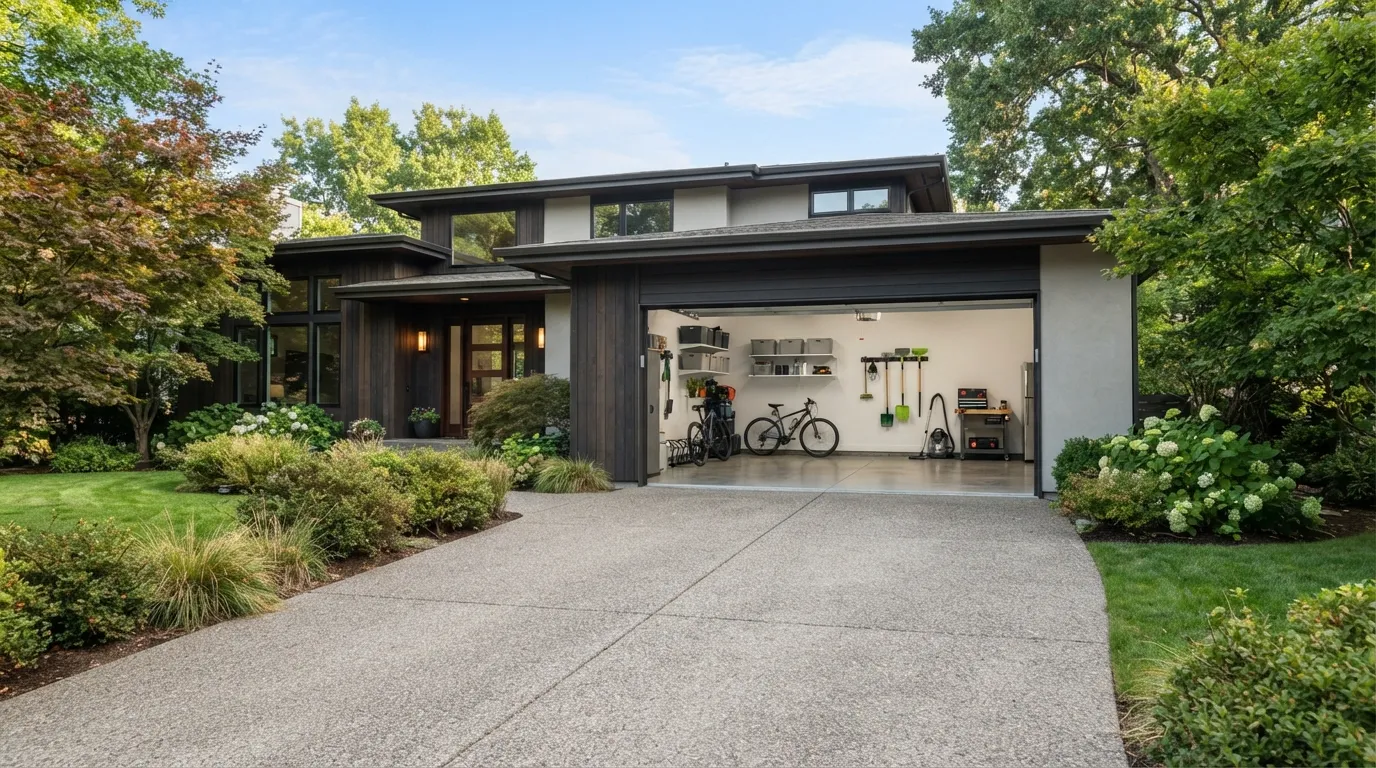
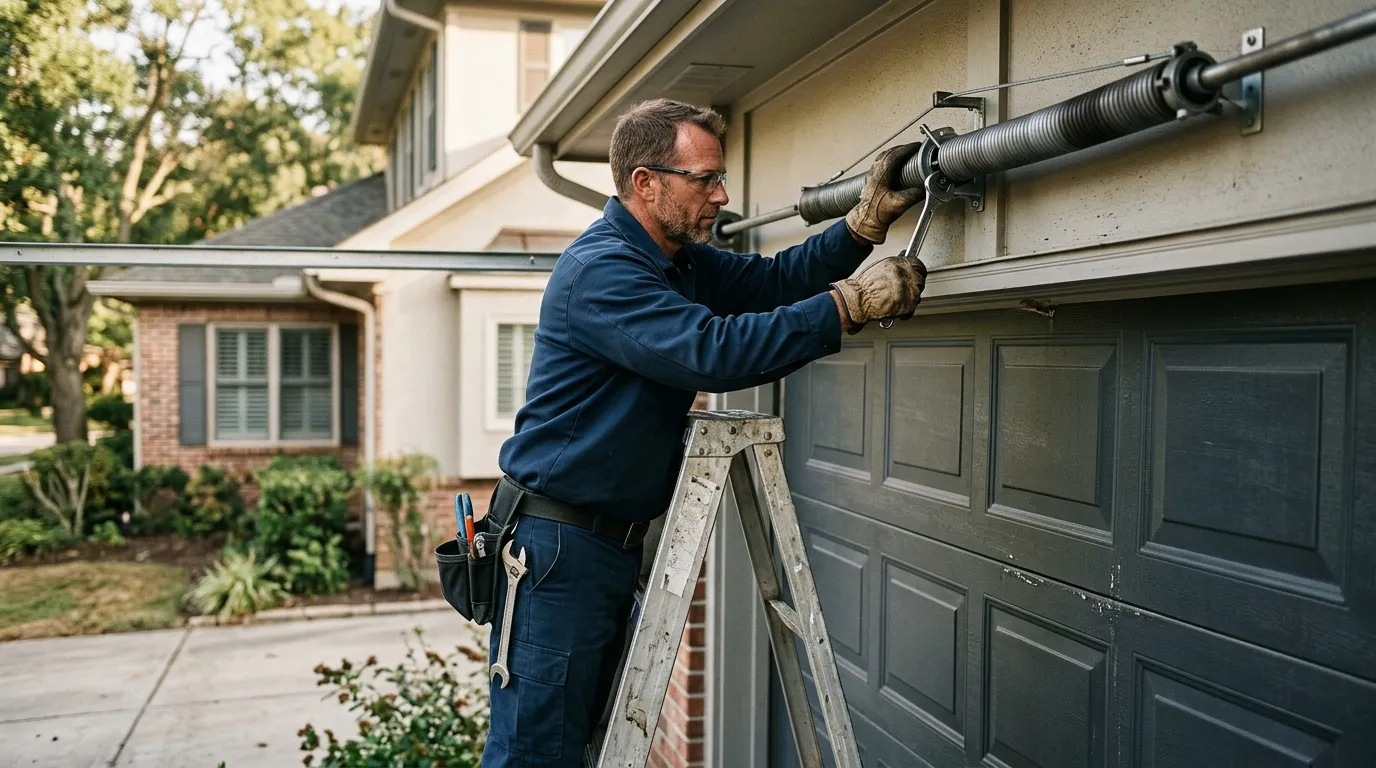
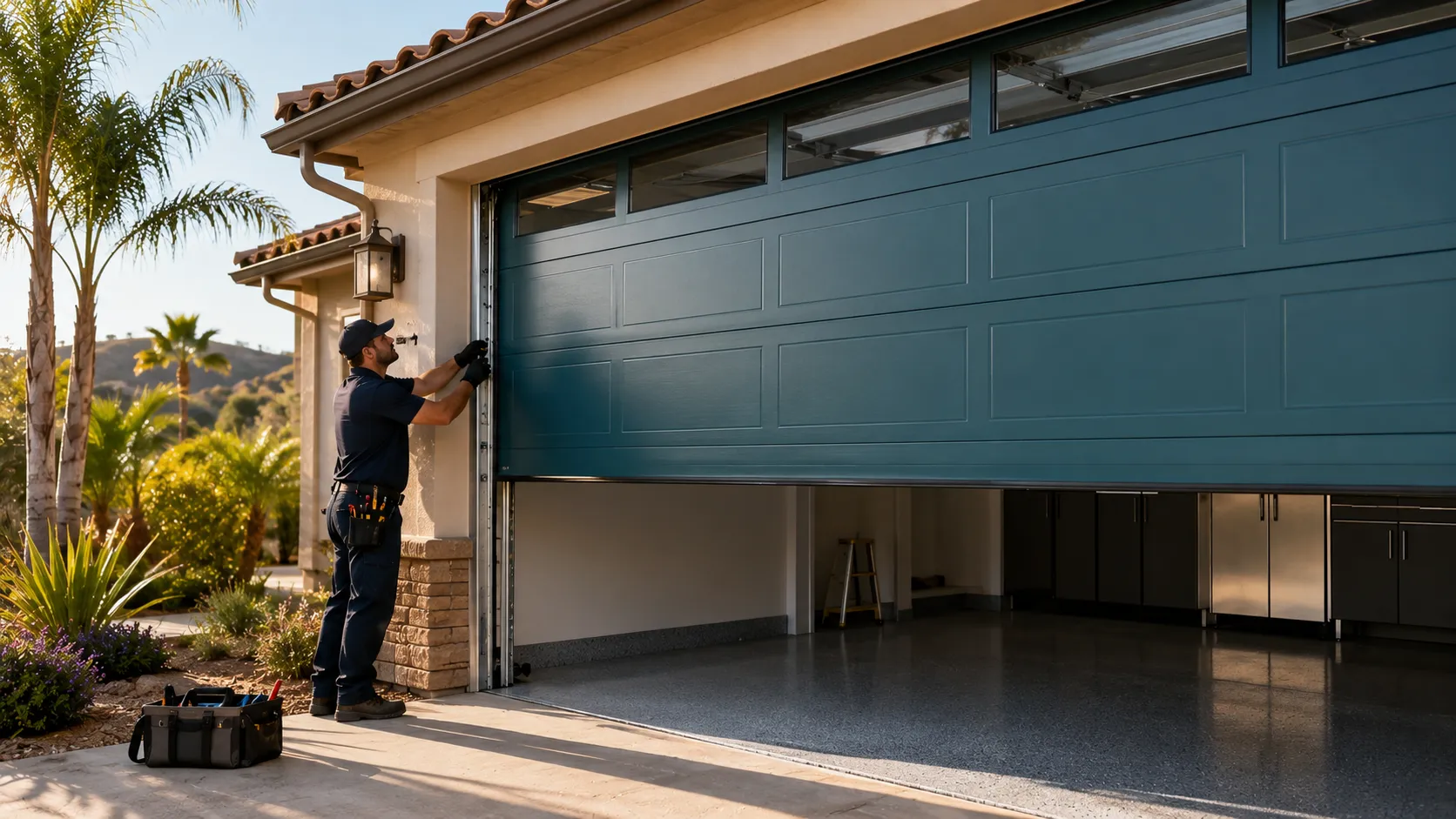
Josephine's housing skews newer than most of the towns we cover out of Rockwall. The median build year here is around 2012, a full decade past the service area's overall median of 2002. That gap matters more than it sounds. Homes built in the early 2010s came standard with steel sectional doors, torsion springs mounted on a center shaft, and openers with rolling-code safety and photo-eye sensors already built in - not retrofitted later.
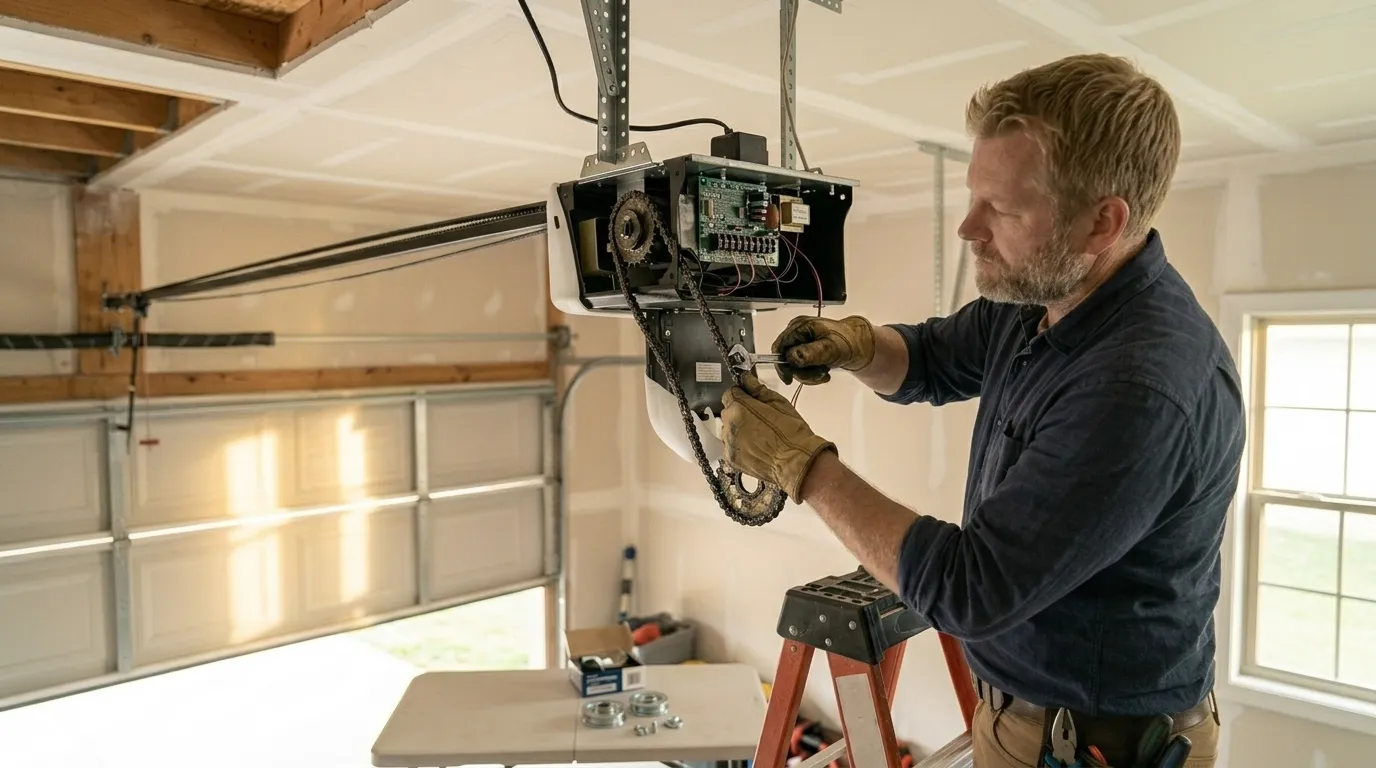
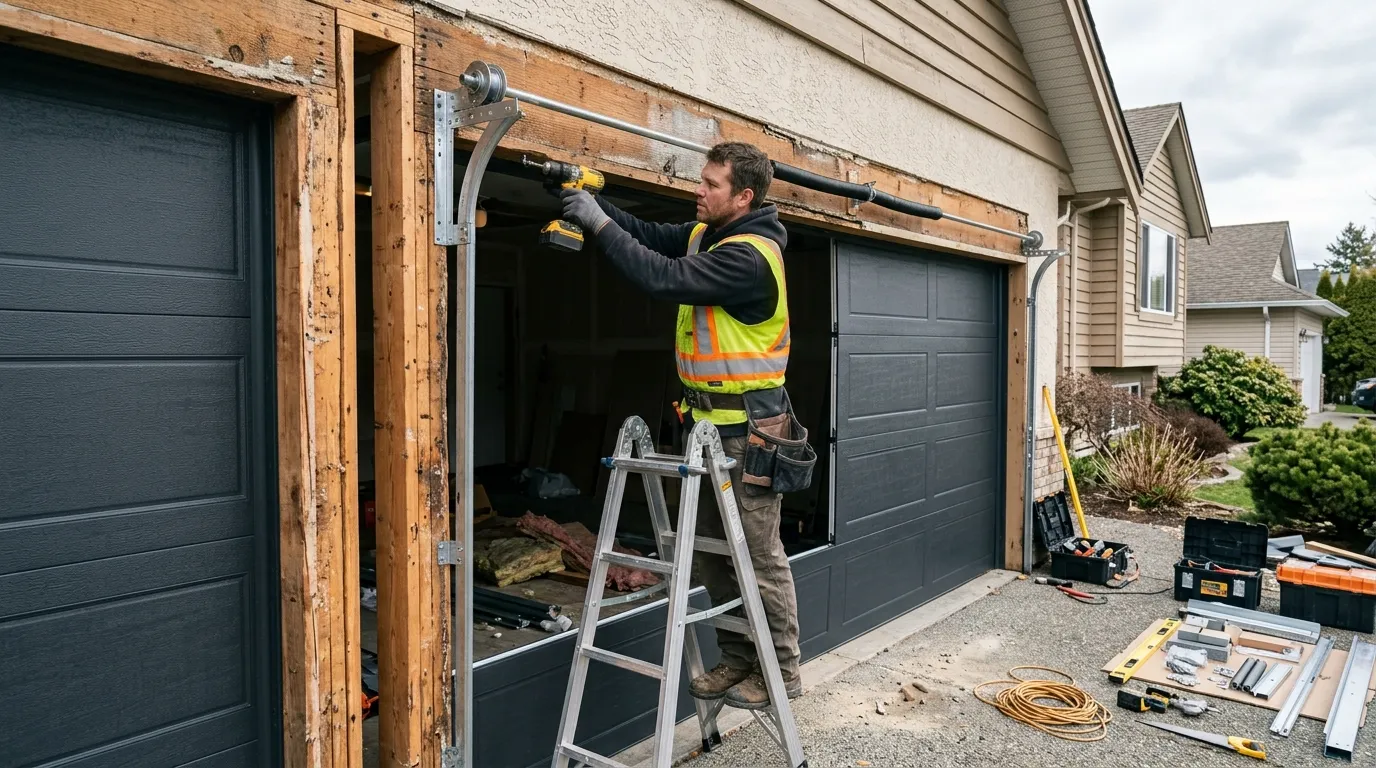
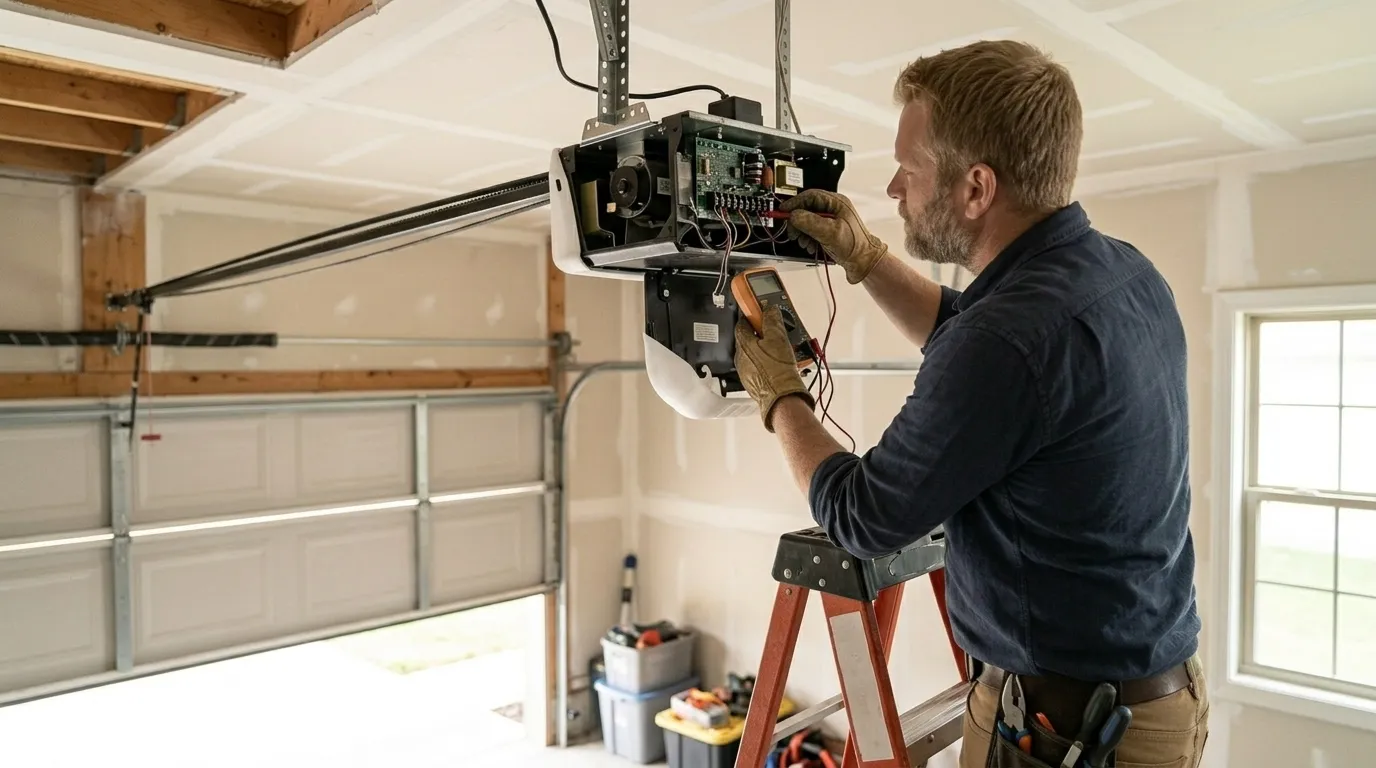
What that means in practice: you're not dealing with the older extension-spring, side-mounted setups that show up in 1970s and 1980s stock elsewhere in the area. Your door is a more modern platform, but it's also aging into its first real failure window. Torsion springs are rated in cycles, and most residential springs start showing wear somewhere in the 7-to-13-year range depending on use. A house built in 2012 is right in that window now. Same goes for openers - a lot of 2010-era belt and chain drives are hitting the point where the logic board or motor capacitor starts to go before anything mechanical does.
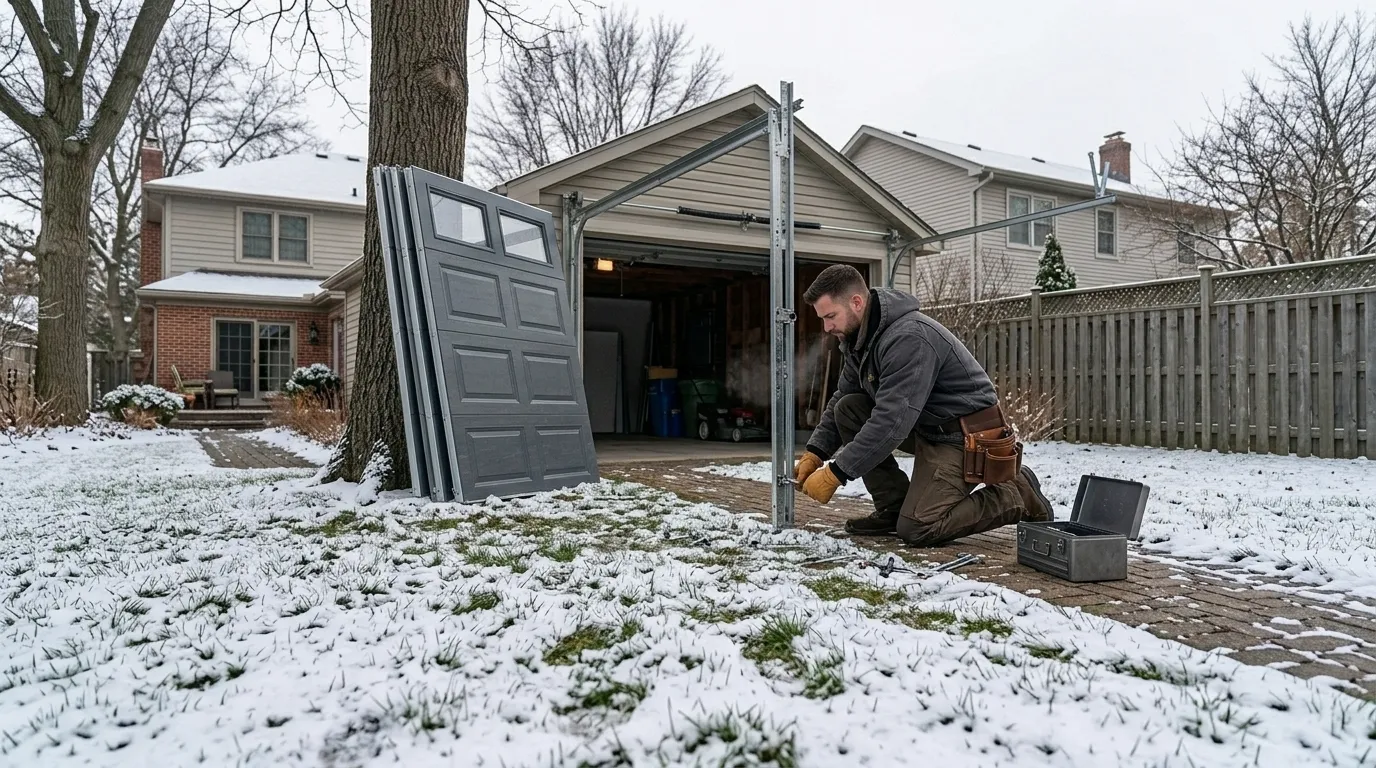
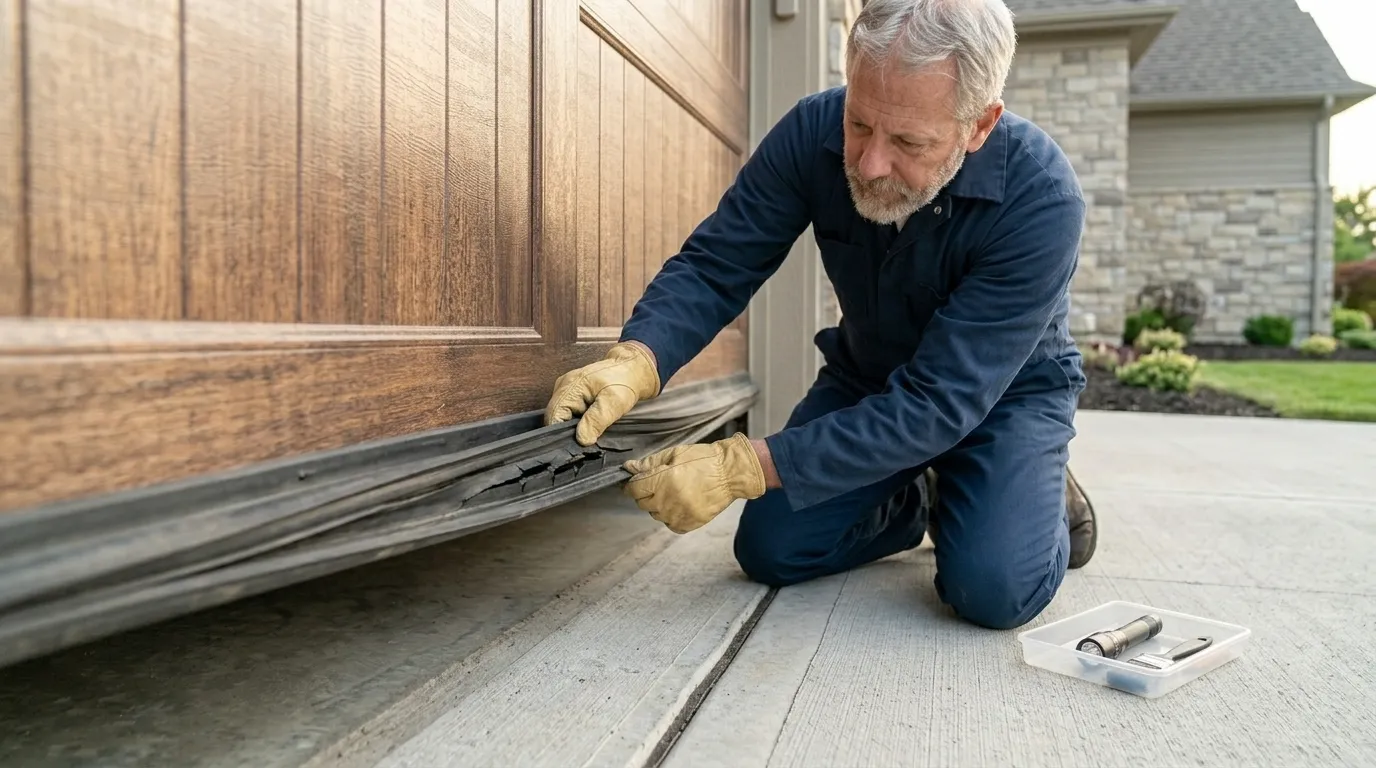
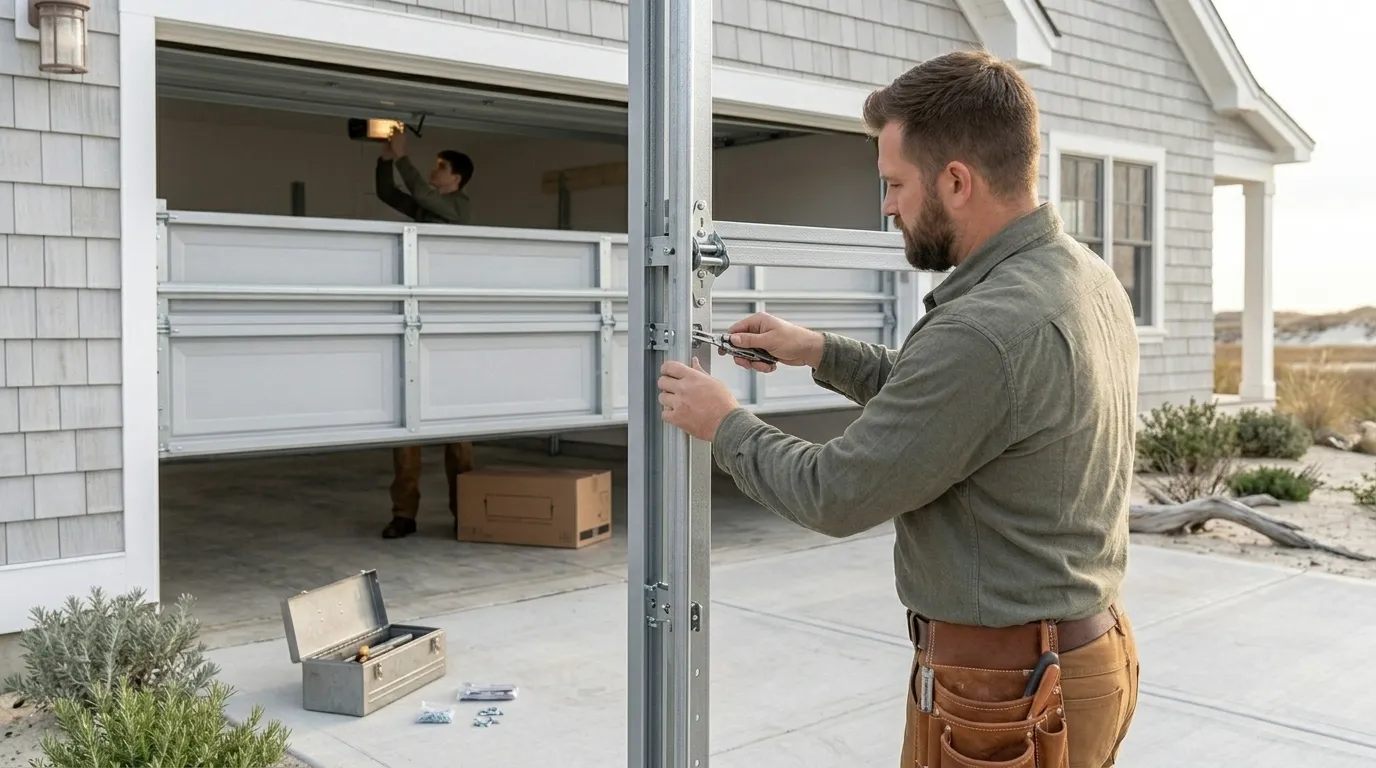
We don't assume every door here needs the same fix. A 2012-build door has different failure patterns than a 2002 one, and we bring parts that match what's actually likely to be on your track, not a generic kit.
This Area's Housing
Josephine has around 1,437 households, which makes it one of the smaller pockets in a service area that totals about 51,055 households and 39,024 owner-occupied homes. Median household income here runs about $99,063 - noticeably under the $124,500 median across the wider area we cover.
That income gap doesn't change how a spring or a track fails, but it does shape how we talk about repair versus replacement. On a newer door - and most doors in Josephine are newer, going up around 2012 on median - a repair is almost always the right call first. The hardware is standard, parts are available, and there's no reason to replace a door that's ten to thirteen years old just because one spring went.
Where it gets harder is if an opener from that same era needs a logic board that's been discontinued, or if a specific belt-drive model doesn't turn up on our truck stock. We're honest when that happens - sometimes it means ordering a part and coming back rather than pretending we can finish in one visit. That's the tradeoff of a newer, more electronics-heavy door: fewer mechanical failures, but occasional parts lead times when a board goes bad.
What Neighbours Usually Call About
Given the build era in Josephine, the calls we get tend to cluster around a few things. Torsion springs reaching the end of their cycle life is the big one - a door that's suddenly heavy to lift by hand, or an opener straining and groaning before it moves the door at all. That's a spring, not a motor, on a door of this age.
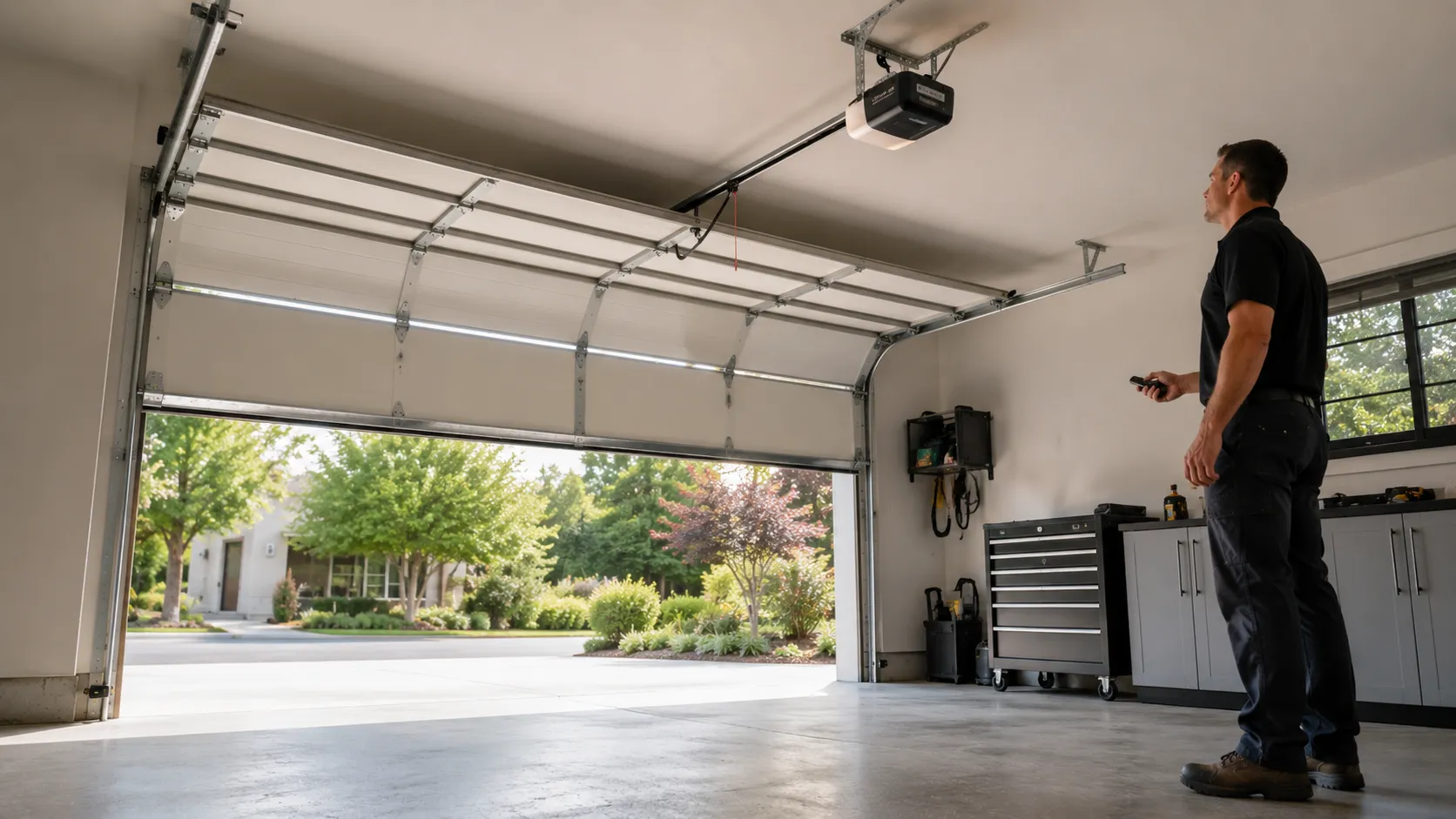
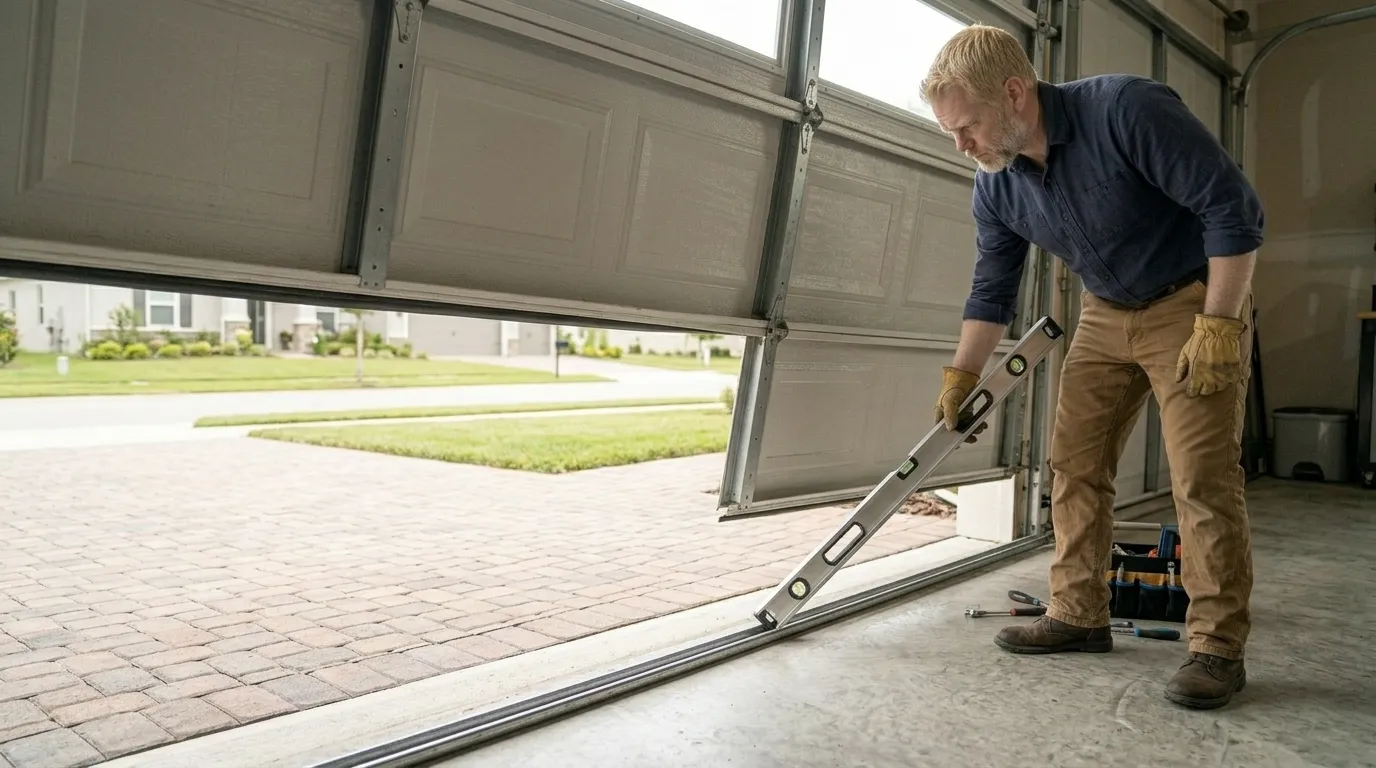
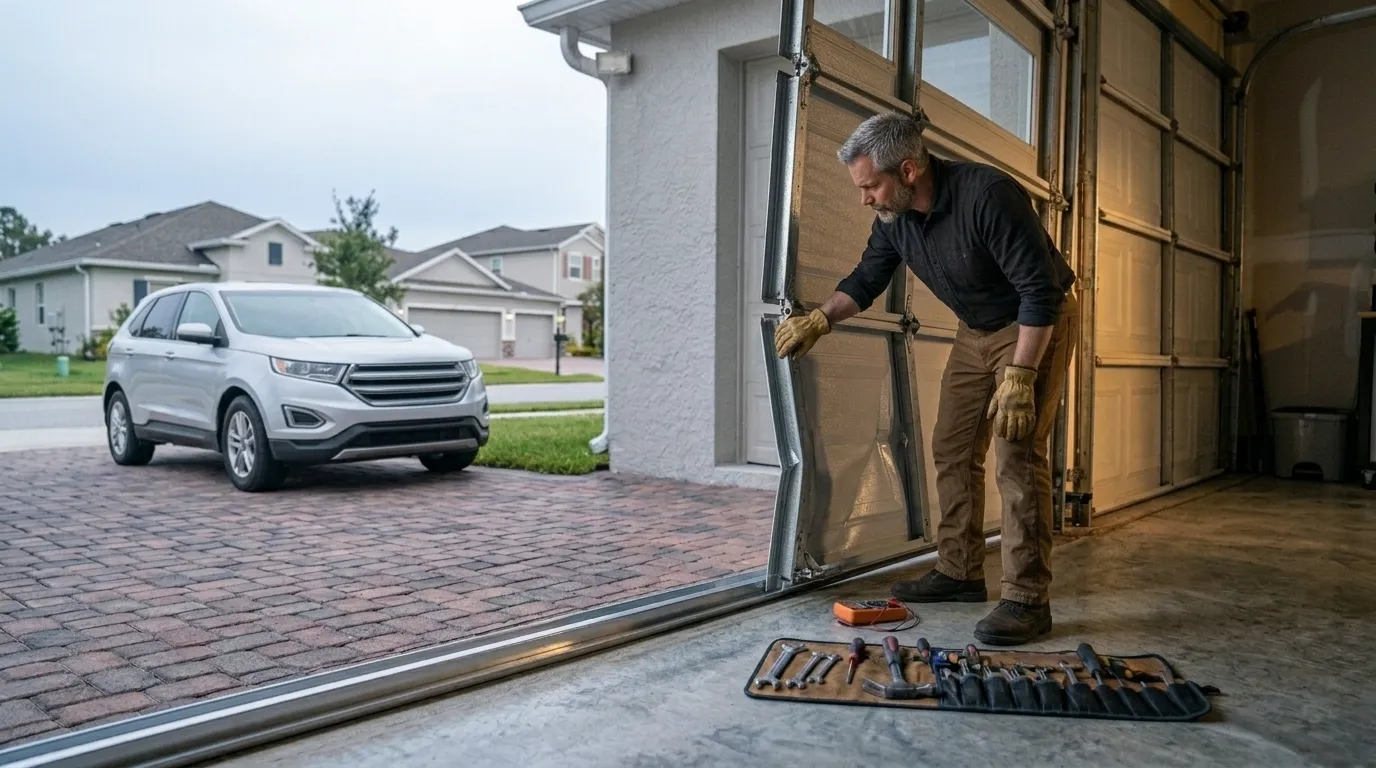
Photo-eye sensor faults are the second most common. Openers from the early 2010s rely on a pair of sensors near the floor track, and a knocked-out-of-alignment sensor will make the door refuse to close, or reverse halfway down. It's usually a five-minute fix once we're there, but it looks alarming from the inside of a car in the driveway.
We also see opener logic boards failing outright around the ten-to-fifteen-year mark, which is where Josephine's stock is heading. When that happens on a belt-drive model we don't carry a matching board for, we're honest about it taking a return trip rather than promising a same-visit fix we can't back up.