What the Housing Means for Your Door
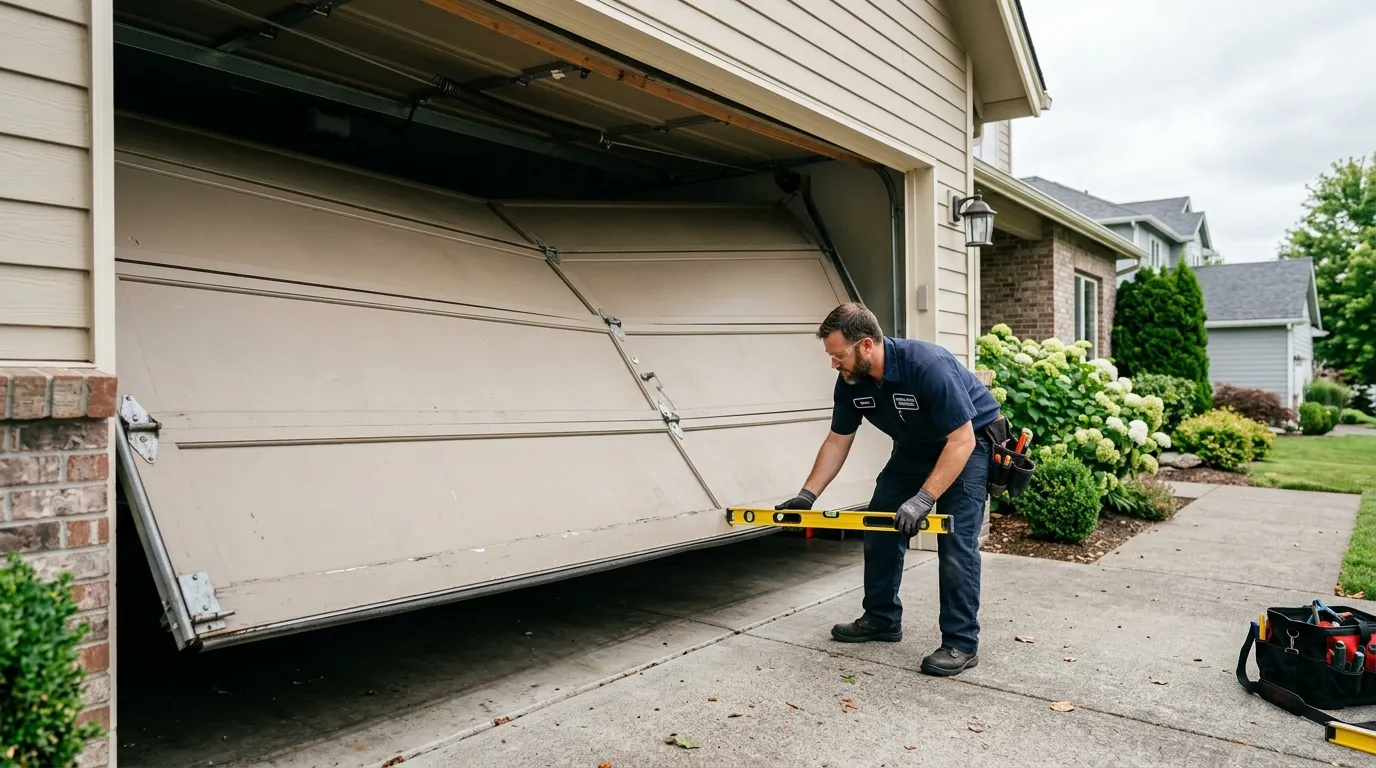
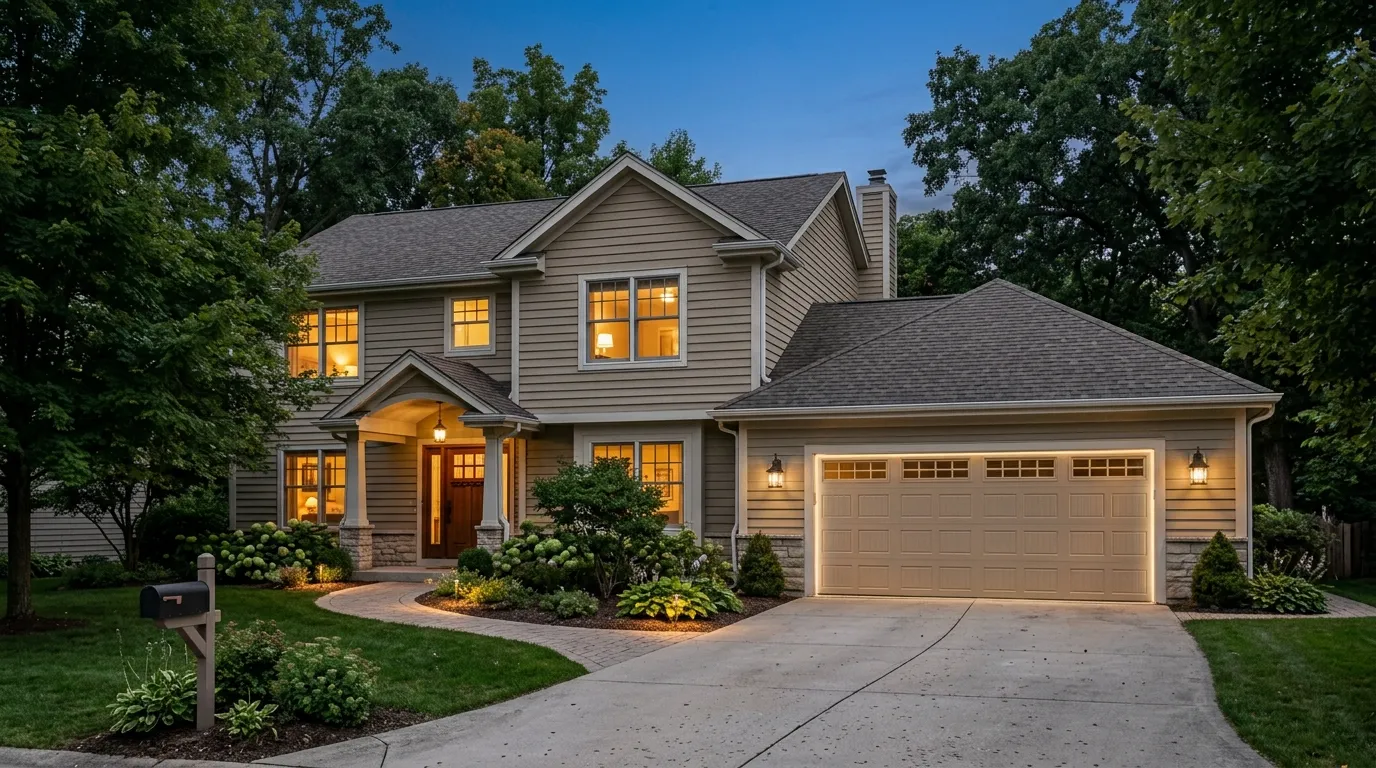
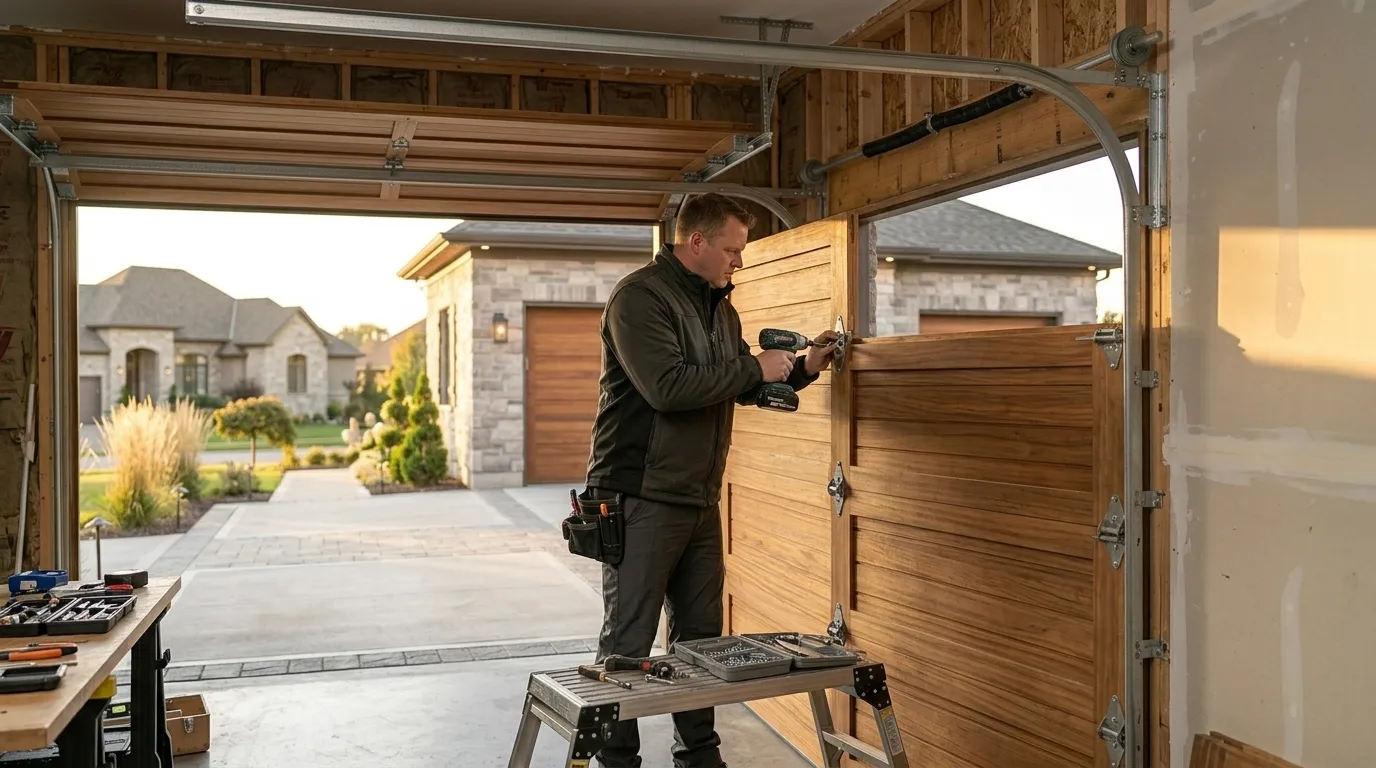
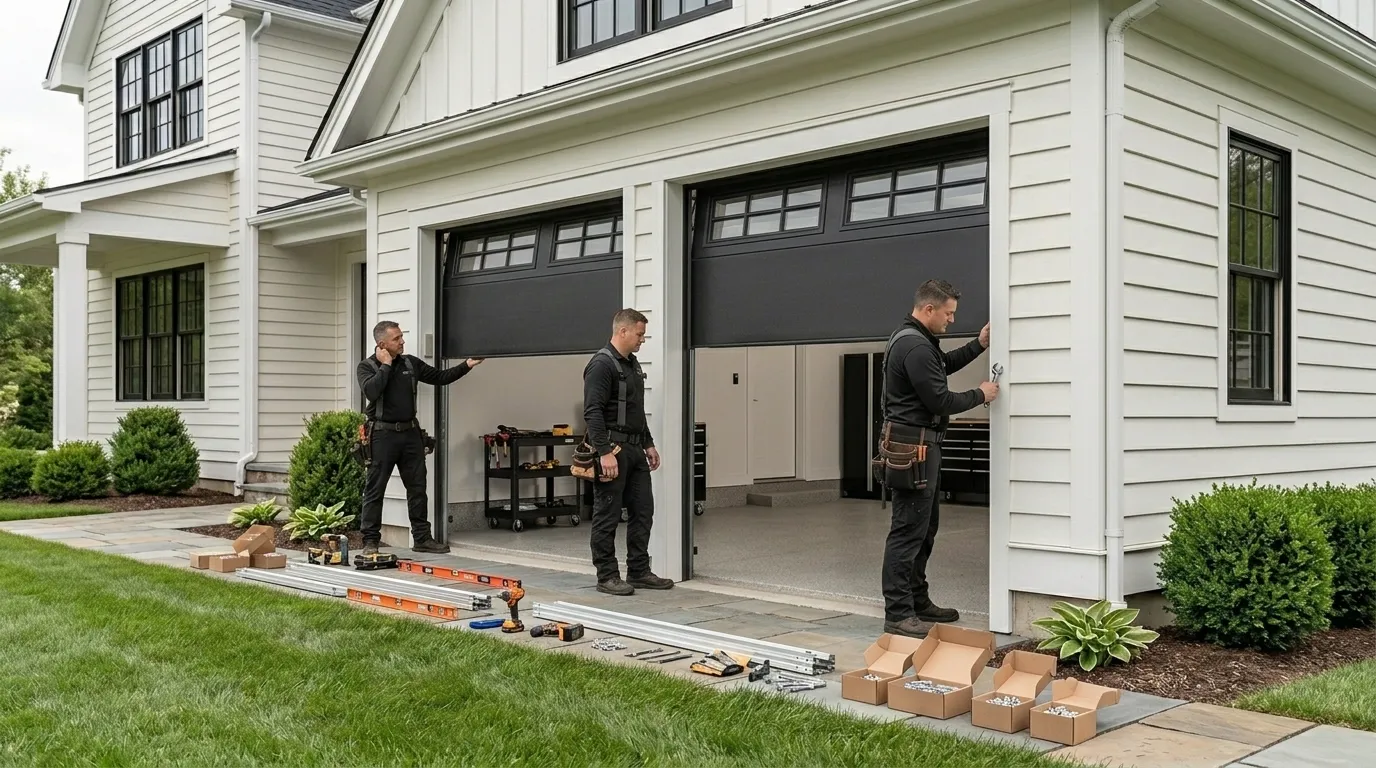
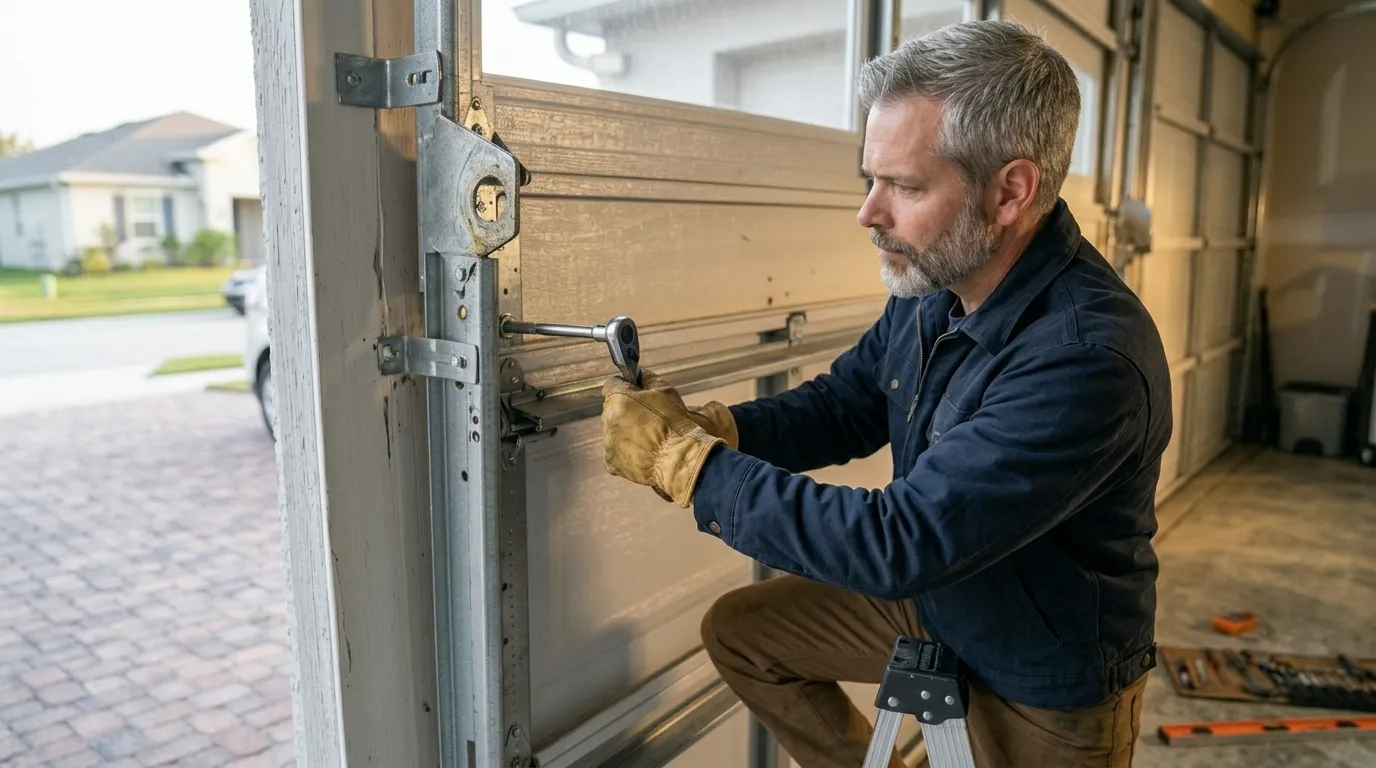
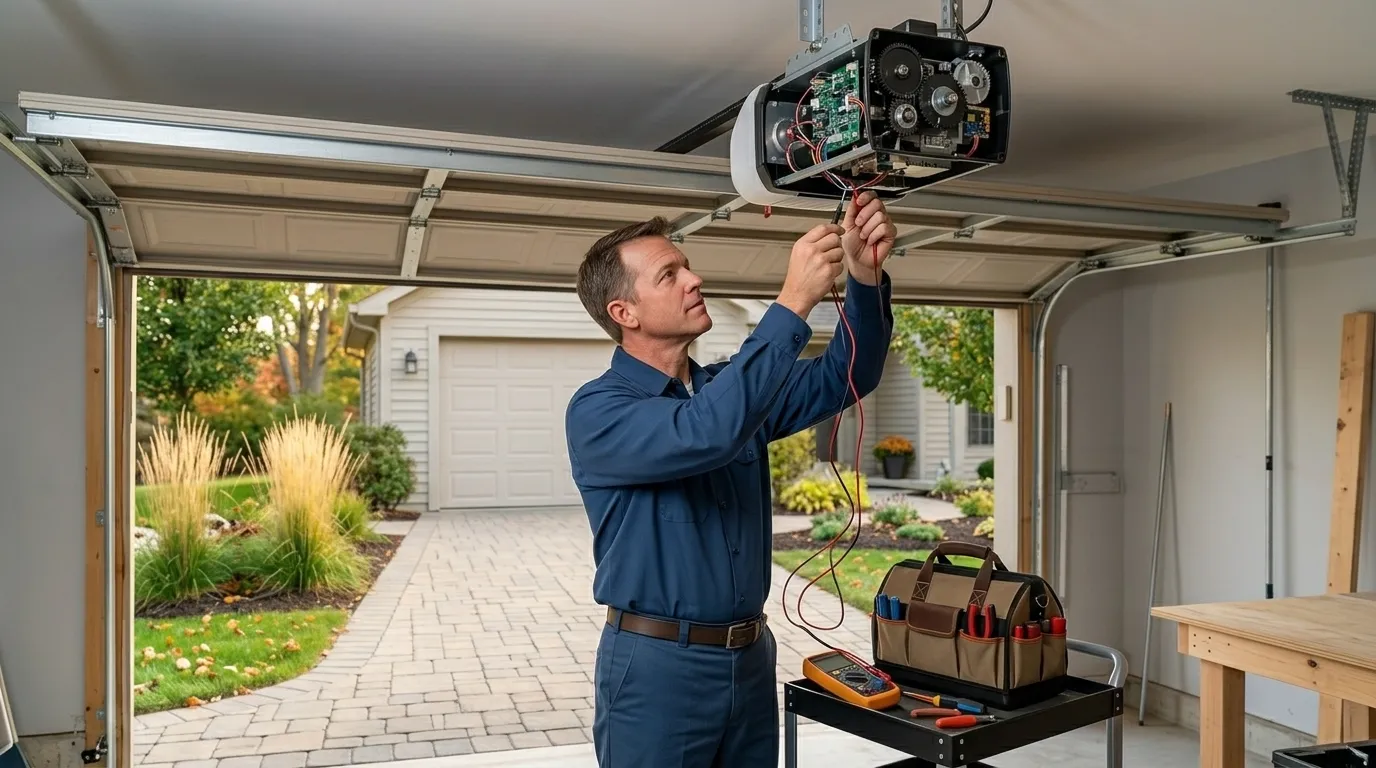
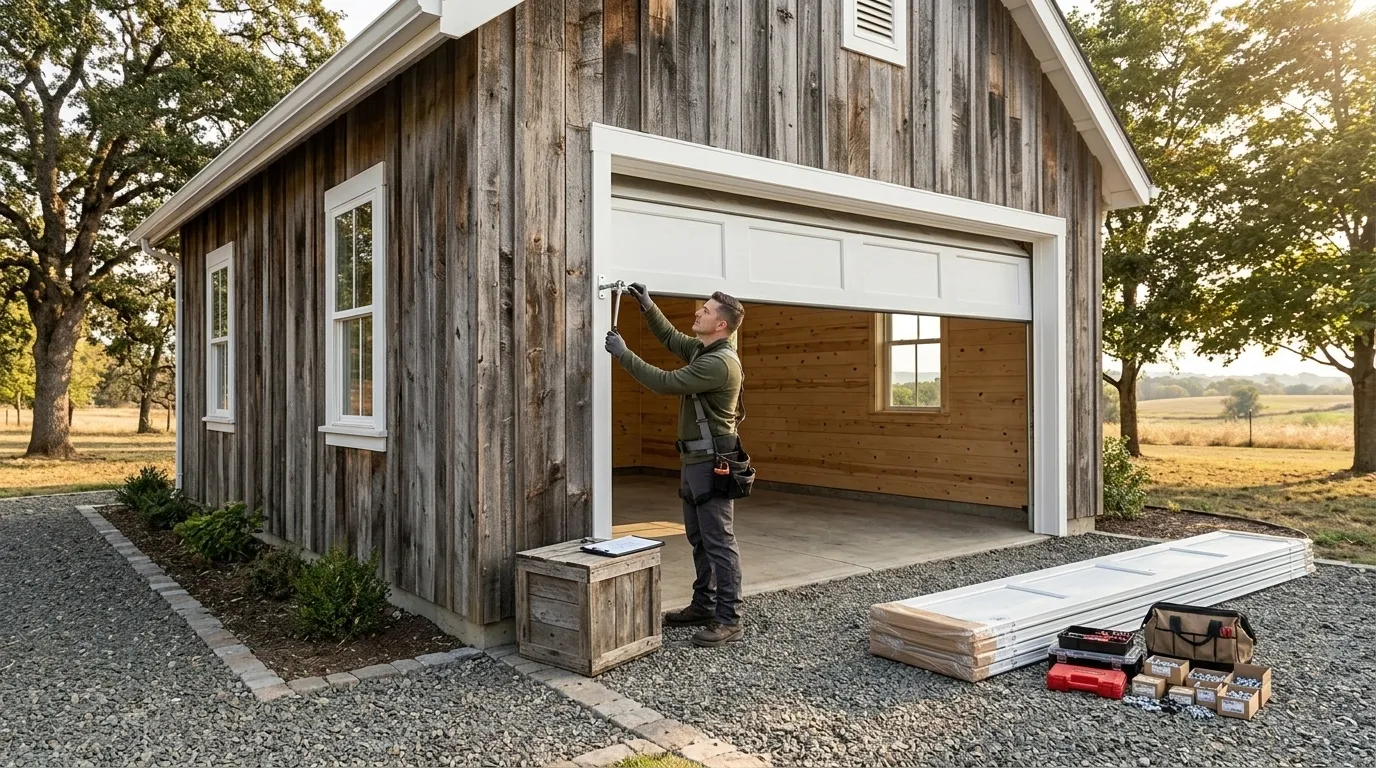
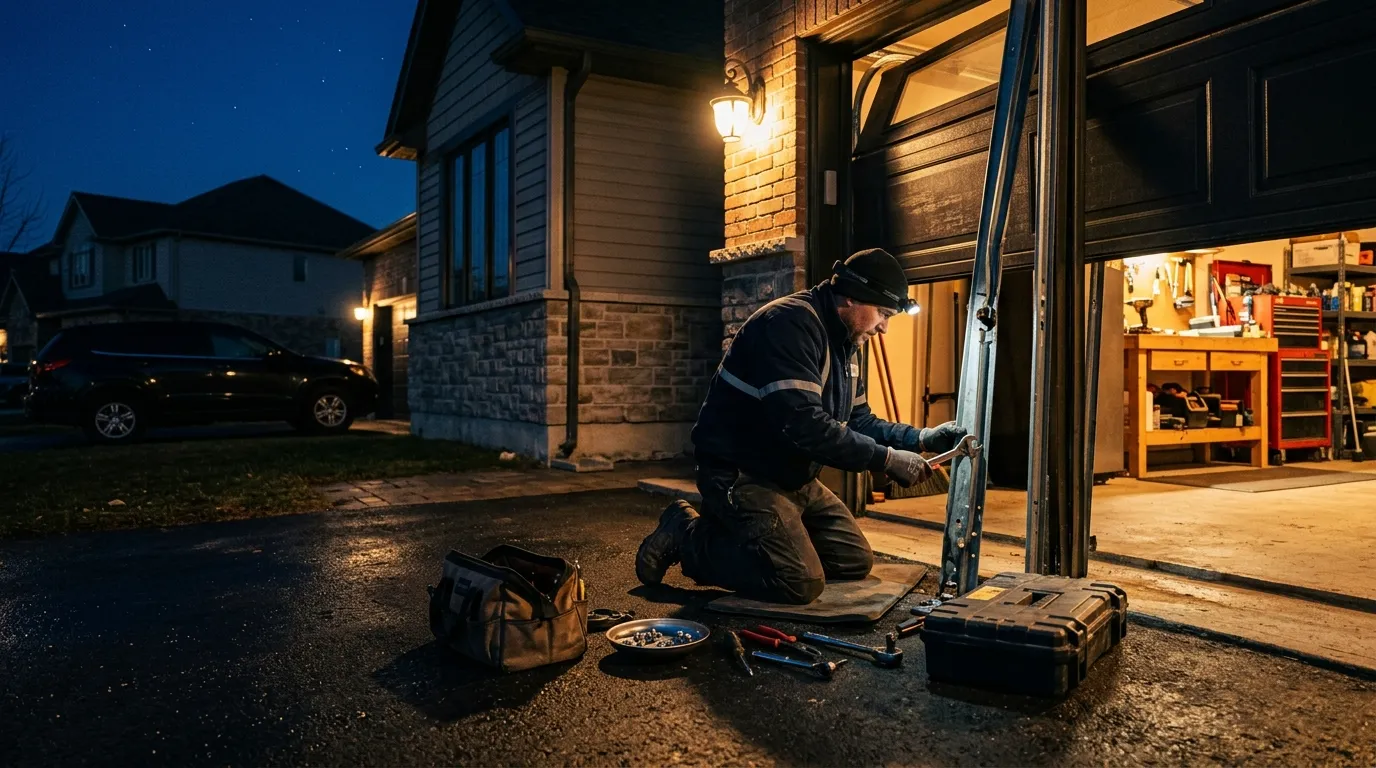
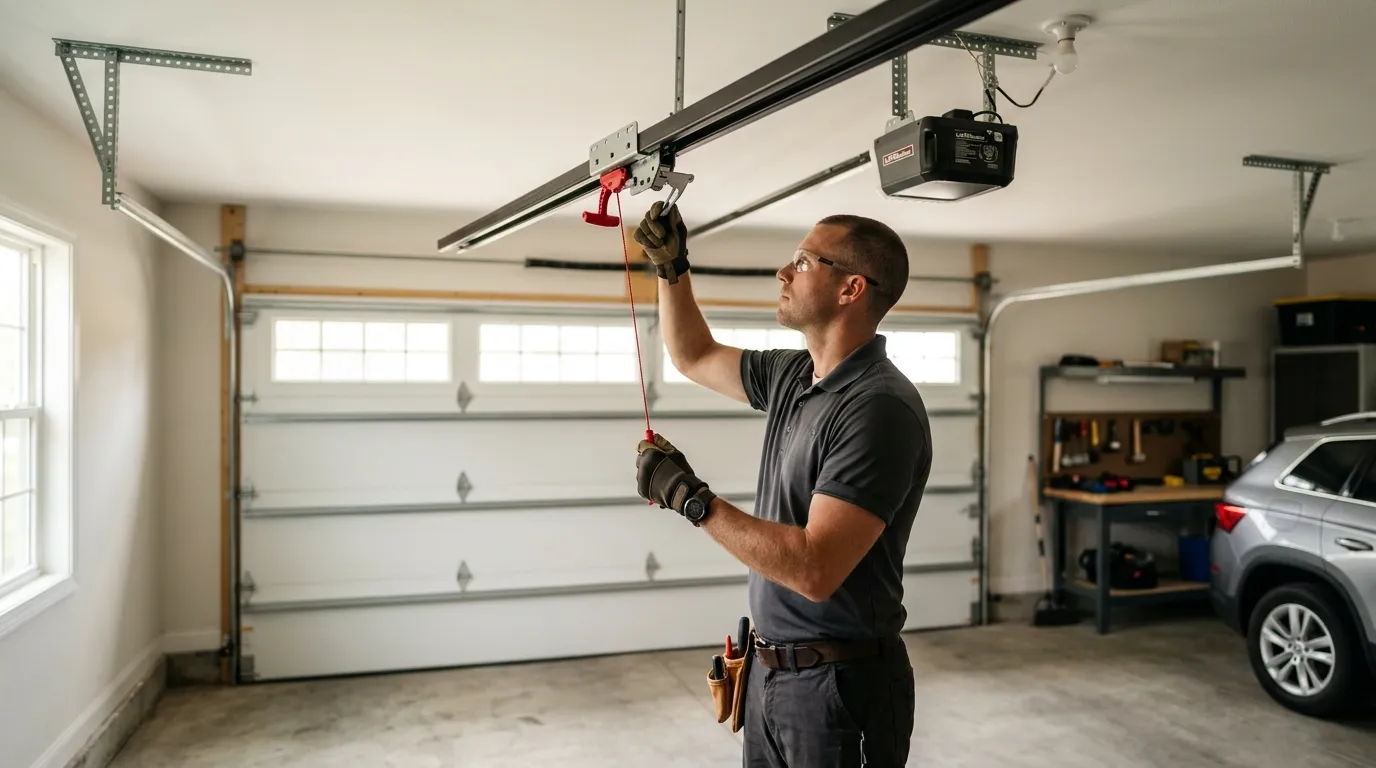
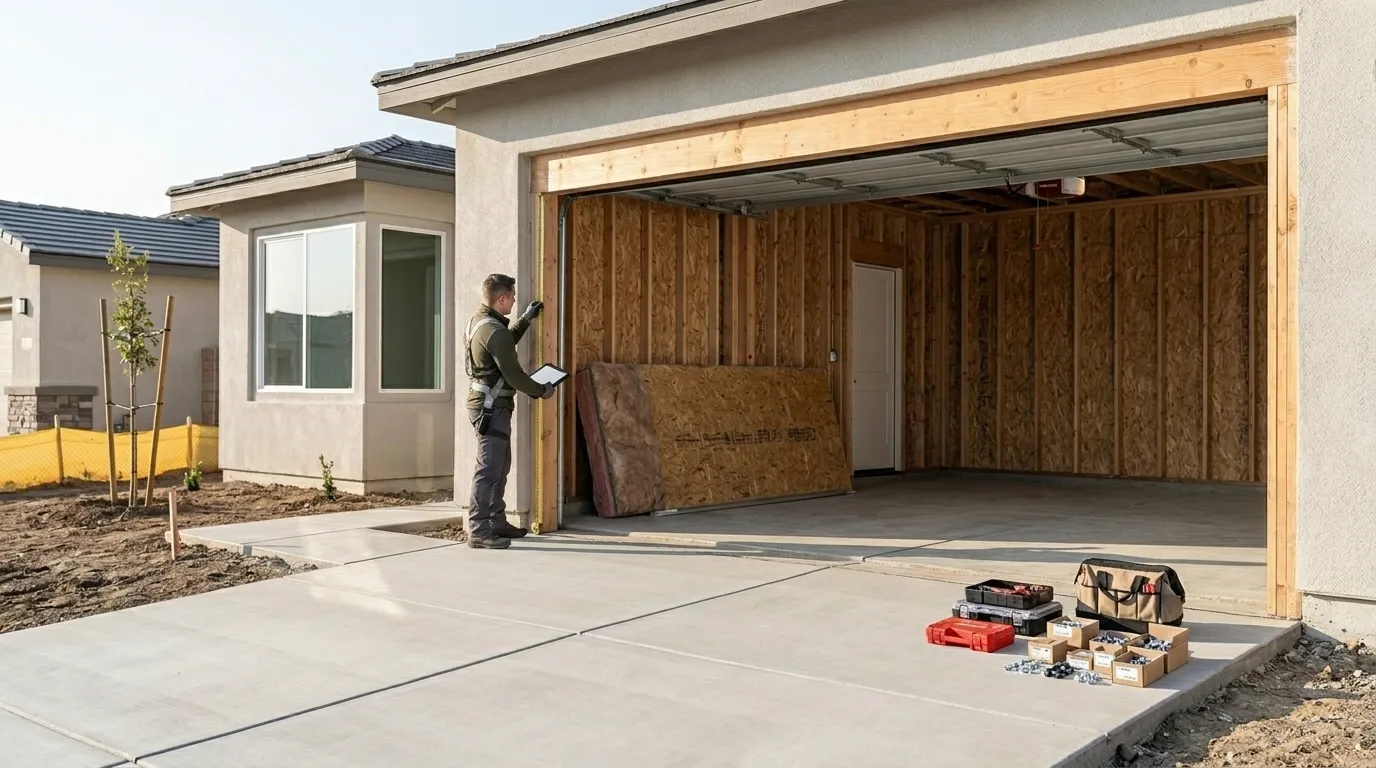
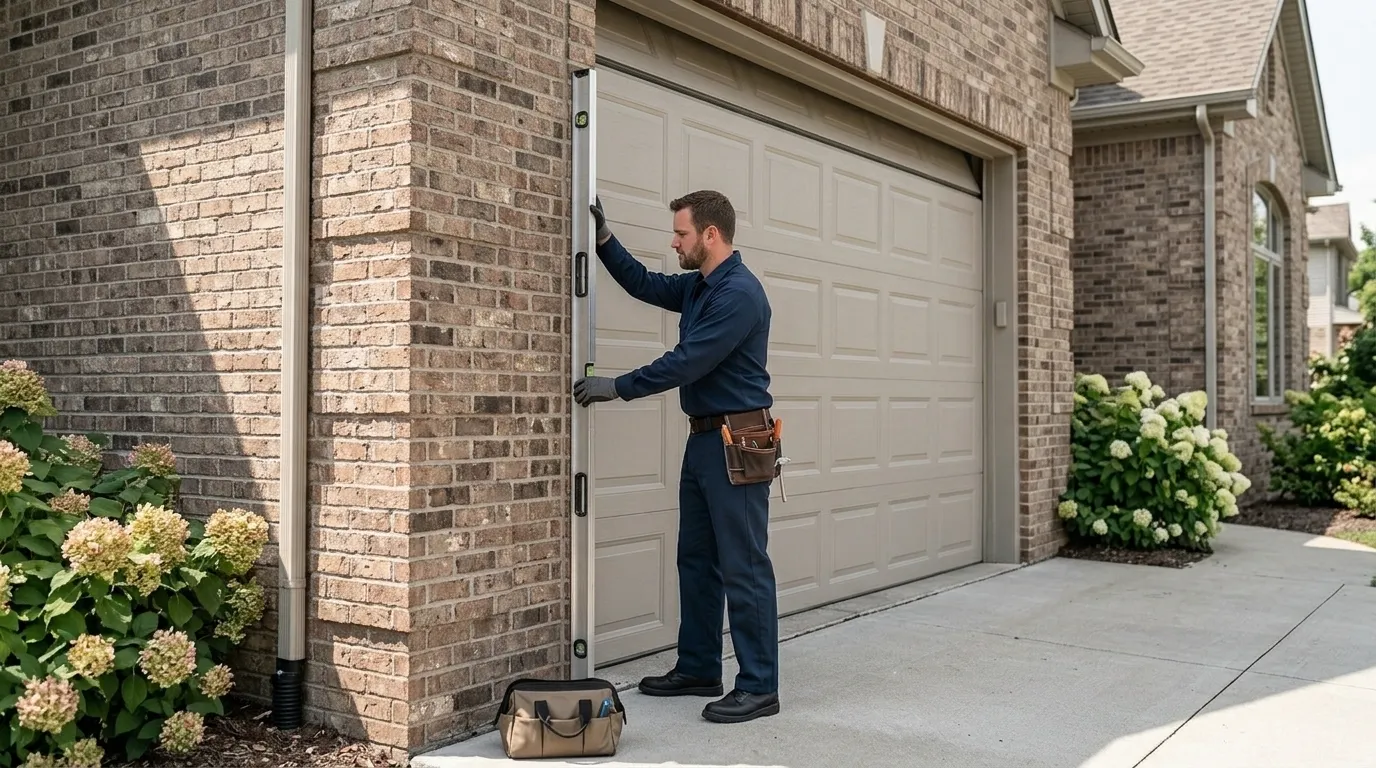
Parker's housing stock centers on 2005, which puts most doors here on steel sectional panels with torsion springs mounted above the opening rather than the older side-mount setups you'd find in an area built decades earlier. That's a different repair than what a lot of garage door companies expect when they show up. Doors from this era usually run on standard-lift track with a belt or chain-drive opener already installed, which means when something fails, it's more often a worn extension spring, a misaligned photo-eye sensor, or a stripped drive gear inside the opener housing than a hardware style nobody stocks anymore. The panels themselves hold up fine in this climate, but the springs and cables that came with a mid-2000s build are now old enough to be near or past their cycle life. If your door is original to the house, you're at the point where a spring failure is expected wear, not bad luck. We won't tell you a repair is urgent when it isn't, but a torsion spring that's original to a 2005 install is worth having looked at before it snaps on you.
This Area's Housing
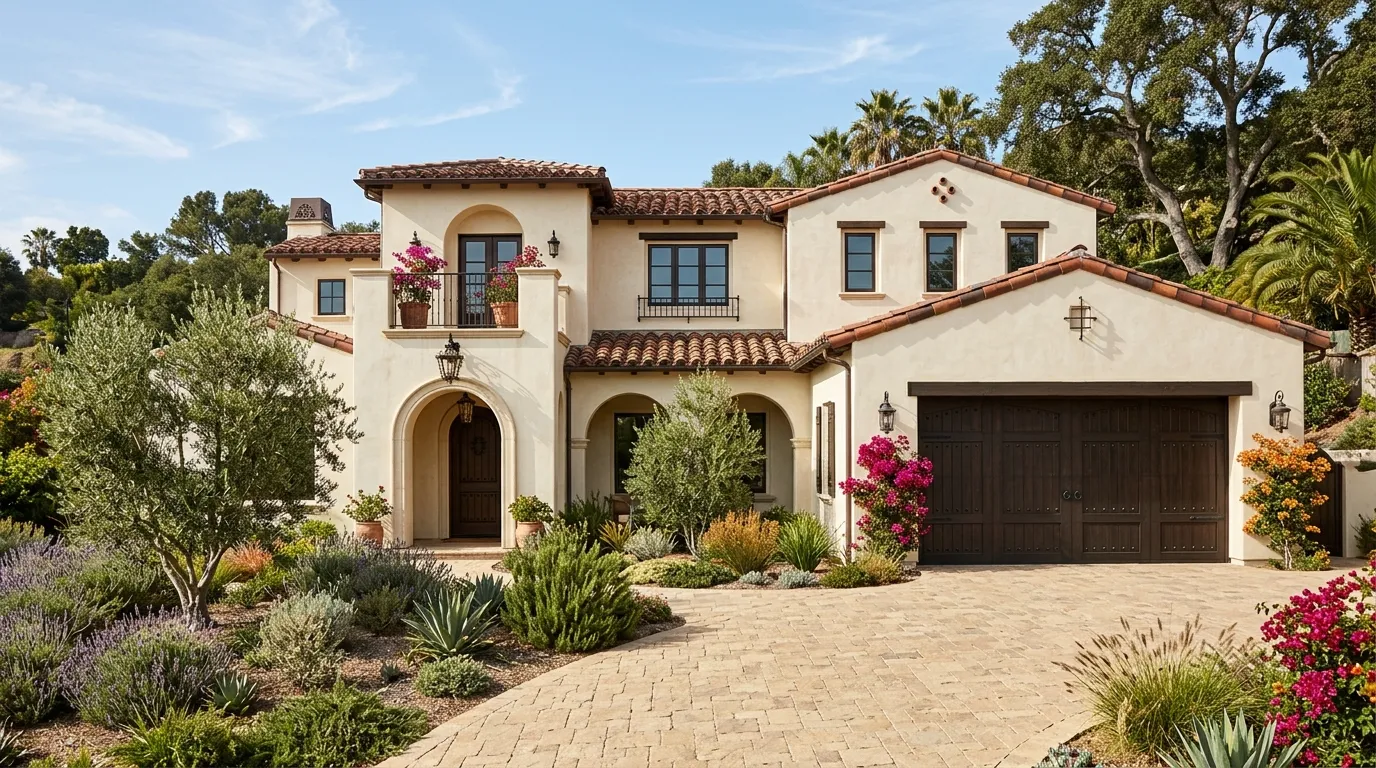
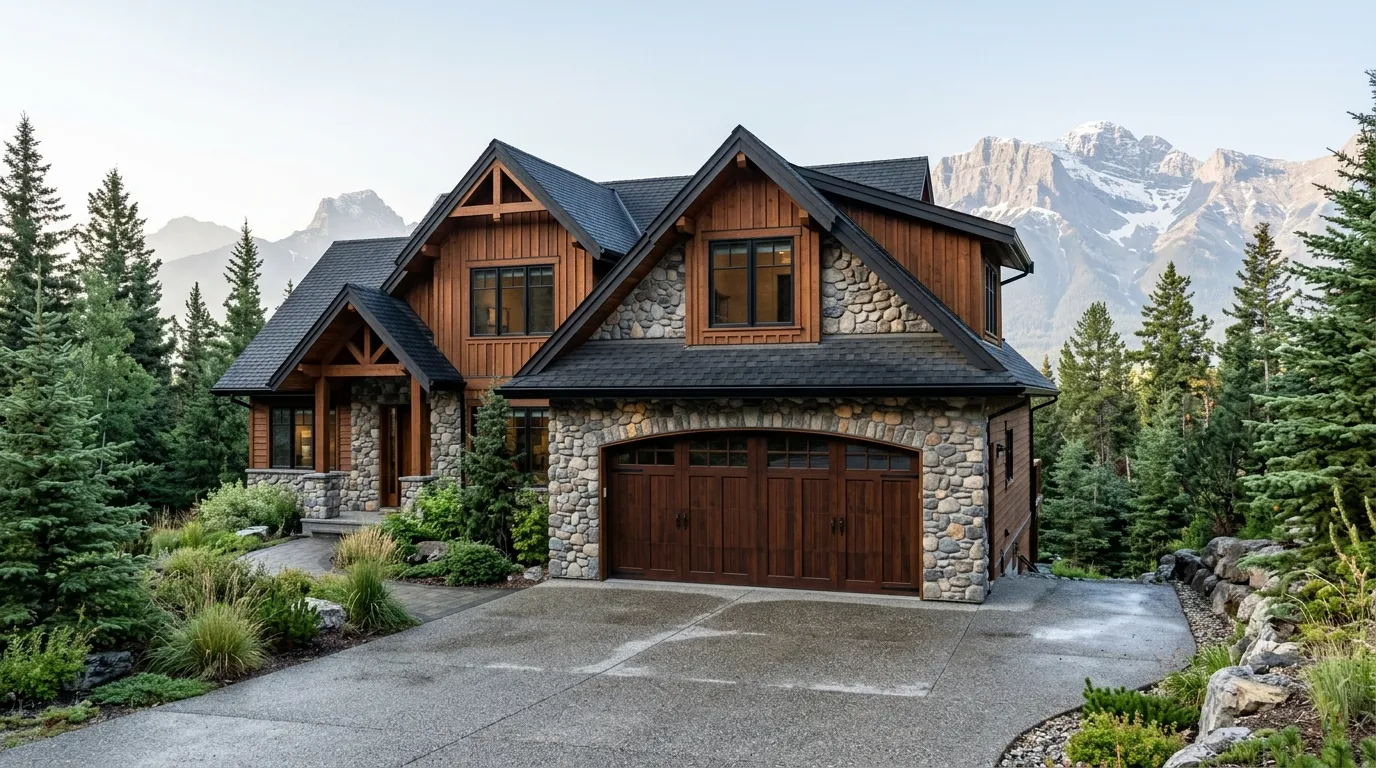
Parker has around 1,553 households, smaller and noticeably more affluent than a lot of the surrounding service area, with median household income near $216,179 compared to the broader area's $124,500. That income level tends to track with more custom garage doors, insulated panels, and higher-end opener brands rather than the builder-grade doors you see in older, denser subdivisions. It also means owners here are less likely to want a patch job on an aging door and more likely to ask about matching an existing custom panel or upgrading to a quieter belt-drive opener. The wider service area spans housing built anywhere from 1971 to 2013 across 21 named communities, but Parker's own stock clusters tightly around that 2005 build year, so the doors you'll find on most streets here are more uniform in age and style than what you'd see driving through Fate or Lucas.
What Neighbours Usually Call About
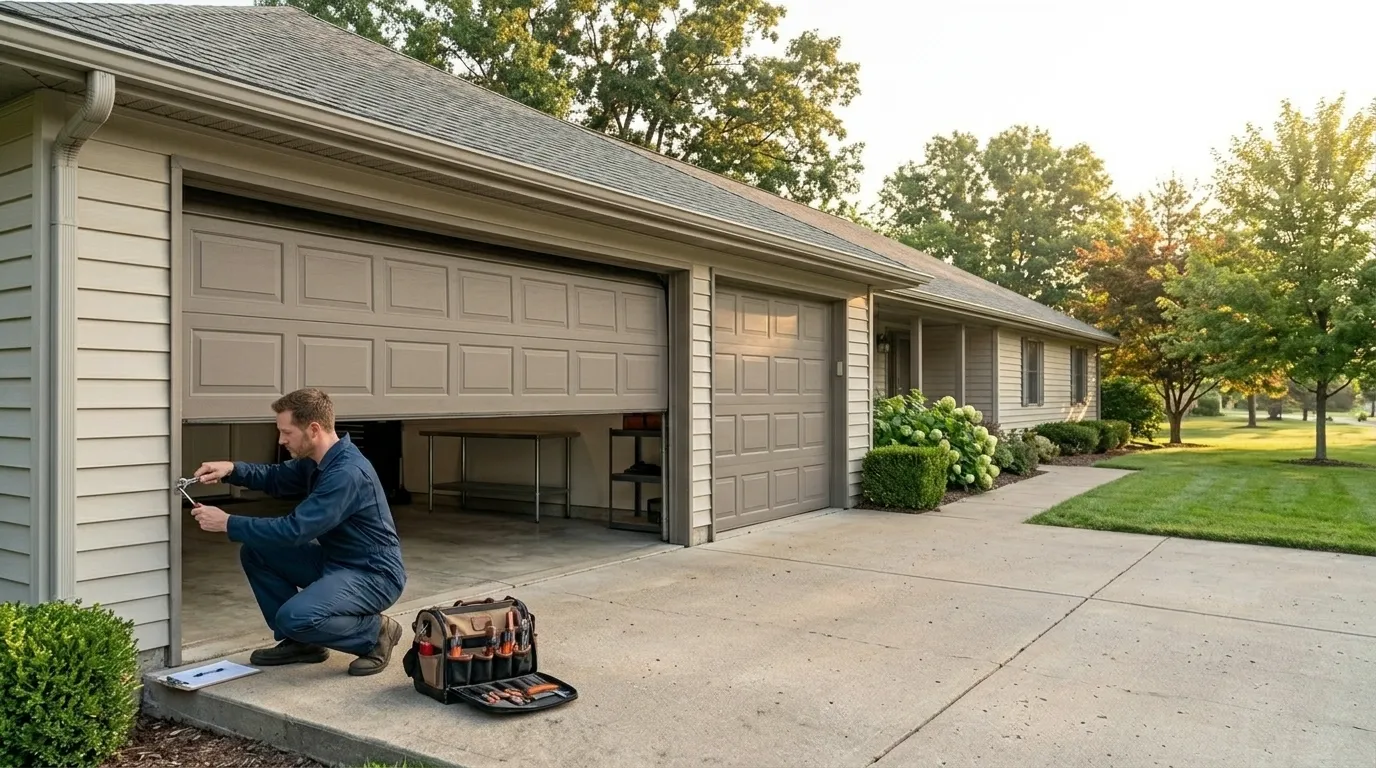
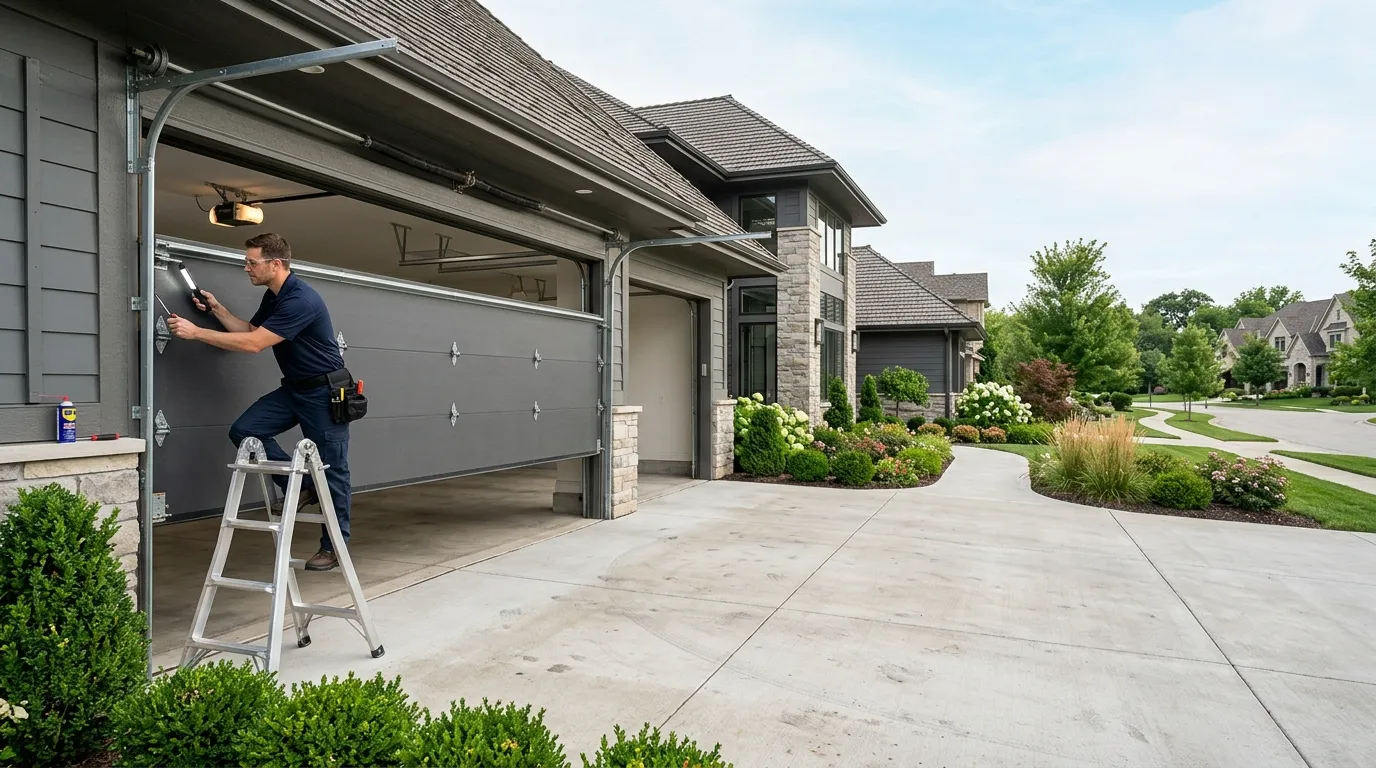
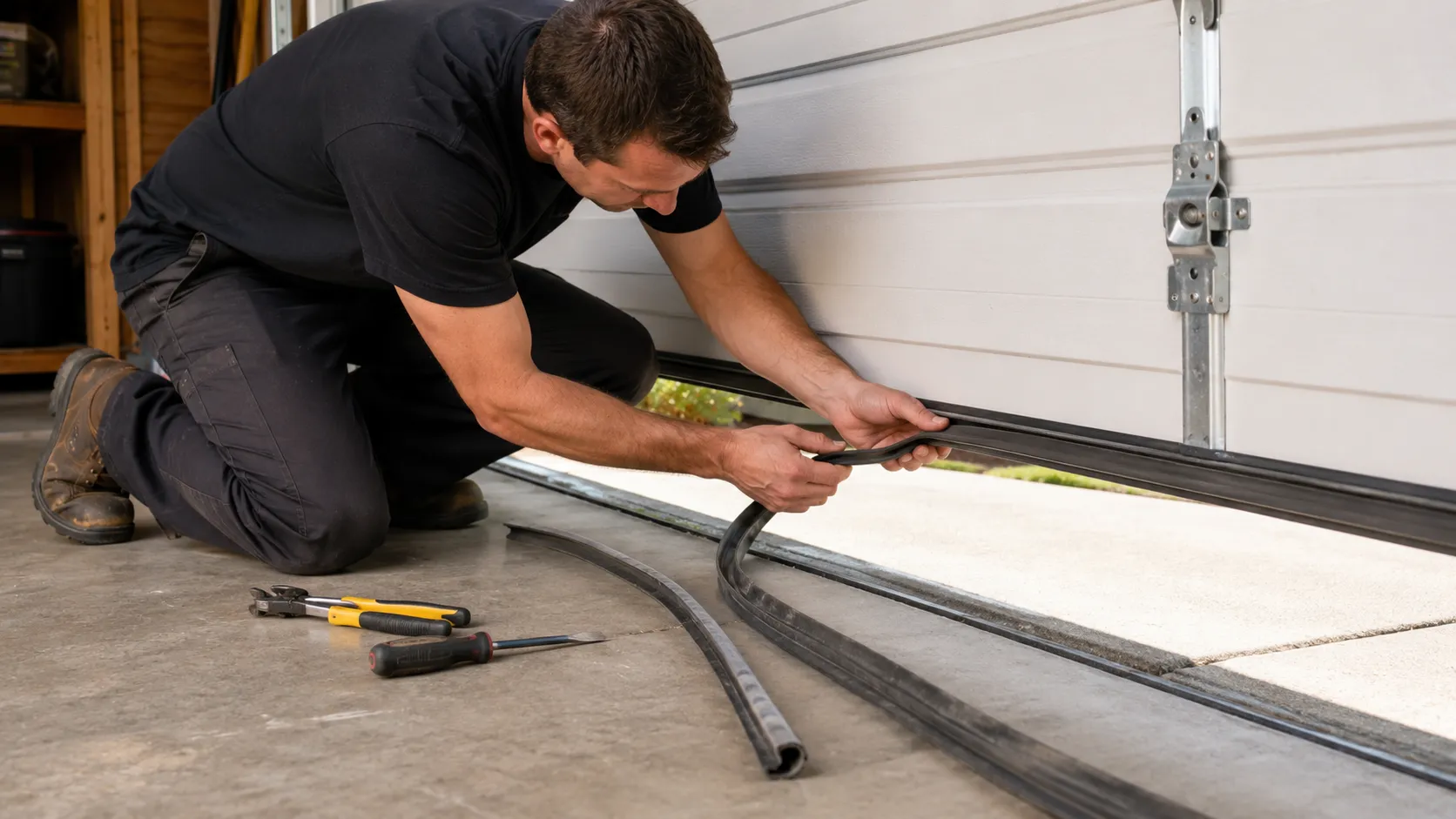
The calls we get from this side of the county tend to be torsion springs reaching the end of their life, openers with worn drive gears or failing circuit boards, and photo-eye sensors knocked out of alignment - all typical for a door and opener system installed around 2005. We also get calls about noisy rollers on the original steel track, which is a cheap fix if you catch it early and a track replacement if you don't. Given the mild, occasional-freeze climate here, we don't see the cold-weather spring snaps that garages further north deal with, but rubber weatherstripping and bottom seals still dry out and crack over time. One honest limit: if your opener is original and the circuit board has failed, replacement parts for a 2005-era unit can be back-ordered, and at that point a new opener install is usually faster and not much more than sourcing an obsolete board.