What You Are Seeing
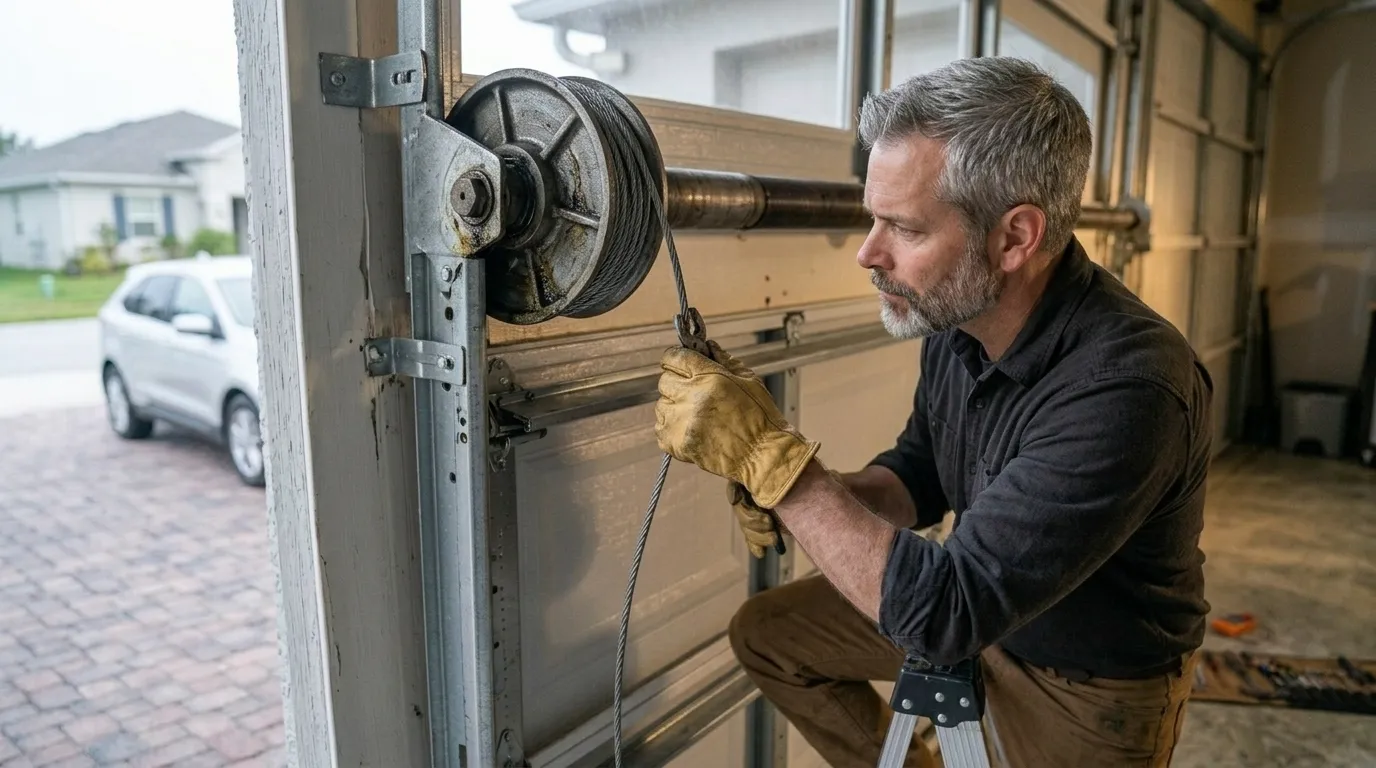
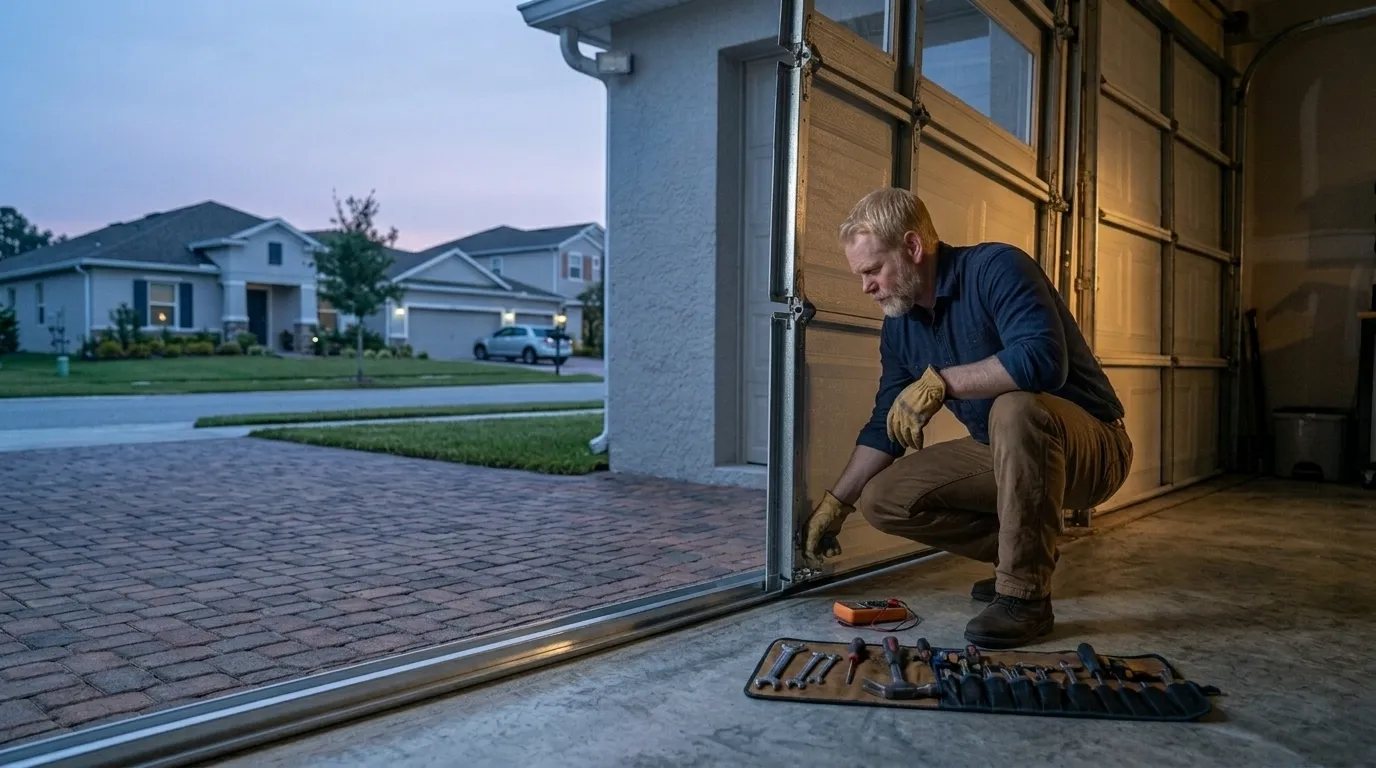
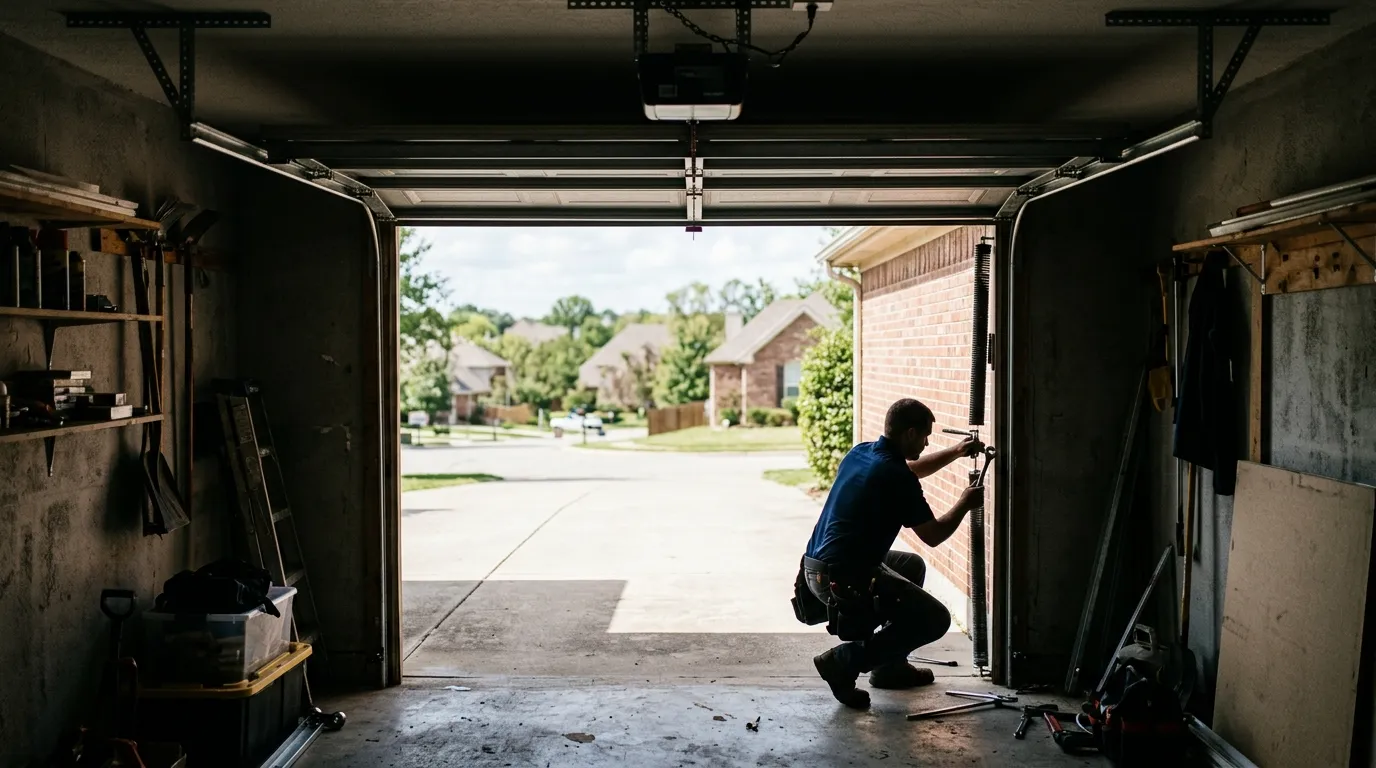
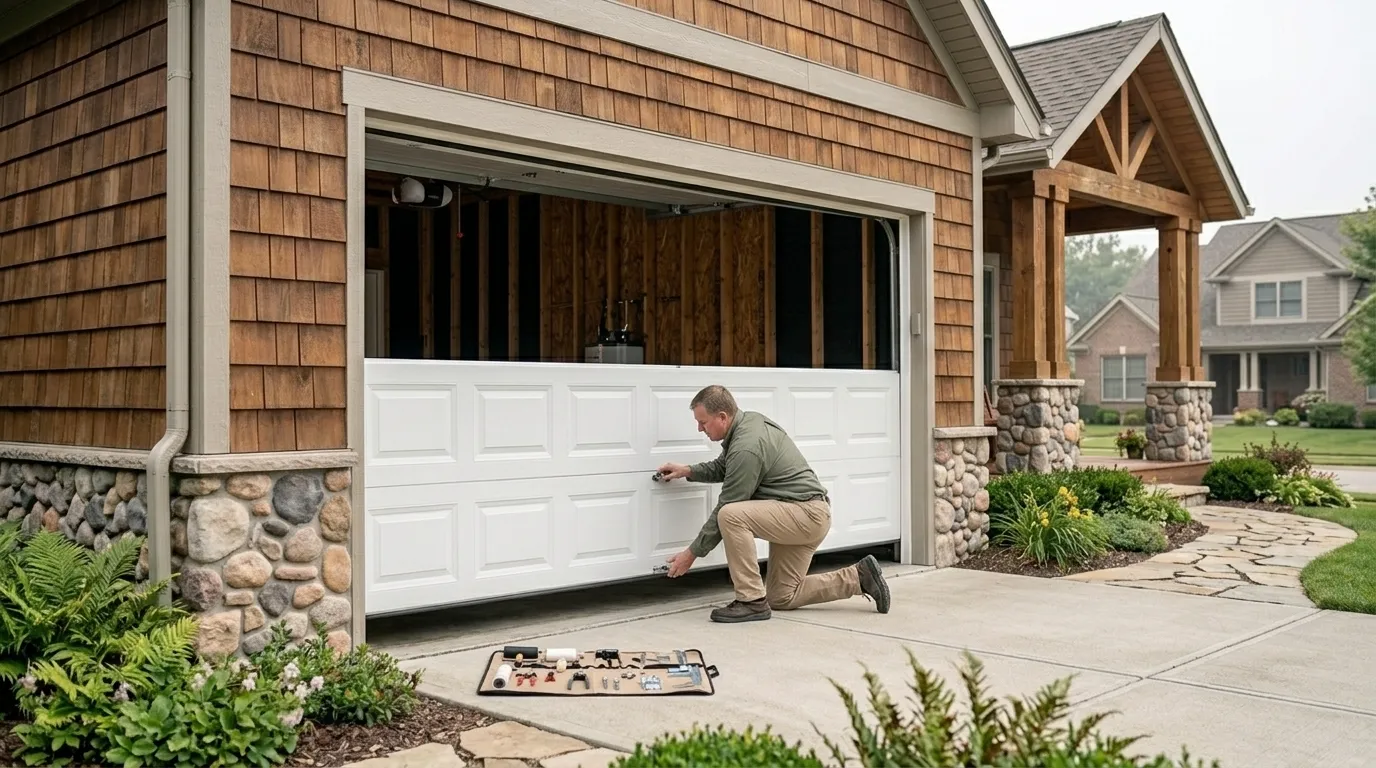
If you're searching for a new garage door in Rockwall, chances are your current one is original to the house. Most of the housing stock in this area went up between 1971 and 2013, with the median build year landing around 2002. A door installed when the house was framed is now pushing two decades of daily cycles - two trips a day, seven days a week, adds up fast. You'll notice it first in small ways: the door doesn't sit flush at the bottom anymore, the opener strains and reverses on its own, or the panels have started to bow near the bottom roller tracks. Sometimes it's simpler than that - the door still runs, but the springs are the builder-grade minimum from 2002 and they're rated for a lot fewer cycles than what a modern torsion setup carries. None of this means something is broken today. It means the door and hardware are at the end of their expected service life, and a repair on a twenty-year-old track system usually just delays the same call by a year. We look at the whole assembly - door, track, springs, opener - before we tell you which parts of that are worth replacing and which aren't.
Why It Happens Here
Rockwall sits in a mild climate with only occasional freeze, not the deep winters that push hardware manufacturers to spec heavier-duty steel and cold-rated lubricants. That's mostly good news - it means less thermal stress on tracks and less cracking in door panels than colder markets see. But it also means a lot of the doors built into these 2002-median homes were spec'd for exactly that mild band, with standard-duty springs and openers, not oversized margins. Twenty years of Texas heat cycling the metal, followed by the handful of hard-freeze nights we do get each winter, is enough to fatigue springs that were never built with a safety margin for extremes. Add in that this area's growth happened fast and mostly in one building window - the same 2000s stock shows up across the towns we serve, from Fate to Heath to Lavon - and you get a whole region of garage doors reaching the same failure point at close to the same time. That's not a coincidence tied to any one house. It's the housing wave itself aging out together.
How We Fix It
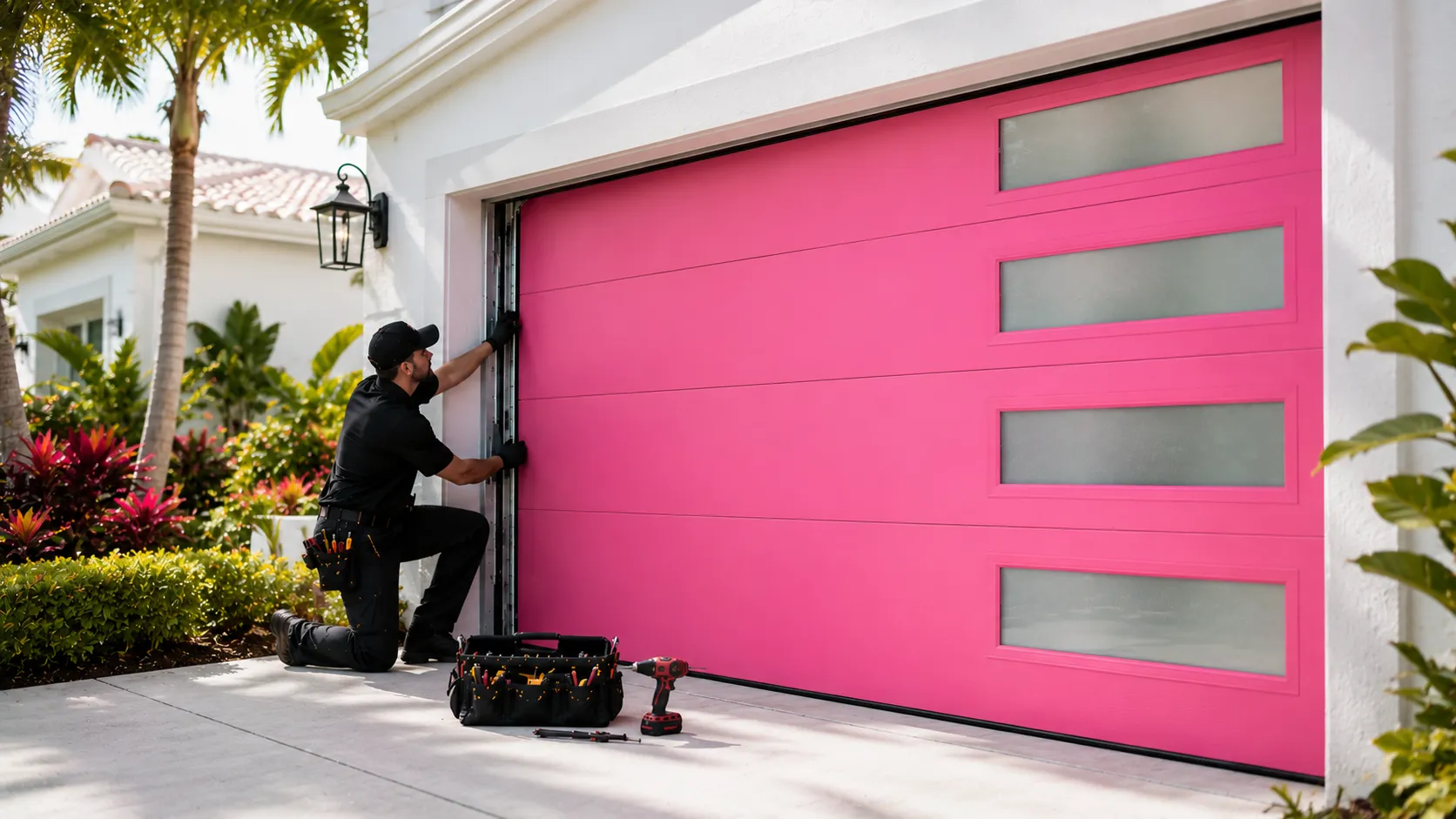
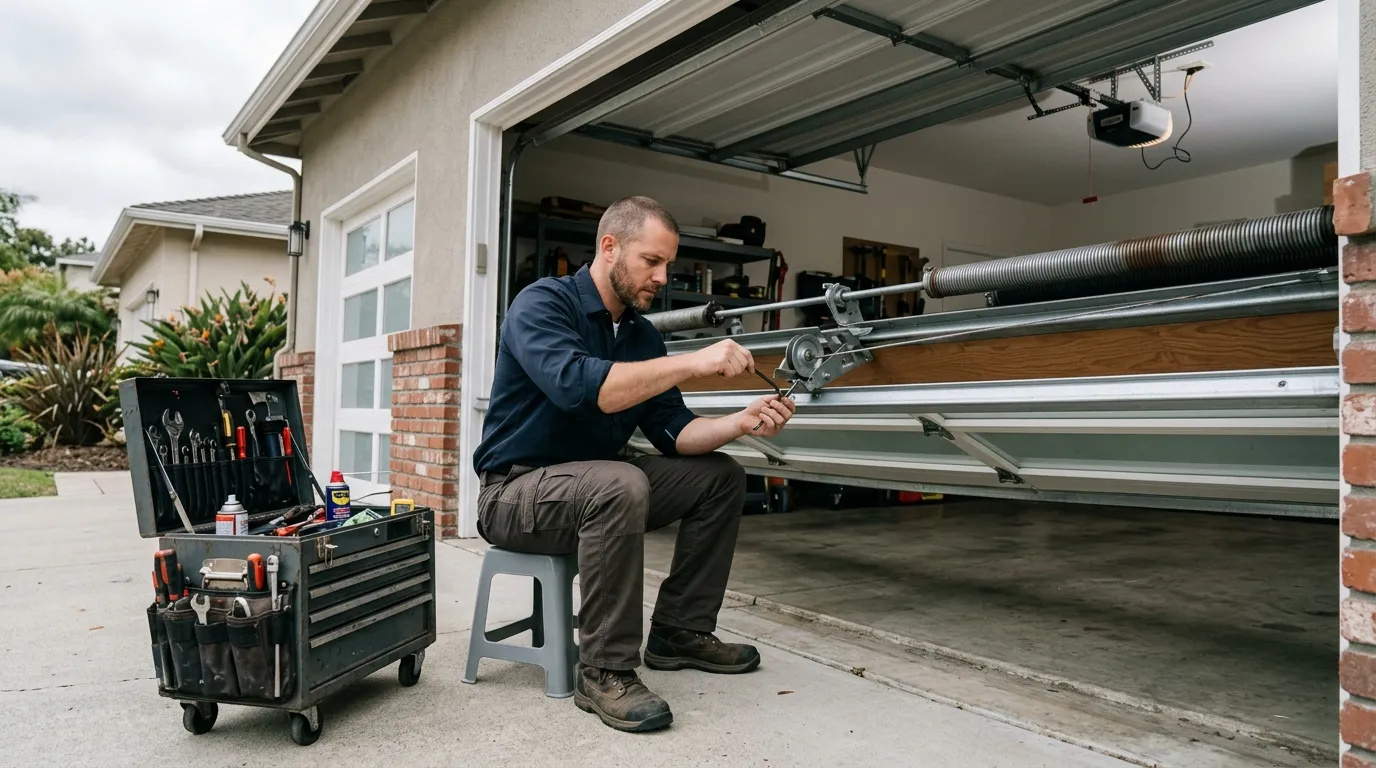
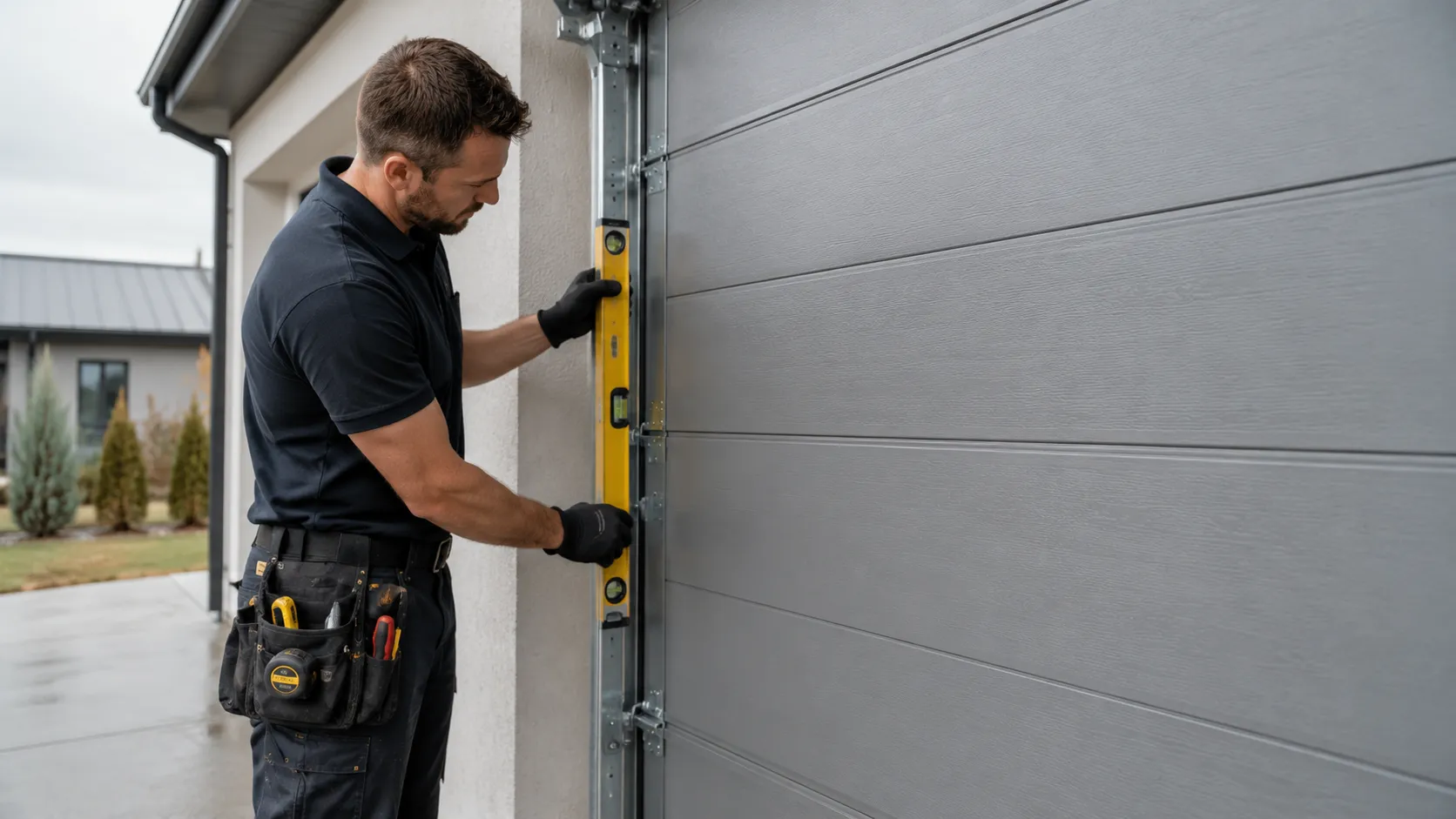
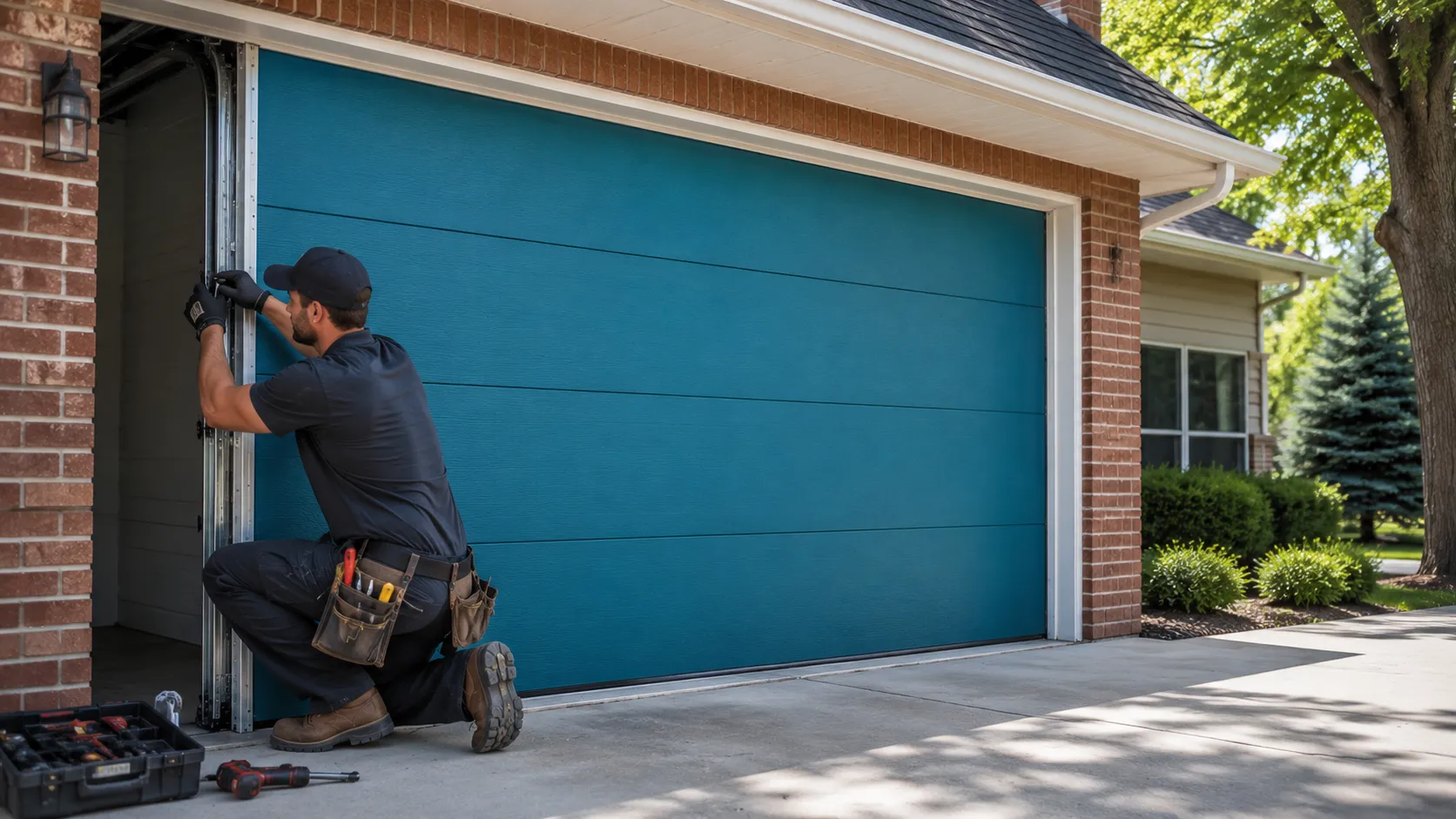
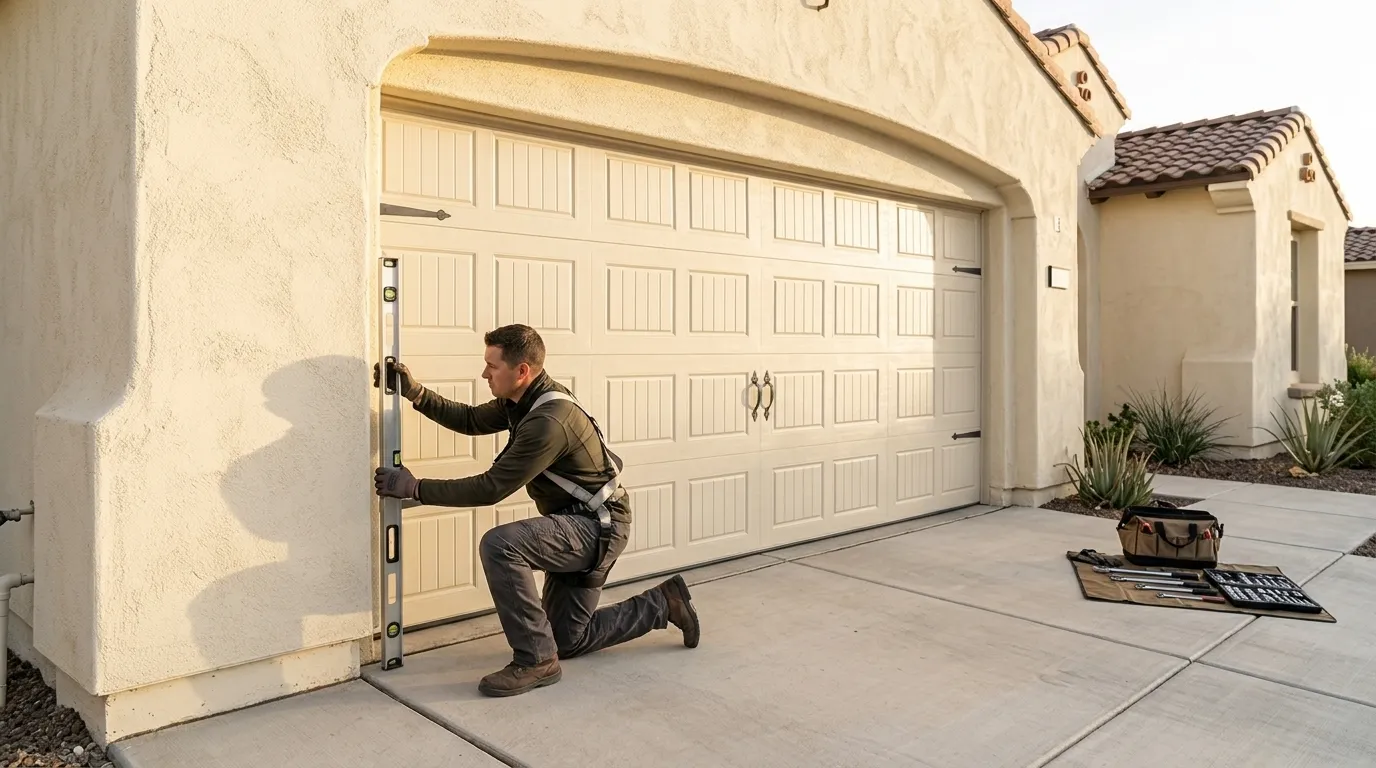
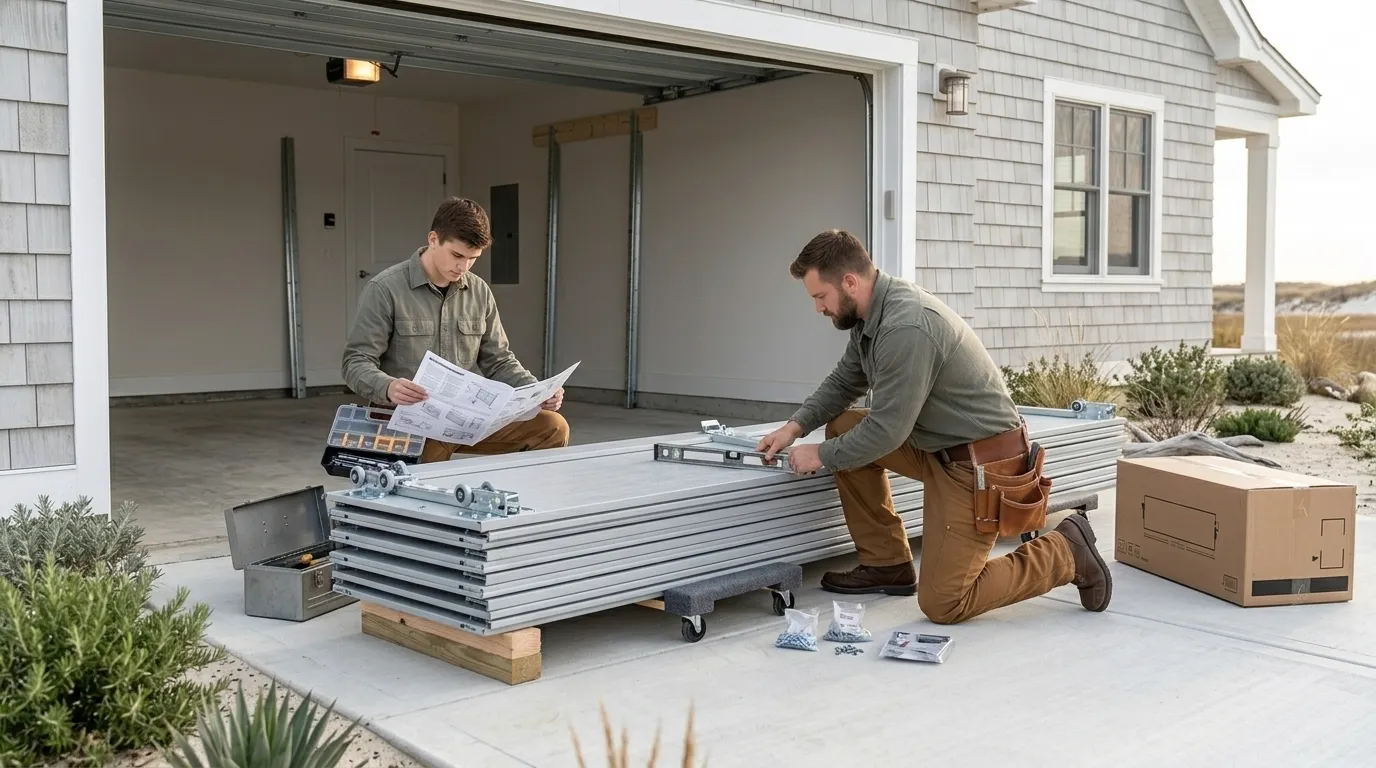
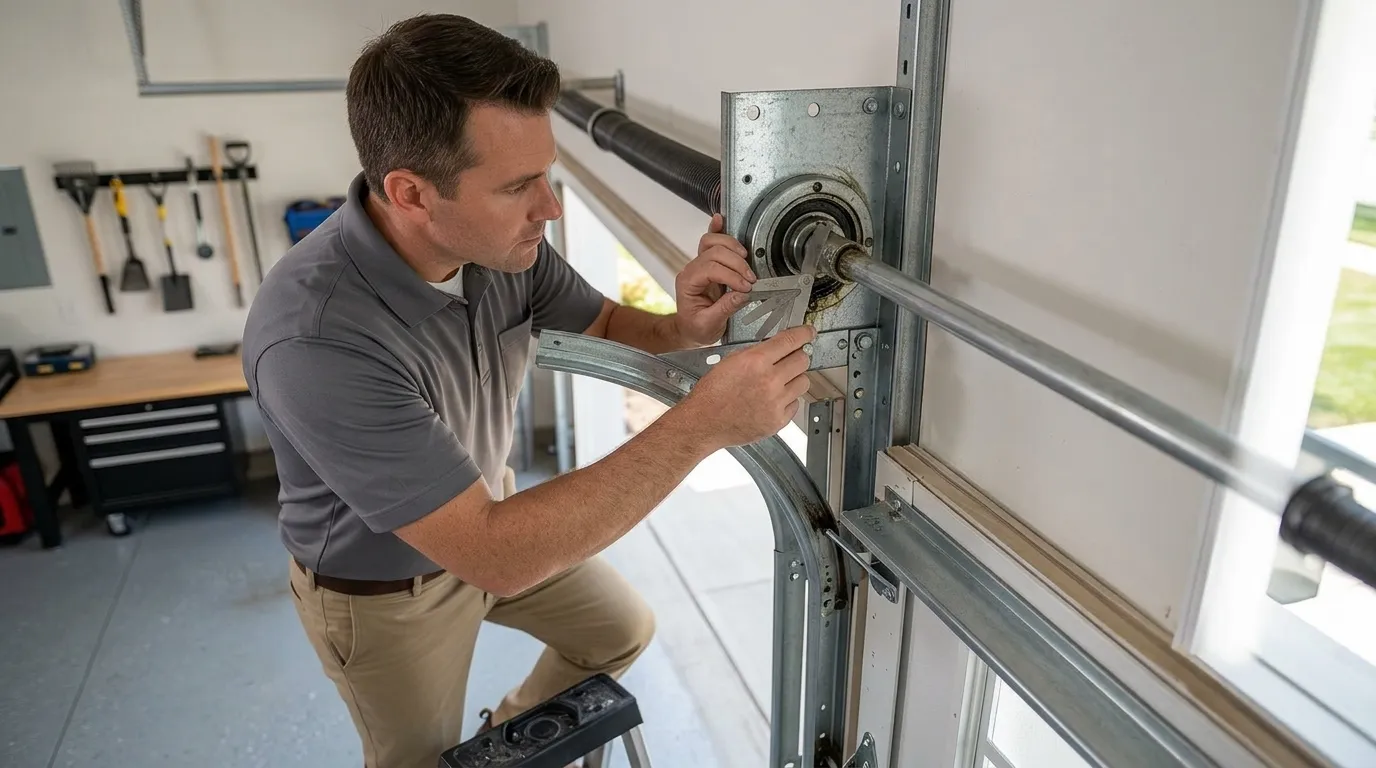
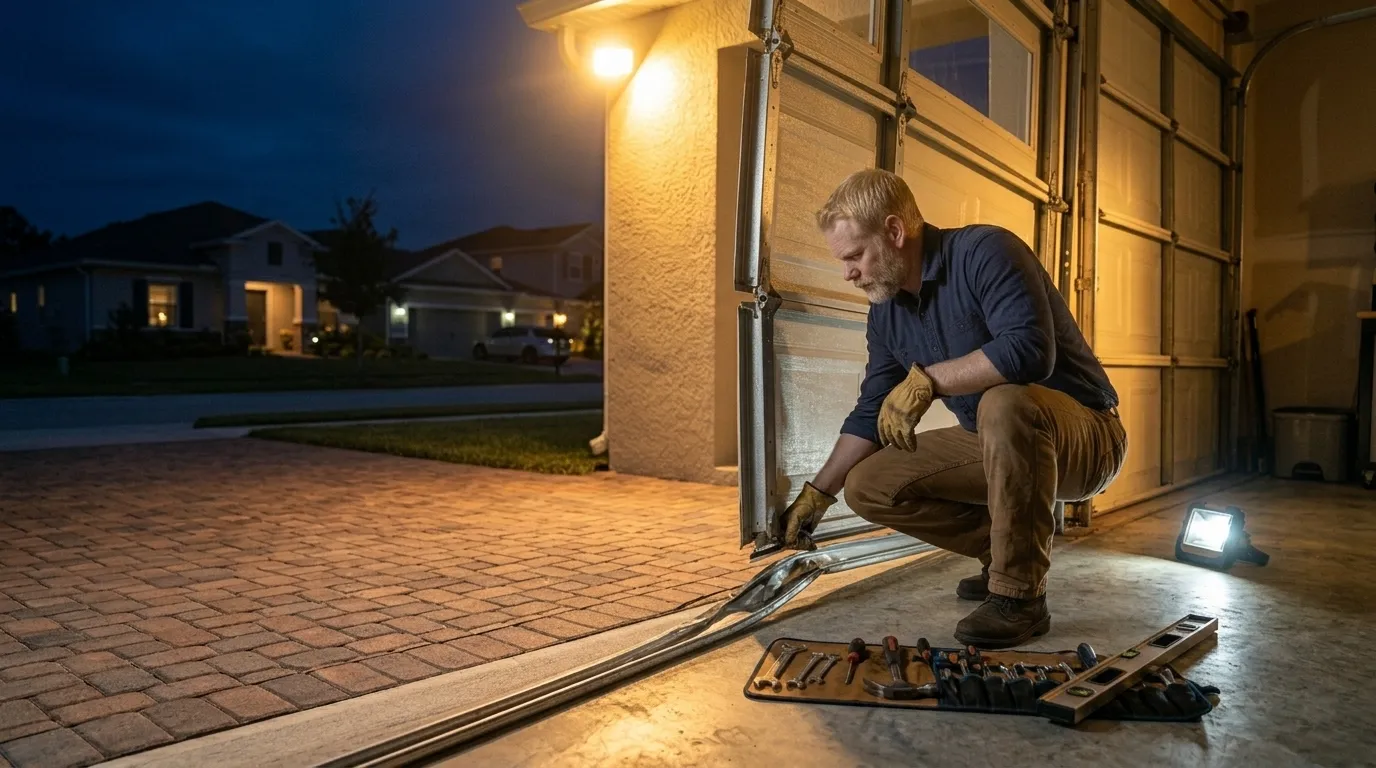
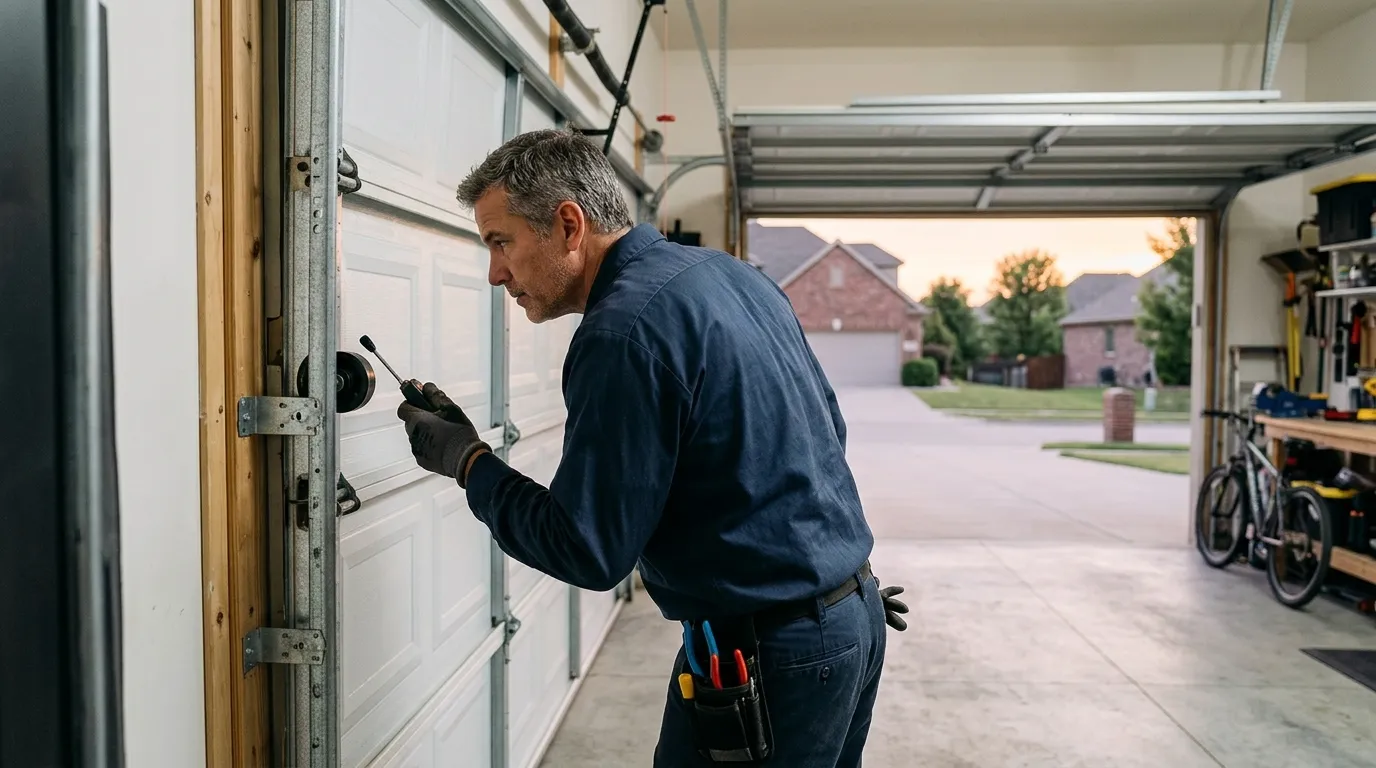
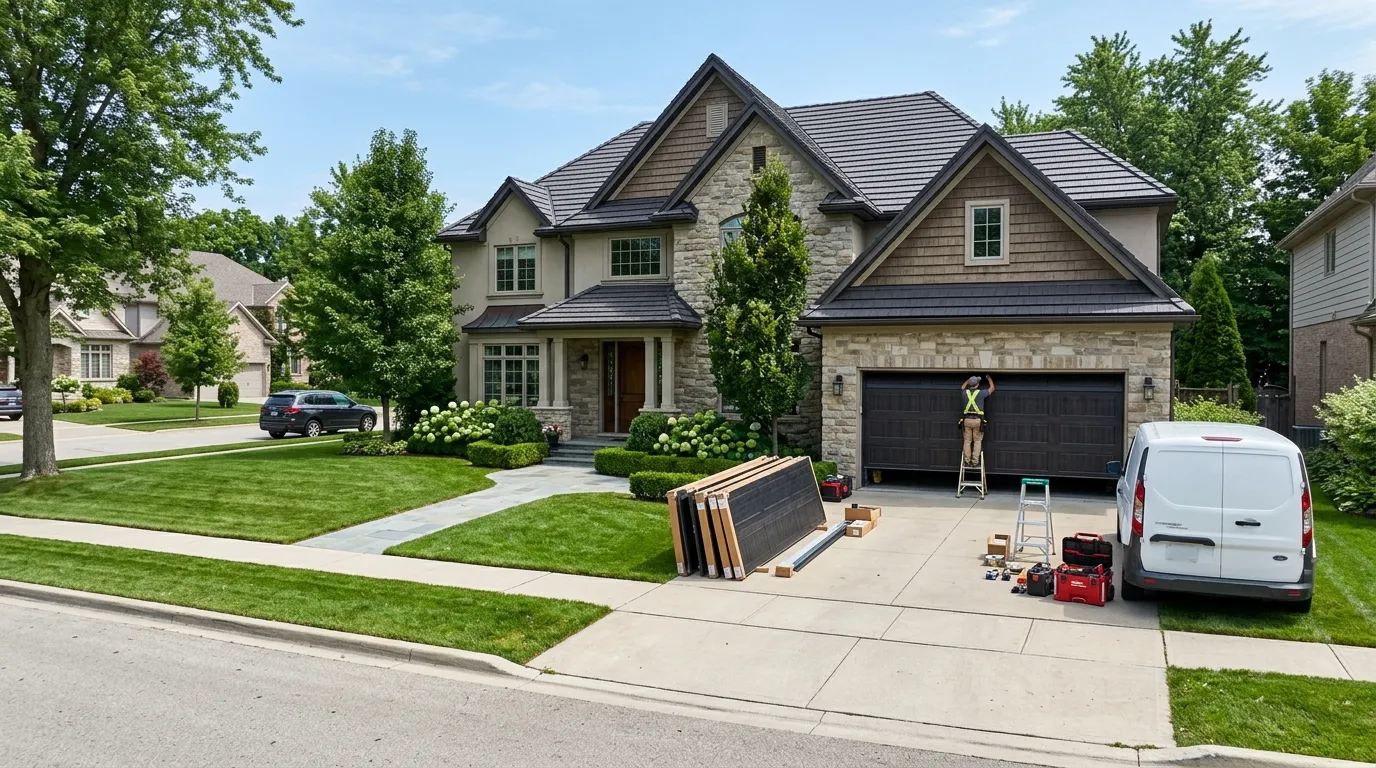
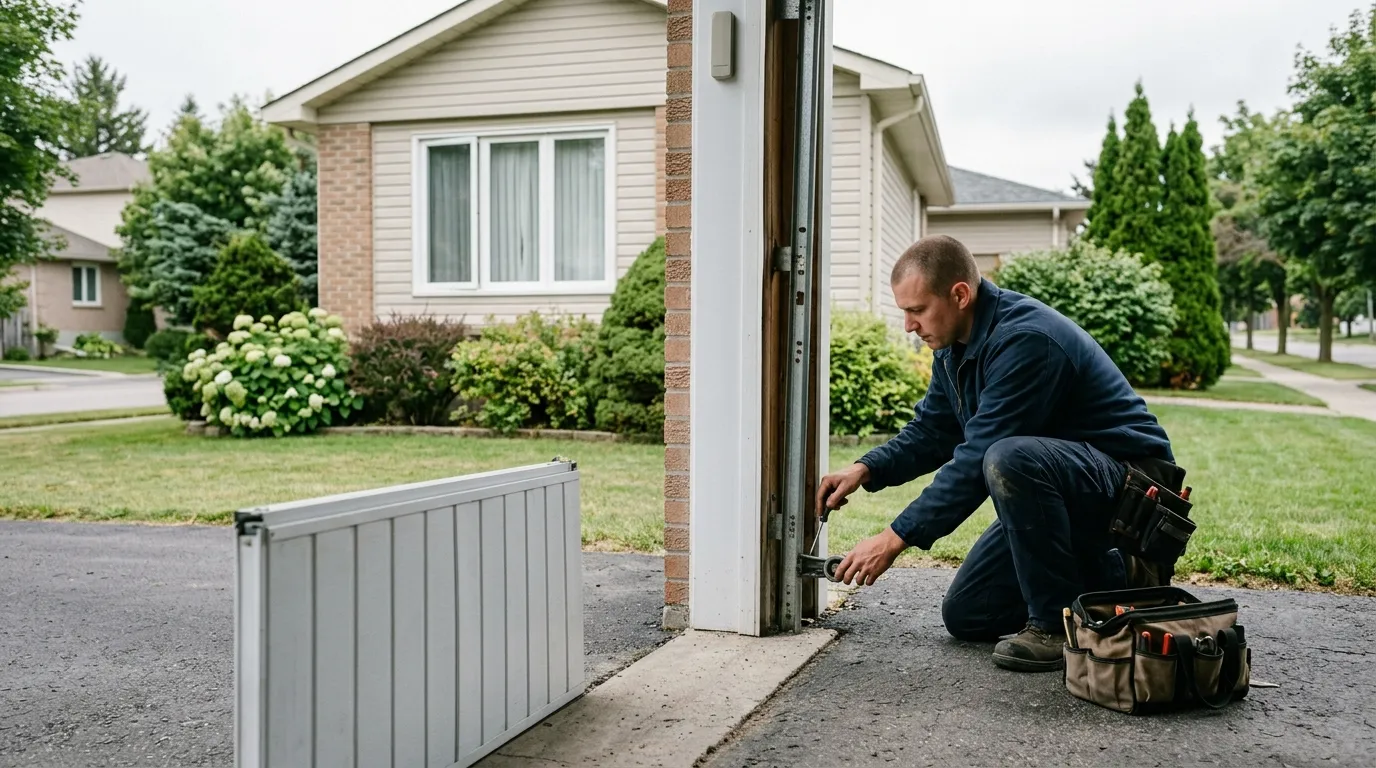
We start with a walk-through of the door, opener, and track - not just a quote for a new door. If the opening is a standard size and the header framing is sound, which is the case for most of the 2002-era builds here, installation is straightforward: pull the old door and hardware, set new track and springs sized for the opening, hang the new panels, and mount and program the opener. We size the torsion springs to the door weight and cycle count you actually want, not the minimum builder spec, since that's usually what failed the first time. Given the income and household profile in this area - the median household here runs around $124,500 - most owners we work with choose an insulated steel door with better hardware over the cheapest option, and we carry that tier as a stock item, not a special order. One honest limit: if your framing has settled or the opening is out of square, that's a carpentry fix before we hang anything, and we'll say so rather than force a door into an opening that won't seal.