What the Housing Means for Your Door
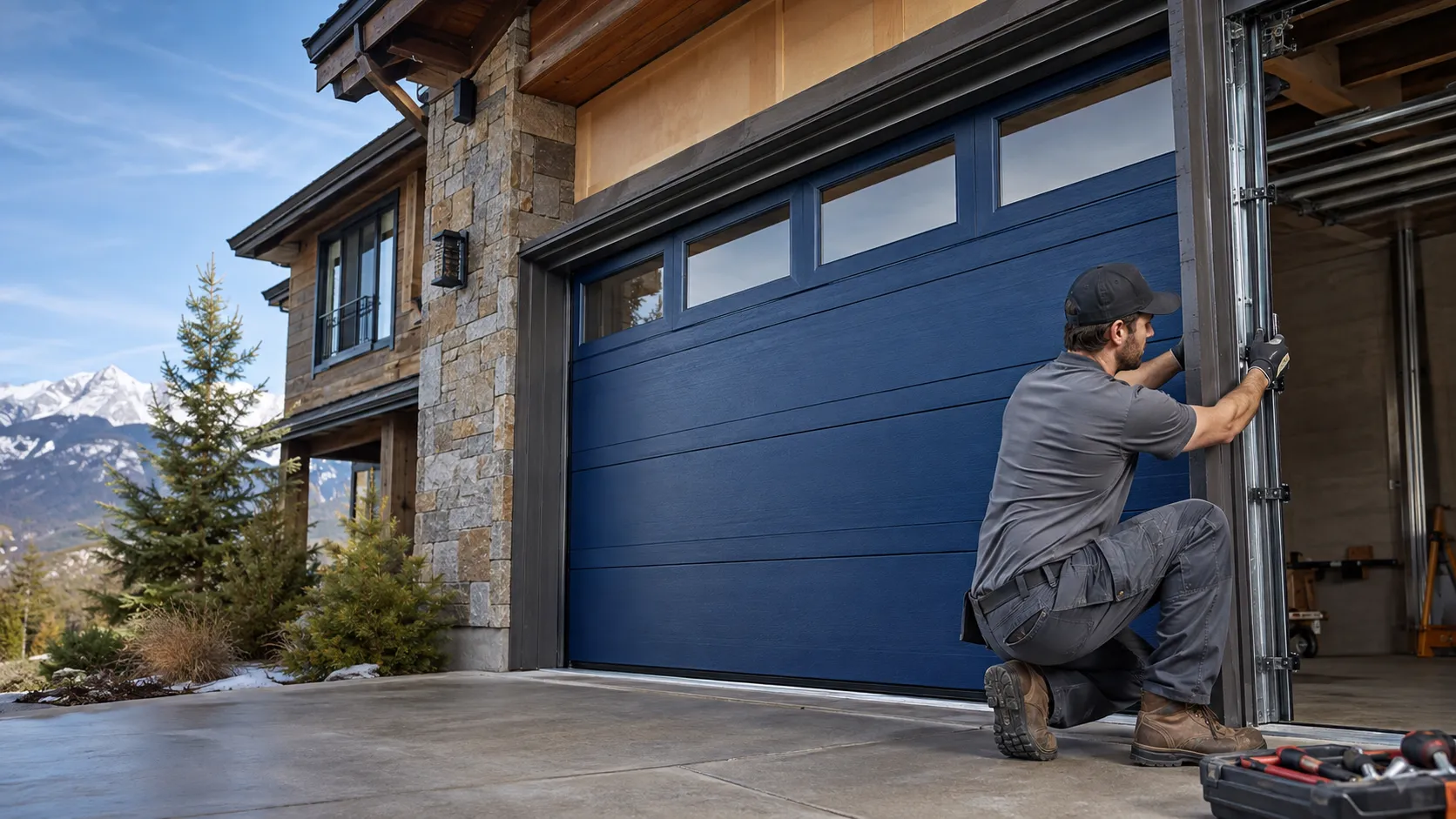
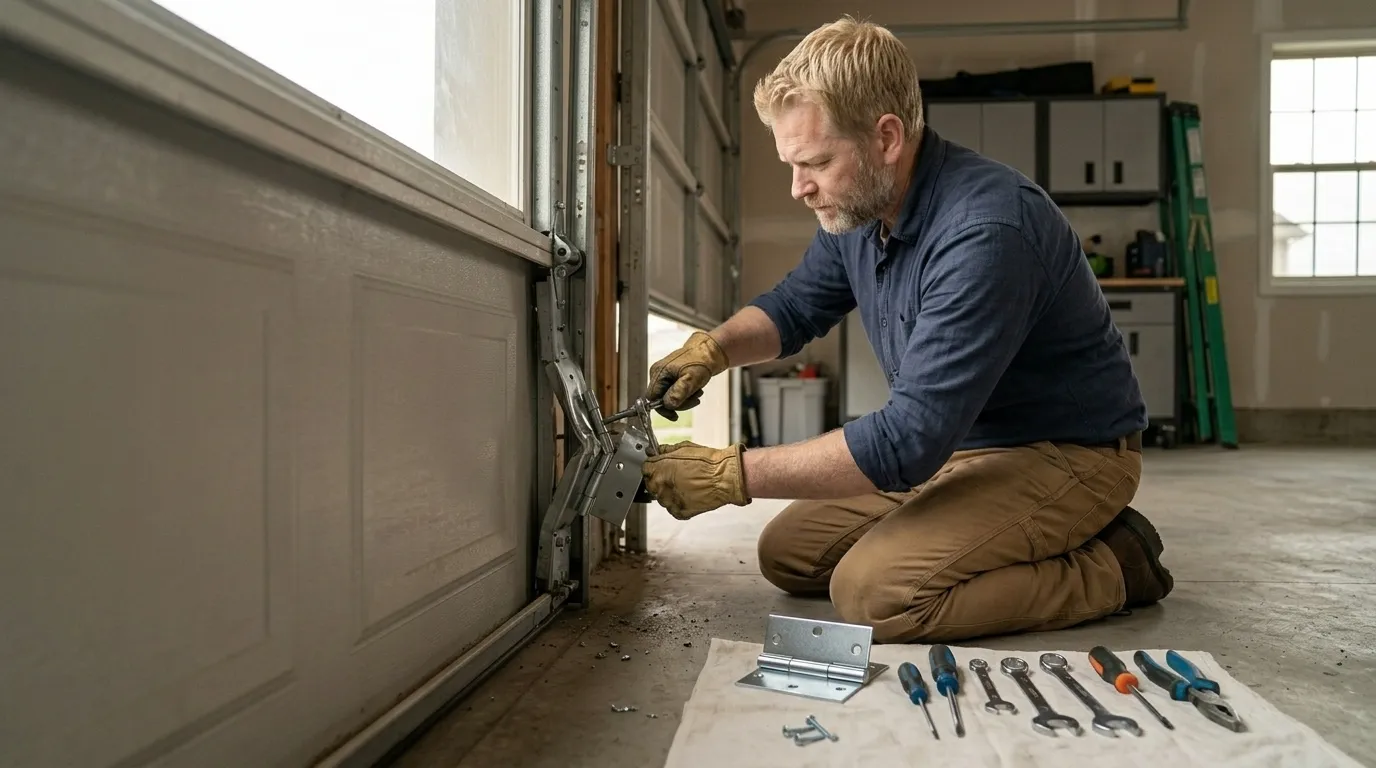
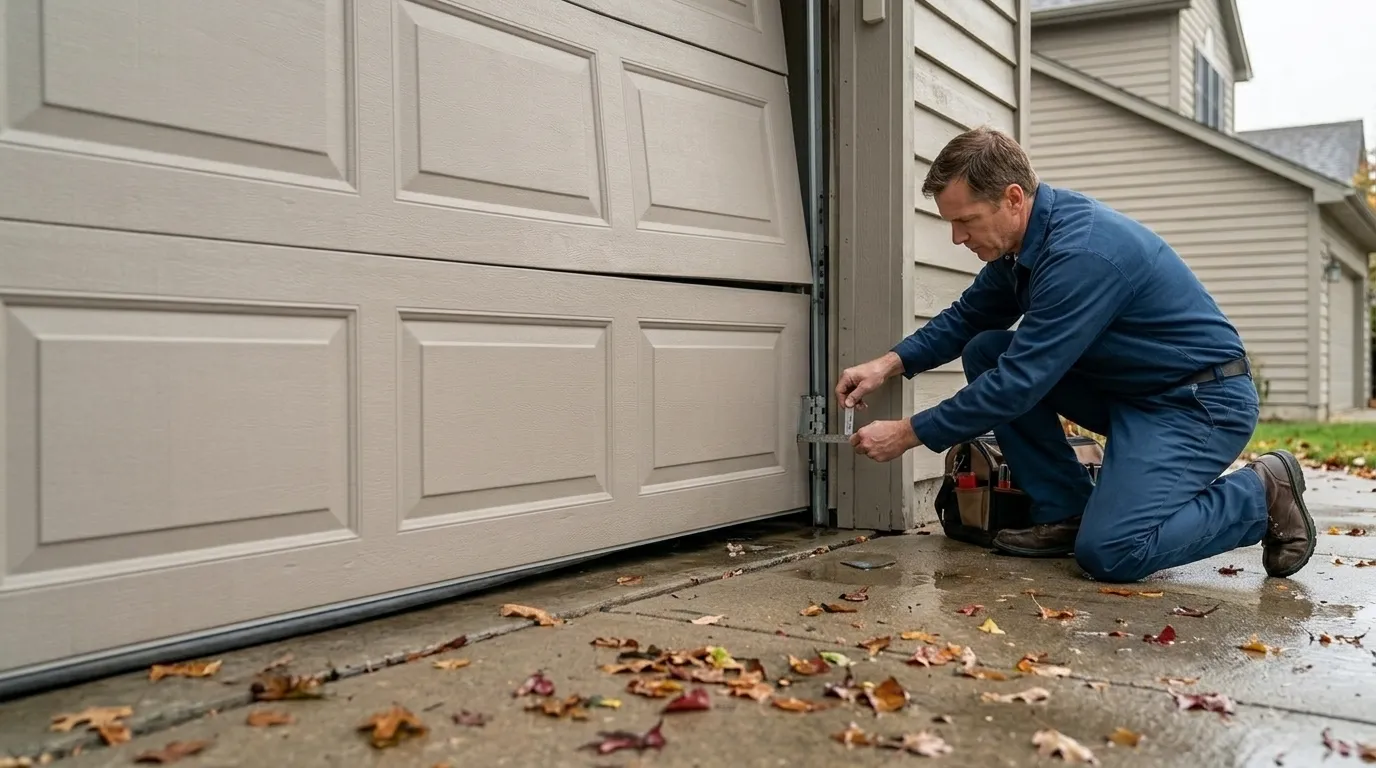
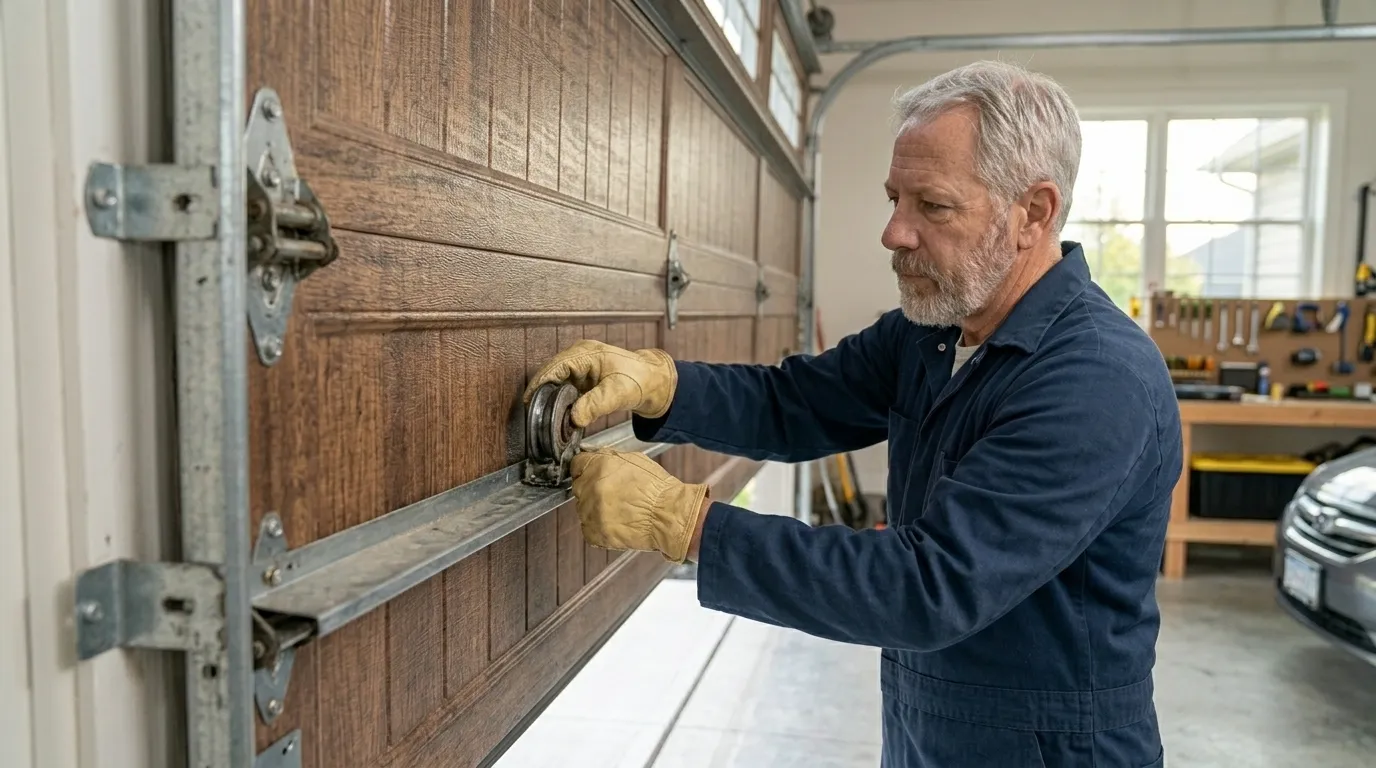
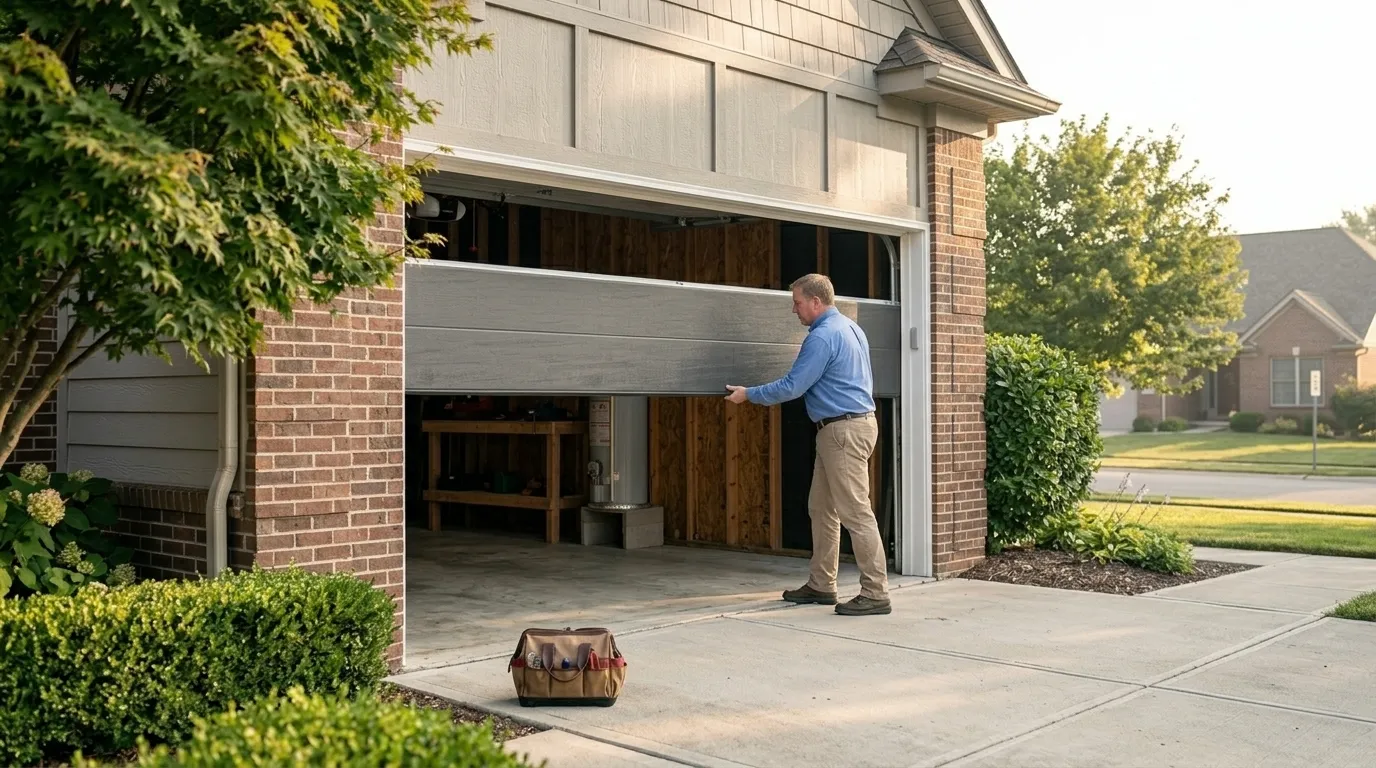
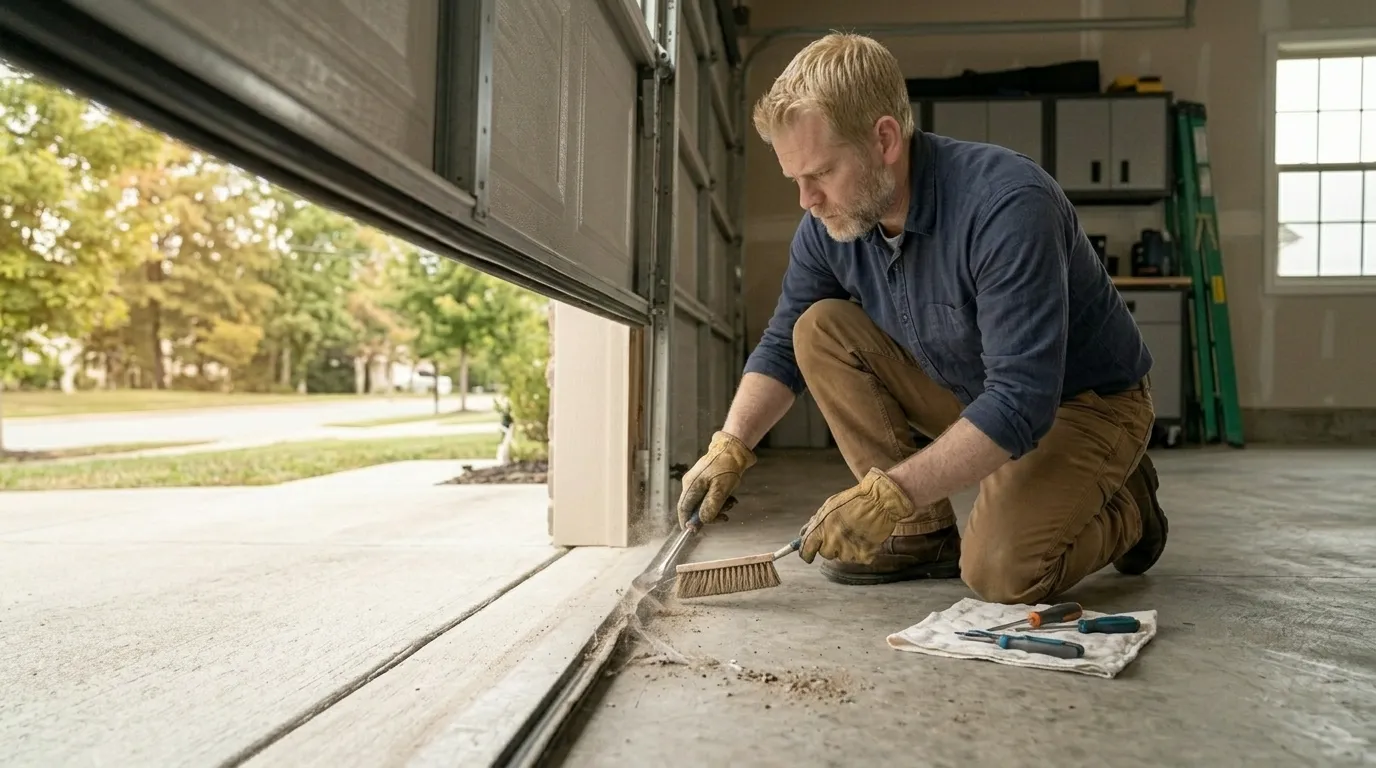
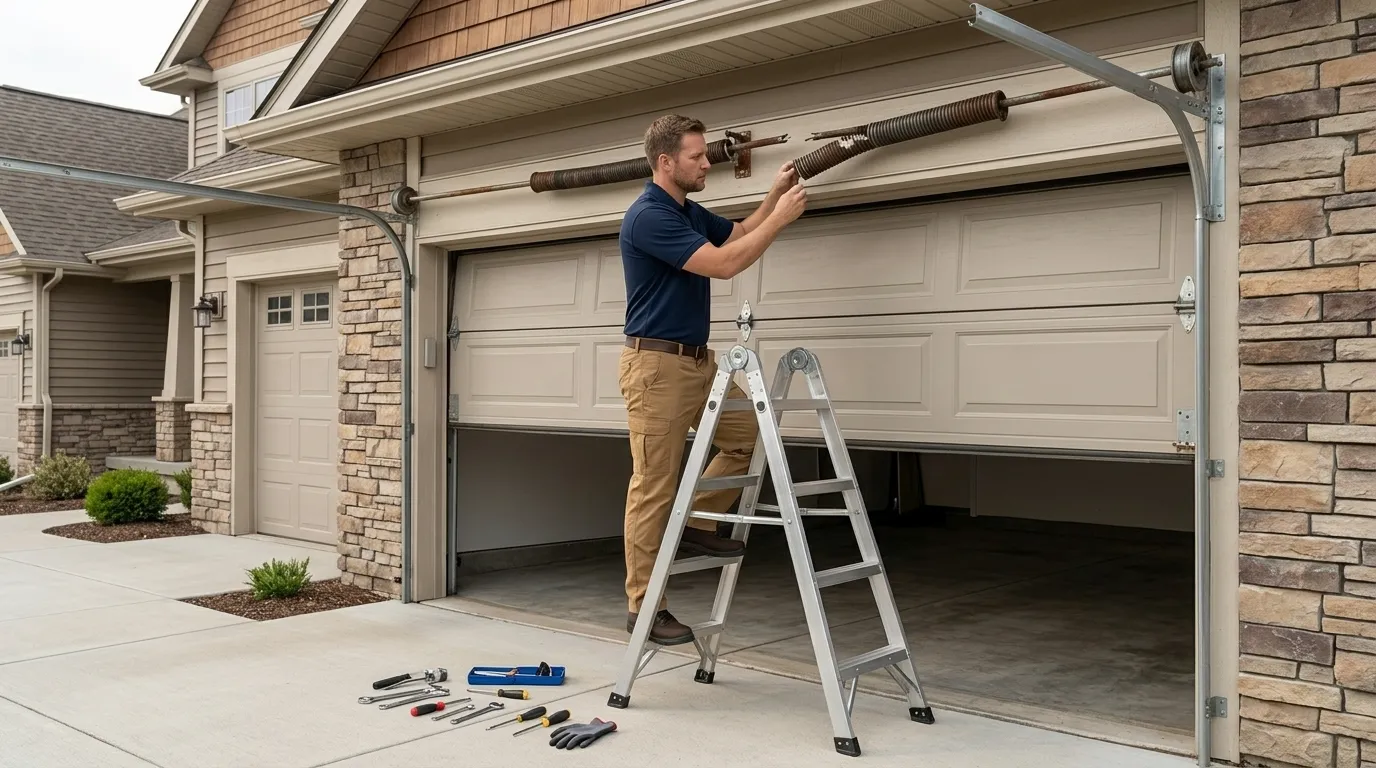
Lowry Crossing's median home was built around 1994, which puts it ahead of the wider Rockwall service area's 2002 median but still solidly in the pre-2000s window. That decade matters more than people think. Openers from the early-to-mid 90s are usually chain-drive units on 1/3 horsepower motors, and a lot of them are still the original unit because nobody's had a reason to swap out something that mostly still lifts the door. The springs on these houses have usually been replaced once already, sometimes twice, and the winding cones and end bearing plates show it. Track alignment tends to drift on houses this age because the framing has settled over three decades, not because anything was installed wrong. If your door is original to a 1994 build, we're not looking at a modern torsion setup with a wall-mount opener - we're looking at older galvanized track, possibly a single top-fixture bulb light, and hardware sized differently than what a big-box store sells today. That's the honest starting point for any call here, and it's why we ask the build year before we ask about the symptom.
This Area's Housing
With 642 households, Lowry Crossing is a small pocket compared to the roughly 51,000 households across the whole service area, and it reads that way on the ground - fewer newer builds mixed in, more consistency in age. Median household income here is $110,357, a bit below the area-wide $124,500, which in our experience tracks with more owners choosing a repair over a full door replacement when the springs or cables go. The climate band here is mild with occasional freeze, so we're not dealing with the kind of temperature swings that crack panels or warp wood doors on a seasonal cycle, but a hard freeze a few times a winter is still enough to make old grease seize up on a torsion spring that hasn't been serviced in years. Steel doors and standard extension or torsion spring setups dominate, which is normal for houses built in this window before insulated doors became a common upgrade request.
What Neighbours Usually Call About
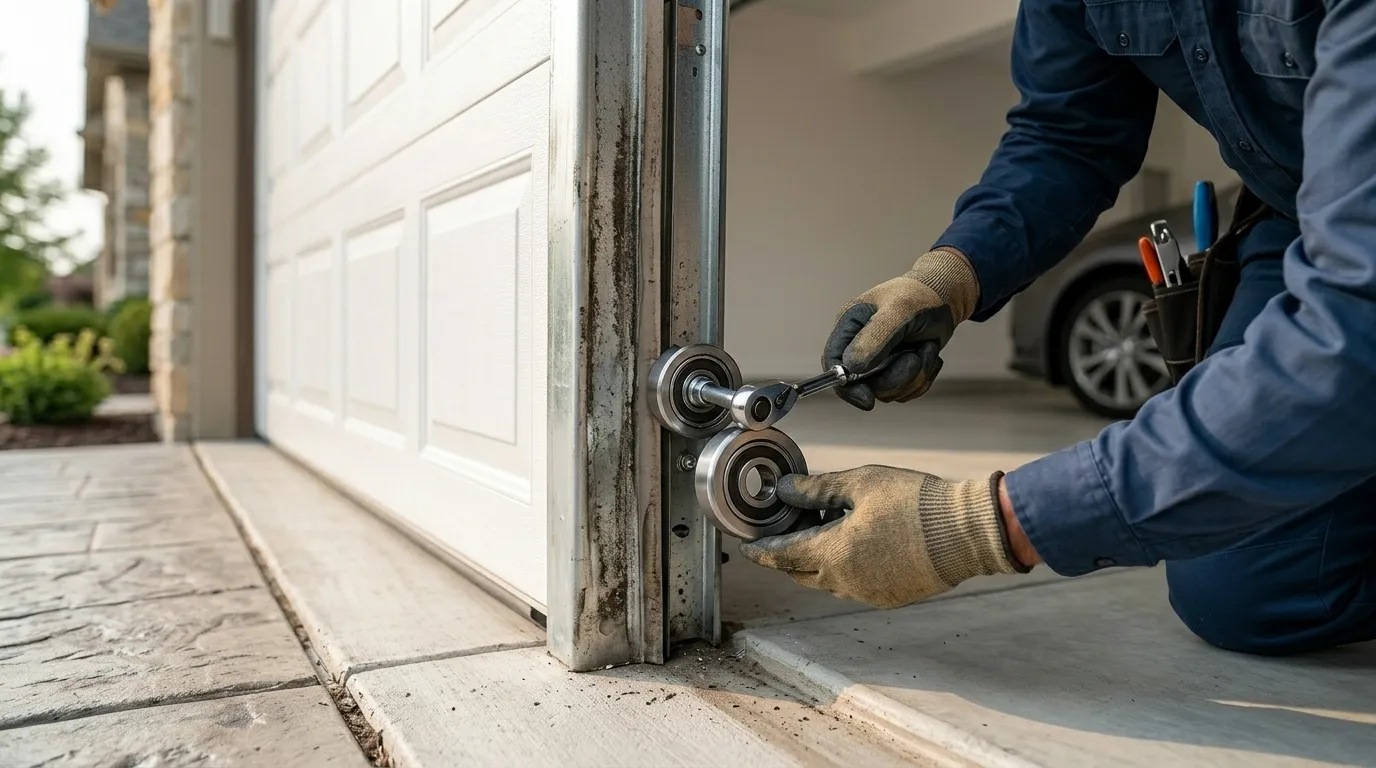
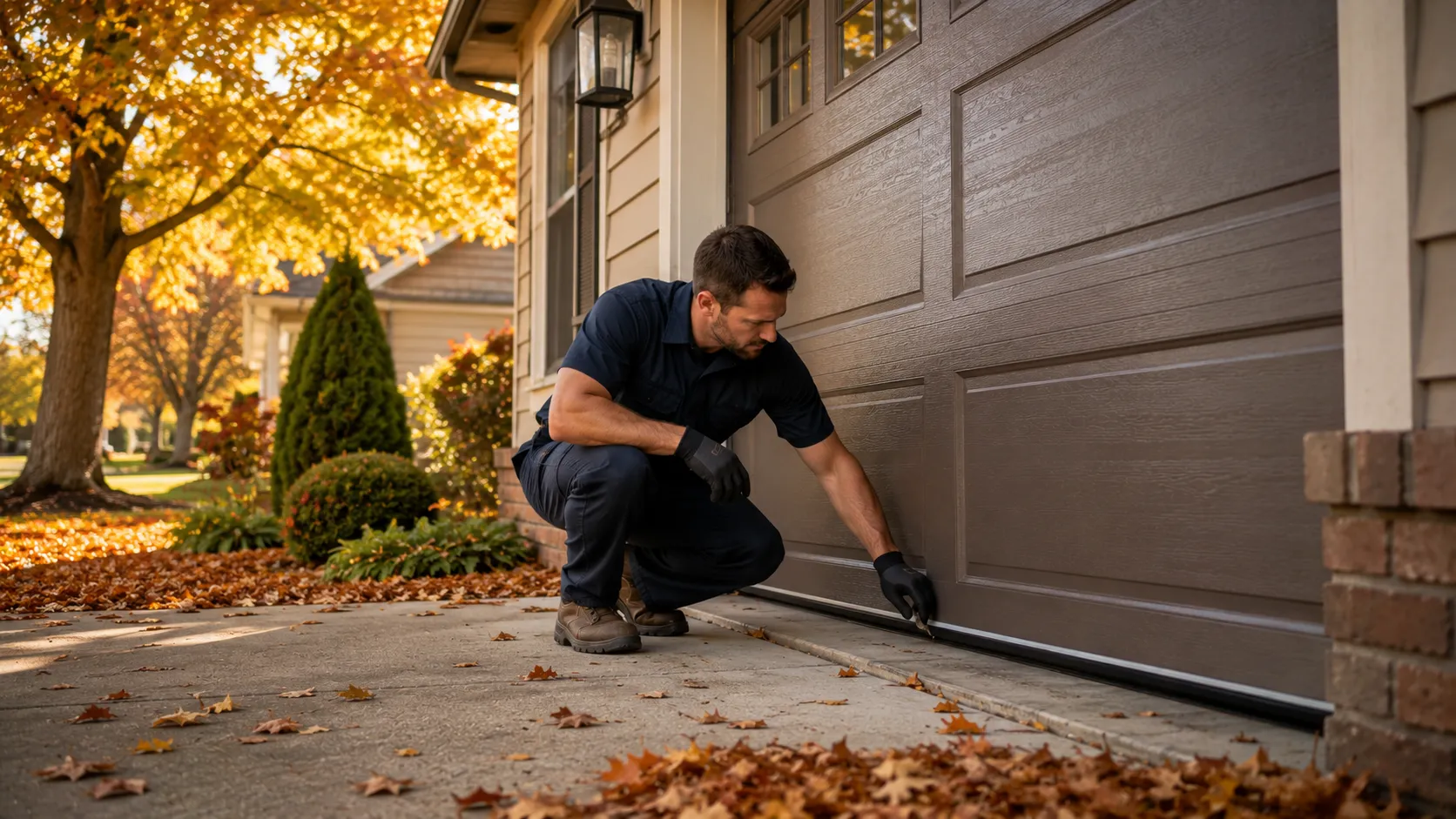
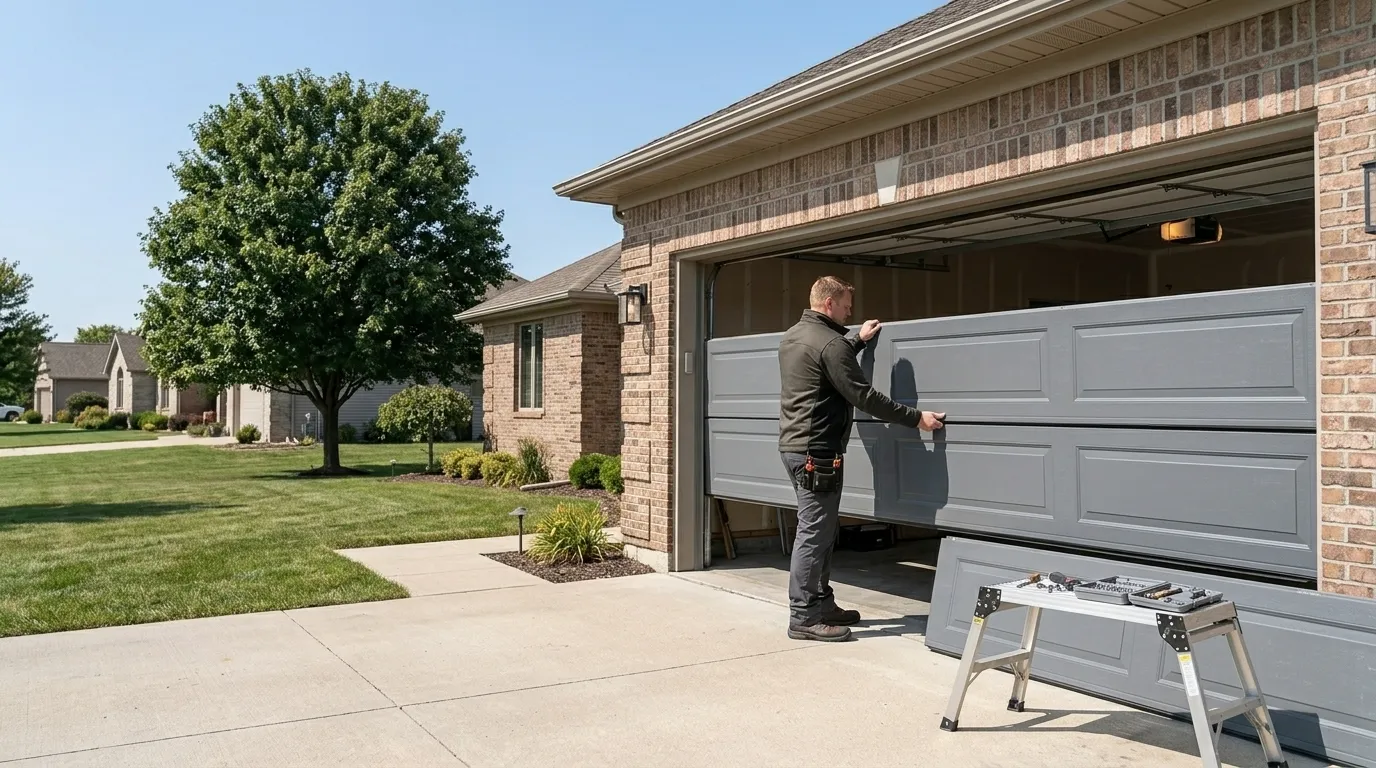
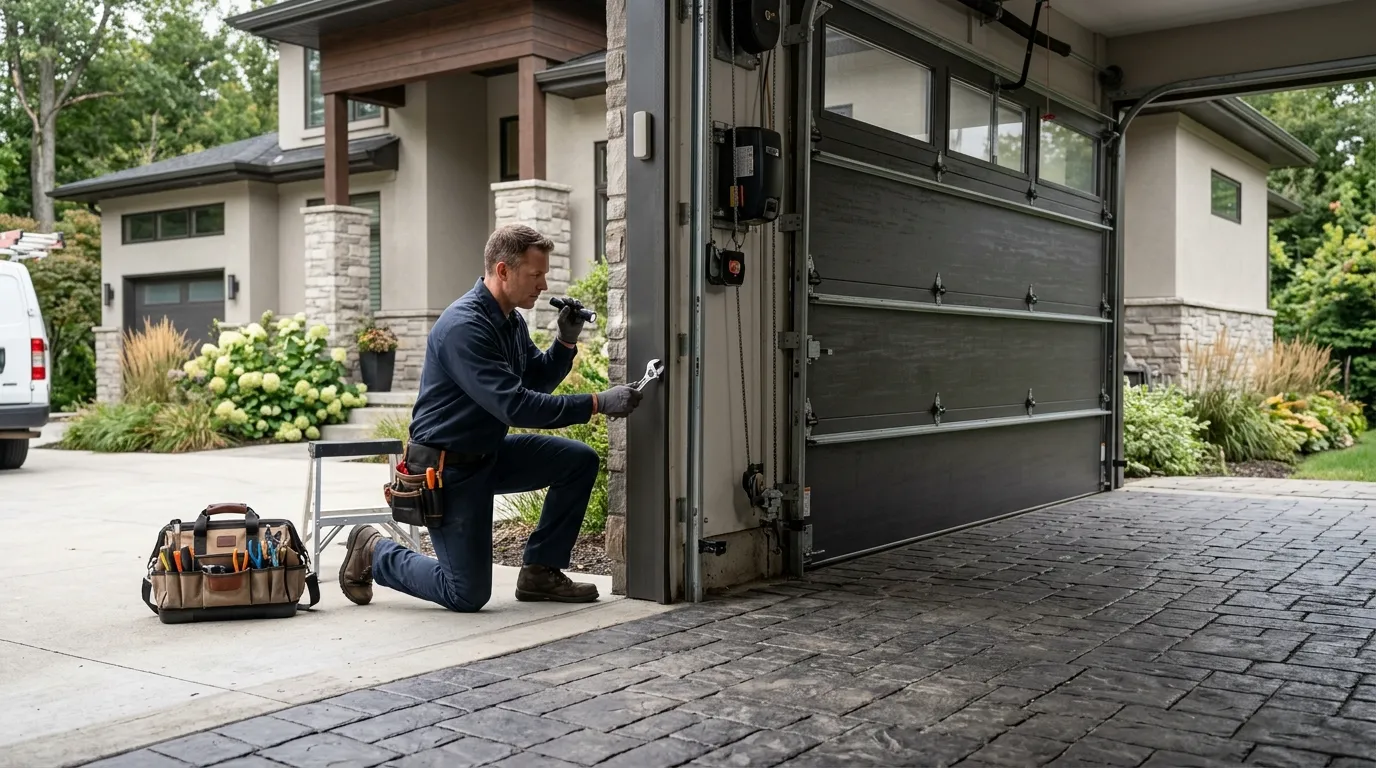
On houses from this era the most common call is a torsion spring that's simply worn out from age, not damage - metal fatigue after thousands of cycles, which for a 30-year-old spring is expected, not surprising. Second most common is an opener that runs but doesn't fully close, usually a photo-eye that's drifted out of alignment or a limit switch drifting after years of use, both easy fixes on this vintage of hardware. We also see a fair number of rollers that have gone from nylon to metal-on-metal grinding, since original builders in the mid-90s often used steel rollers that don't hold up as well over decades as the nylon ones sold today. One thing we won't do is recommend replacing a whole door when the fix is a spring or a roller set - if the panels and track are sound, a full replacement isn't worth the cost, even though it's the higher-ticket job for us.