What You Are Seeing
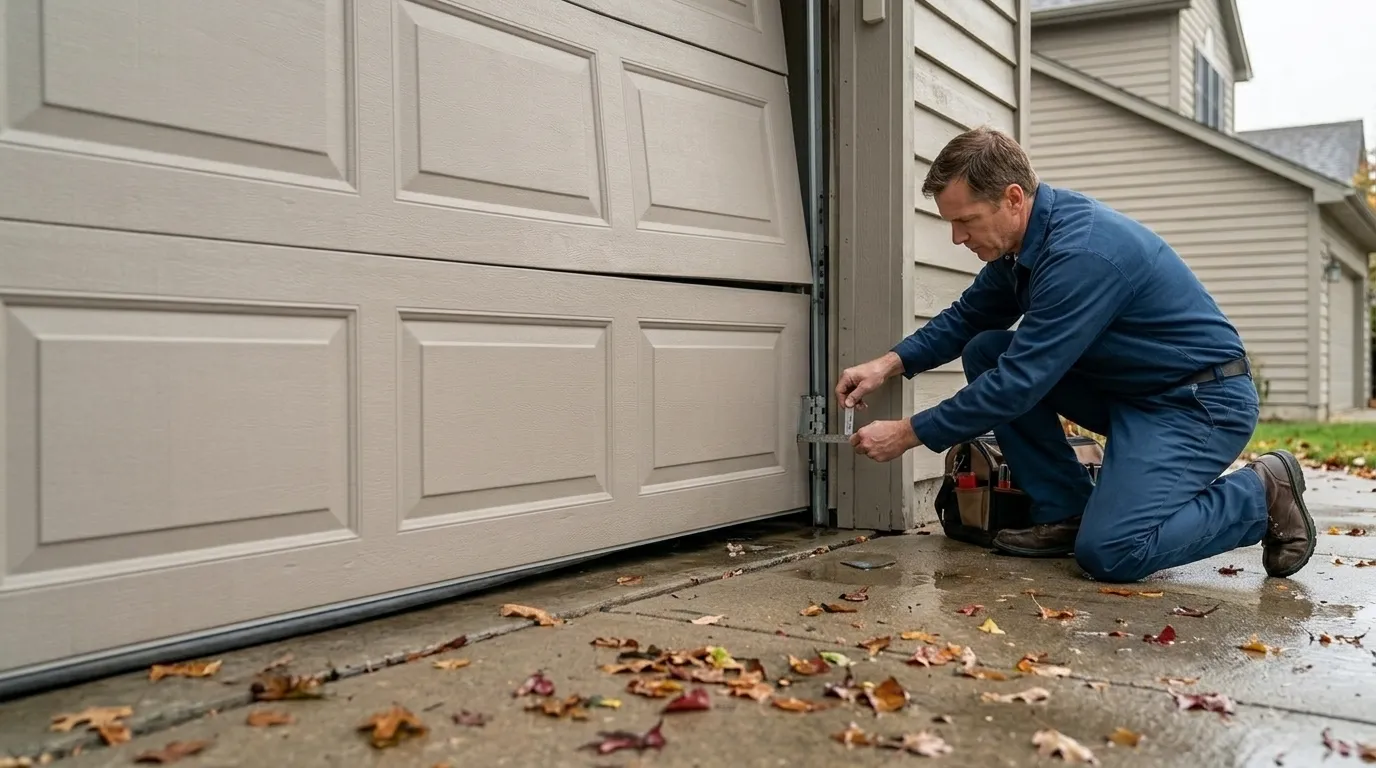
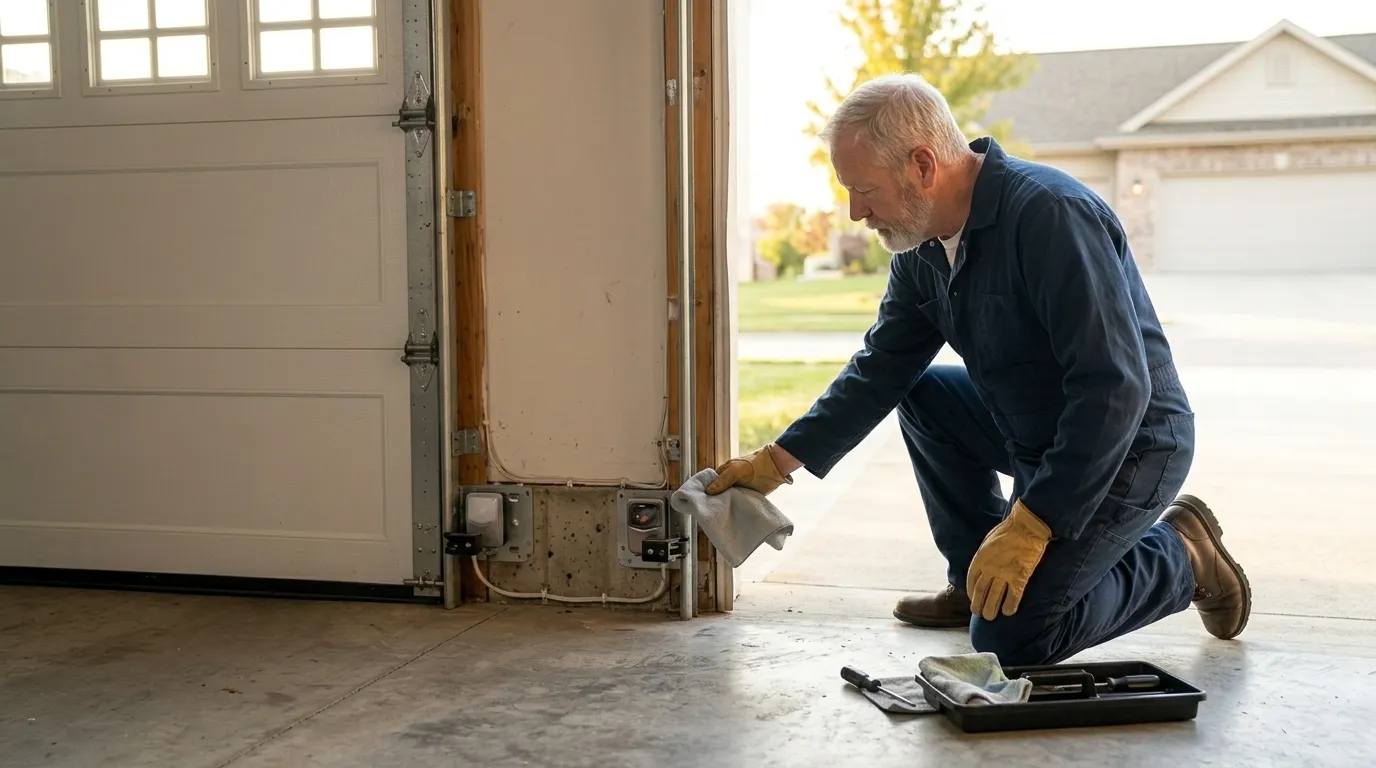
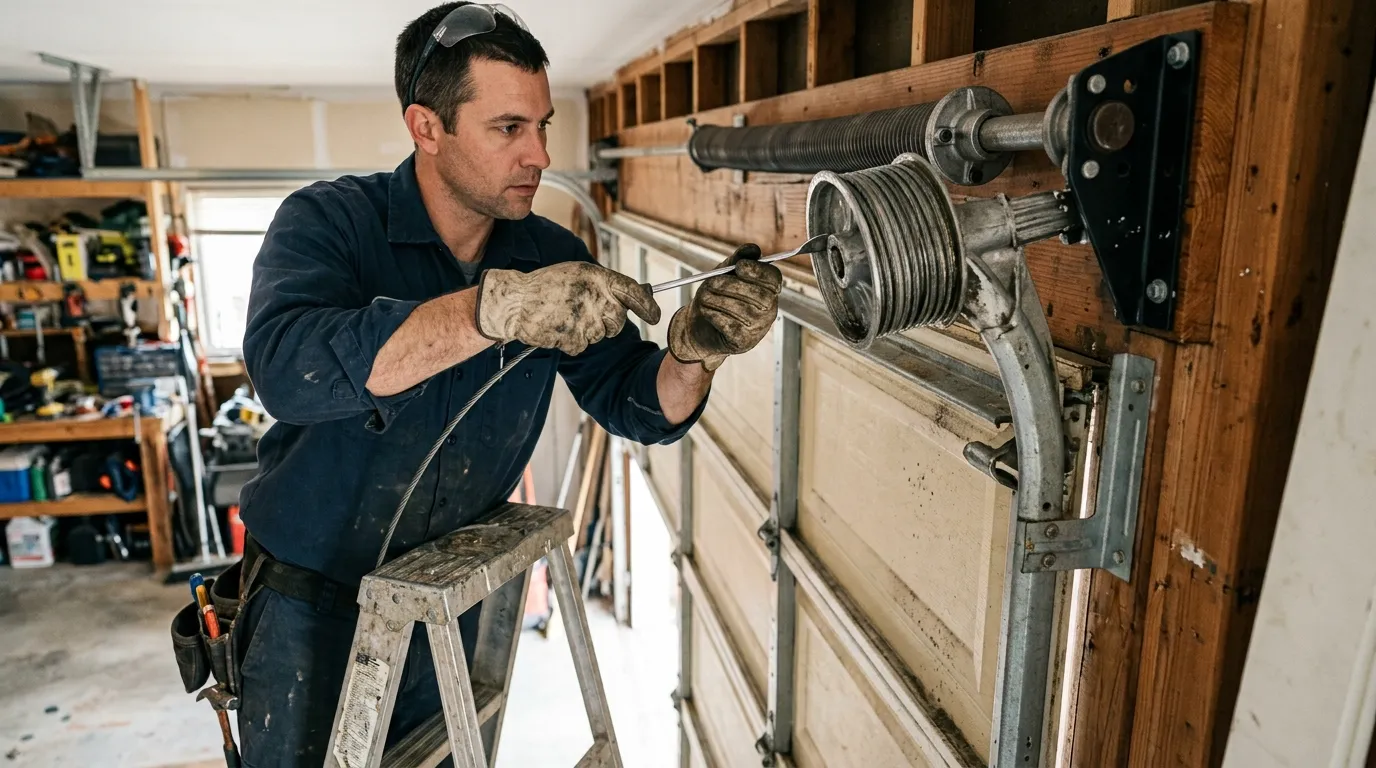
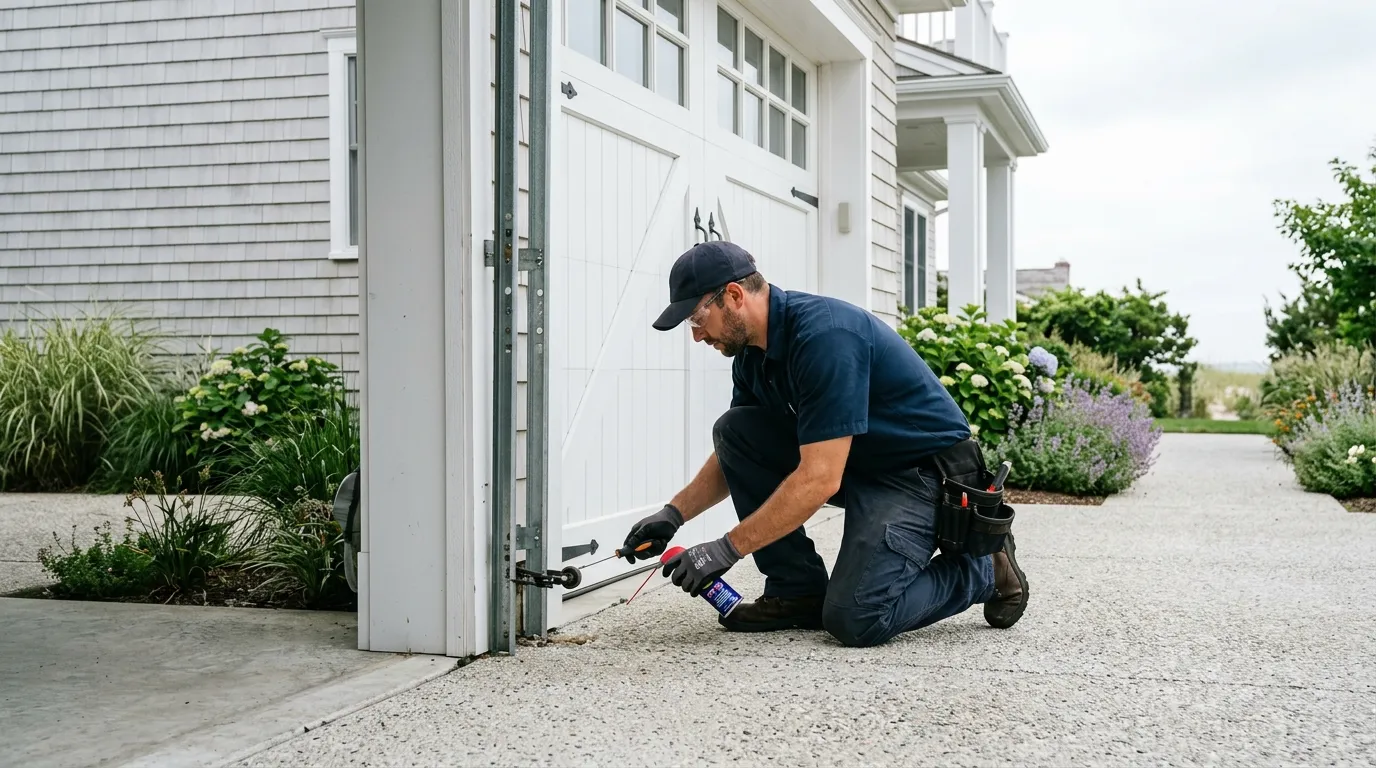
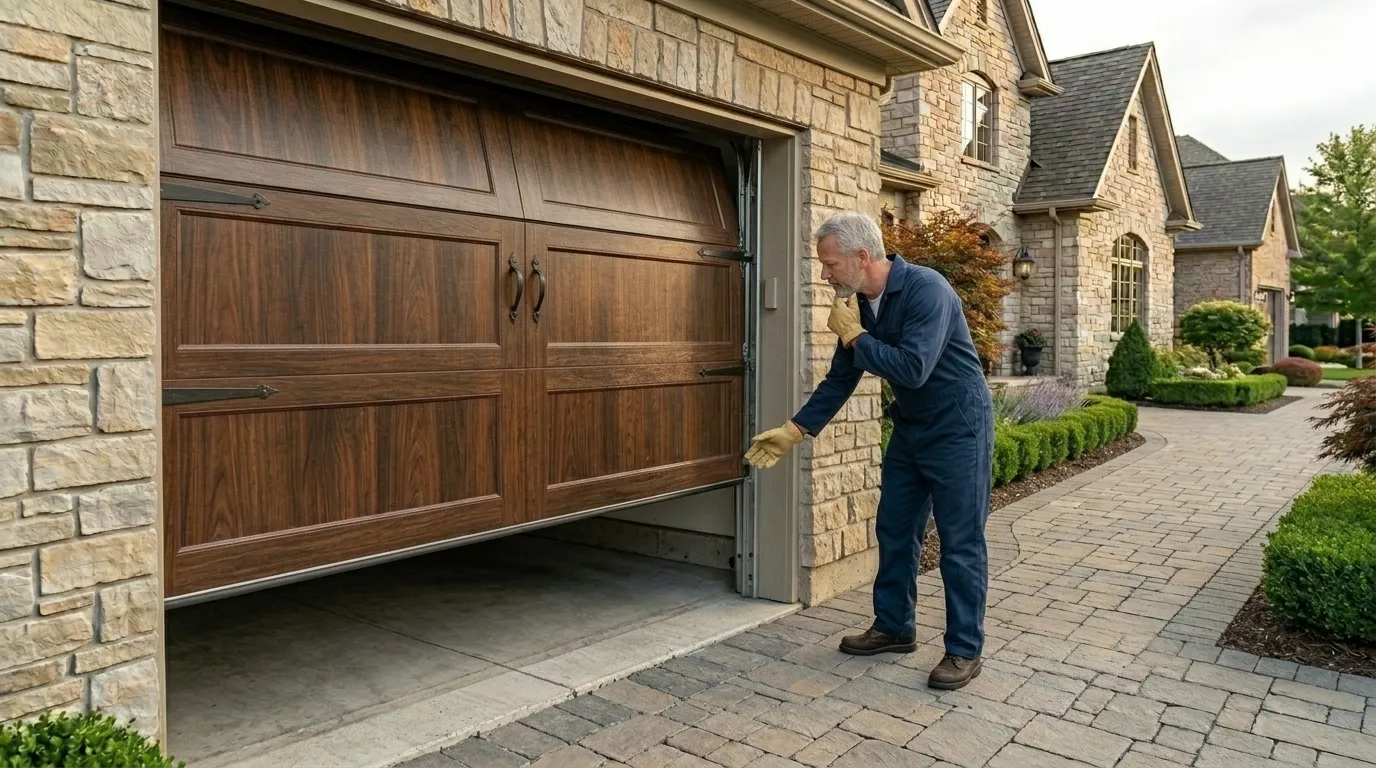
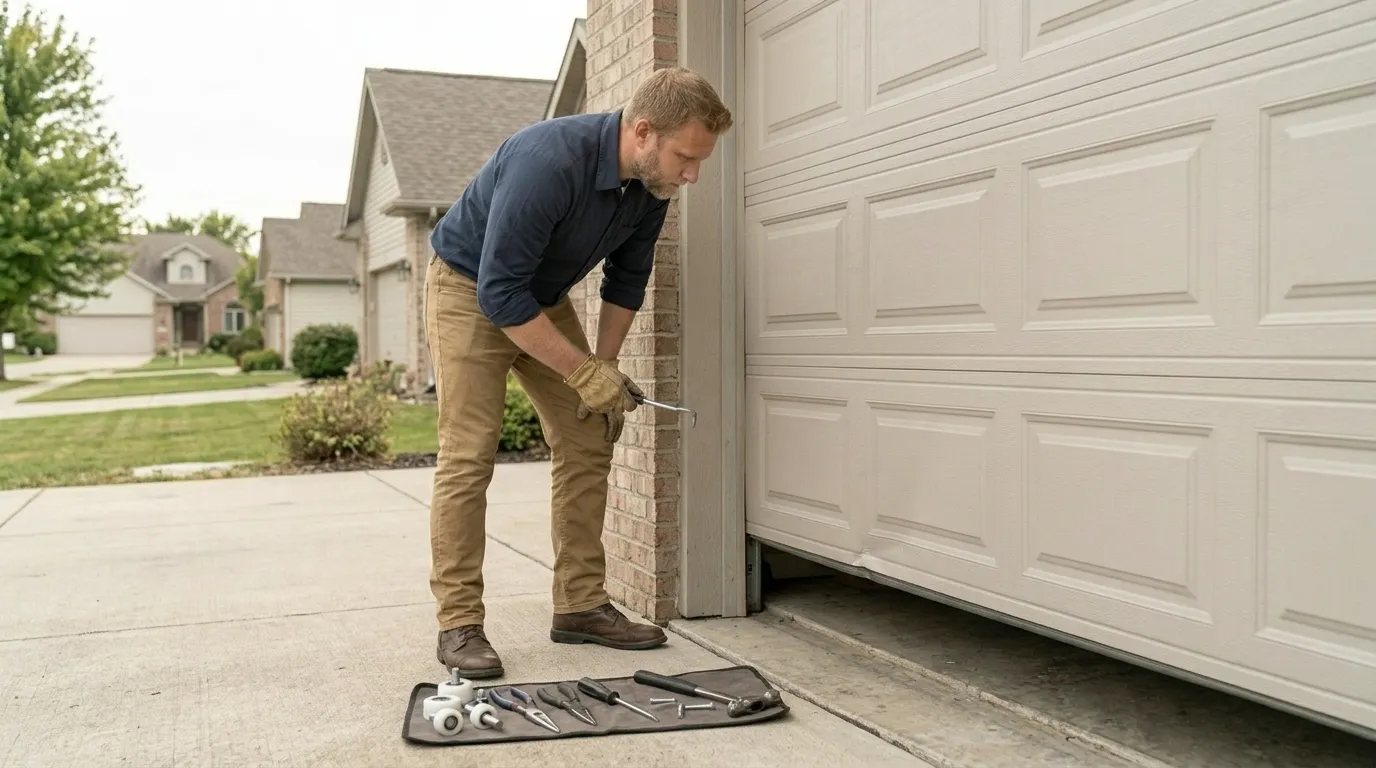
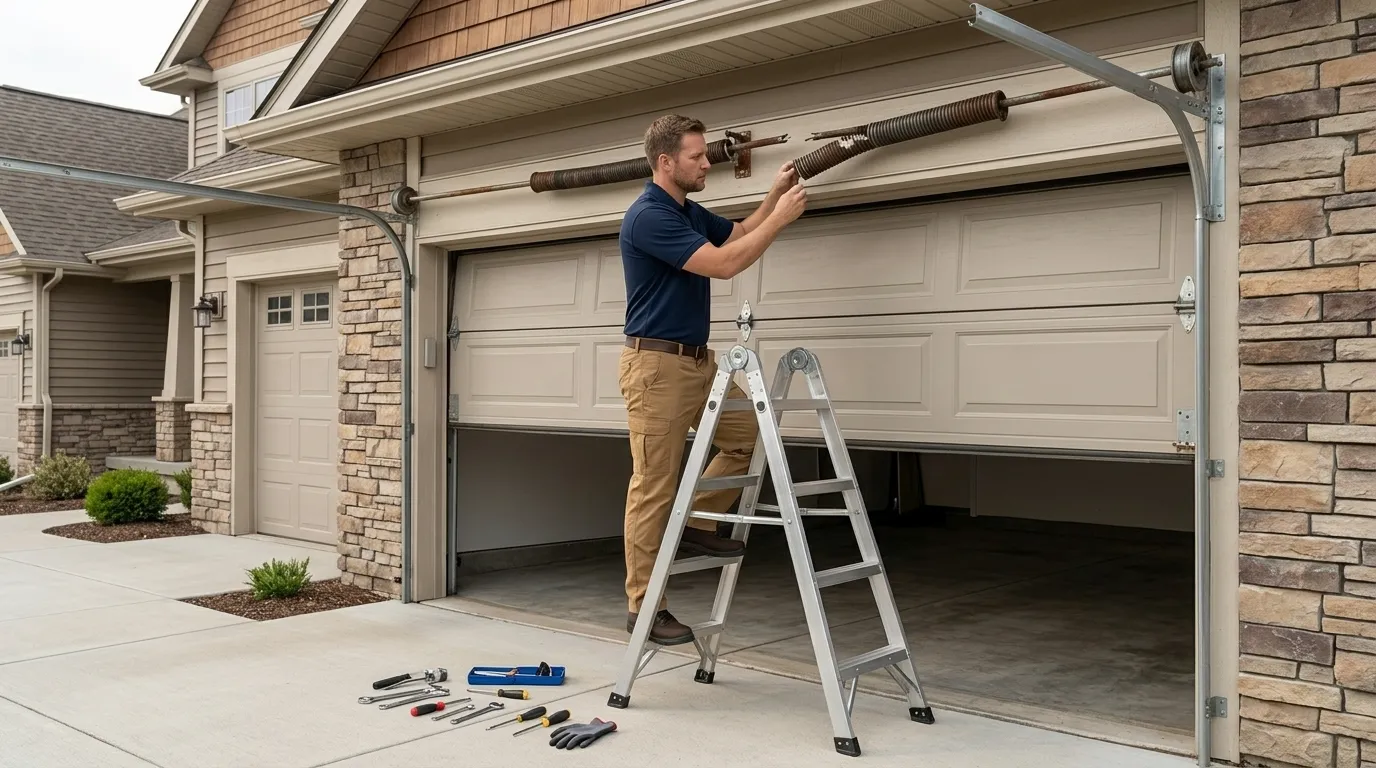
Most calls we get in Rockwall start the same way: the door won't lift, or it lifts halfway and stalls, or it comes down and bounces back up like something's fighting it. If your door is heavy to lift by hand, that's a spring problem, not an opener problem. If the opener motor runs but the door doesn't move, look at the drive gear or the belt/chain connection. A door that shudders or drifts to one side as it travels is usually a track alignment or roller issue, not something to force through with the opener - forcing it just bends the track further and turns a $150 fix into a $400 one.
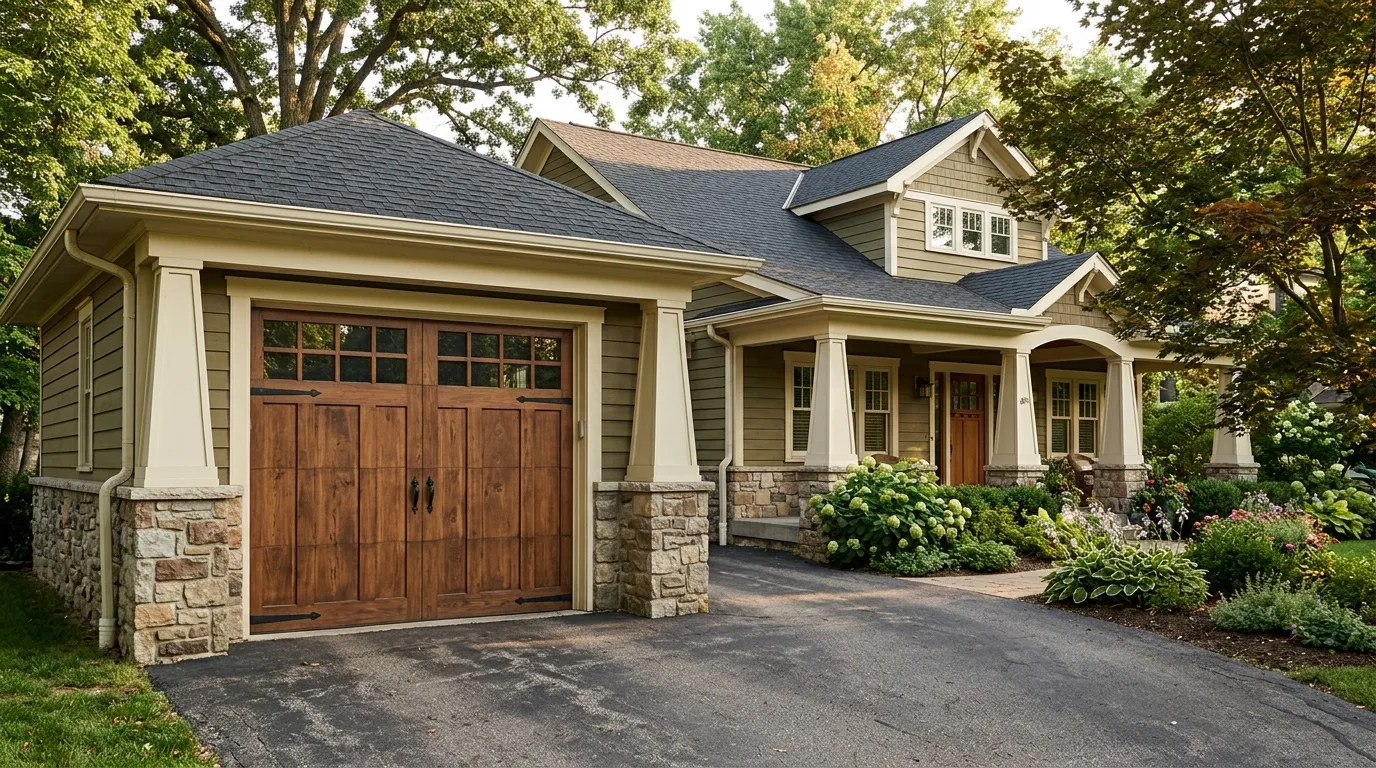
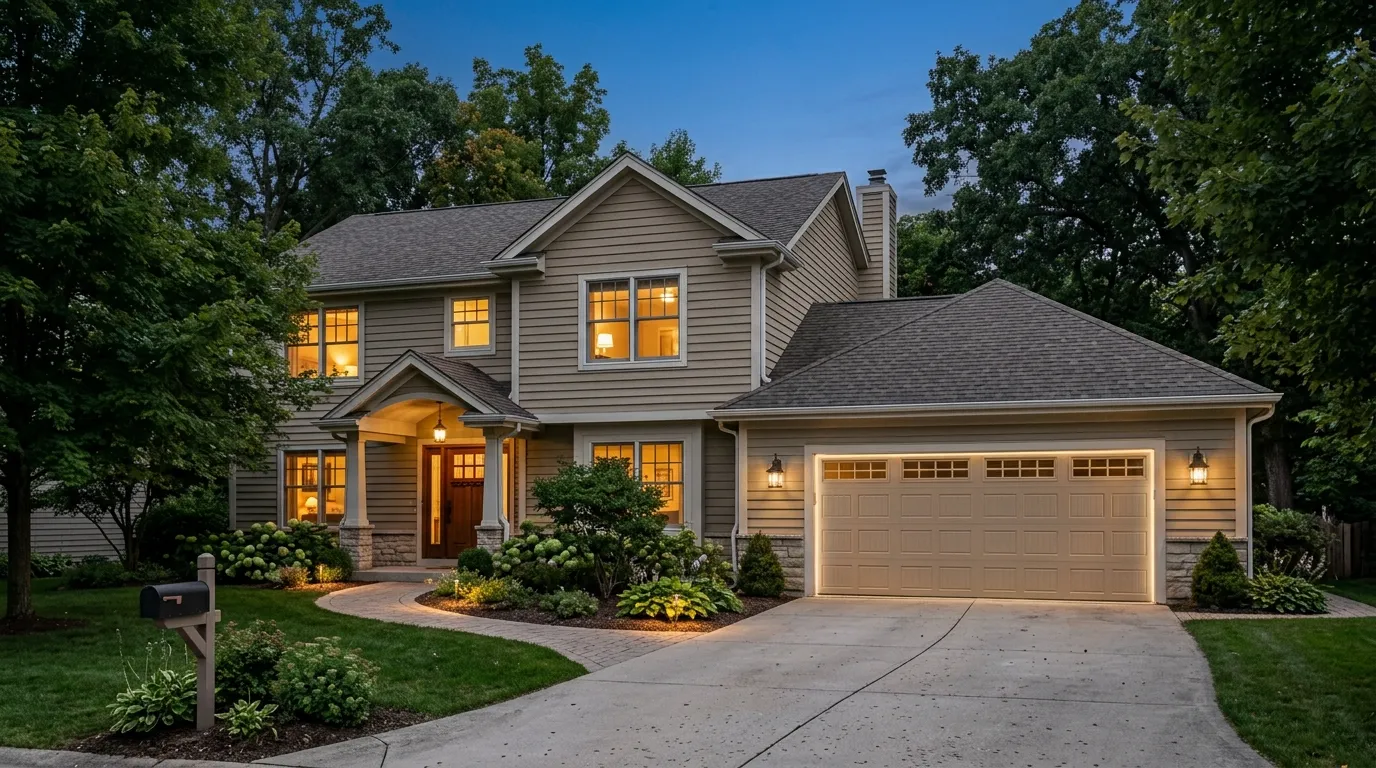
Because the housing stock through Rockwall and the surrounding towns we work in was mostly built between 1971 and 2013, with the bulk going up in the 2000s, we see a fairly narrow band of hardware generations. That's actually useful - it means we're not guessing at parts. A door acting up in a house built in 2002 (the median build year here) tells us a lot before we even open the panel: torsion spring wear, original nylon rollers past their life, or an opener logic board that's simply aged out.
Why It Happens Here
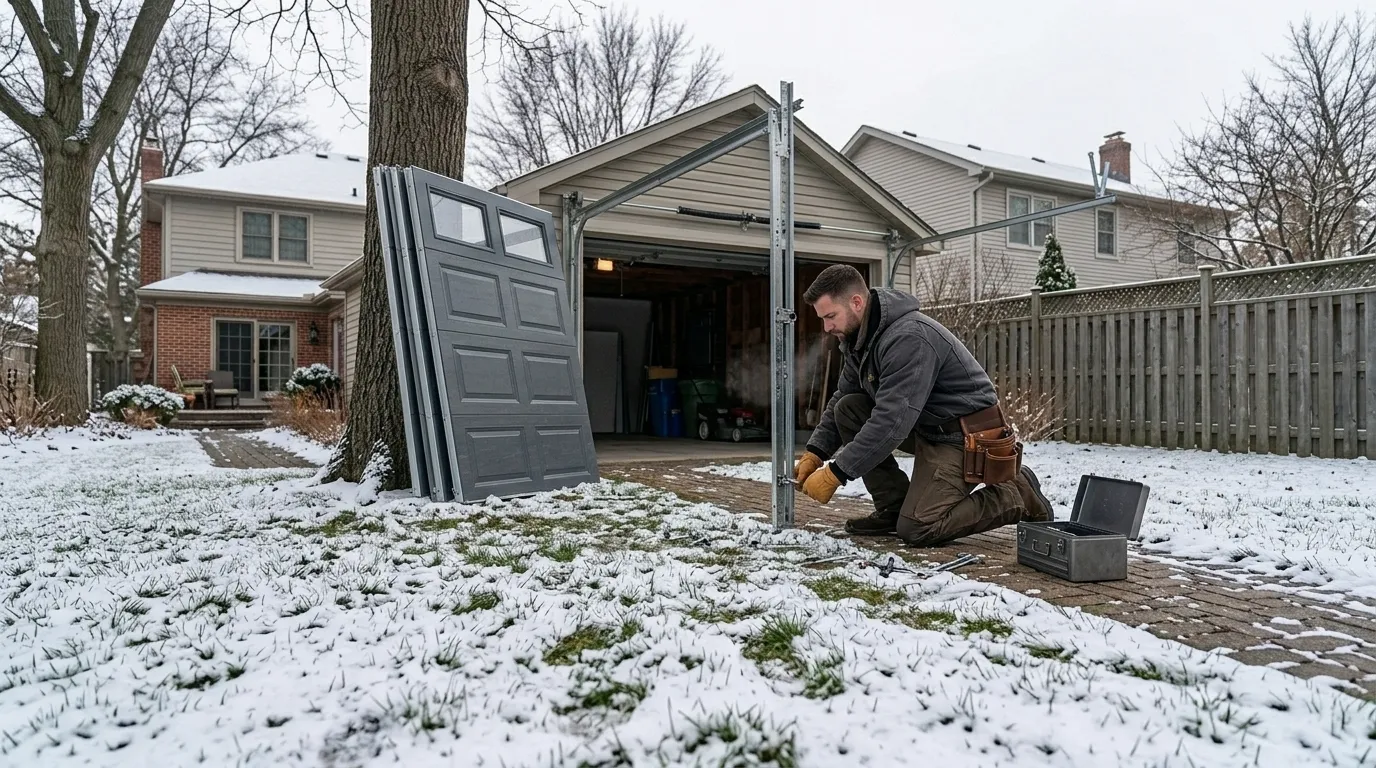
Rockwall sits in a mild climate with occasional freeze, which is easier on garage door hardware than a true freeze-thaw region, but it isn't nothing. A cold snap tightens steel torsion springs and stiffens opener lubricant right when a spring that's already near the end of its cycle count is most likely to snap. We see a noticeable bump in spring-failure calls after the first hard cold mornings of the season, concentrated in homes built in that 1971-2013 window where the original spring has simply never been replaced.
The other driver is age matching the housing stock itself. With most homes across the 21 named areas we serve dating to the 2000s, a large share of doors are now old enough that the factory rollers, cables, and spring coatings are past their rated cycles - not broken yet, but close. That's why we see the same failure pattern repeat house to house on a given street: the hardware went in around the same year, so it wears out around the same year too.
How We Fix It
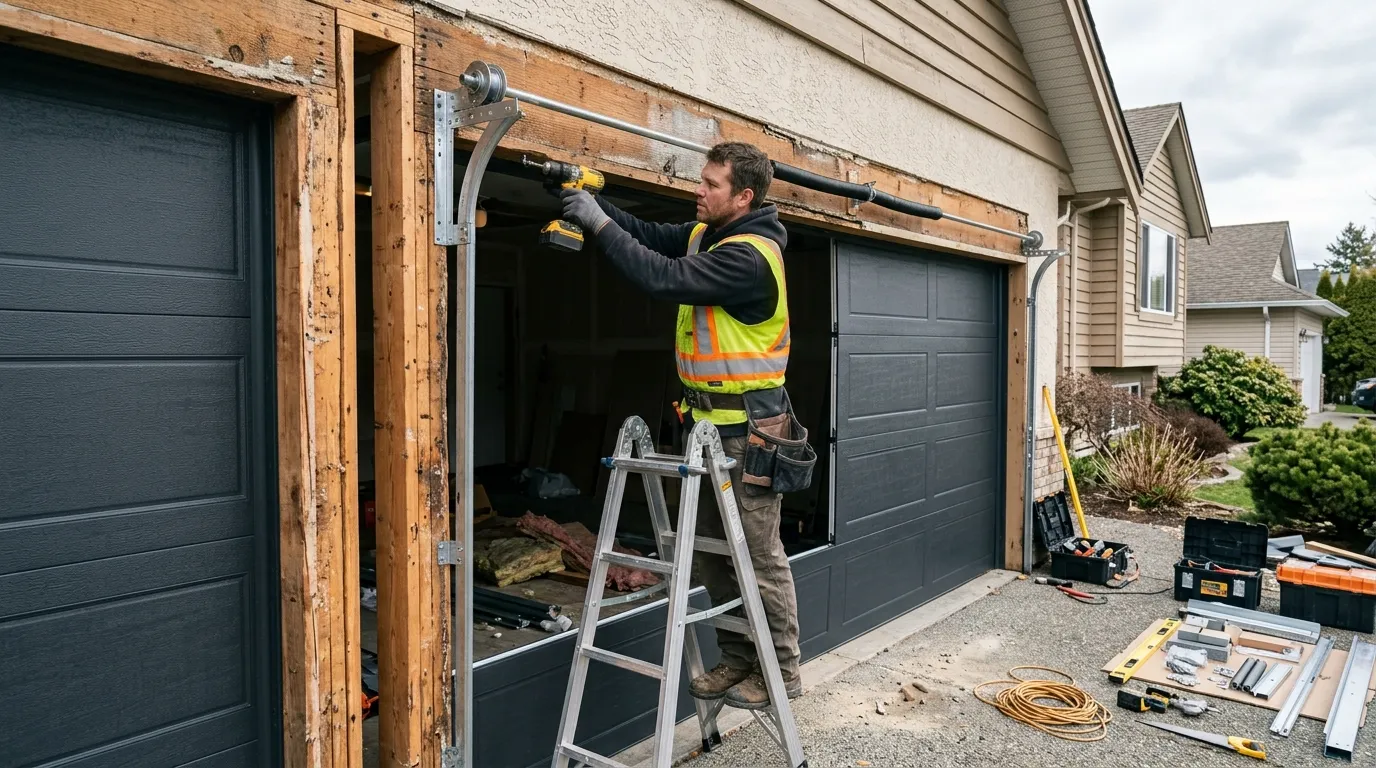
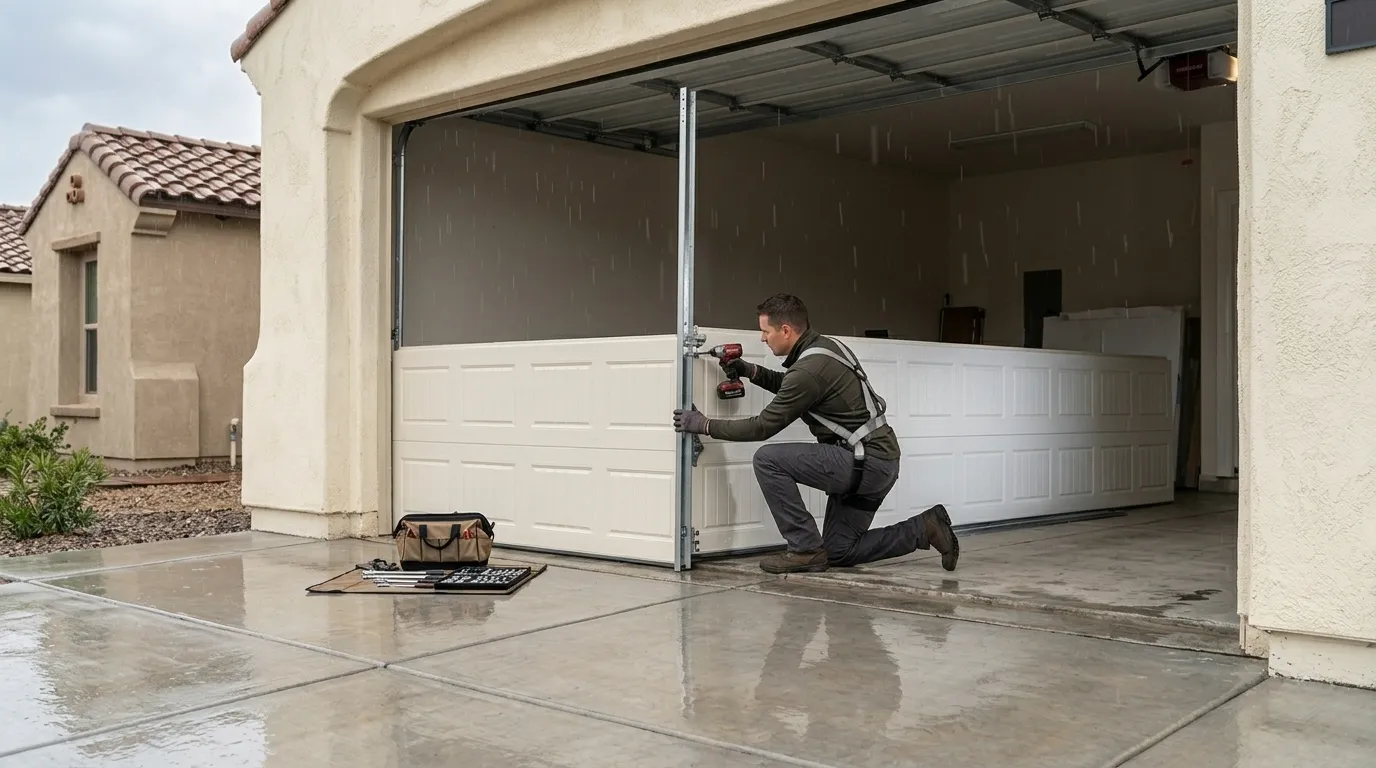
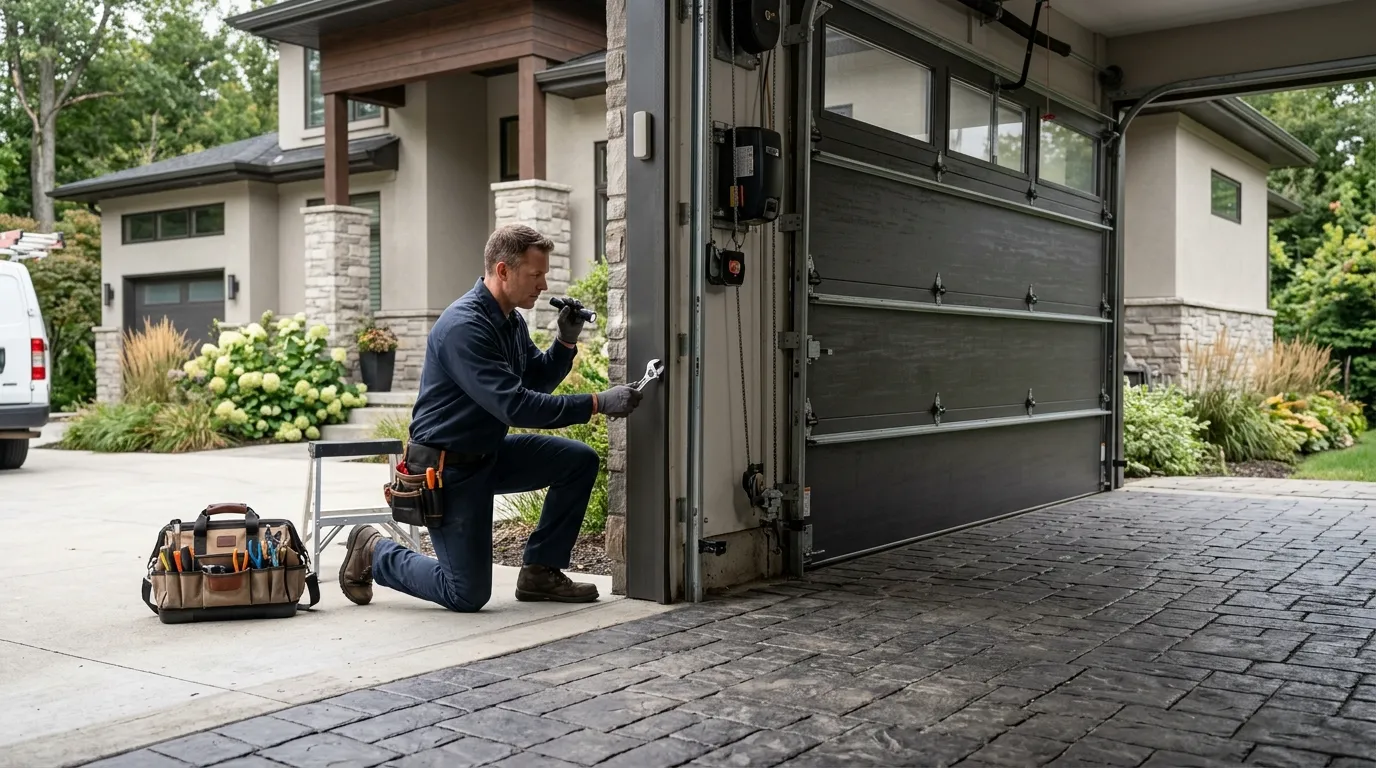
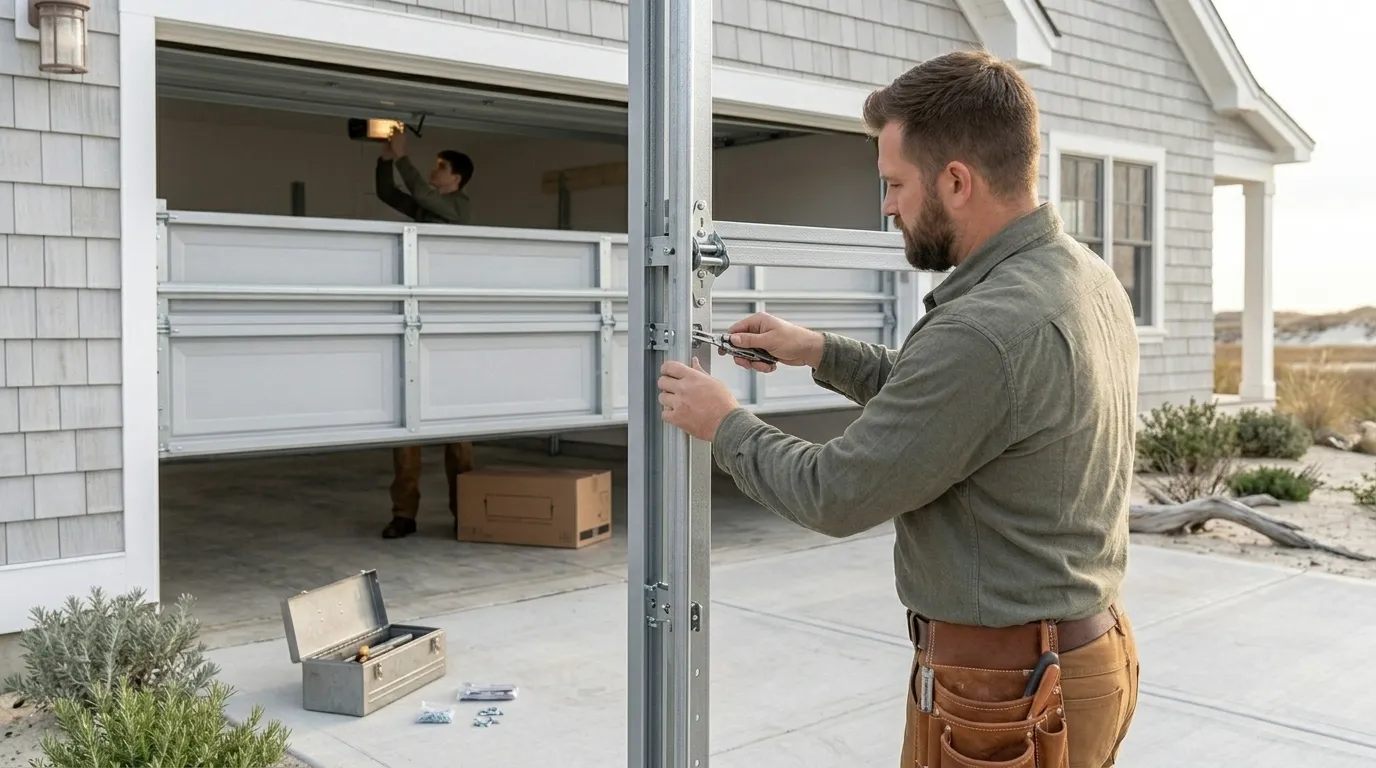
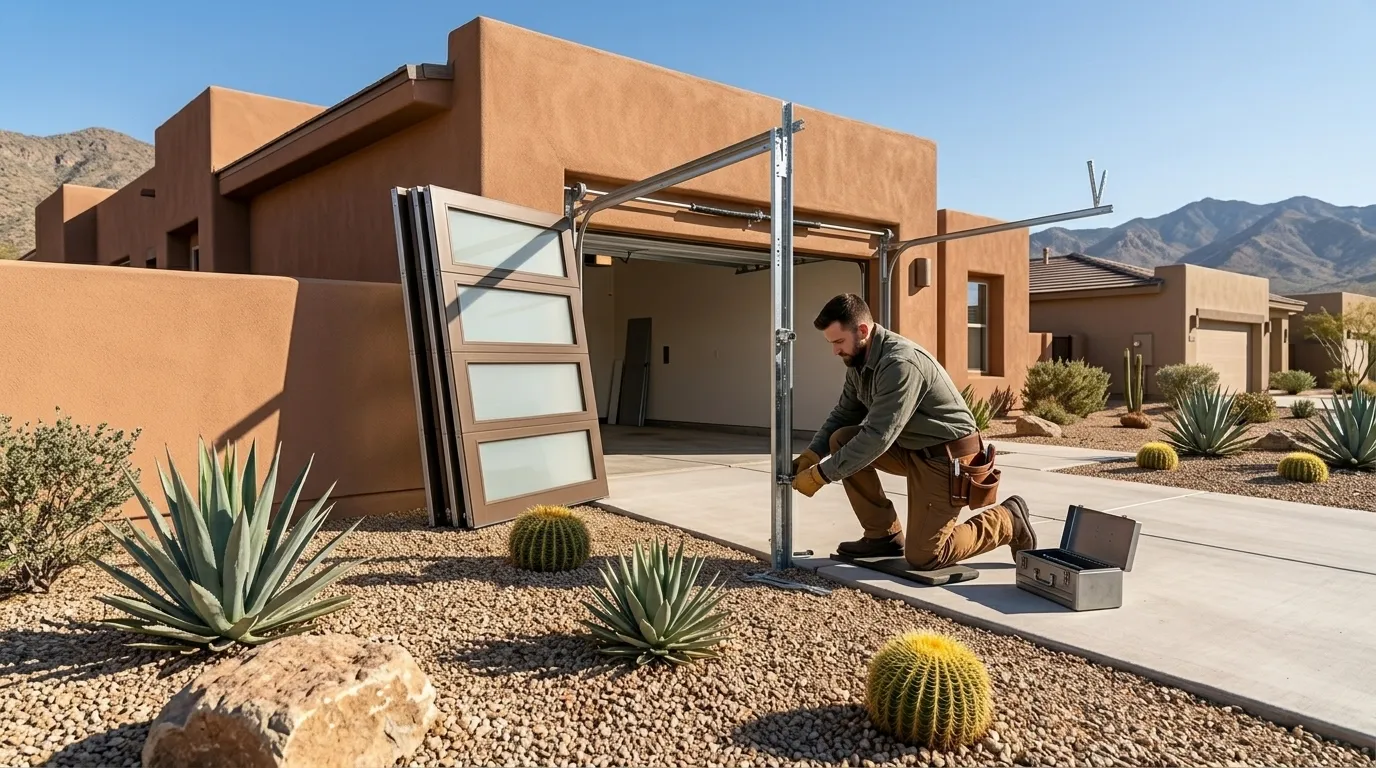
We diagnose on site before we quote anything - lift the door by hand, check spring tension, run the opener through a cycle, and look at the track for bends or gaps at the rollers. Torsion spring replacement is a same-visit job in almost every case we see. Track and roller work usually is too, unless the track itself is bent badly enough that we need to true it up with the door removed, which takes longer.
What we won't do is replace a whole opener when the fix is a $40 gear or a limit switch adjustment, and we won't sell a full door replacement when a spring and a roller set will get you another decade out of a 2000s-built door. If your door is old enough and the springs, cables, and rollers are all failing at once, we'll tell you plainly when replacement is the better money than repair - that's not every call, but it's not rare either.