What the Housing Means for Your Door
Balch Springs sits apart from a lot of the newer construction you'll find closer to Rockwall. The typical home here went up around 1987, which puts most garages a good fifteen years ahead of the newer builds common elsewhere in our service area, where the median build year runs closer to 2002. That gap matters more than it sounds like it should.
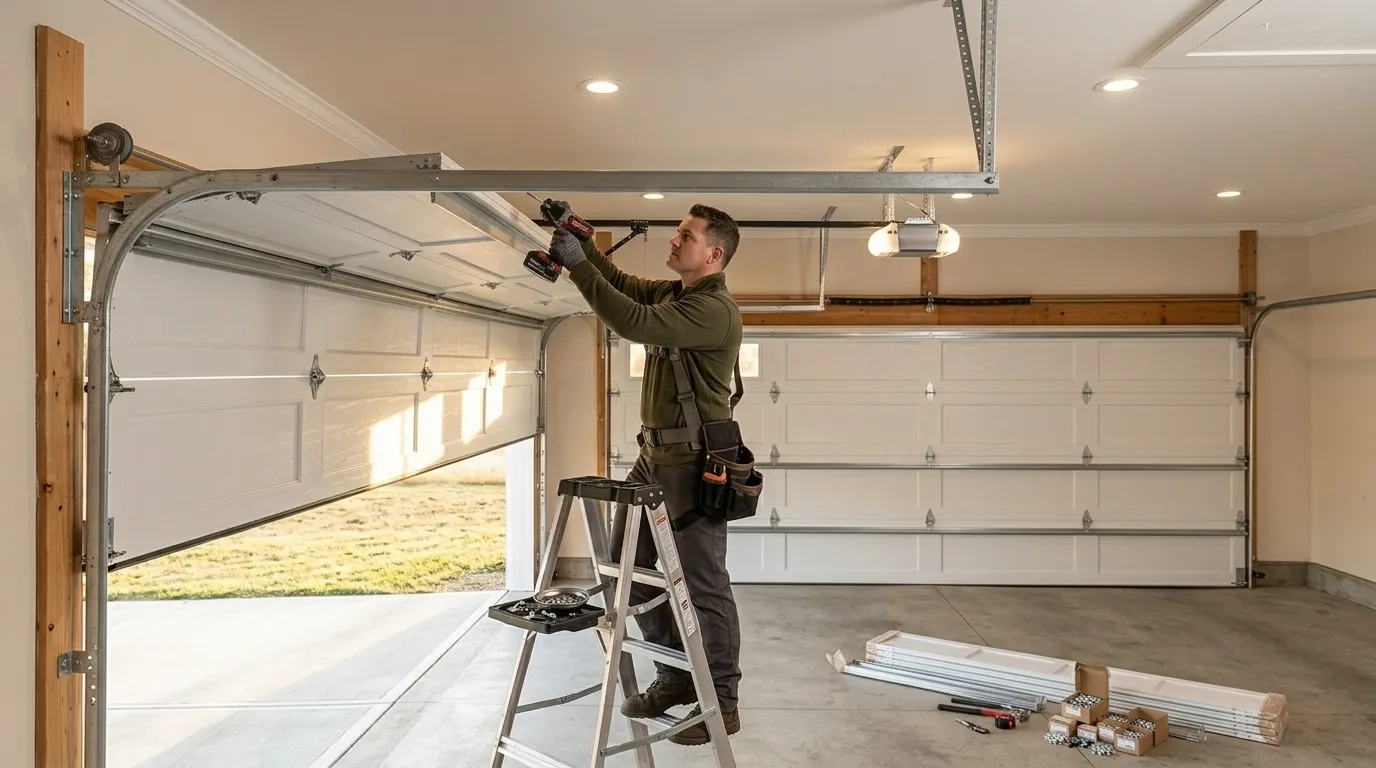
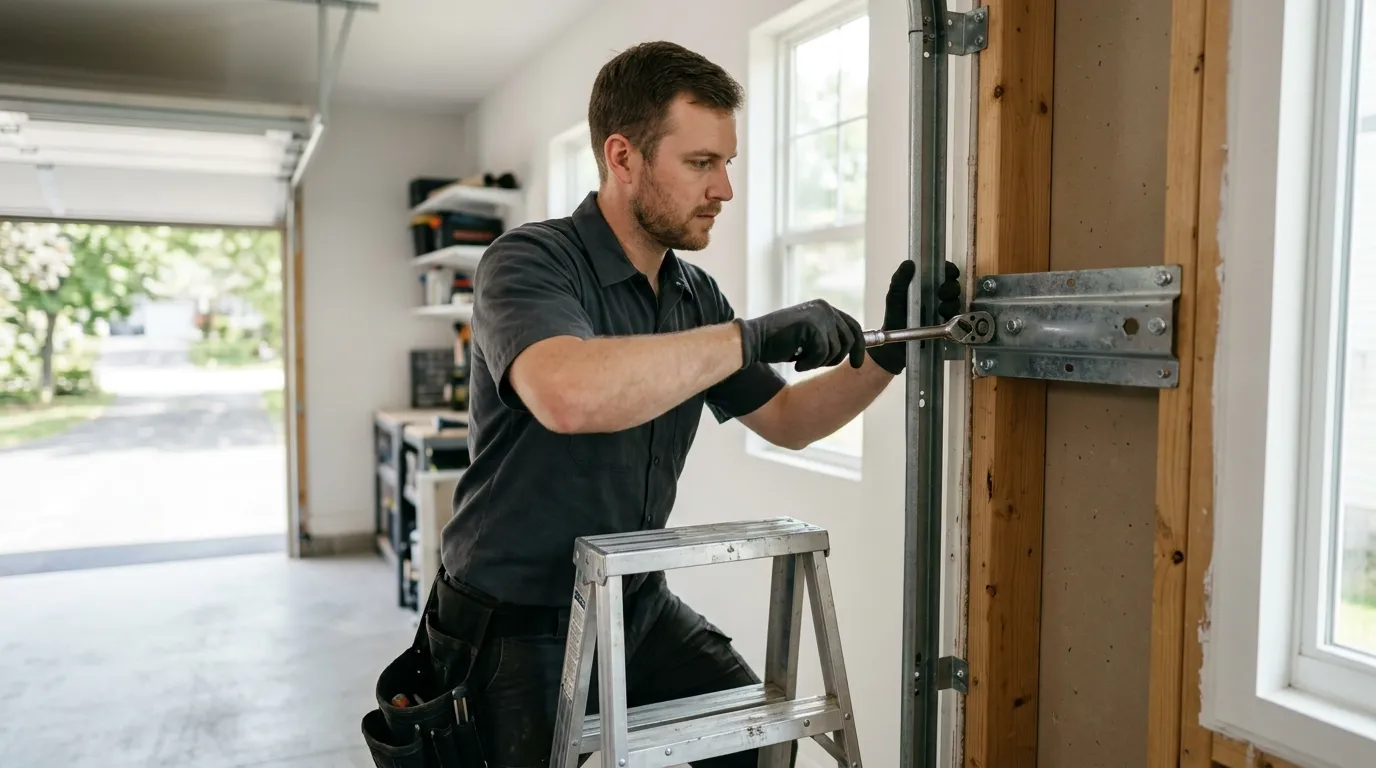
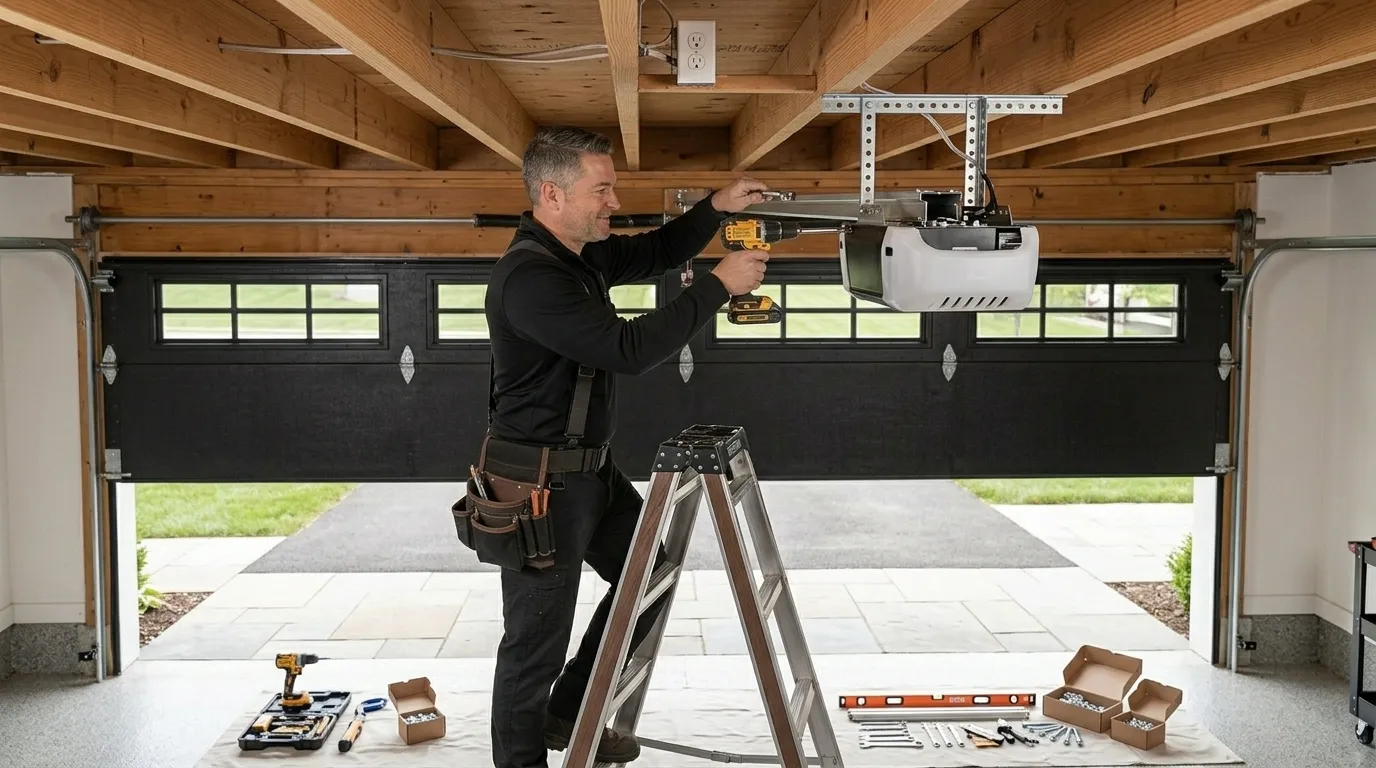
A door and opener installed in the late 1980s has usually been through at least one replacement cycle by now, sometimes two, and the hardware underneath doesn't always match what came with the house. We see steel doors on torsion springs that were upgraded once in the 90s or 2000s, with openers swapped separately from the door itself - which means the spring size and the opener's lift capacity aren't always a matched pair anymore. That mismatch is what causes premature spring wear and openers that strain on lift, long before the door panels themselves show any damage.
If your garage still has its original opener from a 1980s build, parts for that generation are getting harder to source, and a repair quote may come back close to a replacement quote. That's not upselling - it's just where the parts market is for gear that old.
This Area's Housing
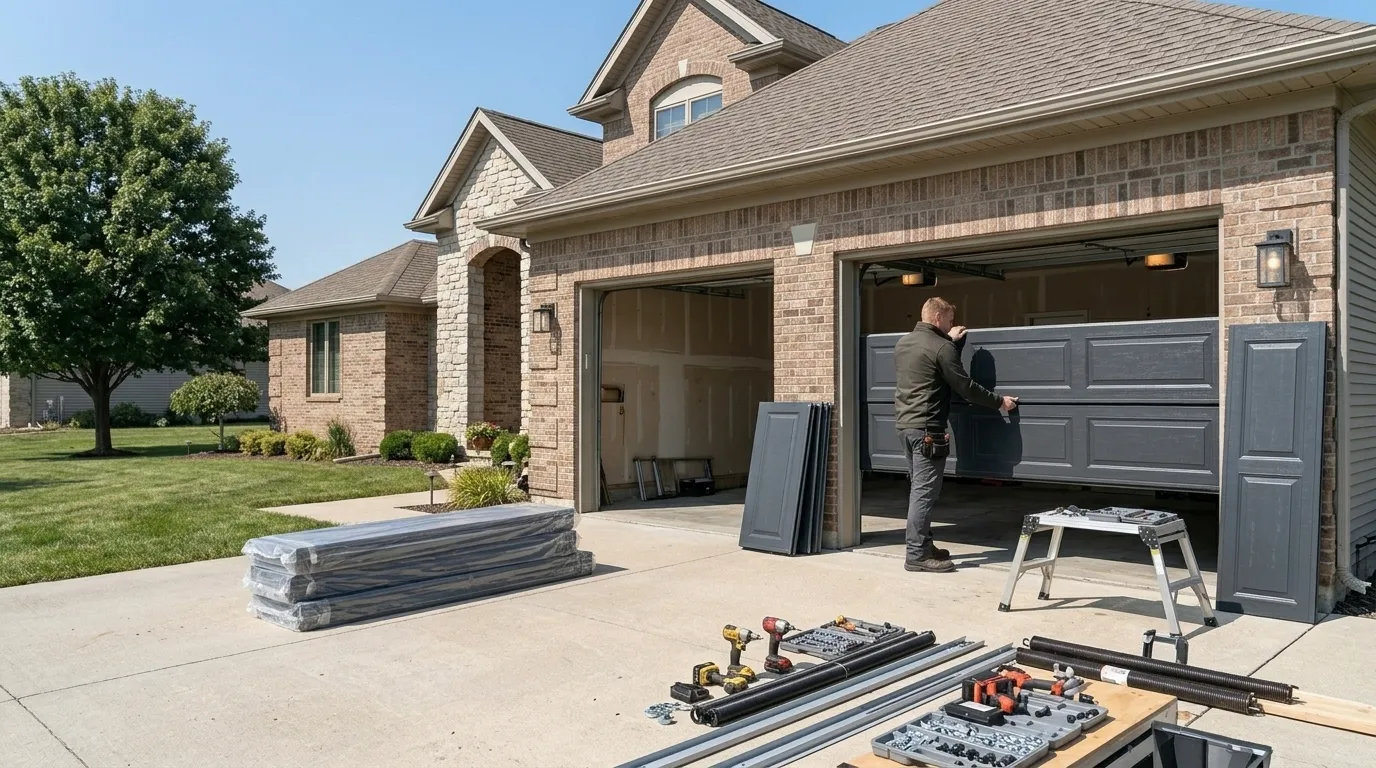
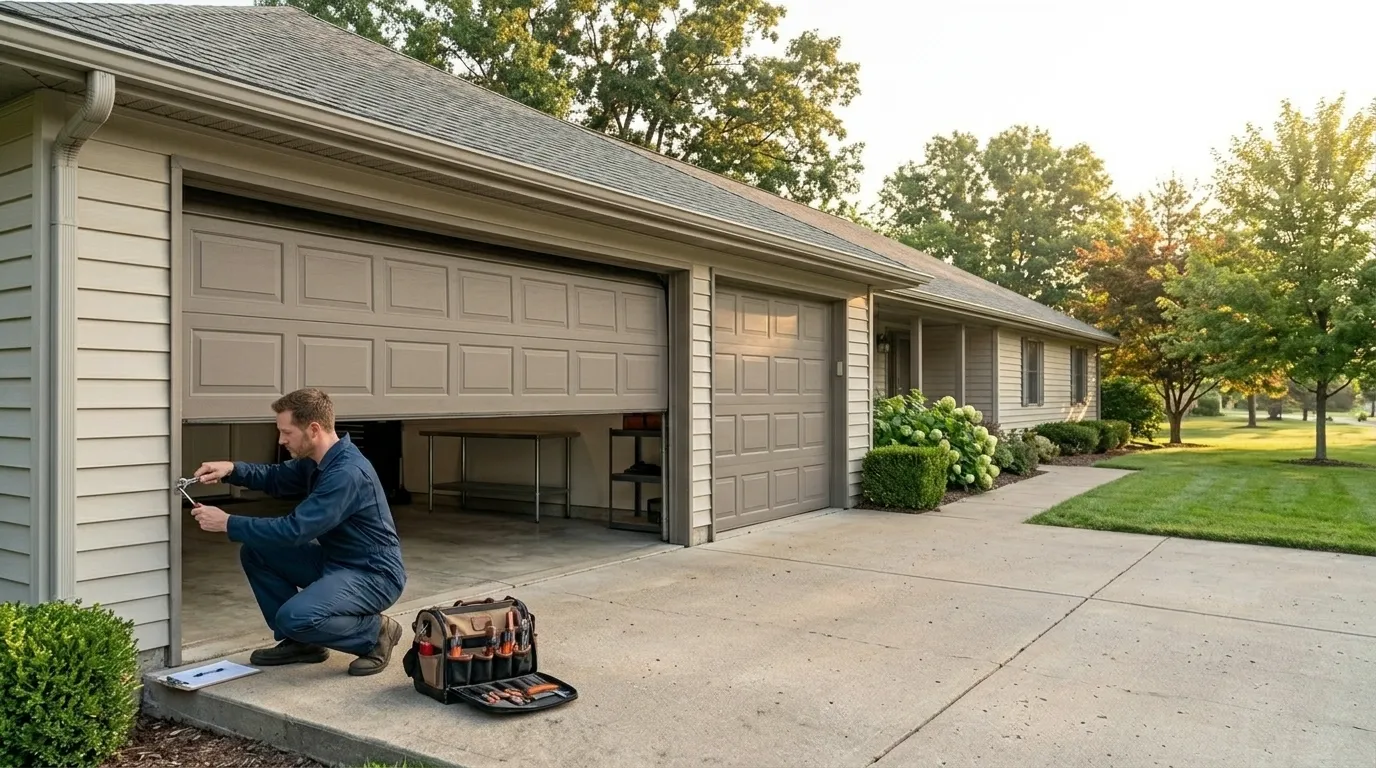
With roughly 8,472 households in Balch Springs and a median household income of $70,528, this is a more modest-income pocket than the broader service area average of $124,500. That difference shows up in the kind of calls we get: more repair requests, fewer full-replacement jobs on the first call. Homeowners here are more likely to ask us to fix the spring or the opener circuit board before they ask about a new door, and that's a reasonable way to approach a door that's otherwise solid.
The area falls in a mild climate band with occasional freeze risk, which is easy on garage doors compared to regions with real winter, but it doesn't mean zero wear. Weatherstripping on a door installed in the late 80s has usually hardened and cracked by now regardless of climate, and that's often the first thing worth checking before anything mechanical.
What Neighbours Usually Call About
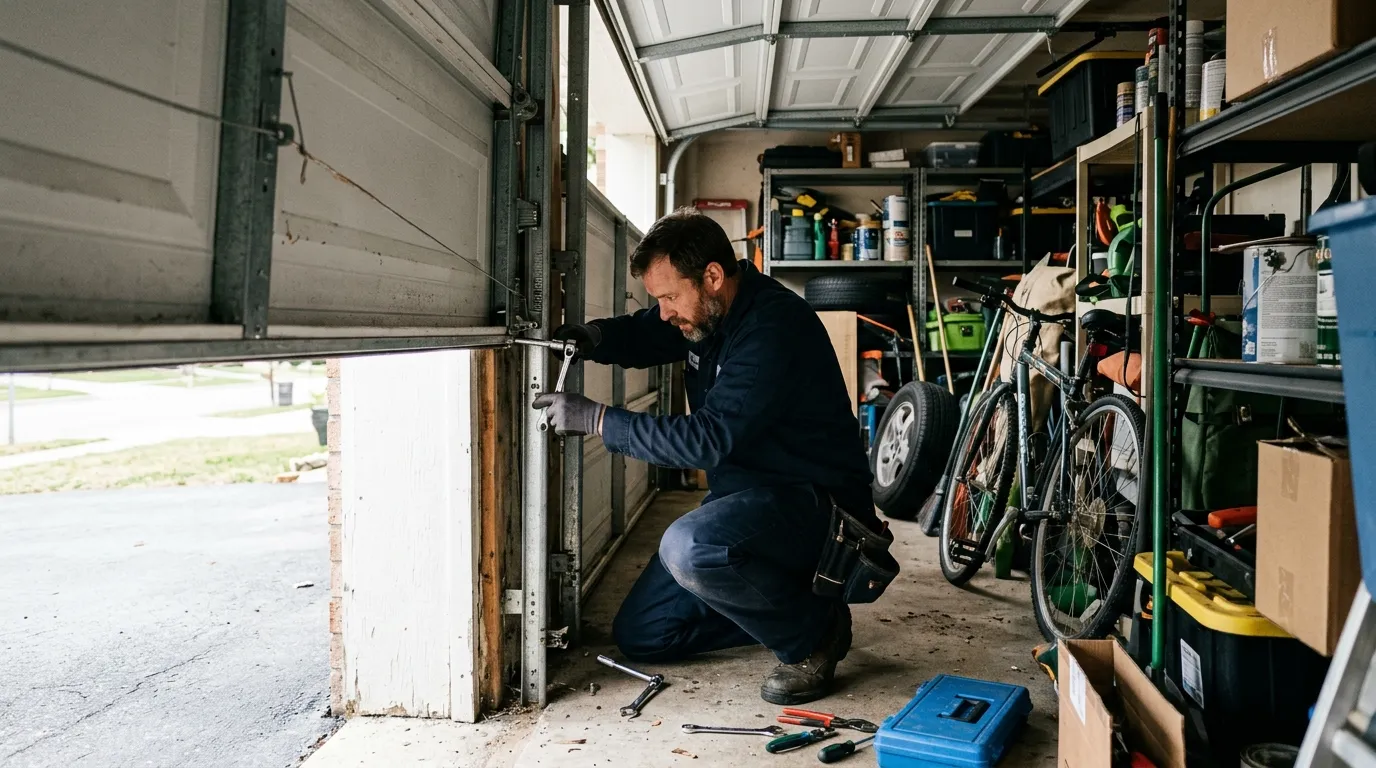
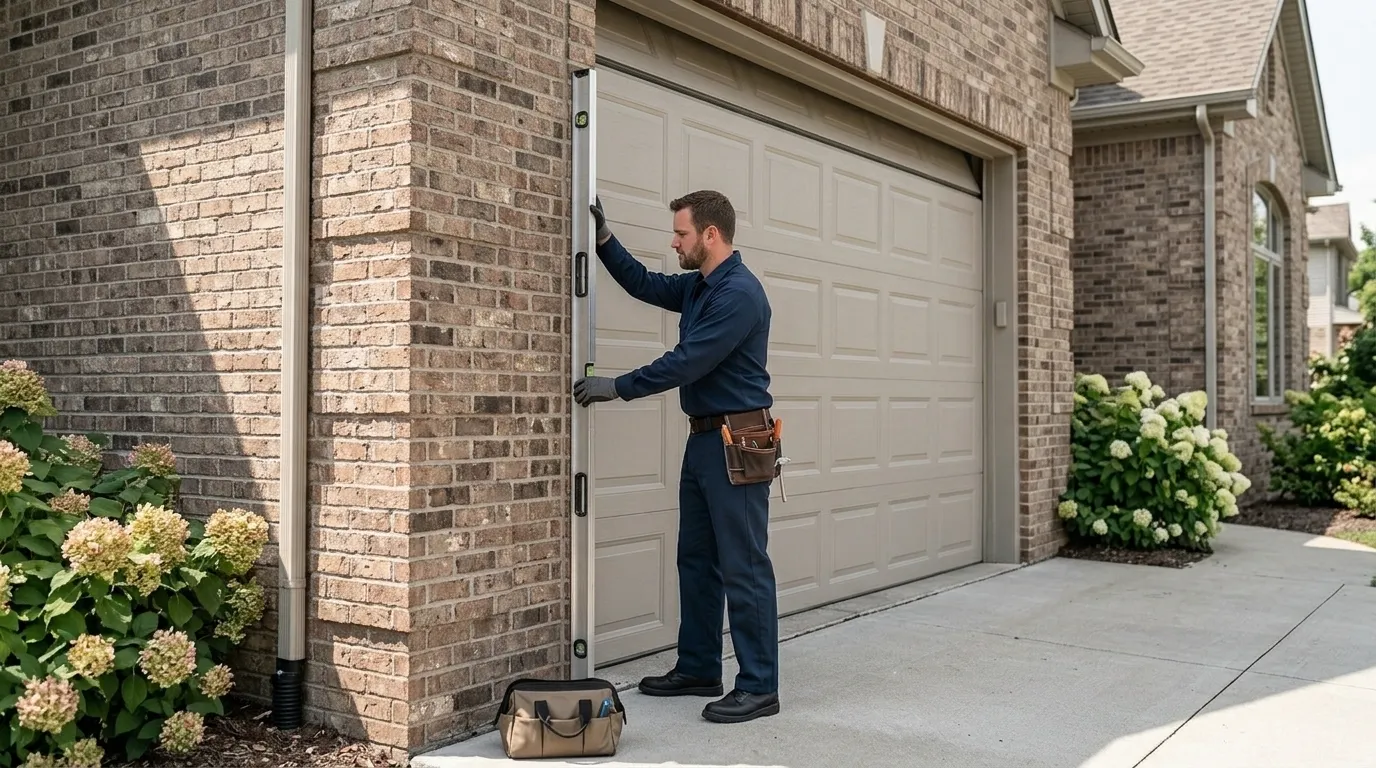
Given the age of the housing stock, torsion spring failure is the most common call - springs rated for a door that's been through paint, insulation add-ons, or a panel swap over the decades often end up under- or over-sized for the door's current weight. Second most common is opener failure, particularly on units that are themselves 15-20 years old, sitting on a door frame from the 80s.
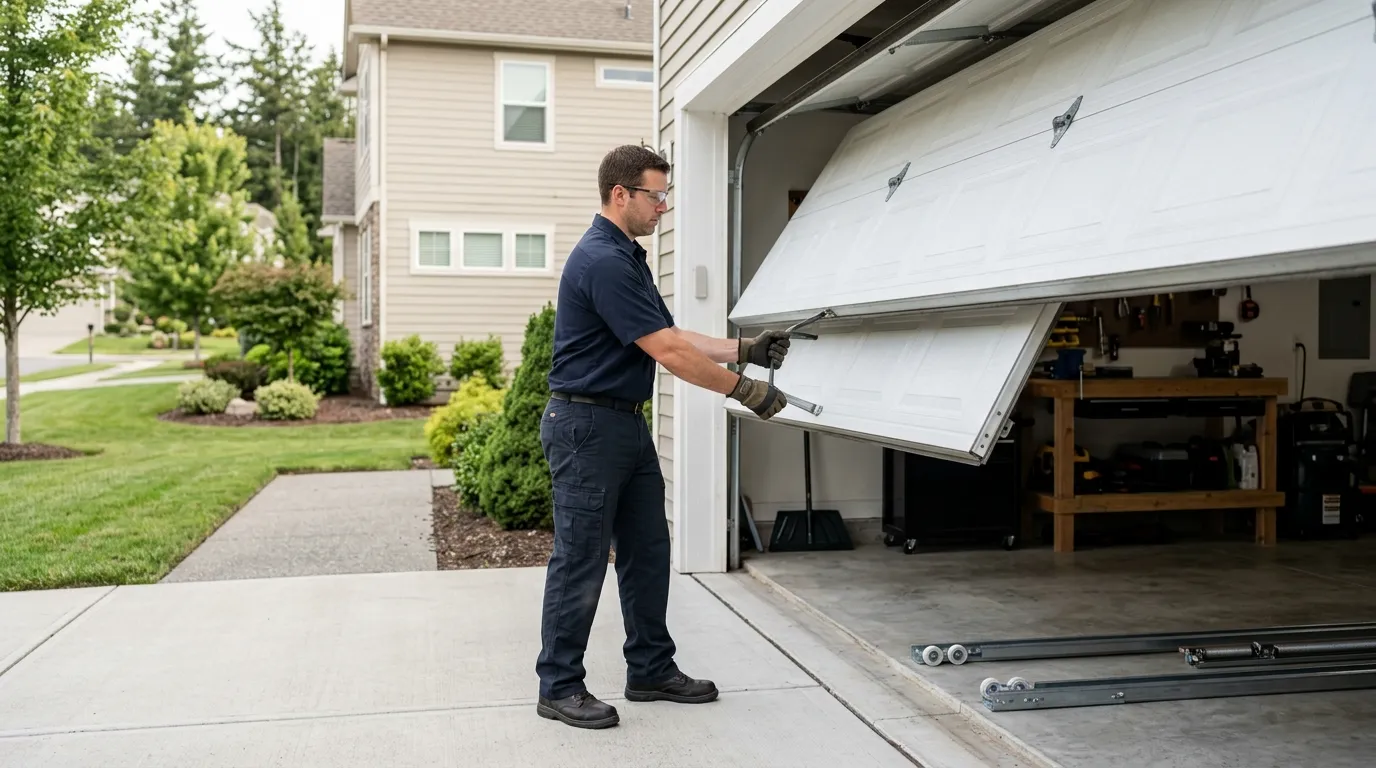
We also get roller and track calls on doors that have never had the rollers replaced - nylon rollers from that era have usually worn past their useful life, and it shows up as noise and binding before it shows up as a full jam. None of these are dramatic failures. They're the kind of wear you'd expect on hardware old enough to have outlived at least one other component in the same door assembly.