What the Housing Means for Your Door
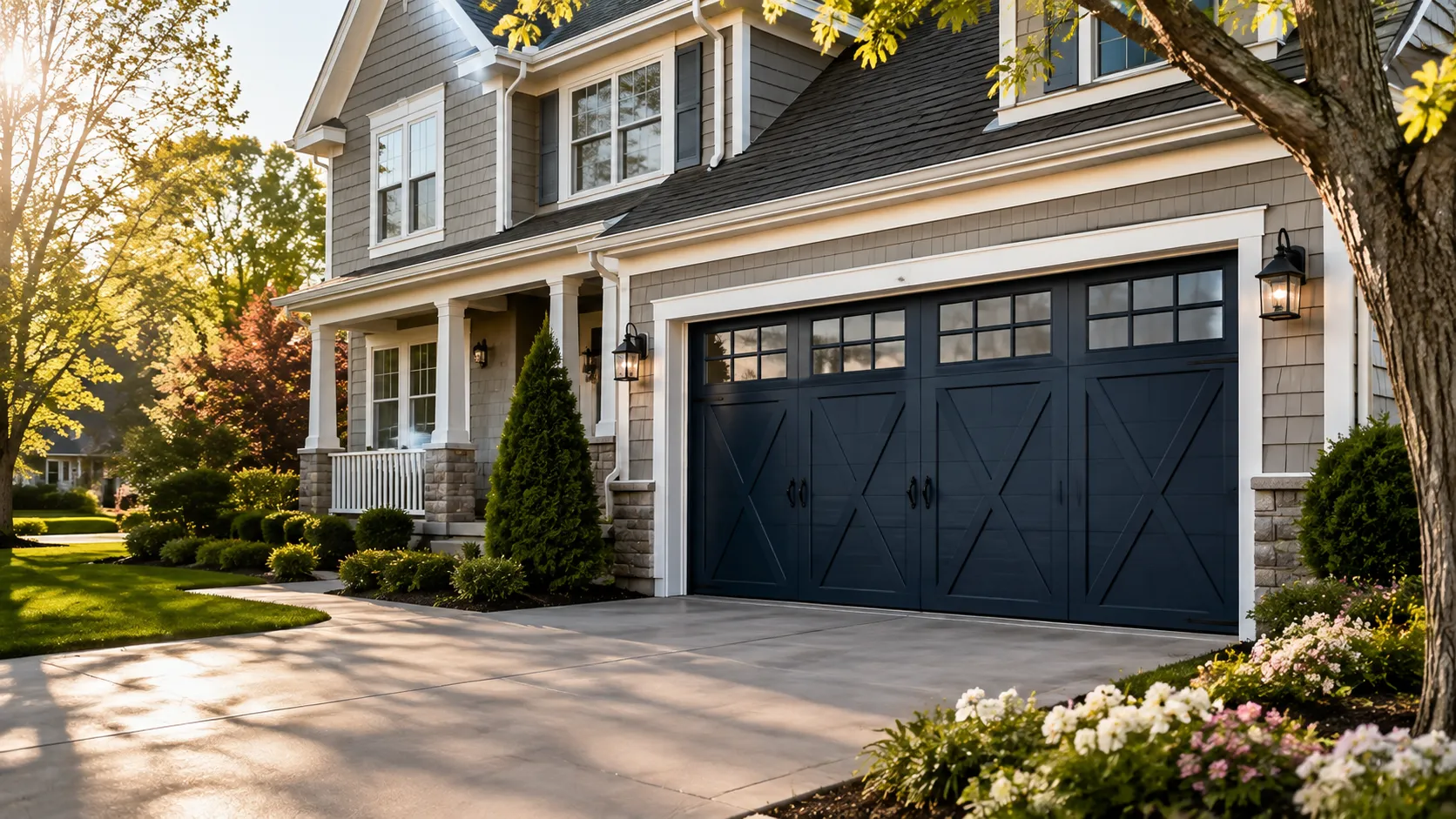
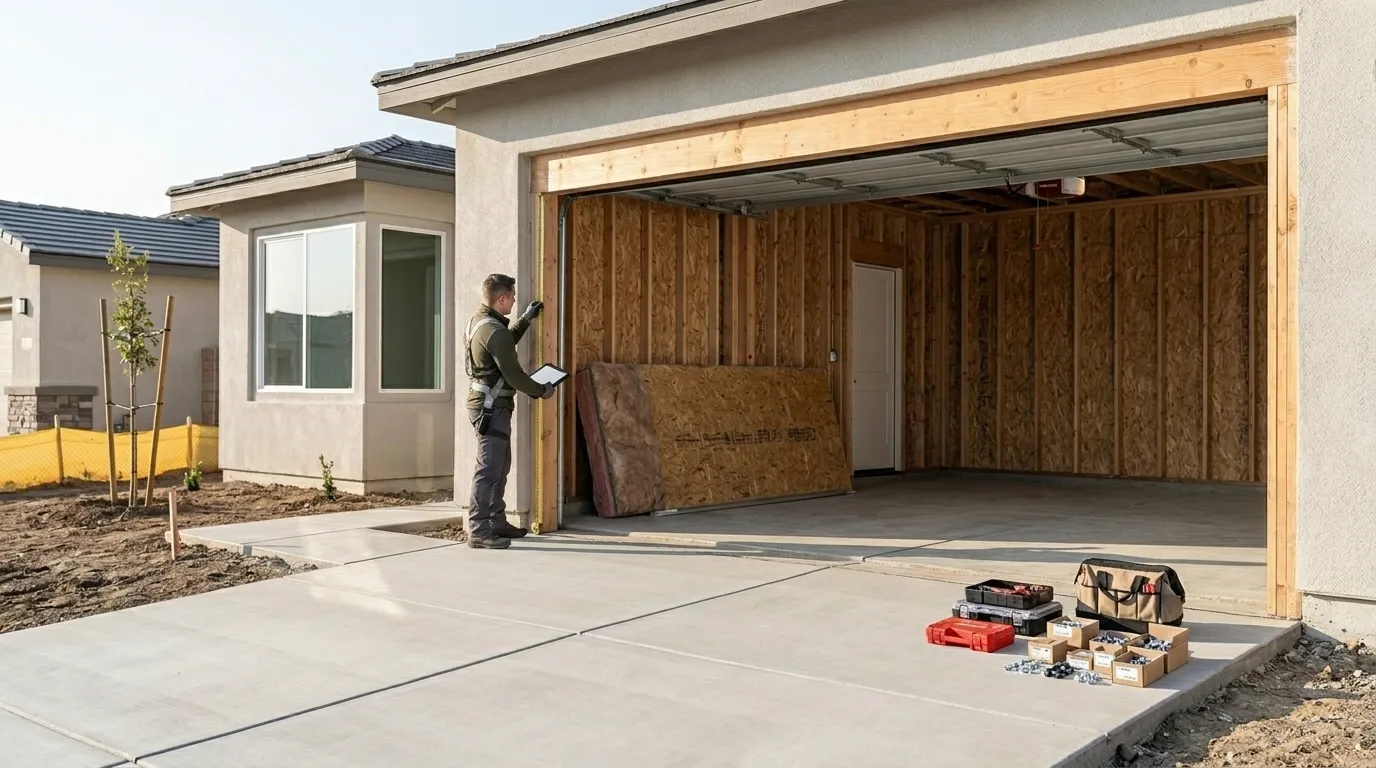
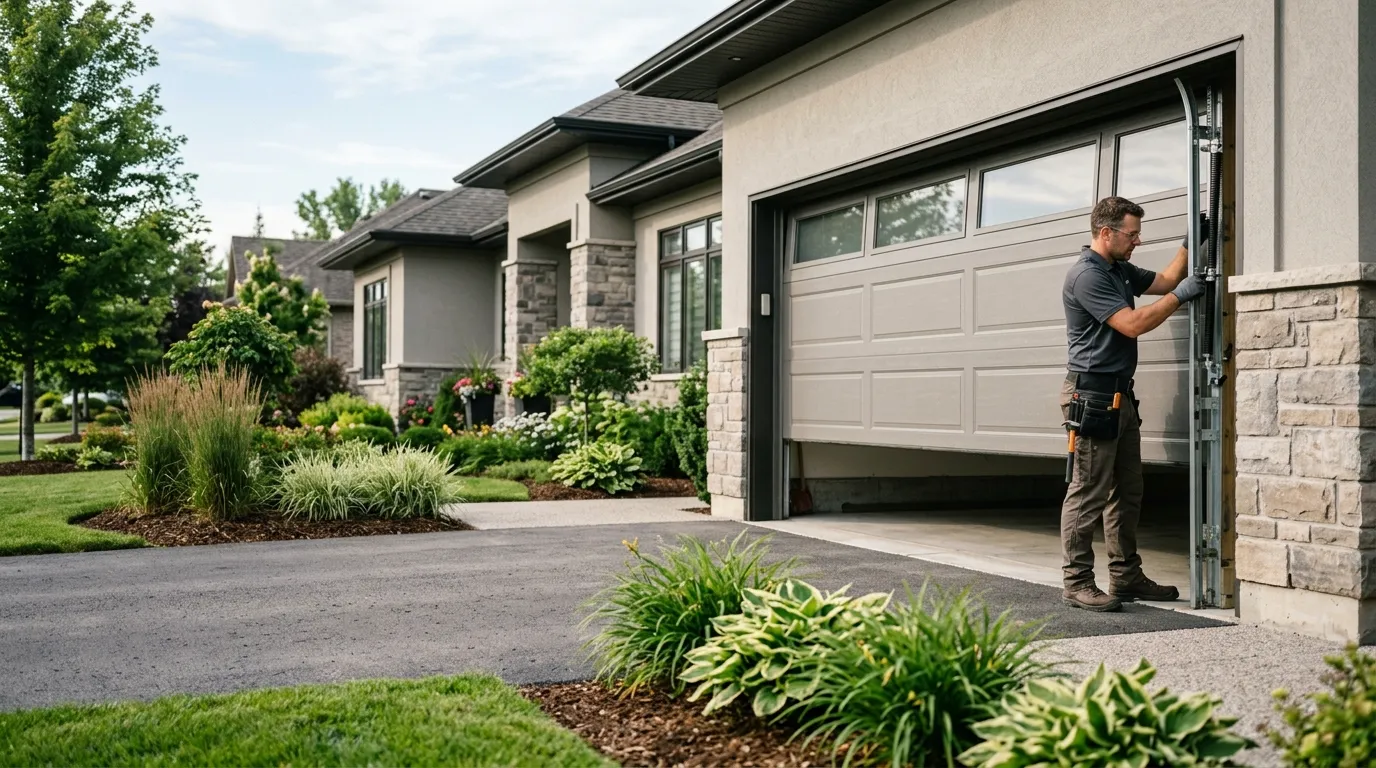
Fate's housing stock skews newer than most of the areas we cover out of Rockwall. The median build year here lands around 2013, more than a decade newer than the 2002 median for the wider service area. That matters because it changes what actually breaks.
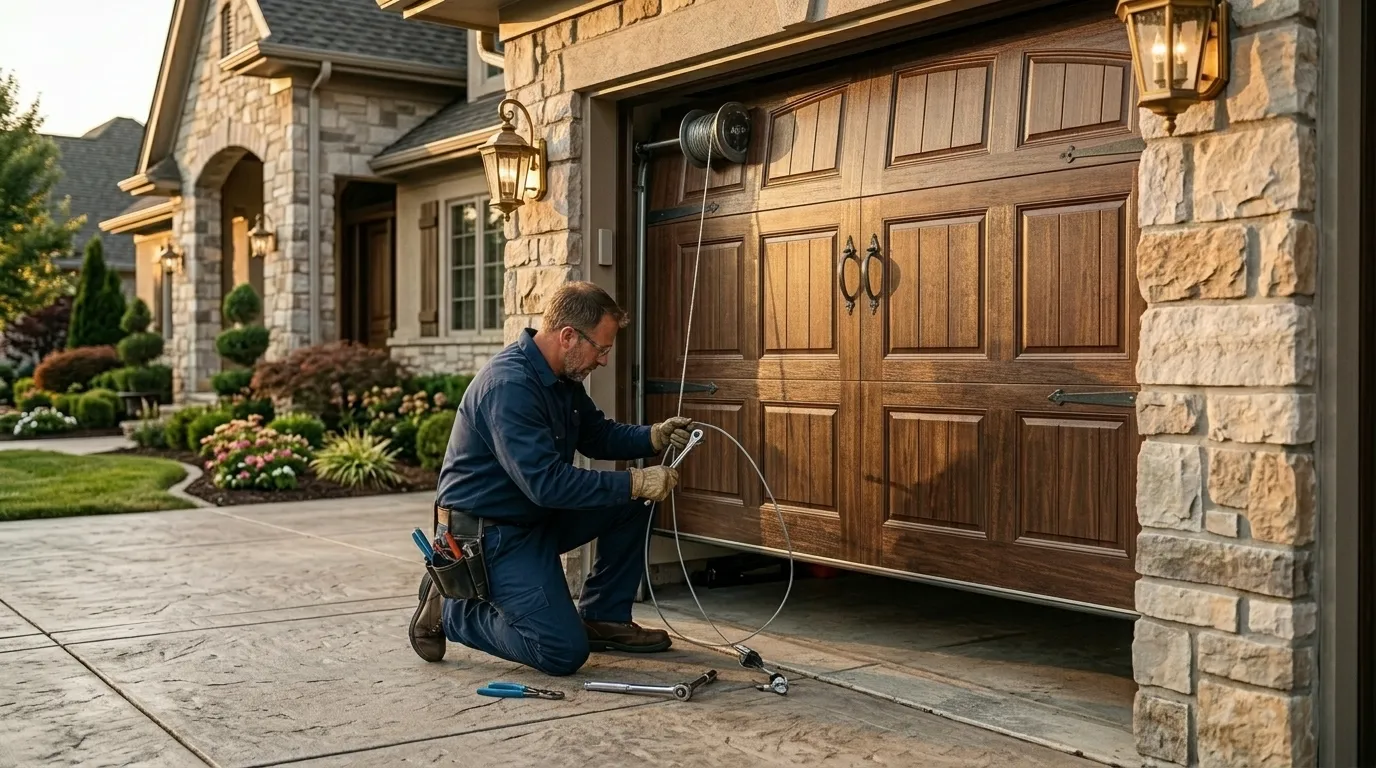
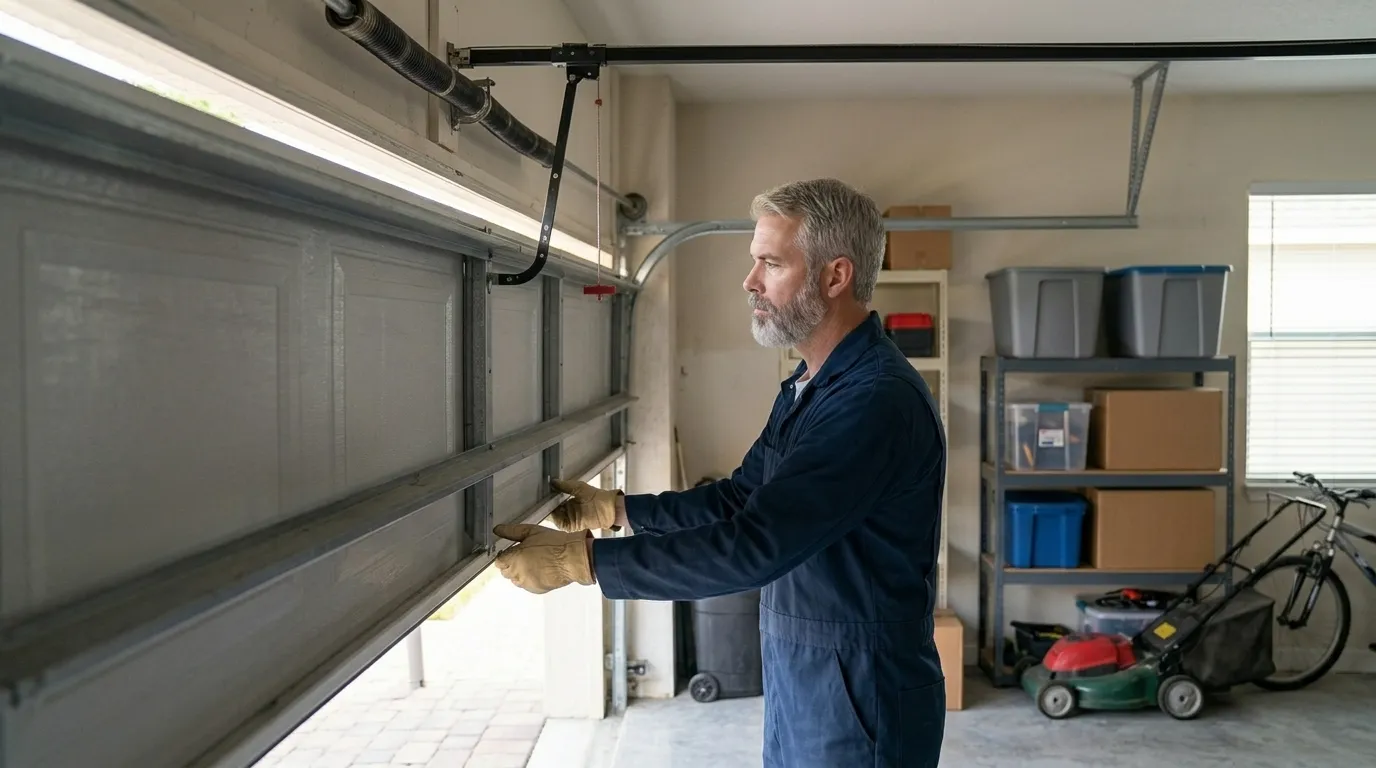
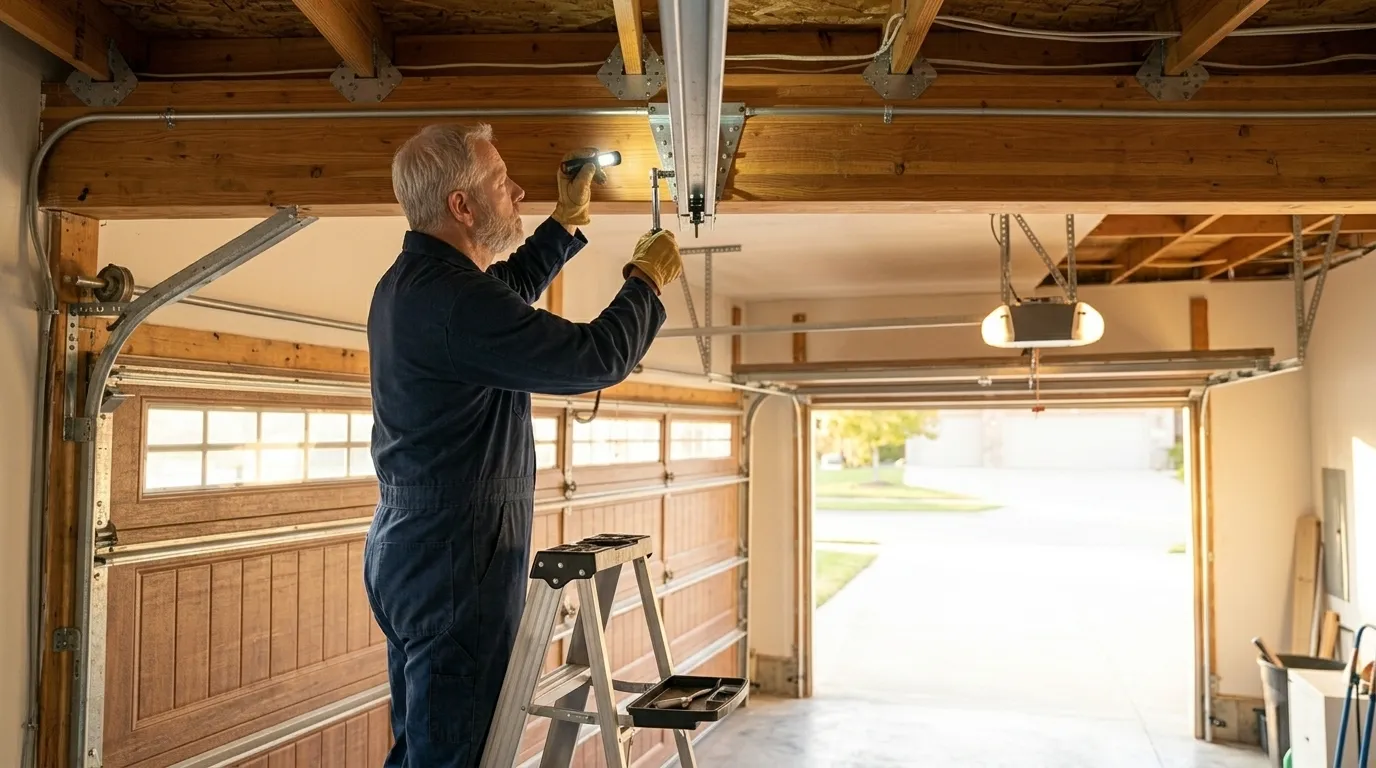
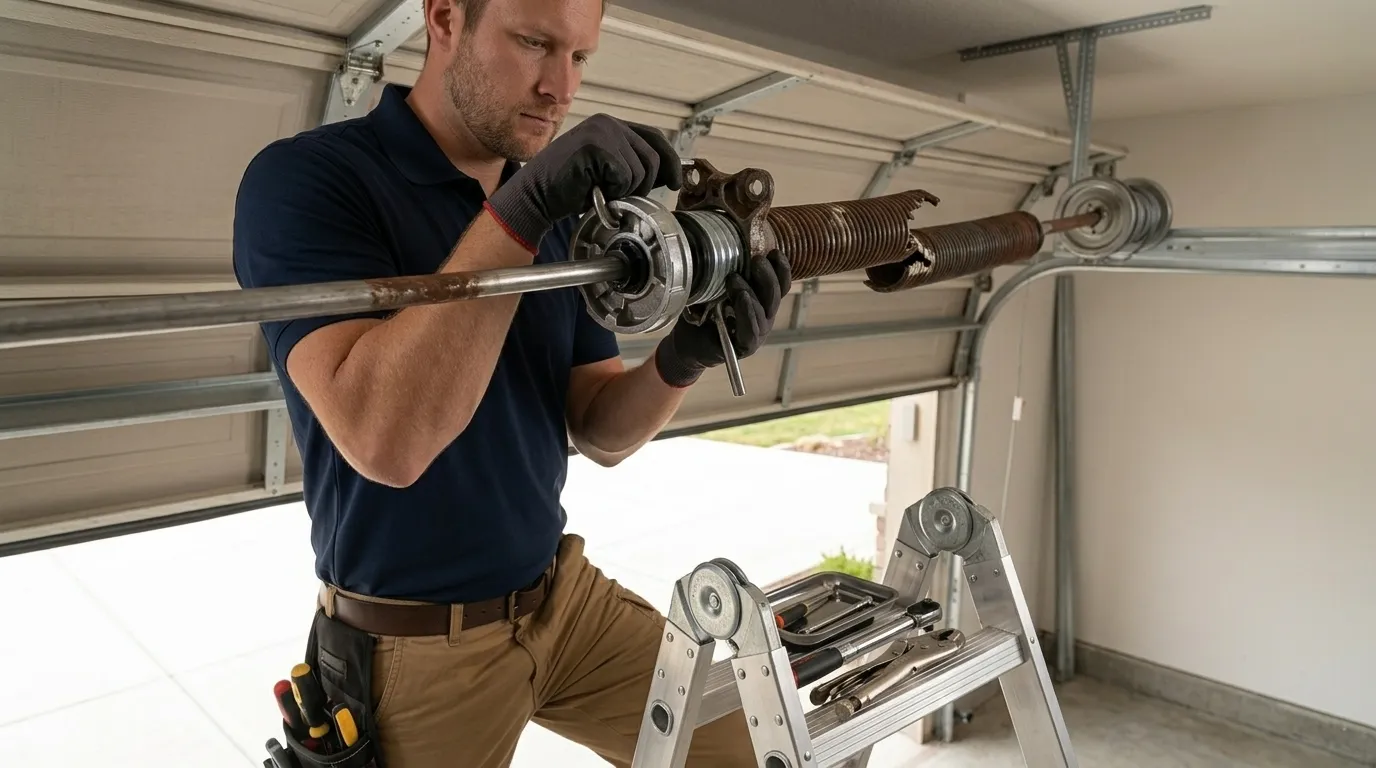
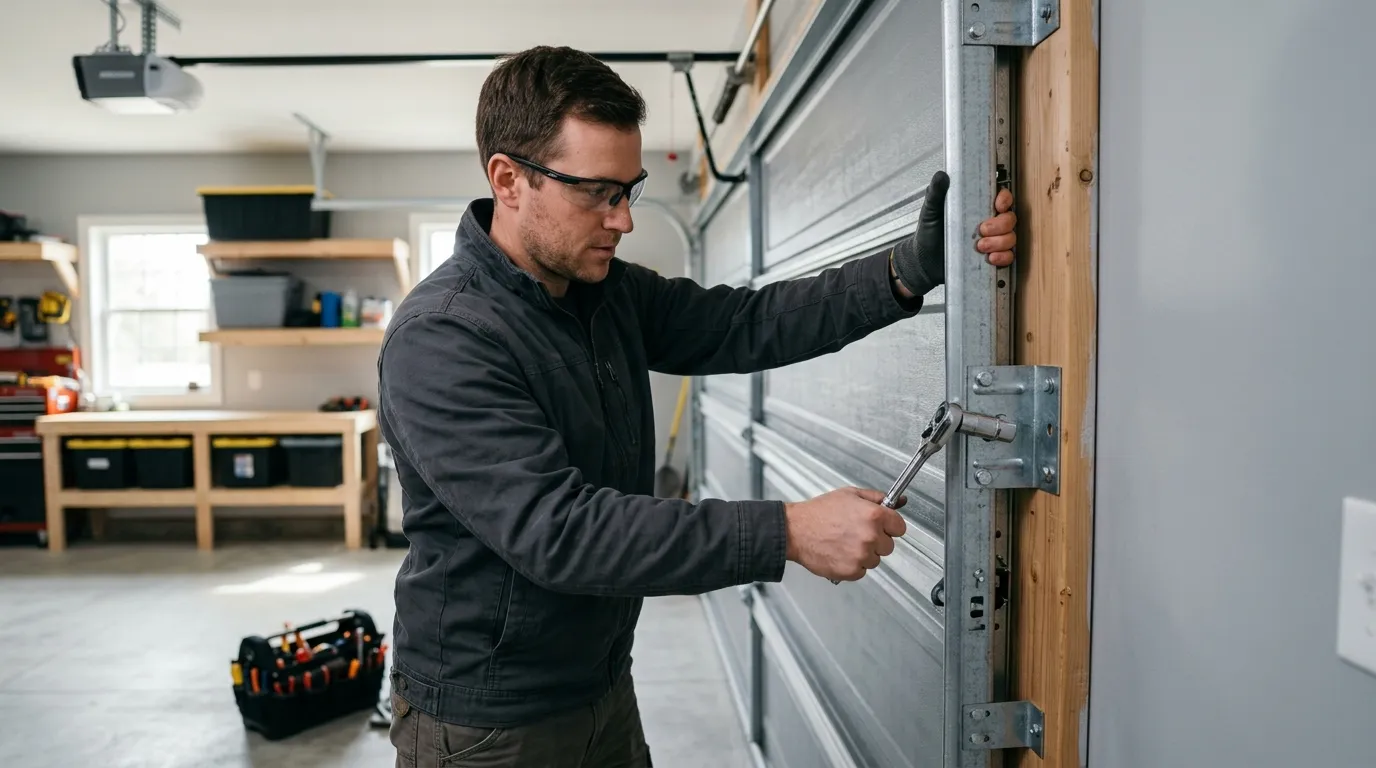
Homes from this era almost never have the old extension-spring-over-the-track setup you'd find in a 1980s house. You've got torsion springs mounted on a shaft above the door, and openers that are chain or belt drive with a circuit board instead of a mechanical relay. The failure points shift accordingly: builder-grade torsion springs rated for a bare minimum number of cycles wearing out faster than they should, plastic idler pulleys cracking, and openers with sensitive logic boards that trip on power surges rather than simple burnt-out motors.
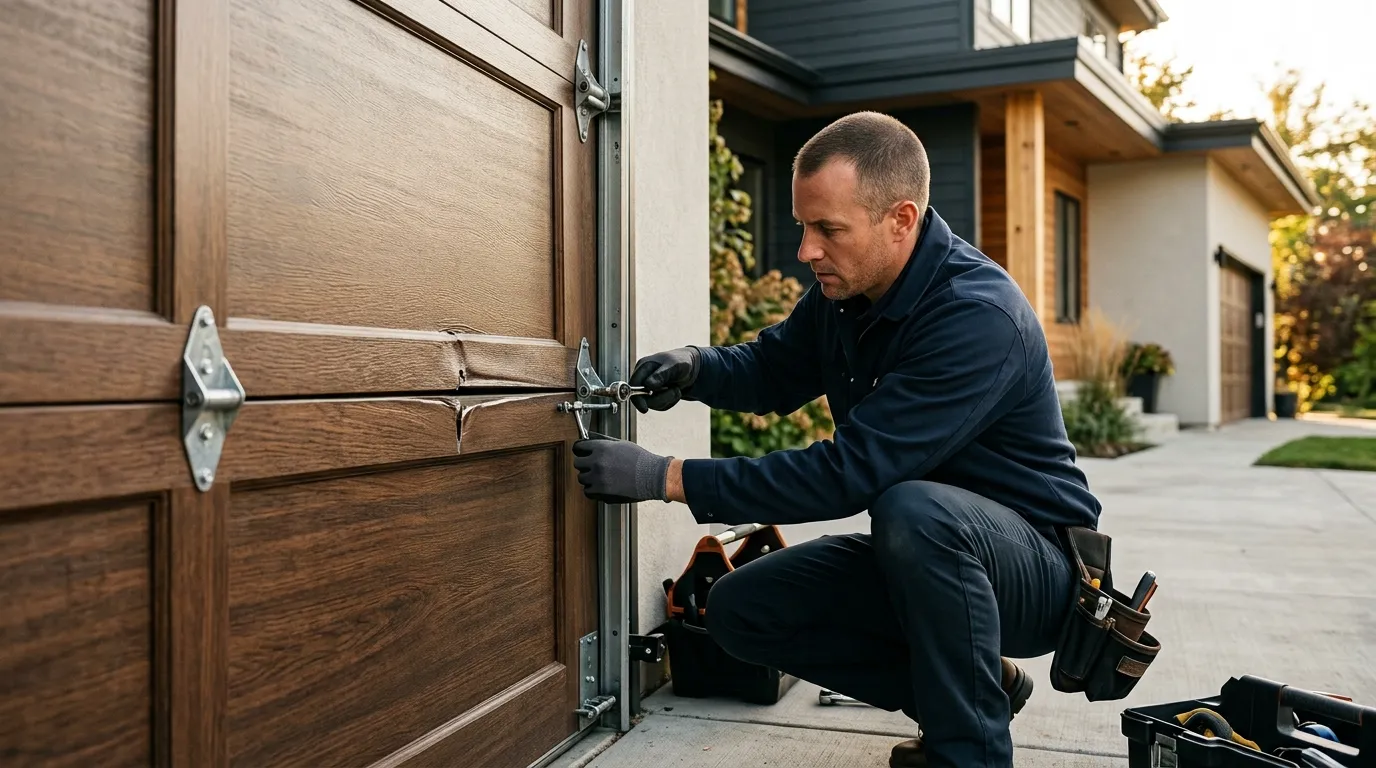
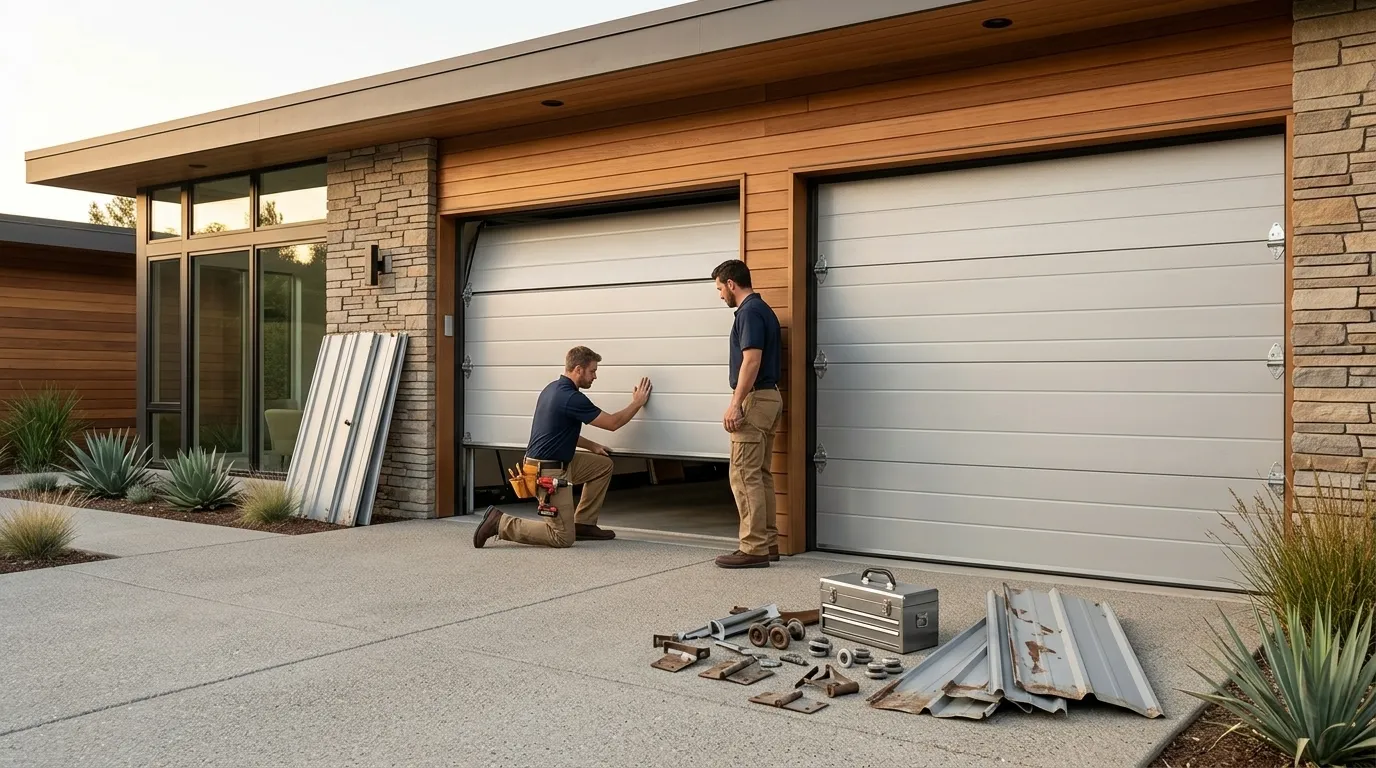
We also see a fair number of the same production door across new-build subdivisions - light-gauge steel panels, minimal insulation, and hardware that's fine for the first several years but not built to be rebuilt. When a spring goes on one of these, we're usually matching it to a door that's still well within its working life, so repair almost always makes more sense than replacement here.
This Area's Housing
With roughly 6,044 households and a median income around $129,500, Fate is one of the newer, higher-income pockets in the areas we serve from Rockwall - noticeably above the service-area median of $124,500. That combination tends to show up in what people are calling about: fewer patch jobs on decades-old hardware, more owners replacing a stock builder opener with something quieter or adding a battery backup after a power blip.
The area falls in a mild climate band with occasional freeze days, which is gentler on garage door hardware than a lot of the country sees. Steel doesn't fight extreme heat-cold cycling here the way it does elsewhere, so panel warping and seal failure from temperature swings aren't common complaints. What we do see is UV wear on weatherstripping and the occasional spring that's simply reached the end of its rated cycle count faster than expected because the door gets used several times a day in a full household.
What Neighbours Usually Call About
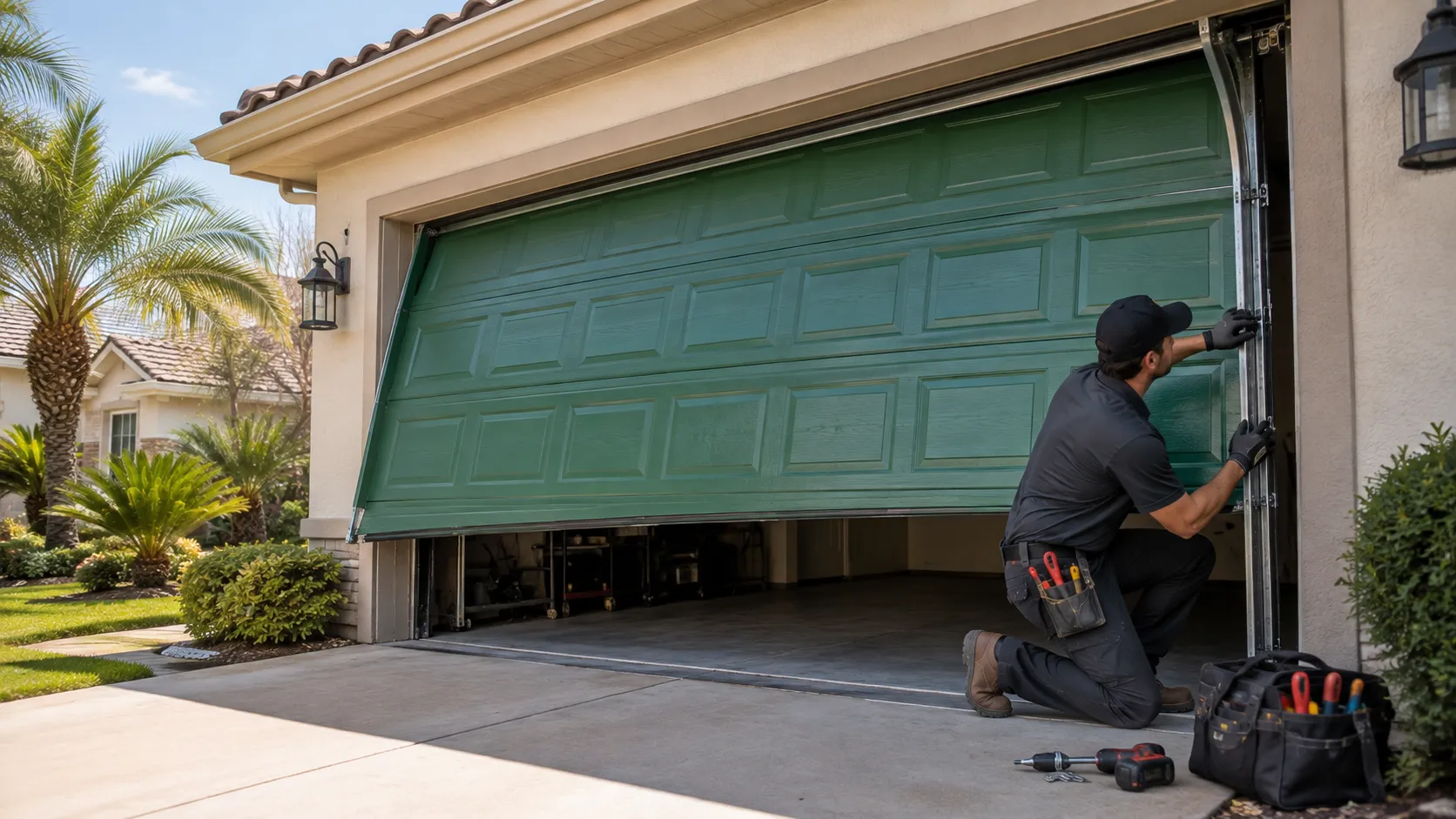
On newer stock like this, the most common call is a torsion spring that's snapped or is clearly on its way - you'll hear a bang, or the door gets heavy and won't stay up on its own. Builder-installed springs are sized to a minimum spec, not necessarily to hold up over the long run, and that's the honest limitation: we can't always tell from the outside which spring on a given door is close to failing until it does.
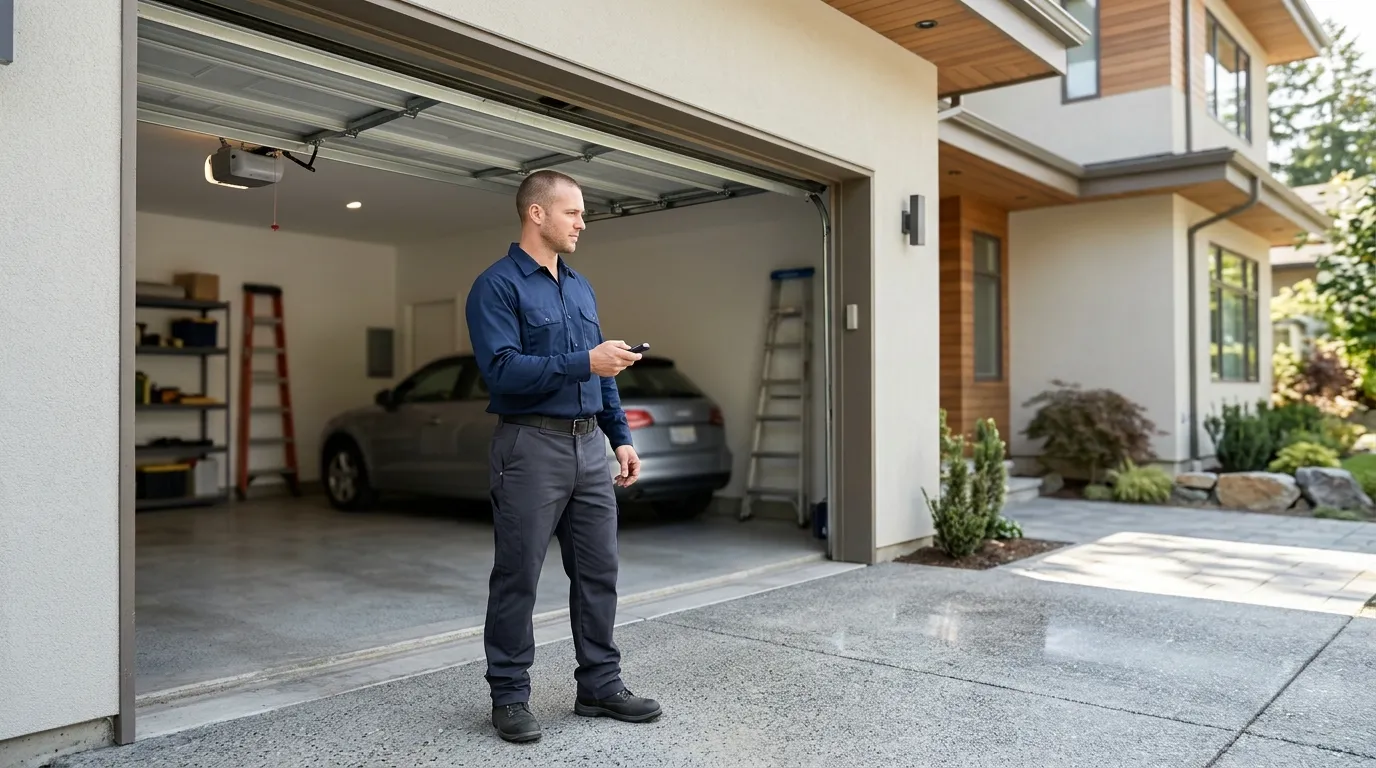
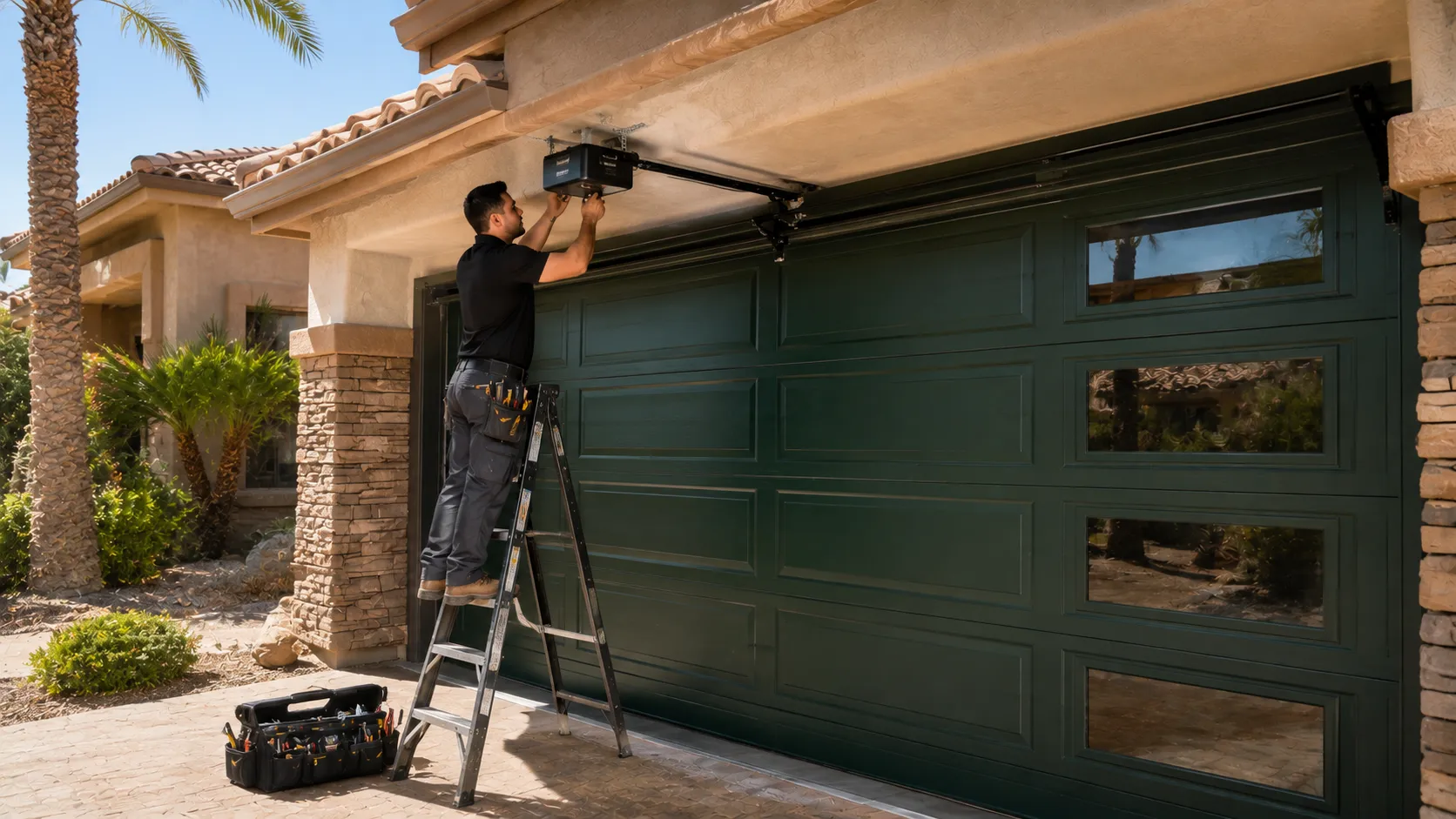
Second most common is opener trouble - a remote that stopped working, a door that reverses for no clear reason, or a logic board issue after a storm knocked the power out. Since most of these homes are 2000s-and-newer builds, we're rarely dealing with ancient wiring; it's more often a sensor knocked out of alignment or a board that needs resetting or replacing.
We don't do custom architectural doors or specialty finishes - if that's what you're after, we'll say so upfront rather than take the job and guess.