What the Housing Means for Your Door
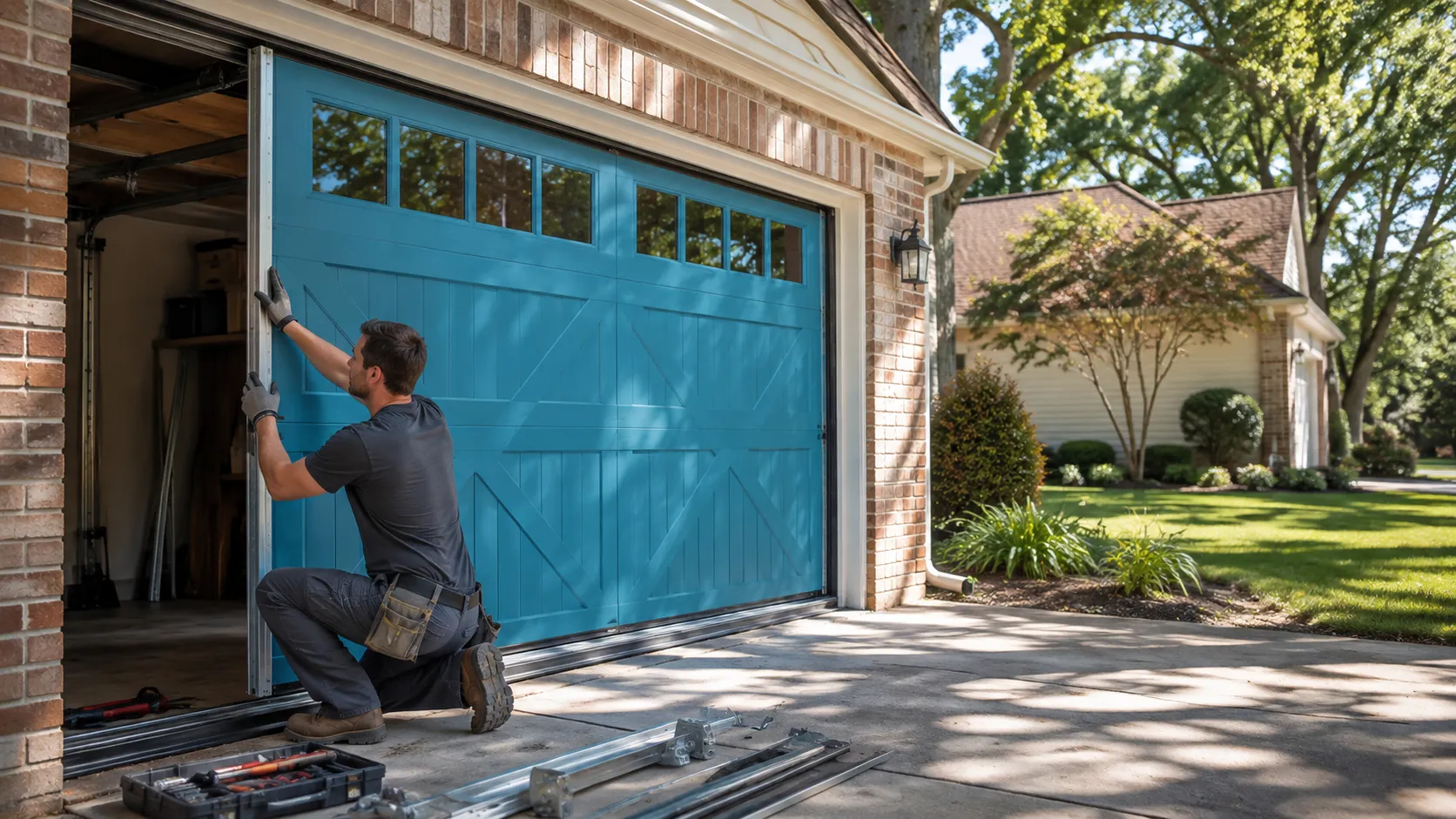
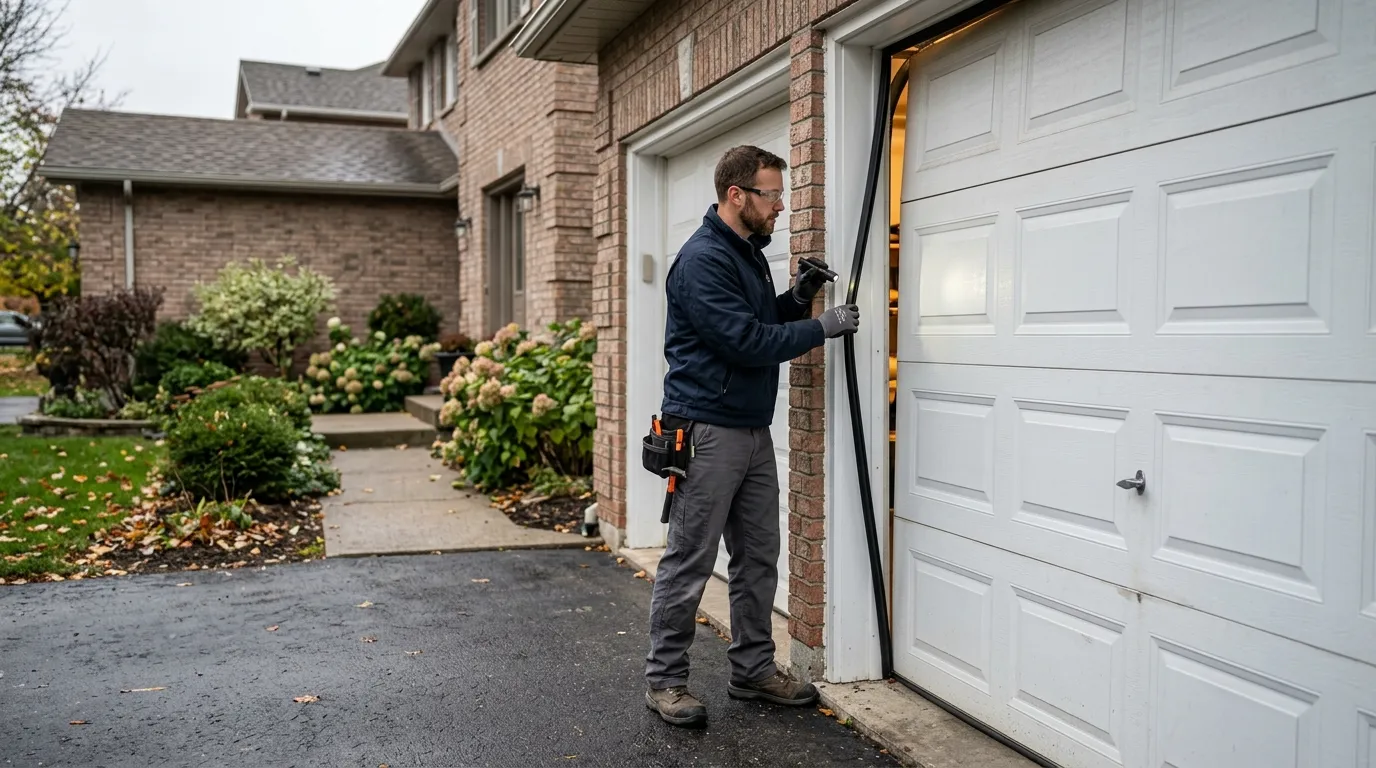
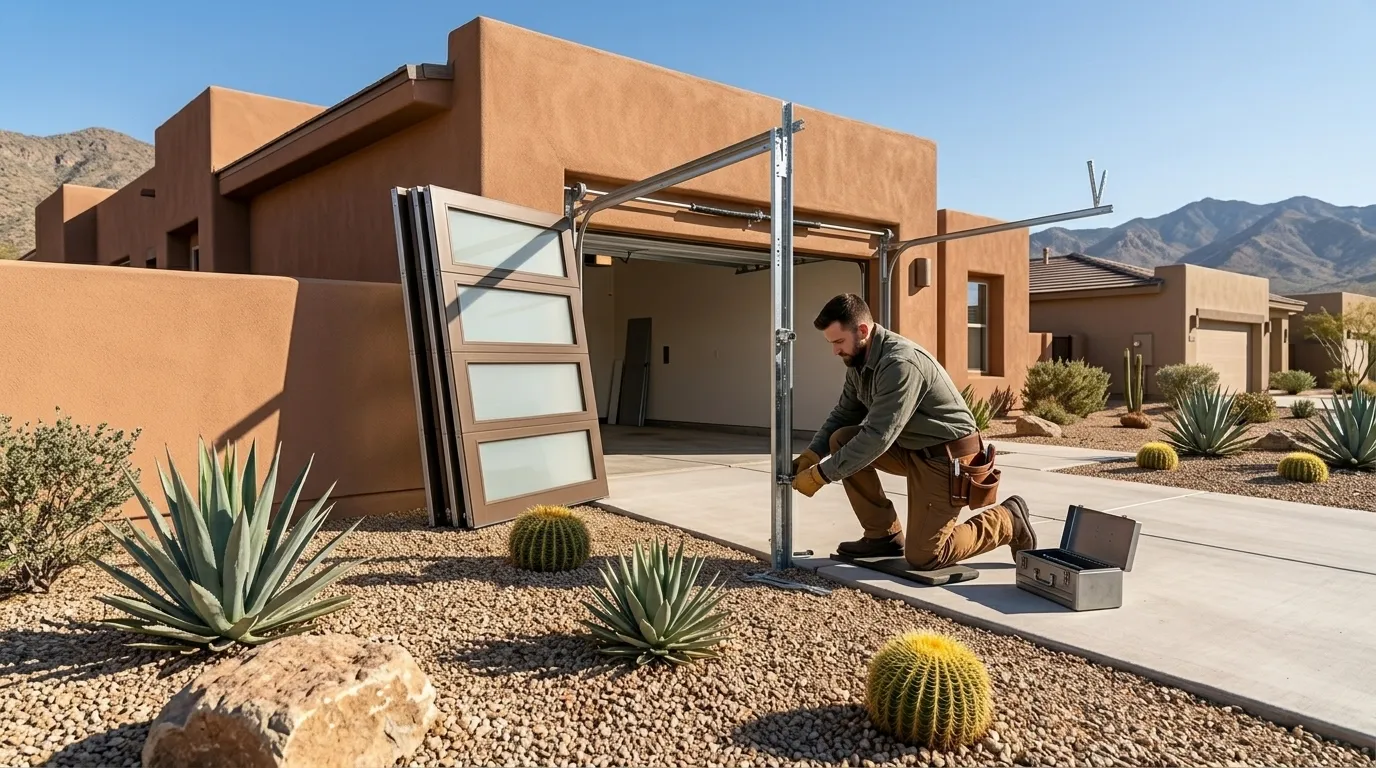
Heath's homes cluster tight around 2001 as a median build year, which puts the area right at the front edge of the 2000s construction wave that shaped much of this part of the service territory. That matters more than people expect. A house built in 2001 almost never has the light steel one-piece door or the side-mounted torsion setup you'd find on something from the 1970s or 80s. Instead you're looking at sectional doors, center-mounted torsion springs rated for real weight, and openers with rolling-code remotes as standard.
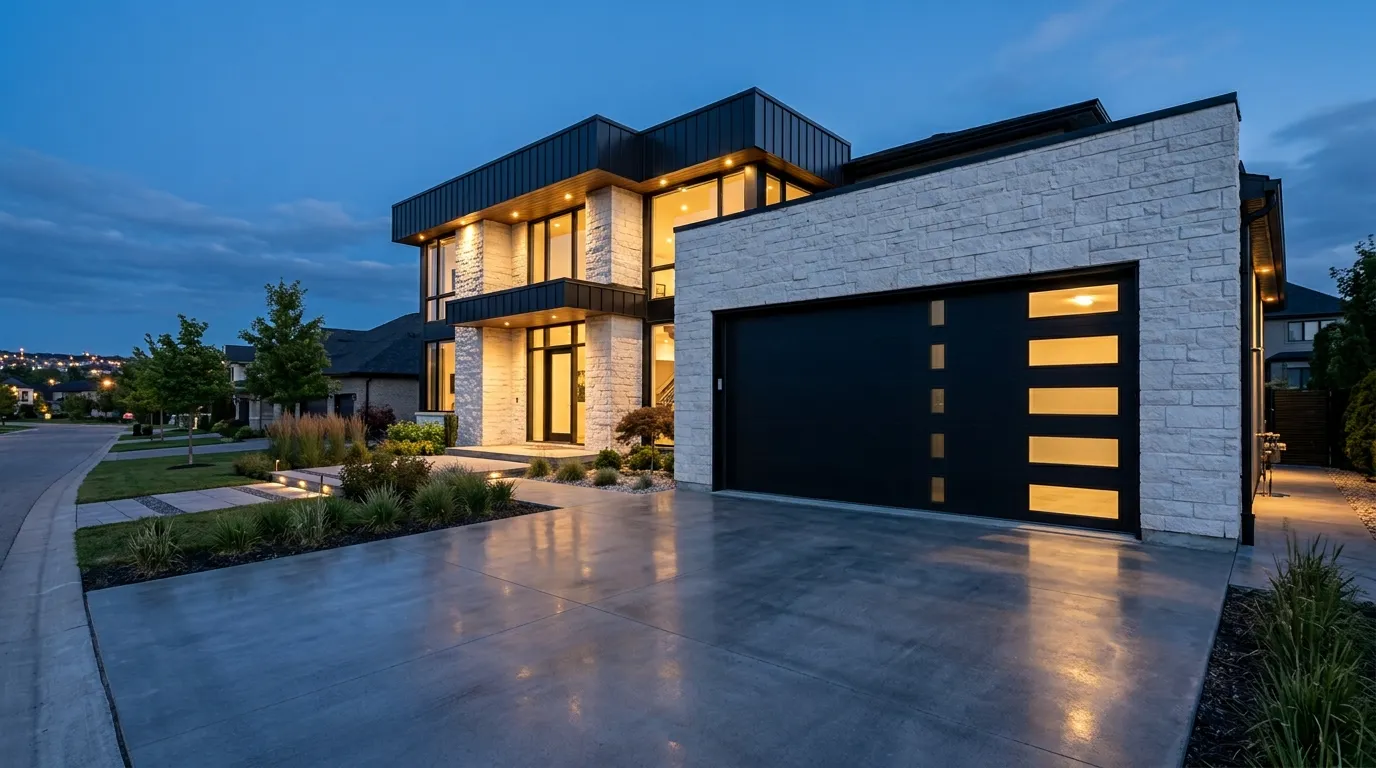
Heath's median household income sits at $216,160, well above the $124,500 median across the wider service area. That income shows up directly in the garages themselves - more three-car bays, more insulated doors with heavier panels, more openers with belt drives and battery backup rather than the bare-bones chain drive. When a spring fails on a door like that, it's usually a two-spring torsion system carrying real load, and it's not a job to guess at. The upside of newer stock is fewer surprises with rotted jambs or obsolete track profiles. The downside is that when something does fail, the replacement parts often cost more because the doors themselves were built heavier from the start.
This Area's Housing
With roughly 3,414 households in Heath, the housing stock is fairly consistent in age, which is unusual compared to some of the older, mixed-era towns further out. Most of what we see traces to that same 2001 median build year, meaning original hardware on these doors is now old enough to be tired but not so old it's a mismatch for modern parts. Springs on a 20-plus-year-old torsion system are past their rated cycle count in a lot of cases, even if the door still looks fine from the driveway.
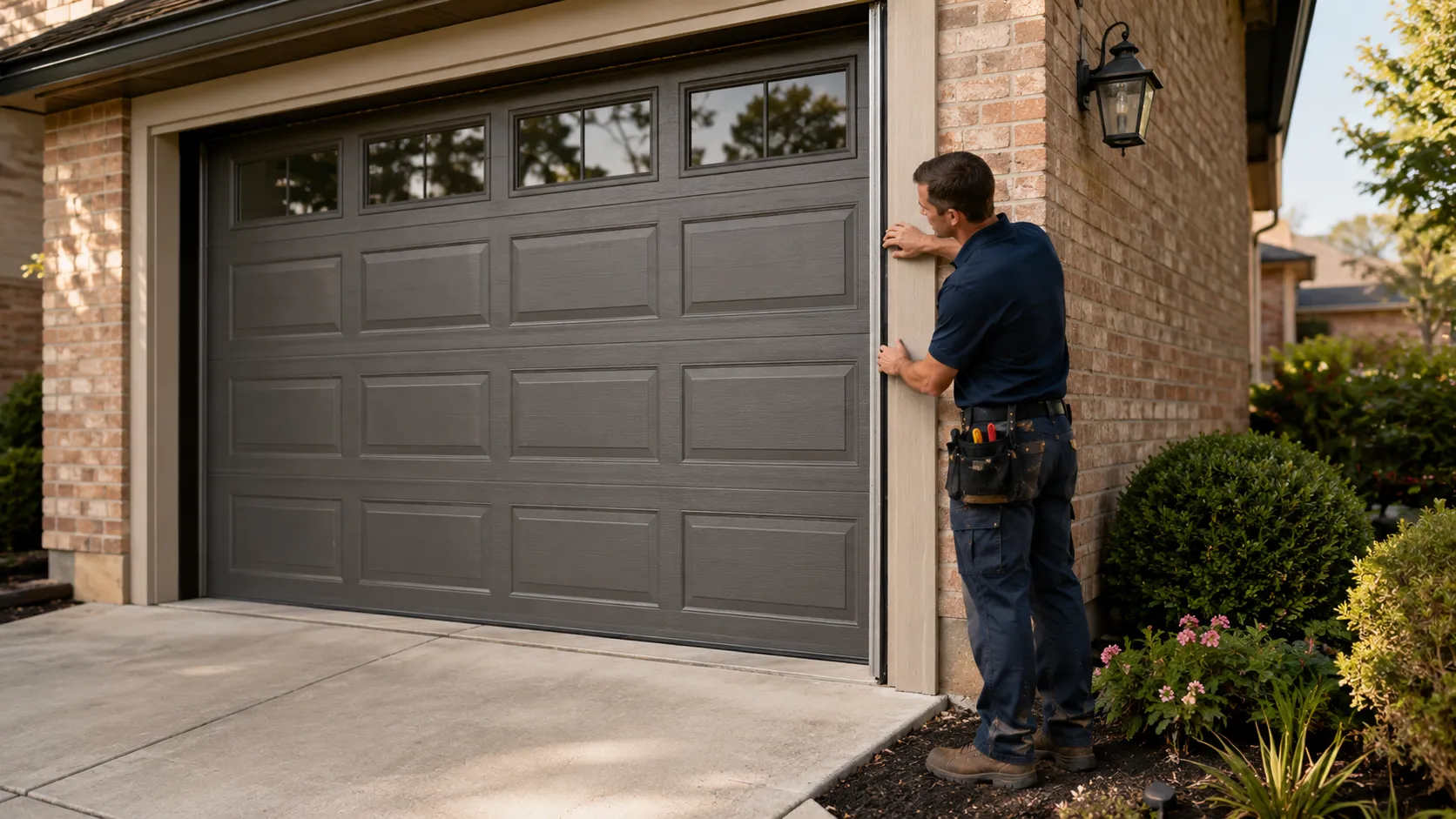
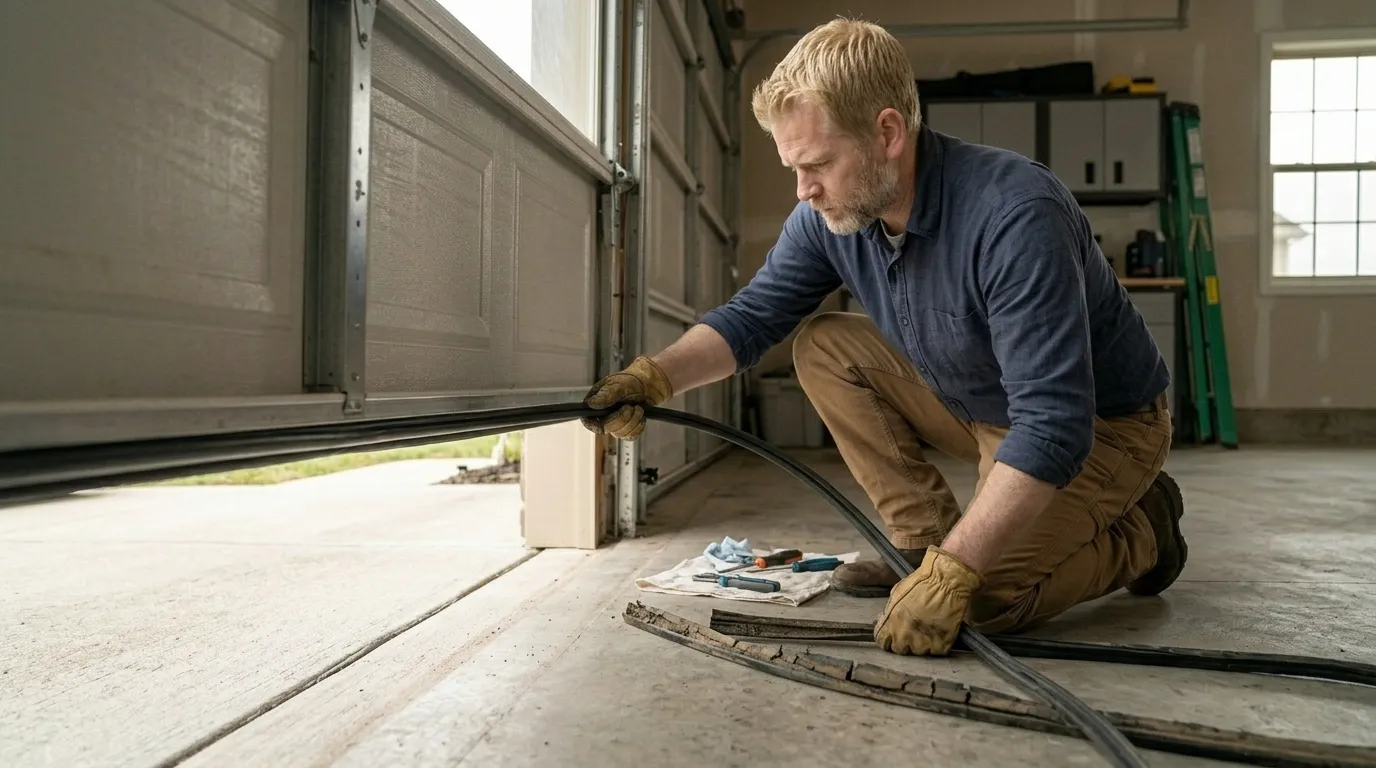
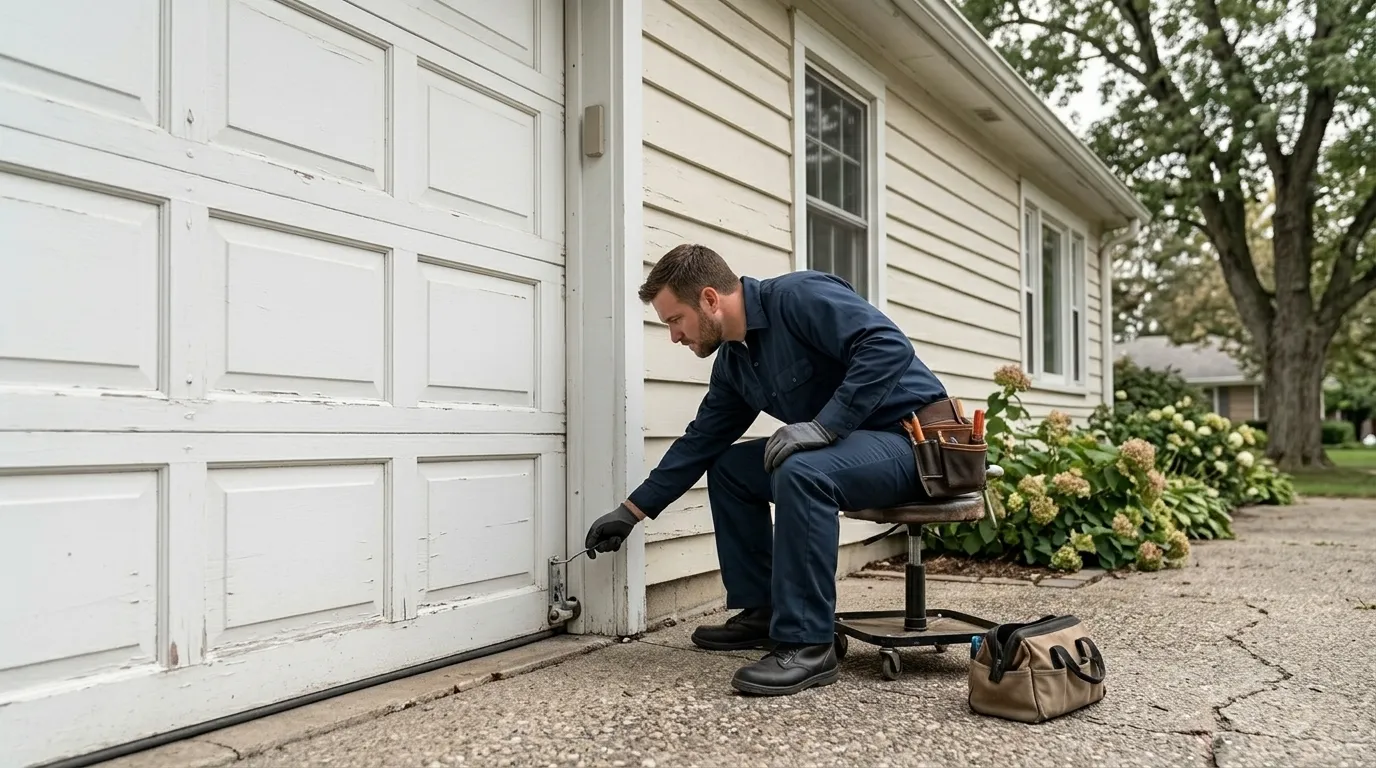
Across the broader service area the housing runs from 1971 through 2013, with the bulk of it dating to the 2000s - Heath fits squarely inside that pattern rather than standing apart from it. The climate here is mild with occasional freeze, so we're not dealing with the deep freeze-thaw cycling that chews up seals and hardware in colder regions. What we do see is stiff, sticky rollers after a cold snap and weatherstripping that's hardened and cracked from UV exposure over the years, more than actual frozen mechanisms.
What Neighbours Usually Call About
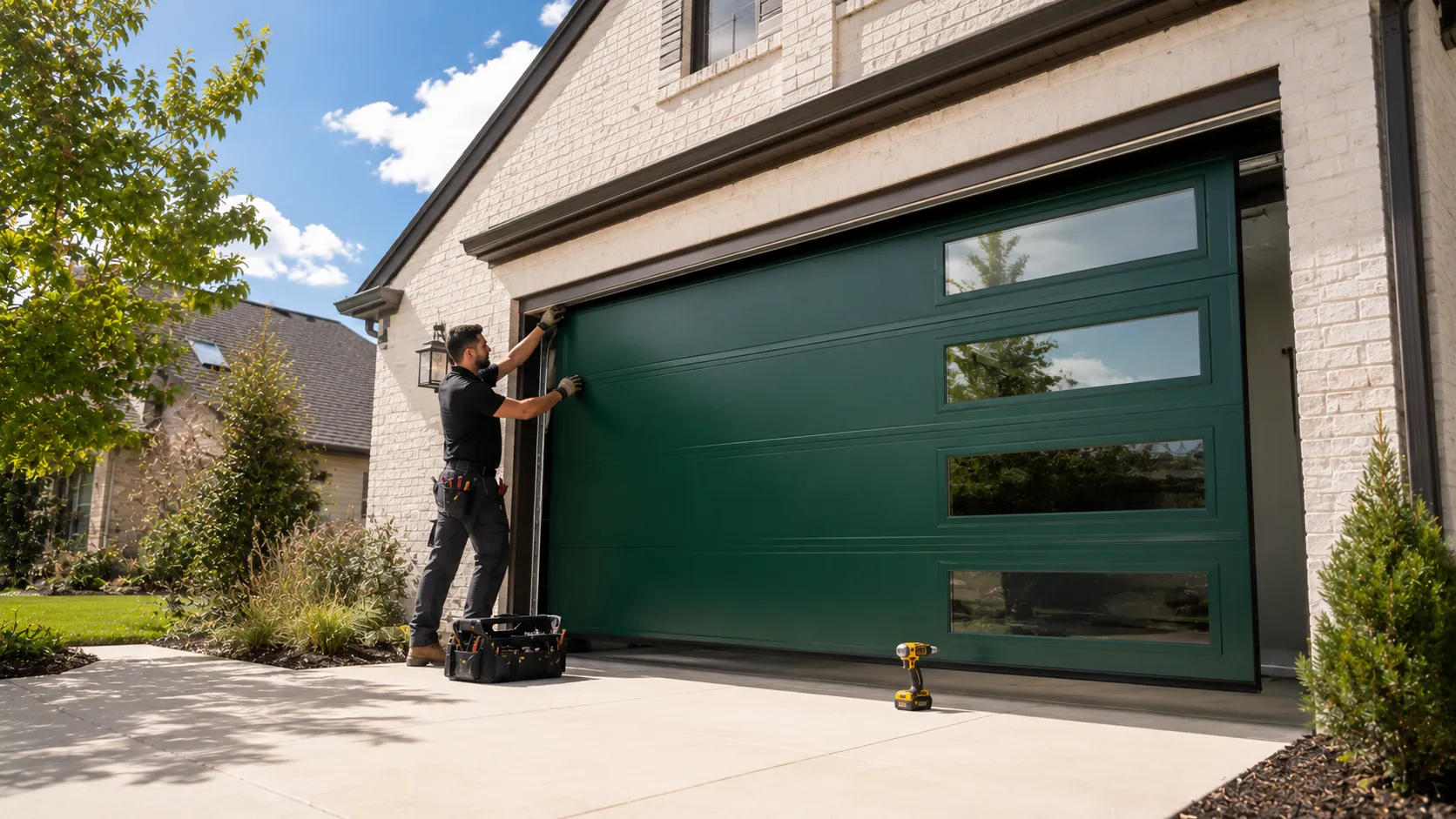
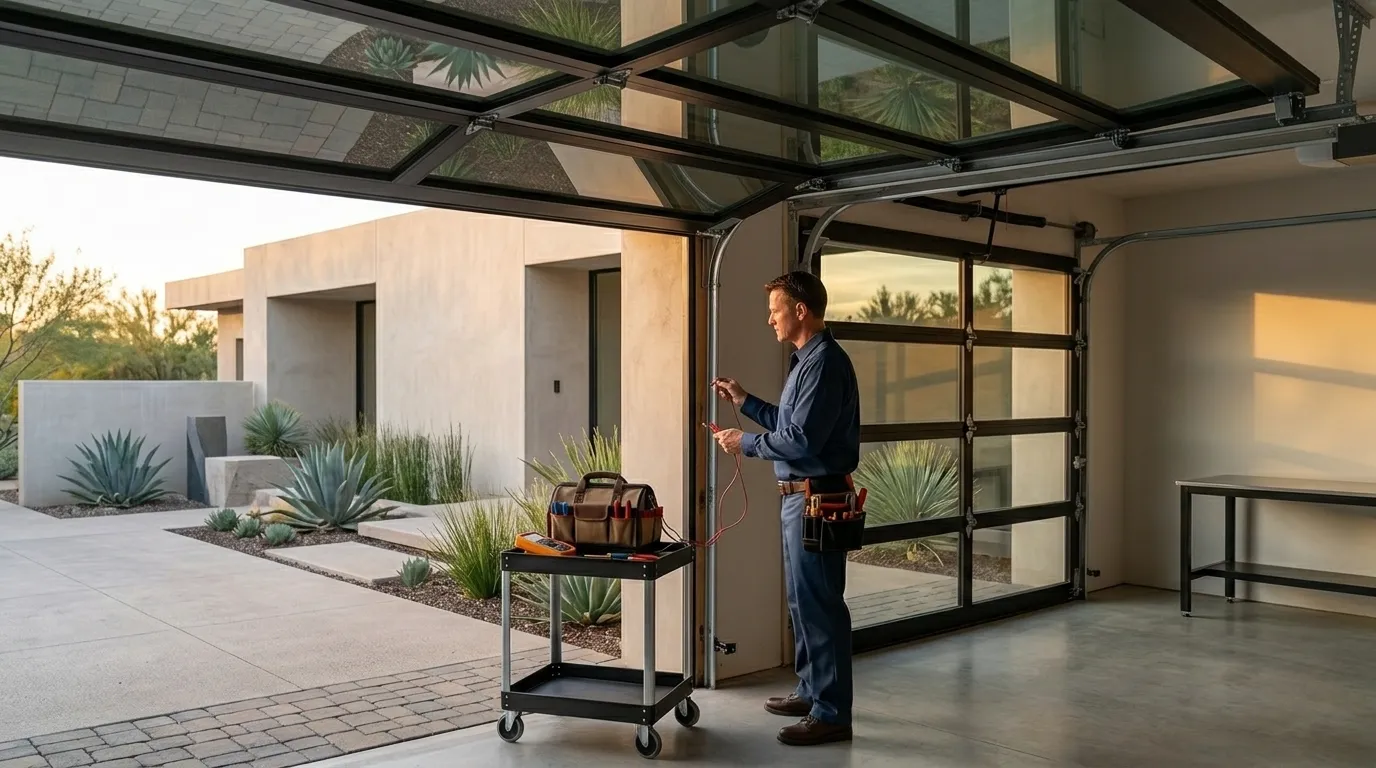
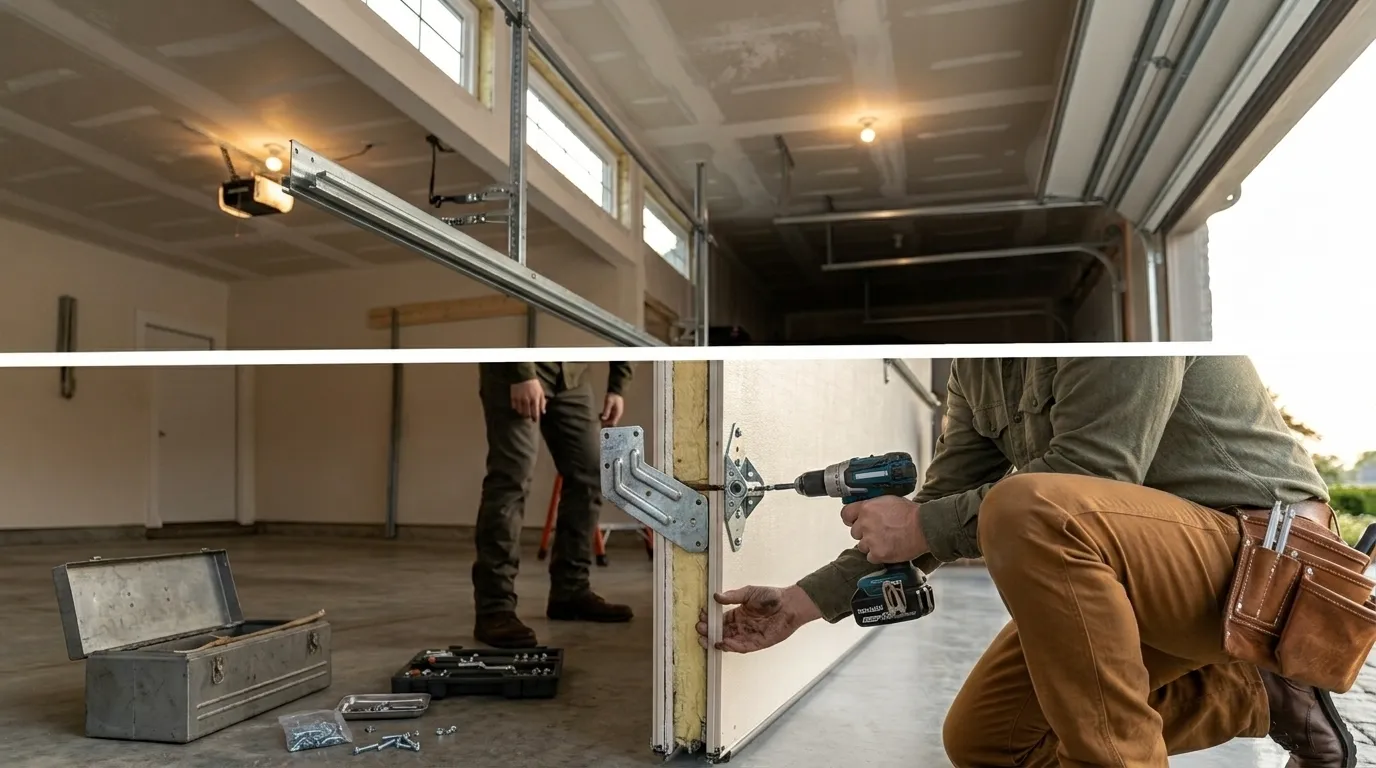
On doors from this era, the most common call is a broken torsion spring on a heavier insulated door - the spring simply reaches the end of its rated cycles and lets go, usually without warning. Second most common: opener boards that have started acting up, since a lot of the openers installed new in the early 2000s are now old enough that their circuit boards or logic units are wearing out even if the motor itself still runs fine.
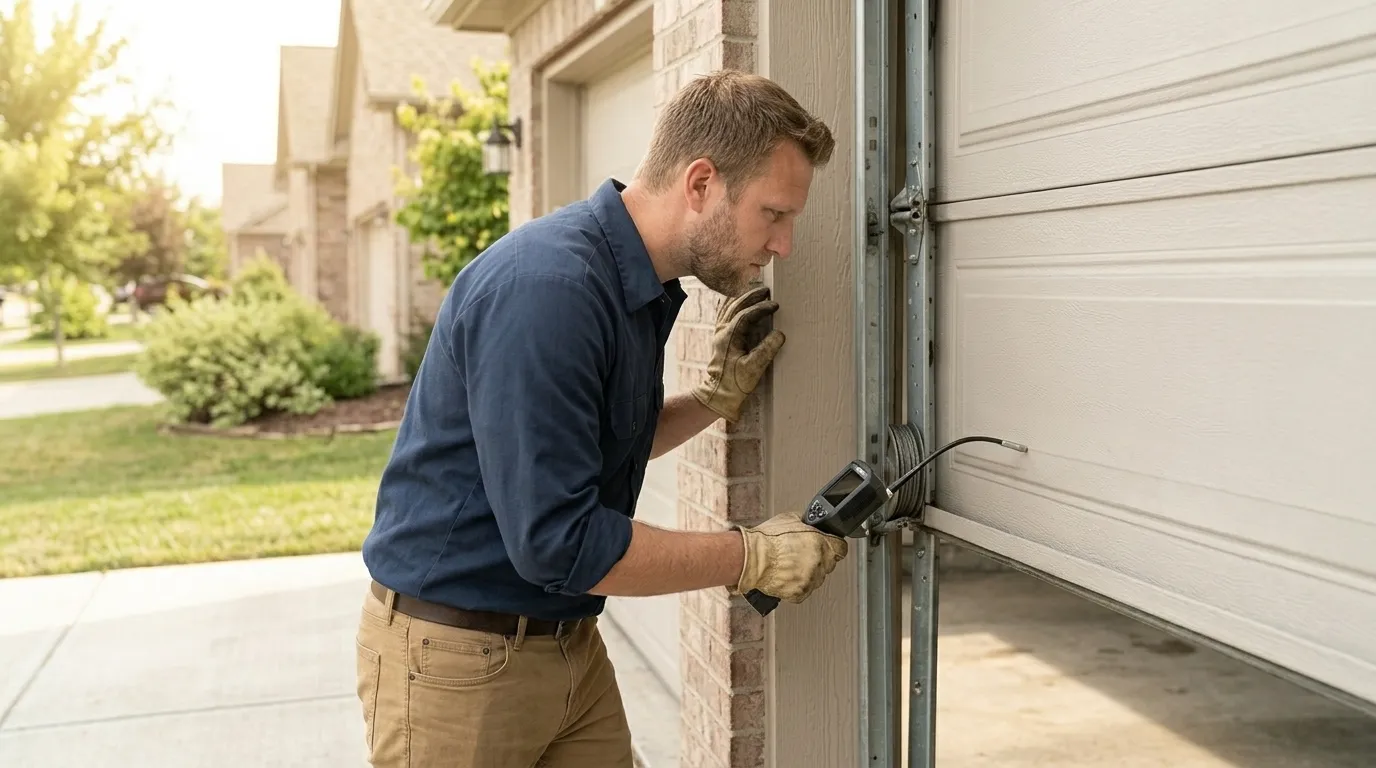
We also get calls about off-track doors after a cable slips or a roller wears out, and about openers that won't respond to remotes after a sensor gets bumped out of alignment. One honest limitation: if a spring or opener part is discontinued or on a long manufacturer backorder, we'll tell you straight rather than string out a repair that isn't coming together on time. Sometimes replacing the unit is faster and cheaper than waiting weeks for an obsolete part to show up.