What the Housing Means for Your Door
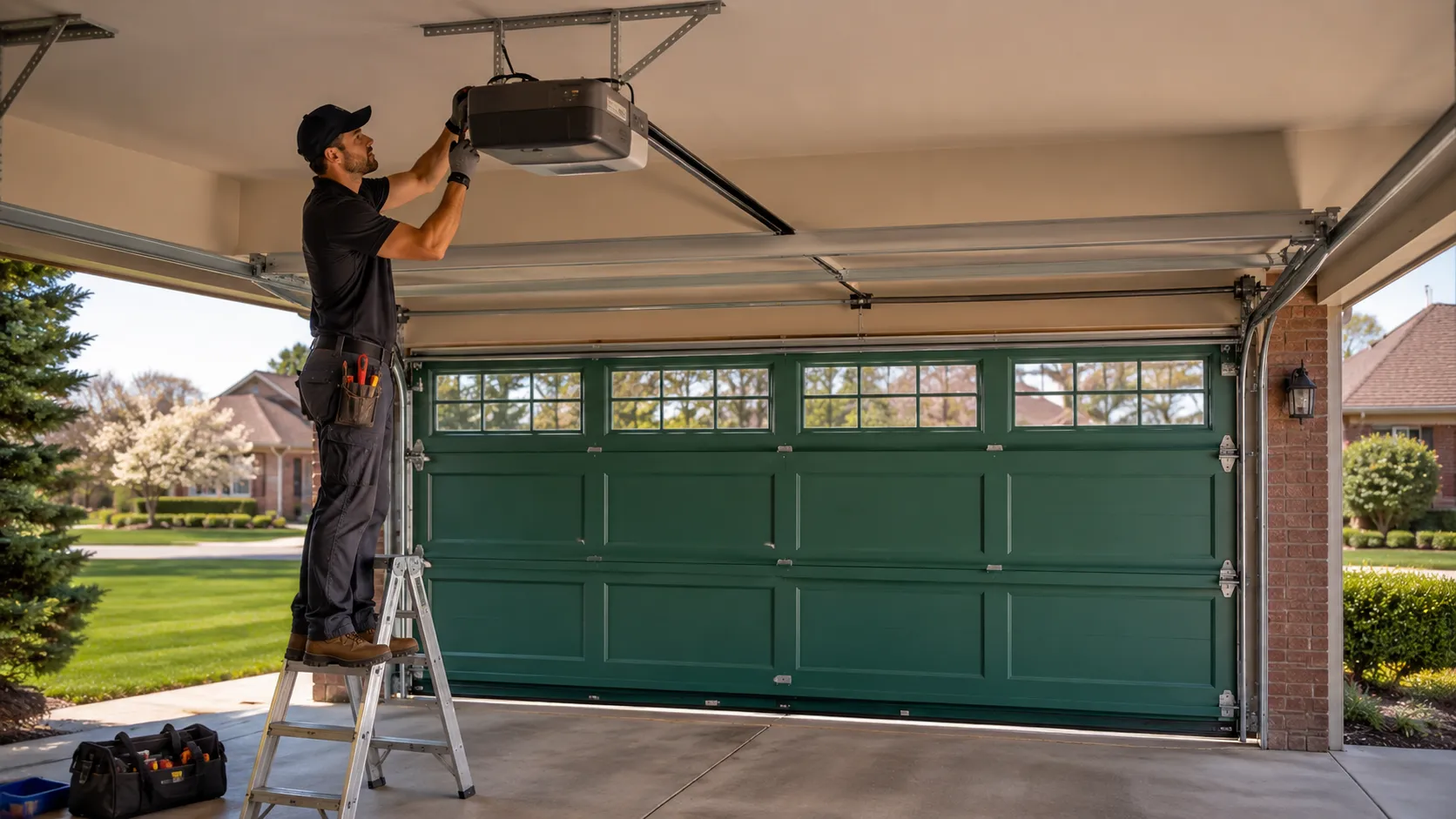
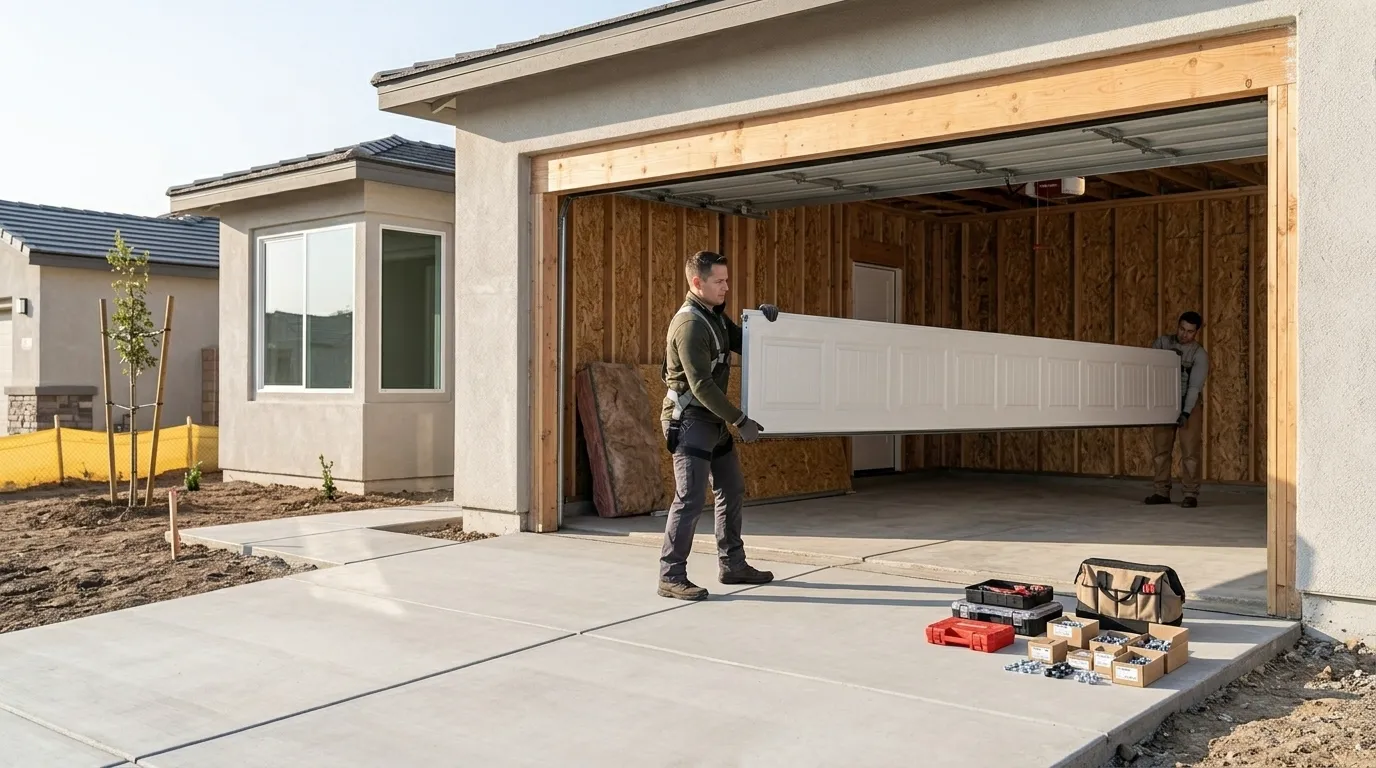
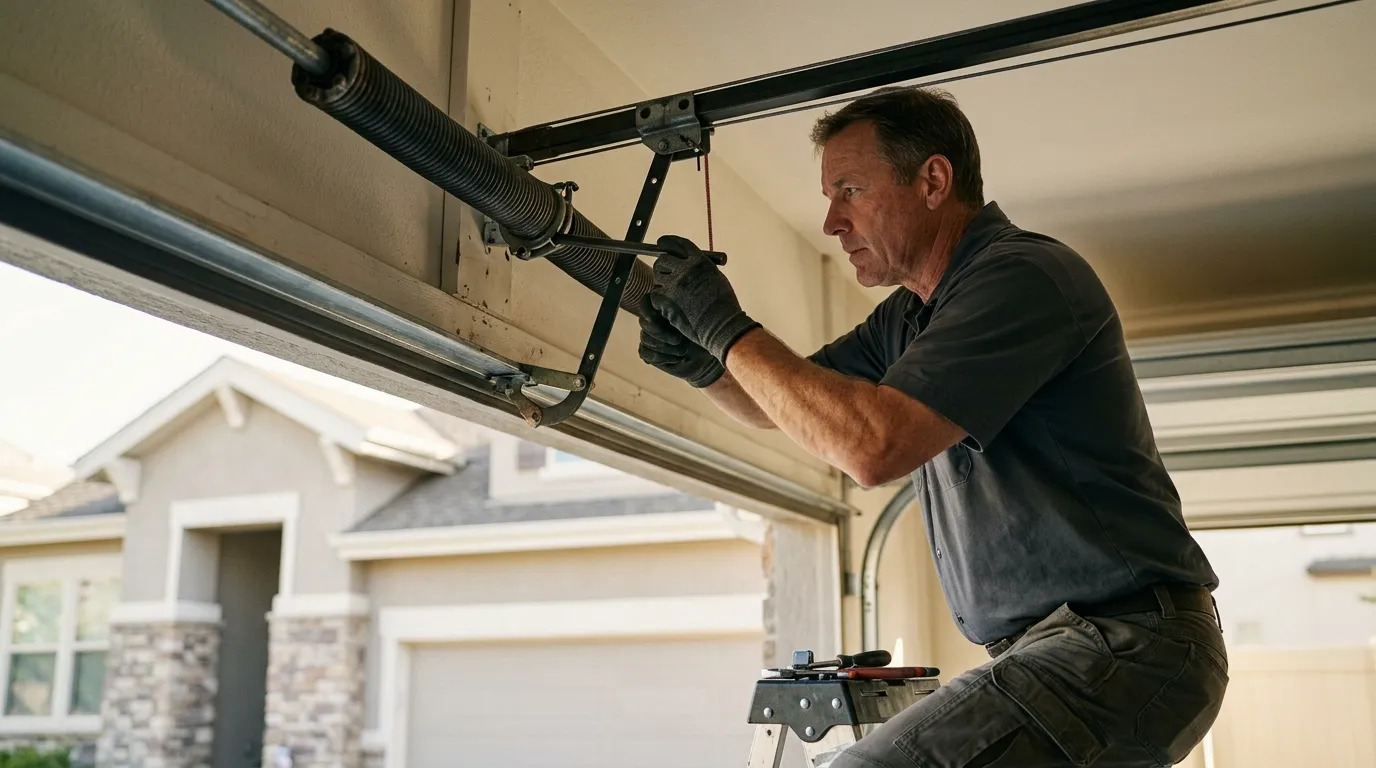
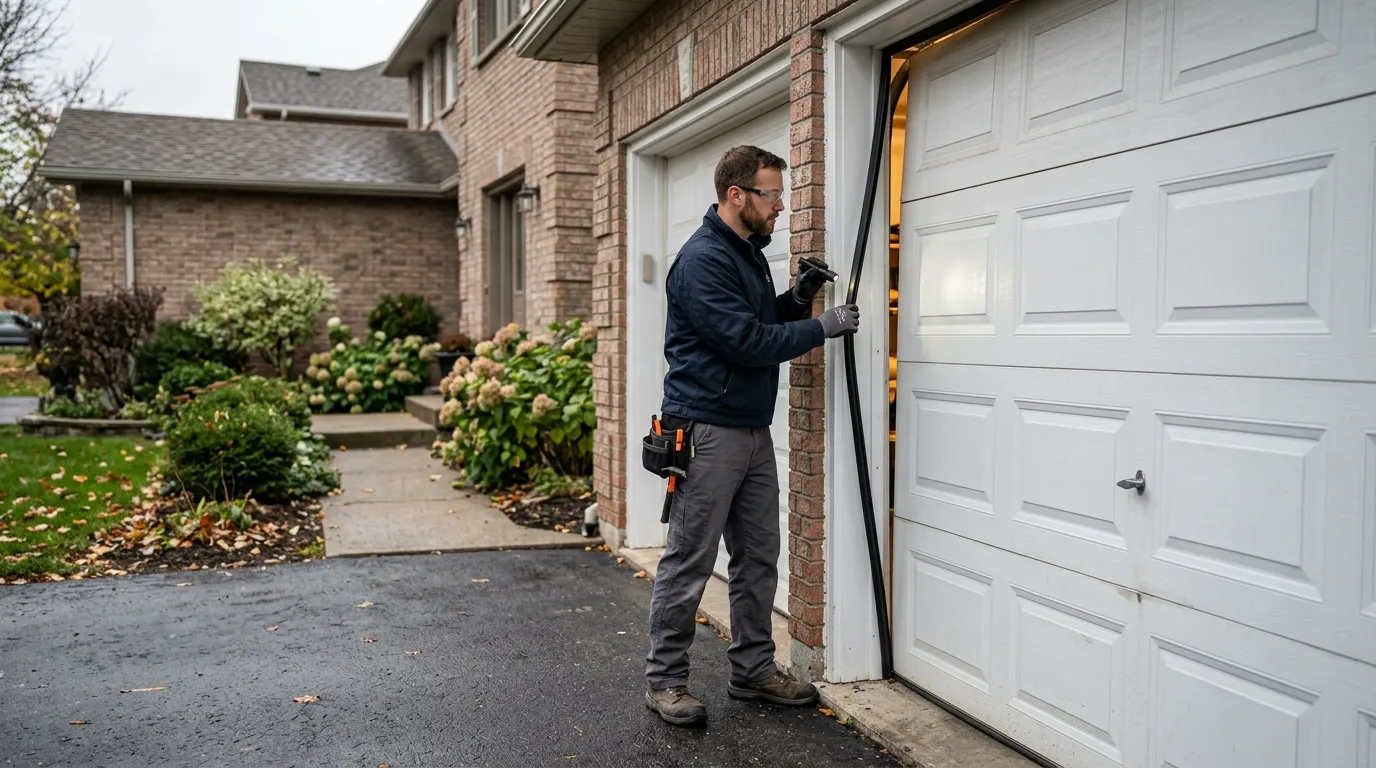
Nevada's houses skew newer than a lot of what we see across the rest of the service area. The median build year here runs around 2009, well past the broader area median of 2002. That gap matters more than it sounds. A door built in 2009 or later almost always came with a factory-installed steel torsion spring system, a lighter insulated panel, and an opener with a circuit board rather than an old relay-and-chain unit. The failure points are different from an older door. We're not chasing worn-out one-piece doors or ancient extension springs hung on a rusted rail here - we're usually looking at opener logic boards that have aged out, plastic idler pulleys that have gone brittle, or factory rollers that were never upgraded to nylon in the first place. If your door is doing something odd - reversing on its own, grinding on one side, or the opener light blinking a code - that's consistent with a 2000s-build door reaching the point where its factory parts start failing, not with the kind of structural sag you'd get from an old wood-panel door. Knowing the age band up front changes what we bring on the truck and how we diagnose the call before we even open the panel.
This Area's Housing
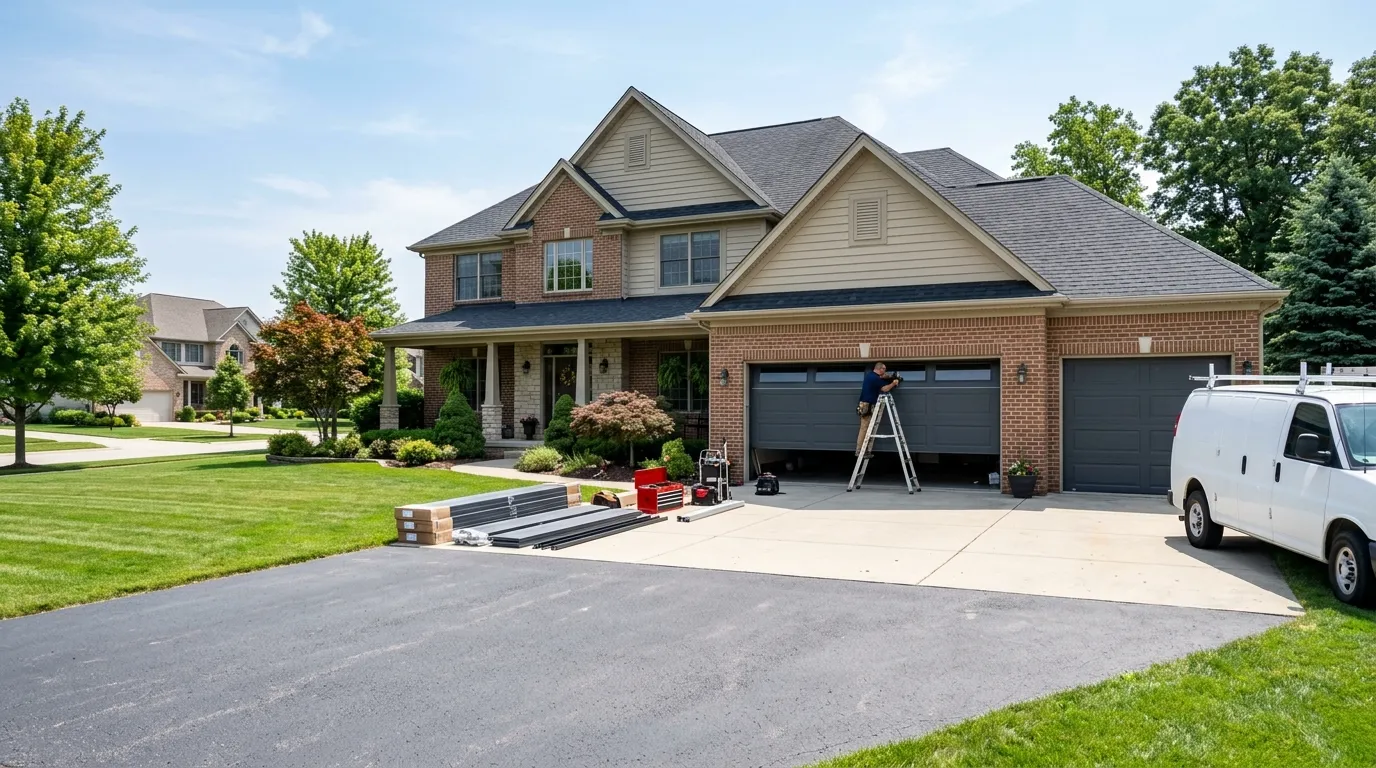
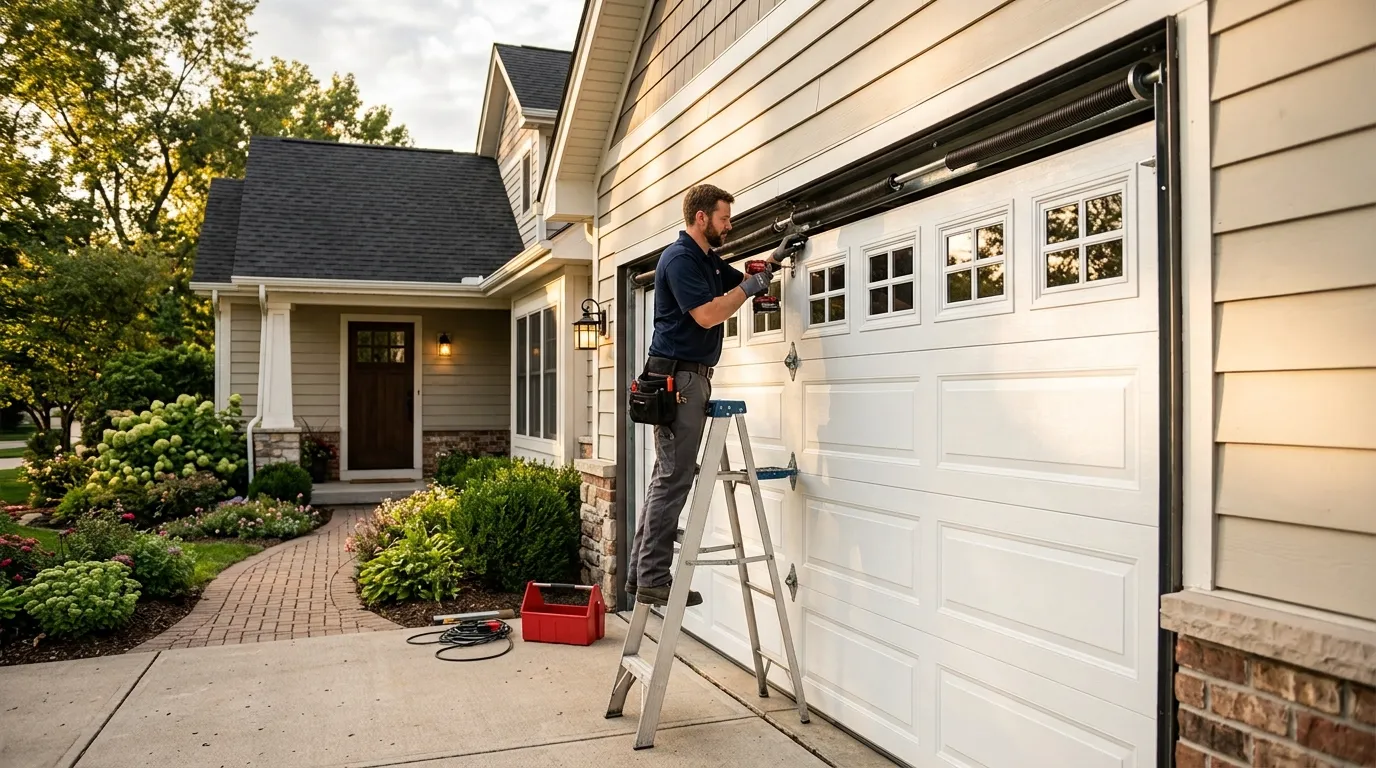
Nevada is a smaller pocket than most of what's around it - about 427 households, compared to the roughly 51,000 households spread across the full service area we cover out of Rockwall. Median household income here runs around $133,750, noticeably above the broader area's $124,500 median. That combination - a smaller, newer, higher-income area - tends to show up in the kind of doors we find on service calls: more insulated steel doors, more belt-drive openers with battery backup, fewer bare-bones builder-grade setups. It also means when something does break, it's less likely to be a $40 part holding the whole thing together and more likely to be a specific opener component or a heavier door that needs the right spring tension calculated for its weight, not just swapped from a generic kit.
What Neighbours Usually Call About
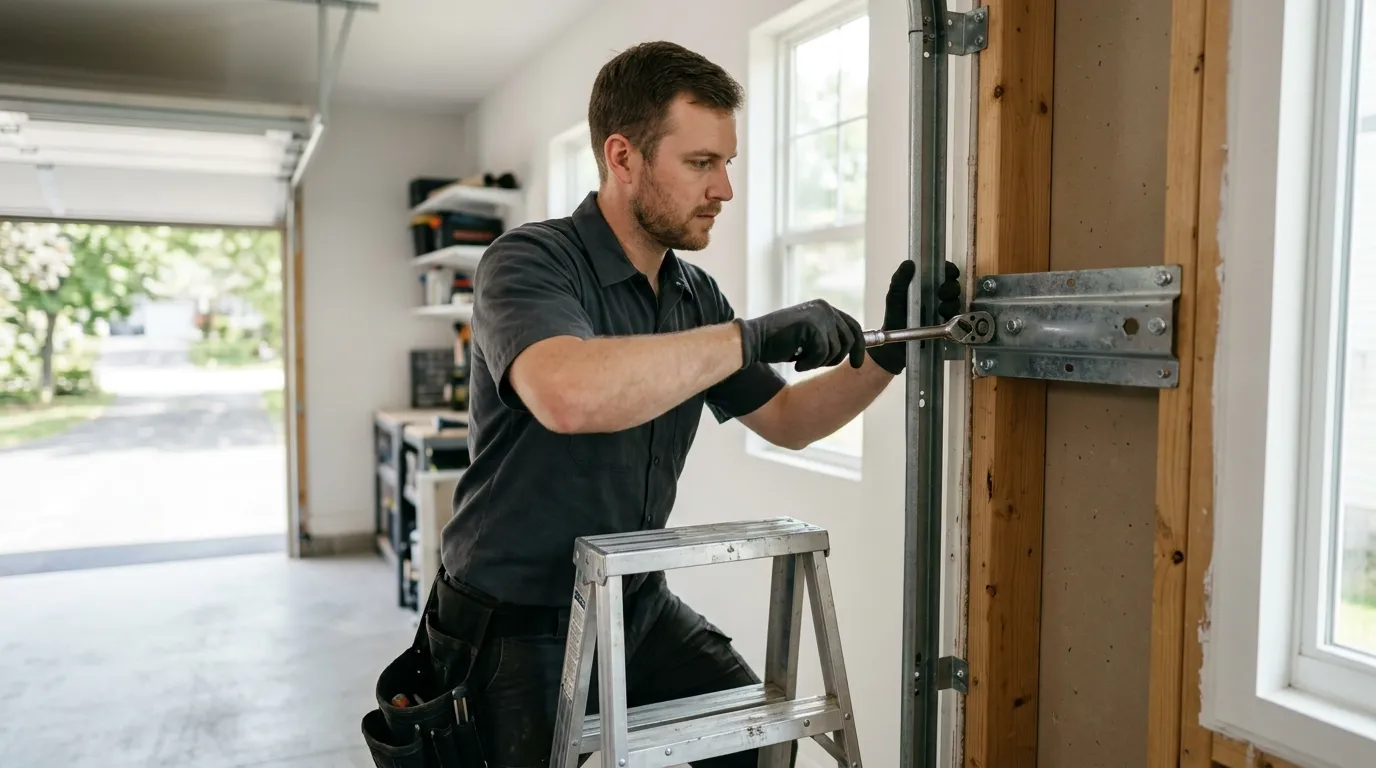
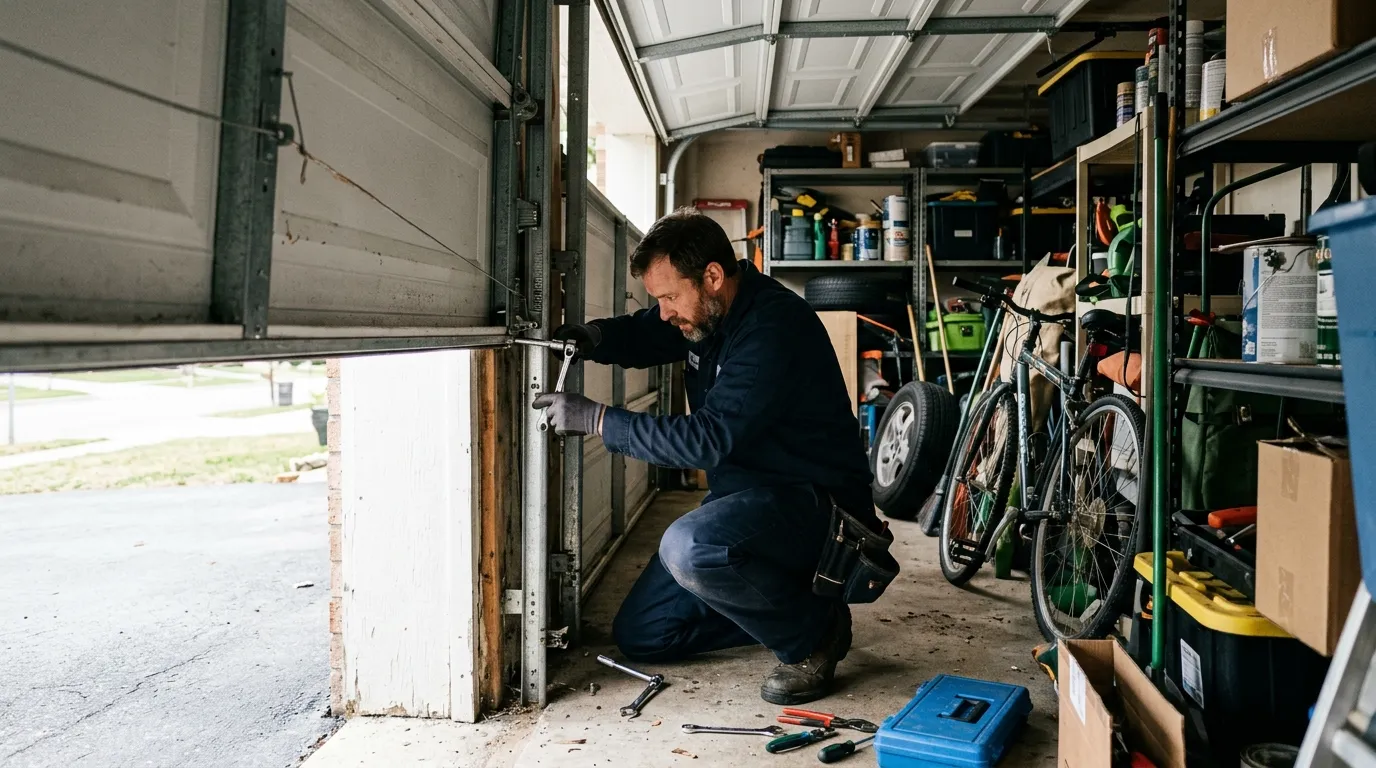
Given the age of the stock here, the calls we'd expect from Nevada lean toward opener trouble before they lean toward spring failure - a door that opens partway and stops, a remote that's stopped syncing, or a safety sensor that's gone out of alignment and won't let the door close. Torsion springs on doors from the 2000s onward are usually a well-matched pair sized for the door's actual weight, so total spring failure tends to come later than it would on an older door, but it still happens, especially on doors that get cycled multiple times a day. One honest limitation: if a spring has already snapped and the door is jammed shut, that's not something to force open yourself - the cable and drum can be under enough tension to cause a real injury, and it's a same-visit fix once we're on site, not a same-day guarantee we can promise from here.