What the Housing Means for Your Door
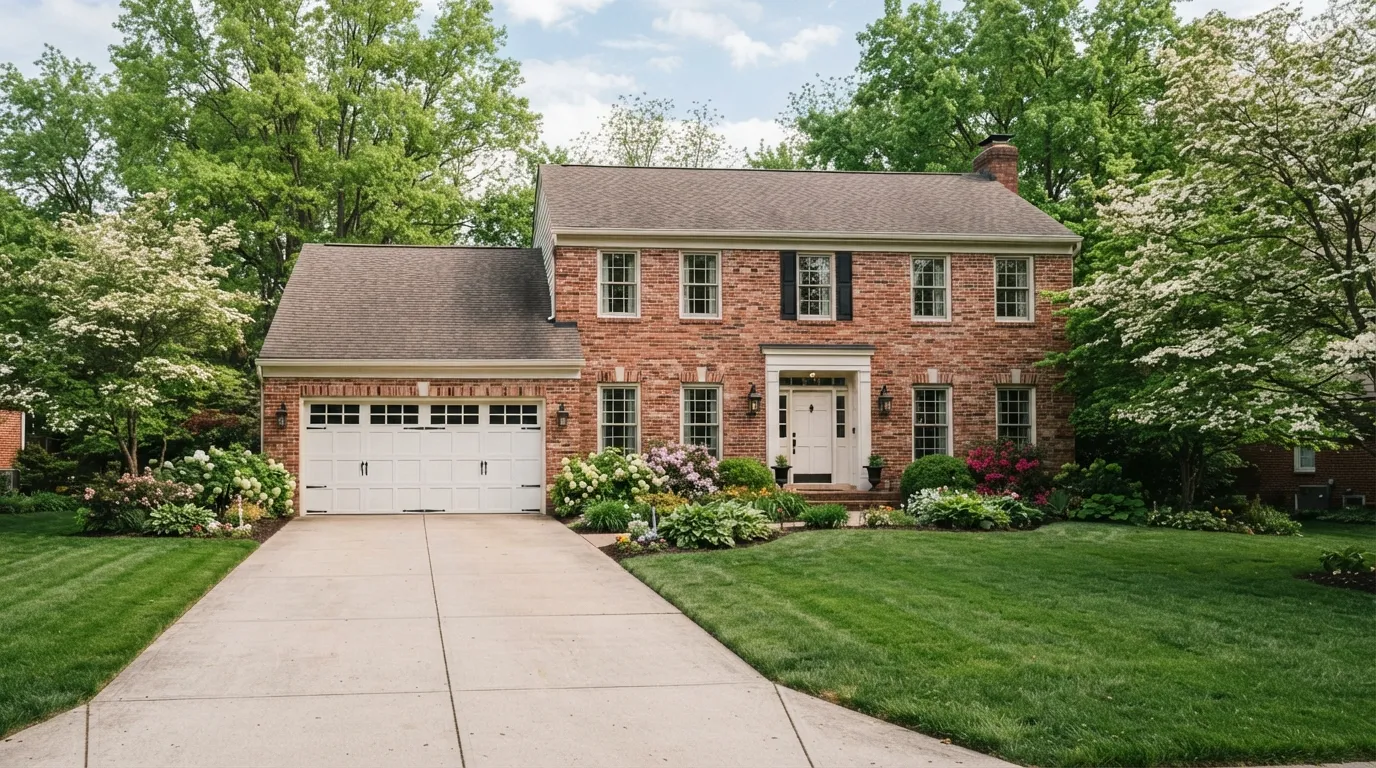
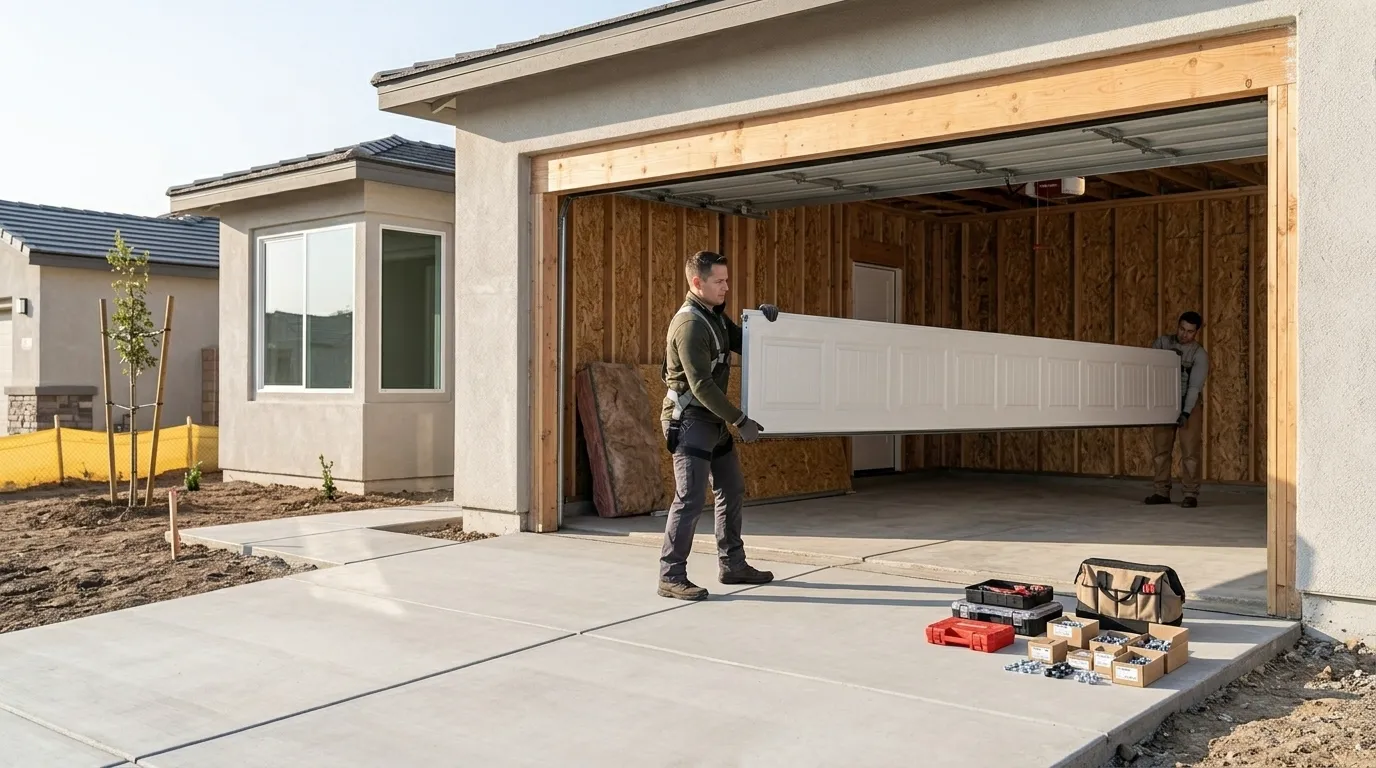
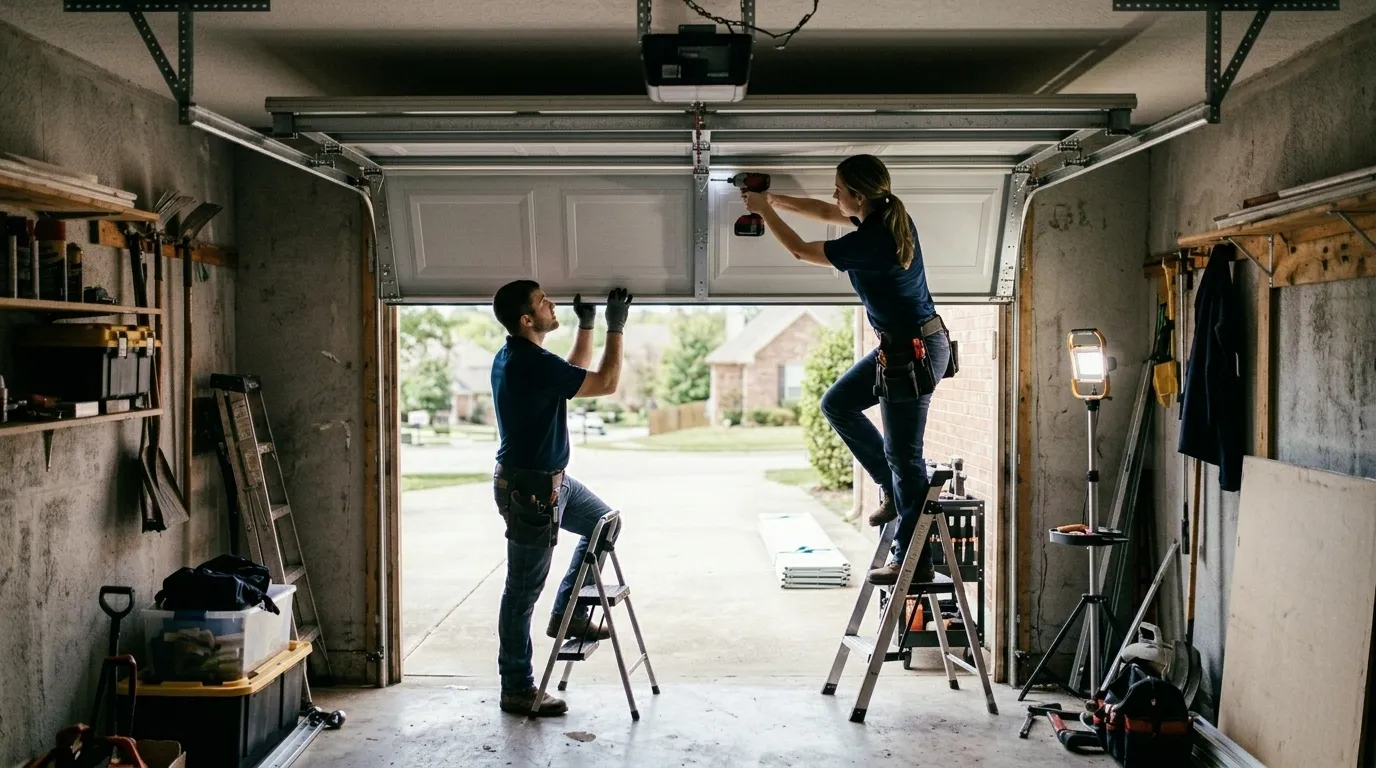
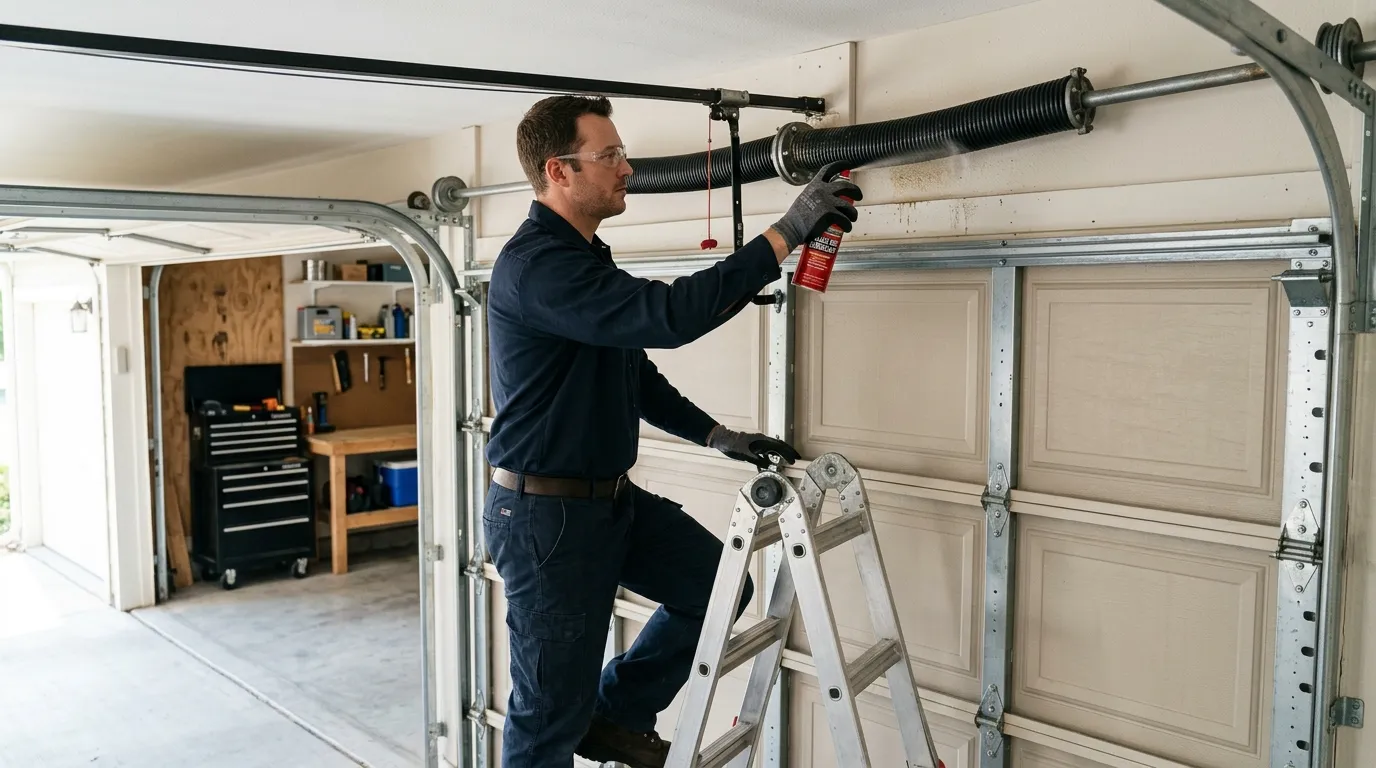
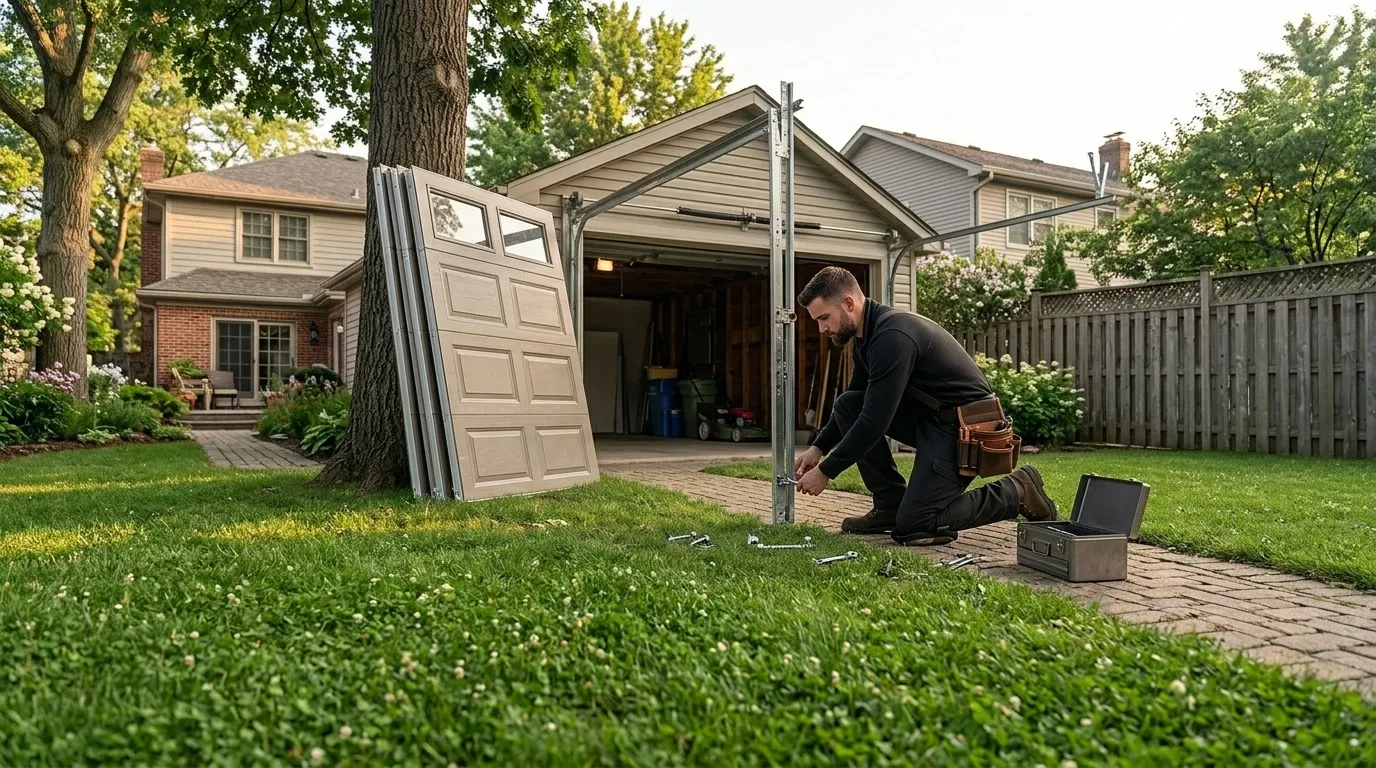
Fairview's housing stock is younger than a lot of what we see closer to Rockwall - the median build year here lands around 2006, which puts most garages on steel sectional doors with torsion springs mounted on a center shaft, not the older side-mount setups. That era also lines up with the shift toward belt and chain-drive openers with rolling-code remotes, so you're less likely to be dealing with a worn-out screw-drive unit from the 80s and more likely dealing with a first-generation opener board that's finally reaching the end of its service life. Springs on doors this age are usually original if nobody's touched them, which matters because a torsion spring rated for 10,000 cycles doesn't care what year it is once it hits that number. The panels themselves tend to hold up fine in this climate; it's the moving hardware - rollers, cables, the opener's drive gear - that wears out first on a house built in the mid-2000s. If your door is original to the house, you're closing in on the point where a spring failure or a stripped gear isn't a surprise, it's just due.
This Area's Housing
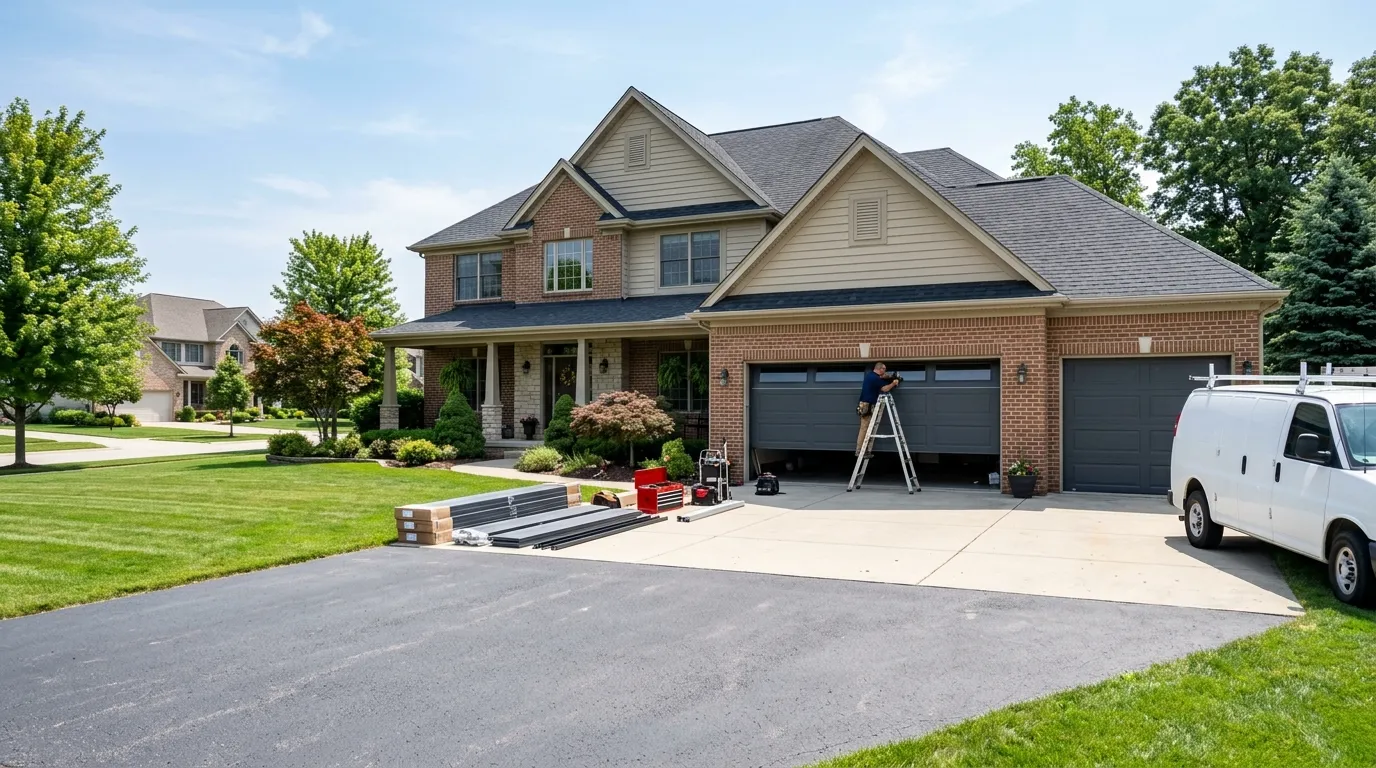
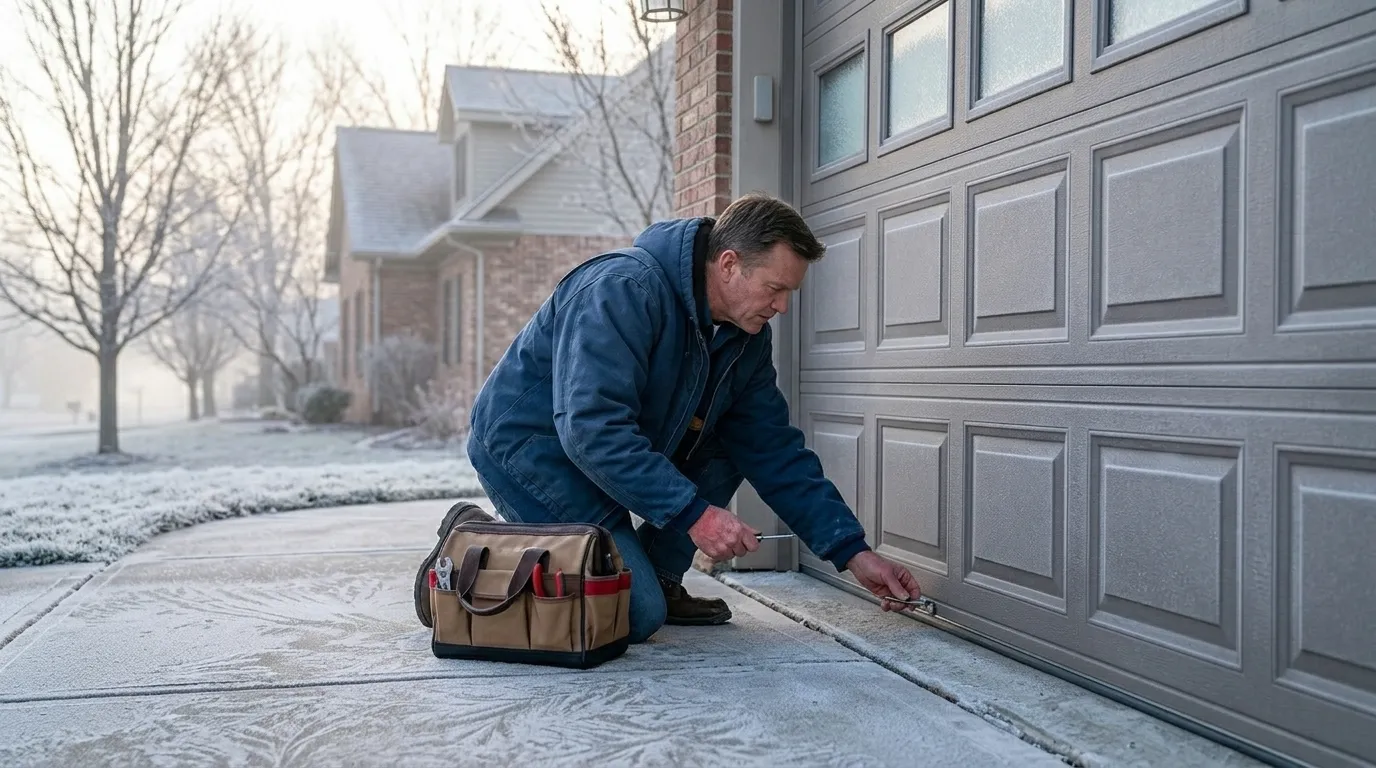
With roughly 4,390 households in the Fairview area and a median income around $107,308, this isn't a market of stripped-down builder-grade doors - a lot of these houses were finished with insulated steel doors and mid-range openers rather than the bare minimum. That matters for repair versus replace decisions: a 2006-era insulated door with intact panels is usually worth fixing rather than tearing out, especially since the springs and rollers are the parts that fail, not the steel itself. The climate here is mild with occasional freezes, so we're not dealing with the extreme temperature swings that crack seals or warp panels the way you'd see further north - what we see instead is standard wear: dry rollers, stretched cables, springs that have simply cycled out. Income and build quality together mean most of what we replace here is hardware, not whole doors.
What Neighbours Usually Call About
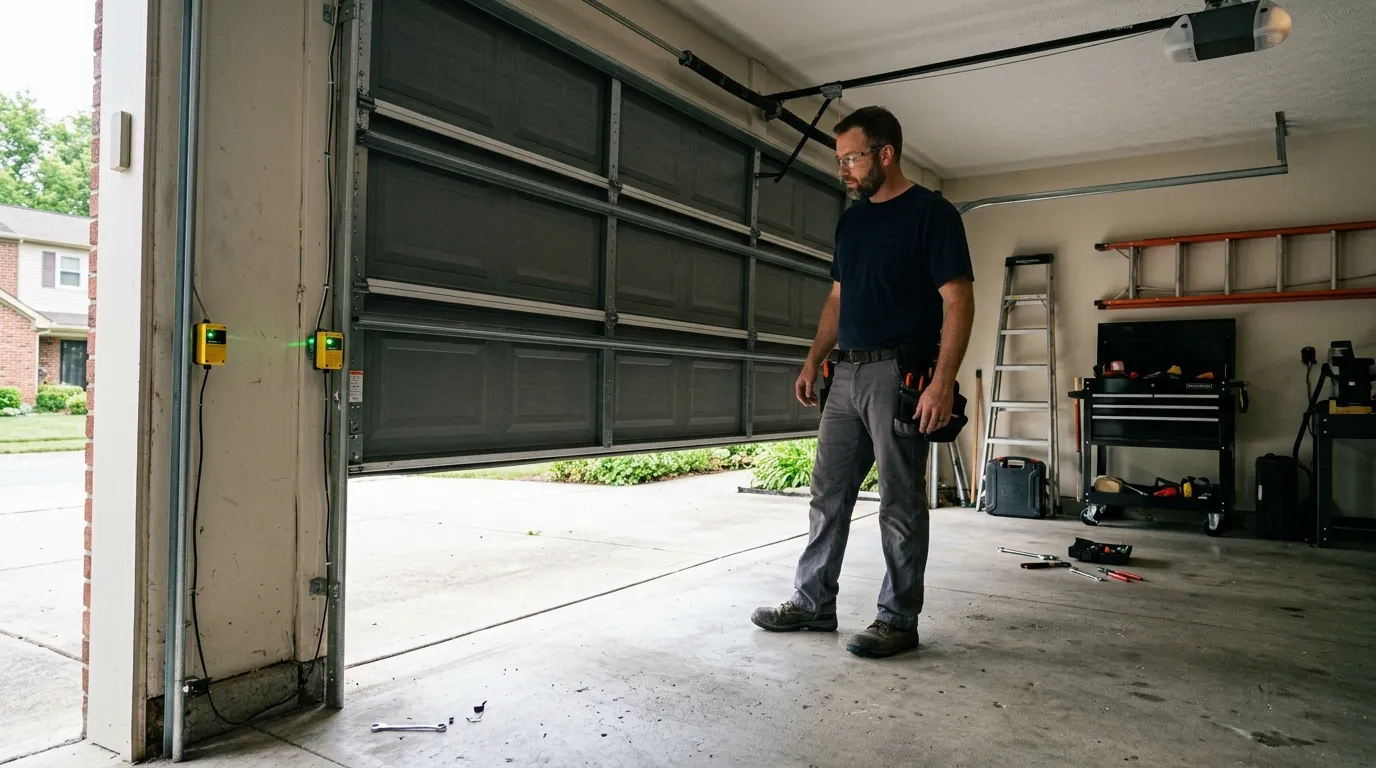
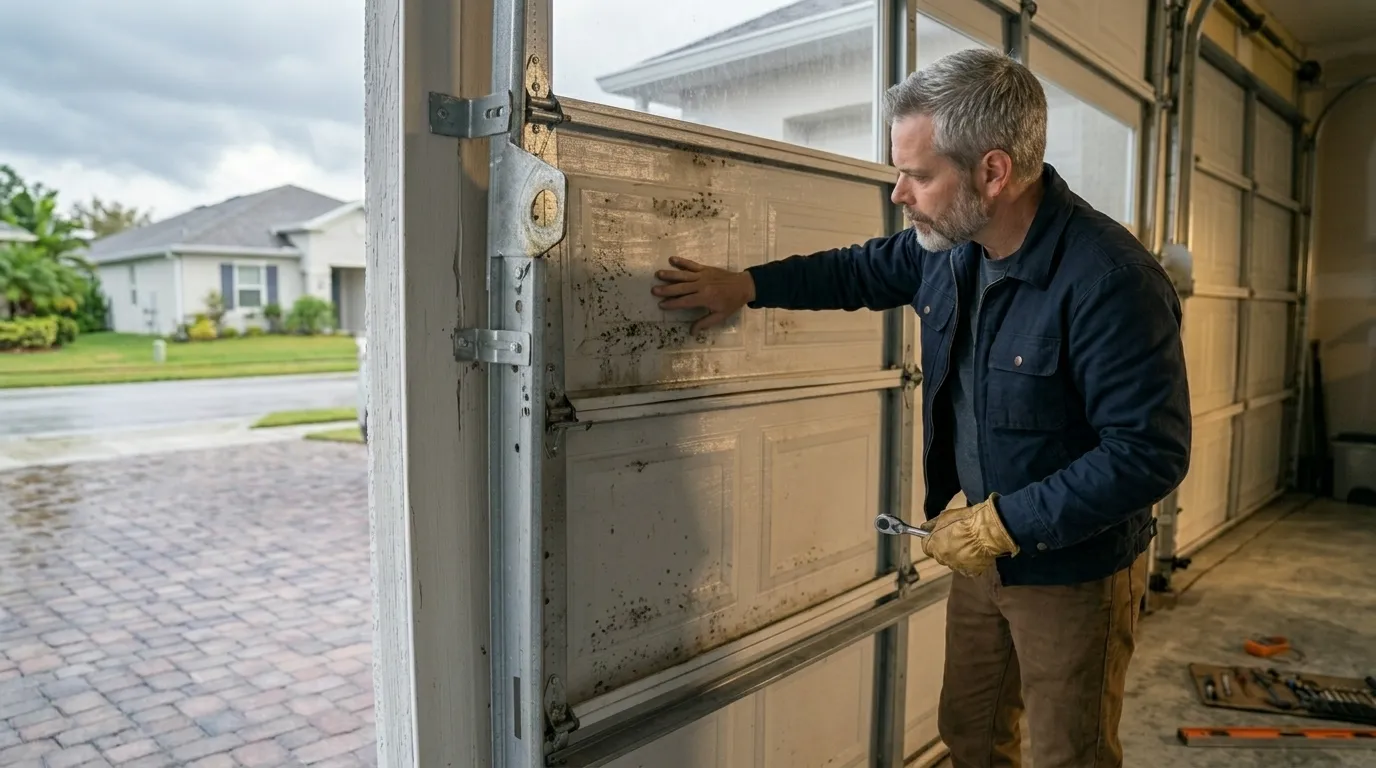
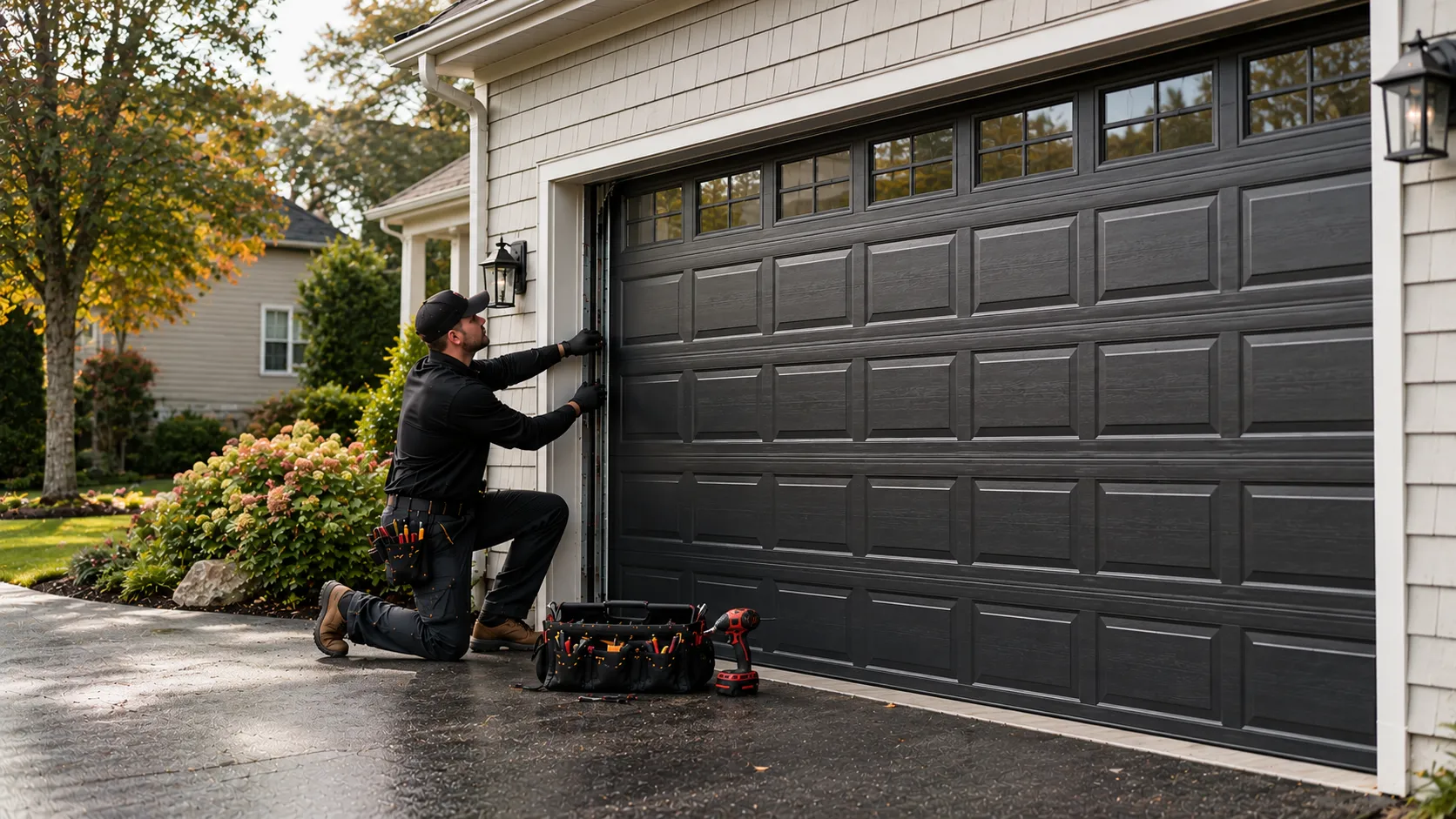
Given the age of the housing, the calls we'd expect from this area center on original torsion springs finally breaking and first-generation belt-drive openers losing their rolling-code sync or grinding out a drive gear. A door built around 2006 that's never had a spring replacement is at or past the point where that failure shows up without warning - usually as a door that won't budge and a spring visibly separated on the shaft. We'll also flag one limitation up front: if a panel is cracked or the track is bent beyond straightening, we're not going to spend an hour trying to save it - at that point replacement is the honest answer, and we'll tell you that instead of running up a repair bill on a door that's not coming back.