What the Housing Means for Your Door
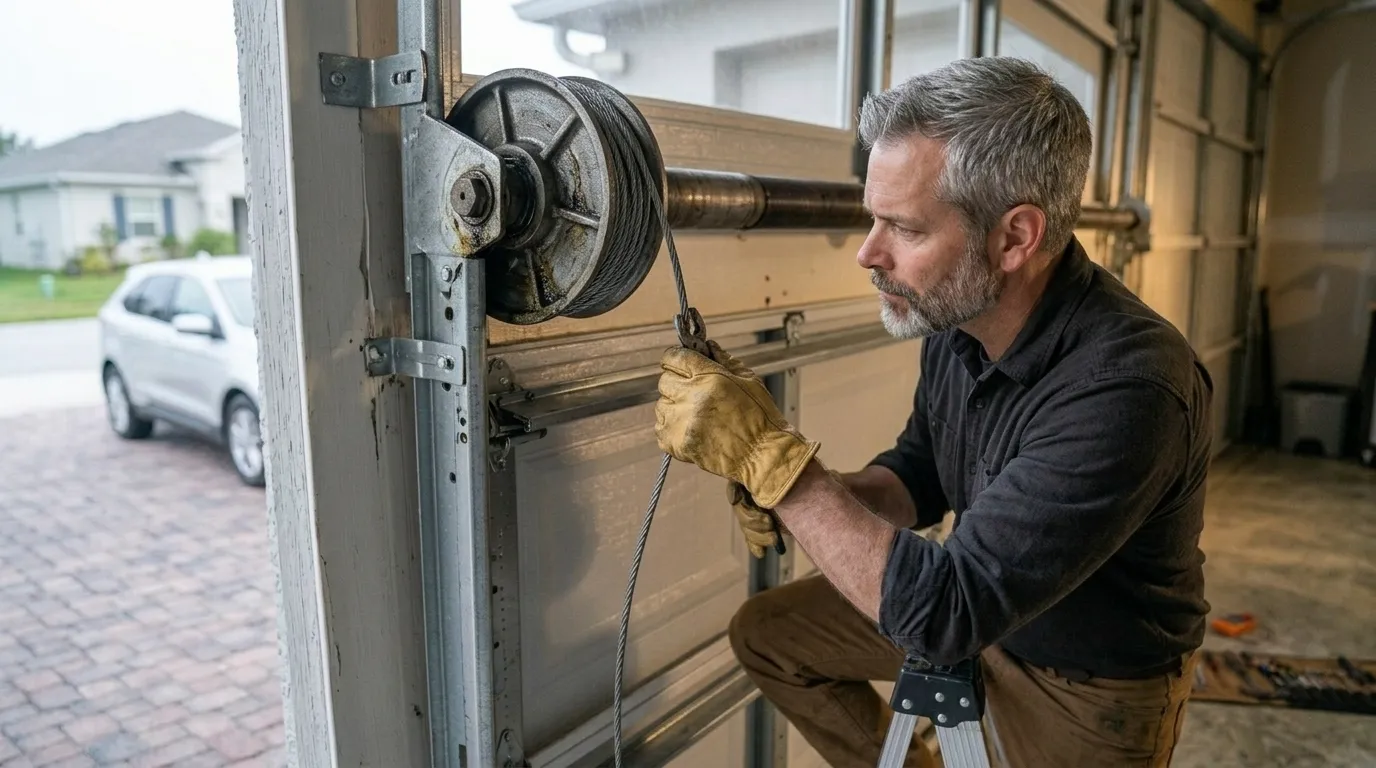
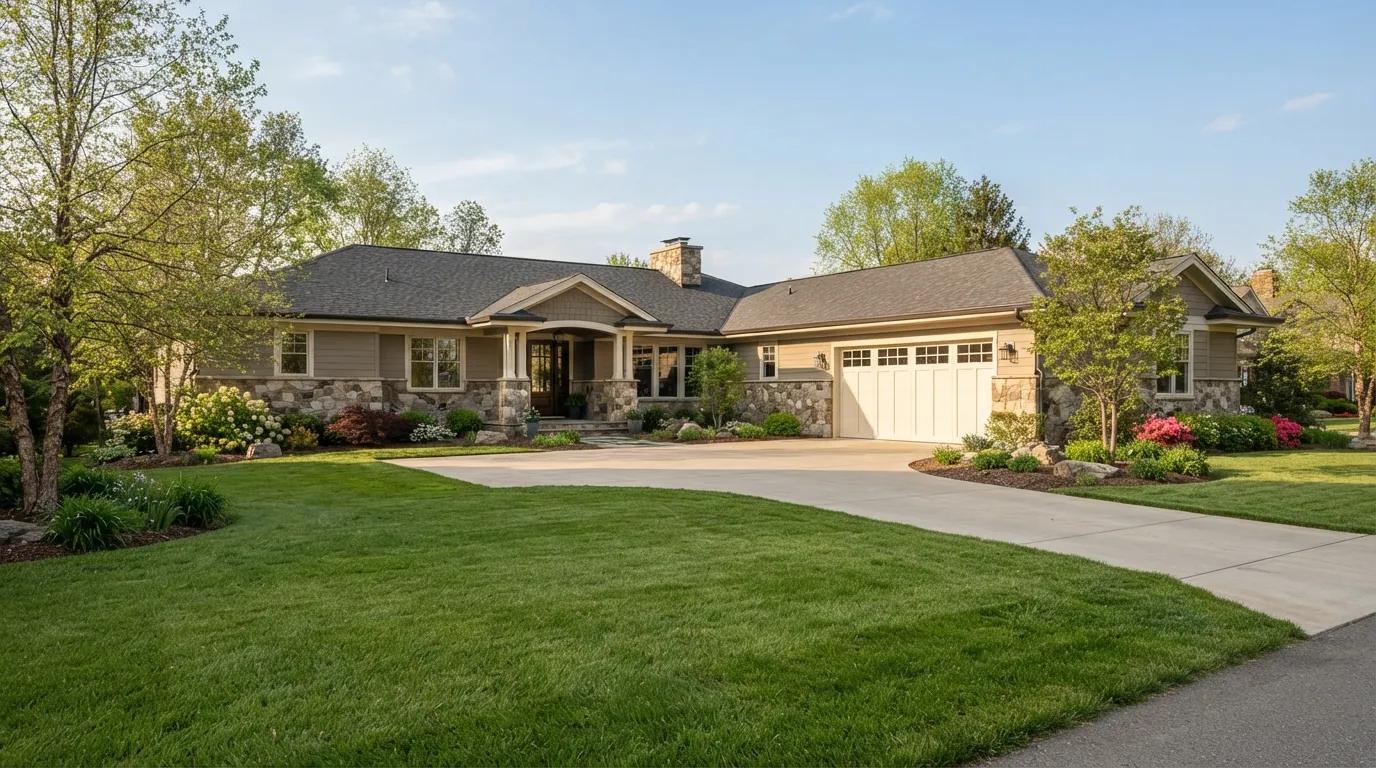
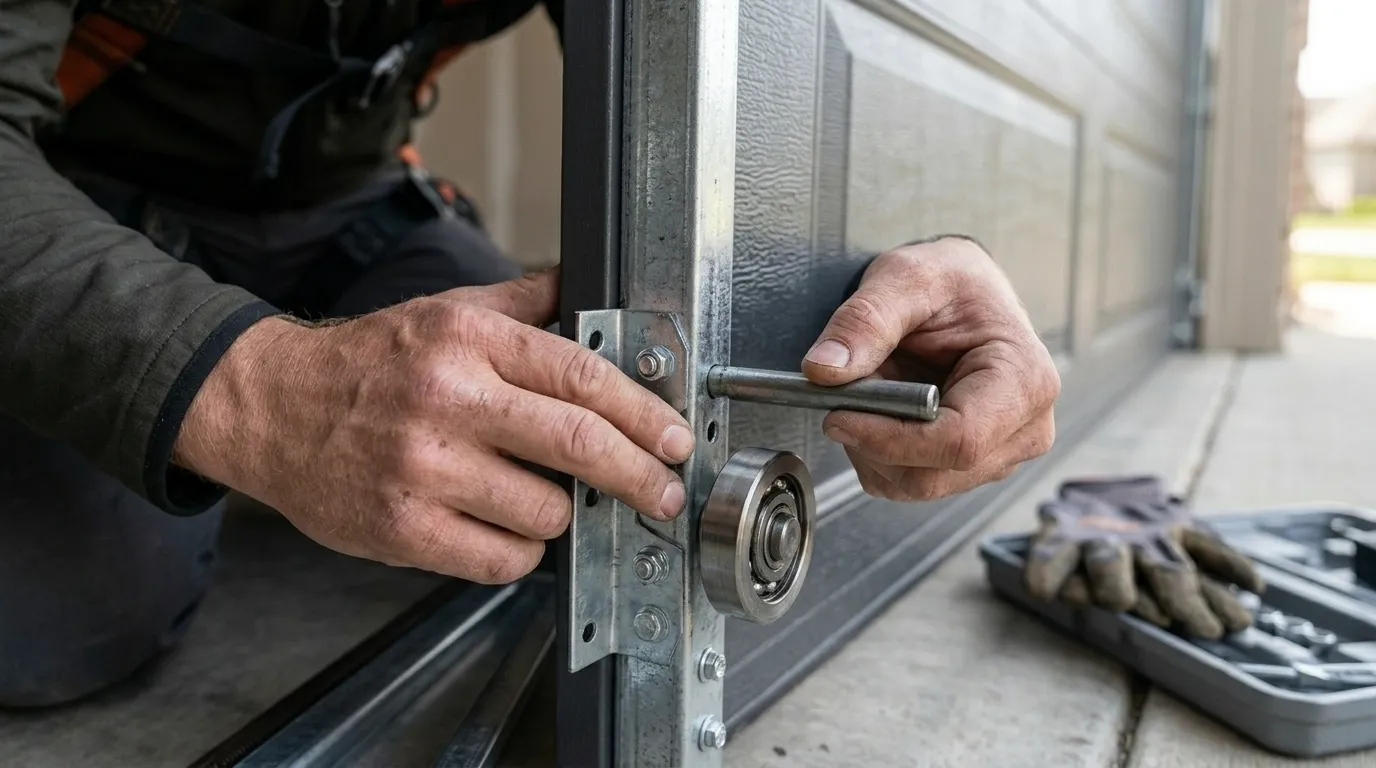
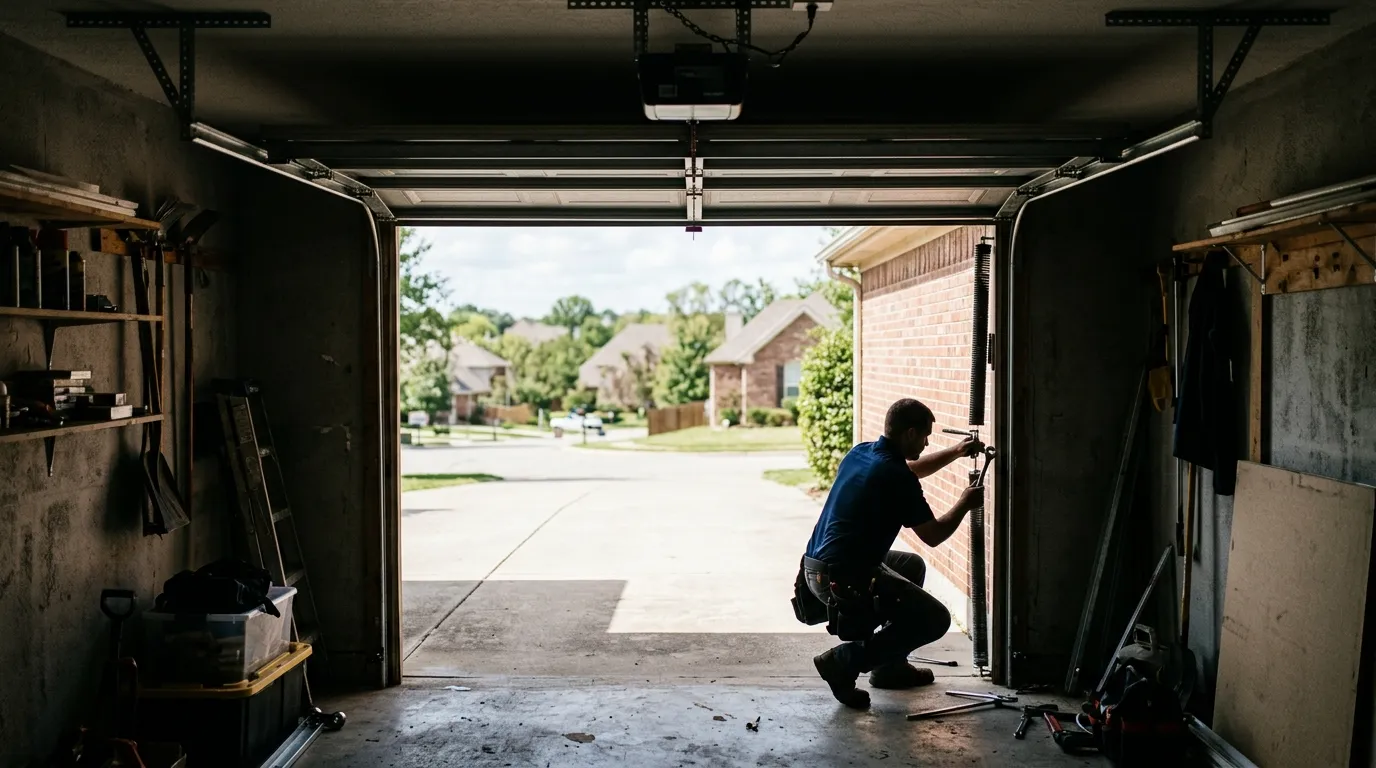
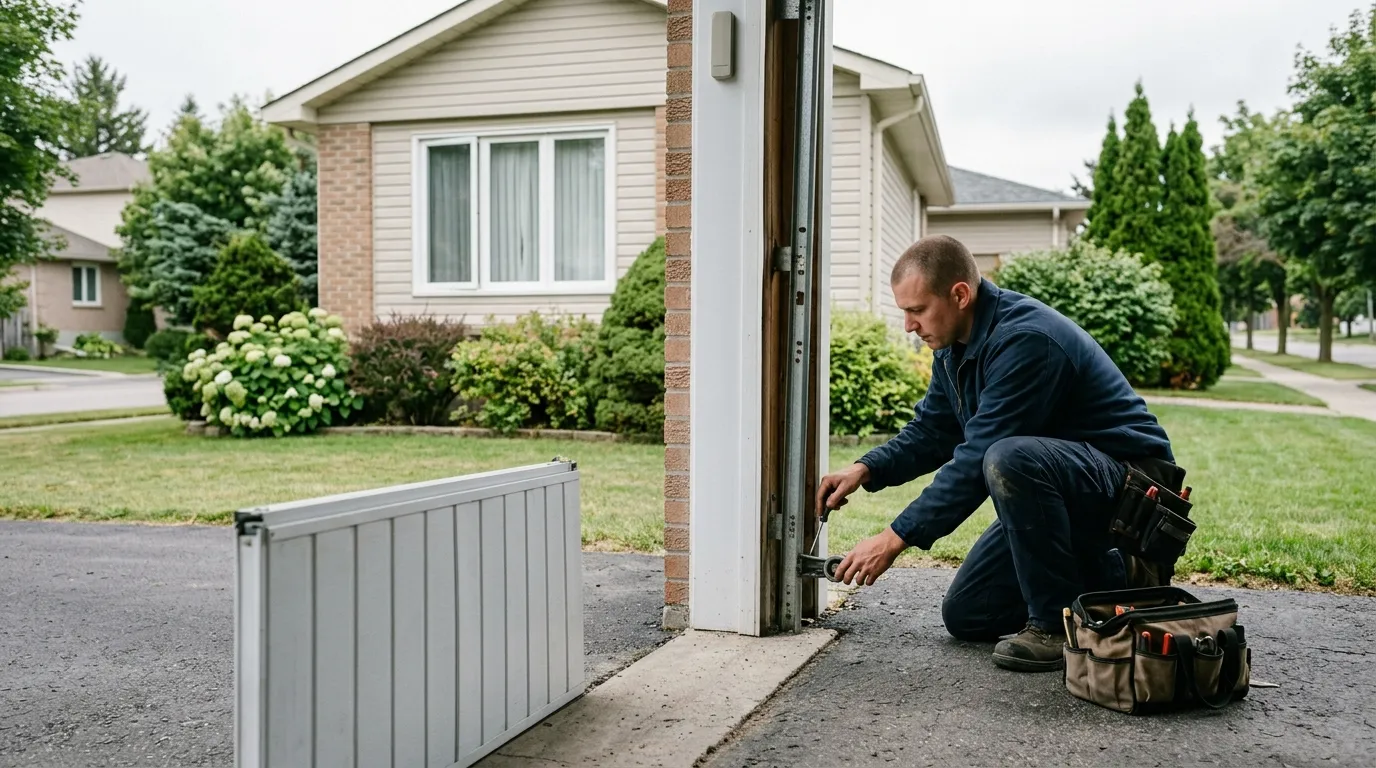
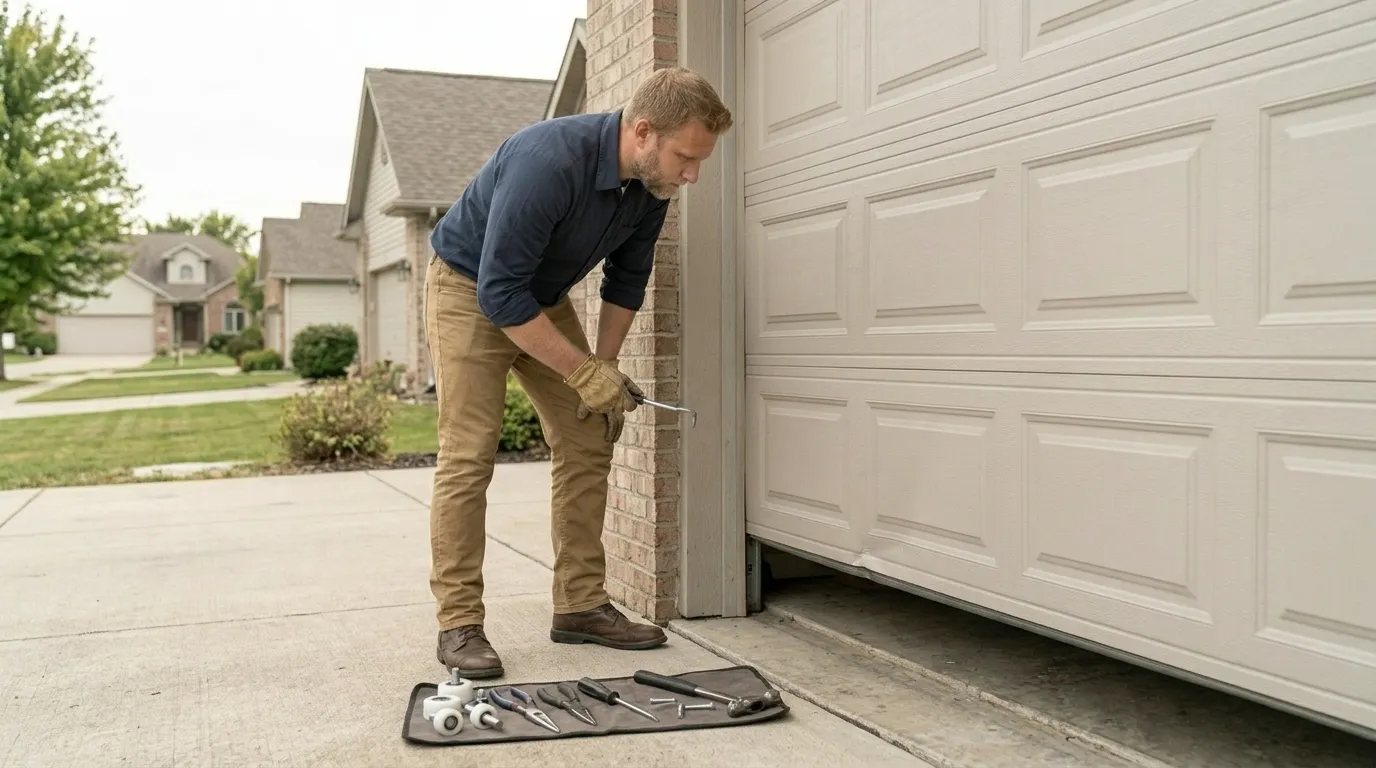
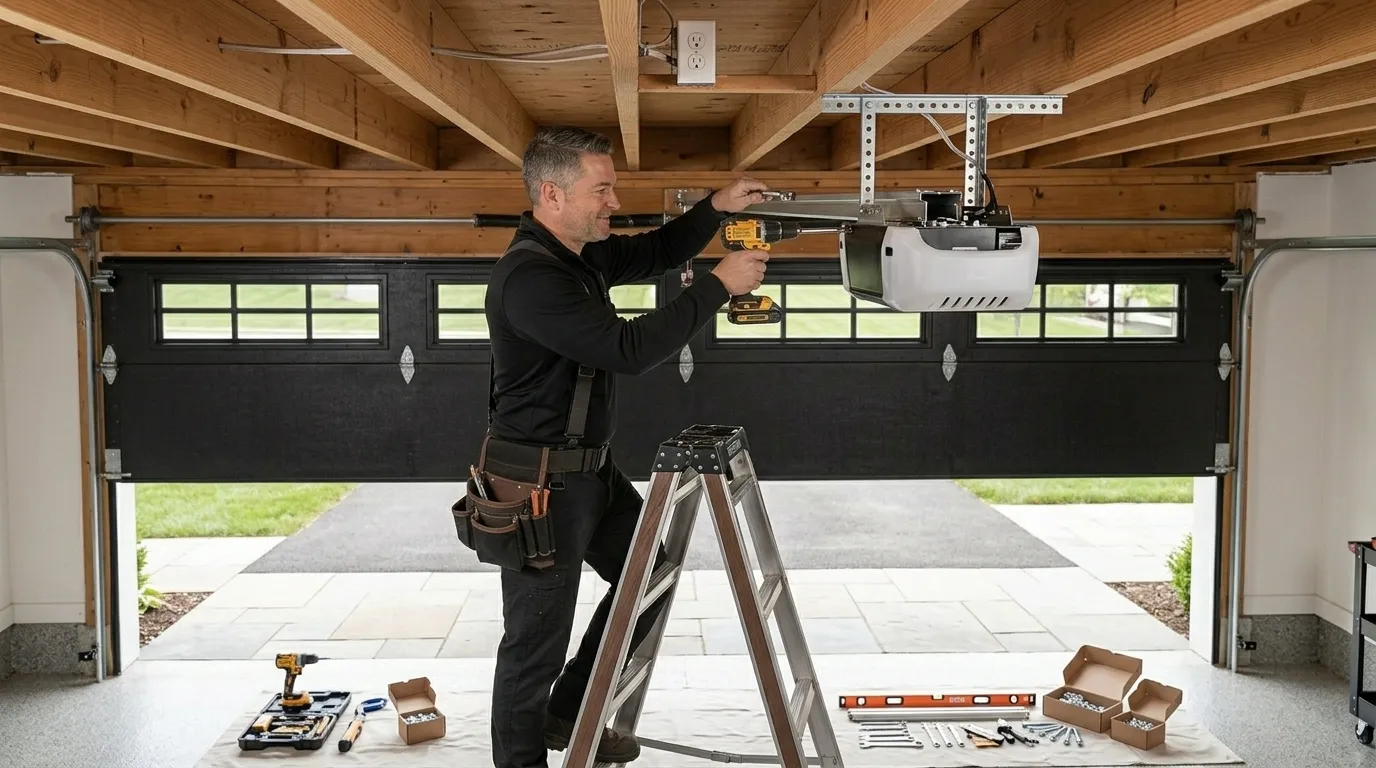
Lucas doesn't split from the rest of the service area the way some towns do. The median build year here lands right at 2002, matching the broader 1971-2013 stock we work on across the region, and that's actually useful information. A 2002 door is old enough that its opener is likely a chain-drive unit with a logic board that's stopped getting parts support, but young enough that it's on a proper extension or torsion spring setup rather than the older side-mount hardware you'd find on a pre-1980 house. That means most Lucas calls we'd expect are wear failures, not oddball retrofits: worn rollers, a spring that's done its 10,000-cycle count, a sensor that's drifted out of alignment after two decades of the slab settling. With median household income at $178,403 in this area, we also see more owners choosing to replace an aging opener with a quieter belt-drive unit rather than patch the old chain-drive one, which is a reasonable call once a board starts failing more than once a year. We don't push replacement before it's warranted, but at the 20-year mark on a chain-drive opener, the parts math usually favors swapping it.
This Area's Housing
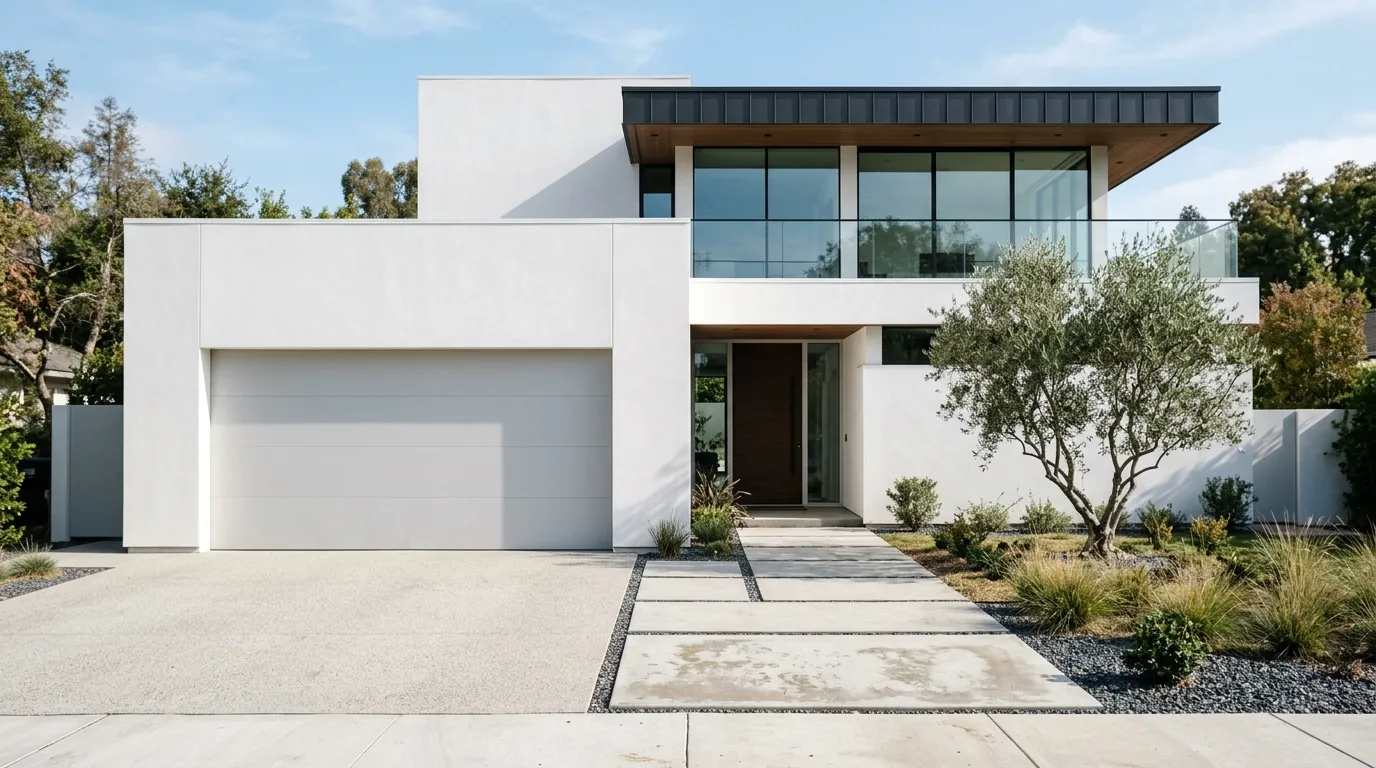
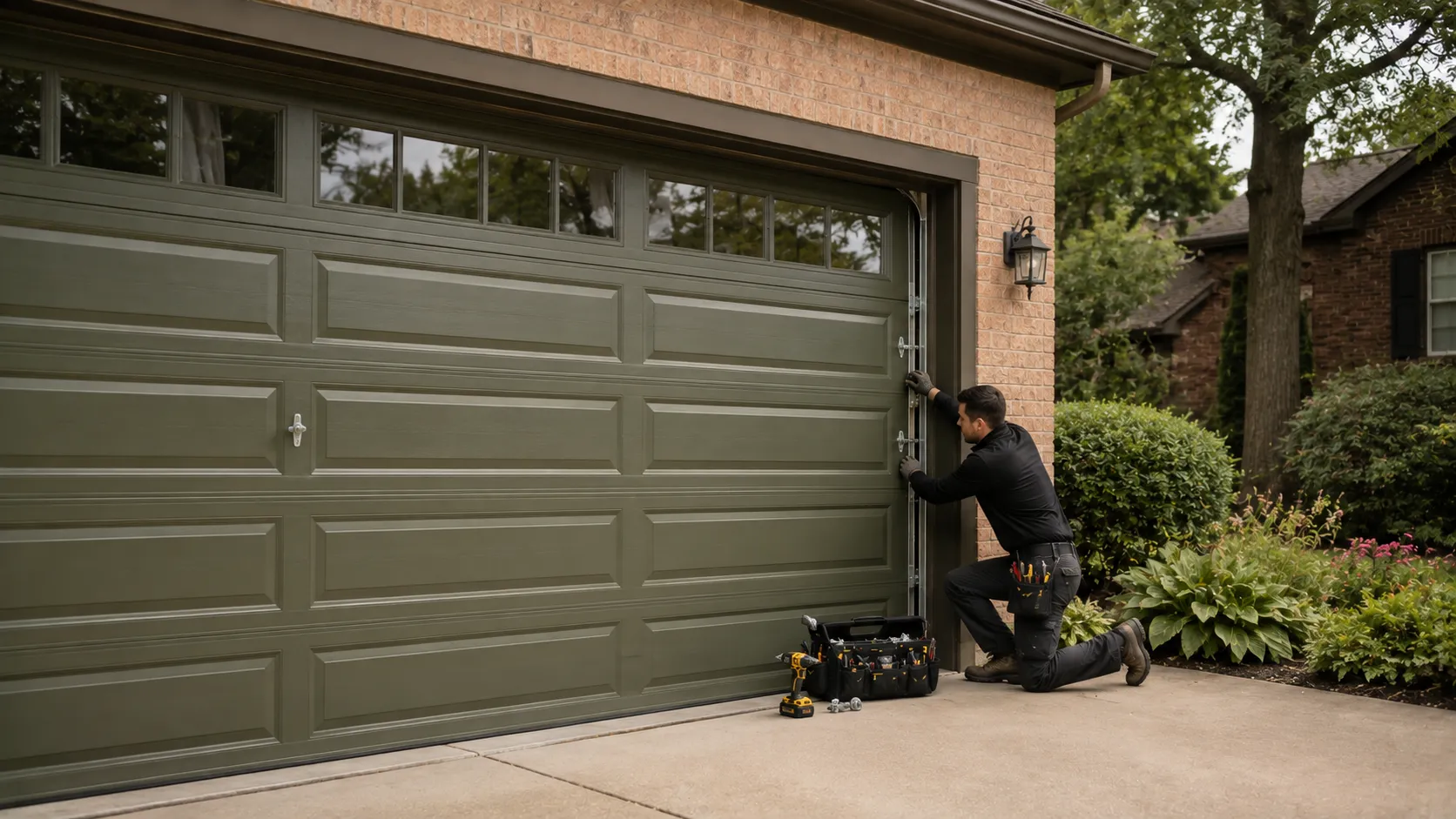
With 2,724 households in the Lucas area and a median build year of 2002, this is a smaller, more uniform pocket than some of the denser parts of the service area. Fewer households means less variety in door models - when a neighborhood went up in the same building cycle, a lot of the garage doors and openers on that street came off the same handful of production runs, which is why we often see the same failure show up on multiple houses within a season. At $178,403 median income, this is also one of the higher-income areas we cover, and it shows in the door hardware: more insulated steel and composite doors, fewer of the thin single-layer panels you'd find on older, lower-cost tract housing elsewhere in the region. Insulated doors hold up better against the area's mild-with-occasional-freeze climate, but they're heavier, which puts more strain on springs rated for a lighter door if a previous owner ever swapped panels without upgrading the spring to match. That mismatch is one of the more common things we catch on inspection here that the homeowner didn't know to look for.
What Neighbours Usually Call About
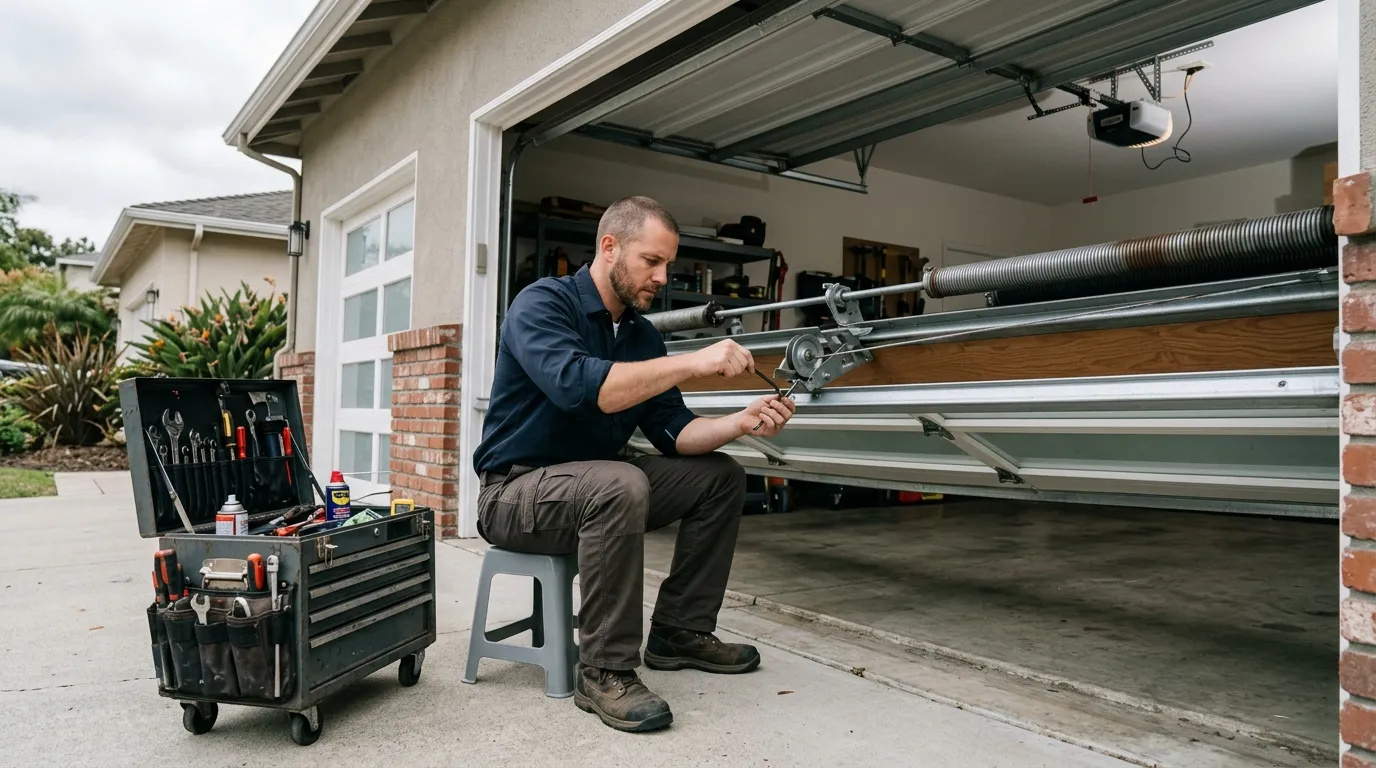
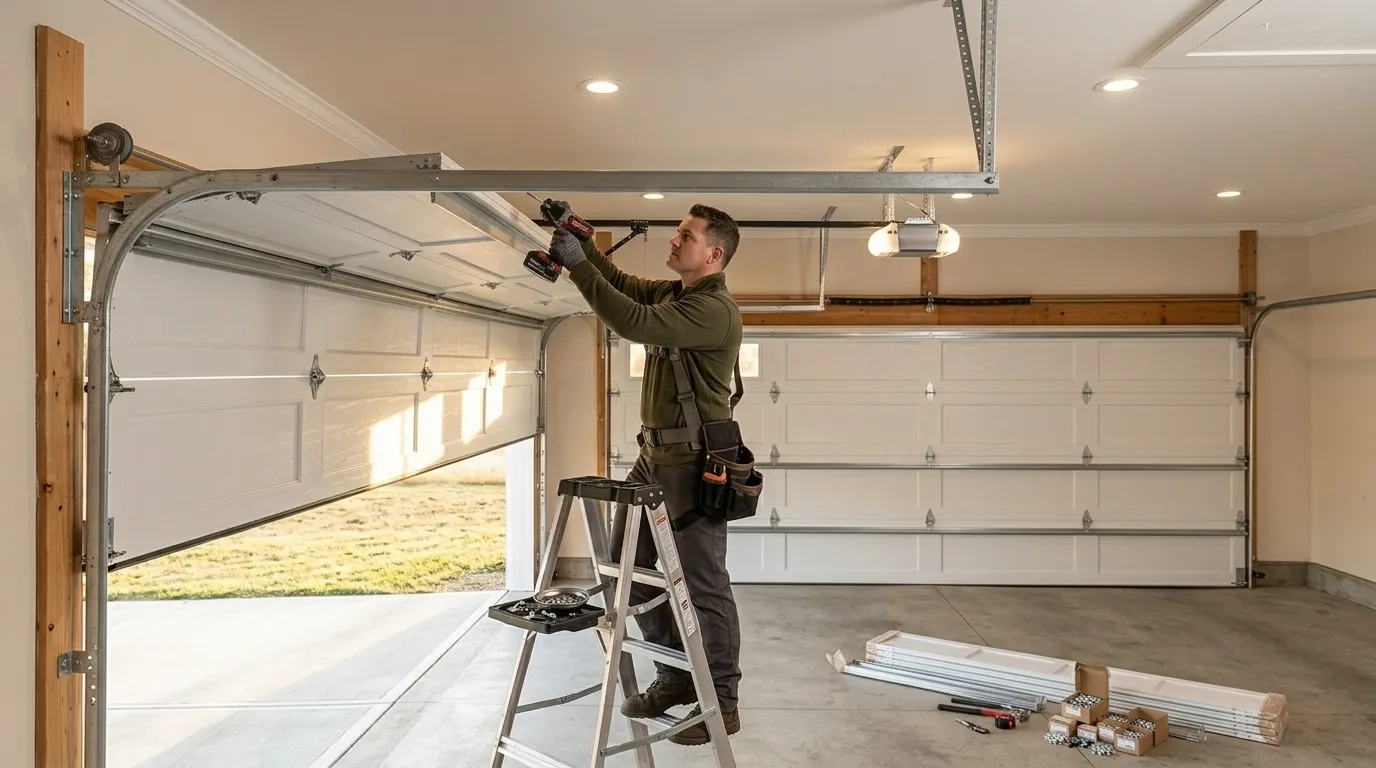
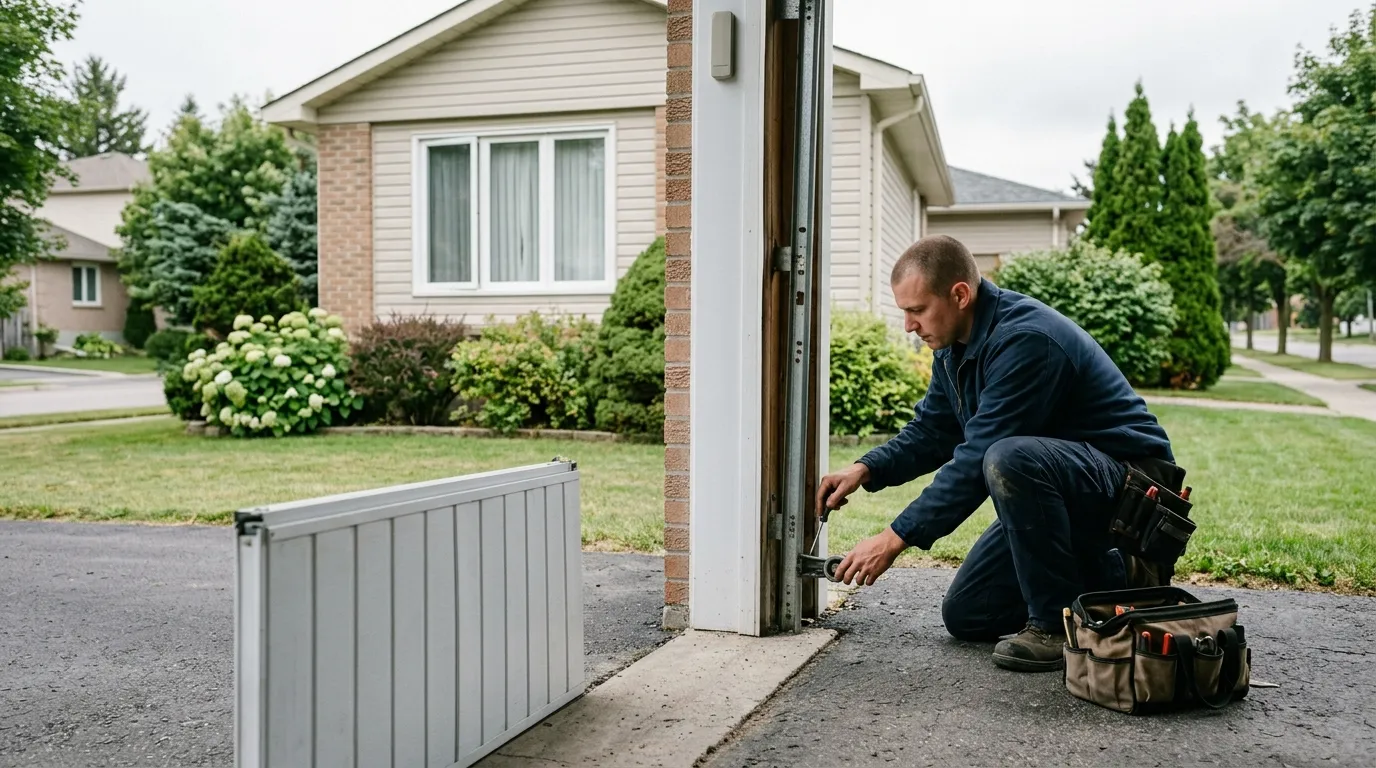
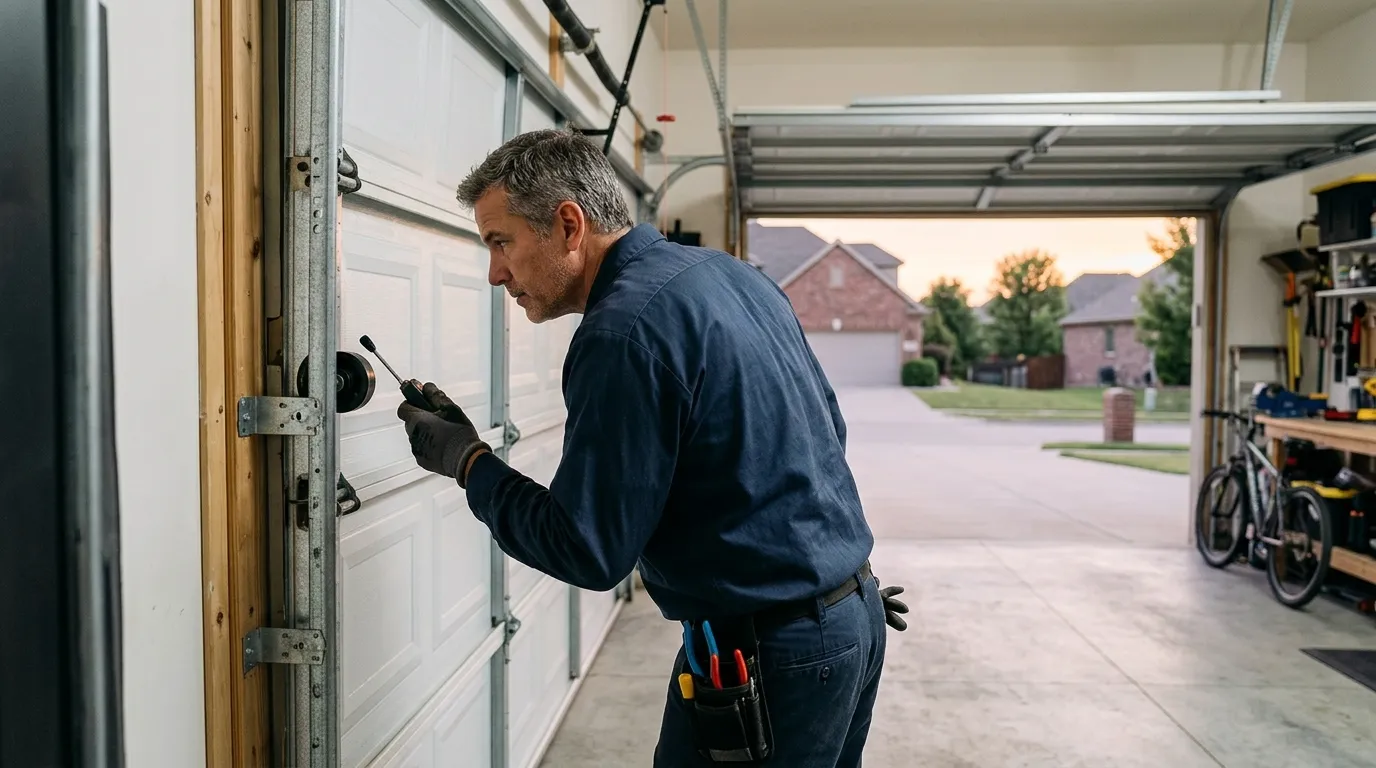
Given the 2002-era build pattern, the calls we'd expect from Lucas lean toward opener boards past their useful life, torsion springs reaching the end of their cycle count, and photo-eye sensors that have gone out of alignment after years of minor slab movement - not the structural or track-bending damage you'd see on much older housing stock. We won't know what's actually wrong with your door until we're looking at it in person; a chain-drive opener that's acting up could be the board, the drive gear, or a wiring issue, and guessing over the phone doesn't help you. One honest limitation: if a part on an older opener has been discontinued, we'll tell you that upfront rather than order something that won't ship, and talk through whether repair or replacement makes more sense for that unit.