What the Housing Means for Your Door
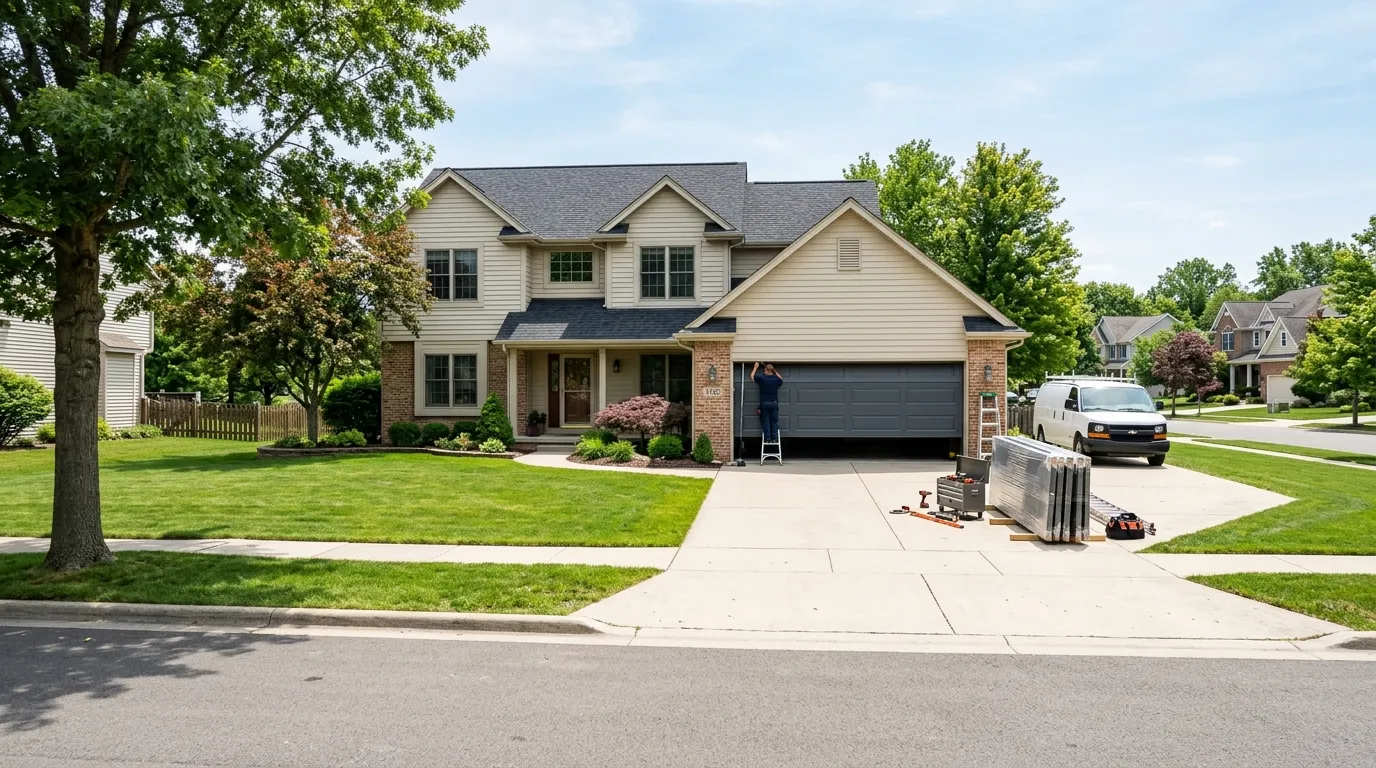
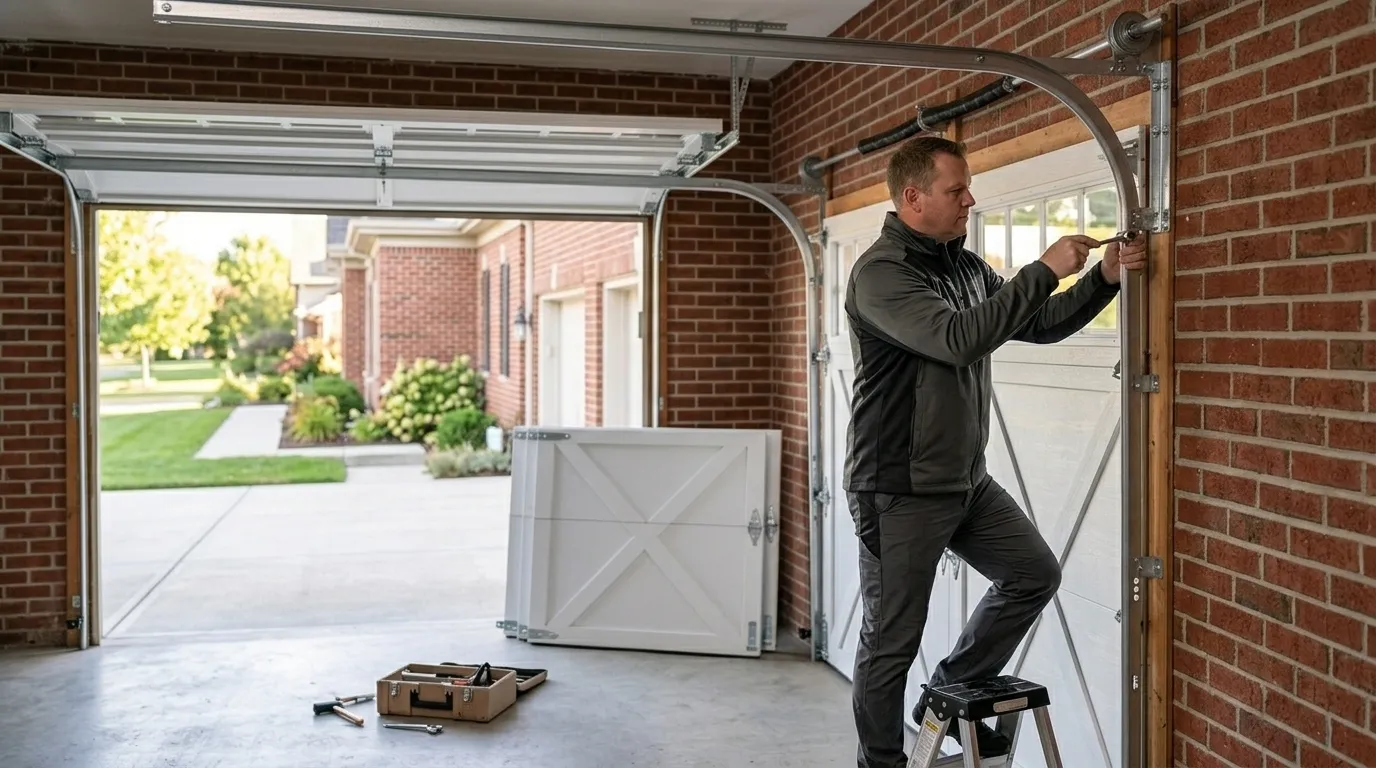
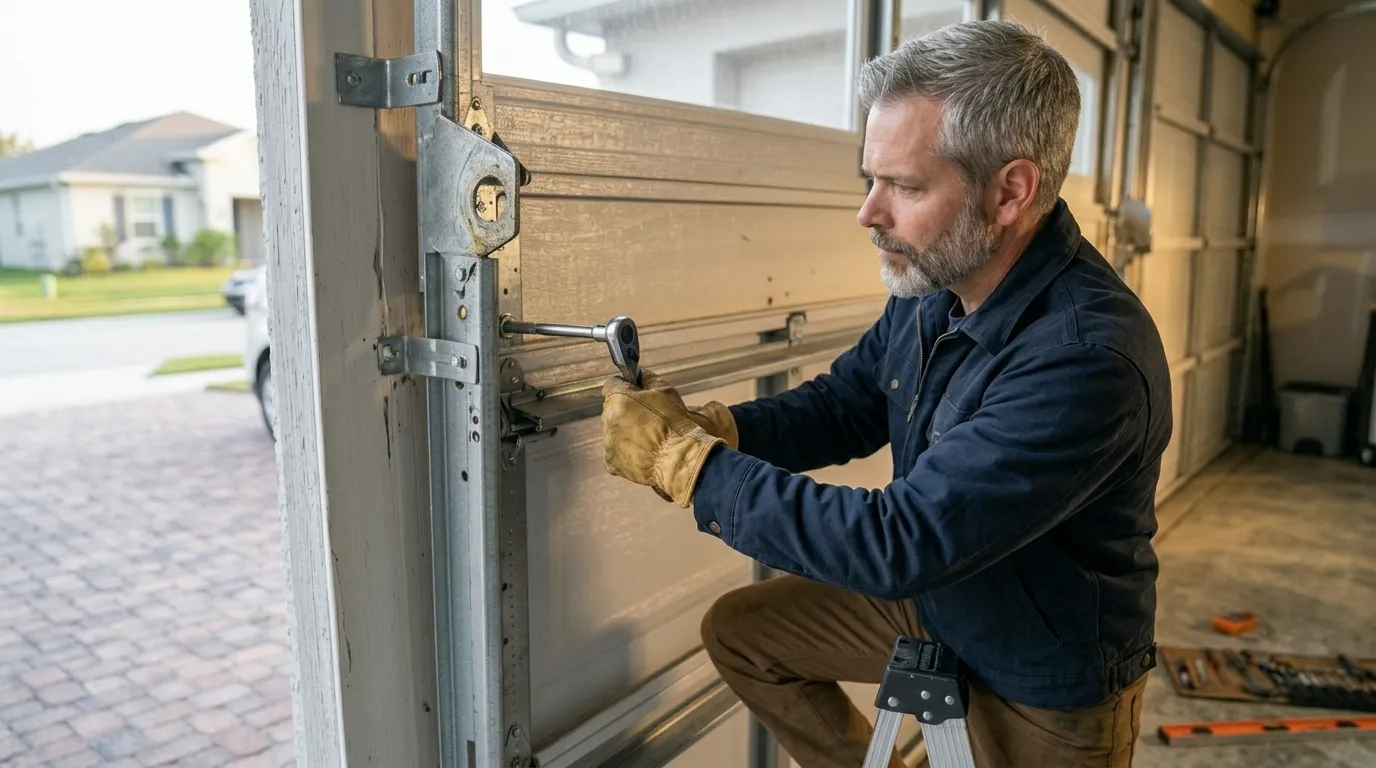
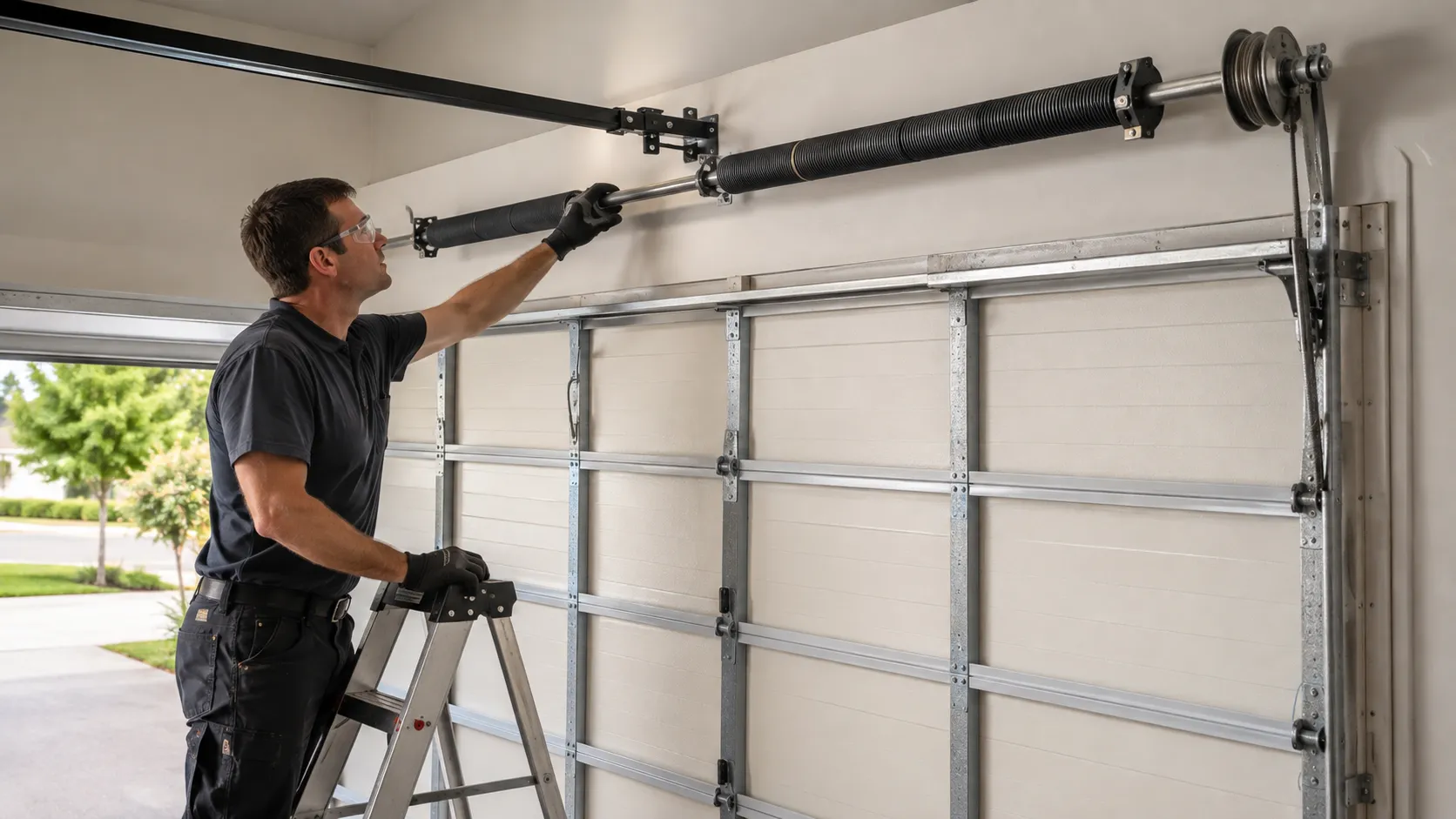
Caddo Mills sits apart from a lot of the newer subdivisions closer to Rockwall. The typical house out here was built around 1985, which puts it well ahead of the service area's overall median build year of 2002. That gap matters more than it sounds like. A door installed in the mid-80s is likely on its second or third opener by now, but the original track and drum setup often never gets touched - nobody replaces a bracket that isn't broken yet. We see a lot of galvanized torsion springs sized for lighter doors than what homeowners have since swapped in, plus steel jamb brackets that have loosened over three decades of seasonal wood movement. If your door came with the house, chances are the spring cycle count is closer to its end than you'd guess just from looking at it. We'll tell you straight if a part is original and due, rather than pushing a full replacement on a door that's still got life in the frame.
This Area's Housing
Caddo Mills is a smaller pocket than the bigger named areas closer in - around 976 households, with a median income near $75,385, which runs under the wider service area's median of $124,500. That combination tends to mean homeowners keep a door running longer before replacing it outright, repairing a cable or a roller instead of swapping the whole unit. We size our recommendations to that reality: a torsion spring replacement or a new opener motor on an existing door usually makes more financial sense here than a full unit swap, unless the door itself is rusted through or the panels are cracked at the hinges. The service area overall skews toward 2000s-built stock, but Caddo Mills is one of the pockets running noticeably older than that average, which is the main thing to keep in mind before you assume your door problem is a quick universal fix.
What Neighbours Usually Call About
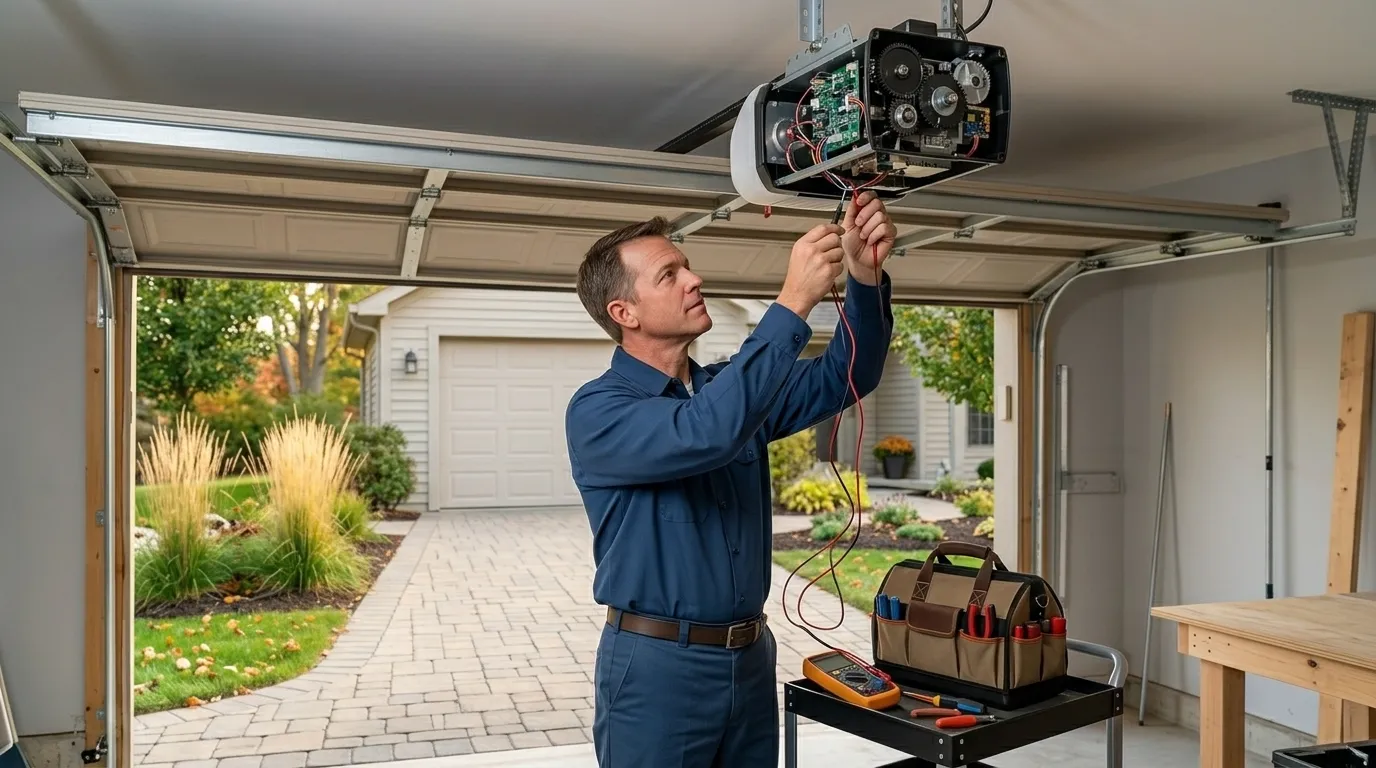
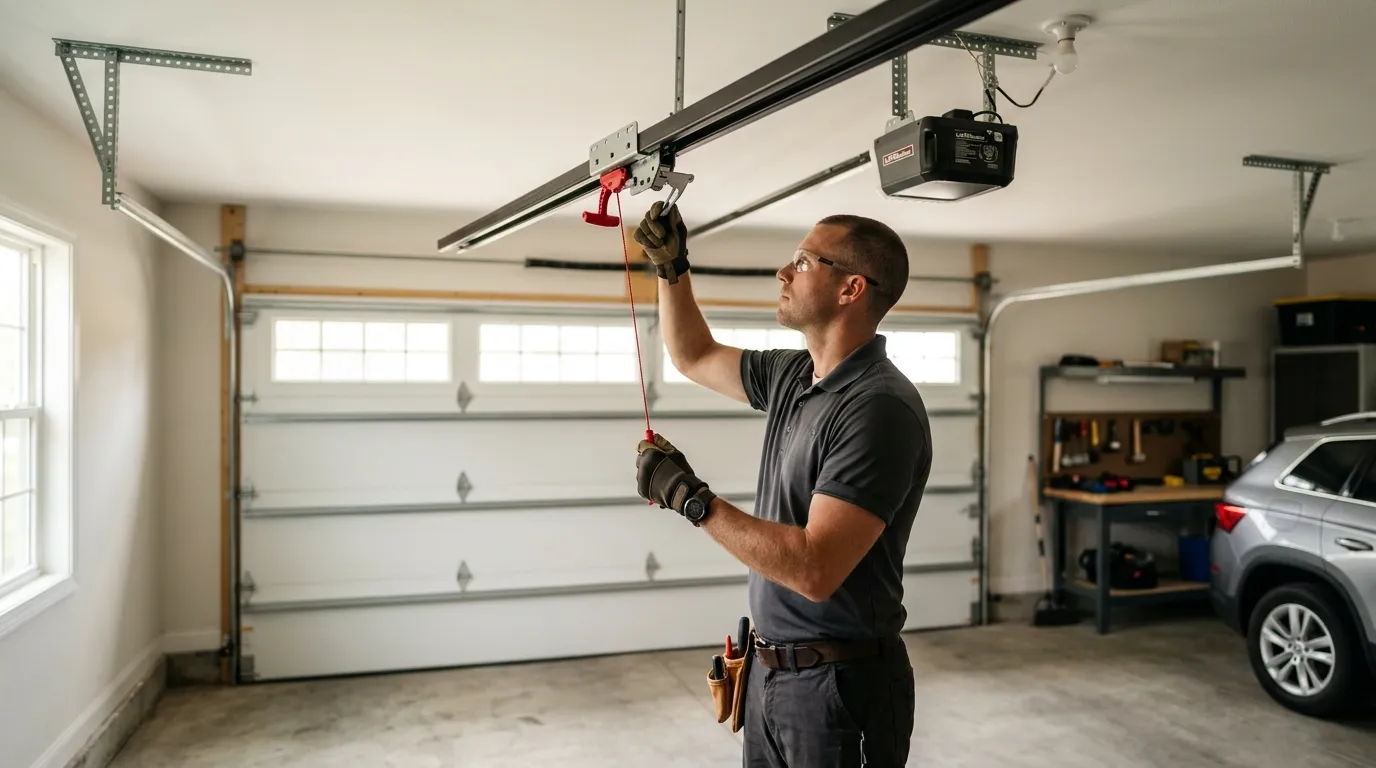
The calls we get from this side of the service area lean toward age-related wear rather than storm damage or new-construction adjustment issues. Springs that have simply cycled out after years of daily use. Openers from the 90s and early 2000s with worn drive gears or dead circuit boards that nobody makes anymore. Steel rollers that have gone from smooth to gritty. The climate here is mild with occasional freeze days, so we're not dealing with the extreme swings that crack seals fast, but even mild freeze-thaw cycles over 30-plus years will work a torsion spring's coating and stiffen old nylon rollers. One honest limitation: if your opener is old enough that the manufacturer no longer makes replacement boards, we may recommend a new opener rather than chase a part that's back-ordered for weeks - we'd rather tell you that up front than have you wait on a part that isn't coming.