What the Housing Means for Your Door
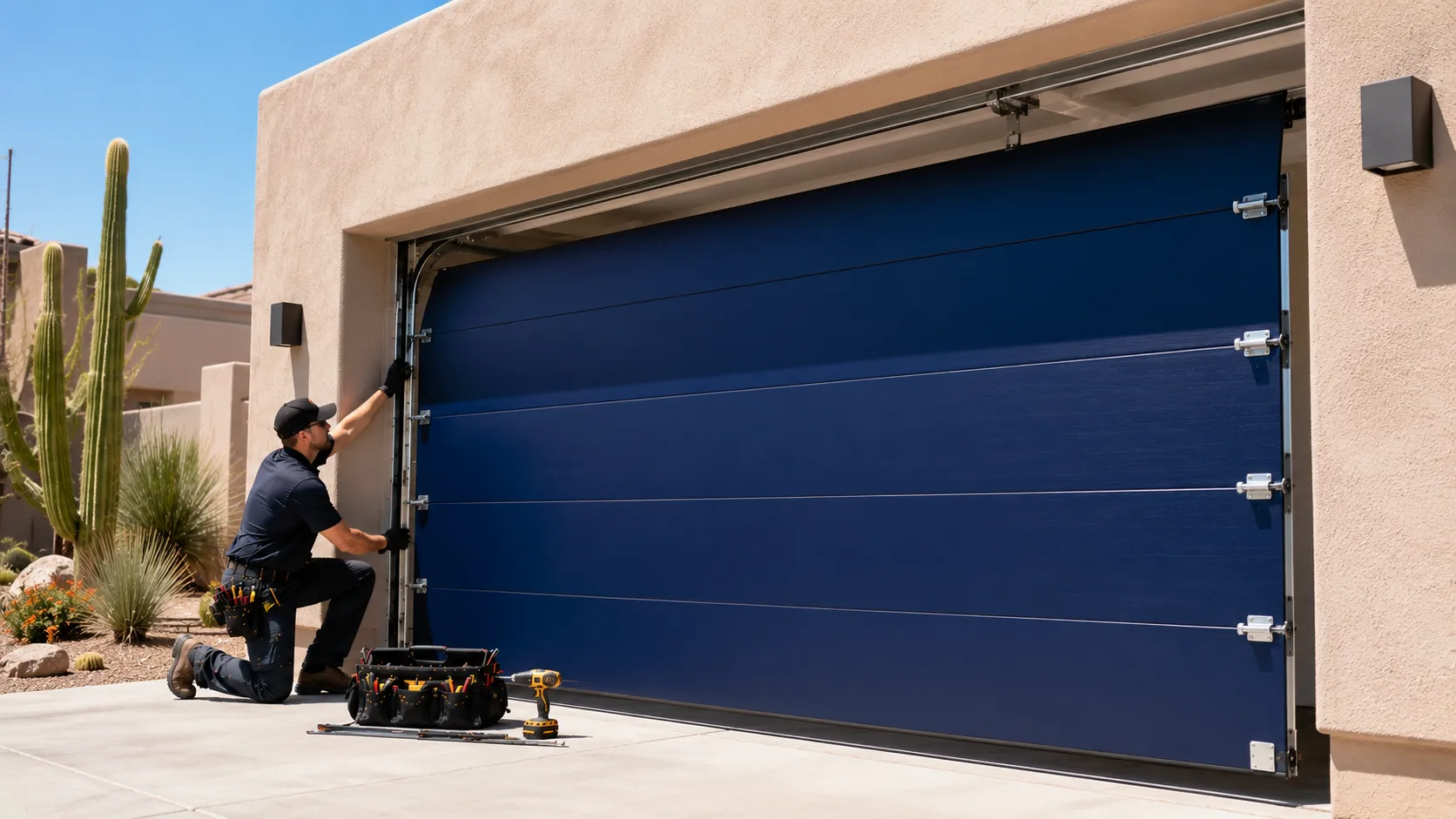
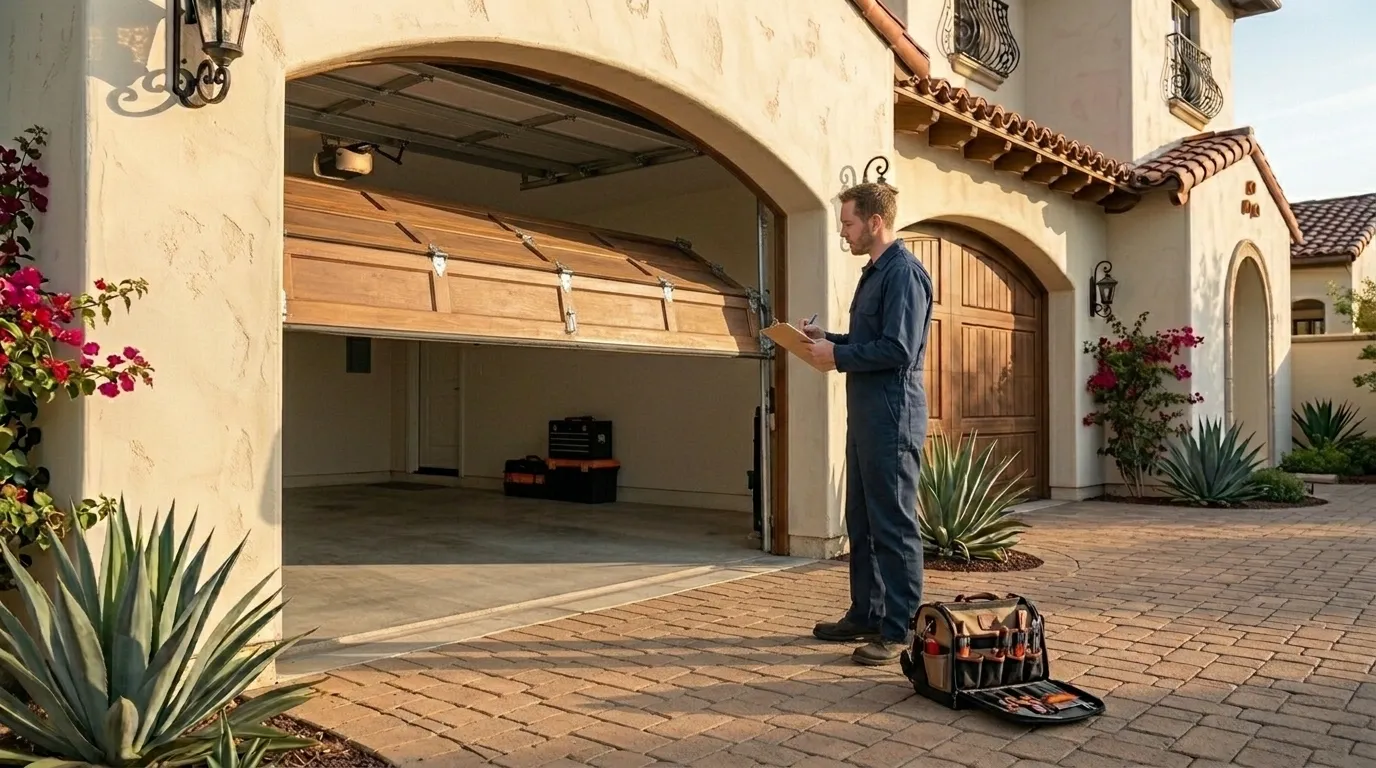
Seagoville's median build year lands around 2001, which puts most garage doors here on the same generation of hardware: steel sectional doors, extension or torsion springs sized for the lighter panel weights that were standard through the early 2000s, and chain or belt-drive openers that are now old enough to be on their second or third set of drive gears. If your house went up around that time, the door and opener are original or close to it, and both are past the point where a tune-up buys you much more than a year or two. We see less of the true 1970s-era hardware here than in older pockets of the wider service area, and more doors that are simply worn out from twenty-plus years of daily cycles rather than failing from age-related brittleness. Springs snap on schedule regardless of build year, but the opener boards and circuit logic from that early-2000s stretch are a specific weak point - parts availability gets thinner every year for those models.
This Area's Housing
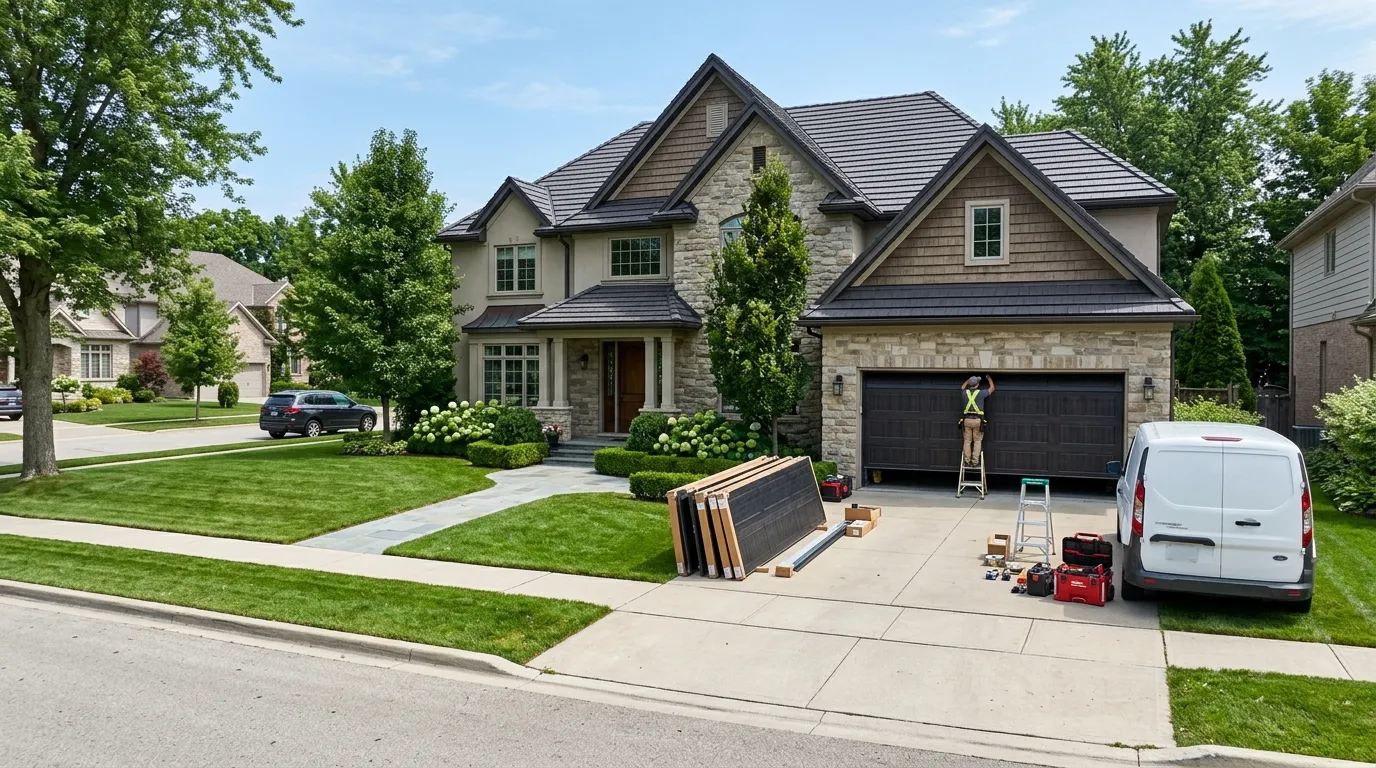
With a median build year around 2001 and roughly 5,401 households in Seagoville, this is a more recent, more uniform pocket of housing than a lot of the wider service area. Median household income here runs about $68,020, noticeably below the broader area's $124,500, and that shows up in what we get called for - more repair requests, fewer full-replacement calls where someone just wants a new door installed on a whim. Owners here tend to want the existing door and opener fixed and kept running, not swapped out, and for hardware from the early 2000s that's usually the right call: the doors were built solid, and a spring or roller replacement on a twenty-year-old door is often cheaper and just as durable as starting over.
What Neighbours Usually Call About
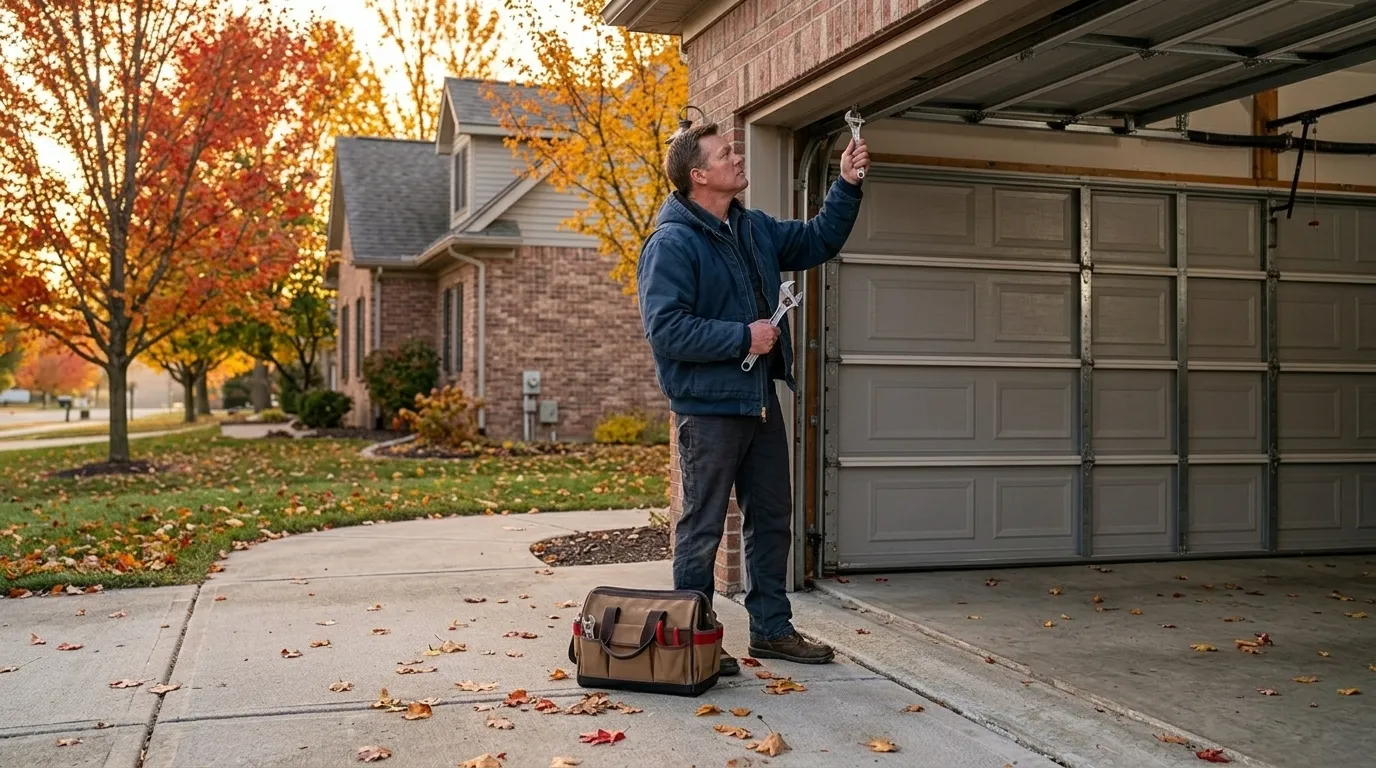
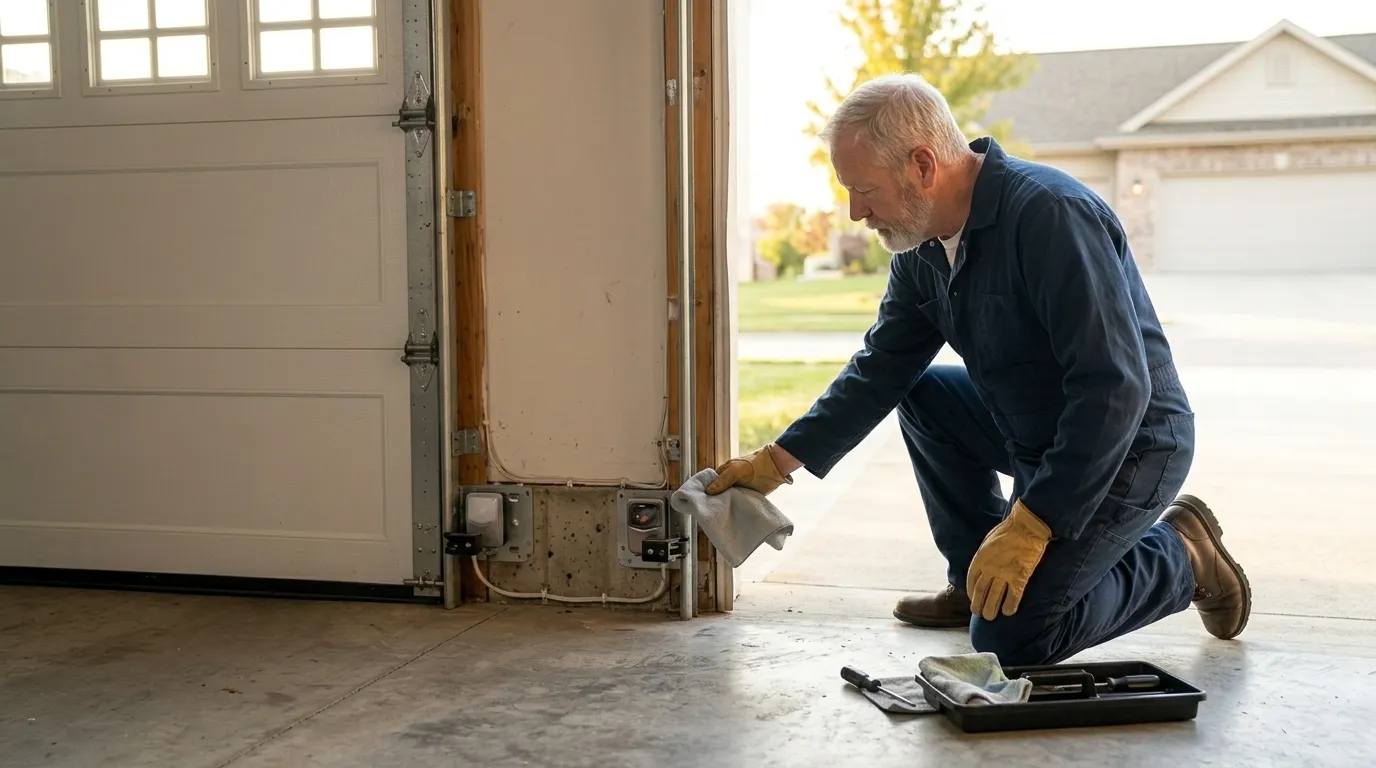
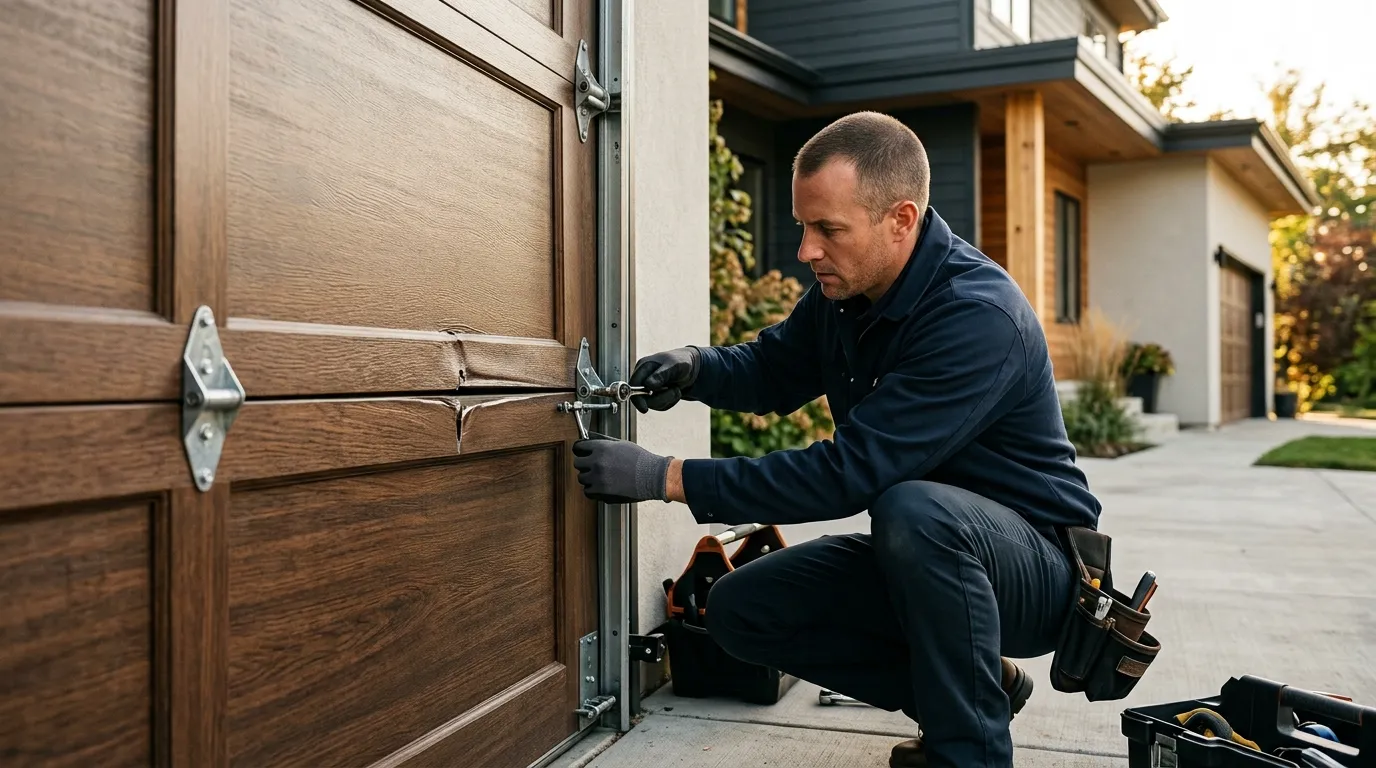
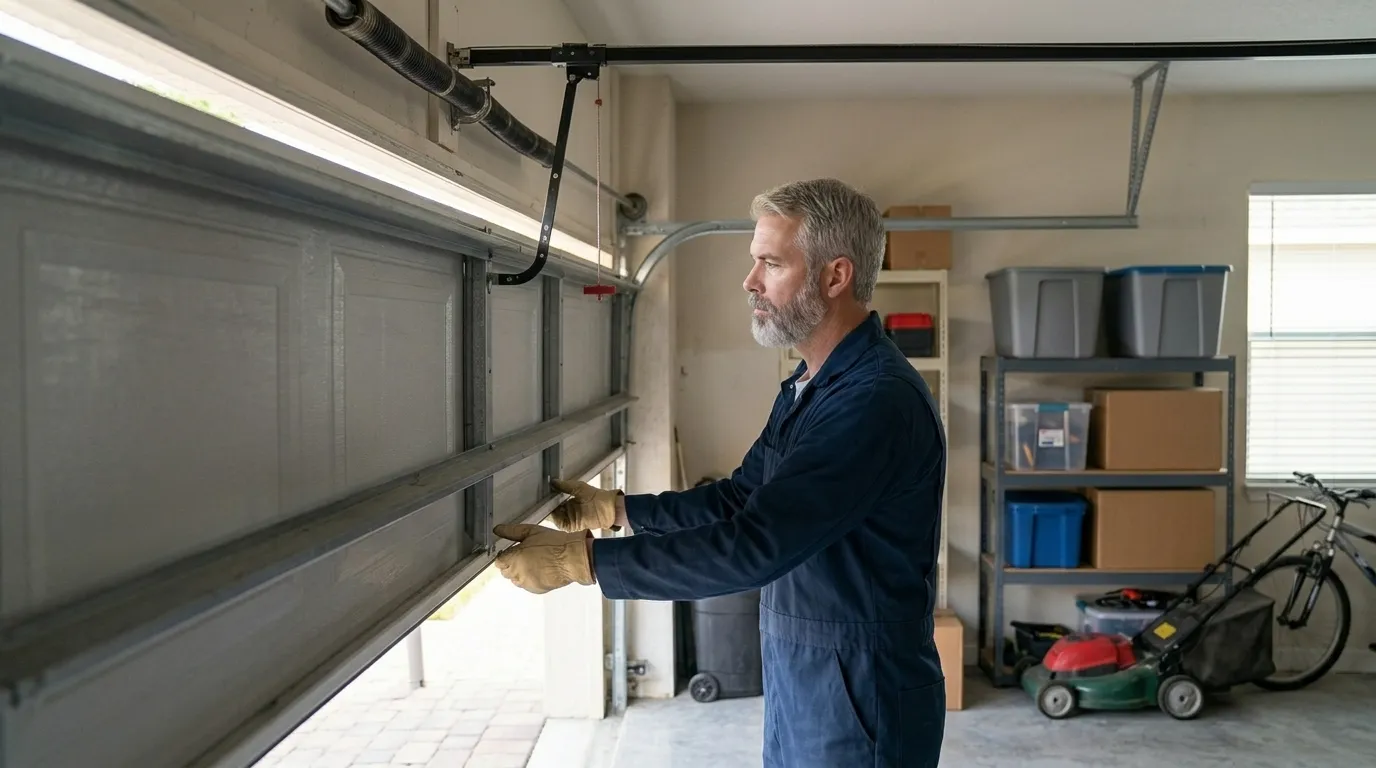
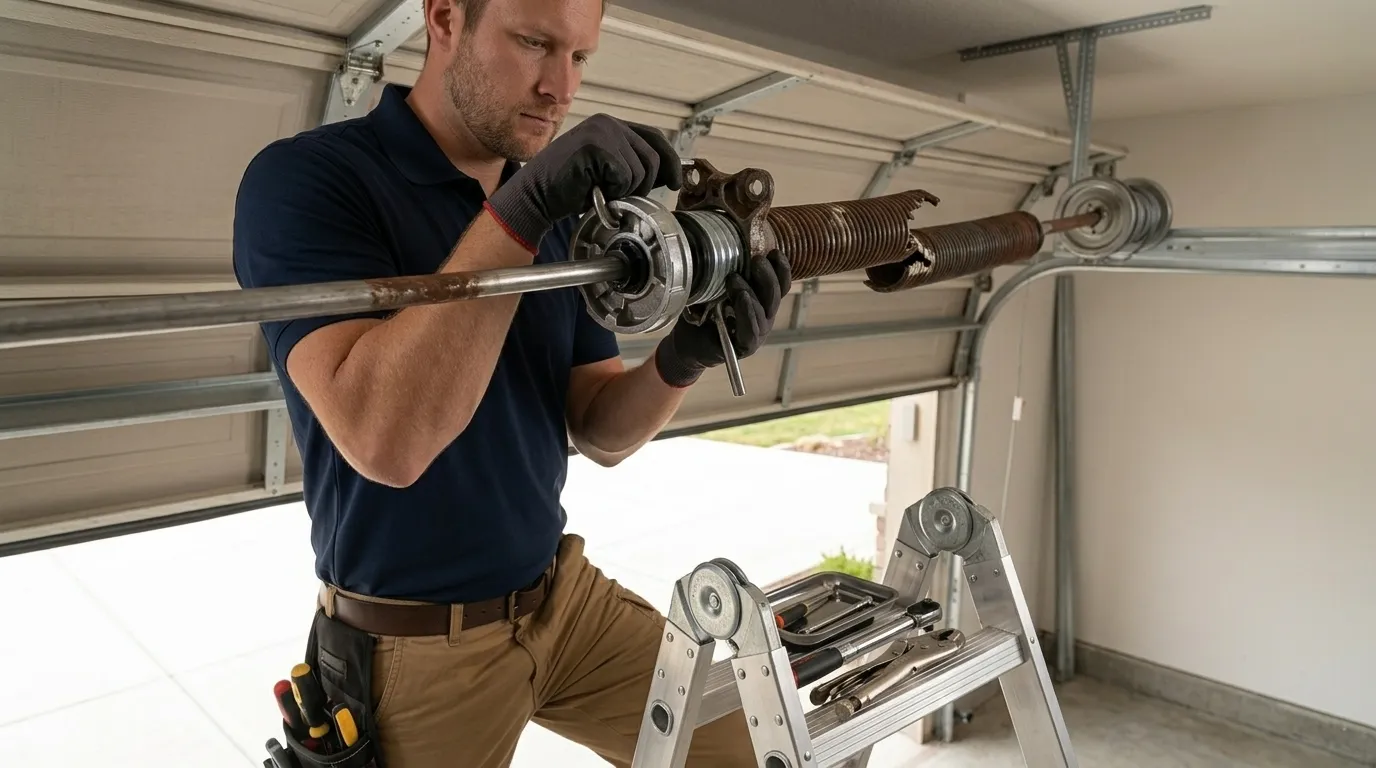
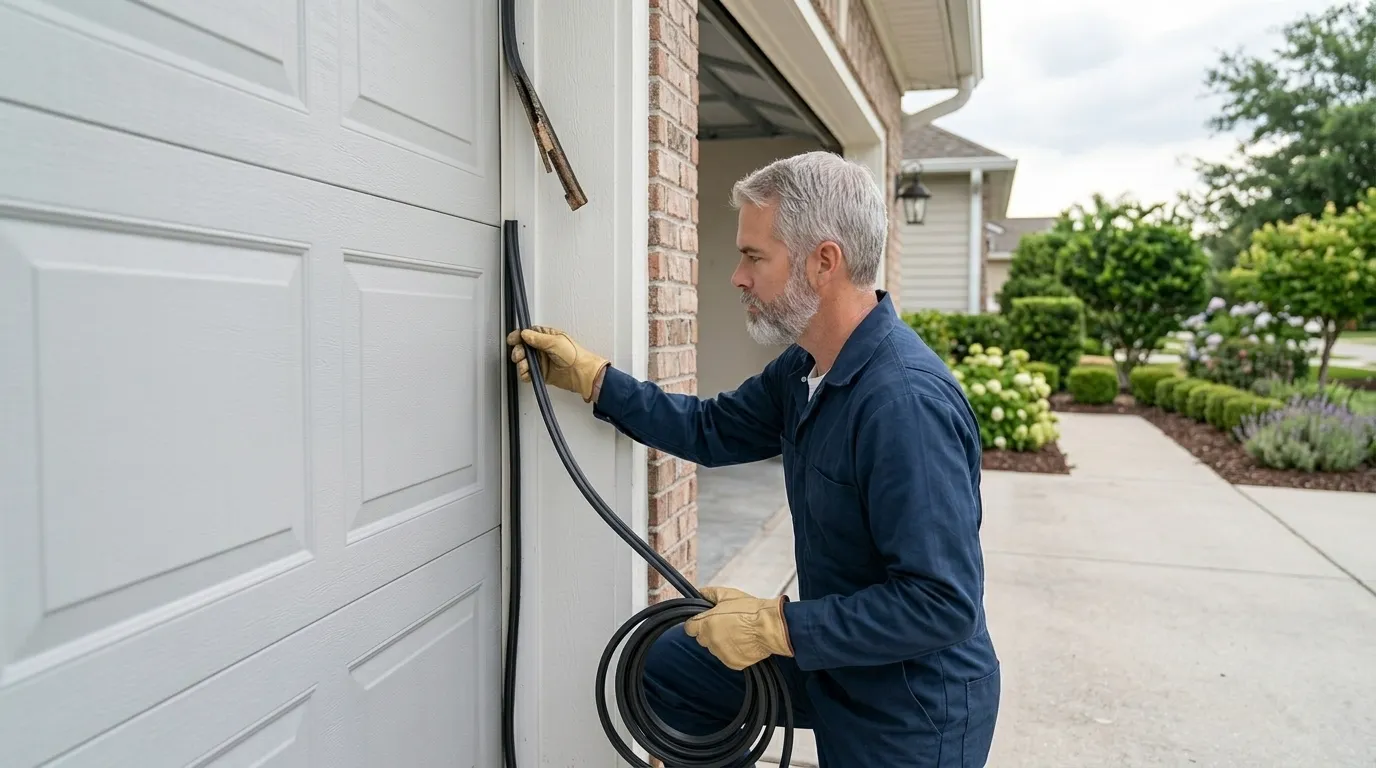
The calls we get from Seagoville cluster around a few things: broken torsion springs on doors that have never been serviced, openers from that early-2000s generation that grind or stop responding to the remote, and rollers or hinges that have finally worn enough to make the door bind on the track. We also get openers where the logic board has failed outright rather than the motor - a common failure point for that era of hardware, and one where sourcing the exact replacement board can take longer than the repair itself. Full door replacement calls are less common here than repair calls, which lines up with a housing stock that's still within its useful life. When a repair genuinely isn't worth it - a door that's been hit, or hardware where parts are simply gone - we'll say so instead of billing for a patch job.