What the Housing Means for Your Door
Most of St. Paul went up around 2000, which puts the doors and openers here in a fairly narrow band of age and design. You're not dealing with the mixed-era stock you'd find closer into Rockwall, where houses span four decades. Here it's almost all the same generation: steel sectional doors on standard torsion springs, chain or belt-drive openers from the early 2000s, and factory hardware that's now old enough to fail but not so old it's a mystery to find parts for.
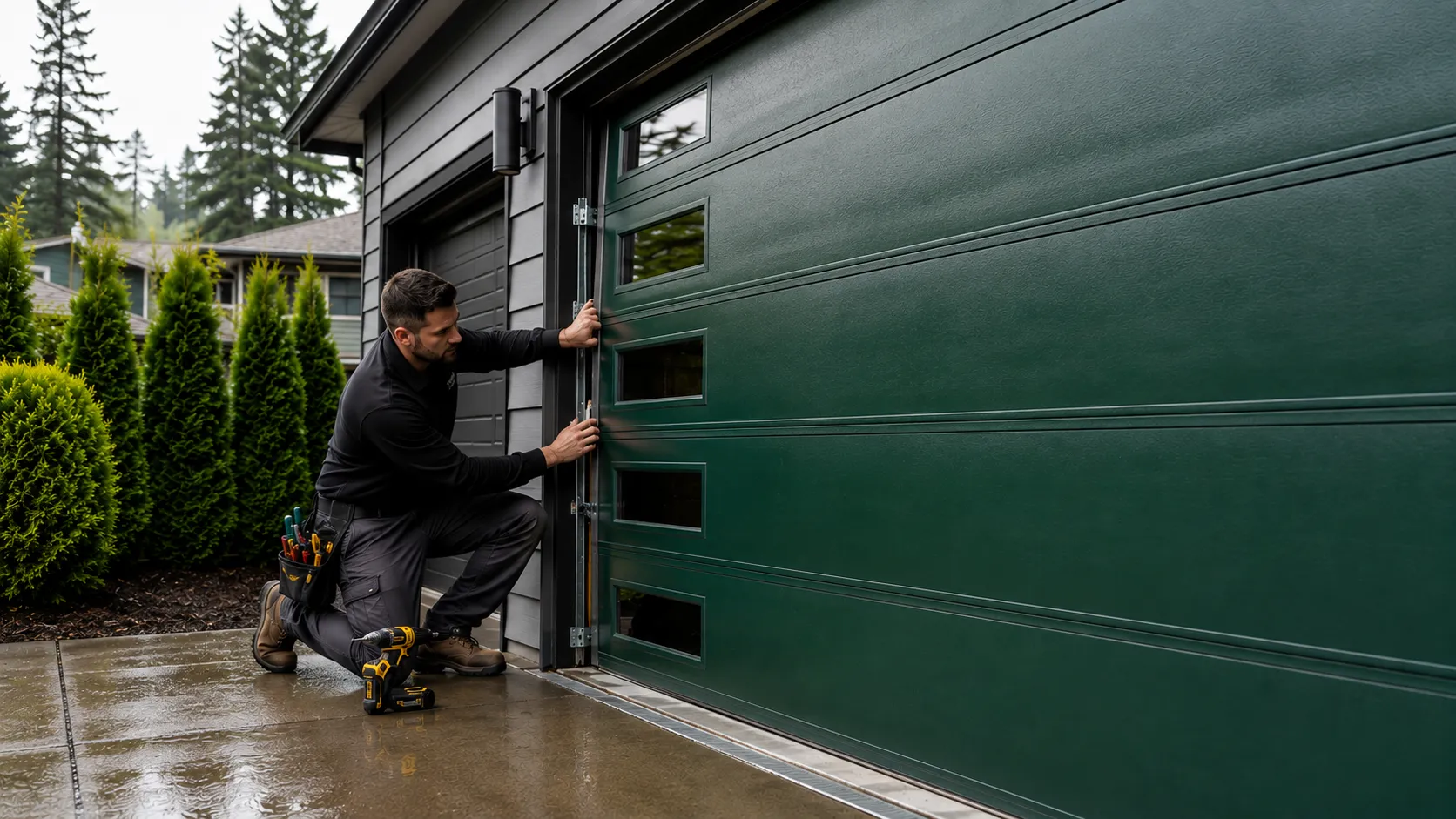
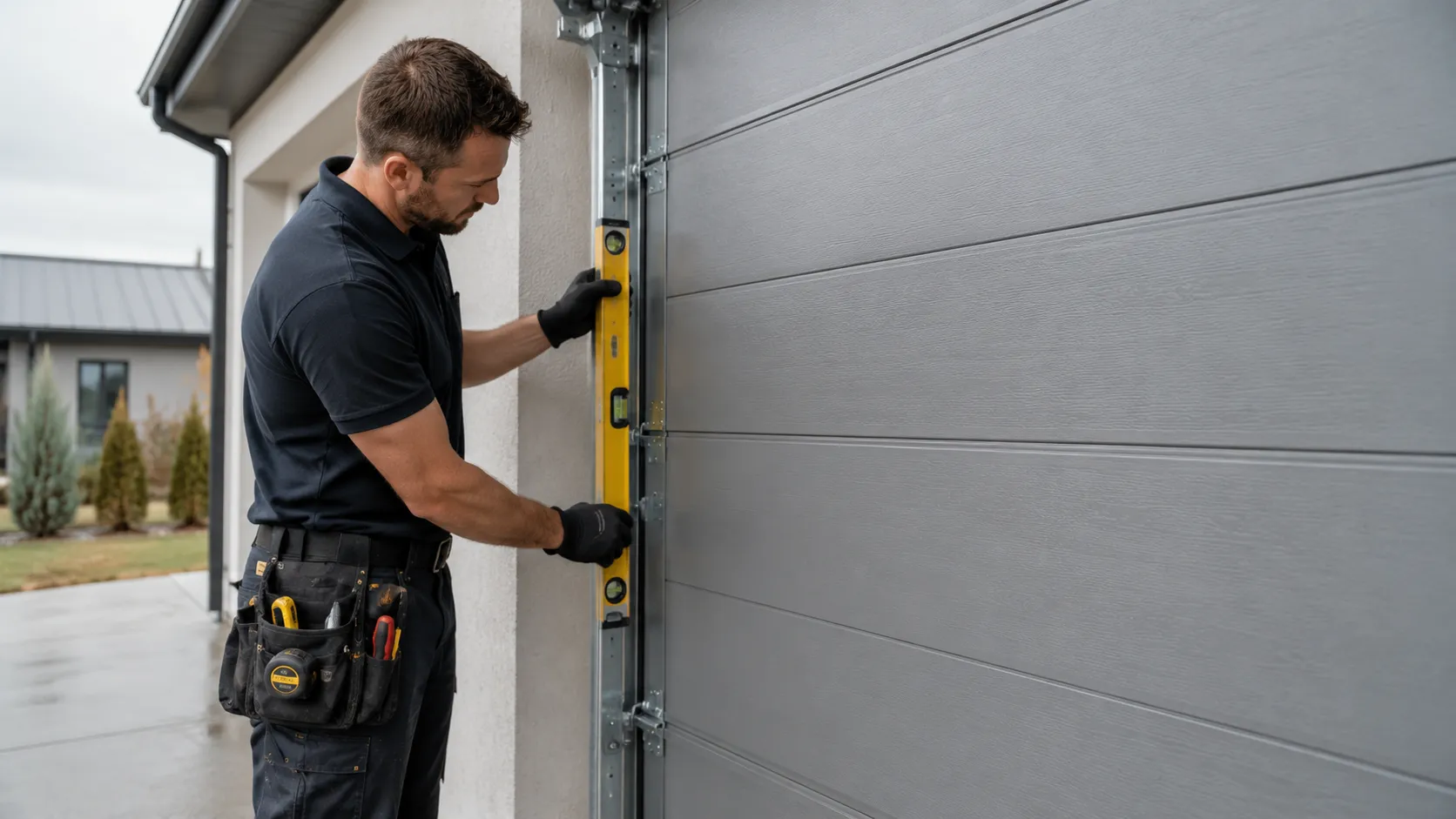
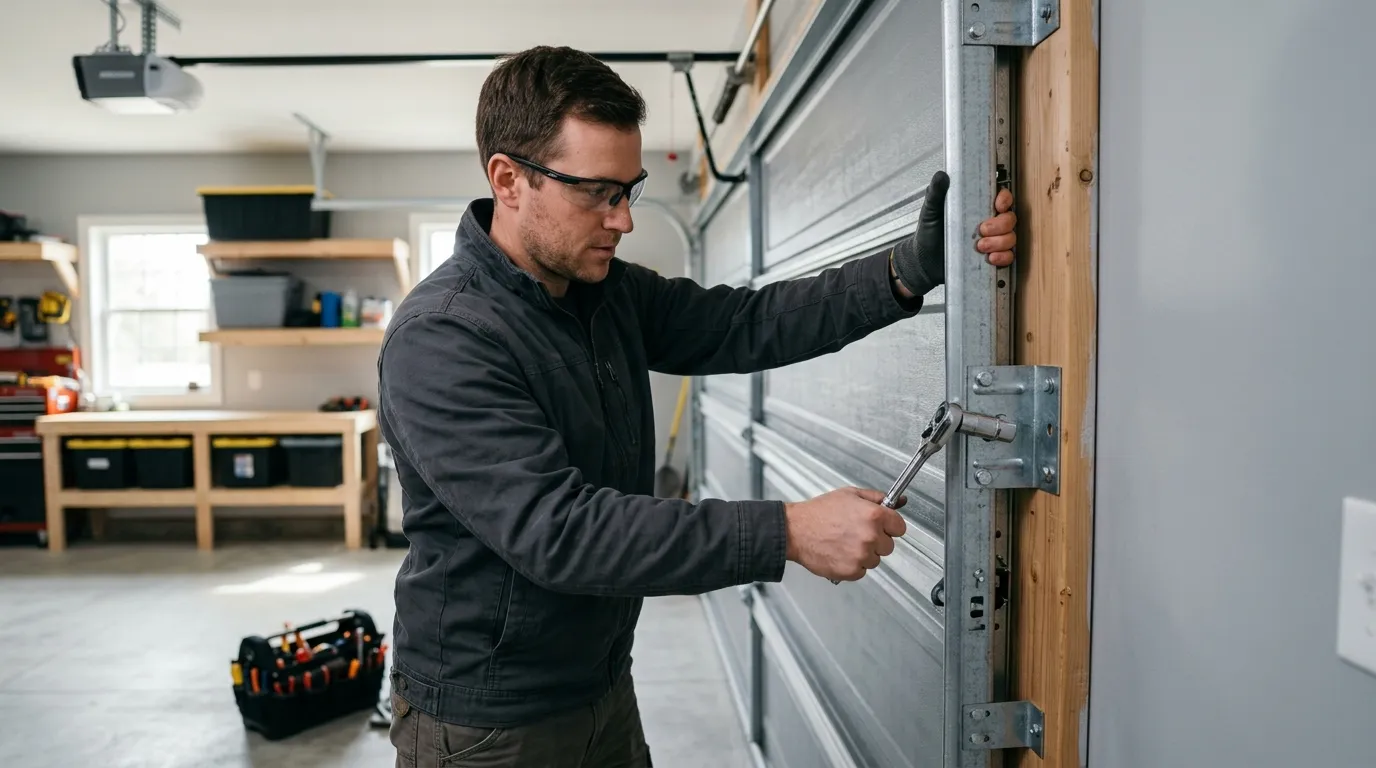
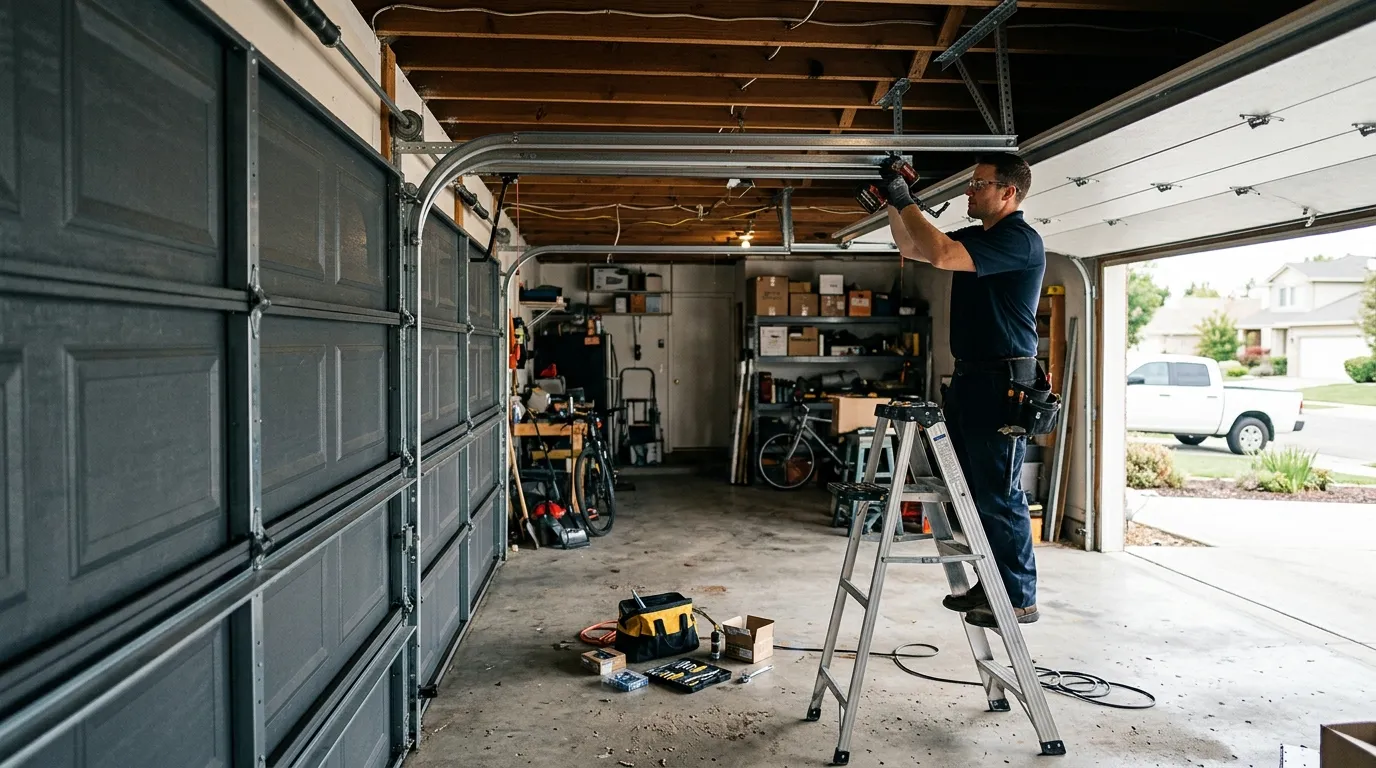
That consistency actually helps a repair call. A spring wound for a door built in 2000 is a known quantity, and the failure patterns are predictable at this age: springs reaching the end of their cycle count, nylon rollers cracking, opener drive gears wearing out. We're not guessing at what's behind the panel because the build year tells us most of it before we get there.
One limitation worth saying plainly: if a door here has already had an off-brand replacement spring or a mismatched opener installed somewhere along the way, all bets on "predictable for the era" are off, and we treat it as its own case.
This Area's Housing
With roughly 324 households in St. Paul and a median build year around 2000, this is a small, tightly clustered pocket of newer construction compared to a lot of what's inside Rockwall's older core. Median household income here runs about $124,500, in line with the wider service area's $124,500 figure, which tends to track with owners who replace an opener or a full door system rather than patch it repeatedly.
Across the broader service area, most of the housing stock was built between 1971 and 2013, with 2002 as the median year and 2000s-era construction dominating across the named communities we cover. St. Paul sits right at that median, which is part of why the doors and hardware here read so consistently from one house to the next. It also means the area hasn't yet hit the wave of full-door replacements that older 1970s and 80s stock elsewhere in the service area is starting to need.
What Neighbours Usually Call About
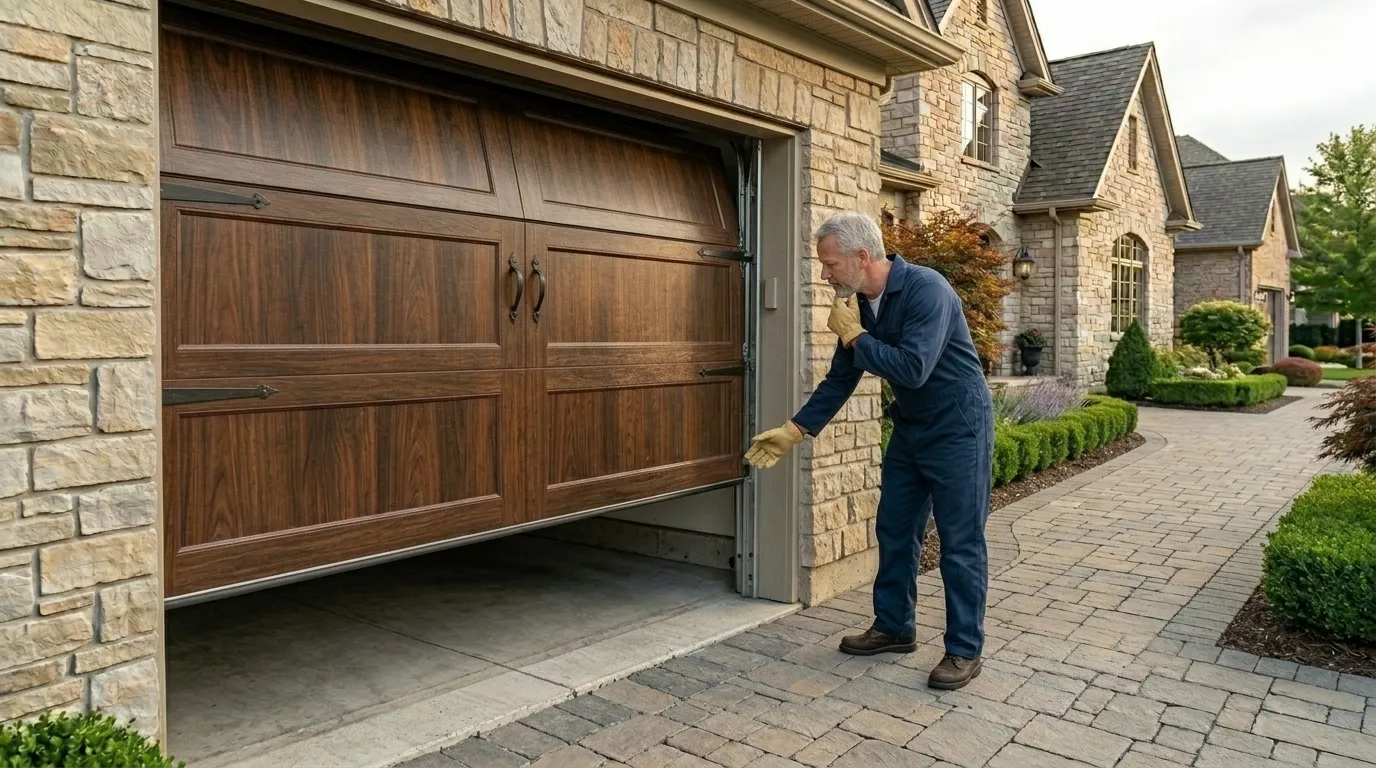
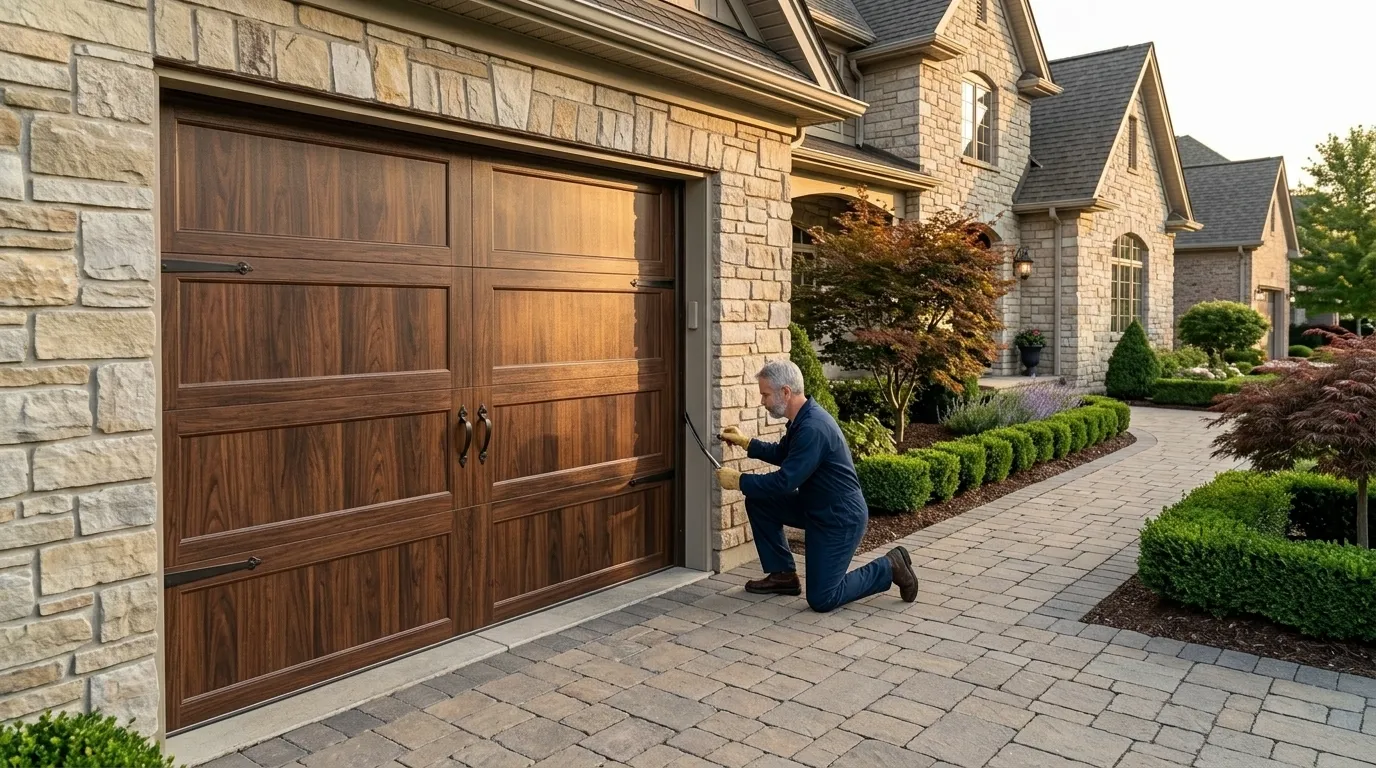
The calls out of St. Paul tend to be springs and openers rather than the frame and track repairs you'd see on much older doors. A torsion spring on a build from around 2000 is now old enough to be past its wound-cycle life on a door used daily, so a spring snapping without warning is the single most common reason we get a call from this area.
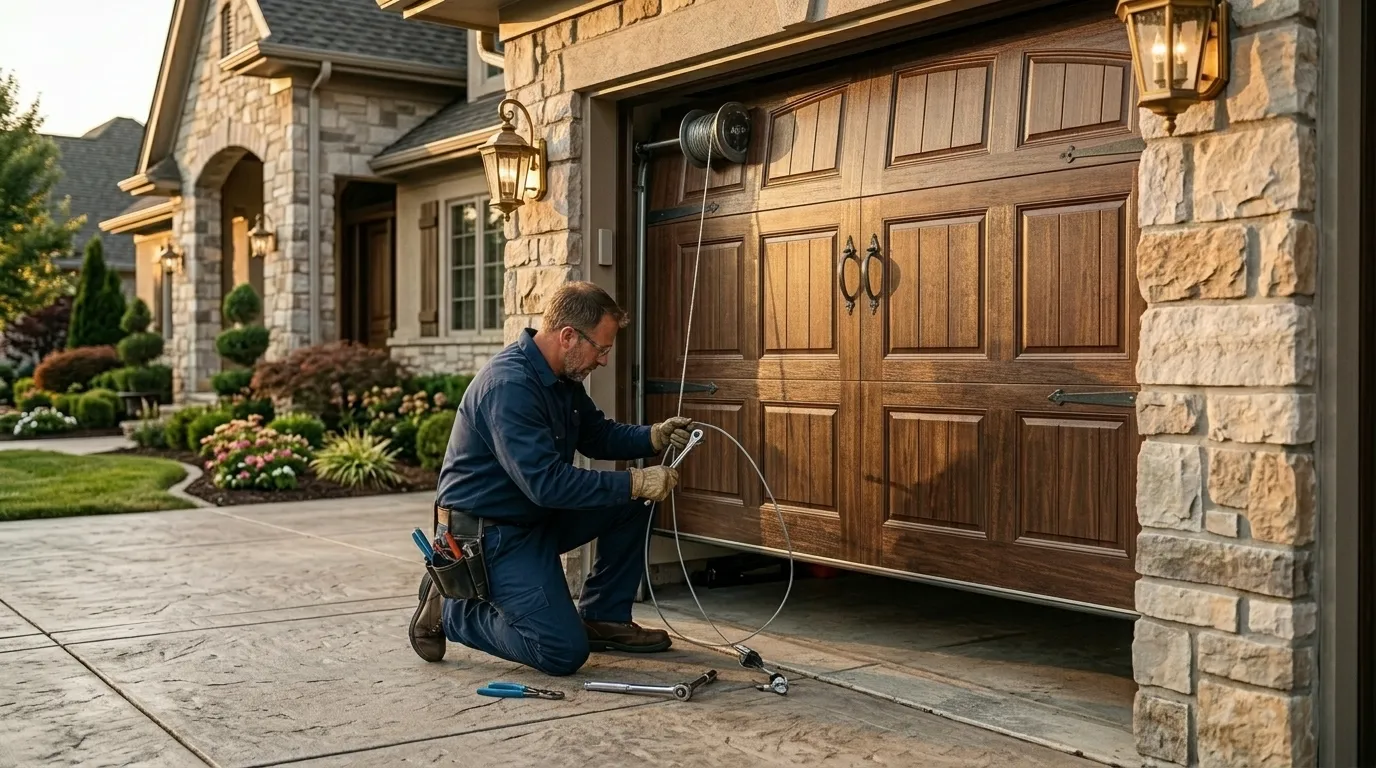
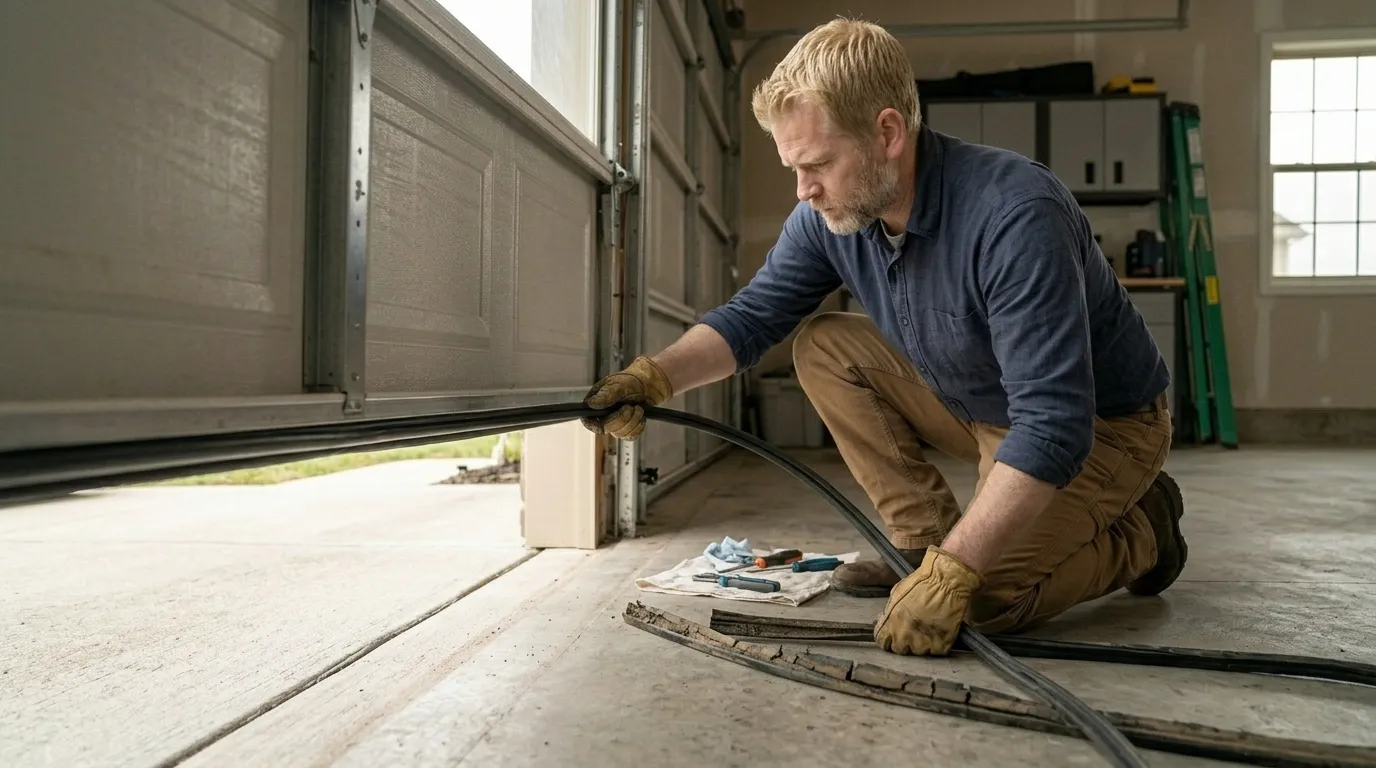
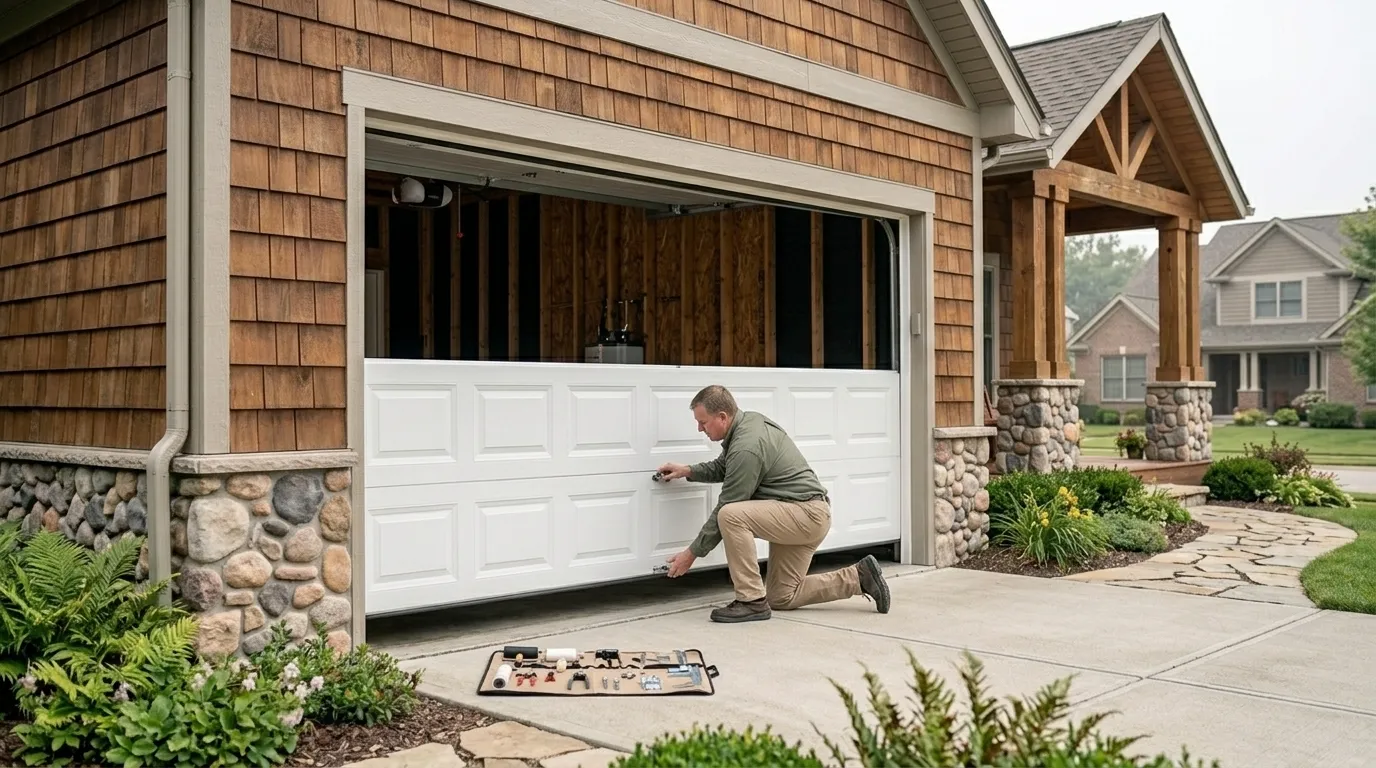
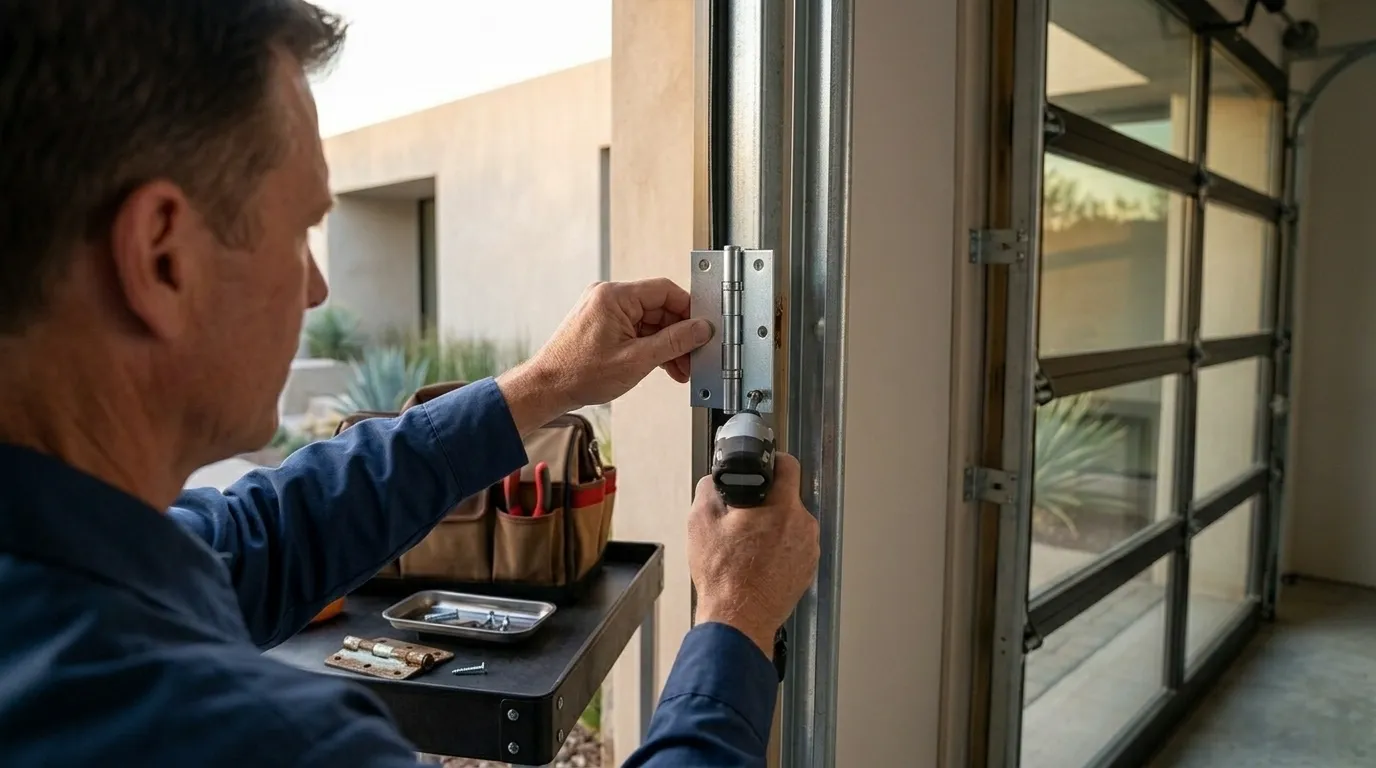
After that, it's openers: chain-drive units from that era grinding down, sensors going out of alignment, and the occasional gear-and-sprocket kit that's cheaper to replace than the whole unit. We also see some cracked rollers and worn cables, which is normal wear for a door pushing two decades of regular use, not a sign anything was built wrong.
The region's mild climate with occasional freezes isn't hard on doors the way real winter cold is, but a cold snap can stiffen grease in an older spring or opener chain enough to make a marginal part finally fail. If your door's been sluggish before a freeze, that's often the tipping point, not a coincidence.