What the Housing Means for Your Door
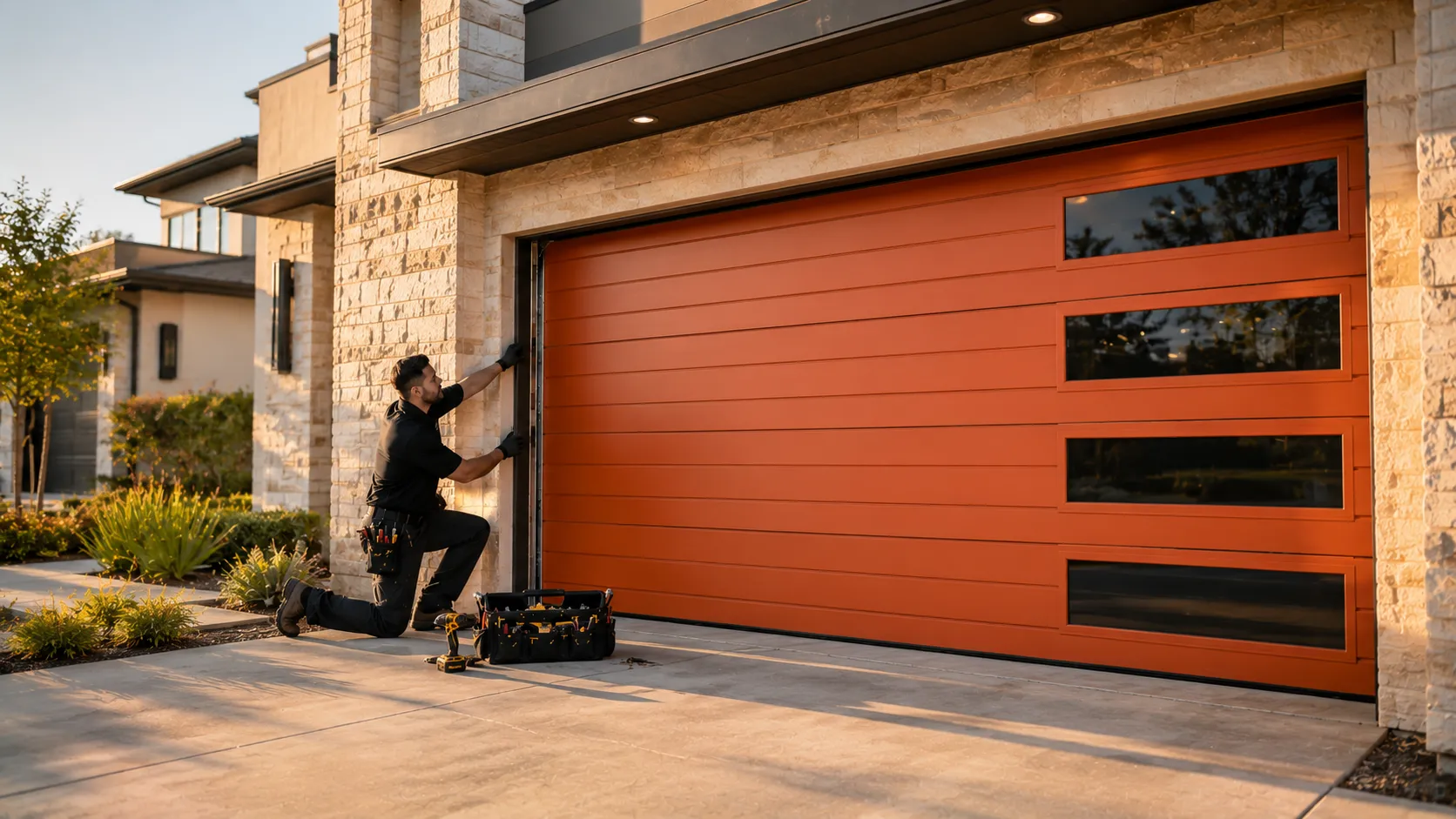
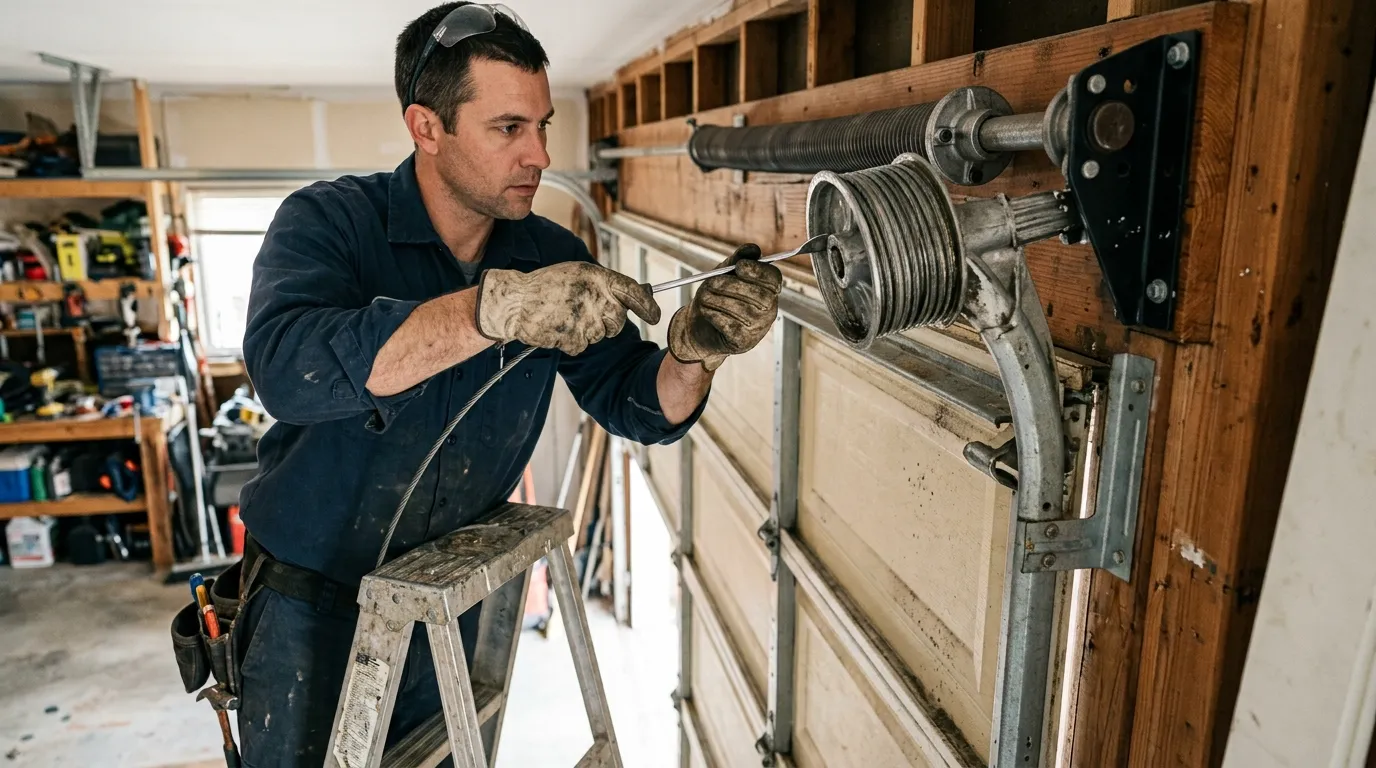
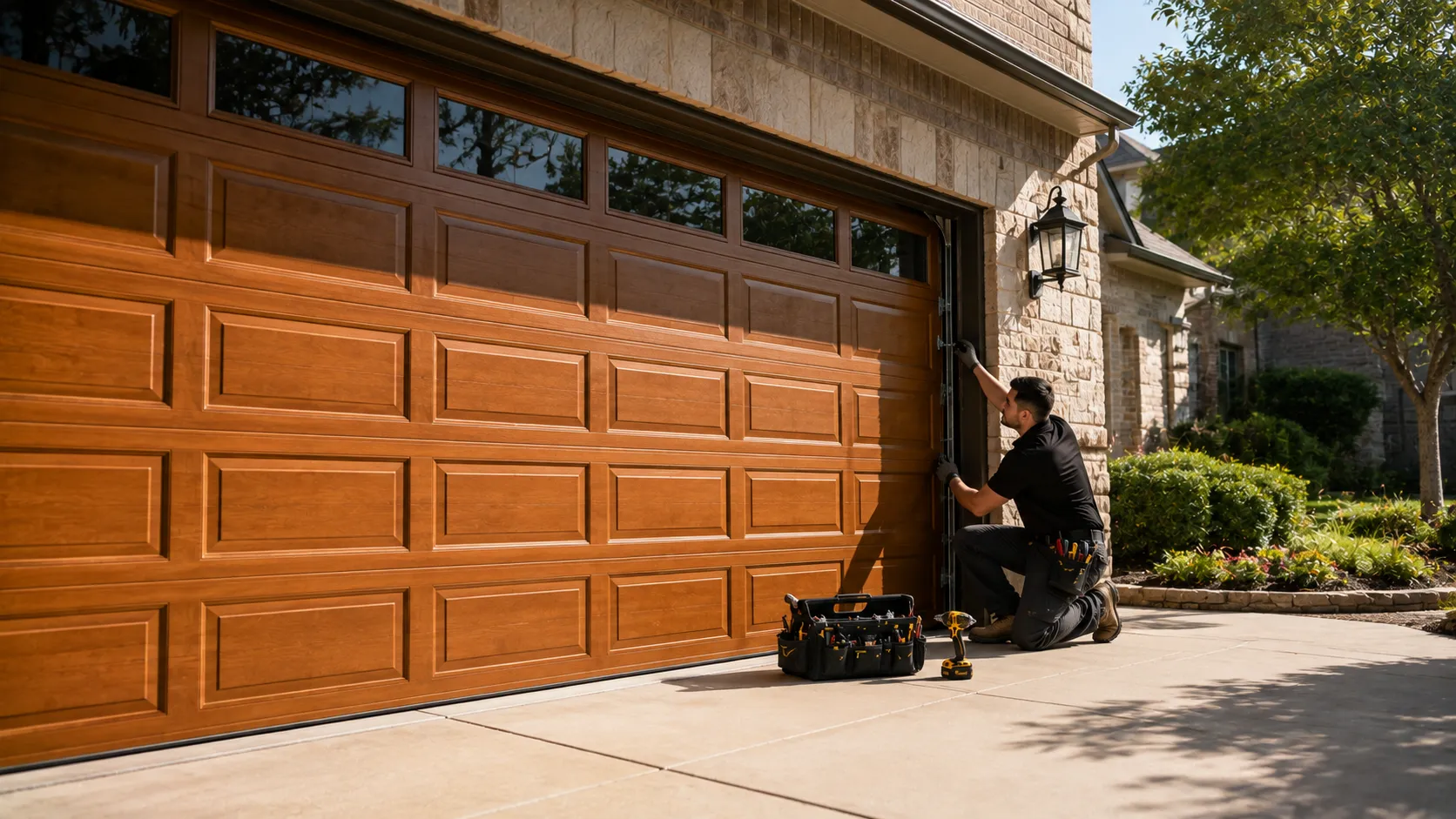
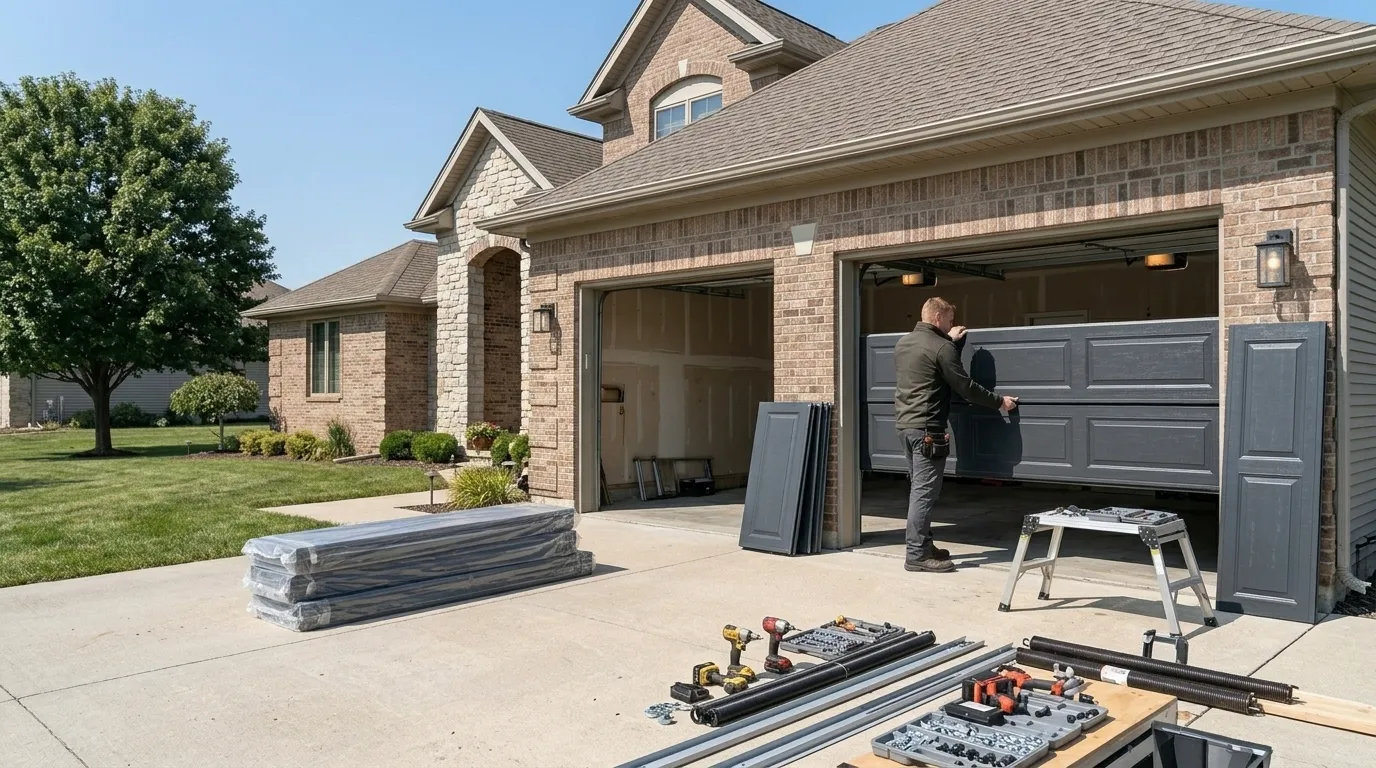
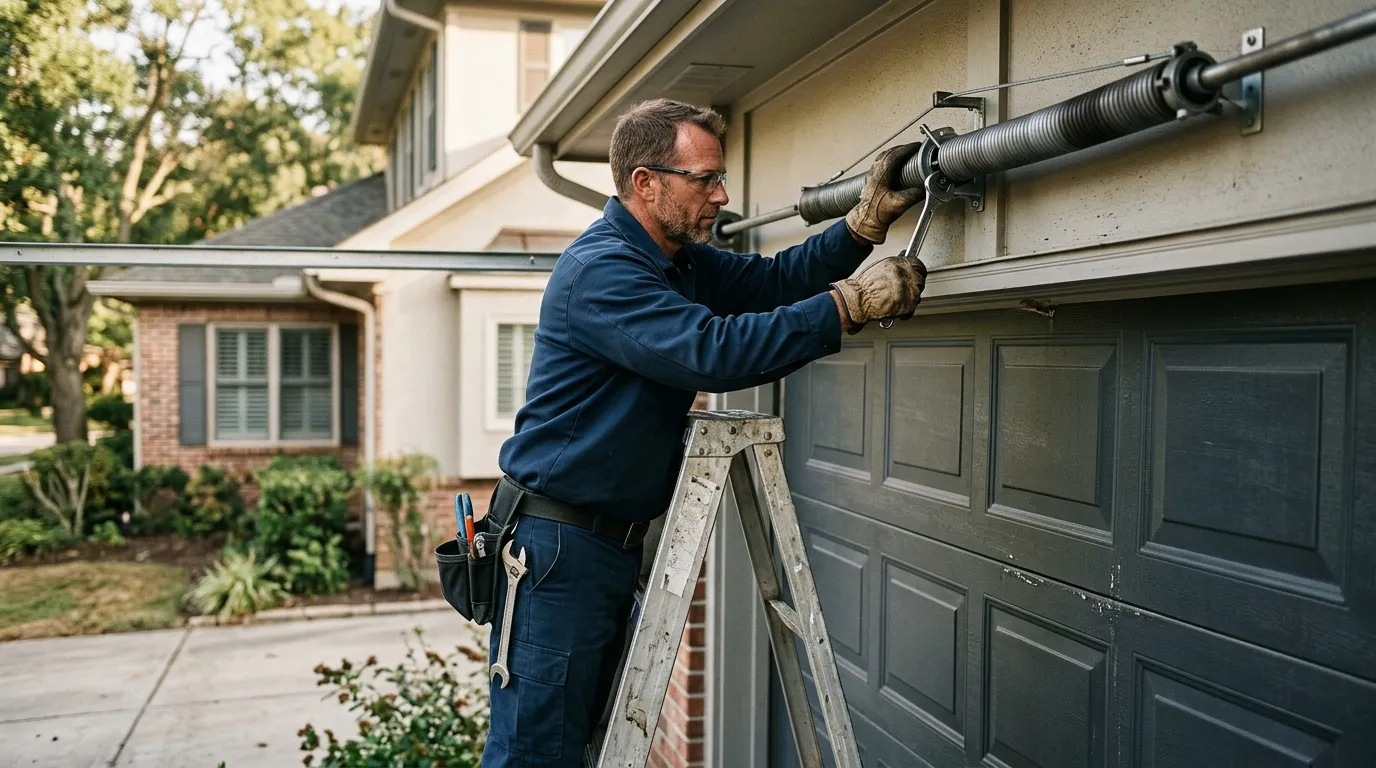
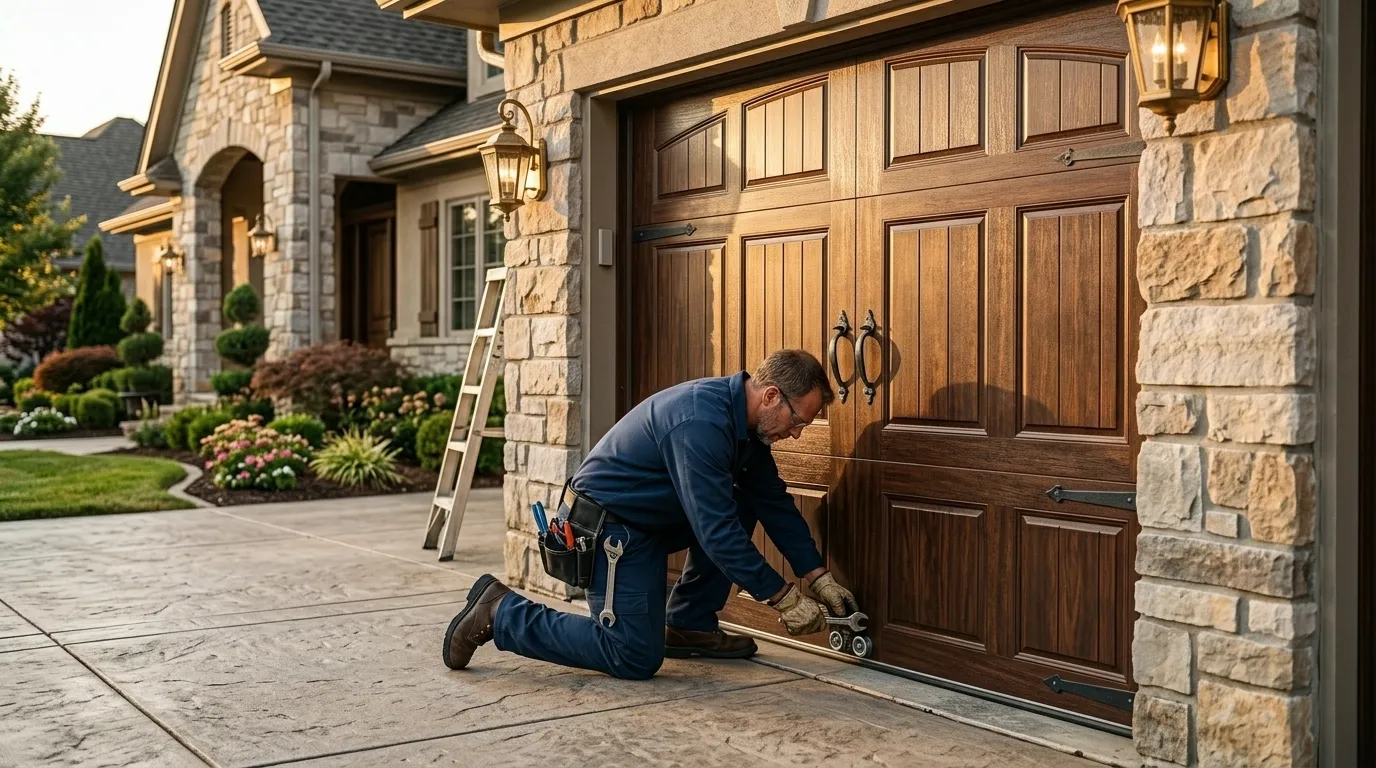
Talty's houses are young compared to a lot of what we see. The median build year here lands around 2004, which puts most garages on steel raised-panel doors with factory torsion springs mounted on a center bracket, not the older side-mount setups you'd find on a 1970s or 80s build. That matters for parts. A 2004-era door usually still has a torsion spring in a size that's easy to match, and the tracks are standard enough that we're not hunting for discontinued hardware.
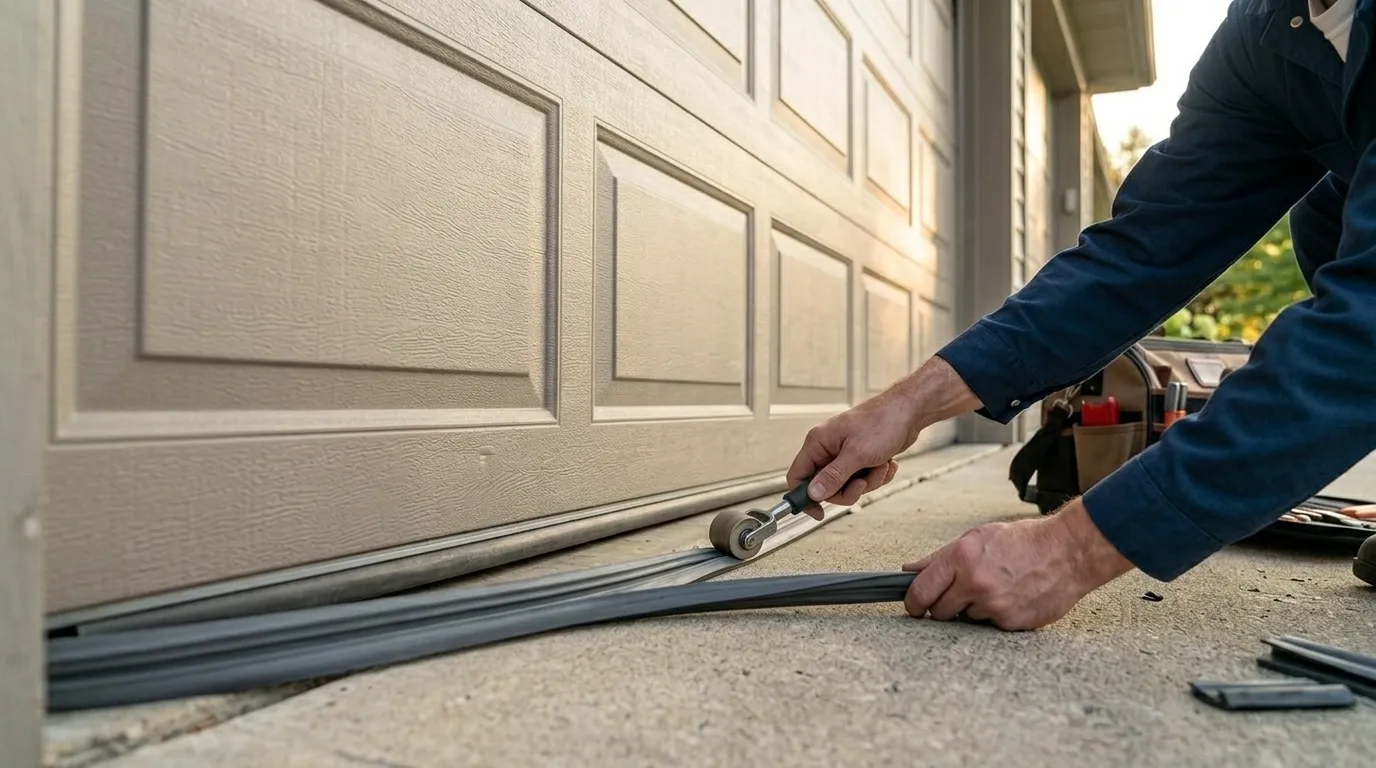
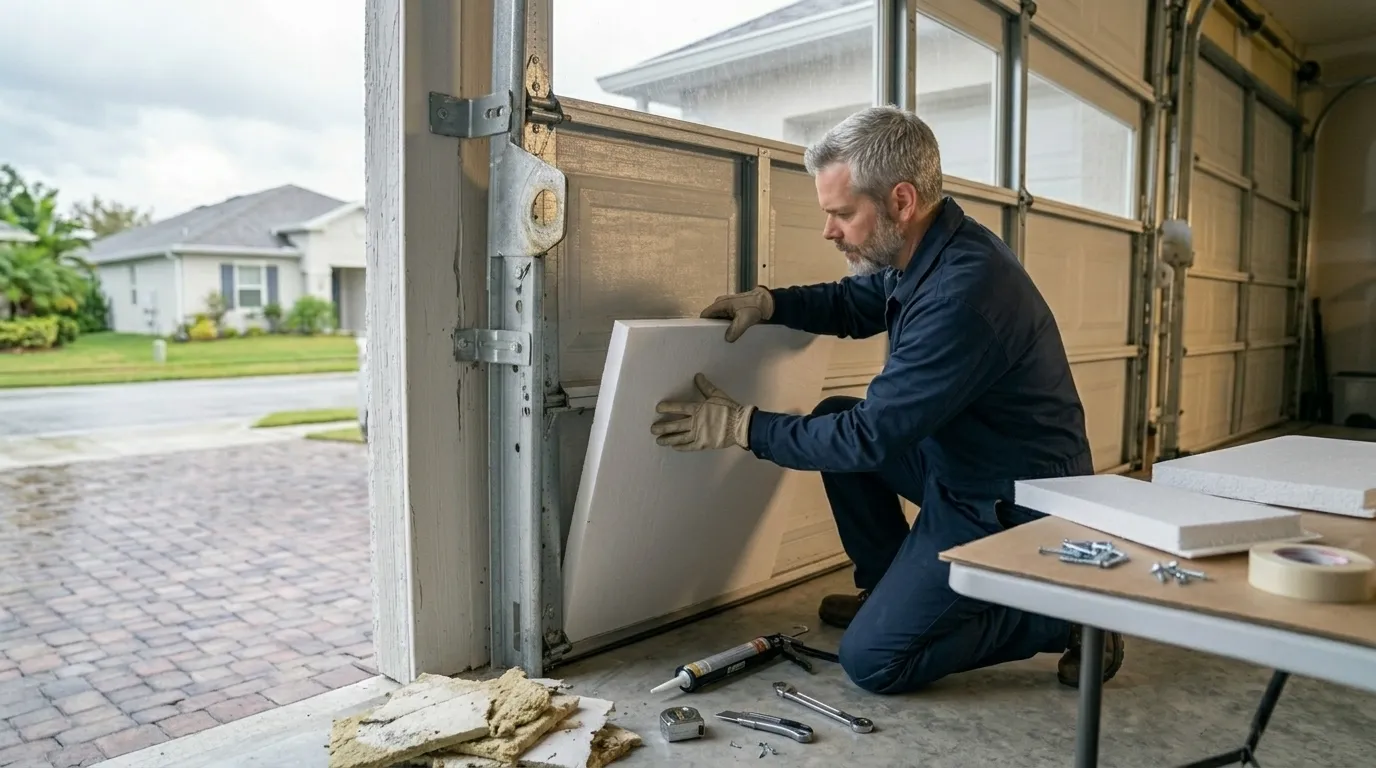
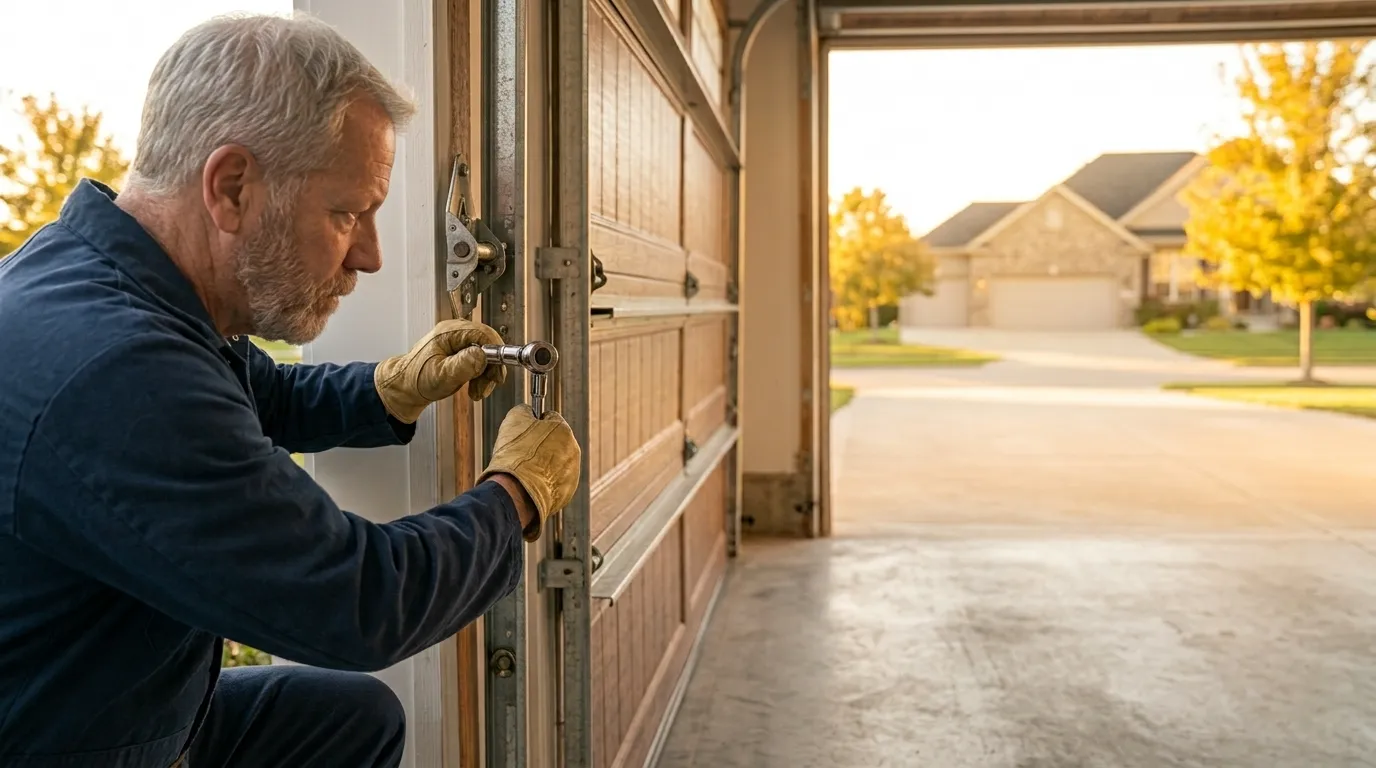
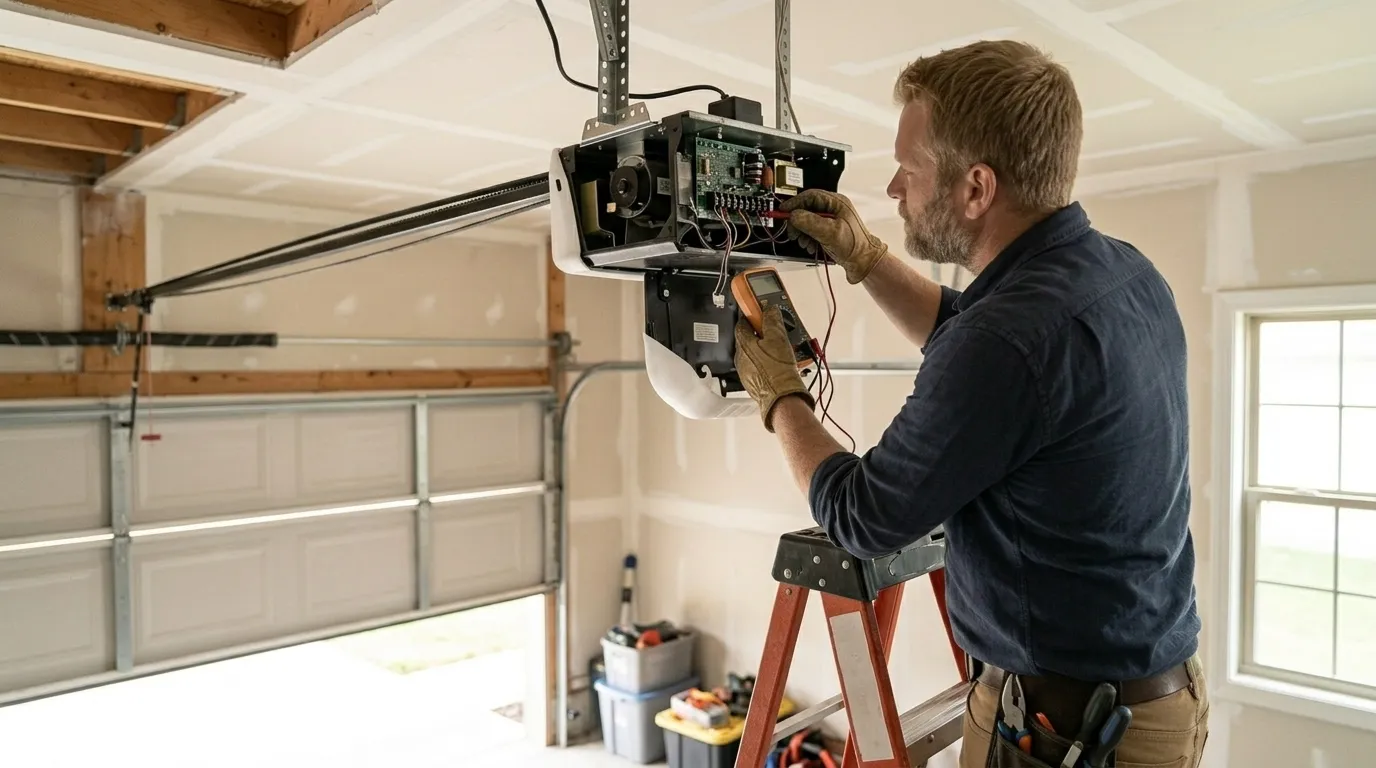
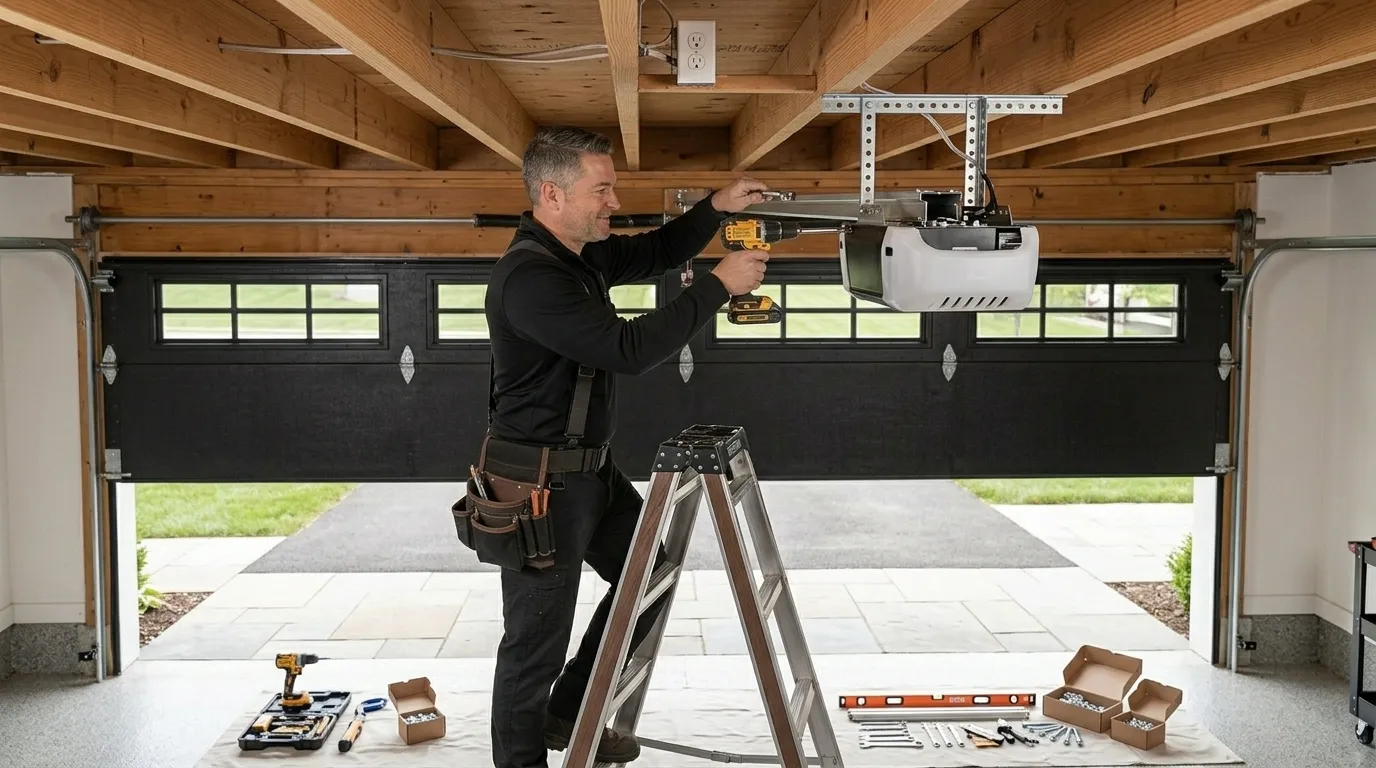
What does go wrong on doors this age is more about wear than obsolescence: rollers that have logged twenty years of cycles, openers original to the house starting to slip on the logic board, and weatherstripping that's cracked from sun and cold snaps. If your garage still has the opener the builder installed, it's likely near the end of its service life even if the door itself is fine. We'd rather tell you that up front than sell you a new door when the fix is a $30 part and an opener swap.
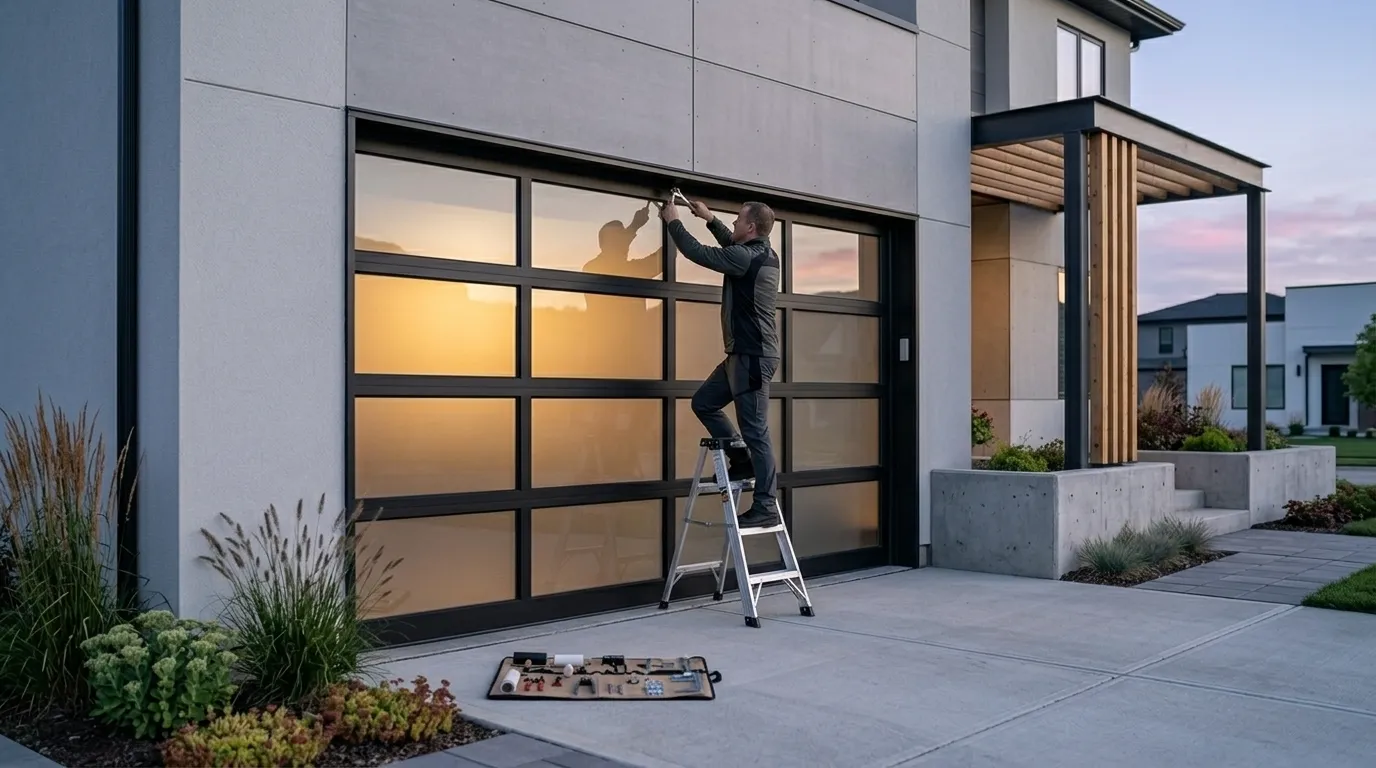
One honest limitation: if a spring size is unusual or a panel was custom-ordered, we may need to order the part rather than carry it on the truck, which adds a day or two.
This Area's Housing
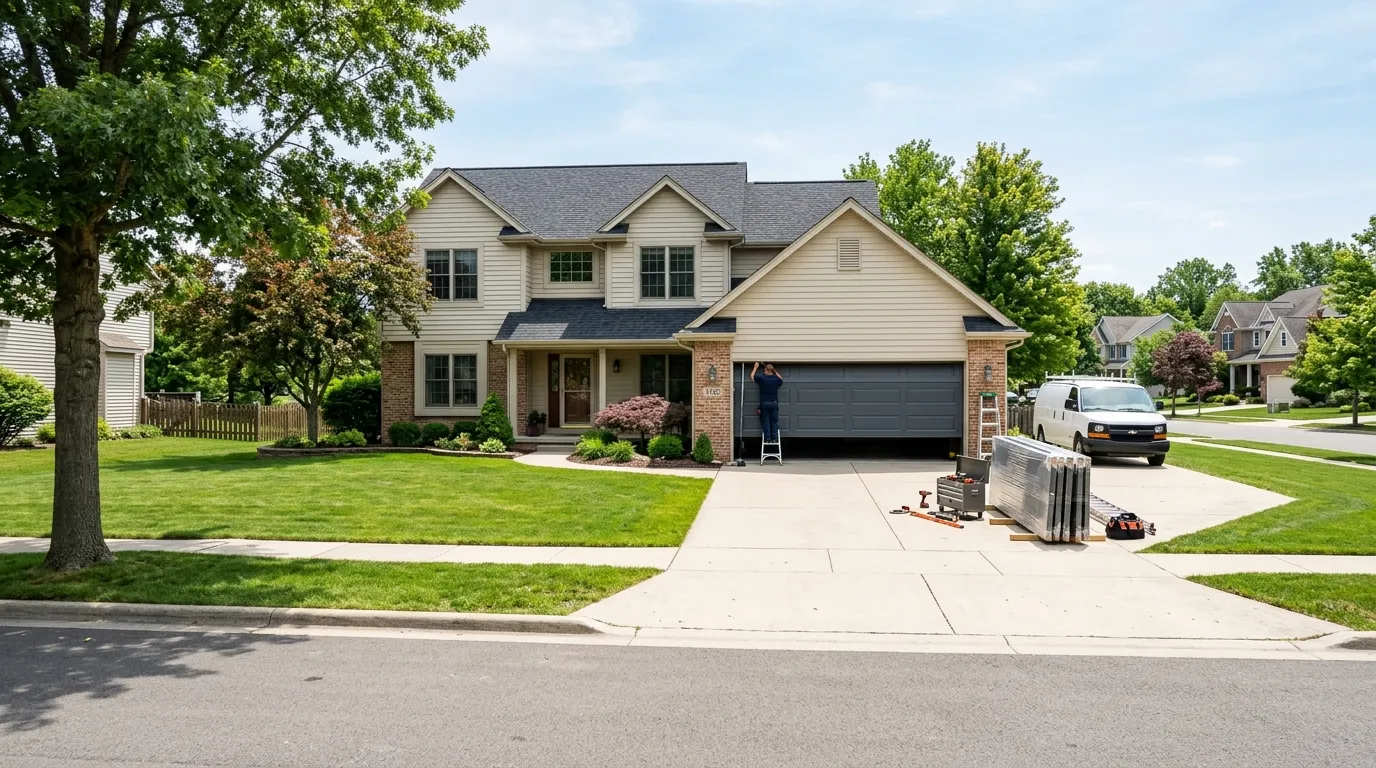
Talty has roughly 859 households, and the housing stock skews newer than a lot of the wider service area - median build year around 2004, versus a broader region that ranges from 1971 up through 2013. That newer stock generally means fewer of the oddball hardware problems that show up on older doors: no obsolete drum styles, no wood jambs rotted out from decades of Texas humidity swings.
Median household income here runs around $136,917, higher than the regional median of $124,500, and that tends to show up in the doors themselves - more insulated steel and composite panels, more openers with battery backup and smart features rather than a bare chain-drive unit. When something does fail on a door like this, it's often the electronics or a sensor going bad rather than the door itself sagging or warping.
What Neighbours Usually Call About
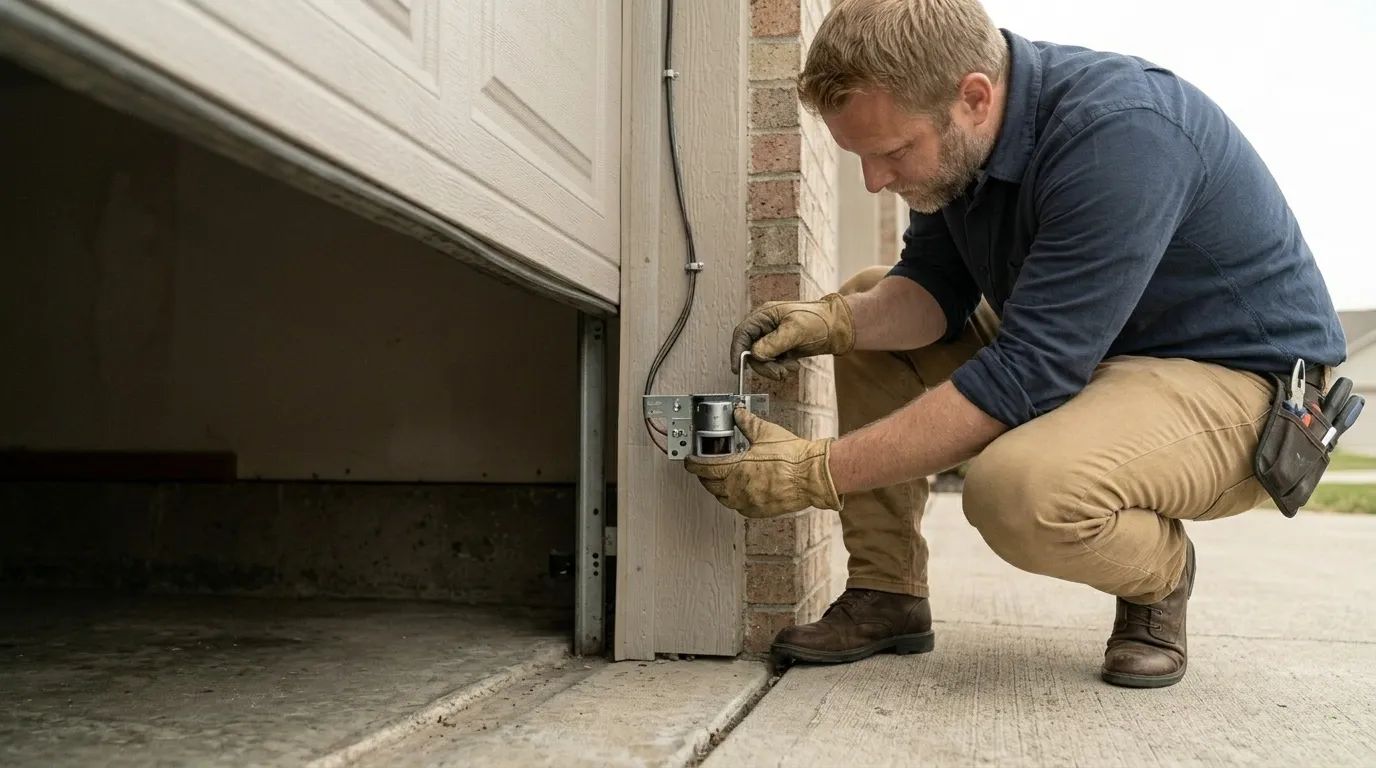
On doors from the early-to-mid 2000s, the calls we get tend to cluster around a few things. Torsion springs that have hit their cycle count and snap without much warning - usually loud, usually in the morning when it's cold. Openers that are original to the house and finally quitting, especially the older chain-drive units that came standard on builder-grade installs back then. And photo-eye sensors that get knocked out of alignment or fogged up, which shows up as a door that won't close all the way.
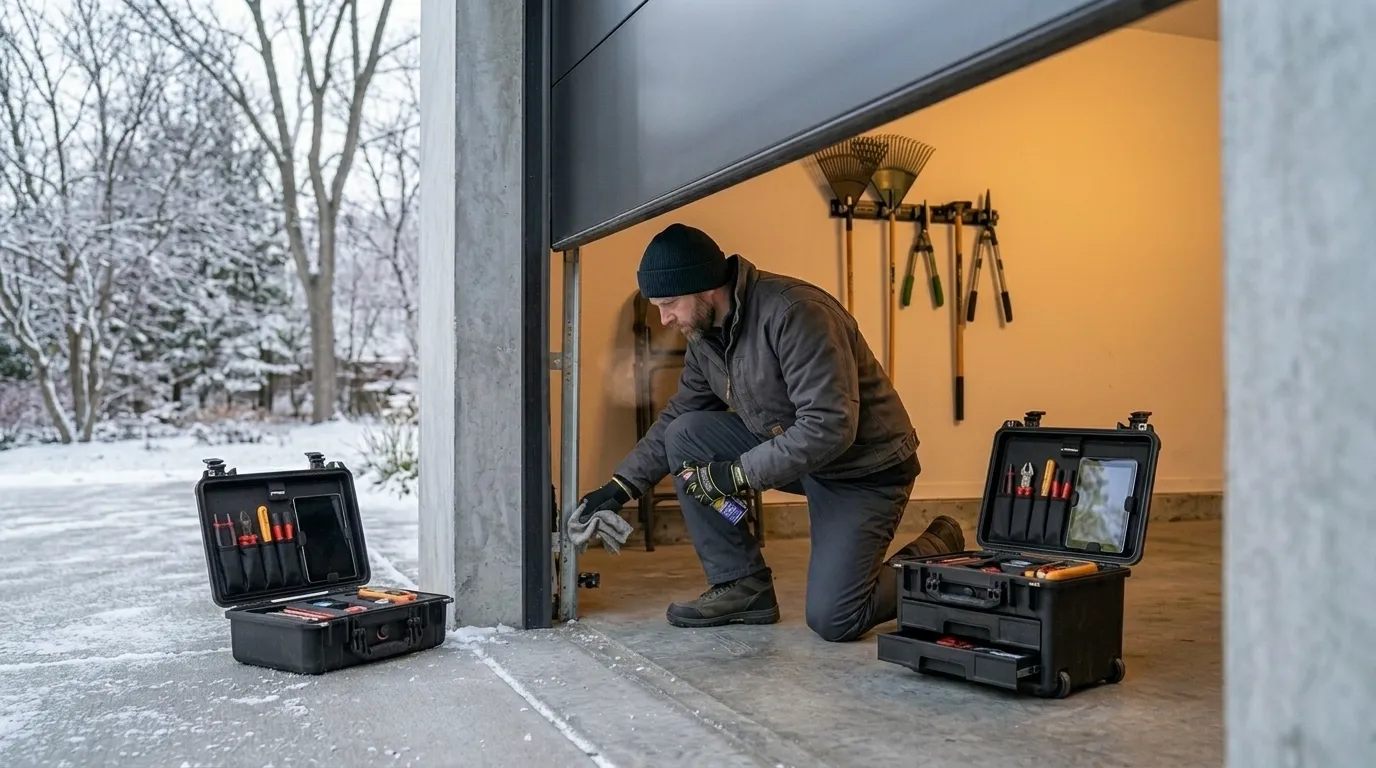
The climate here is mild with occasional freezes, not the kind of extreme swing that cracks concrete or warps wood doors outright, but a cold snap can still tighten up an aging spring enough to snap it. We don't see much storm damage on doors this age group - it's wear, not weather, driving most of these calls.