What the Housing Means for Your Door
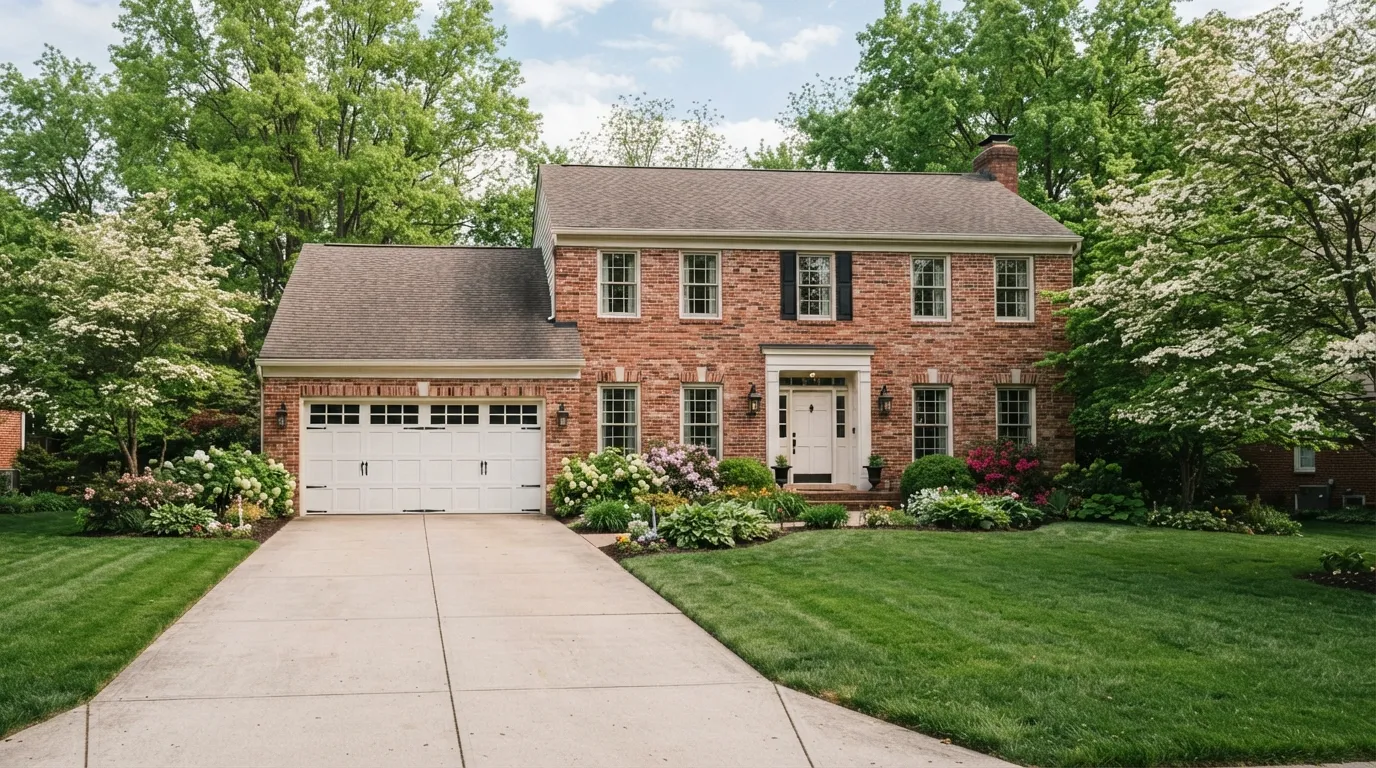
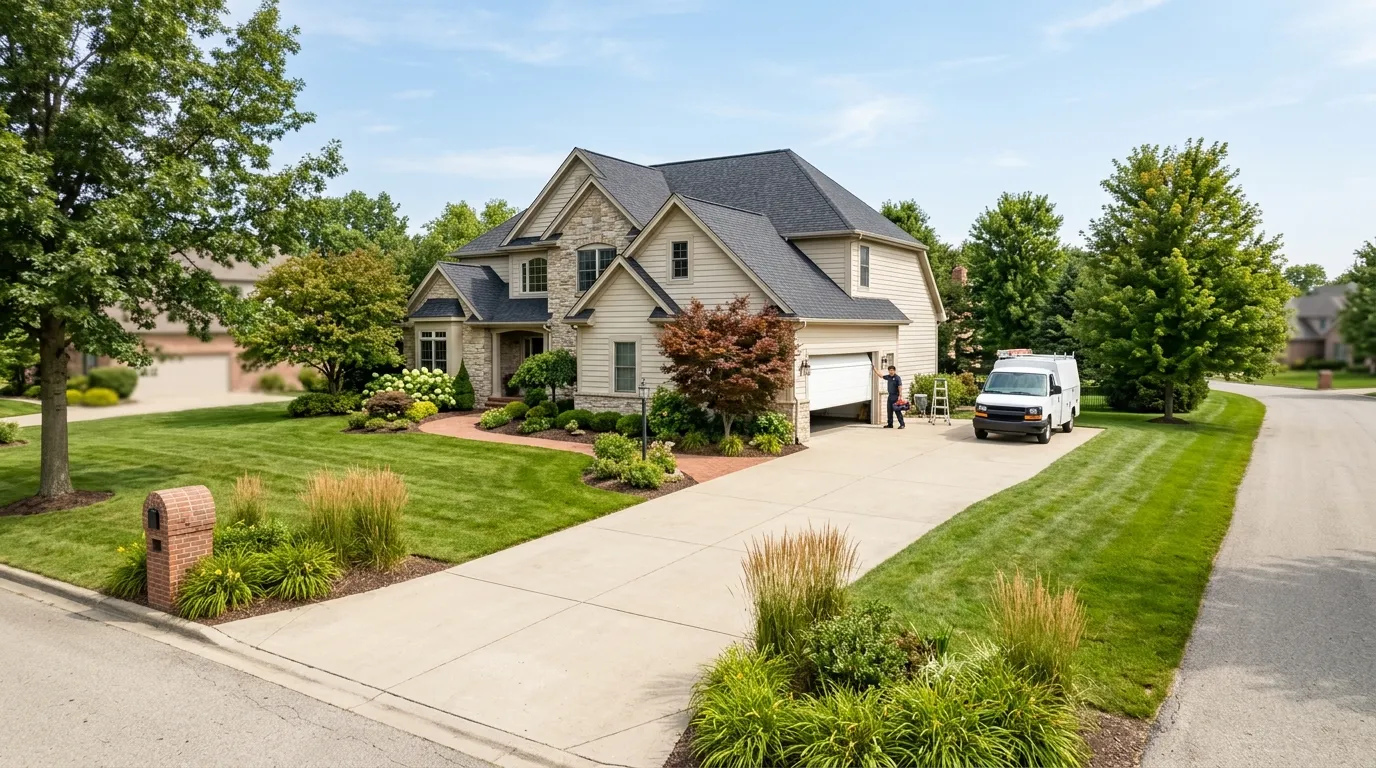
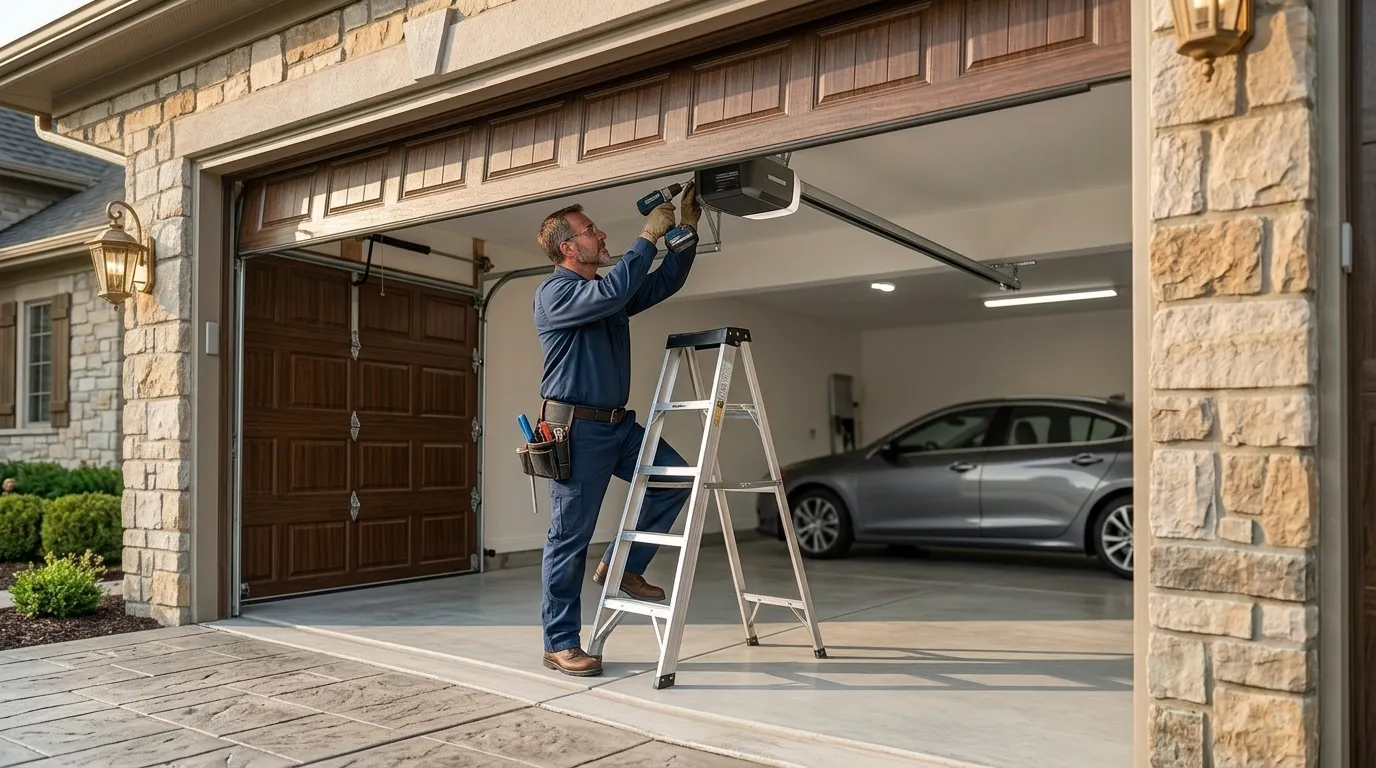
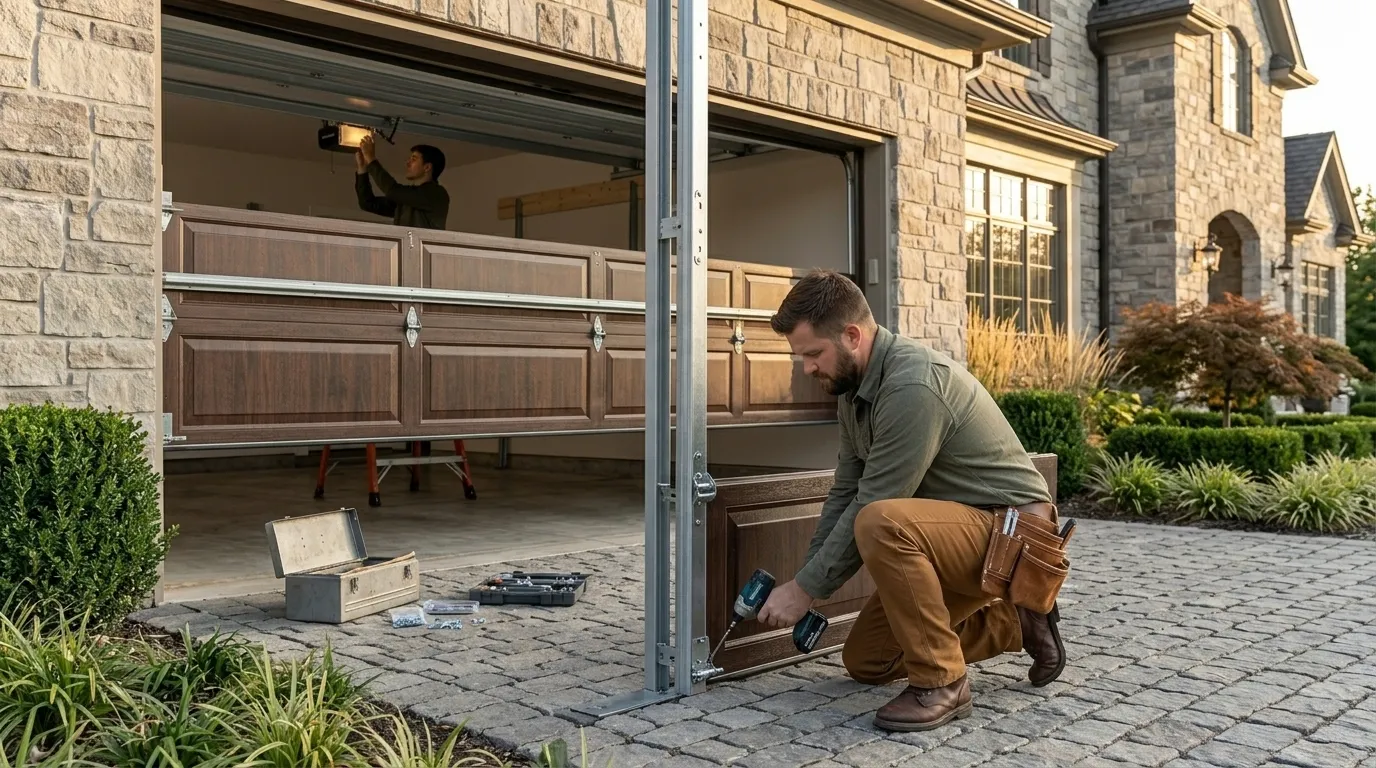
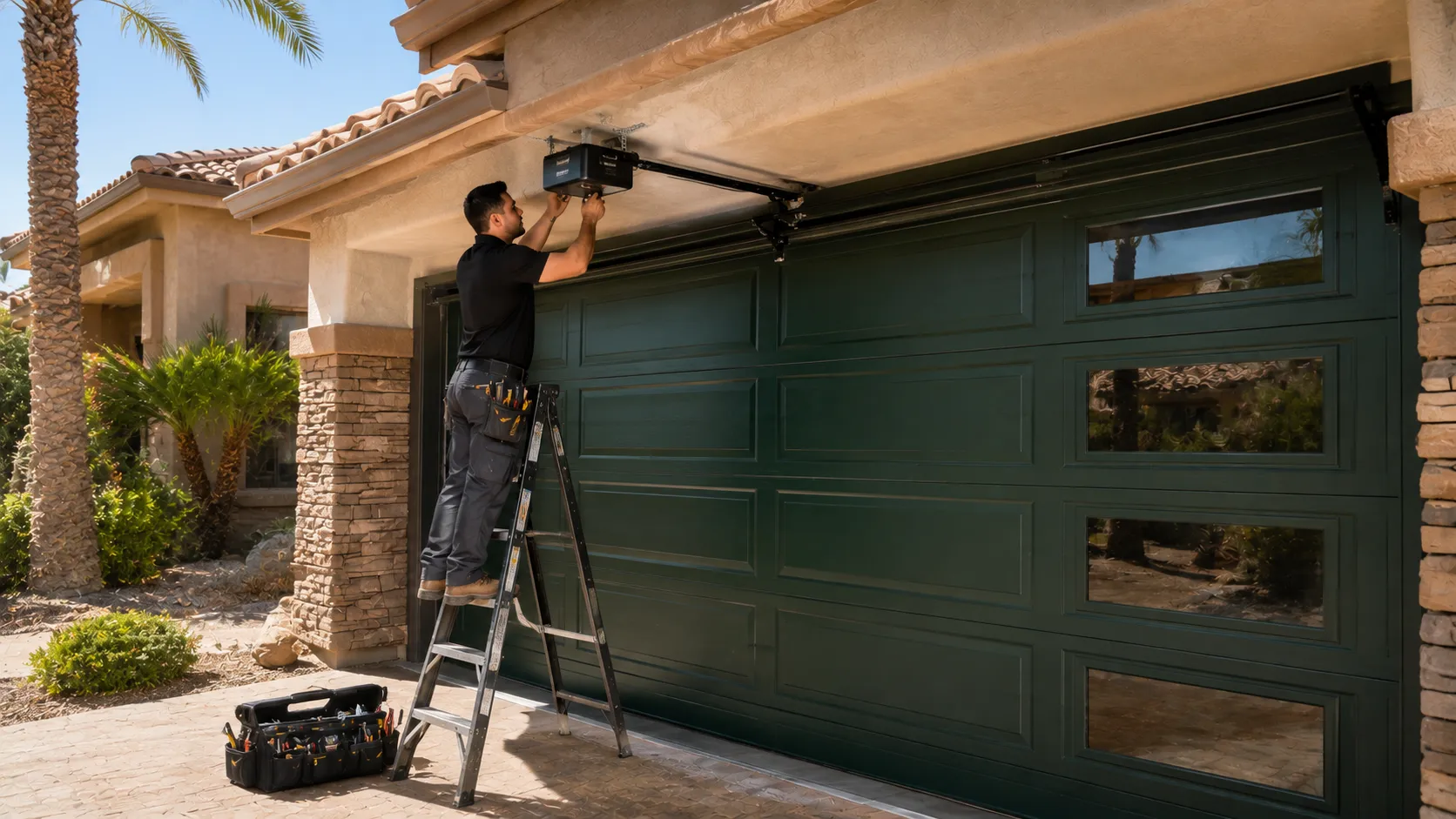
Union Valley's houses mostly went up right around 2000, a touch earlier than the 2002 median for the wider service area we cover out of Rockwall. That difference matters more than it sounds. Openers and torsion springs installed in 2000 are now old enough that they're past the point where a simple part swap fixes things - circuit boards from that era are harder to source, and the gear sets in belt and chain drives from those years are the ones we see stripped teeth on most often. If your opener still has the original logic board, it's roughly 24-25 years old, which is well past the design life for most residential units. Springs cycle out around 10,000 open-and-close cycles regardless of age, so a spring from a 2000 build has almost certainly been replaced at least once already, sometimes with a mismatched size that throws the balance off. We bring a range of torsion springs and drive parts on the truck because we know what we're likely to find before we get there - that's the advantage of a build era being this consistent across a small area.
This Area's Housing
There are 209 households in Union Valley, a small piece of the roughly 51,055 households spread across our whole service territory. Median household income here runs $74,792, noticeably below the $124,500 figure for the service area overall. That gap shows up in the calls we get: more requests for a repair that gets a few more years out of an aging door, fewer requests for a full replacement on a whim. We're not going to push a new door on you if the torsion spring and a bent roller are the actual problem. The climate here is mild with occasional freezes, which is easy on steel panels and hardware compared to true freeze-thaw regions, but it still means galvanized springs and rollers hold up longer than bare steel ones on doors this age, so if we're replacing parts, that's what goes on the truck.
What Neighbours Usually Call About
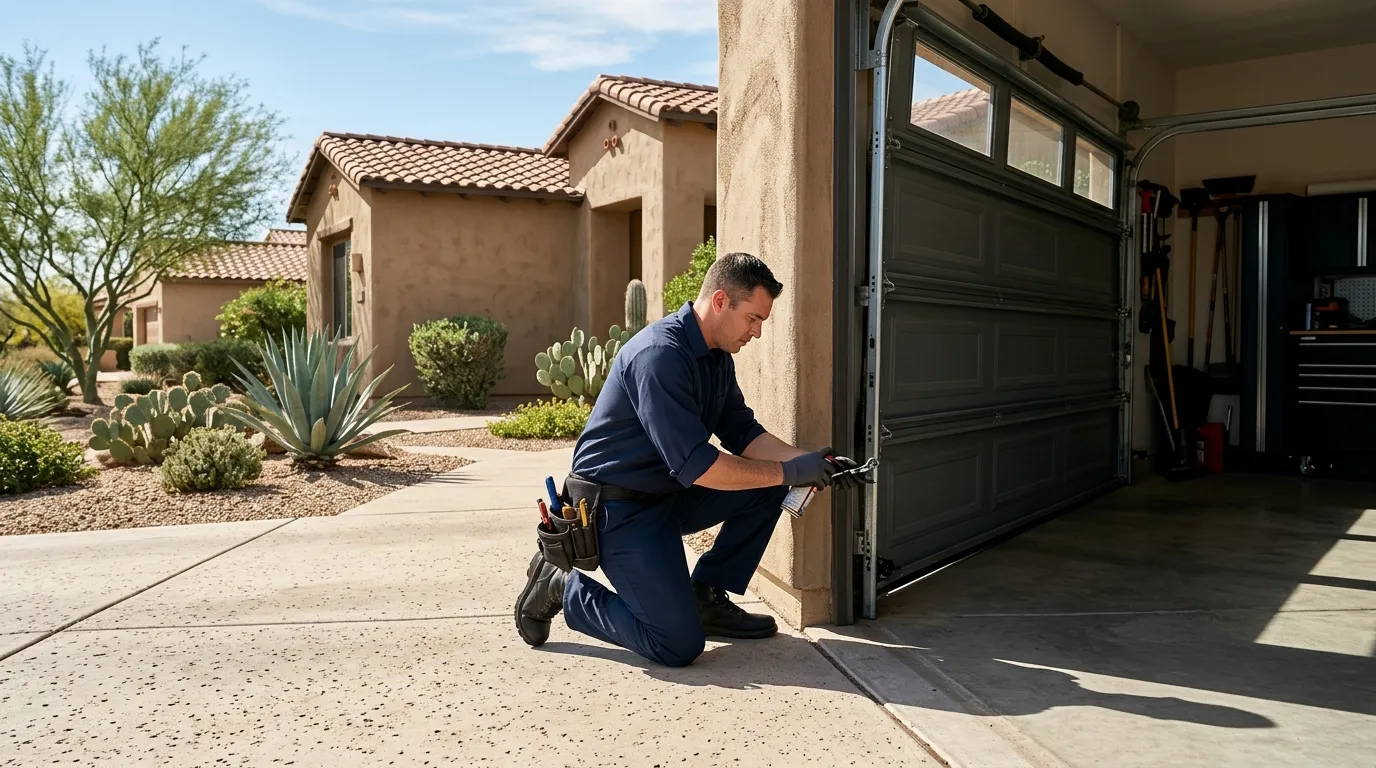
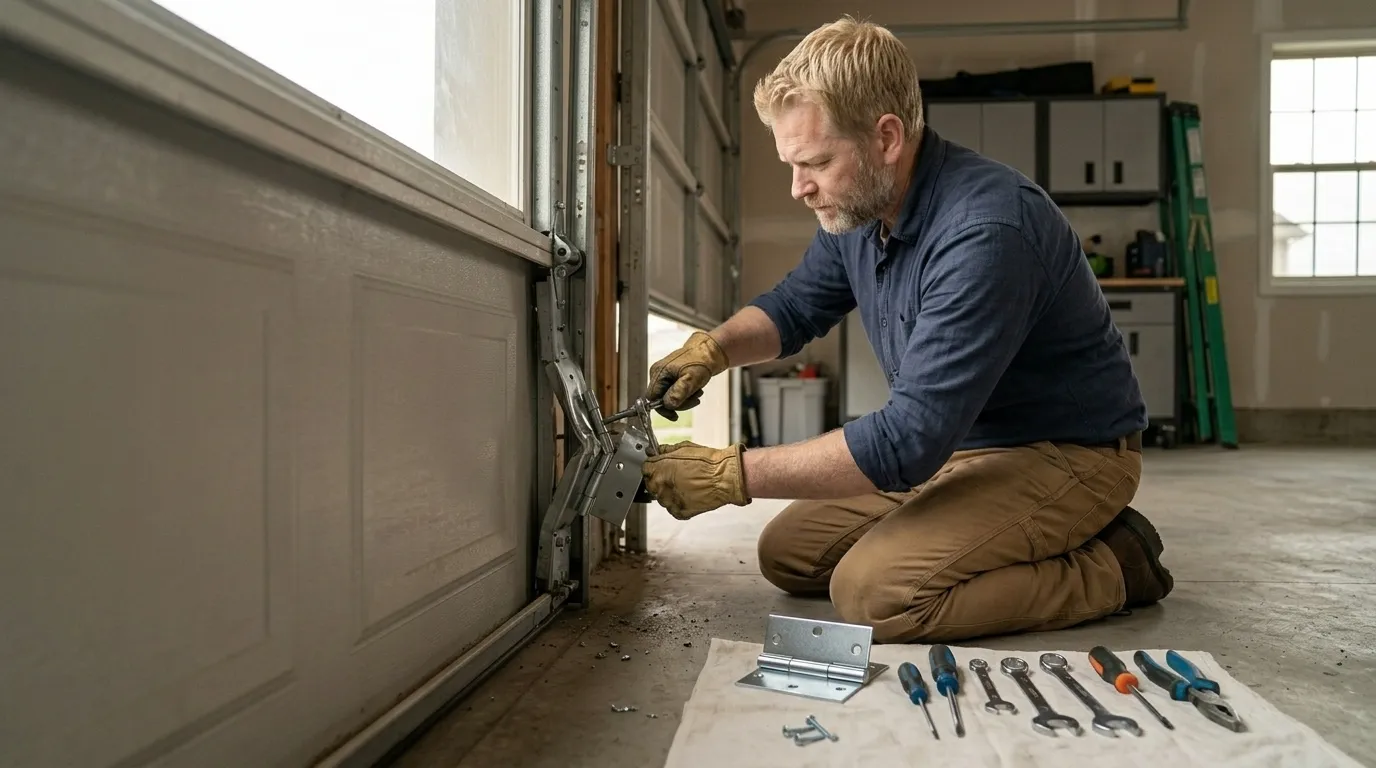
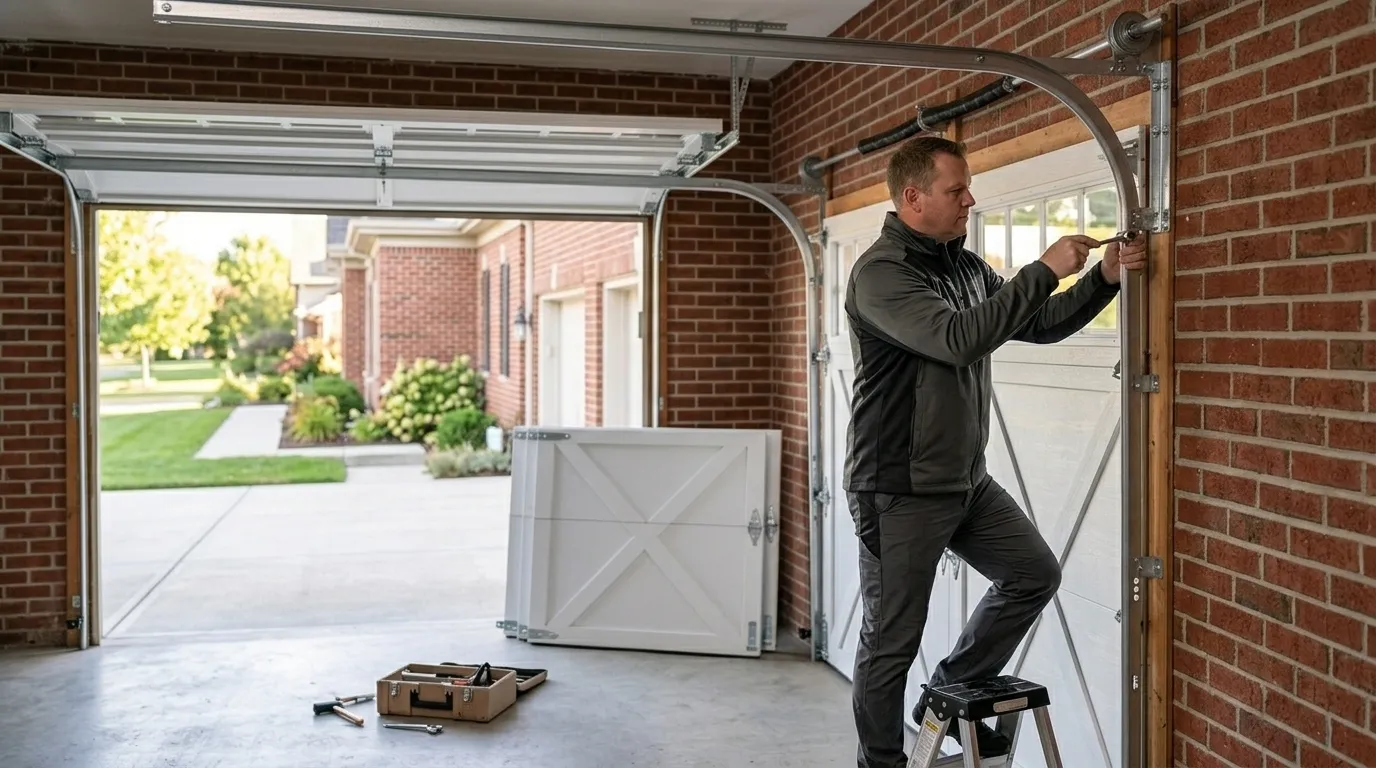
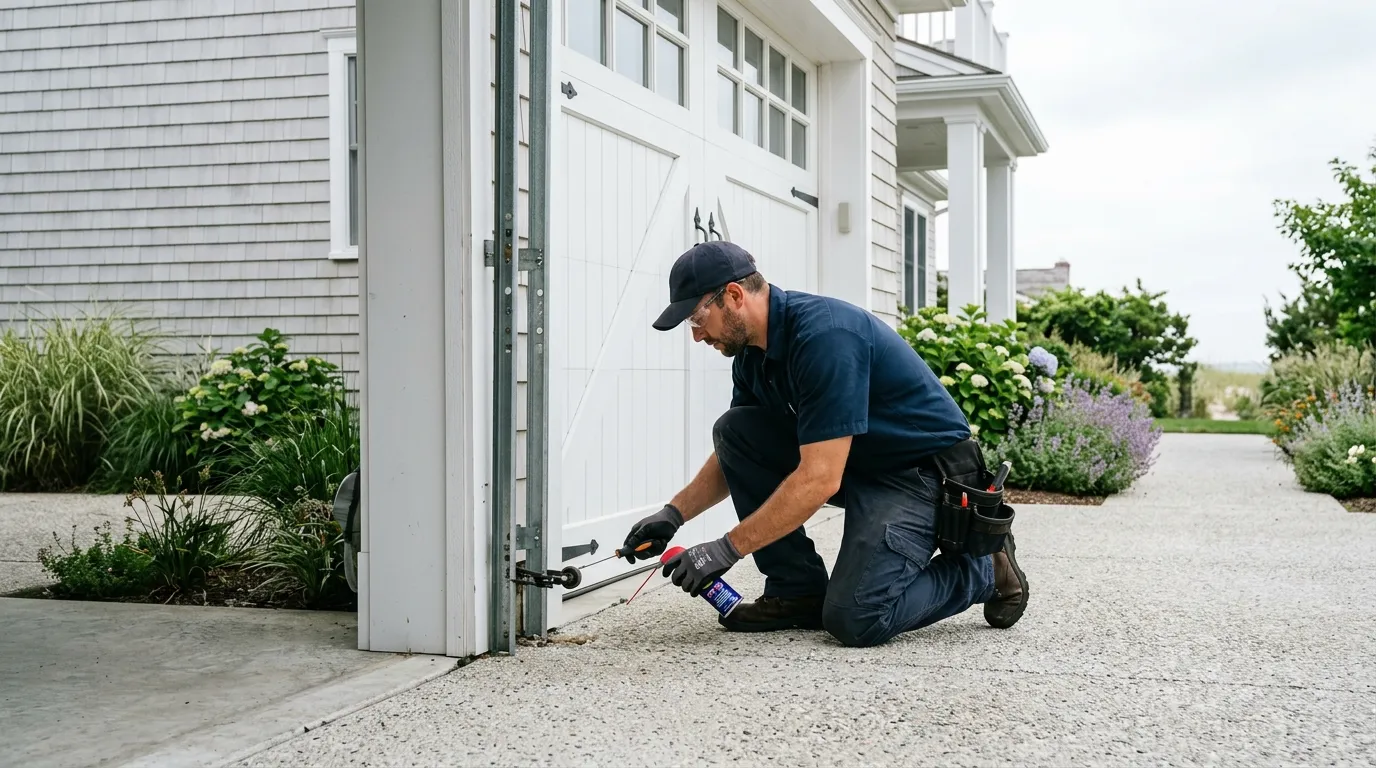
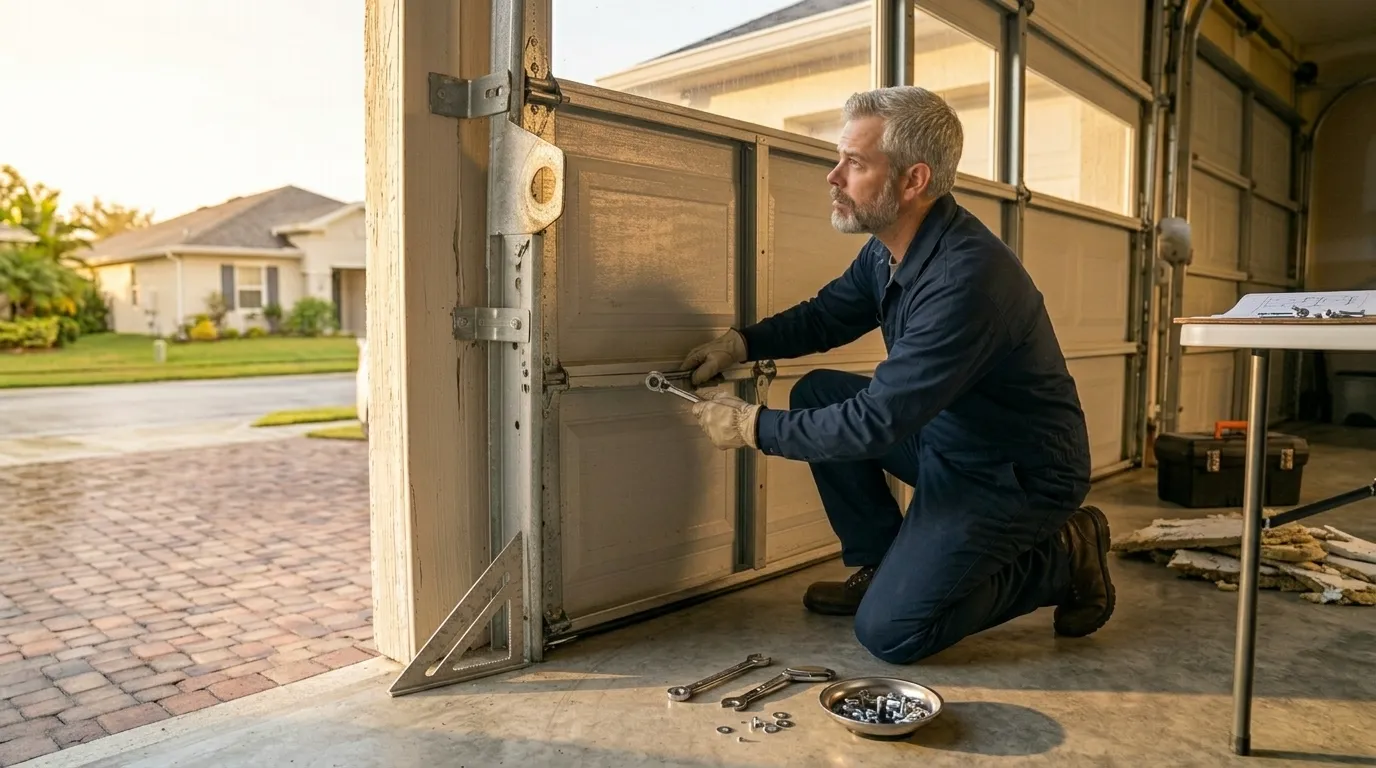
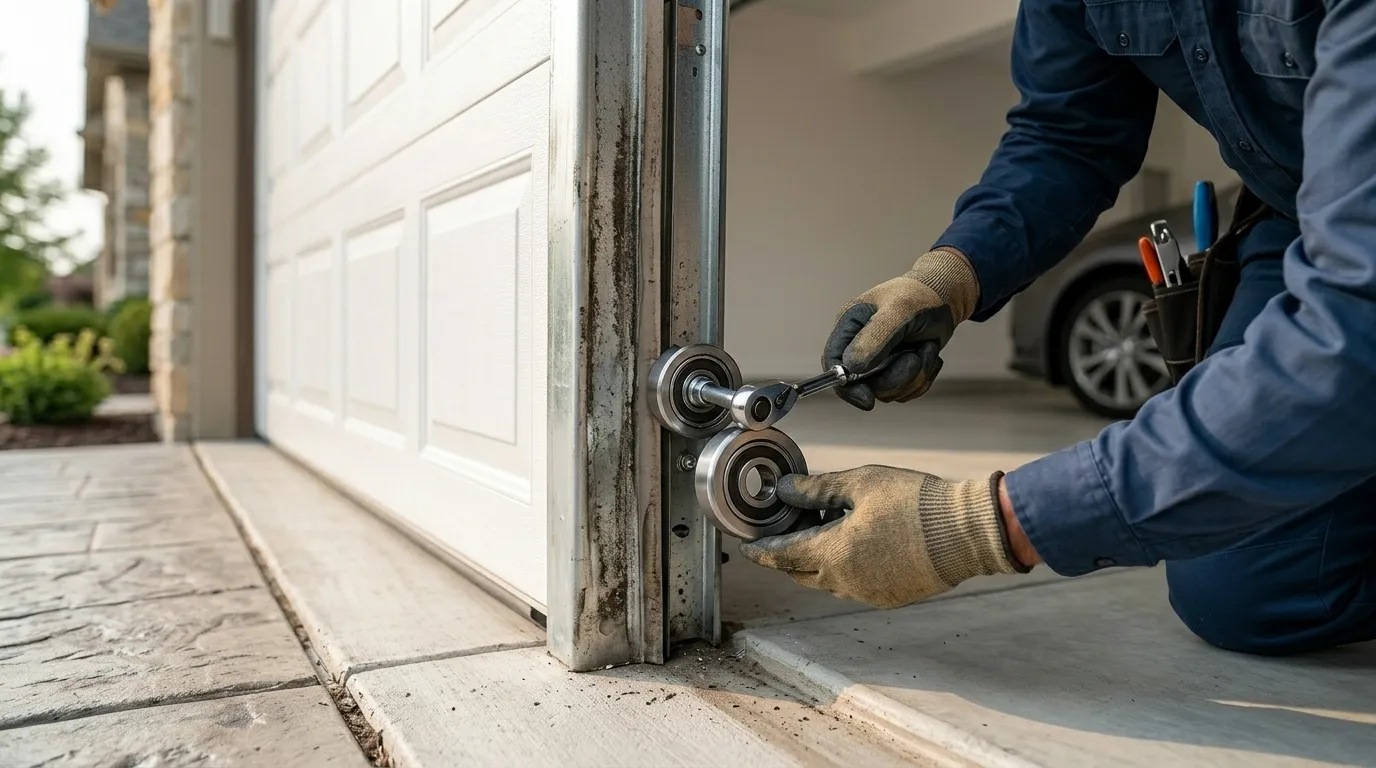
On doors from this build era, the calls we get most are broken torsion springs, openers that click but don't lift, and rollers that have worn enough to make the door bind sideways in the track. Given that most houses here are 24-25 years old on their original hardware, this is close to the exact age window where these three problems cluster. We'll also get calls about a cable that's frayed at the drum - another wear item that shows up right around this age on doors that haven't had the hardware serviced. One honest limit: if your opener's control board is failing and it's an older model that's no longer made, we may need to replace the whole unit rather than chase down a matching part, since some of those boards just aren't available anymore. We'll tell you straight if that's the case before we start any work.